


Search results
Search for "azides" in Full Text gives 213 result(s) in Beilstein Journal of Organic Chemistry. Showing first 200.
Combining the Ugi-azide multicomponent reaction and rhodium(III)-catalyzed annulation for the synthesis of tetrazole-isoquinolone/pyridone hybrids
- Gerardo M. Ojeda,
- Prabhat Ranjan,
- Pavel Fedoseev,
- Lisandra Amable,
- Upendra K. Sharma,
- Daniel G. Rivera and
- Erik V. Van der Eycken
Beilstein J. Org. Chem. 2019, 15, 2447–2457, doi:10.3762/bjoc.15.237

- prospect of the tetrazole hybridization strategy in drug discovery. Among the most versatile methods for obtaining tetrazoles are the Ugi-azide four-component reaction (Ugi-azide-4CR) [14][15][16] and the 1,3-dipolar cycloaddition of azides with (acyl)cyanides [17][18]. The Ugi-azide-4CR enables the

Graphical Abstract

Figure 1: Bioactive molecules containing a tetrazole, pyridone or isoquinolone ring.
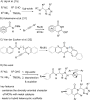
Scheme 1: Approaches for the synthesis of tetrazoles and isoquinolones and their interplay as designed in thi...
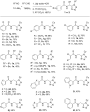
Scheme 2: Scope of the Ugi-azide-4CR/deprotection/acylation sequence. Ugi-azide-4CR conducted at the 2.0 mmol...
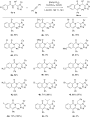
Scheme 3: Influence of substituents R and R2 on the reaction outcome. For compounds 4k–m the overall yield in...

Scheme 4: Influence of the alkyne and R1 substituent on the reaction outcome.

Scheme 5: Scope of acrylic, heterocyclic and ring-fused N-acylaminomethyl tetrazole substrates.

Scheme 6: Proposed reaction mechanism using substrates 1a and 3a.
A metal-free approach for the synthesis of amides/esters with pyridinium salts of phenacyl bromides via oxidative C–C bond cleavage
- Kesari Lakshmi Manasa,
- Yellaiah Tangella,
- Namballa Hari Krishna and
- Mallika Alvala
Beilstein J. Org. Chem. 2019, 15, 1864–1871, doi:10.3762/bjoc.15.182
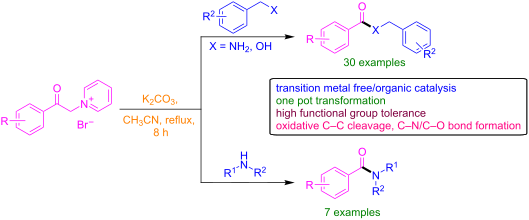
- [6][7], anhydrides [8], esters [9], and acyl azides [10] with amines by employing coupling reagents [11]. Alternative protocols include the Staudinger–Vilarrasa reaction [12], Schmidt reaction [13][14], Beckmann rearrangement [15], aminocarbonylation of aryl halides [16], Staudinger ligation [17
- -workers also demonstrated a transition metal-free aerobic oxidative cleavage of C–C bonds of phenacyl azides employed in the construction of amides utilizing benzylamines [41]. Herein we wish to report a metal-free C(CO)–C(α) bond cleavage of pyridinium salts of phenacyl bromides for the facile synthesis

Graphical Abstract

Scheme 1: Comparison of our work with previous studies.
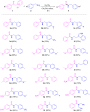
Scheme 2: Scope of pyridinium salts and benzylamine substrates. Reaction conditions: 1 (1 mmol), 2 (1 mmol), ...

Scheme 3: Scope of pyridinium salts and benzyl alcohol substrates. Reaction conditions: 1 (1 mmol), 4 (1 mmol...

Scheme 4: Scope of pyridinium salts, primary and secondary amine substrates. Reaction conditions: 1 (1 mmol), ...

Scheme 5: Control experiments for the oxidative cleavage of C–C bonds.

Scheme 6: Plausible reaction mechanism for the synthesis of N-alkylated benzamides 3.
N-(1-Phenylethyl)aziridine-2-carboxylate esters in the synthesis of biologically relevant compounds
- Iwona E. Głowacka,
- Aleksandra Trocha,
- Andrzej E. Wróblewski and
- Dorota G. Piotrowska
Beilstein J. Org. Chem. 2019, 15, 1722–1757, doi:10.3762/bjoc.15.168

- (Scheme 32) [85]. The reaction involved a nucleophilic displacement at more hindered C2 with inversion of configuration to form the azido ester (2S,1'R)-126 which was transformed into (S)-125 in usual way. However, since amines can be obtained from azides by a Staudinger reaction the ester (2S,1'R)-126

Graphical Abstract

Figure 1: Examples of three-carbon chirons.

Figure 2: Structures of derivatives of N-(1-phenylethyl)aziridine-2-carboxylic acid 5–8.

Figure 3: Synthetic equivalency of aziridine aldehydes 6.

Scheme 1: Synthesis of N-(1-phenylethyl)aziridine-2-carboxylates 5. Reagents and conditions: a) TEA, toluene,...

Scheme 2: Absolute configuration at C2 in (2S,1'S)-5a. Reagents and conditions: a) 20% HClO4, 80 °C, 30 h the...

Scheme 3: Major synthetic strategies for a 2-ketoaziridine scaffold [R* = (R)- or (S)-1-phenylethyl; R′ = Alk...

Scheme 4: Synthesis of cyanide (2S,1'S)-13. Reagents and conditions: a) NH3, EtOH/H2O, rt, 72 h; b) Ph3P, CCl4...

Scheme 5: Synthesis of key intermediates (R)-16 and (R)-17 for (R,R)-formoterol (14) and (R)-tamsulosin (15)....

Scheme 6: Synthesis of mitotic kinesin inhibitors (2R/S,1'R)-23. Reagents and conditions: a) H2, Pd(OH)2, EtO...

Scheme 7: Synthesis of (R)-mexiletine ((R)-24). Reagents and conditions: a) TsCl, TEA, DMAP, CH2Cl2, rt, 1 h;...

Scheme 8: Synthesis of (−)-cathinone ((S)-27). Reagents and conditions: a) PhMgBr, ether, 0 °C; b) H2, 10% Pd...

Scheme 9: Synthesis of N-Boc-norpseudoephedrine ((1S,2S)-(+)-29) and N-Boc-norephedrine ((1R,2S)-29). Reagent...

Scheme 10: Synthesis of (−)-ephedrine ((1R,2S)-31). Reagents and conditions: a) TfOMe, MeCN then NaBH3CN, rt; ...

Scheme 11: Synthesis of xestoaminol C ((2S,3R)-35), 3-epi-xestoaminol C ((2S,3S)-35) and N-Boc-spisulosine ((2S...

Scheme 12: Synthesis of ʟ-tryptophanol ((S)-41). Reagents and conditions: a) CDI, MeCN, rt, 1 h then TMSI, MeC...

Scheme 13: Synthesis of ʟ-homophenylalaninol ((S)-42). Reagents and conditions: a) NaH, THF, 0 °C to −78 °C, 1...

Scheme 14: Synthesis of ᴅ-homo(4-octylphenyl)alaninol ((R)-47) and a sphingolipid analogue (R)-48. Reagents an...

Scheme 15: Synthesis of florfenicol ((1R,2S)-49). Reagents and conditions: a) (S)-1-phenylethylamine, TEA, MeO...

Scheme 16: Synthesis of natural tyroscherin ((2S,3R,6E,8R,10R)-55). Reagents and conditions: a) I(CH2)3OTIPS, t...

Scheme 17: Syntheses of (−)-hygrine (S)-61, (−)-hygroline (2S,2'S)-62 and (−)-pseudohygroline (2S,2'R)-62. Rea...

Scheme 18: Synthesis of pyrrolidine (3S,3'R)-68, a fragment of the fluoroquinolone antibiotic PF-00951966. Rea...

Scheme 19: Synthesis of sphingolipid analogues (R)-76. Reagents and conditions: a) BnBr, Mg, THF, reflux, 6 h;...

Scheme 20: Synthesis of ᴅ-threo-PDMP (1R,2R)-81. Reagents and conditions: a) TMSCl, NaI, MeCN, rt, 1 h 50 min,...

Scheme 21: Synthesis of the sphingolipid analogue SG-14 (2S,3S)-84. Reagents and conditions: a) LiAlH4, THF, 0...

Scheme 22: Synthesis of the sphingolipid analogue SG-12 (2S,3R)-88. Reagents and conditions: a) 1-(bromomethyl...

Scheme 23: Synthesis of sphingosine-1-phosphate analogues DS-SG-44 and DS-SG-45 (2S,3R)-89a and (2S,3R)-89a. R...

Scheme 24: Synthesis of N-Boc-safingol ((2S,3S)-95) and N-Boc-ᴅ-erythro-sphinganine ((2S,3R)-95). Reagents and...

Scheme 25: Synthesis of ceramide analogues (2S,3R)-96. Reagents and conditions: a) NaBH4, ZnCl2, MeOH, −78 °C,...

Scheme 26: Synthesis of orthogonally protected serinols, (S)-101 and (R)-102. Reagents and conditions: a) BnBr...

Scheme 27: Synthesis of N-acetyl-3-phenylserinol ((1R,2R)-105). Reagents and conditions: a) AcOH, CH2Cl2, refl...

Scheme 28: Synthesis of (S)-linezolid (S)-107. Reagents and conditions: a) LiAlH4, THF, 0 °C to reflux; b) Boc2...

Scheme 29: Synthesis of (2S,3S,4R)-2-aminooctadecane-1,3,4-triol (ᴅ-ribo-phytosphingosine) (2S,3S,4R)-110. Rea...

Scheme 30: Syntheses of ᴅ-phenylalanine (R)-116. Reagents and conditions: a) AcOH, CH2Cl2, reflux, 4 h; b) MsC...

Scheme 31: Synthesis of N-Boc-ᴅ-3,3-diphenylalanine ((R)-122). Reagents and conditions: a) PhMgBr, THF, −78 °C...

Scheme 32: Synthesis of ethyl N,N’-di-Boc-ʟ-2,3-diaminopropanoate ((S)-125). Reagents and conditions: a) NaN3,...

Scheme 33: Synthesis of the bicyclic amino acid (S)-(+)-127. Reagents and conditions: a) BF3·OEt2, THF, 60 °C,...

Scheme 34: Synthesis of lacosamide, (R)-2-acetamido-N-benzyl-3-methoxypropanamide (R)-130. Reagents and condit...

Scheme 35: Synthesis of N-Boc-norfuranomycin ((2S,2'R)-133). Reagents and conditions: a) H2C=CHCH2I, NaH, THF,...

Scheme 36: Synthesis of MeBmt (2S,3R,4R,6E)-139. Reagents and conditions: a) diisopropyl (S,S)-tartrate (E)-cr...

Scheme 37: Synthesis of (+)-polyoxamic acid (2S,3S,4S)-144. Reagents and conditions: a) AD-mix-α, MeSO2NH2, t-...

Scheme 38: Synthesis of the protected 3-hydroxy-ʟ-glutamic acid (2S,3R)-148. Reagents and conditions: a) LiHMD...

Scheme 39: Synthesis of (+)-isoserine (R)-152. Reagents and conditions: a) AcCl, MeCN, rt, 0.5 h then Na2CO3, ...

Scheme 40: Synthesis of (3R,4S)-N3-Boc-3,4-diaminopentanoic acid (3R,4S)-155. Reagents and conditions: a) Ph3P...

Scheme 41: Synthesis of methyl (2S,3S,4S)-4-(dimethylamino)-2,3-dihydroxy-5-methoxypentanoate (2S,3S,4S)-159. ...

Scheme 42: Syntheses of methyl (3S,4S) 4,5-di-N-Boc-amino-3-hydroxypentanoate ((3S,4S)-164), methyl (3S,4S)-4-N...

Scheme 43: Syntheses of (3R,5S)-5-(aminomethyl)-3-(4-methoxyphenyl)dihydrofuran-2(3H)-one ((3R,5S)-168). Reage...

Scheme 44: Syntheses of a series of imidazolin-2-one dipeptides 175–177 (for R' and R'' see text). Reagents an...

Scheme 45: Syntheses of (2S,3S)-N-Boc-3-hydroxy-2-hydroxymethylpyrrolidine ((2S,3S)-179). Reagents and conditi...

Scheme 46: Syntheses of enantiomers of 1,4-dideoxy-1,4-imino-ʟ- and -ᴅ-lyxitols (2S,3R,4S)-182 and (2R,3S,4R)-...

Scheme 47: Synthesis of 1,4-dideoxy-1,4-imino-ʟ-ribitol (2S,3S,4R)-182. Reagents and conditions: a) AcOH, CH2Cl...

Scheme 48: Syntheses of 1,4-dideoxy-1,4-imino-ᴅ-arabinitol (2R,3R,4R)-182 and 1,4-dideoxy-1,4-imino-ᴅ-xylitol ...

Scheme 49: Syntheses of natural 2,5-imino-2,5,6-trideoxy-ʟ-gulo-heptitol ((2S,3R,4R,5R)-184) and its C4 epimer...

Scheme 50: Syntheses of (−)-dihydropinidine ((2S,6R)-187a) (R = C3H7) and (2S,6R)-isosolenopsins (2S,6R)-187b ...

Scheme 51: Syntheses of (+)-deoxocassine ((2S,3S,6R)-190a, R = C12H25) and (+)-spectaline ((2S,3S,6R)-190b, R ...

Scheme 52: Synthesis of (−)-microgrewiapine A ((2S,3R,6S)-194a) and (+)-microcosamine A ((2S,3R,6S)-194b). Rea...

Scheme 53: Syntheses of ʟ-1-deoxynojirimycin ((2S,3S,4S,5R)-200), ʟ-1-deoxymannojirimycin ((2S,3S,4S,5S)-200) ...

Scheme 54: Syntheses of 1-deoxy-ᴅ-galacto-homonojirimycin (2R,3S,4R,5S)-211. Reagents and conditions: a) MeONH...

Scheme 55: Syntheses of 7a-epi-hyacinthacine A1 (1S,2R,3R,7aS)-220. Reagents and conditions: a) TfOTBDMS, 2,6-...

Scheme 56: Syntheses of 8-deoxyhyacinthacine A1 ((1S,2R,3R,7aR)-221). Reagents and conditions: a) H2, Pd/C, PT...

Scheme 57: Syntheses of (+)-lentiginosine ((1S,2S,8aS)-227). Reagents and conditions: a) (EtO)2P(O)CH2COOEt, L...

Scheme 58: Syntheses of 8-epi-swainsonine (1S,2R,8S,8aR)-231. Reagents and conditions: a) Ph3P=CHCOOMe, MeOH, ...

Scheme 59: Synthesis of a protected vinylpiperidine (2S,3R)-237, a key intermediate in the synthesis of (−)-sw...

Scheme 60: Synthesis of a modified carbapenem 245. Reagents and conditions: a) AcOEt, LiHMDS, THF, −78 °C, 1.5...
Recent advances on the transition-metal-catalyzed synthesis of imidazopyridines: an updated coverage
- Gagandeep Kour Reen,
- Ashok Kumar and
- Pratibha Sharma
Beilstein J. Org. Chem. 2019, 15, 1612–1704, doi:10.3762/bjoc.15.165
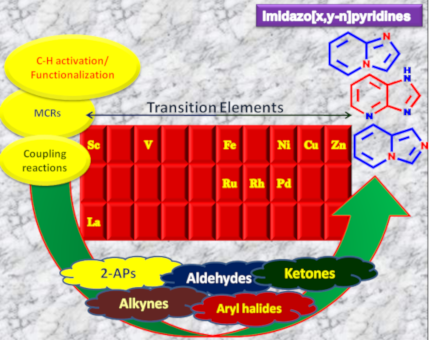
- heterocycles. Pyridinium ylides used as 1,3-dipoles in this protocol were synthesized by the reaction of pyridines with α-bromo ketones (Scheme 41). The protocol was applicable to a series of EW and EDGs on phenacyl azides. However, the reaction was not successful with ethyl azidoacetate. On the other hand, EW

Graphical Abstract

Figure 1: Various drugs having IP nucleus.

Figure 2: Participation percentage of various TMs for the syntheses of IPs.

Scheme 1: CuI–NaHSO4·SiO2-catalyzed synthesis of imidazo[1,2-a]pyridines.

Scheme 2: Experimental examination of reaction conditions.

Scheme 3: One-pot tandem reaction for the synthesis of 2-haloimidazopyridines.

Scheme 4: Mechanistic scheme for the synthesis of 2-haloimidazopyridine.

Scheme 5: Copper-MOF-catalyzed three-component reaction (3-CR) for imidazo[1,2-a]pyridines.

Scheme 6: Mechanism for copper-MOF-driven synthesis.

Scheme 7: Heterogeneous synthesis via titania-supported CuCl2.

Scheme 8: Mechanism involving oxidative C–H functionalization.

Scheme 9: Heterogeneous synthesis of IPs.

Scheme 10: One-pot regiospecific synthesis of imidazo[1,2-a]pyridines.

Scheme 11: Vinyl azide as an unprecedented substrate for imidazo[1,2-a]pyridines.

Scheme 12: Radical pathway.

Scheme 13: Cu(I)-catalyzed transannulation approach for imidazo[1,5-a]pyridines.

Scheme 14: Plausible radical pathway for the synthesis of imidazo[1,5-a]pyridines.

Scheme 15: A solvent-free domino reaction for imidazo[1,2-a]pyridines.

Scheme 16: Cu-NPs-mediated synthesis of imidazo[1,2-a]pyridines.

Scheme 17: CuI-catalyzed synthesis of isoxazolylimidazo[1,2-a]pyridines.

Scheme 18: Functionalization of 4-bromo derivative via Sonogashira coupling reaction.

Scheme 19: A plausible reaction pathway.

Scheme 20: Cu(I)-catalyzed intramolecular oxidative C–H amidation reaction.

Scheme 21: One-pot synthetic reaction for imidazo[1,2-a]pyridine.

Scheme 22: Plausible reaction mechanism.

Scheme 23: Cu(OAc)2-promoted synthesis of imidazo[1,2-a]pyridines.

Scheme 24: Mechanism for aminomethylation/cycloisomerization of propiolates with imines.

Scheme 25: Three-component synthesis of imidazo[1,2-a]pyridines.

Figure 3: Scope of pyridin-2(1H)-ones and acetophenones.

Scheme 26: CuO NPS-promoted A3 coupling reaction.

Scheme 27: Cu(II)-catalyzed C–N bond formation reaction.

Scheme 28: Mechanism involving Chan–Lam/Ullmann coupling.

Scheme 29: Synthesis of formyl-substituted imidazo[1,2-a]pyridines.

Scheme 30: A tandem sp3 C–H amination reaction.

Scheme 31: Probable mechanistic approach.

Scheme 32: Dual catalytic system for imidazo[1,2-a]pyridines.

Scheme 33: Tentative mechanism.

Scheme 34: CuO/CuAl2O4/ᴅ-glucose-promoted 3-CCR.

Scheme 35: A tandem CuOx/OMS-2-based synthetic strategy.

Figure 4: Biomimetic catalytic oxidation in the presence of electron-transfer mediators (ETMs).

Scheme 36: Control experiment.

Scheme 37: Copper-catalyzed C(sp3)–H aminatin reaction.

Scheme 38: Reaction of secondary amines.

Scheme 39: Probable mechanistic pathway.

Scheme 40: Coupling reaction of α-azidoketones.

Scheme 41: Probable pathway.

Scheme 42: Probable mechanism with free energy calculations.

Scheme 43: MCR for cyanated IP synthesis.

Scheme 44: Substrate scope for the reaction.

Scheme 45: Reaction mechanism.

Scheme 46: Probable mechanistic pathway for Cu/ZnAl2O4-catalyzed reaction.

Scheme 47: Copper-catalyzed double oxidative C–H amination reaction.

Scheme 48: Application towards different coupling reactions.

Scheme 49: Reaction mechanism.

Scheme 50: Condensation–cyclization approach for the synthesis of 1,3-diarylated imidazo[1,5-a]pyridines.

Scheme 51: Optimized reaction conditions.

Scheme 52: One-pot 2-CR.

Scheme 53: One-pot 3-CR without the isolation of chalcone.

Scheme 54: Copper–Pybox-catalyzed cyclization reaction.

Scheme 55: Mechanistic pathway catalyzed by Cu–Pybox complex.

Scheme 56: Cu(II)-promoted C(sp3)-H amination reaction.

Scheme 57: Wider substrate applicability for the reaction.

Scheme 58: Plausible reaction mechanism.

Scheme 59: CuI assisted C–N cross-coupling reaction.

Scheme 60: Probable reaction mechanism involving sp3 C–H amination.

Scheme 61: One-pot MCR-catalyzed by CoFe2O4/CNT-Cu.

Scheme 62: Mechanistic pathway.

Scheme 63: Synthetic scheme for 3-nitroimidazo[1,2-a]pyridines.

Scheme 64: Plausible mechanism for CuBr-catalyzed reaction.

Scheme 65: Regioselective synthesis of halo-substituted imidazo[1,2-a]pyridines.

Scheme 66: Synthesis of 2-phenylimidazo[1,2-a]pyridines.

Scheme 67: Synthesis of diarylated compounds.

Scheme 68: CuBr2-mediated one-pot two-component oxidative coupling reaction.

Scheme 69: Decarboxylative cyclization route to synthesize 1,3-diarylimidazo[1,5-a]pyridines.

Scheme 70: Mechanistic pathway.

Scheme 71: C–H functionalization reaction of enamines to produce diversified heterocycles.

Scheme 72: A plausible mechanism.

Scheme 73: CuI-promoted aerobic oxidative cyclization reaction of ketoxime acetates and pyridines.

Scheme 74: CuI-catalyzed pathway for the formation of imidazo[1,2-a]pyridine.

Scheme 75: Mechanistic pathway.

Scheme 76: Mechanistic rationale for the synthesis of products.

Scheme 77: Copper-catalyzed synthesis of vinyloxy-IP.

Scheme 78: Regioselective product formation with propiolates.

Scheme 79: Proposed mechanism for vinyloxy-IP formation.

Scheme 80: Regioselective synthesis of 3-hetero-substituted imidazo[1,2-a]pyridines with different reaction su...

Scheme 81: Mechanistic pathway.

Scheme 82: CuI-mediated synthesis of 3-formylimidazo[1,2-a]pyridines.

Scheme 83: Radical pathway for 3-formylated IP synthesis.

Scheme 84: Pd-catalyzed urea-cyclization reaction for IPs.

Scheme 85: Pd-catalyzed one-pot-tandem amination and intramolecular amidation reaction.

Figure 5: Scope of aniline nucleophiles.

Scheme 86: Pd–Cu-catalyzed Sonogashira coupling reaction.

Scheme 87: One-pot amide coupling reaction for the synthesis of imidazo[4,5-b]pyridines.

Scheme 88: Urea cyclization reaction for the synthesis of two series of pyridines.

Scheme 89: Amidation reaction for the synthesis of imidazo[4,5-b]pyridines.

Figure 6: Amide scope.

Scheme 90: Pd NPs-catalyzed 3-component reaction for the synthesis of 2,3-diarylated IPs.

Scheme 91: Plausible mechanistic pathway for Pd NPs-catalyzed MCR.

Scheme 92: Synthesis of chromenoannulated imidazo[1,2-a]pyridines.

Scheme 93: Mechanism for the synthesis of chromeno-annulated IPs.

Scheme 94: Zinc oxide NRs-catalyzed synthesis of imidazo[1,2-a]azines/diazines.

Scheme 95: Zinc oxide-catalyzed isocyanide based GBB reaction.

Scheme 96: Reaction pathway for ZnO-catalyzed GBB reaction.

Scheme 97: Mechanistic pathway.

Scheme 98: ZnO NRs-catalyzed MCR for the synthesis of imidazo[1,2-a]azines.

Scheme 99: Ugi type GBB three-component reaction.

Scheme 100: Magnetic NPs-catalyzed synthesis of imidazo[1,2-a]pyridines.

Scheme 101: Regioselective synthesis of 2-alkoxyimidazo[1,2-a]pyridines catalyzed by Fe-SBA-15.

Scheme 102: Plausible mechanistic pathway for the synthesis of 2-alkoxyimidazopyridine.

Scheme 103: Iron-catalyzed synthetic approach.

Scheme 104: Iron-catalyzed aminooxygenation reaction.

Scheme 105: Mechanistic pathway.

Scheme 106: Rh(III)-catalyzed double C–H activation of 2-substituted imidazoles and alkynes.

Scheme 107: Plausible reaction mechanism.

Scheme 108: Rh(III)-catalyzed non-aromatic C(sp2)–H bond activation–functionalization for the synthesis of imid...

Scheme 109: Reactivity and selectivity of different substrates.

Scheme 110: Rh-catalyzed direct C–H alkynylation by Li et al.

Scheme 111: Suggested radical mechanism.

Scheme 112: Scandium(III)triflate-catalyzed one-pot reaction and its mechanism for the synthesis of benzimidazo...

Scheme 113: RuCl3-assisted Ugi-type Groebke–Blackburn condensation reaction.

Scheme 114: C-3 aroylation via Ru-catalyzed two-component reaction.

Scheme 115: Regioselective synthetic mechanism.

Scheme 116: La(III)-catalyzed one-pot GBB reaction.

Scheme 117: Mechanistic approach for the synthesis of imidazo[1,2-a]pyridines.

Scheme 118: Synthesis of imidazo[1,2-a]pyridine using LaMnO3 NPs under neat conditions.

Scheme 119: Mechanistic approach.

Scheme 120: One-pot 3-CR for regioselective synthesis of 2-alkoxy-3-arylimidazo[1,2-a]pyridines.

Scheme 121: Formation of two possible products under optimization of the catalysts.

Scheme 122: Mechanistic strategy for NiFe2O4-catalyzed reaction.

Scheme 123: Two-component reaction for synthesizing imidazodipyridiniums.

Scheme 124: Mechanistic scheme for the synthesis of imidazodipyridiniums.

Scheme 125: CuI-catalyzed arylation of imidazo[1,2-a]pyridines.

Scheme 126: Mechanism for arylation reaction.

Scheme 127: Cupric acetate-catalyzed double carbonylation approach.

Scheme 128: Radical mechanism for double carbonylation of IP.

Scheme 129: C–S bond formation reaction catalyzed by cupric acetate.

Scheme 130: Cupric acetate-catalyzed C-3 formylation approach.

Scheme 131: Control experiments for signifying the role of DMSO and oxygen.

Scheme 132: Mechanism pathway.

Scheme 133: Copper bromide-catalyzed CDC reaction.

Scheme 134: Extension of the substrate scope.

Scheme 135: Plausible radical pathway.

Scheme 136: Transannulation reaction for the synthesis of imidazo[1,5-a]pyridines.

Scheme 137: Plausible reaction pathway for denitrogenative transannulation.

Scheme 138: Cupric acetate-catalyzed C-3 carbonylation reaction.

Scheme 139: Plausible mechanism for regioselective C-3 carbonylation.

Scheme 140: Alkynylation reaction at C-2 of 3H-imidazo[4,5-b]pyridines.

Scheme 141: Two-way mechanism for C-2 alkynylation of 3H-imidazo[4,5-b]pyridines.

Scheme 142: Palladium-catalyzed SCCR approach.

Scheme 143: Palladium-catalyzed Suzuki coupling reaction.

Scheme 144: Reaction mechanism.

Scheme 145: A phosphine free palladium-catalyzed synthesis of C-3 arylated imidazopyridines.

Scheme 146: Palladium-mediated Buchwald–Hartwig cross-coupling reaction.

Figure 7: Structure of the ligands optimized.

Scheme 147: Palladium acetate-catalyzed direct arylation of imidazo[1,2-a]pyridines.

Scheme 148: Palladium acetate-catalyzed mechanistic pathway.

Scheme 149: Palladium acetate-catalyzed regioselective arylation reported by Liu and Zhan.

Scheme 150: Mechanism for selective C-3 arylation of IP.

Scheme 151: Pd(II)-catalyzed alkenylation reaction with styrenes.

Scheme 152: Pd(II)-catalyzed alkenylation reaction with acrylates.

Scheme 153: A two way mechanism.

Scheme 154: Double C–H activation reaction catalyzed by Pd(OAc)2.

Scheme 155: Probable mechanism.

Scheme 156: Palladium-catalyzed decarboxylative coupling.

Scheme 157: Mechanistic cycle for decarboxylative arylation reaction.

Scheme 158: Ligand-free approach for arylation of imidazo[1,2-a]pyridine-3-carboxylic acids.

Scheme 159: Mechanism for ligandless arylation reaction.

Scheme 160: NHC-Pd(II) complex assisted arylation reaction.

Scheme 161: C-3 arylation of imidazo[1,2-a]pyridines with aryl bromides catalyzed by Pd(OAc)2.

Scheme 162: Pd(II)-catalyzed C-3 arylations with aryl tosylates and mesylates.

Scheme 163: CDC reaction for the synthesis of imidazo[1,2-a]pyridines.

Scheme 164: Plausible reaction mechanism for Pd(OAc)2-catalyzed synthesis of imidazo[1,2-a]pyridines.

Scheme 165: Pd-catalyzed C–H amination reaction.

Scheme 166: Mechanism for C–H amination reaction.

Scheme 167: One-pot synthesis for 3,6-di- or 2,3,6-tri(hetero)arylimidazo[1,2-a]pyridines.

Scheme 168: C–H/C–H cross-coupling reaction of IPs and azoles catalyzed by Pd(II).

Scheme 169: Mechanistic cycle.

Scheme 170: Rh-catalyzed C–H arylation reaction.

Scheme 171: Mechanistic pathway for C–H arylation of imidazo[1,2-a]pyridine.

Scheme 172: Rh(III)-catalyzed double C–H activation of 2-phenylimidazo[1,2-a]pyridines and alkynes.

Scheme 173: Rh(III)-catalyzed mechanistic pathway.

Scheme 174: Rh(III)-mediated oxidative coupling reaction.

Scheme 175: Reactions showing functionalization of the product obtained by the group of Kotla.

Scheme 176: Mechanism for Rh(III)-catalyzed oxidative coupling reaction.

Scheme 177: Rh(III)-catalyzed C–H activation reaction.

Scheme 178: Mechanistic cycle.

Scheme 179: Annulation reactions of 2-arylimidazo[1,2-a]pyridines and alkynes.

Scheme 180: Two-way reaction mechanism for annulations reaction.

Scheme 181: [RuCl2(p-cymene)]2-catalyzed C–C bond formation reaction.

Scheme 182: Reported reaction mechanism.

Scheme 183: Fe(III) catalyzed C-3 formylation approach.

Scheme 184: SET mechanism-catalyzed by Fe(III).

Scheme 185: Ni(dpp)Cl2-catalyzed KTC coupling.

Scheme 186: Pd-catalyzed SM coupling.

Scheme 187: Vanadium-catalyzed coupling of IP and NMO.

Scheme 188: Mechanistic cycle.

Scheme 189: Selective C3/C5–H bond functionalizations by mono and bimetallic systems.

Scheme 190: rGO-Ni@Pd-catalyzed C–H bond arylation of imidazo[1,2-a]pyridine.

Scheme 191: Mechanistic pathway for heterogeneously catalyzed arylation reaction.

Scheme 192: Zinc triflate-catalyzed coupling reaction of substituted propargyl alcohols.
Synthesis of functionalized diazocines for application as building blocks in photo- and mechanoresponsive materials
- Widukind Moormann,
- Daniel Langbehn and
- Rainer Herges
Beilstein J. Org. Chem. 2019, 15, 727–732, doi:10.3762/bjoc.15.68
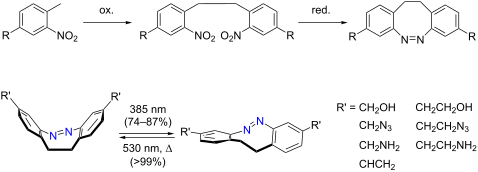
- deprotection with TiCl4 the hydroxy-functionalized diazocines 4a and 4b were obtained [32]. The hydroxy groups in 4a and 4b were successfully converted into azides using 2-azido-1,3-dimethylimidazolinium hexafluorophosphate (ADMP) and DBU [33]. The synthesis was completed with a Staudinger reaction to obtain

Graphical Abstract

Figure 1: (a) Isomerization of parent diazocine 1. Distances of carbon atoms para to the ethylene bridge were...

Figure 2: Synthesized target diazocines 4–7 for applications in responsive materials.

Scheme 1: Key reactions in diazocine synthesis.

Scheme 2: Syntheses of the functionalized diazocines 4–7. Reaction conditions: i) Isobutylene, sulfuric acid,...

Figure 3: UV–vis spectra of 3,3’-diaminodiazocine 2 (left), 3,3’-di(aminomethyl)diazocine 6a (center), and 3,...
Cyclopropene derivatives of aminosugars for metabolic glycoengineering
- Jessica Hassenrück and
- Valentin Wittmann
Beilstein J. Org. Chem. 2019, 15, 584–601, doi:10.3762/bjoc.15.54
- , azides and alkynes can be visualized by the Staudinger ligation [8] or the azide–alkyne cycloaddition, that can be performed either copper-catalyzed [9][10] or strain-promoted [11][12]. Another type of reporter group that has been proven to be a valuable tool are electron-rich or strained alkenes, that

Graphical Abstract
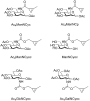
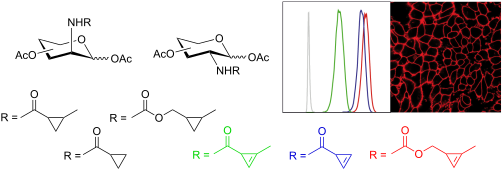
Figure 1: Cyclopropene-modified mannosamine, glucosamine and galactosamine derivatives employed for MGE.
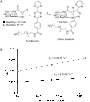
Figure 2: A) Reaction of ManNCyc and ManNCp, respectively, with Tz-PEG-OH to determine second-order rate cons...

Scheme 1: MGE with cyclopropene-modified mannosamines. Cells were grown with sugar for 48 hours and then incu...

Figure 3: HEK 293T cells were grown with 100 μM Ac4ManNCyc, Ac4ManNCp, Ac4ManNCyoc or DMSO only (negative con...

Scheme 2: Synthesis of Ac4ManNCp(H2) and Ac4ManNCyc(H2) and the corresponding DMB-labeled sialic acids. C/A =...

Scheme 3: Synthesis of Ac4ManNCyoc(H2) and the corresponding DMB-labeled sialic acid.

Scheme 4: Synthesis of Ac4GlcNCp and Ac4GalNCp.

Figure 4: HEK 293T cells were grown with 100 μM Ac4ManNCp, Ac4GlcNCp, Ac4GalNCp or DMSO only (negative contro...

Figure 5: HEK 293T cells were grown with 100 μM Ac4GlcNCp, Ac4GalNCp or DMSO only (negative control) for 48 h...

Figure 6: HEK 293T cells were grown with 50 μM (A) or 100 μM (B) Ac4GlcNCp, Ac4GlcNCyoc or DMSO only (negativ...

Figure 7: Western blot analysis of soluble glycoproteins. HEK 293T cells were grown for 48 h with 100 μM Ac4M...

Scheme 5: Synthesis of Ac4GlcNCp(H2) and Ac4GlcNCyoc(H2).
Low-budget 3D-printed equipment for continuous flow reactions
- Jochen M. Neumaier,
- Amiera Madani,
- Thomas Klein and
- Thomas Ziegler
Beilstein J. Org. Chem. 2019, 15, 558–566, doi:10.3762/bjoc.15.50
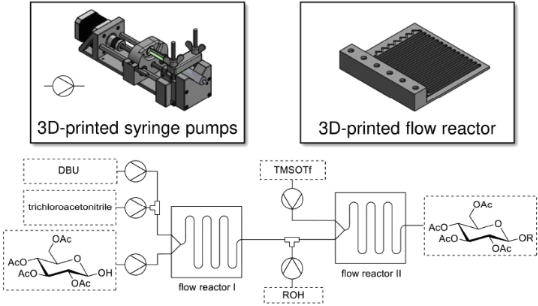
- glycosides 3–7 were obtained. To the best of our knowledge similar cascade flow glycosylations have not been described in the literature so far. Finally, the herein developed flow system devices could also be applied to the continuous flow preparation of glycosyl azides. For example, we were able to convert

Graphical Abstract

Figure 1: a) CAD drawing of the reactor R1. b) 3D-printed reactor R1 from the CAD drawing. The reactor is fil...

Figure 2: a) L-shaped rail made of PLA with the mounted reactor R3. The small picture shows the fixed reactor...

Figure 3: a) Microreactor R4 with a reactor volume of 12 µL filled with a blue dye solution. b) Magnification...

Figure 4: CAD drawing of two CSTR with three (a) and two inlets (b) with in-printed screw nuts 1/4’’ – 28 thr...

Figure 5: a) Unassembled parts used for one syringe pump. b) Assembled pump with controller.

Scheme 1: Preparation of acetobromo-α-D-glucose 2.

Figure 6: a) Schematic diagram for the continuous-flow synthesis of acetobromo-α-D-glucose 2. b) Photograph o...

Scheme 2: Flow Koenigs–Knorr reaction to methyl glycoside 3 with silver triflate.

Scheme 3: Preparation of glycosyl donor 5.

Scheme 4: Two-step glycosylation reactions starting from pyranose 3.

Scheme 5: Synthesis of azide-functionalized glycopyranoside 8.
Synthesis and fluorescent properties of N(9)-alkylated 2-amino-6-triazolylpurines and 7-deazapurines
- Andrejs Šišuļins,
- Jonas Bucevičius,
- Yu-Ting Tseng,
- Irina Novosjolova,
- Kaspars Traskovskis,
- Ērika Bizdēna,
- Huan-Tsung Chang,
- Sigitas Tumkevičius and
- Māris Turks
Beilstein J. Org. Chem. 2019, 15, 474–489, doi:10.3762/bjoc.15.41
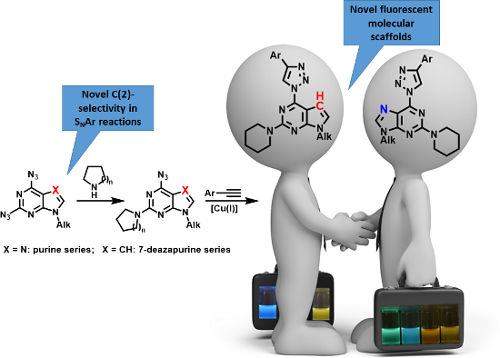
- )-substitution product 6b as the major isomer. To the best of our knowledge, this is the first report on such regioselectivity involving combination of 2,6-diazidopurines and N-nucleophiles. It should be noted that in solution, azides 6 exist in equilibrium between the azidopurine and tetrazolopurine forms. This

Graphical Abstract
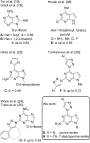
Figure 1: Examples of fluorescent purine/7-deazapurine derivatives.

Scheme 1: General synthetic routes for the compounds 5, 7–9, 10 and 11. Method A: alkyl halogenide, MeCN or D...
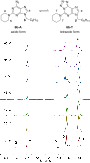
Figure 2: 1H NMR spectra of compound 6b in CD3CN at different temperatures (300 MHz, c = 12.5 mg/mL); a, b, c...

Figure 3: Comparison of 1H NMR spectra of compounds 8a and 5 (300 MHz, CDCl3).

Figure 4: a) Experimental UV–vis absorption spectra (lines) with computed theoretical absorption bands (colum...

Figure 5: Photos of compound 8c (A and B) and compound 11c (C and D) in THF, CHCl3, DMSO, MeCN and MeOH befor...

Figure 6: a) Fluorescence spectra of compounds 8c (λexc = 360 nm) and 11c (λexc = 370 nm) in solvents of diff...

Figure 7: Energy diagram for the frontier molecular orbitals of compounds 8a, 8c, 11a and 11c.

Figure 8: Labeled MCF-7 cells using compound 9 (C,D) and unlabeled MCF-7 cells (A,B) in microscope (2 h, c(9)...
Sigmatropic rearrangements of cyclopropenylcarbinol derivatives. Access to diversely substituted alkylidenecyclopropanes
- Guillaume Ernouf,
- Jean-Louis Brayer,
- Christophe Meyer and
- Janine Cossy
Beilstein J. Org. Chem. 2019, 15, 333–350, doi:10.3762/bjoc.15.29
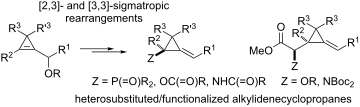
- ]. Alkylidene(aminocyclopropane) derivatives constitute another interesting class of heterosubstituted alkylidenecyclopropanes which have been previously synthesized by a Curtius rearrangement of acyl azides derived from alkylidenecyclopropane carboxylic acids [43] or by elimination reactions applied to

Graphical Abstract
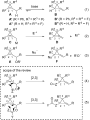
Scheme 1: Representative strategies for the formation of alkylidenecyclopropanes from cyclopropenes and scope...

Scheme 2: [2,3]-Sigmatropic rearrangement of phosphinites 2a–h.

Scheme 3: [2,3]-Sigmatropic rearrangement of a phosphinite derived from enantioenriched cyclopropenylcarbinol...

Scheme 4: Selective reduction of phosphine oxide (E)-3f.

Scheme 5: Attempted thermal [2,3]-sigmatropic rearrangement of phosphinite 6a.

Scheme 6: Computed activation barriers and free enthalpies.

Scheme 7: [2,3]-Sigmatropic rearrangement of phosphinites 6a–j.

Scheme 8: Proposed mechanism for the Lewis base-catalyzed rearrangement of phosphinites 6.

Scheme 9: [3,3]-Sigmatropic rearrangement of tertiary cyclopropenylcarbinyl acetates 10a–c.

Scheme 10: [3,3]-Sigmatropic rearrangement of secondary cyclopropenylcarbinyl esters 10d–h.

Scheme 11: [3,3]-Sigmatropic rearrangement of trichoroacetimidates 12a–i.

Scheme 12: Reaction of trichloroacetamide 13f with pyrrolidine.

Scheme 13: Catalytic hydrogenation of (arylmethylene)cyclopropropane 13f.

Scheme 14: Instability of trichloroacetimidates 21a–c derived from cyclopropenylcarbinols 20a–c.
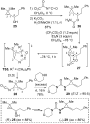
Scheme 15: [3,3]-Sigmatropic rearrangement of cyanate 27 generated from cyclopropenylcarbinyl carbamate 26.

Scheme 16: Synthesis of alkylidene(aminocyclopropane) derivatives 30–37 from carbamate 26.

Scheme 17: Scope of the dehydration–[3,3]-sigmatropic rearrangement sequence of cyclopropenylcarbinyl carbamat...

Scheme 18: Formation of trifluoroacetamide 50 from carbamate 49.

Scheme 19: Formation of alkylidene[(N-trifluoroacetylamino)cyclopropanes] 51–54.

Scheme 20: Diastereoselective hydrogenation of alkylidenecyclopropane 51.

Scheme 21: Ireland–Claisen rearrangement of cyclopropenylcarbinyl glycolates 56a–l.
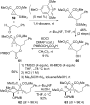
Scheme 22: Synthesis and Ireland–Claisen rearrangement of glycolate 61 possessing gem-diester substitution at ...

Scheme 23: Synthesis of alkylidene(gem-difluorocyclopropanes) 66a–h, and 66k–n from propargyl glycolates 64a–n....

Scheme 24: Ireland–Claisen rearrangement of N,N-diBoc glycinates 67a and 67b.

Scheme 25: Diastereoselective hydrogenation of alkylidenecyclopropanes 58a and 74.

Scheme 26: Synthesis of functionalized gem-difluorocyclopropanes 76 and 77 from alkylidenecyclopropane 66a.

Scheme 27: Access to oxa- and azabicyclic compounds 78–80.
Oxidative radical ring-opening/cyclization of cyclopropane derivatives
- Yu Liu,
- Qiao-Lin Wang,
- Zan Chen,
- Cong-Shan Zhou,
- Bi-Quan Xiong,
- Pan-Liang Zhang,
- Chang-An Yang and
- Quan Zhou
Beilstein J. Org. Chem. 2019, 15, 256–278, doi:10.3762/bjoc.15.23
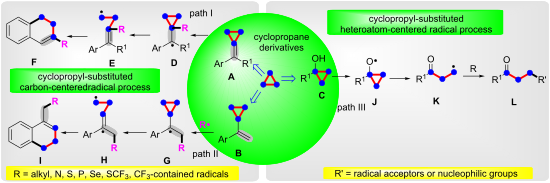
- and vinyl azides 92 for the synthesis of azaheterocyles 93 (Scheme 20) [98]. This strategy could also be applied to the synthesis of the quaternary indole alkaloid and melinonine-E. Quinones play an important role in organic chemistry because of their unique structure. In 2013, Malayappasamy and co
- cyclopropanols and vinyl azides. Ag(I)-catalyzed oxidative ring-opening of cyclopropanols with quinones. Ag(I)-catalyzed oxidative ring-opening of cyclopropanols with heteroarenes. Cu(I)-catalyzed oxidative ring-opening/trifluoromethylation of cyclopropanols. Cu(I)-catalyzed oxidative ring-opening and

Graphical Abstract

Scheme 1: The oxidative radical ring-opening/cyclization of cyclopropane derivatives.

Scheme 2: Mn(OAc)3-mediated oxidative radical ring-opening and cyclization of MCPs with malonates.

Scheme 3: Mn(III)-mediated oxidative radical ring-opening and cyclization of MCPs with 1,3-dicarbonyl compoun...

Scheme 4: Heat-promoted ring-opening/cyclization of MCPs with elemental chalgogens.

Scheme 5: Copper(II) acetate-mediated oxidative radical ring-opening and cyclization of MCPs with diphenyl di...

Scheme 6: AIBN-promoted oxidative radical ring-opening and cyclization of MCPs with benzenethiol.

Scheme 7: AIBN-mediated oxidative radical ring-opening and cyclization of MCPs with diethyl phosphites.

Scheme 8: Organic-selenium induced radical ring-opening and cyclization of MCPs derivatives (cyclopropylaldeh...
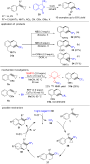
Scheme 9: Copper(I)-catalyzed oxidative radical trifluoromethylation/ring-opening/cyclization of MCPs with To...

Scheme 10: Ag(I)-mediated trifluoromethylthiolation/ring-opening/cyclization of MCPs with AgSCF3.

Scheme 11: oxidative radical ring-opening and cyclization of MCPs with α-C(sp3)-–H of ethers.

Scheme 12: Oxidative radical ring-opening and cyclization of MCPs with aldehydes.

Scheme 13: Cu(I) or Fe(II)-catalyzed oxidative radical trifluoromethylation/ring-opening/cyclization of MCPs d...

Scheme 14: Rh(II)-catalyzed oxidative radical ring-opening and cyclization of MCPs.

Scheme 15: Ag(I)-catalyzed oxidative radical amination/ring-opening/cyclization of MCPs derivatives.

Scheme 16: Heating-promoted radical ring-opening and cyclization of MCP derivatives (arylvinylidenecyclopropan...

Scheme 17: Bromine radical-mediated ring-opening of alkylidenecyclopropanes.

Scheme 18: Fluoroalkyl (Rf) radical-mediated ring-opening of MCPs.

Scheme 19: Visible-light-induced alkylation/ring-opening/cyclization of cyclopropyl olefins with bromides.

Scheme 20: Mn(III)-mediated ring-opening and [3 + 3]-annulation of cyclopropanols and vinyl azides.

Scheme 21: Ag(I)-catalyzed oxidative ring-opening of cyclopropanols with quinones.

Scheme 22: Ag(I)-catalyzed oxidative ring-opening of cyclopropanols with heteroarenes.

Scheme 23: Cu(I)-catalyzed oxidative ring-opening/trifluoromethylation of cyclopropanols.

Scheme 24: Cu(I)-catalyzed oxidative ring-opening and trifluoromethylation/trifluoromethylthiolation of cyclop...

Scheme 25: Ag(I)-mediated oxidative ring-opening/fluorination of cyclopropanols with Selectfluor.

Scheme 26: Photocatalyzed ring-opening/fluorination of cyclopropanols with Selectfluor.

Scheme 27: Na2S2O8-promoted ring-opening/alkynylation of cyclopropanols with EBX.
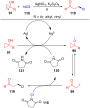
Scheme 28: Ag(I)-catalyzed ring-opening and chlorination of cyclopropanols with aldehydes.

Scheme 29: Ag(I)-catalyzed ring-opening/alkynylation of cyclopropanols with EBX.

Scheme 30: Na2S2O8-promoted ring-opening/alkylation of cyclopropanols with acrylamides.

Scheme 31: Cyclopropanol ring-opening initiated tandem cyclization with acrylamides or 2-isocyanobiphenyls.

Scheme 32: Ag(II)-mediated oxidative ring-opening/fluorination of cyclopropanols with AgF2.

Scheme 33: Cu(II)-catalyzed ring-opening/fluoromethylation of cyclopropanols with sulfinate salts.

Scheme 34: Cu(II)-catalyzed ring-opening/sulfonylation of cyclopropanols with sulfinate salts.

Scheme 35: Na2S2O8-promoted ring-opening/arylation of cyclopropanols with propiolamides.

Scheme 36: The ring-opening and [3 + 2]-annulation of cyclopropanols with α,β-unsaturated aldehydes.

Scheme 37: Cu(II)-catalyzed ring-opening/arylation of cyclopropanols with aromatic nitrogen heterocyles.

Scheme 38: Ag(I)-catalyzed ring-opening and difluoromethylthiolation of cyclopropanols with PhSO2SCF2H.

Scheme 39: Ag(I)-catalyzed ring-opening and acylation of cyclopropanols with aldehydes.

Scheme 40: Aerobic oxidation ring-opening of cyclopropanols for the synthesis of 2-oxyranyl ketones.

Scheme 41: Aerobic oxidation ring-opening of cyclopropanols for the synthesis of linear enones.

Scheme 42: Aerobic oxidation ring-opening of cyclopropanols for the synthesis of metabolite.
Copper(I)-catalyzed tandem reaction: synthesis of 1,4-disubstituted 1,2,3-triazoles from alkyl diacyl peroxides, azidotrimethylsilane, and alkynes
- Muhammad Israr,
- Changqing Ye,
- Munira Taj Muhammad,
- Yajun Li and
- Hongli Bao
Beilstein J. Org. Chem. 2018, 14, 2916–2922, doi:10.3762/bjoc.14.270
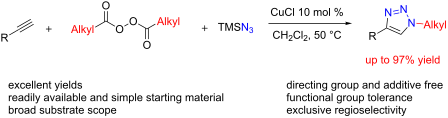
- from alkyl diacyl peroxides, azidotrimethylsilane, and terminal alkynes is reported. The alkyl carboxylic acids is for the first time being used as the alkyl azide precursors in the form of alkyl diacyl peroxides. This method avoids the necessity to handle organic azides, as they are generated in situ
- , making this protocol operationally simple. The Cu(I) catalyst not only participates in the alkyl diacyl peroxides decomposition to afford alkyl azides but also catalyzes the subsequent CuAAC reaction to produce the 1,2,3-triazoles. Keywords: alkyl diacyl peroxides; azidotrimethylsilane; click reaction
- ], derived from the Huisgen’s 1,3-dipolar cycloaddition of azides and alkynes [22], has conceivably emerged as the premier example of click chemistry. Generally, organic azides are used as the azido source in most of the CuAAC reactions (Scheme 1a) [23]. However, the organic azides with low molecular weight

Graphical Abstract

Scheme 1: General methods for the synthesis of triazoles.
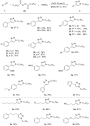
Scheme 2: Substrate scope of the terminal alkynes. Conditions: 1 (0.5 mmol), 2a (0.75 mmol), TMSN3 (0.75 mmol...

Scheme 3: Substrate scope of the alkyl diacyl peroxides. Conditions: 1a (0.5 mmol), 2 (0.75 mmol), TMSN3 (0.7...

Scheme 4: Preliminary mechanistic studies.

Scheme 5: Plausible reaction mechanism.
Assembly of fully substituted triazolochromenes via a novel multicomponent reaction or mechanochemical synthesis
- Robby Vroemans,
- Yenthel Verhaegen,
- My Tran Thi Dieu and
- Wim Dehaen
Beilstein J. Org. Chem. 2018, 14, 2689–2697, doi:10.3762/bjoc.14.246
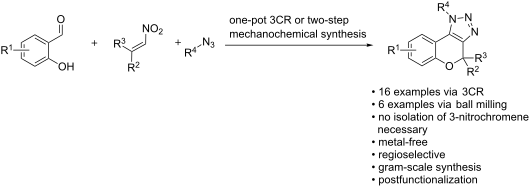
- intermediate 3-nitro-2H-chromenes with organic azides in a one-pot two-step sequence. The triazolochromenes were formed with complete regioselectivity and new biologically relevant structures were synthesized via extension of the developed procedure and via postfunctionalization. The mechanochemical synthesis
- nitroacetate and organic azides, in which the synthesis of both triazolocoumarin regioisomers was accomplished [33]. Interestingly, the expected regioisomer was not observed in the case of the in situ formed 3-nitrocoumarins. Hence, in our continued exploration towards novel multicomponent reactions for the
- assembly of triazole-fused (hetero)cycles [24][33][34][35][36][37][38][39][40][41][42], we opted to develop a new one-pot two-step three-component reaction starting from salicylaldehydes, nitroalkenes and organic azides, without isolation of the intermediate 3-nitrochromenes, in a regioselective manner and

Graphical Abstract

Scheme 1: Two-step reaction towards triazolochromene 5a and obtained oxidized side product 6.

Scheme 2: Reaction pathways leading to the different regioisomers.
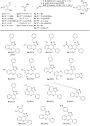
Figure 1: Scope with respect to various salicylaldehydes 1a–f, nitroalkenes 2a–d and organic azides 4a–g. aRe...

Scheme 3: Synthesis of bis-chromenotriazole 5p.

Figure 2: Generality of products obtained via the two-pot mechanochemical procedure, varying the salicylaldeh...

Scheme 4: Scale-up of the one-pot three-component reaction and two-step ball milling procedure.
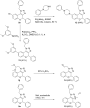
Scheme 5: Postfunctional transformations of triazolochromenes.
Catalyst-free synthesis of 4-acyl-NH-1,2,3-triazoles by water-mediated cycloaddition reactions of enaminones and tosyl azide
- Lu Yang,
- Yuwei Wu,
- Yiming Yang,
- Chengping Wen and
- Jie-Ping Wan
Beilstein J. Org. Chem. 2018, 14, 2348–2353, doi:10.3762/bjoc.14.210
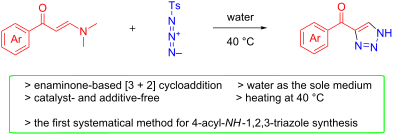
- numerous organic compounds [24][25][26][27][28]. The amazingly rapid and broad permeation of 1,2,3-triazoles to multidisciplinary areas can majorly be attributed to the occurrence of robust synthetic methods toward this heterocycle. The copper-catalyzed click [3 + 2] cycloaddition of azides and alkynes [29
- development of these metal-catalyzed cycloaddition strategies [33][34][35]. Alongside the vast progress happened in MAAC-based 1,2,3-triazole synthesis, the past decade has witnessed the emergence of another powerful cycloaddition tool for the 1,2,3-triazole synthesis: the metal-free cycloaddition of azides
- cycloaddition of azides with activated dipolarophiles such as strained cyclic alkynes, enamines, enolates, electron-deficient olefins, ylides, iminium cations and alkyne anions, etc., have been identified as reliable approaches to access 1,2,3-triazole scaffolds with multiple substitution patterns [39][40][41

Graphical Abstract

Figure 1: Scope of the water-mediated synthesis of 4-acyl-NH-1,2,3-triazoles. General conditions: enaminone 1...

Scheme 1: The gram scale synthesis of 3a: (a) before reaction; (b) completed reaction; (c) the purified produ...

Scheme 2: The proposed reaction mechanism.
Synthesis of new p-tert-butylcalix[4]arene-based polyammonium triazolyl amphiphiles and their binding with nucleoside phosphates
- Vladimir A. Burilov,
- Guzaliya A. Fatikhova,
- Mariya N. Dokuchaeva,
- Ramil I. Nugmanov,
- Diana A. Mironova,
- Pavel V. Dorovatovskii,
- Victor N. Khrustalev,
- Svetlana E. Solovieva and
- Igor S. Antipin
Beilstein J. Org. Chem. 2018, 14, 1980–1993, doi:10.3762/bjoc.14.173
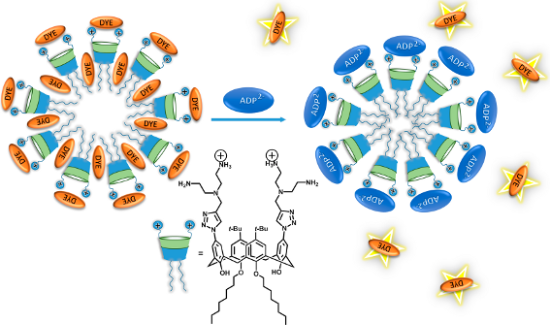
- (CuAAC) reaction [28]. An alternative way is the functionalization of calix[4]arenes by terminal alkynyl groups. However, in this case further transformations by CuAAC reactions are limited mainly due to the fact that low molecular weight organic azides, especially containing less than 3 carbon atoms are
- appear as a singlet at 6.29 ppm. The signals of the bridge methylene protons appear as two doublets at 4.39–4.40 and 3.09–3.10 ppm. The presence of the azide groups was confirmed by valence asymmetric bond vibrations at 2109 cm−1 in the IR spectra of 4 and 8. The MALDI mass spectra of all obtained azides

Graphical Abstract

Scheme 1: The general structure of triazolylcalix[4]arene derivatives.

Scheme 2: Synthesis of di- (4a,b) and tetraazido (8a,b) calix[4]arene derivatives. Conditions: Ia: AlkBr, K2CO...

Figure 1: Molecular structure of 8a (50% ellipsoids). The dashed line indicates the alternative position of t...

Scheme 3: Synthesis of polyammonium macrocycles 10a,b and 12a,b.

Figure 2: 2D NOESY H1-H1 NMR spectra of 10b in DMSO-d6.

Figure 3: The optical response (OR) of the calixarene/EY systems toward adenosine phosphates. Concentration (...

Figure 4: Supramolecular binding motif of diphosphate (a) and triphosphate (b) groups of nucleotides with the...

Figure 5: UV spectra of EY (1), 10b–EY (2), and 10b–EY in the presence of 0.005 (3), 0.05 (4), 0.5 (5) and 2 ...

Scheme 4: Structure of AEPDA and the corresponding AEPCDA–10b polydiacetylene vesicle.

Figure 6: UV spectra of the AEPCDA polydiacetylene vesicles in the presence of different amounts of 10b; conc...

Figure 7: Photographs of a portion of a 96-well plate containing AEPCDA–10b polydiacetylene vesicles in the a...
Artificial bioconjugates with naturally occurring linkages: the use of phosphodiester
- Takao Shoji,
- Hiroki Fukutomi,
- Yohei Okada and
- Kazuhiro Chiba
Beilstein J. Org. Chem. 2018, 14, 1946–1955, doi:10.3762/bjoc.14.169
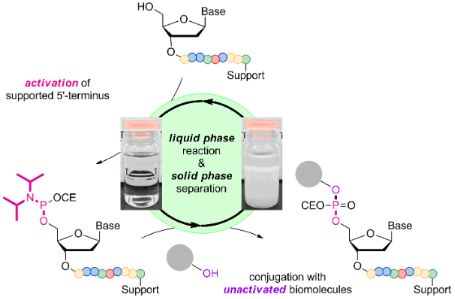
- , artificial functional groups such as alkynes or azides must be pre-installed into the respective biomolecules. Thus generated linkages are also artificial, possibly causing significant perturbation from their native forms, which generally affect bioactivities negatively. Arguably, naturally occurring

Graphical Abstract
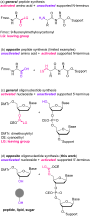
Figure 1: Schematic illustration of possible support-assisted methods.

Figure 2: Expected reactivity of 5’- and 3’-terminus for the activation.

Scheme 1: Competition experiment between alcohol and carboxylic acid. Reagents and conditions: (i) 4-phenylbu...
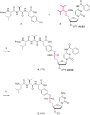
Scheme 2: Conjugation between the 5’-activated supported trinucleotide 2 and the tripeptide 3. Reagents and c...

Figure 3: HPLC spectra of the crude protected bioconjugate 4 and the crude deprotected bioconjugate 5.

Scheme 3: 5’-Phosphitylation of supported decanucleotide 13. Reagents and conditions: 2-cyanoethyl-N,N,N',N'-...

Scheme 4: Conjugation between 5’-activated supported decanucleotide 14 and supported pentapeptide 7. Reagents...
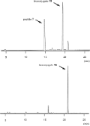
Figure 4: HPLC spectra of the crude protected bioconjugate 15 and the deprotected bioconjugate 16.
Diazirine-functionalized mannosides for photoaffinity labeling: trouble with FimH
- Femke Beiroth,
- Tomas Koudelka,
- Thorsten Overath,
- Stefan D. Knight,
- Andreas Tholey and
- Thisbe K. Lindhorst
Beilstein J. Org. Chem. 2018, 14, 1890–1900, doi:10.3762/bjoc.14.163
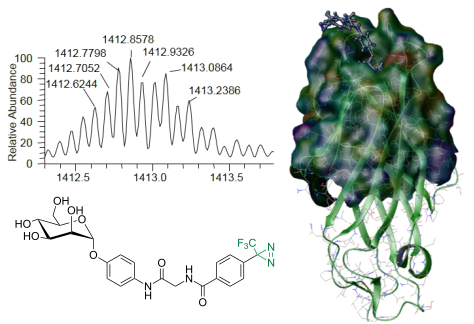
- ) and irradiation of the ligand–protein complex to form an excited intermediate, which eventually leads to a covalently crosslinked ligand–receptor conjugate, which has to be identified by mass spectrometry (Figure 1). Three widely used photoreactive groups are aryl azides, benzophenones and diazirines

Graphical Abstract

Figure 1: Principle of photoaffinity labeling of proteins with diazirine derivatives. Photolabile ligands are...
Figure 2: FimH crystal structure (pdb code 1KLF) with docked p-nitrophenyl α-D-mannopyranoside (1, pNPMan). F...

Figure 3: Based on the structure of the known FimH ligands 1 and 2, three photolabile α-D-mannosides, 3–5, we...

Figure 4: Connolly representation of photolabile α-D-mannoside 3 in the closed gate (A, PDB code 1UWF) and op...

Scheme 1: Synthesis of photolabile α-D-mannosides 3 and 4. a) H2, Pd-C, methanol, rt, 6 h, 94%; b) HATU, DIPE...

Figure 5: ESIMS spectra of peptide M2 before (A) and after photoreaction (B) with mannoside 3.

Figure 6: Intact protein ESIMS spectra of FimHtr labeling with diazirine derivative 3 with (A) 50% acetonitri...
Efficient catenane synthesis by cucurbit[6]uril-mediated azide–alkyne cycloaddition
- Antony Wing Hung Ng,
- Chi-Chung Yee,
- Kai Wang and
- Ho Yu Au-Yeung
Beilstein J. Org. Chem. 2018, 14, 1846–1853, doi:10.3762/bjoc.14.158
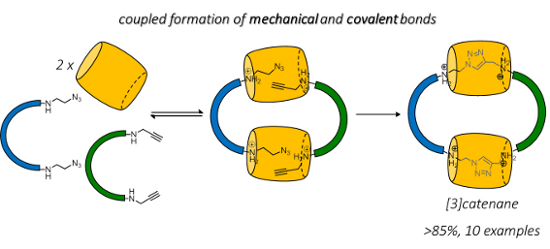
- macrocycles will be ensured. One example is the use of an active metal template, in which the macrocyclization is mediated by the metal ion inside the cavity of a metal-coordinating macrocycle [20]. Cucurbit[6]uril (CB[6]) has also been demonstrated to bind to ammonium-containing azides and alkynes and to

Graphical Abstract
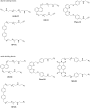
Scheme 1: Diazide and dialkyne building blocks used in this study.

Scheme 2: Synthesis of Cat-1 by CBAAC. aAssembly yield by HPLC; bisolated yield as PF6− salt.

Scheme 3: Synthesis of [3]catenanes by CBAAC. aAssembly yield by HPLC; bisolated yield by precipitation as PF6...

Figure 1: 1H NMR (500 MHz, D2O, 298 K) of Cat-2. The signal at ca. 8.3 ppm is the residual formate from prepa...

Figure 2: (a) ESIMS, (b) HRMS, and (c) MS2 spectrum (parent ion at m/z = 887.8) of Cat-2.

Scheme 4: Synthesis of the [4]catenane Cat-11. aAssembly yield by HPLC; bisolated yield by preparative HPLC.
β-Hydroxy sulfides and their syntheses
- Mokgethwa B. Marakalala,
- Edwin M. Mmutlane and
- Henok H. Kinfe
Beilstein J. Org. Chem. 2018, 14, 1668–1692, doi:10.3762/bjoc.14.143
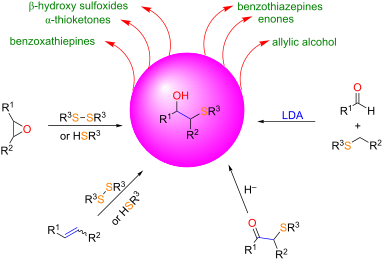
- , alcohols, thiols, and azides as the nucleophiles [53]. The Eu3+ and Tb3+ versions were prepared by metal exchange in methanol, between the cobalt complex 67 and the triflate salts of the rare earths, giving the desired complexes CP1 and CP2 in 83% and 86% yield, respectively. The solvent free thiolysis of

Graphical Abstract

Figure 1: Some sulfur-containing natural products.

Figure 2: Some natural products incorporating β-hydroxy sulfide moieties.

Figure 3: Some synthetic β-hydroxy sulfides of clinical value.

Scheme 1: Alumina-mediated synthesis of β-hydroxy sulfides, ethers, amines and selenides from epoxides.

Scheme 2: β-Hydroxy sulfide syntheses by ring opening of epoxides under different Lewis and Brønsted acid and...

Scheme 3: n-Bu3P-catalyzed thiolysis of epoxides and aziridines to provide the corresponding β-hydroxy and β-...

Scheme 4: Zinc(II) chloride-mediated thiolysis of epoxides.

Scheme 5: Thiolysis of epoxides and one-pot oxidation to β-hydroxy sulfoxides under microwave irradiation.

Scheme 6: Gallium triflate-catalyzed ring opening of epoxides and one-pot oxidation.

Scheme 7: Thiolysis of epoxides and one-pot oxidation to β-hydroxy sulfoxides using Ga(OTf)3 as a catalyst.

Scheme 8: Ring opening of epoxide using ionic liquids under solvent-free conditions.

Scheme 9: N-Bromosuccinimide-catalyzed ring opening of epoxides.

Scheme 10: LiNTf2-mediated epoxide opening by thiophenol.

Scheme 11: Asymmetric ring-opening of cyclohexene oxide with various thiols catalyzed by zinc L-tartrate.

Scheme 12: Catalytic asymmetric ring opening of symmetrical epoxides with t-BuSH catalyzed by (R)-GaLB (43) wi...

Scheme 13: Asymmetric ring opening of meso-epoxides by p-xylenedithiol catalyzed by a (S,S)-(salen)Cr complex.

Scheme 14: Desymmetrization of meso-epoxide with thiophenol derivatives.

Scheme 15: Enantioselective ring-opening reaction of meso-epoxides with ArSH catalyzed by a C2-symmetric chira...

Scheme 16: Enantioselective ring-opening reaction of stilbene oxides with ArSH catalyzed by a C2-symmetric chi...

Scheme 17: Asymmetric desymmetrization of meso-epoxides using BINOL-based Brønsted acid catalysts.

Scheme 18: Lithium-BINOL-phosphate-catalyzed desymmetrization of meso-epoxides with aromatic thiols.

Scheme 19: Ring-opening reactions of cyclohexene oxide with thiols by using CPs 1-Eu and 2-Tb.

Scheme 20: CBS-oxazaborolidine-catalyzed borane reduction of β-keto sulfides.

Scheme 21: Preparation of β-hydroxy sulfides via connectivity.

Scheme 22: Baker’s yeast-catalyzed reduction of sulfenylated β-ketoesters.

Scheme 23: Sodium-mediated ring opening of epoxides.

Scheme 24: Disulfide bond cleavage-epoxide opening assisted by tetrathiomolybdate.

Scheme 25: Proposed reaction mechanism of disulfide bond cleavage-epoxide opening assisted by tetrathiomolybda...

Scheme 26: Cyclodextrin-catalyzed difunctionalization of alkenes.

Scheme 27: Zinc-catalyzed synthesis of β-hydroxy sulfides from disulfides and alkenes.

Scheme 28: tert-Butyl hydroperoxide-catalyzed hydroxysulfurization of alkenes.

Scheme 29: Proposed mechanism of the radical hydroxysulfurization.

Scheme 30: Rongalite-mediated synthesis of β-hydroxy sulfides from styrenes and disulfides.

Scheme 31: Proposed mechanism of Rongalite-mediated synthesis of β-hydroxy sulfides from styrenes and disulfid...

Scheme 32: Copper(II)-catalyzed synthesis of β-hydroxy sulfides 15e,f from alkenes and basic disulfides.

Scheme 33: CuI-catalyzed acetoxysulfenylation of alkenes.

Scheme 34: CuI-catalyzed acetoxysulfenylation reaction mechanism.

Scheme 35: One-pot oxidative 1,2-acetoxysulfenylation of Baylis–Hillman products.

Scheme 36: Proposed mechanism for the oxidative 1,2-acetoxysulfination of Baylis–Hillman products.

Scheme 37: 1,2-Acetoxysulfenylation of alkenes using DIB/KI.

Scheme 38: Proposed reaction mechanism of the diacetoxyiodobenzene (DIB) and KI-mediated 1,2-acetoxysulfenylat...

Scheme 39: Catalytic asymmetric thiofunctionalization of unactivated alkenes.

Scheme 40: Proposed catalytic cycle for asymmetric sulfenofunctionalization.

Scheme 41: Synthesis of thiosugars using intramolecular thiol-ene reaction.

Scheme 42: Synthesis of leukotriene C-1 by Corey et al.: (a) N-(trifluoroacetyl)glutathione dimethyl ester (3 ...

Scheme 43: Synthesis of pteriatoxins with epoxide thiolysis to attain β-hydroxy sulfides. Reagents: (a) (1) K2...

Scheme 44: Synthesis of peptides containing a β-hydroxy sulfide moiety.

Scheme 45: Synthesis of diltiazem (12) using biocatalytic resolution of an epoxide followed by thiolysis.
Anomeric modification of carbohydrates using the Mitsunobu reaction
- Julia Hain,
- Patrick Rollin,
- Werner Klaffke and
- Thisbe K. Lindhorst
Beilstein J. Org. Chem. 2018, 14, 1619–1636, doi:10.3762/bjoc.14.138
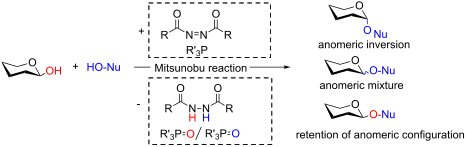
- , in combination with the Ph3P-DEAD system, leaves the acid-labile protecting groups of 127 intact, other than when HF is used. Zbiral’s group on the other hand, developed the synthesis of glycosyl azides such as 128 in a Mitsunobu procedure with 127, using hydrazoic acid as the azide source (Scheme 27
- carbohydrates with an alkoxyamine bond [114]. Synthesis of glycosyl fluorides and glycosyl azides according to Mitsunobu [118][119]. Anomeric oxidation under Mitsunobu conditions [122].

Graphical Abstract

Scheme 1: Left: The Mitsunobu reaction is essentially a nucleophilic substitution of alcohols occurring with ...

Scheme 2: Mechanistic considerations on the Mitsunobu reaction with carbohydrate hemiacetals (depicted in sim...

Scheme 3: Anomeric esterification using the Mitsunobu procedure [29].

Scheme 4: Conversion of allyl glucuronate into various 1-O-esterified allyl glucuronates using anomeric Mitsu...

Scheme 5: Synthesis of anomeric glycosyl esters as substrates for Au-catalyzed glycosylation [40].

Scheme 6: Correlation between pKa value of the employed acids (or alcohol) and the favoured anomeric configur...

Scheme 7: Synthesis of the β-mannosyl phosphates for the synthesis of HBP 43 by anomeric phosphorylation acco...

Scheme 8: Synthesis of phenyl glycosides 44 and 45 from unprotected sugars [24].

Scheme 9: Synthesis of azobenzene mannosides 47 and 48 without protecting group chemistry [46].

Scheme 10: Synthesis of various aryl sialosides using Mitsunobu glycosylation [25].

Scheme 11: Mitsunobu synthesis of different jadomycins [54,55]. BOM: benzyloxymethyl.

Scheme 12: Stereoselectivity in the Mitsunobu synthesis of catechol glycosides in the gluco- and manno-series [56]....

Scheme 13: Formation of a 1,2-cis glycoside 80 assisted by steric hindrance of the β-face of the disaccharide ...

Scheme 14: Stereoselective β-D-mannoside synthesis [60].

Scheme 15: TIPS-assisted synthesis of 1,2-cis arabinofuranosides [63]. TIPS: triisopropylsilyl.

Scheme 16: The Mitsunobu reaction with glycals leads to interesting rearrangement products [69].

Scheme 17: Synthesis of disaccharides using mercury(II) bromide as co-activator in the Mitsunobu reaction [75].

Scheme 18: Synthesis of various fructofuranosides according to Mitsunobu and proposed neighbouring group parti...

Scheme 19: The Mitsunobu reaction allows stereoslective acetalization of dihydroartemisinin [77].

Scheme 20: Synthesis of alkyl thioglycosides by Mitsunobu reaction [81].

Scheme 21: Preparation of iminoglycosylphthalimide 115 from 114 [85].

Scheme 22: Mitsunobu reaction as a key step in the total synthesis of aurantoside G [87].

Scheme 23: Utilization of an N–H acid in the Mitsunobu reaction [88].

Scheme 24: Mitsunobu reaction with 1H-tetrazole [89].

Scheme 25: Formation of a rebeccamycin analogue using the Mitsunobu reaction [101].

Scheme 26: Synthesis of carbohydrates with an alkoxyamine bond [114].

Scheme 27: Synthesis of glycosyl fluorides and glycosyl azides according to Mitsunobu [118,119].

Scheme 28: Anomeric oxidation under Mitsunobu conditions [122].
[3 + 2]-Cycloaddition reaction of sydnones with alkynes
- Veronika Hladíková,
- Jiří Váňa and
- Jiří Hanusek
Beilstein J. Org. Chem. 2018, 14, 1317–1348, doi:10.3762/bjoc.14.113
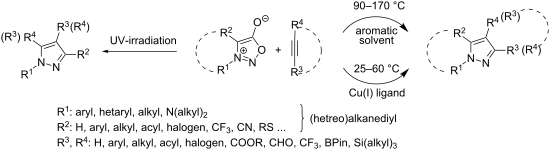
- , in deuteric solvent hydrolyzed to give 3-deutero pyrazole. However, Fokin et al. has recently [123] revealed that monomeric copper acetylide complexes are not reactive toward organic azides in analogous copper-catalyzed alkyne–azide cycloaddition (CuAAC) and the catalysis by an external Cu(I) salt is

Graphical Abstract

Scheme 1: Thermal reaction of sydnones with symmetrical alkynes.

Scheme 2: Reaction of sydnones with strained cycloalkynes.

Scheme 3: Reaction of sydnones with didehydrobenzenes.

Scheme 4: Formation of isomeric pyrazole dicarboxylates.

Scheme 5: Mechanism of thermal cycloaddition between sydnones and alkynes.

Scheme 6: Mechanism of photochemical reaction of sydnones with symmetrical alkynes.

Scheme 7: HOMO–LUMO diagram for thermal [3 + 2]-cycloaddition of sydnones with alkynes.

Scheme 8: Synthetic strategy leading to 1,2-disubstituted pyrazoles.

Scheme 9: Unsuccessful reaction with phenylpropiolic acid.

Scheme 10: Synthetic strategy leading to 1,4,5-trisubstituted pyrazoles.

Scheme 11: Reaction of sydnones carrying in position 4- six-membered 2-N-heterocyclic ring.

Scheme 12: Strain-promoted sydnone alkyne cycloaddition (SPSAC).

Scheme 13: Synthesis of a key intermediate of niraparib.

Scheme 14: Reaction of sydnones with 1,3-/1,4-benzdiyne equivalents.

Scheme 15: Reaction of sydnones with heterocyclic strained cycloalkynes.

Scheme 16: Mono-copper catalyzed cycloaddition reaction.

Scheme 17: Di-copper catalyzed cycloaddition reaction.
AuBr3-catalyzed azidation of per-O-acetylated and per-O-benzoylated sugars
- Jayashree Rajput,
- Srinivas Hotha and
- Madhuri Vangala
Beilstein J. Org. Chem. 2018, 14, 682–687, doi:10.3762/bjoc.14.56
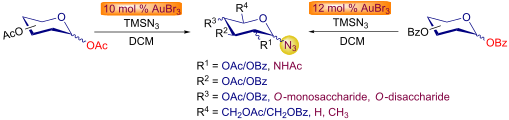
- ], glycoconjugates [30][31][32], N-glycosyl heterocycles [33][34], N-glycosyl triazole [35][36], etc. Glycosyl azides can be accessed from the corresponding glycosyl halides [37][38][39][40] by nucleophilic displacement with NaN3 or using trimethylsilyl azide in the presence of a phase transfer catalyst [41][42][43
- ][44][45]. More commonly, glycosyl azides are synthesized from per-O-acetylated sugars using trimethylsilyl azide in the presence of a variety of Lewis acids such as SnCl4 [46], TiCl4 [47][48], BF3·OEt2 [49], TMSOTf [50][51], etc. However, at higher concentration Lewis acids can potentially lead to
- slow anomerization [52]. In 2011, Chen’s group reported that 5 mol % FeCl3 can catalyze the reaction of trimethylsilyl azide with per-O-acetylated β-monosaccharides to afford glycosyl azides in 3–7 h, whereas per-O-acetylated β-di- and trisaccharides required 22–28 h for complete conversion [53


Continuous multistep synthesis of 2-(azidomethyl)oxazoles
- Thaís A. Rossa,
- Nícolas S. Suveges,
- Marcus M. Sá,
- David Cantillo and
- C. Oliver Kappe
Beilstein J. Org. Chem. 2018, 14, 506–514, doi:10.3762/bjoc.14.36
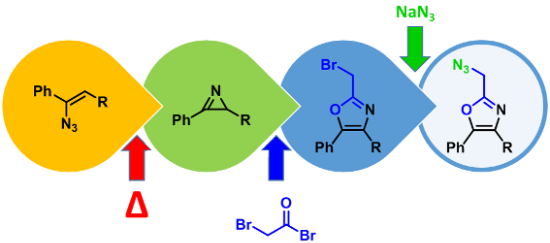
- , Federal University of Rio de Janeiro, Rio de Janeiro, RJ, Brazil 22941-909, Research Center Pharmaceutical Engineering GmbH (RCPE), Inffeldgasse 13, 8010 Graz, Austria 10.3762/bjoc.14.36 Abstract An efficient three-step protocol was developed to produce 2-(azidomethyl)oxazoles from vinyl azides in a
- continuous-flow process. The general synthetic strategy involves a thermolysis of vinyl azides to generate azirines, which react with bromoacetyl bromide to provide 2-(bromomethyl)oxazoles. The latter compounds are versatile building blocks for nucleophilic displacement reactions as demonstrated by their
- integration; vinyl azides; Introduction Oxazoles are an important class of five-membered aromatic heterocycles containing one oxygen and one nitrogen atom in their structures. The oxazole moiety is relatively stable and is found widely in nature [1][2][3]. Naturally occurring oxazoles include compounds with

Graphical Abstract
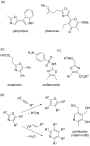
Figure 1: Examples of naturally occurring oxazoles (a); some drugs containing oxazole as the active moiety (b...

Scheme 1: Synthesis of oxazoles 4 by addition of acyl chlorides to azirines 2, as described by Hassner et al. ...

Scheme 2: Preparation of 2-functionalized oxazoles 7 from 2-(chloromethyl)oxazoles 6 and their application to...

Scheme 3: Integrated continuous-flow synthesis of 2-(azidomethyl)oxazoles 7.

Scheme 4: Side products generated during the reaction of azirine 2a with bromoacyl bromide at room temperatur...

Figure 2: HPLC monitoring of the formation of 2-(azidomethyl)oxazole 7a.

Figure 3: Continuous sequential thermolysis of vinyl azides 1 and ring expansion of azirines 2 with bromoacet...

Figure 4: Continuous-flow three-step sequential synthesis of 2-(azidomethyl)oxazoles 7a–c from vinyl azides 1a...
Carbohydrate inhibitors of cholera toxin
- Vajinder Kumar and
- W. Bruce Turnbull
Beilstein J. Org. Chem. 2018, 14, 484–498, doi:10.3762/bjoc.14.34
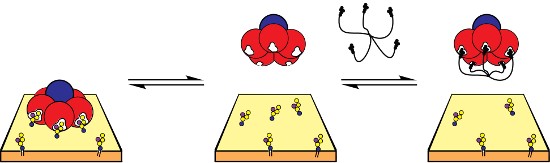
- toxin lectins [72]. Gibson and co-workers made a series of polyacrylates bearing pentafluorophenyl active ester groups which could be subsequently converted to polyacrylamides by reaction with amine linkers of varying lengths [71]. The attachment of galactosyl azides provided a series of glycopolymer

Graphical Abstract

Figure 1: a) Ribbon and b) surface depictions of the cholera toxin: A11 domain in light blue; A12 domain in d...
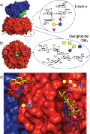
Figure 2: a) Structure of the cholera toxin showing the location of its carbohydrate binding sites and the st...
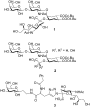
Figure 3: Bernardi and co-workers’ designed oligosaccharide mimetics of GM1.

Figure 4: Structure of monomeric ligands. X = amino acid residues, aminoalkyl, 1,2,3 triazoles; n = 1, 2; R =...

Figure 5: Bivalent inhibitor designed and synthesised by Pickens et al.

Figure 6: Bivalent inhibitor designed and synthesized by Arosio et al.

Figure 7: Bivalent inhibitors designed and synthesised by Leaver and Liu.

Figure 8: Bivalent and tetravalent inhibitor designed and synthesised by Pieters, and Bernardi et al.

Figure 9: Cyclic inhibitors synthesised by Kumar et al. for CT.

Figure 10: The star-shaped inhibitors reported by Fan, Hol and co-workers.

Figure 11: Differently sized cyclic decavalent peptide core designed by Zhang et al.

Figure 12: Calix[5]arene core-based pentavalent inhibitor designed by Garcia-Hartjes et al.

Figure 13: Corannulene core-based pentavalent inhibitor designed by Mattarella et al.

Figure 14: Pentavalent inhibitor designed by Pieters and co-workers.

Figure 15: Neoglycoprotein inhibitor based on a non-binding mutant of CTB.

Figure 16: Octavalent inhibitor designed by Pieters, Bernardi and co-workers.

Figure 17: Hetero-bifunctional inhibitor designed by Bundle and co-workers.

Figure 18: Glycopolymers with exchangeable sugar ligands and variable length linkers.
Syn-selective silicon Mukaiyama-type aldol reactions of (pentafluoro-λ6-sulfanyl)acetic acid esters with aldehydes
- Anna-Lena Dreier,
- Andrej V. Matsnev,
- Joseph S. Thrasher and
- Günter Haufe
Beilstein J. Org. Chem. 2018, 14, 373–380, doi:10.3762/bjoc.14.25

- [22]. There are not many transformations of aliphatic SF5 compounds described in the literature. Among them are the preparation and derivatization of SF5-aldehydes [23], Diels–Alder reactions [24][25][26], the “click reaction” of SF5-acetylenes with azides to form triazoles [27], and 1,3-dipolar

Graphical Abstract

Scheme 1: Silicon-mediated Mukaiyama-type aldol reaction of octyl 2-(pentafluoro-λ6-sulfanyl)acetate (1) with ...

Figure 1: Newman projections of the syn- and the anti-diastereomeric aldol addition products.

Scheme 2: Mechanism of the formation of aldol addition products.

Scheme 3: Formation of (E)-configured aldol condensation products.

Scheme 4: Anticipated mechanism of formation of aldol condensation products.

Scheme 5: Synthesis of SF5-substituted acetmorpholide 8.

Scheme 6: Intermediate formation of the (Z)-ketene aminal from morpholide 8 with TMSOTf/ Et3N and subsequent ...
Fluorogenic PNA probes
- Tirayut Vilaivan
Beilstein J. Org. Chem. 2018, 14, 253–281, doi:10.3762/bjoc.14.17
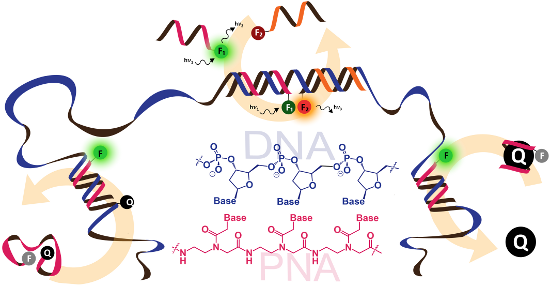
- high background. The masking of fluorophores by a more stable group, such as azides, is more attractive. Unfortunately, the phosphine probe generally required for the unmasking of the azide probe is susceptible to rapid aerobic oxidation. Accordingly, new developments in this area are still required

Graphical Abstract

Figure 1: The design of classical DNA molecular beacons.

Figure 2: Structures of DNA and selected PNA systems.

Figure 3: Various binding modes of PNA to double stranded DNA including triplex formation, triplex invasion, ...

Figure 4: The design and working principle of the PNA beacons according to (A) Ortiz et al. [41] and (B) Armitage...

Figure 5: The design of "stemless" PNA beacons.

Figure 6: The applications of PNA openers to facilitate the binding of PNA beacons to double stranded DNA [40,47].

Figure 7: The working principle of snap-to-it probes that employed metal chelation to bring the dyes in close...

Figure 8: Examples of pre-formed dye-labeled PNA monomers and functionalizable PNA monomers.

Figure 9: Dual-labeled PNA beacons with end-stacking or intercalating quencher.

Figure 10: The working principle of hybrid PNA-peptide beacons for detection of (A) proteins [80] and (B) protease...

Figure 11: The working principle of binary probes.

Figure 12: The working principle of nucleic acid templated fluorogenic reactions leading to a (A) ligated prod...

Figure 13: Catalytic cycles in fluorogenic nucleic acid templated reactions [90].

Figure 14: The working principle of strand displacement probes.

Figure 15: (A) Examples of CPP successfully used with labeled PNA probes. (B) The use of single-labeled PNA pr...

Figure 16: The concept of PNA–GO platform for DNA/RNA sensing.

Figure 17: Single-labeled fluorogenic PNA probes.

Figure 18: Examples of environment sensitive fluorescent labels that have been incorporated into PNA probes as...

Figure 19: The mechanism of fluorescence change in TO dye.
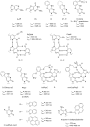
Figure 20: Fluorescent nucleobases capable of hydrogen bonding that have been incorporated into PNA probes.

Figure 21: Comparison of the designs of the (A) light-up PNA probe and (B) FIT PNA probe.

Figure 22: The structures of TO and its analogues that have successfully been used in FIT PNA probes.

Figure 23: The working principle of dual-labeled FIT PNA probes [222,223].



