


Search results
Search for "ethanol" in Full Text gives 781 result(s) in Beilstein Journal of Organic Chemistry. Showing first 200.
Novel route to enhance the thermo-optical performance of bicyclic diene photoswitches for solar thermal batteries
Beilstein J. Org. Chem. 2024, 20, 1053–1068, doi:10.3762/bjoc.20.93
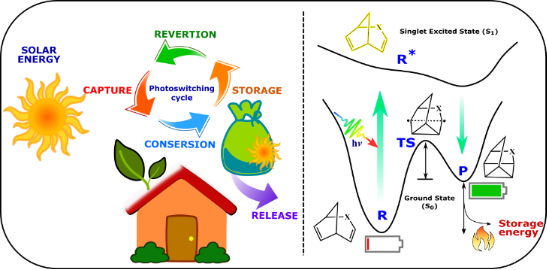
- ), dichloromethane or DCM (8.93), ethanol (24.852), and acetonitrile (35.688). Initially, the geometries of the bicyclic dienes and photoproducts of the studied photoswitches were optimized in the presence of different polarity solvents at the M062X/6-311++G** level considering the SMD model. Thereafter, the storage


Structure–property relationships in dicyanopyrazinoquinoxalines and their hydrogen-bonding-capable dihydropyrazinoquinoxalinedione derivatives
Beilstein J. Org. Chem. 2024, 20, 1037–1052, doi:10.3762/bjoc.20.92
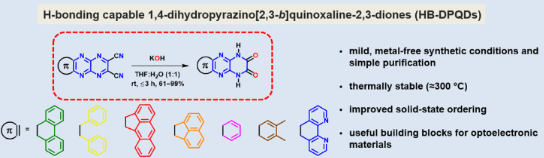
- , ethanol, ethylene glycol, and diethylene glycol in the presence of excess triethylamine (Scheme 2). These products provide evidence for the in situ formation of DCPQ 7a and demonstrate its ability to undergo trapping with various nucleophiles through an SNAr mechanism. An alternate strategy was employed




Carbonylative synthesis and functionalization of indoles
Beilstein J. Org. Chem. 2024, 20, 973–1000, doi:10.3762/bjoc.20.87
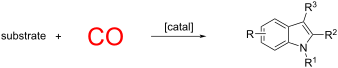
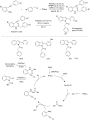
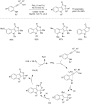
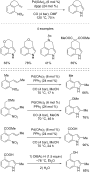
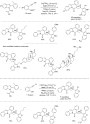
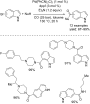
- carried out using 2 mol % of PdI2, 20 mol % of KI and 40 bar of a 4:1 mixture of CO–air, in methanol or ethanol in the presence of an ortho-ester (1:3 mixture) as solvent to prevent hydrolysis of the substrate. After 15 hours at 80 °C the indoles derivatives were isolated in good yields (Scheme 4). Two












Advancements in hydrochlorination of alkenes
Beilstein J. Org. Chem. 2024, 20, 787–814, doi:10.3762/bjoc.20.72
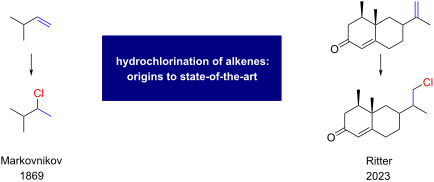
- be generated in situ through the reaction of "reactive" chlorides with a proton donor. For instance, the reaction of acetyl chloride with ethanol is exothermic, accompanied by vigorous HCl gas evolution. It is crucial to emphasize that HCl solutions in MeOH, produced from AcCl and MeOH, pose
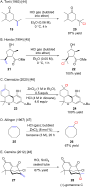
- . Yadav demonstrated that a mixture of 8 equivalents of acetyl chloride with an equimolar amount of ethanol efficiently hydrochlorinates several reactive alkenes (Scheme 8) [54]. Electronic effects are noteworthy; p-methoxy-substituted styrene reacted within only 10 minutes to afford chloride 47, whereas
- affording chloride 51 as a mixture of cis- and trans-isomers. The hydrochlorination of 1,2-dimethylcyclohexene (29) resulted in high selectivity for trans-30. The authors also showed that an increase in ethanol to 40 equivalents led to a dramatic drop in yield, likely due to an overall lower concentration






Research progress on the pharmacological activity, biosynthetic pathways, and biosynthesis of crocins
Beilstein J. Org. Chem. 2024, 20, 741–752, doi:10.3762/bjoc.20.68
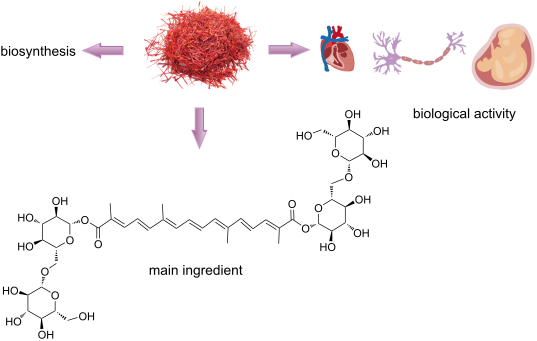
- are highly soluble in hot water but slightly soluble in anhydrous ethanol and ether. The presence of multiple conjugated double bonds in crocins makes them susceptible to degradation when exposed to certain conditions, such as high temperature, the presence of metal ions or light, certain pH values


Regioselective quinazoline C2 modifications through the azide–tetrazole tautomeric equilibrium
Beilstein J. Org. Chem. 2024, 20, 675–683, doi:10.3762/bjoc.20.61
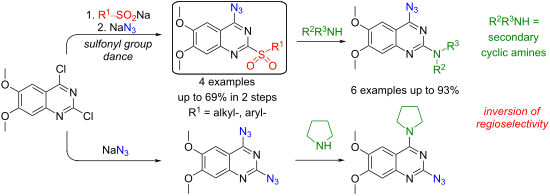
- % purity) [26] provided a more selective reaction, no water-based work-up was needed and the pure product was obtained by simple recrystallization from ethanol in yields up to 88%. The oxidation step thiol → sulfoxide was fast and full conversion to the intermediate was achieved in one hour for most


HPW-Catalyzed environmentally benign approach to imidazo[1,2-a]pyridines
Beilstein J. Org. Chem. 2024, 20, 628–637, doi:10.3762/bjoc.20.55
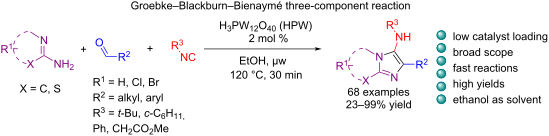
- is known for its chemical and thermal stability. Herein, we report a straightforward approach to the GBB-3CR using HPW as catalyst in ethanol under microwave (μw) heating. This convenient environmentally benign methodology is broad in scope, provides the heterobicyclic products in high yields (up to
- catalyst in ethanol under microwave (μw) heating. This convenient environmentally benign methodology is broad in scope, provides the heterobicyclic products in high yields (up to 99%), with a low catalyst loading (2 mol %) in only 30 minutes. Results and Discussion A search in the literature revealed a
- temperature or in the reaction time were checked, however, with no benefit in the yields (Table 1, entries 9–12). Accordingly, with the established optimal conditions of 2 mol % of HPW, 120 °C, and 30 min, other solvents were tested, and ethanol was found to give similar results (Table 1, entry 13). For being




Chemical and biosynthetic potential of Penicillium shentong XL-F41
Beilstein J. Org. Chem. 2024, 20, 597–606, doi:10.3762/bjoc.20.52
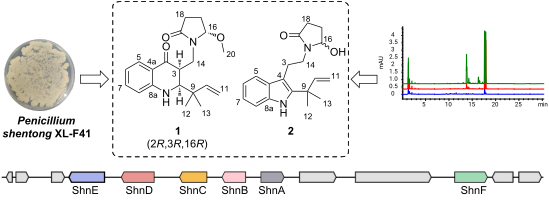
- fermentation products, showed a lower number and abundance in the PDB medium than in the XISR I and XISR III media, as illustrated in Figure 1. Consequently, we chose XISR I and XISR III media for further fermentation. The fermentation broth was exhaustively extracted with ethanol, after which the ethanol
- hydroxamic acid 6 µM; sodium butyrate 6 µM). Extraction The mycelium was separated from the fermentation broth using a centrifuge and subsequently extracted with ethanol in a 1:1 ratio using ultrasound, three times for 20 minutes each. The combined organic solvents were dried with a rotary evaporator to
- yield an ethanol extract. This extract was further processed with ethyl acetate (EtOAc) three times. The combined EtOAc phase was then dried using a rotary evaporator to obtain the EtOAc extract, which was stored at −80 °C until further purification process. The above fermentation broth was adsorbed




A myo-inositol dehydrogenase involved in aminocyclitol biosynthesis of hygromycin A
Beilstein J. Org. Chem. 2024, 20, 589–596, doi:10.3762/bjoc.20.51
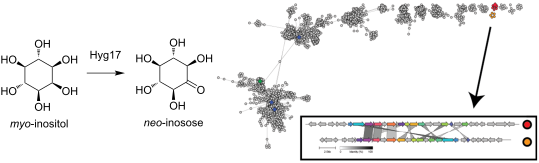
- . Reactions for thin-layer chromatography analysis were carried out using the same general reaction conditions reported above. Six μL of each reaction were spotted on the TLC silica gel 60 F254 (Sigma) and run with a solvent system containing butanol/ethanol/water 5:4:3. The TLC was stained using a solution
- containing 3.7 mL p-anisaldehyde, 135 mL ethanol, 5 mL sulfuric acid, and 1.5 mL glacial acetic acid. Light pink spots were observed following heating at 105 °C. Kinetics assays were carried out by varying concentrations of substrate (myo-inositol or scyllo-inositol) from 1 mM to 60 mM with 1 μM Hyg17 and 10


Entry to new spiroheterocycles via tandem Rh(II)-catalyzed O–H insertion/base-promoted cyclization involving diazoarylidene succinimides
Beilstein J. Org. Chem. 2024, 20, 561–569, doi:10.3762/bjoc.20.48
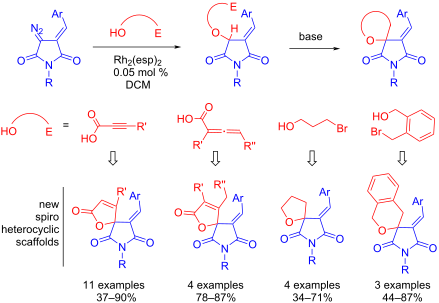
- 1H NMR spectroscopy data, one of its components was the product of the migration of the double bond of the benzylidene fragment into the succinimide cycle – compound 22. Finally, a compound with a longer side chain 24, obtained from 2-(2-bromoethoxy)ethanol (23), underwent exclusively isomerization
- )ethanol. In the latter case, the predominant process was found to be the base-promoted migration of the C=C bond of the arylidene fragment into the cycle. Examples of biologically active compounds and natural products based on THF/THP spiro-conjugates with pyrrolidine rings. DAS spirocyclizations reported


Green and sustainable approaches for the Friedel–Crafts reaction between aldehydes and indoles
Beilstein J. Org. Chem. 2024, 20, 379–426, doi:10.3762/bjoc.20.36
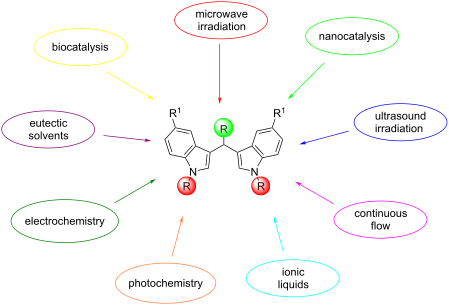
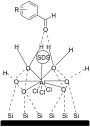
- involves gradually adding titanium tetra-n-butoxide to a solution of deionized water in ethanol and calcinating it to form the desired nanocompounds. 10 mol % of the nano-TiO2 heated at 80 °C, provided an optimum yield of 95% for the reaction of indole with benzaldehyde, under solvent-free conditions after
- Fe3O4@PEG-SO3H complex were added in ethanol for a time period of 5 to 10 minutes, yielding 88–98% of isolated product with only aromatic aldehydes showing a meaningful reactivity (Scheme 23) [122]. In 2022, Boroujeni et al. employed a Cu(II) complex coated in Fe3O4@SiO2 nanoparticles which worked as an
- efficient nanocatalyst for the synthesis of BIMs in a catalytic amount of 30 mg at 80 °C [123][124]. A mixture of water and ethanol (1:1) was discovered to be the optimum solvent with reaction times starting from 11 to 30 minutes, while approaching yields ranging from 92% for aliphatic aldehydes to 97% for




Facile approach to N,O,S-heteropentacycles via condensation of sterically crowded 3H-phenoxazin-3-one with ortho-substituted anilines
Beilstein J. Org. Chem. 2024, 20, 336–345, doi:10.3762/bjoc.20.34
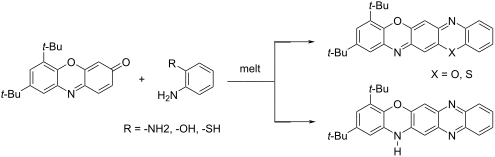
- conditions. The reactions proceed readily in refluxing acidified (pKa = 1–5) ethanol solutions of the amine hydrochlorides to give 2-monosubstituted derivatives of 3H-phenoxazin-3-ones in a moderate yield [10][17]. In the present work, we intended to explore the reaction of 3H-phenoxazin-3-ones with aromatic
- fluorescence quantum yield was determined relative to quinine bisulfate in 0.05 M H2SO4 as standard (ΦF = 0.52, excitation at 365 nm for 5a–c and 6a,b) [26] and cresyl violet perchlorate in ethanol (ΦF = 0.54, excitation at 510 nm for 10c) [27]. Mass spectrometric analysis was performed on a Bruker UHR-TOF


Synthesis of π-conjugated polycyclic compounds by late-stage extrusion of chalcogen fragments
Beilstein J. Org. Chem. 2024, 20, 287–305, doi:10.3762/bjoc.20.30
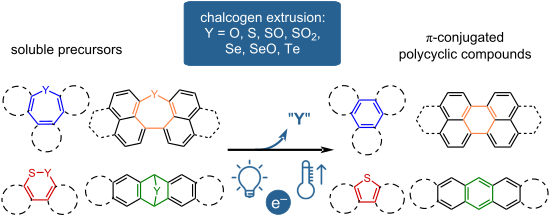
- structure induced by the embedded heteropine ring. By way of example, the solubility of SeO-doped seco-HBC 29c is more than 100-fold higher than pristine HBC carrying four tert-butyl groups in both dichloromethane and ethanol. Ring contraction was next attempted on the series of heteropines synthesized




Optimizations of lipid II synthesis: an essential glycolipid precursor in bacterial cell wall synthesis and a validated antibiotic target
Beilstein J. Org. Chem. 2024, 20, 220–227, doi:10.3762/bjoc.20.22
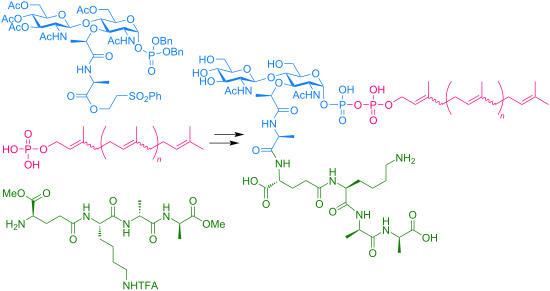
- -phosphite intermediate was then oxidized with hydrogen peroxide to yield dibenzyl α-phosphate 6, achieving an overall yield of 89% for these two steps. Removal of the 2-(phenylsulfonyl)ethanol protecting group in compound 6 was successfully achieved through treatment with 1,8-diazabicyclo[5.4.0]undec-7-ene


Optimizing reaction conditions for the light-driven hydrogen evolution in a loop photoreactor
Beilstein J. Org. Chem. 2024, 20, 74–91, doi:10.3762/bjoc.20.9
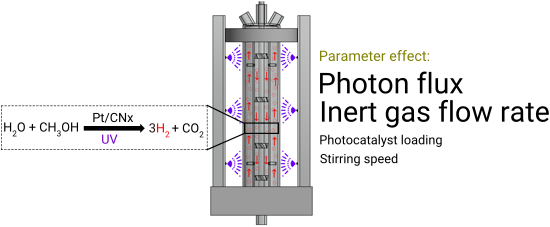
- voltage of 15 kV. To prepare the sample for SEM imaging, a few milligrams of the Pt-PCN material were dispersed in 1.0 mL of ethanol using sonication for 5 min. Subsequently, a thin film of the sample was obtained by drop-casting a few microliters of the suspended sample onto a conductive Cu foil


Facile access to pyridinium-based bent aromatic amphiphiles: nonionic surface modification of nanocarbons in water
Beilstein J. Org. Chem. 2024, 20, 32–40, doi:10.3762/bjoc.20.5
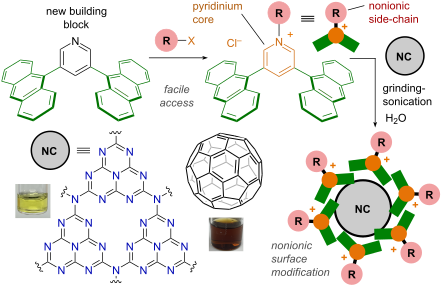
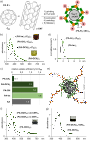
- , amphiphiles PA-OCH3 and PA-OH were synthesized by reacting prePA under neat conditions with 1-(2-bromoethoxy)-2-(2-methoxyethoxy)ethane (67% yield over 2 steps after ion-exchange) and 2-[2-(2-chloroethoxy)ethoxy]ethanol (42% yield), respectively (Figure 2b). Imidazole-functionalized amphiphile PA-Im was




Cycloaddition reactions of heterocyclic azides with 2-cyanoacetamidines as a new route to C,N-diheteroarylcarbamidines
Beilstein J. Org. Chem. 2024, 20, 17–24, doi:10.3762/bjoc.20.3
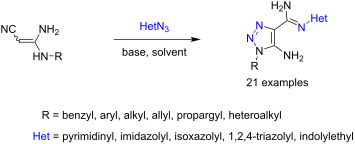
- temperature. A similar yield of the target product 3a was obtained by the reaction in ethanol in the presence of NaOH at 0 °С (entry 11 in Table 1). The latter conditions can be an alternative for the synthesis of compounds 3. Synthesis of N-heteroaryl amidines 3 We hypothesized that both 3,3
- of the substituents in azides 2 was observed. We assume the higher yield of pyrimidine containing triazoles 3a–k by their lower solubility in 1,4-dioxane compared with the solubility of azole containing compounds 3l–s in both 1,4-dioxane and ethanol. With regard to the scope of diaminoacrylonitriles
- hydroxide, freshly prepared from sodium hydroxide (20 mg, 0.5 mmol) and ethanol (2 mL), and the resulting mixture was stirred at room temperature for 5–10 min. Then, the mixture was cooled to 0 °C, the corresponding azide 2 (0.5 mmol) was added and the resulting mixture were stirred for 30 min, after which



Thienothiophene-based organic light-emitting diode: synthesis, photophysical properties and application
Beilstein J. Org. Chem. 2023, 19, 1849–1857, doi:10.3762/bjoc.19.137
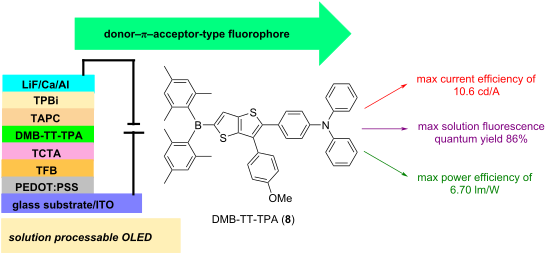
- organic layer was dried over Na2SO4, filtered and the solvent was evaporated under reduced pressure. The crude product was purified by flash column chromatography eluting with a mixture of n-hexane/CH2Cl2 3:1 and then crystallized from ethanol to give the title compound DMB-TT-TPA (8) as a yellow powder


A novel recyclable organocatalyst for the gram-scale enantioselective synthesis of (S)-baclofen
Beilstein J. Org. Chem. 2023, 19, 1811–1824, doi:10.3762/bjoc.19.133

- acid ester 9 was hydrolyzed under basic conditions in an ethanol/water mixture. After the reaction, the pH of the mixture was adjusted to 4 with hydrochloric acid, which resulted in the precipitation of the product 10 in excellent yield (95%). Next, carboxylic acid 10 was converted into the
- polar solvent, i.e., methanol, to its solution. The main requirement for the polar solvent is that it should not dissolve the catalyst while it should completely dissolve the product. Therefore, we investigated the solubility of the Michael adduct 14 in methanol, ethanol, propan-2-ol, Patosolv® (a
- mixture of 85% of ethanol and 15% of propan-2-ol), and acetonitrile. The highest solubility of 14 was found in acetonitrile (63 mg mL−1) and methanol (17 mg mL−1). In both of these solvents, a low solubility of the lipophilic catalyst 2 was measured (<0.5 mg mL−1). Based on these results, acetonitrile was


Effects of the aldehyde-derived ring substituent on the properties of two new bioinspired trimethoxybenzoylhydrazones: methyl vs nitro groups
Beilstein J. Org. Chem. 2023, 19, 1713–1727, doi:10.3762/bjoc.19.125
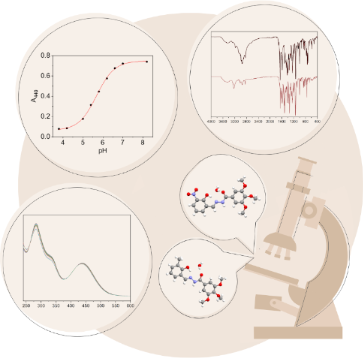
- mmol, 0.226 g) and 2-hydroxy-3-methylbenzaldehyde (MBA, 1.0 mmol, 0.136 g), for hdz-CH3, or 2-hydroxy-3-nitrobenzaldehyde (NBA, 1.0 mmol, 0.167 g), for hdz-NO2, in 20 mL ethanol (Scheme 2). One drop of concentrated HCl was added to the mixture as a catalyst. After stirring at 50 °C for 4 h, the mixture



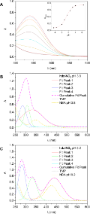

Tying a knot between crown ethers and porphyrins
Beilstein J. Org. Chem. 2023, 19, 1630–1650, doi:10.3762/bjoc.19.120
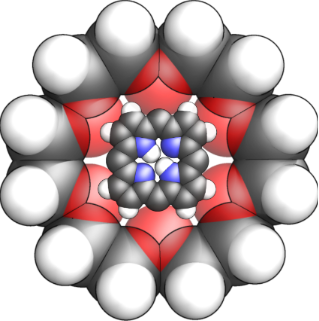
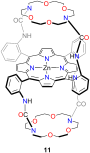
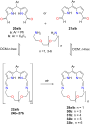
- demonstrated interesting, reversible, solvent-directed macrocycle-to-macrocycle interconversions. The transformations between the [1 + 1] 36 and [2 + 2] 37 macrocycles were governed by the solvent. The smaller monomeric 36 was obtained as the major product in chloroform, methanol, and ethanol. The conversion


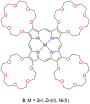
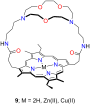





Complexes of resorcin[4]arene with secondary amines: synthesis, solvent influence on “in-out” structure, and theoretical calculations of non-covalent interactions
Beilstein J. Org. Chem. 2023, 19, 1525–1536, doi:10.3762/bjoc.19.109
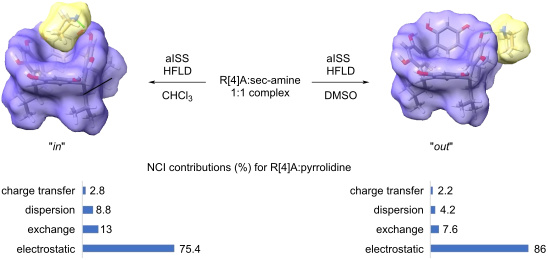
- (cavity) and the other directional due to hydrogen bonds (hydroxy groups), leads to the formation of these complexes. Results and Discussion The addition of two equivalents of sec-amines to an ethanol solution of R[4]A results in the formation of a crystalline precipitate with limited solubility in non
- dipropylamine and diisopropylamine, complexes with a stoichiometry of 1:2 are formed (i.e., 1 molecule of R[4]A binding to 2 molecules of dipropylamine or diisopropylamine). Regardless of the quantity of amine added to the solution of R[4]A in ethanol (4 equiv, 2 equiv, and 1 equiv, respectively), a 1:2
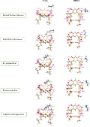
- substituents with R[4]A in ethanol were synthesized. The composition of the complexes was determined based on the integration of amine proton signals in the 1H NMR spectra. For small molecule sec-amines such as N,N-dimethylamine, N,N-diethylamine, and cyclic amines (pyrrolidine, piperidine, morpholine, N




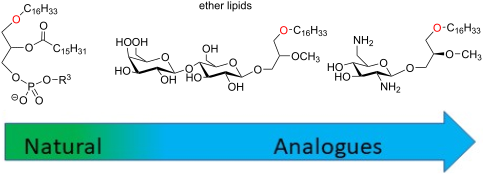
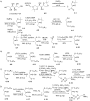
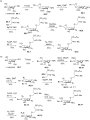
Synthesis of ether lipids: natural compounds and analogues
Beilstein J. Org. Chem. 2023, 19, 1299–1369, doi:10.3762/bjoc.19.96






Acetaldehyde in the Enders triple cascade reaction via acetaldehyde dimethyl acetal
Beilstein J. Org. Chem. 2023, 19, 1243–1250, doi:10.3762/bjoc.19.92
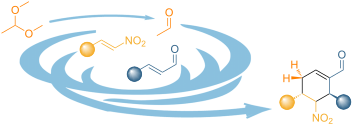
- acetaldehyde have been reported [20][21][22][23][24]. The safety and handling problems associated with acetaldehyde can be solved by synthetic equivalents that can be generated in situ through different paths. Some examples are represented by vinyl acetate [25], silyl vinyl ethers [26], ethanol, pyruvic acid


Unravelling a trichloroacetic acid-catalyzed cascade access to benzo[f]chromeno[2,3-h]quinoxalinoporphyrins
Beilstein J. Org. Chem. 2023, 19, 1216–1224, doi:10.3762/bjoc.19.89
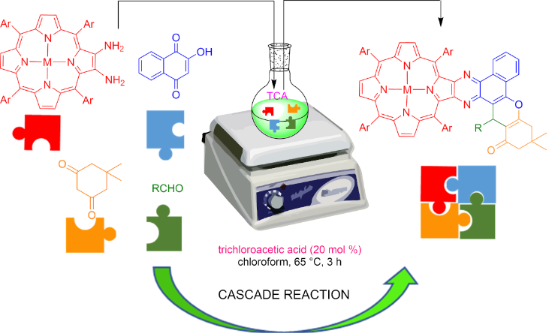
- -tetraarylporphyrins 1 were synthesized from the corresponding 2-nitro-meso-tetraarylporphyrins in two steps by following the literature procedure [42]. The first step involved an amination of copper(II) 2-nitro-meso-tetraarylporphyrins by using 4-amino-4H-1,2,4-triazole in the presence of NaOH in refluxing ethanol





