


Search results
Search for "hydrogenolysis" in Full Text gives 172 result(s) in Beilstein Journal of Organic Chemistry.
Phosphonic acid: preparation and applications
- Charlotte M. Sevrain,
- Mathieu Berchel,
- Hélène Couthon and
- Paul-Alain Jaffrès
Beilstein J. Org. Chem. 2017, 13, 2186–2213, doi:10.3762/bjoc.13.219
- monohydrolysis can be also achieved using NaI as nucleophile in acetone [147] or butanone as solvent [148]. 3.2. Catalytic hydrogenolysis Dibenzyl phosphonates are readily synthesized using dibenzyl or tribenzyl phosphite. This type of phosphonate offers an alternative to the use of acidic conditions to prepare
- phosphonic acid since the benzyl moieties can be removed by hydrogenolysis (Figure 12). Palladium on charcoal, which is the most used method to prepare phosphonic acid from dibenzyl phosphonate [149], was the catalyst used to prepare the phosphonic acids 33 [150], 34 [151] and 35 [152] (Figure 12). Of note
- as exemplified by the preparation of the compounds 36 [154] and 37 [155] (Figure 13). It is also worth noticing that phosphonic acid can be prepared by the hydrogenolysis of diallyl phosphonates. For this purpose the use of the Wilkinson catalyst (ClRh(PPh3)3) was reported [156]. 3.3. McKenna’s

Graphical Abstract

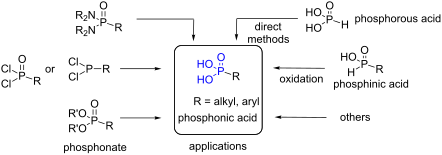
Figure 1: Summary of the synthetic routes to prepare phosphonic acids detailed in this review. The numbers in...

Figure 2: Chemical structure of dialkyl phosphonate, phosphonic acid and illustration of the simplest phospho...

Figure 3: Illustration of some phosphonic acid exhibiting bioactive properties. A) Phosphonic acids for biome...

Figure 4: Illustration of the use of phosphonic acids for their coordination properties and their ability to ...

Figure 5: Hydrolysis of dialkyl phosphonate to phosphonic acid under acidic conditions.

Figure 6: Examples of phosphonic acids prepared by hydrolysis of dialkylphosphonate with HCl 35% at reflux (16...

Figure 7: A) and B) Observation of P–C bond breaking during the hydrolysis of phosphonate with concentrated H...

Figure 8: Mechanism of the hydrolysis of dialkyl phosphonate with HCl in water.

Figure 9: Hydrolysis of bis-tert-butyl phosphonate 28 into phosphonic acid 29 [137].

Figure 10: A) Hydrolysis of diphenyl phosphonate into phosphonic acid in acidic media. B) Examples of phosphon...

Figure 11: Suggested mechanism occurring for the first step of the hydrolysis of diphenyl phosphonate into pho...

Figure 12: A) Hydrogenolysis of dibenzyl phosphonate to phosphonic acid. B) Compounds 33, 34 and 35 were prepa...

Figure 13: A) Preparation of phosphonic acid from diphenyl phosphonate with the Adam’s catalyst. B) Compounds ...

Figure 14: Suggested mechanism for the preparation of phosphonic acid from dialkyl phosphonate using bromotrim...

Figure 15: A) Reaction of the phosphonate-thiophosphonate 37 with iodotrimethylsilane followed by methanolysis...

Figure 16: Synthesis of hydroxymethylenebisphosphonic acid by reaction of tris(trimethylsilyl) phosphite with ...

Figure 17: Synthesis of the phosphonic acid disodium salt 48 by reaction of mono-hydrolysed phosphonate 47 wit...

Figure 18: Phosphonic acid synthesized by the sequence 1) bromotrimethylsilane 2) methanolysis or hydrolysis. ...

Figure 19: Polyphosphonic acids and macromolecular compounds prepared by the hydrolysis of dialkyl phosphonate...

Figure 20: Examples of organometallic complexes functionalized with phosphonic acids that were prepared by the...

Figure 21: Side reaction observed during the hydrolysis of methacrylate monomer functionalized with phosphonic...

Figure 22: Influence of the reaction time during the hydrolysis of compound 76.

Figure 23: Dealkylation of dialkyl phosphonates with boron tribromide.

Figure 24: Dealkylation of diethylphosphonate 81 with TMS-OTf.

Figure 25: Synthesis of substituted phenylphosphonic acid 85 from the phenyldichlorophosphine 83.

Figure 26: Hydrolysis of substituted phenyldichlorophosphine oxide 86 under basic conditions.

Figure 27: A) Illustration of the synthesis of chiral phosphonic acids from phosphonodiamides. B) Examples of ...

Figure 28: A) Illustration of the synthesis of the phosphonic acid 98 from phosphonodiamide 97. B) Use of cycl...

Figure 29: Synthesis of tris(phosphonophenyl)phosphine 109.

Figure 30: Moedritzer–Irani reaction starting from A) primary amine or B) secondary amine. C) Examples of phos...

Figure 31: Phosphonic acid-functionalized polymers prepared by Moedritzer–Irani reaction.

Figure 32: Reaction of phosphorous acid with imine in the absence of solvent.

Figure 33: A) Reaction of phosphorous acid with nitrile and examples of aminomethylene bis-phosphonic acids. B...

Figure 34: Reaction of carboxylic acid with phosphorous acid and examples of compounds prepared by this way.

Figure 35: Synthesis of phosphonic acid by oxidation of phosphinic acid (also identified as phosphonous acid).

Figure 36: Selection of reaction conditions to prepare phosphonic acids from phosphinic acids.

Figure 37: Synthesis of phosphonic acid from carboxylic acid and white phosphorus.

Figure 38: Synthesis of benzylphosphonic acid 136 from benzaldehyde and red phosphorus.

Figure 39: Synthesis of graphene phosphonic acid 137 from graphite and red phosphorus.
A mechanochemical approach to access the proline–proline diketopiperazine framework
- Nicolas Pétry,
- Hafid Benakki,
- Eric Clot,
- Pascal Retailleau,
- Farhate Guenoun,
- Fatima Asserar,
- Chakib Sekkat,
- Thomas-Xavier Métro,
- Jean Martinez and
- Frédéric Lamaty
Beilstein J. Org. Chem. 2017, 13, 2169–2178, doi:10.3762/bjoc.13.217
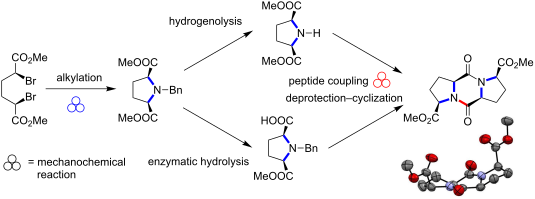
- it would avoid a potential pressure build-up (release of CO2) which could occur with NaHCO3. Noteworthy, no epimerization could be detected by NMR or HPLC analyses. Both peptides 7 and 8 were then deprotected and cyclized into the corresponding diketopiperazine 9. Palladium-catalyzed hydrogenolysis
- ). Pyrrolidine cis-11 is an N-protected amino ester, which can be used in the synthesis of diketopiperazines by deprotecting either the amino group or the ester function. Hydrogenolysis of the benzyl group of cis-11 provided the nitrogen-free pyrrolidine derivative 12 in excellent yield and purity after

Graphical Abstract

Scheme 1: Retrosynthesis of the Pro–Pro DKP framework.

Scheme 2: Coupling with N-hydroxysuccinimide-activated amino acids.

Scheme 3: Synthesis of Pro–Pro DKP.

Scheme 4: Synthesis of substituted Pro–Pro DKP 15a.

Scheme 5: Potential isomers yielded by cyclization of 16.

Figure 1: Optimized geometries for the two conformers presenting interactions with either Ca (16a) or Cb (16b...

Figure 2: Optimized geometries of the extrema located along the pathway for formation of 15a with explicit pa...

Figure 3: Optimized geometries of the extrema located along the pathway for formation of 15b with explicit pa...

Figure 4: Optimized geometries for the transition states associated to alternate position of the methanol mol...

Scheme 6: Synthesis of diketopiperazine 19.
Remarkable functions of sn-3 hydroxy and phosphocholine groups in 1,2-diacyl-sn-glycerolipids to induce clockwise (+)-helicity around the 1,2-diacyl moiety: Evidence from conformation analysis by 1H NMR spectroscopy
- Yoshihiro Nishida,
- Mengfei Yuan,
- Kazuo Fukuda,
- Kaito Fujisawa,
- Hirofumi Dohi and
- Hirotaka Uzawa
Beilstein J. Org. Chem. 2017, 13, 1999–2009, doi:10.3762/bjoc.13.196
- -glycerols, which play essential roles in the metabolism and anabolism of glycerolipids [25][26][27][28]. Compound 3 is prepared by the catalytic hydrogenolysis of benzyl ether 2 (for the synthetic details, see Supporting Information File 1). The 1H NMR spectrum of 3 in a CDCl3 solution (Figure 2a) shows a

Graphical Abstract

Figure 1: (a) Structures of cell-membrane glycerophospholpids with a common asymmetric 1,2-diacyl-sn-glycerol...

Scheme 1: The four 1,2-dipalmitoyl-sn-glycerols 1–4 examined in this study.

Figure 2: 1H NMR spectra of 1,2-dipalmitin (3) in CDCl3 after partial isomerization into the 1,3-isomer. (a) ...

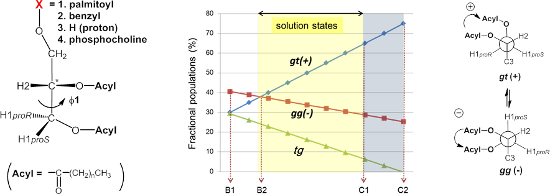
Figure 3: Fractional populations (%) of the three staggered conformers around the sn-1,2 C–C single bond in 1...
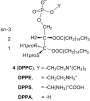
Scheme 2: Structures of glycerophospholipids with a common structural skeleton of 1,2-dipalmitoyl-sn-glycerol...

Figure 4: Partial 1H NMR spectrum of 4 in a mixture of CDCl3 and methanol-d4 (C/M = 10:1, v/v).

Figure 5: Linear relation between the helical disparity (%) and gt(+) population (%) as observed for the heli...

Figure 6: An empirical diagram showing helical conformational properties around 1,2-diacyl moiety in asymmetr...

Scheme 3: Chirally 2H-labelled tripalmitins (1S)- and (1R)-1-[2H]-1 [23].
The chemistry and biology of mycolactones
- Matthias Gehringer and
- Karl-Heinz Altmann
Beilstein J. Org. Chem. 2017, 13, 1596–1660, doi:10.3762/bjoc.13.159
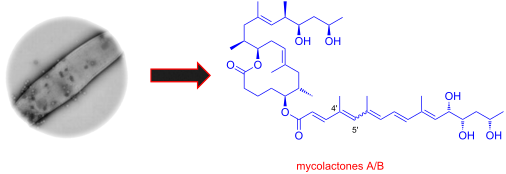

Graphical Abstract

Figure 1: Initial proposal for the core macrolactone structure (left) and the established complete structure ...
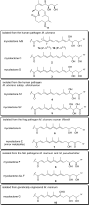
Figure 2: Mycolactone congeners and their origins.

Figure 3: Misassigned mycolactone E structure according to Small et al. [50] (11) and the correct structure (6) f...

Figure 4: Schematic illustration of Kishi’s improved mycolactone TLC detection method exploiting derivatizati...

Figure 5: Fluorescent probes derived from natural mycolactone A/B (1a,b) or its synthetic 8-desmethyl analogs...

Figure 6: Tool compounds used by Pluschke and co-workers for elucidating the molecular targets of mycolactone...

Figure 7: Synthetic strategies towards the extended mycolactone core. A) General strategies. B) Kishi’s appro...

Scheme 1: Kishi’s 1st generation approach towards the extended core structure of mycolactones. Reagents and c...

Scheme 2: Kishi’s 2nd generation approach towards the extended core structure of mycolactones. Reagents and c...

Scheme 3: Kishi’s 3rd generation approach towards the extended core structure of mycolactones. Reagents and c...

Scheme 4: Negishi’s synthesis of the extended core structure of mycolactones. Reagents and conditions: a) (i) ...

Scheme 5: Burkart’s (incomplete) 1st generation approach towards the extended core structure of mycolactones....
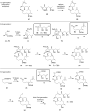
Scheme 6: Burkart’s (incomplete) 1st, 2nd and 3rd generation approach towards the extended mycolactone core s...

Scheme 7: Altmann’s synthesis of alkyl iodide 91. Reagents and conditions: a) (i) PMB-trichloroacetimidate, T...

Scheme 8: Final steps of Altmann’s synthesis of the extended core structure of mycolactones. Reagents and con...

Scheme 9: Basic principles of the Aggarwal lithiation–borylation homologation process [185,186].

Scheme 10: Aggarwal’s synthesis of the C1–C11 fragment of the mycolactone core. Reagents and conditions: a) Cl...

Scheme 11: Aggarwal’s synthesis of the linear C1–C20 fragment of the mycolactone core. Reagents and conditions...

Figure 8: Synthetic strategies towards the mycolactone A/B lower side chain.

Scheme 12: Gurjar and Cherian’s synthesis of the C1’–C8’ fragment of the mycolactone A/B pentaenoate side chai...

Scheme 13: Gurjar and Cherian’s synthesis of the benzyl-protected mycolactone A/B pentaenoate side chain. Reag...

Scheme 14: Kishi’s synthesis of model compounds for elucidating the stereochemistry of the C7’–C16’ fragment o...

Scheme 15: Kishi’s synthesis of the mycolactone A/B pentaenoate side chain. (a) (i) NaH, (EtO)2P(O)CH2CO2Et, T...

Scheme 16: Feringa and Minnaard's incomplete synthesis of mycolactone A/B pentaenoate side chain. Reagents and...

Scheme 17: Altmann’s approach towards the mycolactone A/B pentaenoate side chain. Reagents and conditions: a) ...

Scheme 18: Negishi’s access to the C1’–C7’ fragment of mycolactone A. Reagents and conditions: a) (i) n-BuLi, ...

Scheme 19: Negishi’s approach to the C1’–C7’ fragment of mycolactone B. Reagents and conditions: a) (i) DIBAL-...

Scheme 20: Negishi’s synthesis of the C8’–C16’ fragment of mycolactone A/B. Reagents and conditions: a) 142, BF...

Scheme 21: Negishi’s assembly of the mycolactone A and B pentaenoate side chains. Reagents and conditions: a) ...

Scheme 22: Blanchard’s approach to the mycolactone A/B pentaenoate side chain. a) (i) Ph3P=C(Me)COOEt, CH2Cl2,...

Scheme 23: Kishi’s approach to the mycolactone C pentaenoate side chain exemplified for the 13’R,15’S-isomer 1...

Scheme 24: Altmann’s (unpublished) synthesis of the mycolactone C pentaenoate side chain. Reagents and conditi...

Scheme 25: Blanchard’s synthesis of the mycolactone C pentaenoate side chain. Reagents and conditions: a) (i) ...

Scheme 26: Kishi’s synthesis of the tetraenoate side chain of mycolactone F exemplified by enantiomer 165. Rea...

Scheme 27: Kishi’s synthesis of the mycolactone E tetraenoate side chain. Reagents and conditions: a) (i) CH2=...

Scheme 28: Wang and Dai’s synthesis of the mycolactone E tetraenoate side chain. Reagents and conditions: a) (...

Scheme 29: Kishi’s synthesis of the dithiane-protected tetraenoate side chain of the minor oxo-metabolite of m...

Scheme 30: Kishi’s synthesis of the mycolactone S1 and S2 pentaenoate side chains. Reagents and conditions: a)...

Scheme 31: Kishi’s 1st generation and Altmann’s total synthesis of mycolactone A/B (1a,b) and Negishi’s select...

Scheme 32: Kishi’s 2nd generation total synthesis of mycolactone A/B (1a,b). Reagents and conditions: a) 2,4,6...

Scheme 33: Blanchard’s synthesis of the 8-desmethylmycolactone core. Reagents and conditions: a) (i) TsCl, TEA...

Scheme 34: Altmann’s (partially unpublished) synthesis of the C20-hydroxylated mycolactone core. Reagents and ...

Scheme 35: Altmann’s and Blanchard’s approaches towards the 11-isopropyl-8-desmethylmycolactone core. Reagents...

Scheme 36: Blanchard’s synthesis of the saturated variant of the C11-isopropyl-8-desmethylmycolactone core. Re...

Scheme 37: Structure elucidation of photo-mycolactones generated from tetraenoate 224.

Scheme 38: Kishi’s synthesis of the linear precursor of the photo-mycolactone B1 lower side chain. Reagents an...

Scheme 39: Kishi’s synthesis of the photo-mycolactone B1 lower side chain. Reagents and conditions: a) LiTMP, ...

Scheme 40: Kishi’s synthesis of a stabilized lower mycolactone side chain. Reagents and conditions: a) (i) TBD...
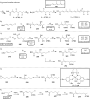
Scheme 41: Blanchard’s variation of the C12’,C13’,C15’ stereocluster. Reagents and conditions: a) (i) DIBAL-H,...

Scheme 42: Blanchard’s synthesis of aromatic mycolactone polyenoate side chain analogs. Reagents and condition...

Scheme 43: Small’s partial synthesis of a BODIPY-labeled mycolactone derivative and Demangel’s partial synthes...

Scheme 44: Blanchard’s synthesis of the BODIPY-labeled 8-desmethylmycolactones. Reagents and conditions: a) (i...
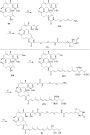
Scheme 45: Altmann’s synthesis of biotinylated mycolactones. Reagents and conditions: a) (i) CDI, THF, rt, 2 d...

Figure 9: Kishi’s elongated n-butyl carbamoyl mycolactone A/B analog.
A new member of the fusaricidin family – structure elucidation and synthesis of fusaricidin E
- Marcel Reimann,
- Louis P. Sandjo,
- Luis Antelo,
- Eckhard Thines,
- Isabella Siepe and
- Till Opatz
Beilstein J. Org. Chem. 2017, 13, 1430–1438, doi:10.3762/bjoc.13.140
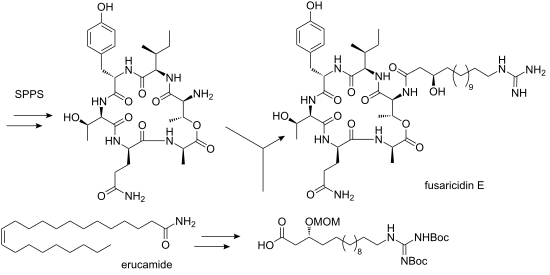
- unstabilized THF [22] while stabilized THF was used in our case. Due to solubility problems in 1,4-dioxane and other solvents suitable for hydrogenolysis, the deprotection was thus performed in DMF [23][24]. Unfortunately, an O→N acyl shift to product 26 could be observed as judged by NMR spectroscopy when
- aged DMF was used for this purpose. In fresh DMF, hydrogenolysis smoothly produced amine 7 instead. When the crude peptide was coupled to the GHPD side chain unit 3, HPLC showed only a single peak with the correct m/z ratio. This compound 24 was isolated by preparative HPLC and NMR analysis showed a

Graphical Abstract
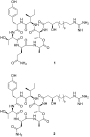
Figure 1: Structure of fusaricidins E (1) and F (2).
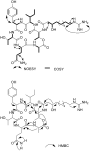
Figure 2: NOESY /COSY and HMBC correlations of compound 1.

Figure 3: Fragmentation pattern of compounds 1 and 2.

Scheme 1: Retrosynthetic plan for the depsipeptide and GHPD side chain.

Scheme 2: a) LiAlH4, THF, reflux, 12 h, quant.; b) Fmoc-OSu, NaHCO3, 1,4-dioxane, H2O, 0 °C to rt, 87%; c) 1:...

Scheme 3: Ester bond formation with 2,2-dimethylated pseudoproline including peptide 16.

Scheme 4: Cyclization with 2,2-dimethylated pseudoproline including peptide 16.

Scheme 5: Depsipeptide cyclization and coupling with GHPD side chain.
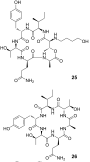
Figure 4: Byproducts from removal of Cbz group in THF and DMF.
Strategies toward protecting group-free glycosylation through selective activation of the anomeric center
- A. Michael Downey and
- Michal Hocek
Beilstein J. Org. Chem. 2017, 13, 1239–1279, doi:10.3762/bjoc.13.123

- perfect stereoselectivity (Scheme 30). Glycosylation of the resulting DBT-β-glycosides was carried out in various alcohols (selected examples shown in Table 7) under Pd/C-catalyzed hydrogenolysis conditions to liberate the desired 1,2-cis glycoside and cyanuric acid. The reductant was either H2 (non
- -alkynyl acceptors) or Et3SiH (alkynyl acceptors). In all cases the yields were very good and the stereoselectivity pretty good for the 1,2-cis glycoside diastereomer. The mechanism is thought to proceed through an initial hydrogenolysis of the benzyl groups to produce a reactive dihydroxytriazinyl

Graphical Abstract

Scheme 1: Solution-state conformations of D-glucose.

Scheme 2: Enzymatic synthesis of oligosaccharides.

Scheme 3: Enzymatic synthesis of a phosphorylated glycoprotein containing a mannose-6-phosphate (M6P)-termina...

Scheme 4: A) Selected GTs-mediated syntheses of oligosaccharides and other biologically active glycosides. B)...

Scheme 5: Enzymatic synthesis of nucleosides.

Scheme 6: Fischer glycosylation strategies.

Scheme 7: The basis of remote activation (adapted from [37]).

Scheme 8: Classic remote activation employing a MOP donor to access α-anomeric alcohols, carboxylates, and ph...

Figure 1: Synthesis of monoprotected glycosides from a (3-bromo-2-pyridyloxy) β-D-glycopyranosyl donor under ...

Scheme 9: Plausible mechanism for the synthesis of α-galactosides. TBDPS = tert-butyldiphenylsilyl.

Scheme 10: Synthesis of the 6-O-monoprotected galactopyranoside donor for remote activation.

Scheme 11: UDP-galactopyranose mutase-catalyzed isomerization of UDP-Galp to UDP-Galf.

Scheme 12: Synthesis of the 1-thioimidoyl galactofuranosyl donor.

Scheme 13: Glycosylation of MeOH using a self-activating donor in the absence of an external activator. a) Syn...

Scheme 14: The classical Lewis acid-catalyzed glycosylation.

Figure 2: Unprotected glycosyl donors used for the Lewis acid-catalyzed protecting group-free glycosylation r...

Scheme 15: Four-step synthesis of the phenyl β-galactothiopyranosyl donor.

Scheme 16: Protecting-group-free C3′-regioselective glycosylation of sucrose with α–F Glc.

Scheme 17: Synthesis of the α-fluoroglucosyl donor.

Figure 3: Protecting-group-free glycosyl donors and acceptors used in the Au(III)-catalyzed glycosylation.

Scheme 18: Synthesis of the mannosyl donor used in the study [62].

Scheme 19: The Pd-catalyzed stereoretentive glycosylation of arenes using anomeric stannane donors.

Scheme 20: Preparation of the protecting-group-free α and β-stannanes from advanced intermediates for stereoch...

Figure 4: Selective anomeric activating agents providing donors for direct activation of the anomeric carbon.

Scheme 21: One-step access to sugar oxazolines or 1,6-anhydrosugars.

Scheme 22: Enzymatic synthesis of a chitoheptaose using a mutant chitinase.

Scheme 23: One-pot access to glycosyl azides [73], dithiocarbamates [74], and aryl thiols using DMC activation and sub...

Scheme 24: Plausible reaction mechanism.

Scheme 25: Protecting-group-free synthesis of anomeric thiols from unprotected 2-deoxy-2-N-acetyl sugars.

Scheme 26: Protein conjugation of TTL221-PentK with a hyaluronan hexasaccharide thiol.

Scheme 27: Proposed mechanism.

Scheme 28: Direct two-step one-pot access to glycoconjugates through the in situ formation of the glycosyl azi...

Scheme 29: DMC as a phosphate-activating moiety for the synthesis of diphosphates. aβ-1,4-galactose transferas...

Figure 5: Triazinylmorpholinium salts as selective anomeric activating agents.

Scheme 30: One-step synthesis of DBT glycosides from unprotected sugars in aqueous medium.

Scheme 31: Postulated mechanism for the stereoselective formation of α-glycosides.

Scheme 32: DMT-donor synthesis used for metal-catalyzed glycosylation of simple alcohols.
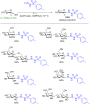
Figure 6: Protecting group-free synthesis of glycosyl sulfonohydrazides (GSH).
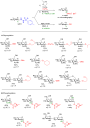
Figure 7: The use of GSHs to access 1-O-phosphoryl and alkyl glycosides. A) Glycosylation of aliphatic alcoho...

Scheme 33: A) Proposed mechanism of glycosylation. B) Proposed mechanism for stereoselective azidation of the ...

Scheme 34: Mounting GlcNAc onto a sepharose solid support through a GSH donor.

Scheme 35: Lawesson’s reagent for the formation of 1,2-trans glycosides.

Scheme 36: Protecting-group-free protein conjugation via an in situ-formed thiol glycoside [98].

Scheme 37: pH-Specific glycosylation to functionalize SAMs on gold.

Figure 8: Protecting-group-free availability of phenolic glycosides under Mitsunobu conditions. DEAD = diethy...

Scheme 38: Accessing hydroxyazobenzenes under Mitsunobu conditions for the study of photoswitchable labels. DE...

Scheme 39: Stereoselective protecting-group-free glycosylation of D-glucose to provide the β-glucosyl benzoic ...

Figure 9: Direct synthesis of pyranosyl nucleosides from unactivated and unprotected ribose using optimized M...

Figure 10: Direct synthesis of furanosyl nucleosides from 5-O-monoprotected ribose in a one-pot glycosylation–...

Figure 11: Synthesis of ribofuranosides using a monoprotected ribosyl donor via an anhydrose intermediate.

Figure 12: C5′-modified nucleosides available under our conditions.

Scheme 40: Plausible reaction mechanism for the formation of the anhydrose.

Figure 13: Direct glycosylation of several aliphatic alcohols using catalytic Ti(Ot-Bu)4 in the presence of D-...

Figure 14: Access to glycosides using catalytic PPh3 and CBr4.

Figure 15: Access to ribofuranosyl glycosides as the major product under catalytic conditions. aLiOCl4 (2.0 eq...
A strategic approach to [6,6]-bicyclic lactones: application towards the CD fragment of DHβE
- Tue Heesgaard Jepsen,
- Emil Glibstrup,
- François Crestey,
- Anders A. Jensen and
- Jesper Langgaard Kristensen
Beilstein J. Org. Chem. 2017, 13, 988–994, doi:10.3762/bjoc.13.98
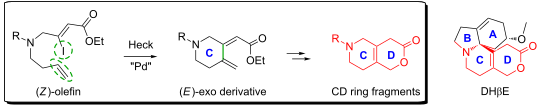
- similar system [22], the final hydrogenolysis of the Cbz protecting group with H2 and either Pd/C or Pd(OH)2 (up to 50 mol % catalyst loading) in EtOAc, MeOH or AcOH was attempted, but no trace of the desired lactone 9 was observed. A control experiment with the addition of tosyl chloride after the
- hydrogenolysis to form the known tosyl-protected intermediate 7 indicated no signs of product and therefore the CBz strategy was also abandoned. Second strategy without protecting group Since the protective group removal was problematic we decided to preinstall the desired N-substituent and thereby avoid any N

Graphical Abstract

Figure 1: DHβE and related structures. The Ki values of the compounds at the rat α4β2 nAChR subtype determine...

Scheme 1: First strategy towards the CD fragment (Ts-strategy). i) TsCl, TEA, DCM, 0 °C. ii) NaH, DMF, 0 °C, ...

Scheme 2: First strategy towards the CD fragment (Cbz-strategy). i) R-Cl, TEA, CH2Cl2, 0 °C. ii) NaH, DMF, 0 ...

Scheme 3: Second strategy towards the CD fragment. i) 4-Bromobut-1-ene, K2CO3, acetone, 70 °C. ii) n-BuLi, TH...

Figure 2: The binding affinities of compounds 9 and 26 at the rat α4β2 nAChR. a) The AB fragment was evaluate...
Synthesis of ribavirin 2’-Me-C-nucleoside analogues
- Fanny Cosson,
- Aline Faroux,
- Jean-Pierre Baltaze,
- Jonathan Farjon,
- Régis Guillot,
- Jacques Uziel and
- Nadège Lubin-Germain
Beilstein J. Org. Chem. 2017, 13, 755–761, doi:10.3762/bjoc.13.74

- catalytic hydrogenolysis. The latter reaction simultaneously cleaves the benzyl and isopropylidene groups affording compound 2 as a single isomer [22]. In the case of 5-(2’-deoxy-2’-methyl-2’-fluoro-β-D-ribosyl)-1,2,3-triazole-4-carboxamide (3) the synthesis was more delicate as it is necessary to
- with tetrabutylammonium fluoride leading to the mixture of diols 17 and 18 in quantitative yield which were easily separated (Scheme 3). Finally, the aminolysis of compound 17 followed by catalytic hydrogenolysis in the presence of palladium chloride led to the desired compound 3 [22] (Scheme 4

Graphical Abstract

Figure 1: Targeted compounds.

Figure 2: Retrosynthesis of compound 1.

Scheme 1: Synthesis of 5-(2’-C-methyl-β-D-ribofuranosyl)-1,2,3-triazole-4-carboxamide (2).

Scheme 2: Synthesis of the 2’-keto derivatives 12a/12b.
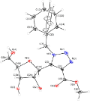
Figure 3: X-ray spectrum of compound 10b.

Figure 4: Structural study of isomeric compounds 13.

Scheme 3: Fluorination of ethyl 1-benzyl-4-(2’-C-methyl-3’,5’-O-(tetraisopropyldisiloxane-1,3-diyl)-β-D-ribof...

Scheme 4: Synthesis of 5-(2’-deoxy-2’-fluoro-2’-methyl-β-D-ribofuranosyl)-1,2,3-triazole-4-carboxamide (3).
Synthesis of new pyrrolidine-based organocatalysts and study of their use in the asymmetric Michael addition of aldehydes to nitroolefins
- Alejandro Castán,
- Ramón Badorrey,
- José A. Gálvez and
- María D. Díaz-de-Villegas
Beilstein J. Org. Chem. 2017, 13, 612–619, doi:10.3762/bjoc.13.59
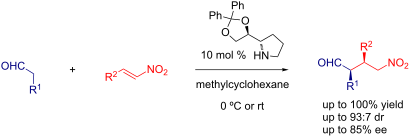
- be obtained on a multigram scale from the chiral pool. In order to obtain a series of new organocatalysts with substituents of different sizes and stereoelectronic properties in the dioxolane moiety, the following reaction sequence was applied to compounds 2 and 4: a) N-deprotection by hydrogenolysis
- and subsequent hydrogenolysis of the benzylcarbamate with molecular hydrogen in the presence of catalytic Pd/C (Scheme 5) afforded OC11 in 43% overall yield for the two steps. With this series of pyrrolidines at hand, the well-established Michael addition of aldehydes to nitroolefins [16][17][18] was

Graphical Abstract

Figure 1: Strategy for the preparation of 2-substituted pyrrolidines C.

Scheme 1: Synthesis of the new organocatalyst OC1.

Scheme 2: Synthesis of new organocatalyst OC2.

Scheme 3: Synthesis of new organocatalyst OC3.

Scheme 4: Synthesis of new organocatalysts OC4–OC10.

Scheme 5: Synthesis of new organocatalyst OC11.
Studies directed toward the exploitation of vicinal diols in the synthesis of (+)-nebivolol intermediates
- Runjun Devi and
- Sajal Kumar Das
Beilstein J. Org. Chem. 2017, 13, 571–578, doi:10.3762/bjoc.13.56
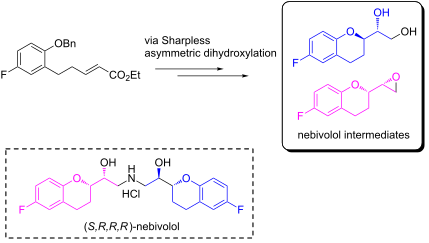
- , may produce traces to significant amounts of side-products via hydrogenolysis. Thus, we decided to modify Panda’s synthetic route to significantly increase the overall yield. We hypothesized that this problem might be circumvented by performing the debenzylation reaction prior to the epoxide-ring

Graphical Abstract

Figure 1: The chroman-based antihypertensive drug nebivolol, its biologically active stereoisomers and late-s...

Scheme 1: Synthetic strategies toward late-stage intermediates of 1a.

Scheme 2: Attempted synthesis of (±)-2 via intramolecular SNAr reaction.

Scheme 3: Speculation on the synthesis of a 2-substituted chroman derivative based on Borhan’s approach.

Scheme 4: Synthesis of syn-2,3-dihydroxy esters 19 and 20.

Scheme 5: Attempted cyclization according to Borhan’s method.

Scheme 6: Synthesis of β-hydroxy-α-tosyloxy esters 24 and 25.

Scheme 7: Speculation of simultaneous epoxidation/epoxide-ring opening.

Scheme 8: Synthesis of chroman diols 2 and 29, respectively.

Scheme 9: Conversion of 32 into 3 via Mitsunobu inversion.

Scheme 10: Synthesis of chroman epoxide 5.
Synthesis of 1-indanones with a broad range of biological activity
- Marika Turek,
- Dorota Szczęsna,
- Marek Koprowski and
- Piotr Bałczewski
Beilstein J. Org. Chem. 2017, 13, 451–494, doi:10.3762/bjoc.13.48
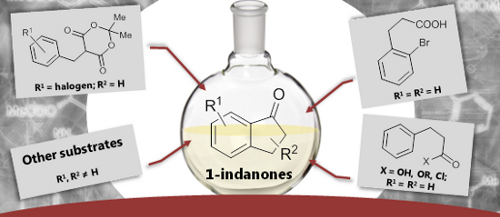
- -Benzylidene-1-indanones 126a–o were obtained by a Knoevenagel condensation of 1-indanone 125 with various aromatic aldehydes. Hydrogenolysis of 2-benzylidene-1-indanone 126b using Pd/C allowed to obtain 2-benzyl substituted 1-indanone 127 (Scheme 40). 2-Bromo-6-methoxy-3-phenyl-1-indanone 130, as an
- hydrogenolysis of the resulting double bond with Pd(OH)2/C, gave benzoic acid 213. Next, the latter was converted to α-diazo-β-keto ester 214 which then was submitted to the rhodium(II) acetate catalyzed intramolecular, carbon–hydrogen insertion reaction to give the spiroindane 215. Finally, the spiroindane 215

Graphical Abstract

Figure 1: Biologically active 1-indanones and their structural analogues.

Figure 2: Number of papers about (a) 1-indanones, (b) synthesis of 1-indanones.

Scheme 1: Synthesis of 1-indanone (2) from hydrocinnamic acid (1).

Scheme 2: Synthesis of 1-indanone (2) from 3-(2-bromophenyl)propionic acid (3).

Scheme 3: Synthesis of 1-indanones 5 from 3-arylpropionic acids 4.

Scheme 4: Synthesis of kinamycin (9a) and methylkinamycin C (9b).

Scheme 5: Synthesis of trifluoromethyl-substituted arylpropionic acids 12, 1-indanones 13 and dihydrocoumarin...

Scheme 6: Synthesis of 1-indanones 16 from benzoic acids 15.

Scheme 7: Synthesis of 1-indanones 18 from arylpropionic and 3-arylacrylic acids 17.

Scheme 8: The NbCl5-induced one-step synthesis of 1-indanones 22.

Scheme 9: Synthesis of biologically active 1-indanone derivatives 26.

Scheme 10: Synthesis of enantiomerically pure indatraline ((−)-29).

Scheme 11: Synthesis of 1-indanone (2) from the acyl chloride 30.

Scheme 12: Synthesis of the mechanism-based inhibitors 33 of coelenterazine.

Scheme 13: Synthesis of the indane 2-imidazole derivative 37.

Scheme 14: Synthesis of fluorinated PAHs 41.

Scheme 15: Synthesis of 1-indanones 43 via transition metal complexes-catalyzed carbonylative cyclization of m...

Scheme 16: Synthesis of 6-methyl-1-indanone (46).

Scheme 17: Synthesis of 1-indanone (2) from ester 48.

Scheme 18: Synthesis of benzopyronaphthoquinone 51 from the spiro-1-indanone 50.

Scheme 19: Synthesis of the selective endothelin A receptor antagonist 55.

Scheme 20: Synthesis of 1-indanones 60 from methyl vinyl ketone (57).

Scheme 21: Synthesis of 1-indanones 64 from diethyl phthalate 61.

Scheme 22: Synthesis of 1-indanone derivatives 66 from various Meldrum’s acids 65.

Scheme 23: Synthesis of halo 1-indanones 69.

Scheme 24: Synthesis of substituted 1-indanones 71.

Scheme 25: Synthesis of spiro- and fused 1-indanones 73 and 74.

Scheme 26: Synthesis of spiro-1,3-indanodiones 77.

Scheme 27: Mechanistic pathway for the NHC-catalyzed Stetter–Aldol–Michael reaction.

Scheme 28: Synthesis of 2-benzylidene-1-indanone derivatives 88a–d.

Scheme 29: Synthesis of 1-indanone derivatives 90a–i.

Scheme 30: Synthesis of 1-indanones 96 from o-bromobenzaldehydes 93 and alkynes 94.

Scheme 31: Synthesis of 3-hydroxy-1-indanones 99.

Scheme 32: Photochemical preparation of 1-indanones 103 from ketones 100.

Scheme 33: Synthesis of chiral 3-aryl-1-indanones 107.

Scheme 34: Photochemical isomerization of 2-methylbenzil 108.

Scheme 35: Synthesis of 2-hydroxy-1-indanones 111a–c.

Scheme 36: Synthesis of 1-indanone derivatives 113 and 114 from η6-1,2-dioxobenzocyclobutene complex 112.

Scheme 37: Synthesis of nakiterpiosin (117).

Scheme 38: Synthesis of 2-alkyl-1-indanones 120.

Scheme 39: Synthesis of fluorine-containing 1-indanone derivatives 123.

Scheme 40: Synthesis of 2-benzylidene and 2-benzyl-1-indanones 126, 127 from the chalcone 124.

Scheme 41: Synthesis of 2-bromo-6-methoxy-3-phenyl-1-indanone (130).

Scheme 42: Synthesis of combretastatin A-4-like indanones 132a–s.

Figure 3: Chemical structures of investigated dienones 133 and synthesized cyclic products 134–137.

Figure 4: Chemical structures of 1-indanones and their heteroatom analogues 138–142.

Scheme 43: Synthesis of 2-phosphorylated and 2-non-phosphorylated 1-indanones 147 and 148 from β-ketophosphona...

Scheme 44: Photochemical synthesis of 1-indanone derivatives 150, 153a, 153b.

Scheme 45: Synthesis of polysubstituted-1-indanones 155, 157.

Scheme 46: Synthesis of 1-indanones 159a–g from α-arylpropargyl alcohols 158 using RhCl(PPh3)3 as a catalyst.

Scheme 47: Synthesis of optically active 1-indanones 162 via the asymmetric Rh-catalyzed isomerization of race...

Scheme 48: Mechanism of the Rh-catalyzed isomerization of α-arylpropargyl alcohols 161 to 1-indanones 162.

Figure 5: Chemical structure of abicoviromycin (168) and its new benzo derivative 169.

Scheme 49: Synthesis of racemic benzoabicoviromycin 172.

Scheme 50: Synthesis of [14C]indene 176.

Scheme 51: Synthesis of indanone derivatives 178–180.

Scheme 52: Synthesis of racemic pterosin A 186.

Scheme 53: Synthesis of trans-2,3-disubstituted 1-indanones 189.

Scheme 54: Synthesis of 3-aryl-1-indanone derivatives 192.

Scheme 55: Synthesis of 1-indanone derivatives 194 from 3-(2-iodoaryl)propanonitriles 193.

Scheme 56: Synthesis of 1-indanones 200–204 by cyclization of aromatic nitriles.

Scheme 57: Synthesis of 1,1’-spirobi[indan-3,3’-dione] derivative 208.

Scheme 58: Total synthesis of atipamezole analogues 211.

Scheme 59: Synthesis of 3-[4-(1-piperidinoethoxy)phenyl]spiro[indene-1,1’-indan]-5,5’-diol hydrochloride 216.

Scheme 60: Synthesis of 3-arylindan-1-ones 219.

Scheme 61: Synthesis of 2-hydroxy-1-indanones 222.

Scheme 62: Synthesis of the 1-indanone 224 from the THP/MOM protected chalcone epoxide 223.

Scheme 63: Synthesis of 1-indanones 227 from γ,δ-epoxy ketones 226.

Scheme 64: Synthesis of 2-hydroxy-2-methylindanone (230).

Scheme 65: Synthesis of 1-indanone derivatives 234 from cyclopropanol derivatives 233.

Scheme 66: Synthesis of substituted 1-indanone derivatives 237.

Scheme 67: Synthesis of 7-methyl substituted 1-indanone 241 from 1,3-pentadiene (238) and 2-cyclopentenone (239...

Scheme 68: Synthesis of disubstituted 1-indanone 246 from the siloxydiene 244 and 2-cyclopentenone 239.

Scheme 69: Synthesis of 5-hydroxy-1-indanone (250) via the Diels–Alder reaction of 1,3-diene 248 with sulfoxid...

Scheme 70: Synthesis of halogenated 1-indanones 253a and 253b.

Scheme 71: Synthesis of 1-indanones 257 and 258 from 2-bromocyclopentenones 254.

Scheme 72: Synthesis of 1-indanone 261 from 2-bromo-4-acetoxy-2-cyclopenten-1-one (260) and 1,2-dihydro-4-viny...

Scheme 73: Synthesis of 1-indanone 265 from 1,2-dihydro-7-methoxy-4-vinylnaphthalene (262) and bromo-substitut...

Scheme 74: Synthesis of 1-indanone 268 from dihydro-3-vinylphenanthrene 266 and 4-acetoxy-2-cyclopenten-1-one (...

Scheme 75: Synthesis of 1-indanone 271 from phenylselenyl-substituted cyclopentenone 268.

Scheme 76: Synthesis of 1-indanone 272 from the trienone 270.

Scheme 77: Synthesis of the 1-indanone 276 from the aldehyde 273.

Scheme 78: Synthesis of 1-indanones 278 and 279.

Scheme 79: Synthesis of 1-indanone 285 from octa-1,7-diyne (282) and cyclopentenone 239.

Scheme 80: Synthesis of benz[f]indan-1-one (287) from cyclopentenone 239 and o-bis(dibromomethyl)benzene (286)....

Scheme 81: Synthesis of 3-methyl-substituted benz[f]indan-1-one 291 from o-bis(dibromomethyl)benzene (286) and...

Scheme 82: Synthesis of benz[f]indan-1-one (295) from the anthracene epidioxide 292.

Scheme 83: Synthesis of 1-indanone 299 from homophthalic anhydride 298 and cyclopentynone 297.

Scheme 84: Synthesis of cyano-substituted 1-indanone derivative 301 from 2-cyanomethylbenzaldehyde (300) and c...

Scheme 85: Synthesis of 1-indanone derivatives 303–305 from ketene dithioacetals 302.

Scheme 86: Synthesis of 1-indanones 309–316.

Scheme 87: Mechanism of the hexadehydro-Diels–Alder (HDDA) reaction.

Scheme 88: Synthesis of 1-indenone 318 and 1-indanones 320 and 321 from tetraynes 317 and 319.

Scheme 89: Synthesis of 1-indanone 320 from the triyn 319.

Scheme 90: Synthesis 1-indanone 328 from 2-methylfuran 324.

Scheme 91: Synthesis of 1-indanones 330 and 331 from furans 329.

Scheme 92: Synthesis of 1-indanone 333 from the cycloadduct 332.

Scheme 93: Synthesis of (S)-3-arylindan-1-ones 335.

Scheme 94: Synthesis of (R)-2-acetoxy-1-indanone 338.

Figure 6: Chemical structures of obtained cyclopenta[α]phenanthrenes 339.

Scheme 95: Synthesis of the benzoindanone 343 from arylacetaldehyde 340 with 1-trimethylsilyloxycyclopentene (...
Versatile synthesis of the signaling peptide glorin
- Robert Barnett,
- Daniel Raszkowski,
- Thomas Winckler and
- Pierre Stallforth
Beilstein J. Org. Chem. 2017, 13, 247–250, doi:10.3762/bjoc.13.27
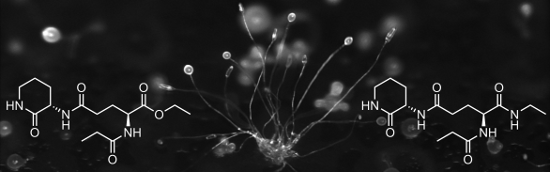
- furnished the protected dipeptides 8a and 8b, respectively. Hydrogenolysis with hydrogen gas and palladium on charcoal gave free amines 9a and 9b. Glorin (1) and glorinamide 2 were then obtained by treating amines 9a and 9b, respectively, with propionic anhydride. The main advantage of our synthesis over

Graphical Abstract

Figure 1: Glorin (1) and glorinamide 2.

Scheme 1: Synthesis of glorin (1) and glorinamide 2. Reagents and conditions: a) TMSCl, MeOH, rt, 12 h; b) Na...
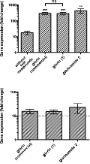
Figure 2: Gene induction in P. pallidum (model gene PPL_09347) without test compounds (negative control), com...
Total synthesis of a Streptococcus pneumoniae serotype 12F CPS repeating unit hexasaccharide
- Peter H. Seeberger,
- Claney L. Pereira and
- Subramanian Govindan
Beilstein J. Org. Chem. 2017, 13, 164–173, doi:10.3762/bjoc.13.19
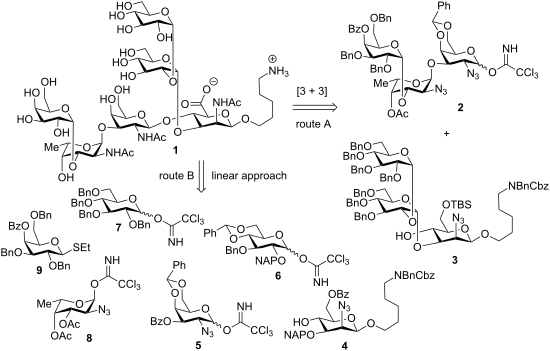
- employing a more nucleophilic and less basic reagent such as a lithium hydroxide/hydrogen peroxide mixture did not provide relief from the problem, but instead also produced a mixture of undesired products. Adjustments in the sequence of deprotection steps by first carrying out hydrogenolysis using Pd/C in

Graphical Abstract

Figure 1: Structure of the S. pneumoniae serotype 12F capsular polysaccharide repeating unit [15].

Scheme 1: Retrosynthetic analyses of the S. pneumoniae hexasaccharide 1.

Scheme 2: Attempted synthesis of mannosazide building block 15. Reagents and conditions: (a) levulinic acid, ...

Scheme 3: Synthesis of mannosazide building block 18. Reagents and conditions: (a) TBSCl, imidazole, DCM, 0 °...

Scheme 4: Synthesis of the reducing-end trisaccharide 3. Reagents and conditions: (a) TMSOTf, (CH3CH2)2O/CH2Cl...

Scheme 5: Synthesis of monosaccharide building blocks 8, 9 and 26. Reagents and conditions: (a) acetic anhydr...

Scheme 6: Synthesis of the non-reducing end trisaccharide 2. Reagents and conditions: (a) TMSOTf, CH2Cl2, −30...

Scheme 7: Attempted synthesis of hexasaccharide repeating unit 36 via a convergent [3 + 3] glycosylation stra...

Scheme 8: Linear assembly of fully protected hexasaccharide 51. Reagents and conditions: (a) DDQ, CH2Cl2/MeOH...

Scheme 9: Global deprotection to furnish S. pneumonia serotype 12F repeating unit hexasaccharide 1. Reagents ...
Iodination of carbohydrate-derived 1,2-oxazines to enantiopure 5-iodo-3,6-dihydro-2H-1,2-oxazines and subsequent palladium-catalyzed cross-coupling reactions
- Michal Medvecký,
- Igor Linder,
- Luise Schefzig,
- Hans-Ulrich Reissig and
- Reinhold Zimmer
Beilstein J. Org. Chem. 2016, 12, 2898–2905, doi:10.3762/bjoc.12.289
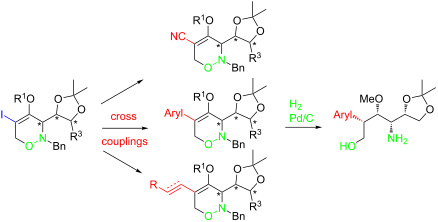
- proceeded well and afforded the expected 5-(1,2,3-triazolyl)-substituted 1,2-oxazine syn-26 in moderate yield (54%). Hydrogenolysis belongs to the well-established transformations of 1,2-oxazines, often successfully leading to valuable compounds including 1,4-amino alcohols or pyrrolidine derivatives. We
- therefore briefly examined the reaction of 5-aryl-substituted 1,2-oxazines syn-21 and anti-24 under previously established conditions [53]. The hydrogenolysis of 1,2-oxazine derivative syn-21 in methanol using palladium on charcoal as catalyst afforded the expected α-(3-methoxyphenyl)-substituted γ-amino
- 95:5). In contrast, when these hydrogenolysis conditions were applied to the D-arabinose-derived 5-phenyl-1,2-oxazine anti-24 merely an inseparable complex mixture of products was obtained. After shortening of the reaction time from one day to one hour, we were able to isolate two products, the N

Graphical Abstract

Scheme 1: Access to enantiopure 3,6-dihydro-1,2-oxazines 3 via lithiated alkoxyallenes 1 and carbohydrate-der...
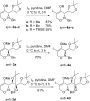
Scheme 2: Iodination of 1,2-oxazines syn-3a–c and anti-3a,d leading to 5-iodo-substituted 1,2-oxazines syn-4a...

Scheme 3: Sonogashira reactions of 4-methoxy-1,2-oxazines syn-4a, anti-4a and anti-4d leading to 5-alkynyl-su...

Scheme 4: Sonogashira reactions of D-glyceraldehyde-derived 1,2-oxazines syn-4a–c leading to 5-alkynyl-substi...

Scheme 5: Heck reactions of 1,2-oxazine syn-4a leading to 5-alkenyl-substituted 1,2-oxazines syn-13, syn-14 a...

Scheme 6: Suzuki–Miyaura reactions of 1,2-oxazines syn-4a, syn-4b and anti-4d leading to 5-styryl-substituted...

Scheme 7: Cross-coupling reaction of 1,2-oxazine anti-4d leading to 5-cyano-substituted 1,2-oxazine anti-25.

Scheme 8: Desilylation of 1,2-oxazine syn-5 and subsequent click reaction with benzyl azide leading to 5-(1,2...

Scheme 9: Hydrogenation of 1,2-oxazine syn-21 leading to γ-amino alcohols 27a,b and subsequent ring closure t...

Scheme 10: Hydrogenation of 1,2-oxazine anti-24 to products anti-29 and anti-30.
Regiocontroled Pd-catalysed C5-arylation of 3-substituted thiophene derivatives using a bromo-substituent as blocking group
- Mariem Brahim,
- Hamed Ben Ammar,
- Jean-François Soulé and
- Henri Doucet
Beilstein J. Org. Chem. 2016, 12, 2197–2203, doi:10.3762/bjoc.12.210
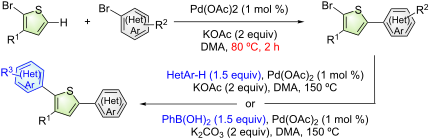
- -phenylthiophene (27) in 60% yield. A higher yield of 80% in 28 was obtained for the coupling of 16 with phenylboronic acid. In order to further demonstrate that a bromo-substituent at C2-position of the thiophenes can be considered as a protecting group, we removed it via palladium-catalysed hydrogenolysis

Graphical Abstract

Figure 1: Regioselectivity of the arylation of 3-substituted thiophenes.
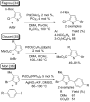
Scheme 1: Blocking groups allowing regioselective C5-arylation of thiophenes.

Scheme 2: Reactivity of 2-bromothiophene with aryl bromides.

Scheme 3: Reactivity of 2-bromo-3-methylthiophene with (hetero)aryl bromides.

Scheme 4: Reactivity of 3-substituted 2-bromothiophenes with aryl bromides.

Scheme 5: 5-Heteroarylation of 2-aryl-5-bromothiophenes.

Scheme 6: 2-Heteroarylation of 2-bromo-3-methylthiophene.

Scheme 7: 5-Arylation of 2,3-disubstituted thiophenes.

Scheme 8: 5-Arylation of 2-aryl-5-bromothiophenes.

Scheme 9: Deprotection of 2-aryl-5-bromothiophene 14.
The direct oxidative diene cyclization and related reactions in natural product synthesis
- Juliane Adrian,
- Leona J. Gross and
- Christian B. W. Stark
Beilstein J. Org. Chem. 2016, 12, 2104–2123, doi:10.3762/bjoc.12.200
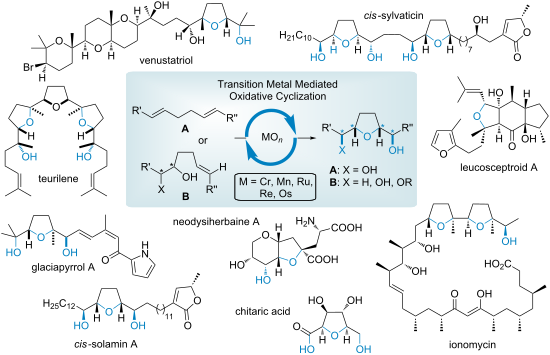
- (6) (Scheme 4). It was also possible to produce another carbohydrate using the same synthetic pathway. Thus, mono-protection of THF diol 5 followed by oxidation of the remaining free primary hydroxy group to the carboxylic acid and a final hydrogenolysis gave (+)-D-chitaric acid (7) with a yield of

Graphical Abstract

Scheme 1: Putative structures of geraniol 1a (R = H) or 1b (R = H) (in 1924), their expected dihydroxylation ...

Scheme 2: Correlation between the substrate double bond geometry and relative stereochemistry of the correspo...

Scheme 3: Mechanisms and classification for the metal-mediated oxidative cyclizations to form 2,5-disubstitut...

Scheme 4: Synthesis of (+)-anhydro-D-glucitol and (+)-D-chitaric acid using an OsO4-mediated oxidative cycliz...

Scheme 5: Total synthesis of neodysiherbaine A via a Ru(VIII)- and an Os(VI)-catalyzed oxidative cyclization,...

Scheme 6: Formal synthesis of ionomycin by Kocienski and co-workers.

Scheme 7: Total synthesis of amphidinolide F by Fürstner and co-workers.

Scheme 8: Brown`s and Donohoe`s oxidative cyclization approach to cis-solamin A.
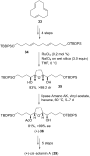
Scheme 9: Total synthesis of cis-solamin A using a Ru(VIII)-catalyzed oxidative cyclization and enzymatic des...
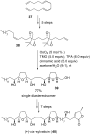
Scheme 10: Donohoe´s double oxidative cyclization approach to cis-sylvaticin.

Scheme 11: Permanganate-mediated approach to cis-sylvaticin by Brown and co-workers.

Scheme 12: Total synthesis of membranacin using a KMnO4-mediated oxidative cyclization.

Scheme 13: Total synthesis of membrarollin and its analogue 21,22-diepi-membrarollin.

Scheme 14: Total synthesis of rollidecin C and D using a late stage Re(VII)-catalyzed oxidative polycyclizatio...

Scheme 15: Co(II)-catalyzed oxidative cyclization in the total synthesis of asimilobin and gigantetrocin A.

Scheme 16: Mn(VII)-catalyzed oxidative cyclization of a 1,5-diene in the synthesis of trans-(+)-linalool oxide....

Scheme 17: Re(VII)-catalyzed oxidative cyclization in the total synthesis of teurilene.
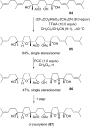
Scheme 18: Total synthesis of (+)-eurylene via Re(VII)- and Cr(VI)-mediated oxidative cyclizations.

Scheme 19: Synthesis of cis- and trans-THF Rings of eurylene via Mn(VII)-mediated oxidative cyclizations.

Scheme 20: Cr(VI)-catalyzed oxidative cyclization in the total synthesis of venustatriol by Corey et al.

Scheme 21: Ru(VIII)-catalyzed oxidative cyclization of a 1,5-diene in the synthesis and evaluation of its ster...

Scheme 22: Ru(VII)-catalyzed oxidative cyclization of a 5,6-dihydroxy alkene in the synthesis of the core stru...
A chiral analog of the bicyclic guanidine TBD: synthesis, structure and Brønsted base catalysis
- Mariano Goldberg,
- Denis Sartakov,
- Jan W. Bats,
- Michael Bolte and
- Michael W. Göbel
Beilstein J. Org. Chem. 2016, 12, 1870–1876, doi:10.3762/bjoc.12.176
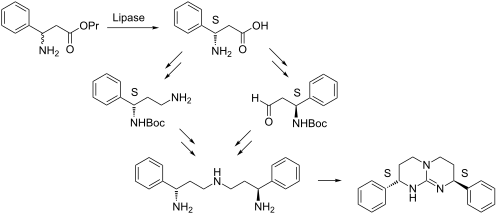
- ] with bisoxazoline catalyst 33, we have assigned the S,S configuration to the major isomer of product 32. By hydrogenolysis, we could now convert such a sample (40% ee) into 25. The product S,S-25 was formed as the dominant product (35% ee) thus confirming our previous assignment. Under mild basic

Graphical Abstract

Figure 1: Structure of guanidines 1–10.

Scheme 1: Synthesis of guanidine 10. Conditions: (a) 1 equiv HOOC-CH2-COOH, 2 equiv NH4OAc, EtOH, 78 °C, 5 h,...

Figure 2: Crystal structure of guanidine 10 as a benzoate salt. Only one of the ion pairs is shown for the sa...

Scheme 2: Reaction of anthrones and N-arylmaleimides catalyzed by guanidine 10. The guanidine deprotonates an...

Figure 3: A) Chromatogram of rac-25 after incubation with 0.1 equiv of 10 in THF at −15 °C for 64 h. The fast...
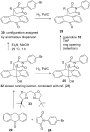
Scheme 3: Assignment of the absolute configurations by chemical correlation. The R configuration of compound ...
Multicomponent reactions: A simple and efficient route to heterocyclic phosphonates
- Mohammad Haji
Beilstein J. Org. Chem. 2016, 12, 1269–1301, doi:10.3762/bjoc.12.121
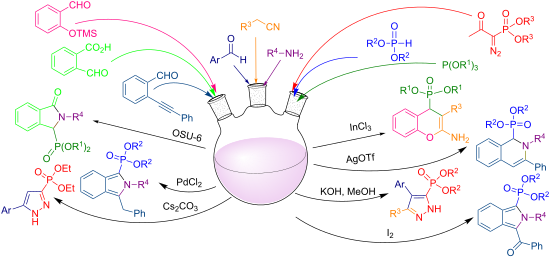
- -oxazolopiperidines 52 with 58% yield and 79:21 dr. Further reduction and hydrogenolysis of 52 in the presence of Pd/C led to aminoester 53 which was converted to (S)-piperidin-2-phosphonic acid (54) through acidic hydrolysis and subsequent treatment with propylene oxide in 42% overall yield and 58% ee (Scheme 13

Graphical Abstract

Scheme 1: The Biginelli condensation.

Scheme 2: The Biginelli reaction of β-ketophosphonates catalyzed by ytterbium triflate.

Scheme 3: Trimethylchlorosilane-mediated Biginelli reaction of diethyl (3,3,3-trifluoropropyl-2-oxo)phosphona...

Scheme 4: Biginelli reaction of dialkyl (3,3,3-trifluoropropyl-2-oxo)phosphonate with trialkyl orthoformates ...

Scheme 5: p-Toluenesulfonic acid-promoted Biginelli reaction of β-ketophosphonates, aryl aldehydes and urea.

Scheme 6: General Kabachnik–Fields reaction for the synthesis of α-aminophosphonates.

Scheme 7: Phthalocyanine–AlCl catalyzed Kabachnik–Fields reaction of N-Boc-piperidin-4-one with diethyl phosp...

Scheme 8: Kabachnik–Fields reaction of isatin with diethyl phosphite and benzylamine.

Scheme 9: Magnetic Fe3O4 nanoparticle-supported phosphotungstic acid-catalyzed Kabachnik–Fields reaction of i...

Scheme 10: The Mg(ClO4)2-catalyzed Kabachnik–Fields reaction of 1-tosylpiperidine-4-one.

Scheme 11: An asymmetric version of the Kabachnik–Fields reaction for the synthesis of α-amino-3-piperidinylph...

Scheme 12: A classical Kabachnik–Fields reaction followed by an intramolecular ring-closing reaction for the s...

Scheme 13: Synthesis of (S)-piperidin-2-phosphonic acid through an asymmetric Kabachnik–Fields reaction.

Scheme 14: A modified diastereoselective Kabachnik–Fields reaction for the synthesis of isoindolin-1-one-3-pho...

Scheme 15: A microwave-assisted Kabachnik–Fields reaction toward isoindolin-1-ones.

Scheme 16: The synthesis of 3-arylmethyleneisoindolin-1-ones through a Horner–Wadsworth–Emmons reaction of Kab...

Scheme 17: An efficient one-pot method for the synthesis of ethyl (2-alkyl- and 2-aryl-3-oxoisoindolin-1-yl)ph...

Scheme 18: FeCl3 and PdCl2 co-catalyzed three-component reaction of 2-alkynylbenzaldehydes, anilines, and diet...

Scheme 19: Three-component reaction of 6-methyl-3-formylchromone (75) with hydrazine derivatives or hydroxylam...

Scheme 20: Three-component reaction of 6-methyl-3-formylchromone (75) with thiourea, guanidinium carbonate or ...

Scheme 21: Three-component reaction of 6-methyl-3-formylchromone (75) with 1,4-bi-nucleophiles in the presence...

Scheme 22: One-pot three-component reaction of 2-alkynylbenzaldehydes, amines, and diethyl phosphonate.

Scheme 23: Lewis acid–surfactant combined catalysts for the one-pot three-component reaction of 2-alkynylbenza...

Scheme 24: Lewis acid catalyzed cyclization of different Kabachnik–Fields adducts.

Scheme 25: Three-component synthesis of N-arylisoquinolone-1-phosphonates 119.

Scheme 26: CuI-catalyzed three-component tandem reaction of 2-(2-formylphenyl)ethanones with aromatic amines a...

Scheme 27: Synthesis of 1,5-benzodiazepin-2-ylphosphonates via ytterbium chloride-catalyzed three-component re...

Scheme 28: FeCl3-catalyzed four-component reaction for the synthesis of 1,5-benzodiazepin-2-ylphosphonates.

Scheme 29: Synthesis of indole bisphosphonates through a modified Kabachnik–Fields reaction.

Scheme 30: Synthesis of heterocyclic bisphosphonates via Kabachnik–Fields reaction of triethyl orthoformate.

Scheme 31: A domino Knoevenagel/phospha-Michael process for the synthesis of 2-oxoindolin-3-ylphosphonates.

Scheme 32: Intramolecular cyclization of phospha-Michael adducts to give dihydropyridinylphosphonates.

Scheme 33: Synthesis of fused phosphonylpyrans via intramolecular cyclization of phospha-Michael adducts.

Scheme 34: InCl3-catalyzed three-component synthesis of (2-amino-3-cyano-4H-chromen-4-yl)phosphonates.

Scheme 35: Synthesis of phosphonodihydropyrans via a domino Knoevenagel/hetero-Diels–Alder process.

Scheme 36: Multicomponent synthesis of phosphonodihydrothiopyrans via a domino Knoevenagel/hetero-Diels–Alder ...

Scheme 37: One-pot four-component synthesis of 1,2-dihydroisoquinolin-1-ylphosphonates under multicatalytic co...

Scheme 38: CuI-catalyzed four-component reactions of methyleneaziridines towards alkylphosphonates.

Scheme 39: Ruthenium–porphyrin complex-catalyzed three-component synthesis of aziridinylphosphonates and its p...

Scheme 40: Copper(I)-catalyzed three-component reaction towards 1,2,3-triazolyl-5-phosphonates.

Scheme 41: Three-component reaction of acylphosphonates, isocyanides and dialkyl acetylenedicarboxylate to aff...

Scheme 42: Synthesis of (4-imino-3,4-dihydroquinazolin-2-yl)phosphonates via an isocyanide-based three-compone...

Scheme 43: Silver-catalyzed three-component synthesis of (2-imidazolin-4-yl)phosphonates.

Scheme 44: Three-component synthesis of phosphonylpyrazoles.

Scheme 45: One-pot three-component synthesis of 3-carbo-5-phosphonylpyrazoles.

Scheme 46: A one-pot two-step method for the synthesis of phosphonylpyrazoles.

Scheme 47: A one-pot method for the synthesis of (5-vinylpyrazolyl)phosphonates.

Scheme 48: Synthesis of 1H-pyrrol-2-ylphosphonates via the [3 + 2] cycloaddition of phosphonate azomethine yli...

Scheme 49: Three-component synthesis of 1H-pyrrol-2-ylphosphonates.

Scheme 50: The classical Reissert reaction.

Scheme 51: One-pot three-component synthesis of N-phosphorylated isoquinolines.

Scheme 52: One-pot three-component synthesis of 1-acyl-1,2-dihydroquinoline-2-phosphonates and 2-acyl-1,2-dihy...

Scheme 53: Three-component reaction of pyridine derivatives with ethyl propiolate and dialkyl phosphonates.

Scheme 54: Three-component reactions for the phosphorylation of benzothiazole and isoquinoline.

Scheme 55: Three-component synthesis of diphenyl [2-(aminocarbonyl)- or [2-(aminothioxomethyl)-1,2-dihydroisoq...

Scheme 56: Three-component stereoselective synthesis of 1,2-dihydroquinolin-2-ylphosphonates and 1,2-dihydrois...

Scheme 57: Diphosphorylation of diazaheterocyclic compounds via a tandem 1,4–1,2 addition of dimethyl trimethy...

Scheme 58: Multicomponent reaction of alkanedials, acetamide and acetyl chloride in the presence of PCl3 and a...

Scheme 59: An oxidative domino three-component synthesis of polyfunctionalized pyridines.

Scheme 60: A sequential one-pot three-component synthesis of polysubstituted pyrroles.

Scheme 61: Three-component decarboxylative coupling of proline with aldehydes and dialkyl phosphites for the s...

Scheme 62: Three-component domino aza-Wittig/phospha-Mannich sequence for the phosphorylation of isatin deriva...

Scheme 63: Stereoselective synthesis of phosphorylated trans-1,5-benzodiazepines via a one-pot three-component...

Scheme 64: One-pot three-component synthesis of phosphorylated 2,6-dioxohexahydropyrimidines.
Synthesis of 2-oxindoles via 'transition-metal-free' intramolecular dehydrogenative coupling (IDC) of sp2 C–H and sp3 C–H bonds
- Nivesh Kumar,
- Santanu Ghosh,
- Subhajit Bhunia and
- Alakesh Bisai
Beilstein J. Org. Chem. 2016, 12, 1153–1169, doi:10.3762/bjoc.12.111
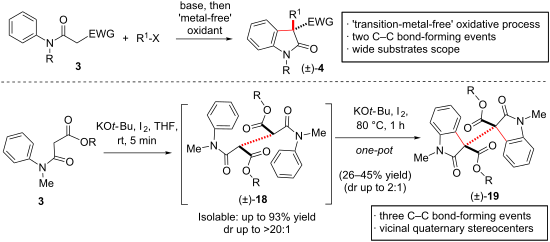
- presence of a catalytic amount of Pd on activated charcoal under hydrogenolysis. Thus, we explored the substrate scope using β-N-arylamido benzyl ester or β-N-arylamido p-methoxybenzyl ester as starting materials for the oxidative coupling reaction shown in Figure 2. Towards this end, β-N-aryl amido

Graphical Abstract

Scheme 1: Synthesis of 2-oxindoles via oxidative processes.
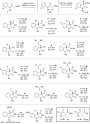
Figure 1: Substrates scope of one-pot ‘transition-metal-free’ IDC. The syntheses of compounds 4a–s according ...

Figure 2: Further substrates scope of one-pot ‘transition metal-free’ IDC. Conditions A: KOt-Bu, iodine; cond...
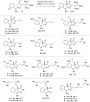
Figure 3: Substrates scope of ‘transition-metal-free’ IDC using KOt-Bu/I2. Reproduced from [46].
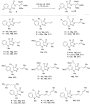
Figure 4: C-Alkylation of anilides using KOt-Bu.

Figure 5: Substrates scope of ‘transition-metal-free’ IDC of C-alkylated anilides using DBU/I2.

Scheme 2: Oxidative coupling of C-arylated anilides (±)-11a–d. The synthesis of 12b as per method A has been ...

Scheme 3: Synthesis of spirocyclic product through IDC The synthesis of 14 as per method A has been reproduce...

Scheme 4: Dimerization of β-N-aryl-amidoesters 3a and b. Reproduced from [46].

Scheme 5: Synthesis of dimeric 2-oxindoles utilizing IDC. The syntheses of 19a and b have been reproduced fro...

Scheme 6: Plausible mechanism of ‘transition-metal-free’ IDC The mechanistic consideration in Scheme 6 has been repro...

Scheme 7: Intramolecular-dehydrogenative-coupling (IDC) of 3a and 5a. Reproduced from [46].

Scheme 8: IDC of 3a and 5a using different oxidants. Reproduced from [46].

Scheme 9: Synthesis of 3-substituted-2-oxindoles from benzyl esters.

Scheme 10: 3-Substituted-2-oxindoles from p-methoxybenzyl esters.

Scheme 11: Synthetic elaboration using Tsuji–Trost reactions. Reproduced from [46].
Muraymycin nucleoside-peptide antibiotics: uridine-derived natural products as lead structures for the development of novel antibacterial agents
- Daniel Wiegmann,
- Stefan Koppermann,
- Marius Wirth,
- Giuliana Niro,
- Kristin Leyerer and
- Christian Ducho
Beilstein J. Org. Chem. 2016, 12, 769–795, doi:10.3762/bjoc.12.77
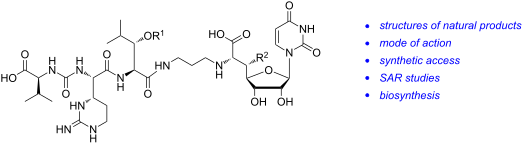
- diastereoselectively converted with a Grignard reagent into the amine 53 as a key step of the synthesis [78]. Cbz protection followed by ozonolysis with subsequent reductive amination and hydrogenolysis led to the 1,3-diamine 54. The cyclisation to the guanidine functionality was achieved with the novel

Graphical Abstract
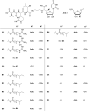
Figure 1: Structures of the naturally occurring muraymycins isolated by McDonald et al. [22].
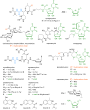
Figure 2: Structures of selected classes of nucleoside antibiotics. Similarities to the muraymycins are highl...

Figure 3: Structure of peptidoglycan. Long chains of glycosides (alternating GlcNAc (green) and MurNAc (blue)...

Figure 4: Schematic representation of bacterial cell wall biosynthesis.
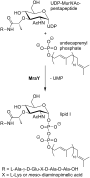
Figure 5: Translocase I (MraY) catalyses the reaction of UDP-MurNAc-pentapeptide with undecaprenyl phosphate ...

Figure 6: Proposed mechanisms for the MraY-catalysed reaction. A: Two-step mechanism postulated by Heydanek e...

Scheme 1: First synthetic access towards simplified muraymycin analogues as reported by Yamashita et al. [76].

Scheme 2: Synthesis of (+)-caprazol (19) reported by Ichikawa, Matsuda et al. [92].

Scheme 3: Synthesis of the epicapreomycidine-containing urea dipeptide via C–H activation [96,97].

Scheme 4: Synthesis of muraymycin D2 and its epimer reported by Ichikawa, Matsuda et al. [96,97].

Scheme 5: Synthesis of the urea tripeptide unit as a building block for muraymycins reported by Kurosu et al. ...

Scheme 6: Synthesis of the uridine-derived core structure of naturally occuring muraymycins reported by Ducho...
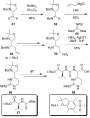
Scheme 7: Synthesis of the epicapreomycidine-containing urea dipeptide from Garner's aldehyde reported by Duc...

Scheme 8: Synthesis of a hydroxyleucine-derived aldehyde building block reported by Ducho et al. [107].

Scheme 9: Synthesis of 5'-deoxy muraymycin C4 (65) as a closely related natural product analogue [78,109,110].

Figure 7: Summary of modifications on semisynthetic muraymycin analogues tested by Lin et al. [86]. Most active c...

Figure 8: Bioactive muraymycin analogues identified by Yamashita et al. [76].

Figure 9: Muraymycin D2 and several non-natural lipidated analogues 91a–d [77,114].
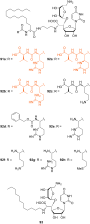
Figure 10: Non-natural muraymycin analogues with varying peptide structures [77,114].

Figure 11: SAR results for several structural variations of the muraymycin scaffold.

Figure 12: Muraymycin analogues designed for potential anti-Pseudomonas activity (most active analogues are hi...

Scheme 10: Proposed outline pathway for muraymycin biosynthesis based on the analysis of the biosynthetic gene...

Scheme 11: Biosynthesis of the nucleoside core structure of A-90289 antibiotics (which is identical to the mur...

Scheme 12: Transaldolase-catalysed formation of the key intermediate GlyU 101 in the biosynthesis of muraymyci...
Synthesis and in vitro cytotoxicity of acetylated 3-fluoro, 4-fluoro and 3,4-difluoro analogs of D-glucosamine and D-galactosamine
- Štěpán Horník,
- Lucie Červenková Šťastná,
- Petra Cuřínová,
- Jan Sýkora,
- Kateřina Káňová,
- Roman Hrstka,
- Ivana Císařová,
- Martin Dračínský and
- Jindřich Karban
Beilstein J. Org. Chem. 2016, 12, 750–759, doi:10.3762/bjoc.12.75
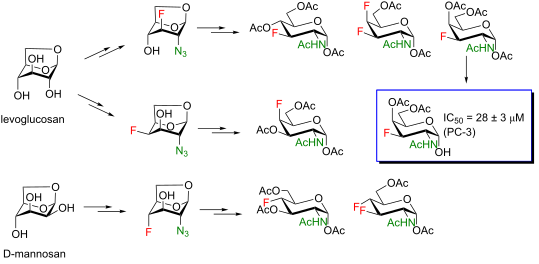
- in terms of product purity. Hydrogenolysis of 42 on palladium in ethanol/HCl followed by acetylation of the amino group furnished the target acetylated 3-fluoro-D-GlcNAc 5 as a chromatographically separable mixture of anomers (Table 1). Addition of HCl was found necessary to effect a clean

Graphical Abstract
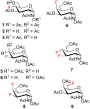
Figure 1: Examples of deoxofluorinated hexosamines.

Scheme 1: Retrosynthetic plan.

Scheme 2: Preparation of starting 2-azido compounds. Reagents and conditions: (a) NaN3, NH4Cl, MeOC2H4OH, 79%...

Scheme 3: Preparation of mono and difluoro analogs of 2-azido-2-deoxy-1,6-anhydro-β-D-gluco- and galactopyran...

Scheme 4: Suggested mechanisms for deoxofluorination at C-3 of 1,6-anhydro-β-D-glucohexopyranose derivatives....

Scheme 5: Formation of oxazoline 41 from 19.

Scheme 6: 1-O-Deacetylation of monofluorinated hexosamines. Reagents and conditions: (a) BnNH2, THF, 62%; (b)...
Diversity-oriented synthesis of analogues of the novel macrocyclic peptide FR-225497 through late stage functionalization
- Jyotiprasad Mukherjee,
- Suman Sil and
- Shital Kumar Chattopadhyay
Beilstein J. Org. Chem. 2015, 11, 2487–2492, doi:10.3762/bjoc.11.270
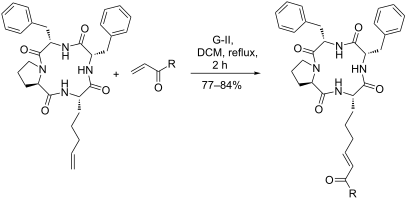
- solution phase peptide coupling between L-Phe-D-Pro-OMe (6) (prepared by hydrogenolysis of the corresponding carbamate 5) and L-Cbz-Phe-OH (7) followed by elaboration of the resulting tripeptide 8 via N-terminus deprotection leading to 9 followed by a second peptide coupling of the latter with the known

Graphical Abstract

Figure 1: Structure of FR-225497 (4) and related cyclic tetrapeptides.

Figure 2: Synthetic planning for the design of analogues of 4.

Scheme 1: Preparation of the macrocyclic template 13.

Scheme 2: Synthesis of nor-FR225497 (15).

Scheme 3: Synthesis of oxygenated ethyl vinyl ketones.

Scheme 4: Synthesis of analogues of FR-225497.
Total synthesis of panicein A2
- Lili Yeung,
- Lisa I. Pilkington,
- Melissa M. Cadelis,
- Brent R. Copp and
- David Barker
Beilstein J. Org. Chem. 2015, 11, 1991–1996, doi:10.3762/bjoc.11.215
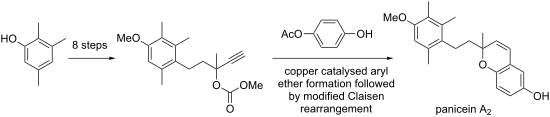
- decided to selectively reduce the ketone to an alcohol – this would allow for the uncomplicated hydrogenolysis of the olefin. Following this, subsequent oxidation of the alcohol would give the desired ketone 13. The reduction of ketone 12 to alcohol 14 with NaBH4 was complete after a reaction time of 10
- minutes, giving 14 in an excellent 94% yield. Hydrogenolysis of the alkene in 14 using Pd/C in MeOH proceeded in 2 hours, providing alcohol 15 which was then oxidised to the desired ketone 13 with Dess–Martin periodinane in 75% yield over two steps. Although this approach was ultimately two steps longer

Graphical Abstract
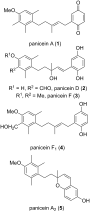
Figure 1: Members of the panicein family of aromatic sesquiterpenoids.
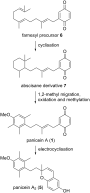
Figure 2: Proposed biogenesis of panicein A2 (5).

Figure 3: Retrosynthetic analysis of panicein A2 (5).

Scheme 1: Synthesis of ketone 13.

Scheme 2: Synthesis of propargyl ether 8 through formation of trifluoroacetate intermediate 17.

Scheme 3: Synthesis of propargyl ether 8 through carbonate 18.

Scheme 4: Synthesis of panicein A2 (5).
Dicarboxylic esters: Useful tools for the biocatalyzed synthesis of hybrid compounds and polymers
- Ivan Bassanini,
- Karl Hult and
- Sergio Riva
Beilstein J. Org. Chem. 2015, 11, 1583–1595, doi:10.3762/bjoc.11.174

- -trichloroethyl)malonate to give the mixed malonyl derivatives 8a and 9a, respectively, were followed either by a palladium-catalyzed hydrogenolysis of the benzyl moiety to give 8b [26], or by a selective chemical removal of 2,2,2-trichloroethanol with Zn/AcOH to give 9b [27]. c) Enzymatic synthesis of symmetric

Graphical Abstract

Scheme 1: Activated derivatives of dicarboxylic acids.

Figure 1: Example of natural compounds selectively acylated with dicarboxylic esters.

Figure 2: C6-dicarboxylic acid diesters derivatives of NAG-thiazoline.

Figure 3: Sylibin dimers obtained by CAL-B catalyzed trans-acylation reactions.

Scheme 2: Biocatalyzed synthesis of paclitaxel derivatives.

Figure 4: 5-Fluorouridine derivatives obtained by CAL-B catalysis.

Scheme 3: Biocatalyzed synthesis of hybrid diesters 17 and 18.

Scheme 4: Hybrid derivatives of sylibin.

Figure 5: Bolaamphiphilic molecules containing (L)- and/or (D)-isoascorbic acid moieties.

Figure 6: Doxorubicin (29) trapped in a polyester made of glycolate, sebacate and 1,4-butandiol units.

Figure 7: Polyesters containing functionalized pentofuranose derivatives.

Figure 8: Polyesters containing disulfide moieties.

Figure 9: Polyesters containing epoxy moieties.

Figure 10: Biocatalyzed synthesis of polyesters containing glycerol.

Figure 11: Iataconic (34) and malic (35) acid.

Figure 12: Oxidized poly(hexanediol-2-mercaptosuccinate) polymer.

Figure 13: C-5-substituted isophthalates.

Figure 14: Curcumin-based polyesters.

Figure 15: Silylated polyesters.

Figure 16: Polyesters containing reactive ether moieties.

Figure 17: Polyesters obtained by CAL-B-catalyzed condensation of dicarboxylic esters and N-substituted dietha...

Figure 18: Polyesters comprising mexiletine (38) moieties.

Figure 19: Poly(amide-co-ester)s comprising a terminal hydroxy moiety.

Figure 20: Polymer comprising α-oxydiacid moieties.

Figure 21: Telechelics with methacrylate ends.

Figure 22: Telechelics with allyl-ether ends.

Figure 23: Telechelics with ends functionalized as epoxides.
Selected synthetic strategies to cyclophanes
- Sambasivarao Kotha,
- Mukesh E. Shirbhate and
- Gopalkrushna T. Waghule
Beilstein J. Org. Chem. 2015, 11, 1274–1331, doi:10.3762/bjoc.11.142
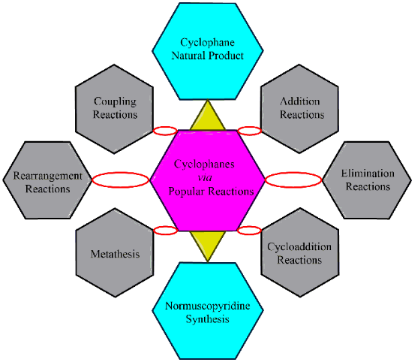
- 328 in ethanol saturated with ammonia was heated in a stainless sealed tube for 3 days to deliver the pyridinone derivative 329 (87%). Further, chlorination of the pyridinone 329 afforded the chloropyridine 330 (93%). Subsequently, hydrogenolysis of the pyridine derivative 330 gave the target

Graphical Abstract

Figure 1: General representation of cyclophanes.

Figure 2: cyclophanes one or more with heteroatom.

Figure 3: Metathesis catalysts 12–17 and C–C coupling catalyst 18.

Figure 4: Natural products containing the cyclophane skeleton.

Figure 5: Turriane family of natural products.

Scheme 1: Synthesis of [3]ferrocenophanes through Mannich reaction. Reagents and conditions: (i) excess HNMe2...

Scheme 2: Synthesis of cyclophanes through Michael addition. Reagents and conditions: (i) xylylene dibromide,...

Scheme 3: Synthesis of normuscopyridine analogue 37 through an oxymercuration–oxidation strategy. Reagents an...

Scheme 4: Synthesis of tribenzocyclotriyne 39 through Castro–Stephens coupling reaction. Reagents and conditi...

Scheme 5: Synthesis of cyclophane 43 through Glaser–Eglinton coupling. Reagents and conditions: (i) 9,10-bis(...

Scheme 6: Synthesis of the macrocyclic C-glycosyl cyclophane through Glaser coupling. Reagents and conditions...

Scheme 7: Synthesis of cyclophane-containing complex 49 through Glaser–Eglinton coupling reaction. Reagents a...

Scheme 8: Synthesis of cyclophane 53 through Glaser–Eglinton coupling. Reagents and conditions: (i) K2CO3, ac...

Figure 6: Cyclophanes 54–56 that have been synthesized through Glaser–Eglinton coupling.

Figure 7: Synthesis of tetrasubstituted [2.2]paracyclophane 57 and chiral cyclophyne 58 through Eglinton coup...

Scheme 9: Synthesis of cyclophane through Glaser–Hay coupling reaction. Reagents and conditions: (i) CuCl2 (1...

Scheme 10: Synthesis of seco-C/D ring analogs of ergot alkaloids through intramolecular Heck reaction. Reagent...

Scheme 11: Synthesis of muscopyridine 73 via Kumada coupling. Reagents and conditions: (i) 72, THF, ether, 20 ...

Scheme 12: Synthesis of the cyclophane 79 via McMurry coupling. Reagents and conditions: (i) 75, decaline, ref...

Scheme 13: Synthesis of stilbenophane 81 via McMurry coupling. Reagents and conditions: (i) TiCl4, Zn, pyridin...

Scheme 14: Synthesis of stilbenophane 85 via McMurry coupling. Reagents and conditions: (i) NBS (2 equiv), ben...
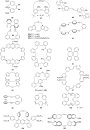
Figure 8: List of cyclophanes prepared via McMurry coupling reaction as a key step.

Scheme 15: Synthesis of paracyclophane by cross coupling involving Pd(0) catalyst. Reagents and conditions: (i...

Scheme 16: Synthesis of the cyclophane 112 via the pinacol coupling and 113 by RCM. Reagents and conditions: (...

Scheme 17: Synthesis of cyclophane derivatives 122a–c via Sonogoshira coupling. Reagents and conditions: (i) C...

Scheme 18: Synthesis of cyclophane 130 via Suzuki–Miyaura reaction as a key step. Reagents and conditions: (i)...

Scheme 19: Synthesis of the mycocyclosin via Suzuki–Miyaura cross coupling. Reagents and conditions: (i) benzy...

Scheme 20: Synthesis of cyclophanes via Wurtz coupling reaction Reagents and conditions: (i) PhLi, Et2O, C6H6,...

Scheme 21: Synthesis of non-natural glycophanes using alkyne metathesis. Reagents and conditions: (i) G-I (12)...

Figure 9: Synthesis of cyclophanes via ring-closing alkyne metathesis.

Scheme 22: Synthesis of crownophanes by cross-enyne metathesis. Reagents and conditions: (i) G-II (13), 5 mol ...

Scheme 23: Synthesis of (−)-cylindrocyclophanes A (156) and (−)-cylindrocyclophanes F (155). Reagents and cond...

Scheme 24: Synthesis of cyclophane 159 derivatives via SM cross-coupling and RCM. Reagents and conditions: (i)...

Scheme 25: Sexithiophene synthesis via cross metathesis. Reagents and conditions: (i) 161, Pd(PPh3)4, K2CO3, T...

Scheme 26: Synthesis of pyrrole-based cyclophane using enyne metathesis. Reagents and conditions: (i) Se, chlo...

Scheme 27: Synthesis of macrocyclic derivatives by RCM. Reagents and conditions: (i) G-I/G-II, CH2Cl2, 0.005 M...

Scheme 28: Synthesis of enantiopure β-lactam-based dienyl bis(dihydrofuran) 179. Reagents and conditions: (i) ...

Scheme 29: Synthesis of a [1.1.6]metaparacyclophane derivative 183 via SM cross coupling. Reagents and conditi...

Scheme 30: Synthesis of a [1.1.6]metaparacyclophane derivative 190 via SM cross coupling. Reagents and conditi...

Scheme 31: Template-promoted synthesis of cyclophanes involving RCM. Reagents and conditions: (i) acenaphthene...

Scheme 32: Synthesis of [3.4]cyclophane derivatives 200 via SM cross coupling and RCM. Reagents and conditions...
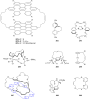
Figure 10: Examples for cyclophanes synthesized by RCM.

Scheme 33: Synthesis of the longithorone C framework assisted by fluorinated auxiliaries. Reagents and conditi...

Scheme 34: Synthesis of the longithorone framework via RCM. Reagents and conditions: (i) 213, NaH, THF, rt, 10...

Scheme 35: Synthesis of floresolide B via RCM as a key step. Reagents and conditions: (i) G-II (13, 0.1 equiv)...

Scheme 36: Synthesis of normuscopyridine (223) by the RCM strategy. Reagents and condition: (i) Mg, THF, hexen...

Scheme 37: Synthesis of muscopyridine (73) via RCM. Reagents and conditions: (i) 225, NaH, THF, 0 °C to rt, 1....

Scheme 38: Synthesis of muscopyridine (73) via RCM strategy. Reagents and conditions: (i) NaH, n-BuLi, 5-bromo...

Scheme 39: Synthesis of pyridinophane derivatives 223 and 245. Reagents and conditions: (i) PhSO2Na, TBAB, CH3...

Scheme 40: Synthesis of metacyclophane derivatives 251 and 253. Reagents and conditions: (i) 240, NaH, THF, rt...

Scheme 41: Synthesis of normuscopyridine and its higher analogues. Reagents and conditions: (i) alkenyl bromid...

Scheme 42: Synthesis of fluorinated ferrocenophane 263 via a [2 + 2] cycloaddition. Reagents and conditions: (...

Scheme 43: Synthesis of [2.n]metacyclophanes 270 via a [2 + 2] cycloaddition. Reagents and conditions: (i) Ac2...

Scheme 44: Synthesis of metacyclophane 273 by a [2 + 2 + 2] co-trimerization. Reagents and conditions: (i) [Rh...

Scheme 45: Synthesis of paracyclophane 276 via a [2 + 2 + 2] cycloaddition reaction. Reagents and conditions: ...

Scheme 46: Synthesis of cyclophane 278 via a [2 + 2 + 2] cycloaddition reaction. Reagents and conditions: (i) ...

Scheme 47: Synthesis of cyclophane 280 via a [2 + 2 + 2] cycloaddition. Reagents and conditions: (i) [(Rh(cod)(...

Scheme 48: Synthesis of taxane framework by a [2 + 2 + 2] cycloaddition. Reagents and conditions: (i) Cp(CO)2 ...

Scheme 49: Synthesis of cyclophane 284 and 285 via a [2 + 2 + 2] cycloaddition reaction. Reagents and conditio...

Scheme 50: Synthesis of pyridinophanes 293a,b and 294a,b via a [2 + 2 + 2] cycloaddition. Reagents and conditi...

Scheme 51: Synthesis of pyridinophanes 296 and 297 via a [2 + 2 + 2] cycloaddition. Reagents and conditions: (...

Scheme 52: Synthesis of triazolophane by a 1,3-dipolar cycloaddition. Reagents and conditions: (i) propargyl b...

Scheme 53: Synthesis of glycotriazolophane 309 by a click reaction. Reagents and conditions: (i) LiOH, H2O, Me...

Figure 11: Cyclophanes 310 and 311 prepared via click chemistry.

Scheme 54: Synthesis of cyclophane via the Dötz benzannulation. Reagents and conditions: (i) THF, 100 °C, 12 h...

Scheme 55: Synthesis of [6,6]metacyclophane by a Dötz benzannulation. Reagents and conditions: (i) THF, 100 °C...

Scheme 56: Synthesis of cyclophanes by a Dötz benzannulation. Reagents and conditions: (i) THF, 65 °C, 3 h; (i...

Scheme 57: Synthesis of muscopyridine (73) via an intramolecular DA reaction of ketene. Reagents and condition...

Scheme 58: Synthesis of bis[10]paracyclophane 336 via Diels–Alder reaction. Reagents and conditions: (i) DMAD,...

Scheme 59: Synthesis of [8]paracyclophane via DA reaction. Reagents and conditions: (i) maleic anhydride, 3–5 ...

Scheme 60: Biomimetic synthesis of (−)-longithorone A. Reagents and conditions: (i) Me2AlCl, CH2Cl2, −20 °C, 7...

Scheme 61: Synthesis of sporolide B (349) via a [4 + 2] cycloaddition reaction. Reagents and conditions: (i) P...

Scheme 62: Synthesis of the framework of (+)-cavicularin (352) via a [4 + 2] cycloaddition. Reagents and condi...

Scheme 63: Synthesis of oxazole-containing cyclophane 354 via Beckmann rearrangement. Reagents and conditions:...

Scheme 64: Synthesis of cyclophanes 360a–c via benzidine rearrangement. Reagents and conditions: (i) 356a–d, K2...

Scheme 65: Synthesis of cyclophanes 365a–c via benzidine rearrangement. Reagents and conditions: (i) BocNHNH2,...

Scheme 66: Synthesis of metacyclophane 367 via Ciamician–Dennstedt rearrangement. Reagents and conditions: (i)...

Scheme 67: Synthesis of cyclophane by tandem Claisen rearrangement and RCM as key steps. Reagents and conditio...

Scheme 68: Synthesis of cyclophane derivative 380. Reagents and conditions: (i) K2CO3, CH3CN, allyl bromide, r...

Scheme 69: Synthesis of metacyclophane via Cope rearrangement. Reagents and conditions: (i) MeOH, NaBH4, rt, 1...

Scheme 70: Synthesis of cyclopropanophane via Favorskii rearrangement. Reagents and conditions: (i) Br2, CH2Cl2...

Scheme 71: Cyclophane 389 synthesis via photo-Fries rearrangement. Reagents and conditions: (i) DMAP, EDCl/CHCl...

Scheme 72: Synthesis of normuscopyridine (223) via Schmidt rearrangement. Reagents and conditions: (i) ethyl s...

Scheme 73: Synthesis of crownophanes by tandem Claisen rearrangement. Reagents and conditions: (i) diamine, Et3...

Scheme 74: Attempted synthesis of cyclophanes via tandem Claisen rearrangement and RCM. Reagents and condition...

Scheme 75: Synthesis of muscopyridine via alkylation with 2,6-dimethylpyridine anion. Reagents and conditions:...

Scheme 76: Synthesis of cyclophane via Friedel–Craft acylation. Reagents and conditions: (i) CS2, AlCl3, 7 d, ...

Scheme 77: Pyridinophane 418 synthesis via Friedel–Craft acylation. Reagents and conditions: (i) 416, AlCl3, CH...

Scheme 78: Cyclophane synthesis involving the Kotha–Schölkopf reagent 421. Reagents and conditions: (i) NBS, A...

Scheme 79: Cyclophane synthesis involving the Kotha–Schölkopf reagent 421. Reagents and conditions: (i) BEMP, ...

Scheme 80: Cyclophane synthesis by coupling with TosMIC. Reagents and conditions: (i) (a) ClCH2OCH3, TiCl4, CS2...

Scheme 81: Synthesis of diaza[32]cyclophanes and triaza[33]cyclophanes. Reagents and conditions: (i) DMF, NaH,...

Scheme 82: Synthesis of cyclophane 439 via acyloin condensation. Reagents and conditions: (i) Na, xylene, 75%;...

Scheme 83: Synthesis of multibridged binuclear cyclophane 442 by aldol condensation. Reagents and conditions: ...

Scheme 84: Synthesis of various macrolactones. Reagents and conditions: (i) iPr2EtN, DMF, 77–83%; (ii) TBDMSCl...

Scheme 85: Synthesis of muscone and muscopyridine via Yamaguchi esterification. Reagents and conditions: (i) 4...

Scheme 86: Synthesis of [5]metacyclophane via a double elimination reaction. Reagents and conditions: (i) LiBr...

Figure 12: Cyclophanes 466–472 synthesized via Hofmann elimination.

Scheme 87: Synthesis of cryptophane via Baylis–Hillman reaction. Reagents and conditions: (i) methyl acrylate,...

Scheme 88: Synthesis of cyclophane 479 via double Chichibabin reaction. Reagents and conditions: (i) excess 478...

Scheme 89: Synthesis of cyclophane 483 via double Chichibabin reaction. Reagents and conditions: (i) 481, OH−;...

Scheme 90: Synthesis of cyclopeptide via an intramolecular SNAr reaction. Reagents and conditions: (i) TBAF, T...

Scheme 91: Synthesis of muscopyridine (73) via C-zip ring enlargement reaction. Reagents and conditions: (i) H...

Figure 13: Mechanism of the formation of compound 494.

Scheme 92: Synthesis of indolophanetetraynes 501a,b using the Nicholas reaction as a key step. Reagents and co...

Scheme 93: Synthesis of cyclophane via radical cyclization. Reagents and conditions: (i) cyclododecanone, phen...

Scheme 94: Synthesis of (−)-cylindrocyclophanes A (156) and (−)-cylindrocyclophanes F (155). Reagents and cond...

Scheme 95: Cyclophane synthesis via Wittig reaction. Reagents and conditions: (i) LiOEt (2.1 equiv), THF, −78 ...

Figure 14: Representative examples of cyclophanes synthesized via Wittig reaction.

Scheme 96: Synthesis of the [6]paracyclophane via isomerization of Dewar benzene. Reagents and conditions: (i)...



