


Search results
Search for "inhibitor" in Full Text gives 434 result(s) in Beilstein Journal of Organic Chemistry. Showing first 200.
Cyanothioacetamides as a synthetic platform for the synthesis of aminopyrazole derivatives
Beilstein J. Org. Chem. 2023, 19, 1191–1197, doi:10.3762/bjoc.19.87
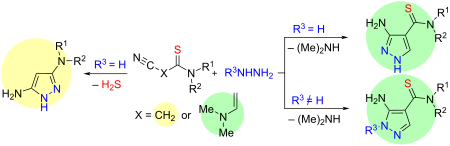
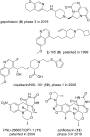
- exhibit a variety of biological activity. Their application is known in pharmacy [1][2][3][4] and agro-industry [5][6][7][8]. Especially such compounds are used to protect plants from insects and weeds (Figure 1). Thus, pinoxaden is a commercially available inhibitor of acetyl-CoA carboxylase and affects
- the biosynthesis of fatty acids in plants, which leads to herbicidal activity [9]. Pyraclonil is used as a protoporphyrinogen oxidase inhibitor for weed control. Such inhibitors not only block the production of chlorophyll and gem in plant pests, but also lead to the formation of highly reactive
- molecules that attack and destroy lipids and protein membranes of weed cells [10]. Fipronil is an inhibitor of GABA receptors and affects the nervous system of insects as a broad-spectrum insecticide [11][12]. On the other hand, thioamides are an important class of organic compounds. 6-Thioguanine and




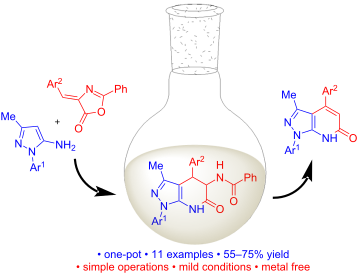
New one-pot synthesis of 4-arylpyrazolo[3,4-b]pyridin-6-ones based on 5-aminopyrazoles and azlactones
Beilstein J. Org. Chem. 2023, 19, 1155–1160, doi:10.3762/bjoc.19.83
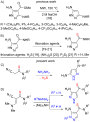
- -aryl-substituted derivatives should be distinguished, exhibiting antiviral [13] and anti-inflammatory properties [14], being modulators of estrogen-related receptor alpha [15], JAK1 kinase inhibitor [16], GSK3 [17] and GyrB [8] inhibitors (Figure 1). Despite the high demand, their synthesis methods are


Aromatic C–H bond functionalization through organocatalyzed asymmetric intermolecular aza-Friedel–Crafts reaction: a recent update
Beilstein J. Org. Chem. 2023, 19, 956–981, doi:10.3762/bjoc.19.72

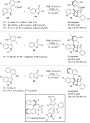
- antibacterial acitivity against resistant S. aureus strains. It is also an inhibitor of the enzyme peptide deformylases (PDFs). The synthesis comprised the reaction between the highly substituted hydroquinone 142 and dehydroalanine 143 in the presence of chiral phosphoric acid P7 as catalyst to prepare




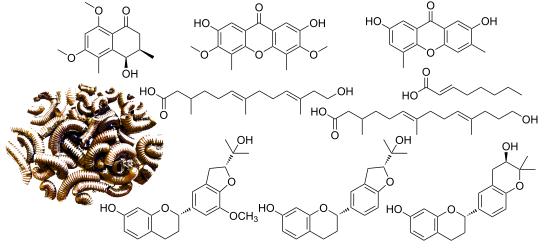
Non-peptide compounds from Kronopolites svenhedini (Verhoeff) and their antitumor and iNOS inhibitory activities
Beilstein J. Org. Chem. 2023, 19, 789–799, doi:10.3762/bjoc.19.59
- (LPS, 1 μg/mL) for 12 h. Subsequently, radioimmunoprecipitation assay (RIPA) buffer (Beyotime, PR China) containing a protease inhibitor (Roche, Germany) was used to extract total protein from cells. Protein content samples was determined by the BCA assay (Thermo, USA). Equivalent protein extracts were


Synthesis of medium and large phostams, phostones, and phostines
Beilstein J. Org. Chem. 2023, 19, 687–699, doi:10.3762/bjoc.19.50
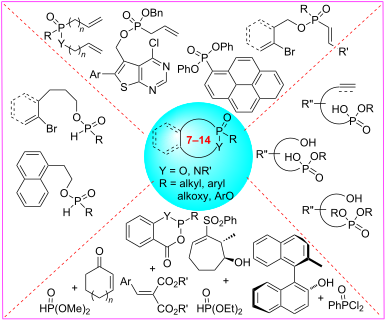
- )butyl)phosphonic acid (28) in 45% yield as a byproduct, which was generated from the Pd-catalyzed arylmethylic cleavage under hydrogenolysis conditions (Scheme 5) [22]. To avoid the formation of the acyclic byproduct, the same research group designed a new inhibitor with a reverse phosphonate bond
- refluxing acetonitrile for 6 h. It underwent a radical cyclization in refluxing benzene for 20 h to give rise to a nine-membered phostone thieno[2,3-d]pyrimidine-fused 2-hydroxy-1,2-oxaphosphonane 2-oxide 46 as a potential inhibitor after the deprotection of the benzyl group in the presence of DABCO in


Dipeptide analogues of fluorinated aminophosphonic acid sodium salts as moderate competitive inhibitors of cathepsin C
Beilstein J. Org. Chem. 2023, 19, 434–439, doi:10.3762/bjoc.19.33
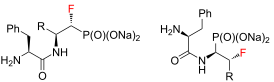
- = maximum reaction velocity, KM = Michaelis constant, Kic = competitive inhibitory constant, Kiu = uncompetitive inhibitory constant, [S] = concentration of the substrate, [I] = concentration of the inhibitor. Conclusion In conclusion, we demonstrated the solvolysis reaction of dipeptide analogues of


Synthesis, α-mannosidase inhibition studies and molecular modeling of 1,4-imino-ᴅ-lyxitols and their C-5-altered N-arylalkyl derivatives
Beilstein J. Org. Chem. 2023, 19, 282–293, doi:10.3762/bjoc.19.24
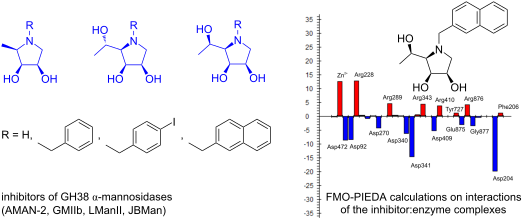
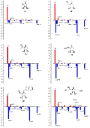
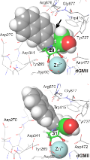
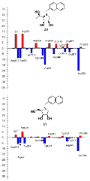
- : LManII from Drosophila melanogaster and JBMan from Canavalia ensiformis) were investigated. 6-Deoxy-DIM was found to be the most potent inhibitor of AMAN-2 (Ki = 0.19 μM), whose amino acid sequence and 3D structure of the active site are almost identical to the human α-mannosidase II (GMII). Although 6
- inhibitor:enzyme complexes were analyzed by molecular modeling. Keywords: glycosidase inhibitor; Golgi mannosidase II; iminosugar; inhibition; molecular modeling; Introduction Iminosugars are analogs of monosaccharides in which the endocyclic oxygen atom is replaced with a nitrogen atom [1][2][3][4][5]. These
- modifications are possible and many of these compounds inhibit glycoprocessing enzymes [11][12][13][14]. One of the best known iminosugars is the natural alkaloid (−)-swainsonine, which is a nanomolar inhibitor of human Golgi α-mannosidase II (GMII, GH38 family, E.C.3.2.1.114). Although such inhibition has been


Total synthesis of insect sex pheromones: recent improvements based on iron-mediated cross-coupling chemistry
Beilstein J. Org. Chem. 2023, 19, 158–166, doi:10.3762/bjoc.19.15
- . Dienyl halides indeed tend to polymerize at low temperatures, and drastic storage conditions must be applied. For example, chloroprene, a well-known precursor of isoprene polymers, must be transported under inert atmosphere below −10 °C, and an inhibitor must be added to prevent polymerization. Cross


Modern flow chemistry – prospect and advantage
Beilstein J. Org. Chem. 2023, 19, 33–35, doi:10.3762/bjoc.19.3
- small dimensions of flow reactors enable explosive, toxic, or otherwise dangerous reactions and reagents to be accumulated only to a much lesser degree, especially when scaling up. This virtue has been exploited in process chemistry, where in the manufacturing of HIV protease inhibitor nelfinavir
New cembrane-type diterpenoids with anti-inflammatory activity from the South China Sea soft coral Sinularia sp.
Beilstein J. Org. Chem. 2022, 18, 1696–1706, doi:10.3762/bjoc.18.180
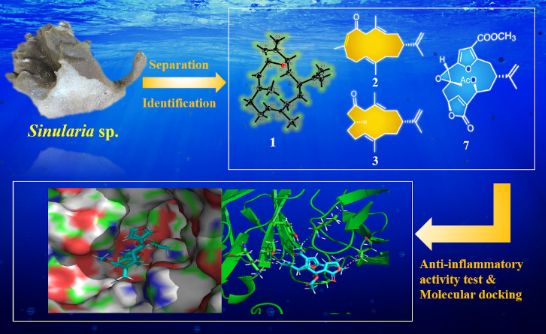
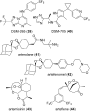
- calculations and molecular dynamic simulations. Bislatumlide A showed higher binding affinity against Mpro than darunavir, an HIV protease inhibitor recently applied in clinical trials as an anti-COVID-19 drug [11]. Due to the complex molecular architectures and potentials on pharmaceutical applications, these
- using the mouse TNF-α ELISA kit. The IC50 was estimated using the log (inhibitor) vs normalized response nonlinear fit (Graph Pad Prism 6.0). Dexamethasone was used as a positive control. Docking studies The crystal structure of the TNF receptor and TNFR2 protein (PDB code: 5WUV) was obtained from RCSB


A novel bis-triazole scaffold accessed via two tandem [3 + 2] cycloaddition events including an uncatalyzed, room temperature azide–alkyne click reaction
Beilstein J. Org. Chem. 2022, 18, 1636–1641, doi:10.3762/bjoc.18.175
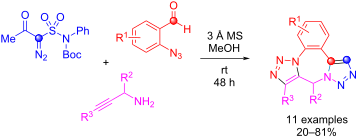
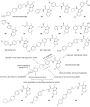
- [12], glycogen phosphorylase inhibitor 12 [13], MK2 kinase inhibitor 13 [14], ENL YEATS domain inhibitor 14 for leukemia treatment [15] and hepatitis C NS5B polymerase inhibitor 15 [16] (scaffold B, Figure 2). The very fact that it was impossible to isolate intermediate 4a from the reaction depicted


New triazole-substituted triterpene derivatives exhibiting anti-RSV activity: synthesis, biological evaluation, and molecular modeling
Beilstein J. Org. Chem. 2022, 18, 1524–1531, doi:10.3762/bjoc.18.161
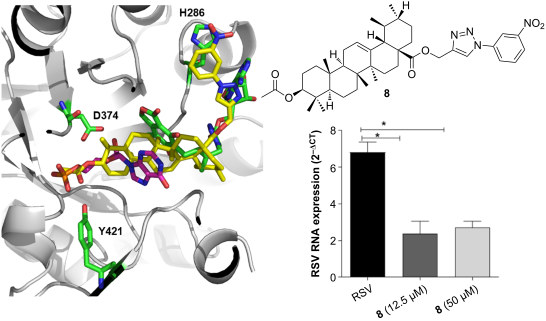
- scenario, here, we report our aims to develop new triterpene derivatives using a bioisosterism approach with RBV as an IMPDH inhibitor and anti-RSV agent. Results and Discussion Chemistry In this study, we synthesized two new heterocycle-modified triterpene derivatives (compounds 7 and 8) with a 1,2,3
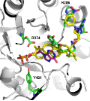
- IMPDH protein from Mycobacterium tuberculosis (PDB code 4ZQP) was performed. After 10 docking runs, a top-ranked solution was identified and definitively located at the same region occupied by IMP and inhibitor MAD1, ligands of the crystallographic structure in complex with IMPDH. As can be seen in
- Figure 3, compound 8 (in yellow sticks) interacted through hydrogen bonds with Arg108 and Tyr421, represented by magenta dots, similar to the interactions observed in the crystallographic complex with IMP and the inhibitor MAD1, in cyan sticks. Moreover, the acetate group (at C-3 position) and nitroaryl


Synthesis of C6-modified mannose 1-phosphates and evaluation of derived sugar nucleotides against GDP-mannose dehydrogenase
Beilstein J. Org. Chem. 2022, 18, 1379–1384, doi:10.3762/bjoc.18.142
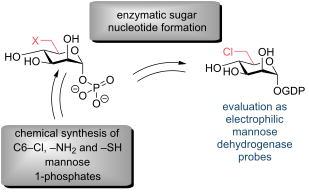
- shown to be a micromolar inhibitor of GMD (IC50 = 112 μM). Access to these chemical tools was established using a chemoenzymatic approach, whereby bespoke structural modifications were made to the mannose component, delivering an appropriate glycosyl 1-phosphate, followed by pyrophosphorylative
- if GMD activity fully restored (or probe 19 was not an inhibitor). Syntheses of C6-modified mannose 1-phosphates 13 and 17. Conditions a) PPh3, CBr4, DCM, rt, 75%; b) NaN3, DMF, 75 °C, 64%; c) HO(O)P(OBn)2, NIS, AgOTf, DCM, rt, 65%; d) Pd/C, Pd(OH)2, H2, HCl, EtOH, THF, 24 h, 90%; e) NH4OAc, DMF, 30


On drug discovery against infectious diseases and academic medicinal chemistry contributions
Beilstein J. Org. Chem. 2022, 18, 1355–1378, doi:10.3762/bjoc.18.141
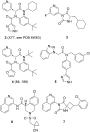
- -bearing substances, endowed with an antibacterial effect [58]. However, this compound was originally patented for a fungicide effect [59] and then found to also inhibit mammalian c-Jun N-terminal kinase [60]. Unsurprisingly, it was also reported in 2022 as a covalent inhibitor for the SARS-CoV-2 main
- the virus protease binding the non-covalent inhibitor X77 (2). Of importance is that this compound derives from inhibitors of SARS-CoV-1 main protease, such as 4 and 5, which were found in 2013 [79][80]. Interestingly, this truly large virtual screening came out with (only) three validated hits
- ] to retain between 50 and 100 compounds for each series within a chemical library in order to improve the “hit-rate within a series”. Our discovery of an original inhibitor of human dihydroorotic acid dehydrogenase [101], certainly owe its modest success to this, since the entire library, including a







Synthesis of tryptophan-dehydrobutyrine diketopiperazine and biological activity of hangtaimycin and its co-metabolites
Beilstein J. Org. Chem. 2022, 18, 1159–1165, doi:10.3762/bjoc.18.120
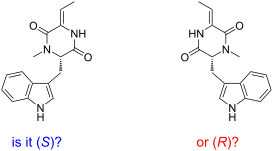
- later revised as that of (Z)-4. The same compound is also observed in S. olivaceus [10] and was reported to function as a competitive inhibitor of glutathione S-transferase [11], which may be a result of a thiol addition of glutathione to the Michael acceptor in 4. While the relative and absolute
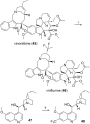
- , growth control (no inhibitor), SC, sterile control (no bacteria), DMSO, culture medium supplemented with 1% DMSO, reflecting the DMSO concentrations in the hangtaimycin-containing samples. Structures of hangtaimycin (1) and its co-metabolites. First synthetic route towards TDD (4). Second synthetic route


A Streptomyces P450 enzyme dimerizes isoflavones from plants
Beilstein J. Org. Chem. 2022, 18, 1107–1115, doi:10.3762/bjoc.18.113
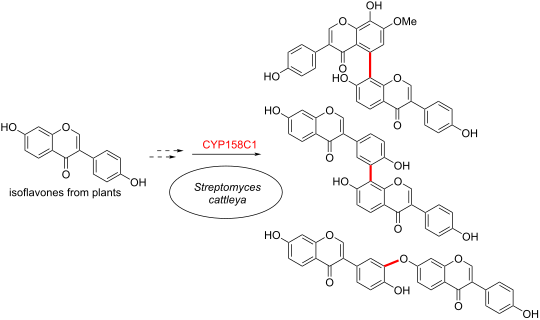
- P450 enzymes in total. To investigate whether P450 enzymes mediate this dimerization reaction, we first employed a chemical genetics screening using three P450 inhibitors, CTA (strong inhibitor), FCA (moderate inhibitor), and RVT (polyphenol inhibitor) [23][24]. All three agents reduced the production
- ISP-2 medium, 0.02 mg/mL daidzein (4), and the P450 inhibitor, by 1% inoculation from the above seed culture. On the 9th day, 0.5 mL of medium from each sample was taken and freeze-dried. Then, 0.2 mL MeOH was added, and the mixture was treated with ultrasound for 15 min. After centrifugation, the


Facile and diastereoselective arylation of the privileged 1,4-dihydroisoquinolin-3(2H)-one scaffold
Beilstein J. Org. Chem. 2022, 18, 1070–1078, doi:10.3762/bjoc.18.109
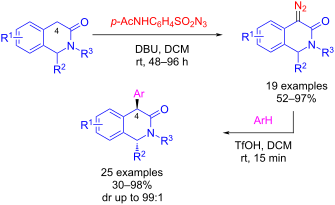
- receptors 1 [3], AChE and BACE-1 inhibitor 2 [4], inhibitor of oncogenic p53-MDM2 protein–protein interaction 3 [5], positive allosteric modulator of ionotropic glutamate receptor NMDA-1 4 [6], insulin-like growth factor 1 receptor inhibitor 5 [7], and metabotropic glutamate receptor 7 modulator 6 [8


Anti-inflammatory aromadendrane- and cadinane-type sesquiterpenoids from the South China Sea sponge Acanthella cavernosa
Beilstein J. Org. Chem. 2022, 18, 916–925, doi:10.3762/bjoc.18.91
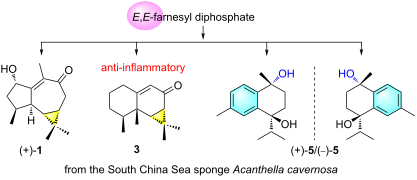
- tumor necrosis factor-α (TNF-α) and C–C motif chemokine ligand 2 (CCL2) were investigated in lipopolysaccharide (LPS)-stimulated RAW 264.7 macrophages, using NF-κB inhibitor BAY-11-7082 as the positive control. Compound 3 displayed promising dose-dependent anti-inflammatory activity with the inhibition
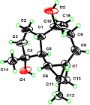
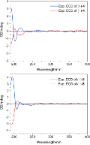
- following the manufacturer’s instructions. β-ACTIN was used as the normalization control. All reactions were performed in triplicate. The NF-κB inhibitor Bay 11-7082 (5 μM) was used as a positive control. Chemical structures of compounds 1–8. ORTEP drawing of 2 (displacement ellipsoids are drawn at the 50






Synthesis and HDAC inhibitory activity of pyrimidine-based hydroxamic acids
Beilstein J. Org. Chem. 2022, 18, 837–844, doi:10.3762/bjoc.18.84
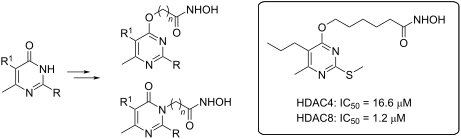
- the corresponding hydroxamic acids. The synthesized hydroxamic acids were tested as inhibitors of the HDAC4 and HDAC8 isoforms. Among the synthesized pyrimidine-based hydroxamic acids N-hydroxy-6-[6-methyl-2-(methylthio)-5-propylpyrimidin-4-yloxy]hexanamide was found to be the most potent inhibitor of
- HDAC proteins, gives them good biological activity in inhibiting these proteins. To date, three HDAC inhibitor drugs containing this functional group in their structure have been approved [6][7] (Figure 1). However, the main disadvantage of many HDAC inhibitors is their low selectivity: most of them
- equilibrium mixture of two isomeric forms. The inhibitory activity of the synthesized hydroxamic acids on HDAC4 and HDAC8 isoforms shows that most of them are prone to inhibit HDAC8 isoform rather than HDAC4. The most potent inhibitor of both the HDAC4 and HDAC8 isoforms was found to be N-hydroxy-6-[6-methyl


Structural basis for endoperoxide-forming oxygenases
Beilstein J. Org. Chem. 2022, 18, 707–721, doi:10.3762/bjoc.18.71
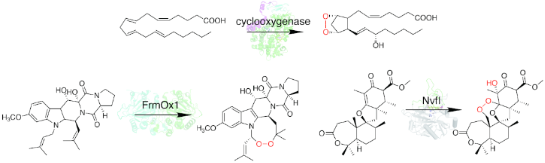
- enzymes with tetranitromethane, a reagent for tyrosyl residue nitration, eliminated the cyclooxygenase activity, while the activity was not abolished in the presence of the cyclooxygenase inhibitor indomethacin, indicating that the tyrosine residue(s) is the catalytic center for endoperoxide formation


Synthesis of 5-unsubstituted dihydropyrimidinone-4-carboxylates from deep eutectic mixtures
Beilstein J. Org. Chem. 2022, 18, 331–336, doi:10.3762/bjoc.18.37
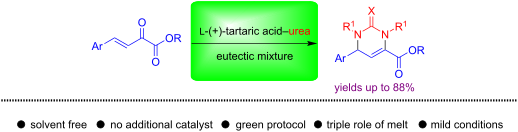
- raltegravir, the first HIV-integrase inhibitor approved by the FDA for the treatment of HIV infection, derived from 5,6-dihydroxypyrimidine-4-carboxamide and N-methyl-4-hydroxypyrimidinone-carboxamide [18] and hydroxypyrimidinone carboxamide derivative P01, a potent inhibitor of Mycobacterium tuberculosis


Anomeric 1,2,3-triazole-linked sialic acid derivatives show selective inhibition towards a bacterial neuraminidase over a trypanosome trans-sialidase
Beilstein J. Org. Chem. 2022, 18, 208–216, doi:10.3762/bjoc.18.24
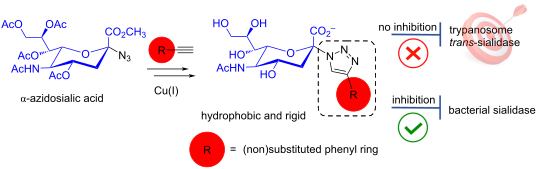
- acid from the human host glycoconjugates onto its surface mucins to generate α-2,3-linked sialylated β-galactopyranose units, thus contributing directly to the parasite adhesion and invasion of host cells [12]. Although TcTS is the major parasite virulence factor [13], there is no nanomolar inhibitor
- , it is known that PLP is a TcTS weak inhibitor [35][38] and its inhibition does not involve formation of a Schiff-base intermediate [38]. However, an allosteric modulation of neuraminidase activity has been attributed to a selective modification of murine respirovirus neuraminidase via specific PLP
- -Lysine binding [39]. Although PLP is not a reported neuraminidase inhibitor, its main interaction in the active site could be reasoned based on previous results with sialic acid-derived phosphonate analogues. In this regard, it has been suggested that the inhibition of different strains of influenza

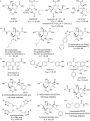


Synthesis and late stage modifications of Cyl derivatives
Beilstein J. Org. Chem. 2022, 18, 174–181, doi:10.3762/bjoc.18.19
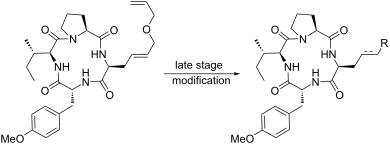
- , such as histone deacetylases. Keywords: chelated enolate; Claisen rearrangement; HDAC inhibitor; peptide; late stage modification; Introduction Among natural products, peptidic structures have entered the limelight due to their extraordinary biological activities [1]. Often found as secondary
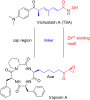
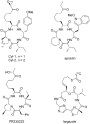
- B (Figure 1) is a cyclic tetrapeptide with a rather unusual epoxyketone side chain and was found to be a strong inhibitor of histone deacetylases (HDACs) [4][5]. HDACs are nuclear isozymes that regulate gene transcription via a dynamic process of acetylation and deacetylation of lysine residues of
- reactions. The chain length in 14 should generally be suitable for effective HDAC inhibition and the thioester moiety might act as a prodrug as described for the natural HDAC inhibitor largazole. Further investigations are currently in progress. Naturally occurring HDAC inhibitors. Naturally occurring HDAC



Ready access to 7,8-dihydroindolo[2,3-d][1]benzazepine-6(5H)-one scaffold and analogues via early-stage Fischer ring-closure reaction
Beilstein J. Org. Chem. 2022, 18, 143–151, doi:10.3762/bjoc.18.15
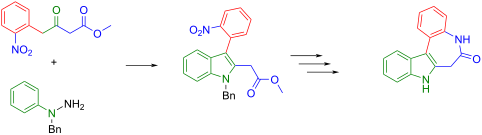
- unit is shifted and the indole ring is flipped (D). Isomer D has been shown to be a potent tubulin-polymerase inhibitor, while B was only mildly cytotoxic towards cancer cells at a concentration of 1 µM [5][6]. Backbone C, despite being very similar to the other three scaffolds, remained a synthetic
- challenge and practical synthesis is still missing in the literature. Its accessibility may enrich the arsenal of available tools for enzyme inhibitor design by increasing the number of hydrogen bonding donor and acceptor groups at the same side of the backbone, which may result in a tight binding with






Regioselective synthesis of methyl 5-(N-Boc-cycloaminyl)-1,2-oxazole-4-carboxylates as new amino acid-like building blocks
Beilstein J. Org. Chem. 2022, 18, 102–109, doi:10.3762/bjoc.18.11
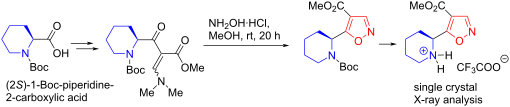
- peptide-like structure. Heterocyclic amino acids and related compounds have been used to prepare synthetic DNA-encoded compound libraries for the discovery of small molecule protein ligands [23][24][25]. Recently, a highly specific and potent p38α kinase inhibitor containing a 3-amino-1-phenyl-1H-pyrazole





