Search for "pyrimidine" in Full Text gives 205 result(s) in Beilstein Journal of Organic Chemistry. Showing first 200.
Beilstein J. Org. Chem. 2019, 15, 2790–2797, doi:10.3762/bjoc.15.271
Graphical Abstract
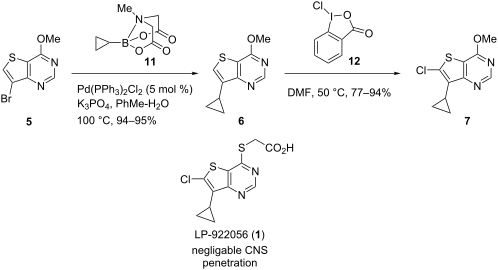
Figure 1: Chemical structure of Notum inhibitor LP-922056 (1).
Scheme 1: Synthesis of LP-922056 (1). Reagents and conditionsa: (a) (COCl)2 (3.3 equiv), DMF, CH2Cl2, 55 °C ,...
Scheme 2: Chlorination of 6 with N-chlorosuccinimide (NCS). Reagents and conditions: (a) NCS (1.2 equiv), AcO...
Scheme 3: Improved synthesis of 5. Reagents and conditions: (a) NaOMe (5 equiv), 1,4-dioxane, 0 °C then rt, 1...
Figure 2: Concentrations of 1 in mouse following oral administration (p.o.) at 10 mg/kg.
Scheme 4: Preparation of amides 17. Representative reagents and conditionsa: (a) HBTU (1.1 equiv), iPr2NEt (2...
Beilstein J. Org. Chem. 2019, 15, 2390–2397, doi:10.3762/bjoc.15.231
Graphical Abstract
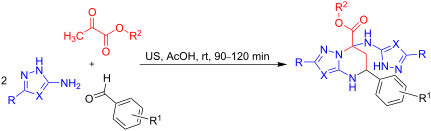
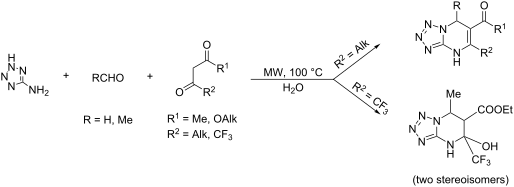
Scheme 1: Three synthetic approaches to dihydrotetrazolo[1,5-a]pyrimidines.
Scheme 2: Three-component reaction of 1, 7a,b and 8a–d in water.
Figure 1: Molecular structure of 9a according to X-ray data. Displacement ellipsoids are shown at the 50% pro...
Scheme 3: Three-component reaction of 5-aminotetrazole (1) with formaldehyde (7a) and acetylacetone (10).
Scheme 4: a) Three-component reaction of 5-aminotetrazole (1) with acetaldehyde (7b) and ethyl 4,4,4-trifluor...
Beilstein J. Org. Chem. 2019, 15, 1612–1704, doi:10.3762/bjoc.15.165
Graphical Abstract
Figure 1: Various drugs having IP nucleus.
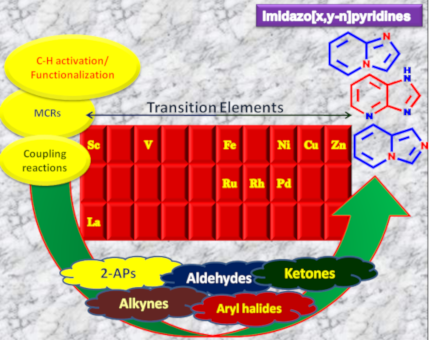
Figure 2: Participation percentage of various TMs for the syntheses of IPs.
Scheme 1: CuI–NaHSO4·SiO2-catalyzed synthesis of imidazo[1,2-a]pyridines.
Scheme 2: Experimental examination of reaction conditions.
Scheme 3: One-pot tandem reaction for the synthesis of 2-haloimidazopyridines.
Scheme 4: Mechanistic scheme for the synthesis of 2-haloimidazopyridine.
Scheme 5: Copper-MOF-catalyzed three-component reaction (3-CR) for imidazo[1,2-a]pyridines.
Scheme 6: Mechanism for copper-MOF-driven synthesis.
Scheme 7: Heterogeneous synthesis via titania-supported CuCl2.
Scheme 8: Mechanism involving oxidative C–H functionalization.
Scheme 9: Heterogeneous synthesis of IPs.
Scheme 10: One-pot regiospecific synthesis of imidazo[1,2-a]pyridines.
Scheme 11: Vinyl azide as an unprecedented substrate for imidazo[1,2-a]pyridines.
Scheme 12: Radical pathway.
Scheme 13: Cu(I)-catalyzed transannulation approach for imidazo[1,5-a]pyridines.
Scheme 14: Plausible radical pathway for the synthesis of imidazo[1,5-a]pyridines.
Scheme 15: A solvent-free domino reaction for imidazo[1,2-a]pyridines.
Scheme 16: Cu-NPs-mediated synthesis of imidazo[1,2-a]pyridines.
Scheme 17: CuI-catalyzed synthesis of isoxazolylimidazo[1,2-a]pyridines.
Scheme 18: Functionalization of 4-bromo derivative via Sonogashira coupling reaction.
Scheme 19: A plausible reaction pathway.
Scheme 20: Cu(I)-catalyzed intramolecular oxidative C–H amidation reaction.
Scheme 21: One-pot synthetic reaction for imidazo[1,2-a]pyridine.
Scheme 22: Plausible reaction mechanism.
Scheme 23: Cu(OAc)2-promoted synthesis of imidazo[1,2-a]pyridines.
Scheme 24: Mechanism for aminomethylation/cycloisomerization of propiolates with imines.
Scheme 25: Three-component synthesis of imidazo[1,2-a]pyridines.
Figure 3: Scope of pyridin-2(1H)-ones and acetophenones.
Scheme 26: CuO NPS-promoted A3 coupling reaction.
Scheme 27: Cu(II)-catalyzed C–N bond formation reaction.
Scheme 28: Mechanism involving Chan–Lam/Ullmann coupling.
Scheme 29: Synthesis of formyl-substituted imidazo[1,2-a]pyridines.
Scheme 30: A tandem sp3 C–H amination reaction.
Scheme 31: Probable mechanistic approach.
Scheme 32: Dual catalytic system for imidazo[1,2-a]pyridines.
Scheme 33: Tentative mechanism.
Scheme 34: CuO/CuAl2O4/ᴅ-glucose-promoted 3-CCR.
Scheme 35: A tandem CuOx/OMS-2-based synthetic strategy.
Figure 4: Biomimetic catalytic oxidation in the presence of electron-transfer mediators (ETMs).
Scheme 36: Control experiment.
Scheme 37: Copper-catalyzed C(sp3)–H aminatin reaction.
Scheme 38: Reaction of secondary amines.
Scheme 39: Probable mechanistic pathway.
Scheme 40: Coupling reaction of α-azidoketones.
Scheme 41: Probable pathway.
Scheme 42: Probable mechanism with free energy calculations.
Scheme 43: MCR for cyanated IP synthesis.
Scheme 44: Substrate scope for the reaction.
Scheme 45: Reaction mechanism.
Scheme 46: Probable mechanistic pathway for Cu/ZnAl2O4-catalyzed reaction.
Scheme 47: Copper-catalyzed double oxidative C–H amination reaction.
Scheme 48: Application towards different coupling reactions.
Scheme 49: Reaction mechanism.
Scheme 50: Condensation–cyclization approach for the synthesis of 1,3-diarylated imidazo[1,5-a]pyridines.
Scheme 51: Optimized reaction conditions.
Scheme 52: One-pot 2-CR.
Scheme 53: One-pot 3-CR without the isolation of chalcone.
Scheme 54: Copper–Pybox-catalyzed cyclization reaction.
Scheme 55: Mechanistic pathway catalyzed by Cu–Pybox complex.
Scheme 56: Cu(II)-promoted C(sp3)-H amination reaction.
Scheme 57: Wider substrate applicability for the reaction.
Scheme 58: Plausible reaction mechanism.
Scheme 59: CuI assisted C–N cross-coupling reaction.
Scheme 60: Probable reaction mechanism involving sp3 C–H amination.
Scheme 61: One-pot MCR-catalyzed by CoFe2O4/CNT-Cu.
Scheme 62: Mechanistic pathway.
Scheme 63: Synthetic scheme for 3-nitroimidazo[1,2-a]pyridines.
Scheme 64: Plausible mechanism for CuBr-catalyzed reaction.
Scheme 65: Regioselective synthesis of halo-substituted imidazo[1,2-a]pyridines.
Scheme 66: Synthesis of 2-phenylimidazo[1,2-a]pyridines.
Scheme 67: Synthesis of diarylated compounds.
Scheme 68: CuBr2-mediated one-pot two-component oxidative coupling reaction.
Scheme 69: Decarboxylative cyclization route to synthesize 1,3-diarylimidazo[1,5-a]pyridines.
Scheme 70: Mechanistic pathway.
Scheme 71: C–H functionalization reaction of enamines to produce diversified heterocycles.
Scheme 72: A plausible mechanism.
Scheme 73: CuI-promoted aerobic oxidative cyclization reaction of ketoxime acetates and pyridines.
Scheme 74: CuI-catalyzed pathway for the formation of imidazo[1,2-a]pyridine.
Scheme 75: Mechanistic pathway.
Scheme 76: Mechanistic rationale for the synthesis of products.
Scheme 77: Copper-catalyzed synthesis of vinyloxy-IP.
Scheme 78: Regioselective product formation with propiolates.
Scheme 79: Proposed mechanism for vinyloxy-IP formation.
Scheme 80: Regioselective synthesis of 3-hetero-substituted imidazo[1,2-a]pyridines with different reaction su...
Scheme 81: Mechanistic pathway.
Scheme 82: CuI-mediated synthesis of 3-formylimidazo[1,2-a]pyridines.
Scheme 83: Radical pathway for 3-formylated IP synthesis.
Scheme 84: Pd-catalyzed urea-cyclization reaction for IPs.
Scheme 85: Pd-catalyzed one-pot-tandem amination and intramolecular amidation reaction.
Figure 5: Scope of aniline nucleophiles.
Scheme 86: Pd–Cu-catalyzed Sonogashira coupling reaction.
Scheme 87: One-pot amide coupling reaction for the synthesis of imidazo[4,5-b]pyridines.
Scheme 88: Urea cyclization reaction for the synthesis of two series of pyridines.
Scheme 89: Amidation reaction for the synthesis of imidazo[4,5-b]pyridines.
Figure 6: Amide scope.
Scheme 90: Pd NPs-catalyzed 3-component reaction for the synthesis of 2,3-diarylated IPs.
Scheme 91: Plausible mechanistic pathway for Pd NPs-catalyzed MCR.
Scheme 92: Synthesis of chromenoannulated imidazo[1,2-a]pyridines.
Scheme 93: Mechanism for the synthesis of chromeno-annulated IPs.
Scheme 94: Zinc oxide NRs-catalyzed synthesis of imidazo[1,2-a]azines/diazines.
Scheme 95: Zinc oxide-catalyzed isocyanide based GBB reaction.
Scheme 96: Reaction pathway for ZnO-catalyzed GBB reaction.
Scheme 97: Mechanistic pathway.
Scheme 98: ZnO NRs-catalyzed MCR for the synthesis of imidazo[1,2-a]azines.
Scheme 99: Ugi type GBB three-component reaction.
Scheme 100: Magnetic NPs-catalyzed synthesis of imidazo[1,2-a]pyridines.
Scheme 101: Regioselective synthesis of 2-alkoxyimidazo[1,2-a]pyridines catalyzed by Fe-SBA-15.
Scheme 102: Plausible mechanistic pathway for the synthesis of 2-alkoxyimidazopyridine.
Scheme 103: Iron-catalyzed synthetic approach.
Scheme 104: Iron-catalyzed aminooxygenation reaction.
Scheme 105: Mechanistic pathway.
Scheme 106: Rh(III)-catalyzed double C–H activation of 2-substituted imidazoles and alkynes.
Scheme 107: Plausible reaction mechanism.
Scheme 108: Rh(III)-catalyzed non-aromatic C(sp2)–H bond activation–functionalization for the synthesis of imid...
Scheme 109: Reactivity and selectivity of different substrates.
Scheme 110: Rh-catalyzed direct C–H alkynylation by Li et al.
Scheme 111: Suggested radical mechanism.
Scheme 112: Scandium(III)triflate-catalyzed one-pot reaction and its mechanism for the synthesis of benzimidazo...
Scheme 113: RuCl3-assisted Ugi-type Groebke–Blackburn condensation reaction.
Scheme 114: C-3 aroylation via Ru-catalyzed two-component reaction.
Scheme 115: Regioselective synthetic mechanism.
Scheme 116: La(III)-catalyzed one-pot GBB reaction.
Scheme 117: Mechanistic approach for the synthesis of imidazo[1,2-a]pyridines.
Scheme 118: Synthesis of imidazo[1,2-a]pyridine using LaMnO3 NPs under neat conditions.
Scheme 119: Mechanistic approach.
Scheme 120: One-pot 3-CR for regioselective synthesis of 2-alkoxy-3-arylimidazo[1,2-a]pyridines.
Scheme 121: Formation of two possible products under optimization of the catalysts.
Scheme 122: Mechanistic strategy for NiFe2O4-catalyzed reaction.
Scheme 123: Two-component reaction for synthesizing imidazodipyridiniums.
Scheme 124: Mechanistic scheme for the synthesis of imidazodipyridiniums.
Scheme 125: CuI-catalyzed arylation of imidazo[1,2-a]pyridines.
Scheme 126: Mechanism for arylation reaction.
Scheme 127: Cupric acetate-catalyzed double carbonylation approach.
Scheme 128: Radical mechanism for double carbonylation of IP.
Scheme 129: C–S bond formation reaction catalyzed by cupric acetate.
Scheme 130: Cupric acetate-catalyzed C-3 formylation approach.
Scheme 131: Control experiments for signifying the role of DMSO and oxygen.
Scheme 132: Mechanism pathway.
Scheme 133: Copper bromide-catalyzed CDC reaction.
Scheme 134: Extension of the substrate scope.
Scheme 135: Plausible radical pathway.
Scheme 136: Transannulation reaction for the synthesis of imidazo[1,5-a]pyridines.
Scheme 137: Plausible reaction pathway for denitrogenative transannulation.
Scheme 138: Cupric acetate-catalyzed C-3 carbonylation reaction.
Scheme 139: Plausible mechanism for regioselective C-3 carbonylation.
Scheme 140: Alkynylation reaction at C-2 of 3H-imidazo[4,5-b]pyridines.
Scheme 141: Two-way mechanism for C-2 alkynylation of 3H-imidazo[4,5-b]pyridines.
Scheme 142: Palladium-catalyzed SCCR approach.
Scheme 143: Palladium-catalyzed Suzuki coupling reaction.
Scheme 144: Reaction mechanism.
Scheme 145: A phosphine free palladium-catalyzed synthesis of C-3 arylated imidazopyridines.
Scheme 146: Palladium-mediated Buchwald–Hartwig cross-coupling reaction.
Figure 7: Structure of the ligands optimized.
Scheme 147: Palladium acetate-catalyzed direct arylation of imidazo[1,2-a]pyridines.
Scheme 148: Palladium acetate-catalyzed mechanistic pathway.
Scheme 149: Palladium acetate-catalyzed regioselective arylation reported by Liu and Zhan.
Scheme 150: Mechanism for selective C-3 arylation of IP.
Scheme 151: Pd(II)-catalyzed alkenylation reaction with styrenes.
Scheme 152: Pd(II)-catalyzed alkenylation reaction with acrylates.
Scheme 153: A two way mechanism.
Scheme 154: Double C–H activation reaction catalyzed by Pd(OAc)2.
Scheme 155: Probable mechanism.
Scheme 156: Palladium-catalyzed decarboxylative coupling.
Scheme 157: Mechanistic cycle for decarboxylative arylation reaction.
Scheme 158: Ligand-free approach for arylation of imidazo[1,2-a]pyridine-3-carboxylic acids.
Scheme 159: Mechanism for ligandless arylation reaction.
Scheme 160: NHC-Pd(II) complex assisted arylation reaction.
Scheme 161: C-3 arylation of imidazo[1,2-a]pyridines with aryl bromides catalyzed by Pd(OAc)2.
Scheme 162: Pd(II)-catalyzed C-3 arylations with aryl tosylates and mesylates.
Scheme 163: CDC reaction for the synthesis of imidazo[1,2-a]pyridines.
Scheme 164: Plausible reaction mechanism for Pd(OAc)2-catalyzed synthesis of imidazo[1,2-a]pyridines.
Scheme 165: Pd-catalyzed C–H amination reaction.
Scheme 166: Mechanism for C–H amination reaction.
Scheme 167: One-pot synthesis for 3,6-di- or 2,3,6-tri(hetero)arylimidazo[1,2-a]pyridines.
Scheme 168: C–H/C–H cross-coupling reaction of IPs and azoles catalyzed by Pd(II).
Scheme 169: Mechanistic cycle.
Scheme 170: Rh-catalyzed C–H arylation reaction.
Scheme 171: Mechanistic pathway for C–H arylation of imidazo[1,2-a]pyridine.
Scheme 172: Rh(III)-catalyzed double C–H activation of 2-phenylimidazo[1,2-a]pyridines and alkynes.
Scheme 173: Rh(III)-catalyzed mechanistic pathway.
Scheme 174: Rh(III)-mediated oxidative coupling reaction.
Scheme 175: Reactions showing functionalization of the product obtained by the group of Kotla.
Scheme 176: Mechanism for Rh(III)-catalyzed oxidative coupling reaction.
Scheme 177: Rh(III)-catalyzed C–H activation reaction.
Scheme 178: Mechanistic cycle.
Scheme 179: Annulation reactions of 2-arylimidazo[1,2-a]pyridines and alkynes.
Scheme 180: Two-way reaction mechanism for annulations reaction.
Scheme 181: [RuCl2(p-cymene)]2-catalyzed C–C bond formation reaction.
Scheme 182: Reported reaction mechanism.
Scheme 183: Fe(III) catalyzed C-3 formylation approach.
Scheme 184: SET mechanism-catalyzed by Fe(III).
Scheme 185: Ni(dpp)Cl2-catalyzed KTC coupling.
Scheme 186: Pd-catalyzed SM coupling.
Scheme 187: Vanadium-catalyzed coupling of IP and NMO.
Scheme 188: Mechanistic cycle.
Scheme 189: Selective C3/C5–H bond functionalizations by mono and bimetallic systems.
Scheme 190: rGO-Ni@Pd-catalyzed C–H bond arylation of imidazo[1,2-a]pyridine.
Scheme 191: Mechanistic pathway for heterogeneously catalyzed arylation reaction.
Scheme 192: Zinc triflate-catalyzed coupling reaction of substituted propargyl alcohols.
Beilstein J. Org. Chem. 2019, 15, 1236–1256, doi:10.3762/bjoc.15.121
Graphical Abstract
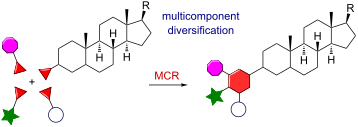
Figure 1: Structures of natural steroids of A) animal and B) plant origin.
Scheme 1: Synthesis of a steroidal β-lactam by Ugi reaction of a cholanic aldehyde [14].
Scheme 2: Synthetic route to steroidal 2,5-diketopiperazines based on a diastereoselective Ugi-4CR with an an...
Scheme 3: Multicomponent synthesis of a heterocycle–steroid hybrid using a ketosteroid as carbonyl component [18]....
Scheme 4: Synthesis of peptidomimetic–steroid hybrids using the Ugi-4CR with spirostanic amines and carboxyli...
Scheme 5: Synthesis of azasteroids using the Ugi-4CR with androstanic and pregnanic carboxylic acids [22].
Figure 2: Ugi-4CR-derived library of androstanic azasteroids with diverse substitution patterns at the phenyl...
Scheme 6: Synthesis of 4-azacholestanes by an intramolecular Ugi-4C-3R [26].
Scheme 7: Synthesis of amino acid–steroid hybrid by multiple Ugi-4CR using steroidal isocyanides [29].
Scheme 8: Synthesis of ecdysteroid derivatives by Ugi-4CR using a steroidal isocyanide [30].
Scheme 9: Stereoselective multicomponent synthesis of a steroid–tetrahydropyridine hybrid using a chiral bifu...
Scheme 10: Pd(II)-catalyzed three-component reaction with an alkynyl seco-cholestane [34].
Scheme 11: Multicomponent synthesis of steroid–thiazole hybrids from a steroidal ketone [36].
Scheme 12: Synthesis of cholanic pseudo-peptide derivatives by novel MCRs based on the reactivity of ynamide [37,38].
Scheme 13: Synthesis of steroid-fused pyrimidines and pyrimidones using the Biginelli-3CR [39,42,43].
Scheme 14: Synthesis of steroidal pyridopyrimidines by a reaction sequence comprising a 4CR followed by a post...
Scheme 15: Synthesis of steroid-fused pyrimidines by MCR of 2-hydroxymethylene-3-ketosteroids [46].
Scheme 16: Synthesis of steroid-fused naphthoquinolines by the Kozlov–Wang MCR using ketosteroids [50,51].
Scheme 17: Conjugation of steroids to carbohydrates and peptides by the Ugi-4CR [62,63].
Scheme 18: Solid-phase multicomponent conjugation of peptides to steroids by the Ugi-4CR [64].
Scheme 19: Solid-phase multicomponent conjugation of peptides to steroids by the Petasis-3CR [68].
Scheme 20: Synthesis of steroidal macrobicycles (cages) by multiple multicomponent macrocyclizations based on ...
Scheme 21: One-pot synthesis of steroidal cages by double Ugi-4CR-based macrocyclizations [76].
Beilstein J. Org. Chem. 2019, 15, 780–788, doi:10.3762/bjoc.15.74
Graphical Abstract
Scheme 1: Approach of the direct azologization of reported [60,61] serotonin 5-HT3R antagonists via replacement of a...
Scheme 2: Synthesis of the differently substituted quinoxaline azobenzene derivatives 5a and 5b via Baeyer [62]–M...
Scheme 3: Synthesis of the methoxy-substituted quinoxaline derivative 12a via diazotization [66-69].
Scheme 4: General procedure for the synthesis of purine- and thienopyrimidine-substituted arylazobenzenes and...
Scheme 5: Synthesis of the thiomethyl-linked purine azobenzene 23 [62,63,72-74].
Scheme 6: Synthesis of the amide-linked azobenzene purine 28 [62,63,75-77].
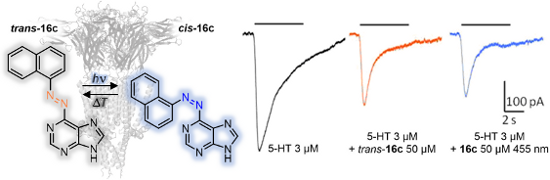
Figure 1: UV–vis absorption spectra measured at 50 µM in DMSO. Left: purine derivative 16c; right: azo-extend...
Figure 2: On the left panel representative traces of currents induced by the application of 3 µM 5HT (black t...
Beilstein J. Org. Chem. 2019, 15, 655–678, doi:10.3762/bjoc.15.61
Graphical Abstract
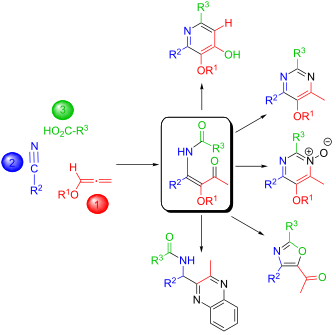
Scheme 1: Discovery of the LANCA three-component reaction. The reaction of pivalonitrile (1) with lithiated m...
Scheme 2: Proposed mechanism of the LANCA three-component reaction to β-ketoenamides KE and pyridin-4-ol deri...
Scheme 3: One-pot preparation of pyridin-4-ols PY and their subsequent transformations to highly substituted ...
Scheme 4: Synthesis of β-ketoenamides KE by the LANCA three-component reaction of alkoxyallenes, nitriles and...
Scheme 5: β-Ketoenamides KE36–43 derived from enantiopure components.
Scheme 6: Bis-β-ketoenamides KE44–46 derived from aromatic dicarboxylic acids.
Scheme 7: Conversion of alkyl propargyl ethers E into aryl-substituted β-ketoenamides KEAr and selected produ...
Scheme 8: Condensation of LANCA-derived β-ketoenamides KE with ammonium salts to give 5-alkoxy-substituted py...
Scheme 9: Synthesis of PM31–35 from β-ketoenamides KE37, KE38, KE40, KE41 and KE78 obtained by method A (NH4O...
Scheme 10: Synthesis of bis-pyrimidine derivatives PM36, PM39 and PM40 from β-ketoenamides KE44–46 by method A...
Scheme 11: Functionalization of pyrimidine derivatives PM through selenium dioxide oxidations of PM5, PM9, PM15...
Scheme 12: Conversion of 2-vinyl-substituted pyrimidine PM7 into aldehyde PM50; (NMO = N-methylmorpholine N-ox...
Scheme 13: Deprotection of 5-alkoxy-substituted pyrimidines PM2, PM20 and PM29 and conversion into nonaflates ...
Scheme 14: Palladium-catalyzed coupling reactions of PM54 and PM12 giving rise to new pyrimidine derivatives P...
Scheme 15: Synthesis of pyrimidyl-substituted pyridyl nonaflate PM60.
Scheme 16: Condensation of LANCA-derived β-ketoenamides KE with hydroxylamine hydrochloride leading to pyrimid...
Scheme 17: Reactions of β-ketoenamides KE15 and KE7 with hydroxylamine hydrochloride leading to pyrimidine N-o...
Scheme 18: Structures of pyrimidine N-oxides PO30–33 derived from β-ketoenamides KE43, KE45, KE78 and KE80.
Scheme 19: Reduction of PO4 to PM5 and Boekelheide rearrangements of PO13, PO14, PO4 and PO30 to 4-acetoxymeth...
Scheme 20: Deprotection of 4-acetoxymethyl-substituted pyrimidine derivatives PM61 and PM63, oxidations to for...
Scheme 21: Synthesis of pyrimidinyl-substituted alkyne PM74 and conversion into furopyrimidine PM75 and Sonoga...
Scheme 22: Trifluoroacetic acid-promoted conversion of LANCA-derived β-ketoenamides KE into oxazoles OX and 1,...
Scheme 23: Conversion of β-ketoenamide KE79 into oxazole OX16 and transformation into 5-styryl-substituted oxa...
Scheme 24: Mechanisms of the formation of 1,2-diketones DK and of acetyl-substituted oxazole derivatives OX.
Scheme 25: Hydrogenolyses of benzyloxy-substituted β-ketoenamides KE52 and KE54 to 1,2-diketone DK14 and to di...
Scheme 26: Conversions of 2,4-dicyclopropyl-substituted oxazole OX7 into oxazole derivatives OX18–20 (PPA = po...
Scheme 27: Syntheses of vinyl and ethynyl-substituted oxazole derivatives OX21 and OX23 and their palladium-ca...
Scheme 28: Synthesis of C3-symmetric oxazole derivative OX28 and the STM current image of its 1-phenyloctane s...
Scheme 29: Condensation of 1,2-diketones DK with o-phenylenediamine to quinoxalines QU1–7 (CAN = cerium ammoni...
Scheme 30: The LANCA three-component reaction leading to β-ketoenamides KE and the structure of functionalized...
Beilstein J. Org. Chem. 2019, 15, 602–609, doi:10.3762/bjoc.15.55
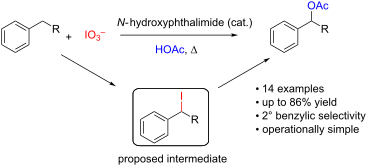
Graphical Abstract
Figure 1: Catalyst optimization for the monooxidation of n-butylbenzene mediated by the iodate anion.
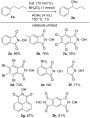
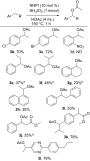
Figure 2: NHPI-catalyzed oxidation of secondary benzylic C–H bonds mediated by iodine(V). a100 °C for 18 h; b...
Figure 3: NHPI-catalyzed oxidation of di-benzylic C–H bonds mediated by iodate.
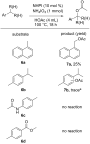
Figure 4: NHPI-catalyzed oxidation of substrates containing primary and tertiary benzylic C–H bonds. aReactio...
Figure 5: Competitive deuterium KIE for the oxidation of ethyl benzene by the NHPI-iodate system.
Figure 6: Pyrolysis of an acyl perester in the presence of molecular iodine.
Figure 7: Proposed mechanism for the selective monooxygenation of benzylic C–H bonds.
Beilstein J. Org. Chem. 2019, 15, 474–489, doi:10.3762/bjoc.15.41
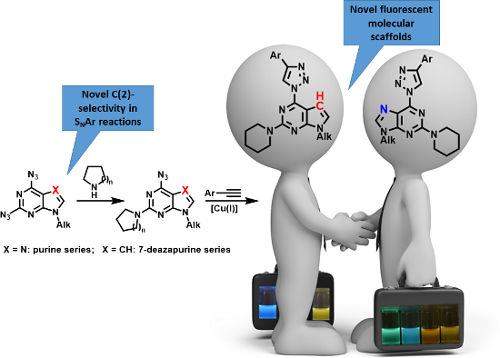
Graphical Abstract
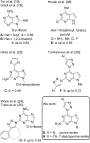
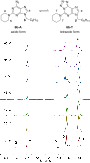
Figure 1: Examples of fluorescent purine/7-deazapurine derivatives.
Scheme 1: General synthetic routes for the compounds 5, 7–9, 10 and 11. Method A: alkyl halogenide, MeCN or D...
Figure 2: 1H NMR spectra of compound 6b in CD3CN at different temperatures (300 MHz, c = 12.5 mg/mL); a, b, c...
Figure 3: Comparison of 1H NMR spectra of compounds 8a and 5 (300 MHz, CDCl3).
Figure 4: a) Experimental UV–vis absorption spectra (lines) with computed theoretical absorption bands (colum...
Figure 5: Photos of compound 8c (A and B) and compound 11c (C and D) in THF, CHCl3, DMSO, MeCN and MeOH befor...
Figure 6: a) Fluorescence spectra of compounds 8c (λexc = 360 nm) and 11c (λexc = 370 nm) in solvents of diff...
Figure 7: Energy diagram for the frontier molecular orbitals of compounds 8a, 8c, 11a and 11c.
Figure 8: Labeled MCF-7 cells using compound 9 (C,D) and unlabeled MCF-7 cells (A,B) in microscope (2 h, c(9)...
Beilstein J. Org. Chem. 2019, 15, 401–430, doi:10.3762/bjoc.15.36
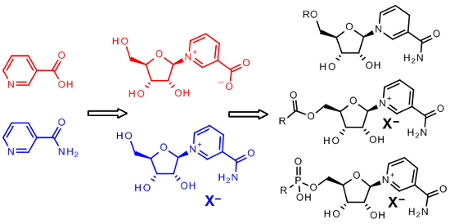
Graphical Abstract
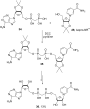
Figure 1: Structural formulas of Nam, NA, NR+, NMN, and NAD+.
Figure 2: Main synthetic routes to nicotinamide riboside (NR+X−).
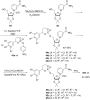
Scheme 1: Synthesis of NR+Cl− based on the reaction of peracylated chlorosugars with Nam.
Figure 3: Predominant formation of β-anomer over α-anomer of NR+X−.
Scheme 2: Synthesis of NR+Cl− by reacting 3,5-di-O-benzoyl-D-ribofuranosyl chloride (5) with Nam (1a).
Figure 4: Mechanism of the formation of the β-anomer of the glycosylated product in the case of the reaction ...
Scheme 3: Synthesis of NR+Br− by reacting bromosugars with Nam (1a).
Scheme 4: Synthesis of NR+OTf− based on the glycosylation of Nam (1a) with tetra-O-acetyl-β-D-ribofuranose (2a...
Scheme 5: Improved synthesis of NR+OTfˉ and NAR+OTfˉ based on the glycosylation of pre-silylated Nam or NA wi...
Scheme 6: Synthesis of triacetylated NAR+OTf− by glycosylation of nicotinic acid trimethylsilyl ester with te...
Scheme 7: Synthesis of NR+Cl− from NR+OTf− by means of ion exchange with sodium chloride solution.
Scheme 8: Synthesis of acylated NR+OTf− by means of ion exchange with sodium chloride.
Scheme 9: Synthesis of triacetylated derivatives of NAR+ by glycosylation of nicotinic acid esters with ribos...
Scheme 10: Synthesis of NR+OTf− from the triflate salt of ethyl nicotinate-2,3,5-triacetyl-β-D-riboside in met...
Scheme 11: Reaction of 2,3,5-tri-O-acetyl-β-phenyl nicotinate riboside triflate salt with secondary and tertia...
Scheme 12: Synthesis of NMN based on the Zincke reaction of N-(2,4-dinitrophenyl)-3-carbamoylpyridinium chlori...
Scheme 13: Synthesis of NMN based on the Zincke reaction of N-(2,4-dinitrophenyl)-3-carbamoylpyridinium chlori...
Scheme 14: Efficacious protection of 2′,3′-hydroxy groups of NR+X−.
Scheme 15: Protection of the 2′,3′-hydroxy groups of NR+Cl– with a mesitylmethylene acetal group.
Figure 5: Reduction of derivatives of NR+Xˉ into corresponding 1,2-; 1,4-; 1,6-NRH derivatives.
Figure 6: Mechanism of the reduction of the pyridinium core with dithionite as adapted from [67].
Scheme 16: Reduction of triacylated NR+OTf– derivatives by sodium dithionite followed by complete removal of a...
Figure 7: Structural formulas of iridium and rhodium catalysts (a)–(d) for regeneration of NAD(P)H from NAD(P)...
Figure 8: Two approaches to synthesis of 5′-derivatives of NR+.
Scheme 17: Synthesis of NMN starting from NR+ salt.
Scheme 18: Efficient synthesis of NMN by phosphorylation of 2′,3′-O-isopropylidene-NR+ triflate followed by re...
Scheme 19: Synthesis of a bisphosphonate analogue of β-NAD+ based on DCC-induced conjugation of 2′,3′-O-isopro...
Scheme 20: Synthesis of 5′-acyl and 2′,3′,5′-triacyl derivatives of NR+.
Figure 9: Structural formulas of NMN analogues 39–41.
Scheme 21: Synthesis of 5′-phosphorylated derivatives of NR+ using a “reduction–modification–oxidation” approa...
Scheme 22: Synthesis of 5′-phosphorylated derivatives of NR+ using a “reduction–modification–reoxidation” appr...
Figure 10: Structural formulas of 5′-phosphorylated derivatives of NR+.
Scheme 23: Synthesis of 5′-phosphorylated derivatives of NR+ using a direct NR+ phosphorylation approach.
Figure 11: Structural formulas of amino acid NR+ conjugates.
Scheme 24: Synthesis of amino acid NR+ conjugates using NRH and protected amino acid under CDI-coupling condit...
Figure 12: Chemical structures of known isotopically labelled NR+ analogues and derivatives.
Scheme 25: Synthesis of [2′-3H]-NR+ and [2′-3H]-NMN.
Scheme 26: Synthesis of α- and β-anomers of [1′-2H]-NMN.
Beilstein J. Org. Chem. 2019, 15, 236–255, doi:10.3762/bjoc.15.22
Graphical Abstract
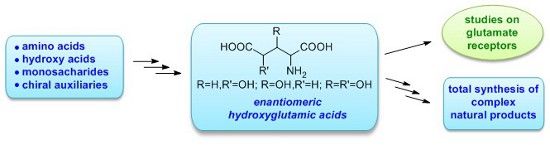
Figure 1: Structure of L-glutamic acid.
Figure 2: 3-Hydroxy- (2), 4-hydroxy- (3) and 3,4-dihydroxyglutamic acids (4).
Figure 3: Enantiomers of 3-hydroxyglutamic acid (2).
Scheme 1: Synthesis of (2S,3R)-2 from (R)-Garner's aldehyde. Reagents and conditions: a) MeOCH=CH–CH(OTMS)=CH2...
Scheme 2: Synthesis of (2S,3R)-2 and (2S,3S)-2 from (R)-Garner’s aldehyde. Reagents and conditions: a) H2C=CH...
Scheme 3: Two-carbon homologation of the protected L-serine. Reagents and conditions: a) Fmoc-succinimide, Na2...
Scheme 4: Synthesis of di-tert-butyl ester of (2R,3S)-2 from L-serine. Reagents and conditions: a) PhSO2Cl, K2...
Scheme 5: Synthesis of (2R,3S)-2 from O-benzyl-L-serine. Reagents and conditions: a) (CF3CH2O)2P(O)CH2COOMe, ...
Scheme 6: Synthesis of (2S,3R)-2 employing a one-pot cis-olefination–conjugate addition sequence. Reagents an...
Scheme 7: Synthesis of the orthogonally protected (2S,3R)-2 from a chiral aziridine. Reagents and conditions:...
Scheme 8: Synthesis of N-Boc-protected (2S,3R)-2 from D-phenylglycine. Reagents and conditions: a) BnMgCl, et...
Scheme 9: Synthesis of (2S,3R)-2 employing ketopinic acid as chiral auxiliary. Reagents and conditions: a) Br2...
Scheme 10: Synthesis of dimethyl ester of (2S,3R)-2 employing (1S)-2-exo-methoxyethoxyapocamphane-1-carboxylic...
Scheme 11: Synthesis of N-Boc-protected dimethyl ester of (2S,3R)-2 from (S)-N-(1-phenylethyl)thioacetamide. R...
Scheme 12: Synthesis of N-Boc-protected dimethyl ester of (2S,3R)-2 via Sharpless epoxidation. Reagents and co...
Scheme 13: Synthesis of (2S,3S)-2 from the imide 51. Reagents and conditions: a) NaBH4, MeOH/CH2Cl2; b) Ac2O, ...
Scheme 14: Synthesis of (2R,3S)-2 and (2S,3S)-2 from the acetolactam 55 (PMB = p-methoxybenzyl). Reagents and ...
Scheme 15: Synthesis of (2S,3R)-2 from D-glucose. Reagents and conditions: a) NaClO2, 30% H2O2, NaH2PO4, MeCN;...
Figure 4: Enantiomers of 3-hydroxyglutamic acid (3).
Scheme 16: Synthesis of (4S)-4-hydroxy-L-glutamic acid [(2S,4S)-3] by electrophilic hydroxylation. Reagents an...
Scheme 17: Synthesis of all stereoisomers of 4-hydroxyglutamic acid (3). Reagents and conditions: a) Br2, PBr5...
Scheme 18: Synthesis of the orthogonally protected 4-hydroxyglutamic acid (2S,4S)-73. Reagents and conditions:...
Scheme 19: Synthesis of (2S,4R)-4-acetyloxyglutamic acid as a component of a dipeptide. Reagents and condition...
Scheme 20: Synthesis of N-Boc-protected dimethyl esters of (2S,4R)- and (2S,4S)-3 from (2S,4R)-4-hydroxyprolin...
Scheme 21: Synthesis of orthogonally protected (2S,4S)-3 from (2S,4R)-4-hydroxyproline. Reagents and condition...
Scheme 22: Synthesis of the protected (4R)-4-hydroxy-L-pyroglutamic acid (2S,4R)-87 by electrophilic hydroxyla...
Figure 5: Enantiomers of 3,4-dihydroxy-L-glutamic acid (4).
Scheme 23: Synthesis of (2S,3S,4R)-4 from the epoxypyrrolidinone 88. Reagents and conditions: a) MeOH, THF, KC...
Scheme 24: Synthesis of (2S,3R,4R)-4 from the orthoester 92. Reagents and conditions: a) OsO4, NMO, acetone/wa...
Scheme 25: Synthesis of (2S,3S,4S)-4 from the aziridinolactone 95. Reagents and conditions: a) BnOH, BF3·OEt2,...
Scheme 26: Synthesis of (2S,3S,4R)-4 and (2R,3S,4R)-4 from cyclic imides 106. Reagents and conditions: a) NaBH4...
Scheme 27: Synthesis of (2R,3R,4R)-4 and (2S,3R,4R)-4 from the cyclic meso-imide 110. Reagents and conditions:...
Scheme 28: Synthesis of (2S,3S,4S)-4 from the protected serinal (R)-23. Reagents and conditions: a) Ph3P=CHCOO...
Scheme 29: Synthesis of (2S,3S,4S)-4 from O-benzyl-N-Boc-D-serine. Reagents and conditions: a) ClCOOiBu, TEA, ...
Scheme 30: Synthesis of (2S,3S,4R)-127 by enantioselective conjugate addition and asymmetric dihydroxylation. ...
Figure 6: Structures of selected compounds containing hydroxyglutamic motives (in blue).
Beilstein J. Org. Chem. 2019, 15, 187–193, doi:10.3762/bjoc.15.18
Graphical Abstract
Scheme 1: Methylation of HHQ (1).
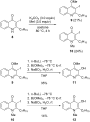
Scheme 2: Synthesis of methylated HQNO derivatives.
Scheme 3: Synthesis of methylated PQS derivatives.
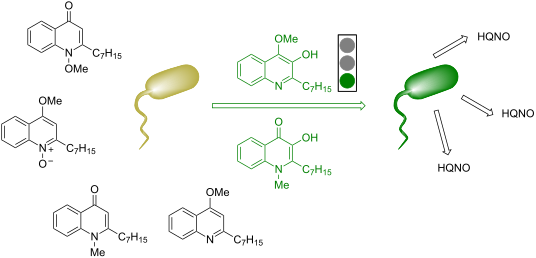
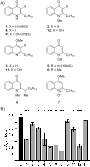
Figure 1: Overview of AQ compounds (A), and effect of AQs on the growth of S. aureus Newman (B). 24-Well plat...
Figure 2: Inhibition of cellular O2 consumption rate (cOCR) of S. aureus Newman. Cell suspensions (OD600 nm o...
Figure 3: Impact on AQ quorum sensing by the newly synthesized AQ derivatives. Cultures of P. aeruginosa PAO1...
Beilstein J. Org. Chem. 2019, 15, 145–159, doi:10.3762/bjoc.15.15
Graphical Abstract
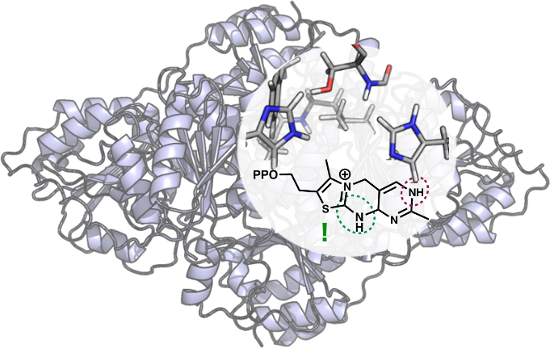
Scheme 1: The variety of forms of enzyme-bound ThDP.
Figure 1: A) 2D representation of ThDP (blue) and the residues included in the active site models, and B) opt...
Figure 2: Optimized structures of the states of ThDP in the absence of enzyme (model A). Relative energies ar...
Figure 3: Optimized structures of the states of BFDC-bound ThDP in the absence of ligand (model B). Relative ...
Figure 4: Optimized structures of the ThDP states for the model including the crystallographic water (model C...
Figure 5: Optimized structures of the ThDP states in the BFDC active site containing the substrate, benzoylfo...
Figure 6: Optimized structures of the ThDP states for the model including (R)-mandelate (model E). Relative e...
Beilstein J. Org. Chem. 2019, 15, 79–88, doi:10.3762/bjoc.15.9
Graphical Abstract
Figure 1: Chemical structure of selected fluorine-modified nucleic acids.
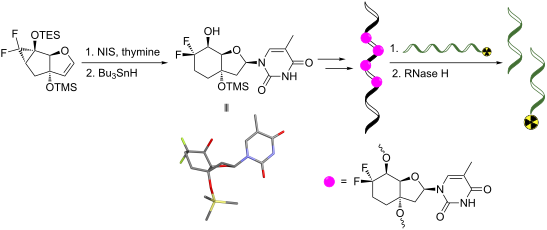
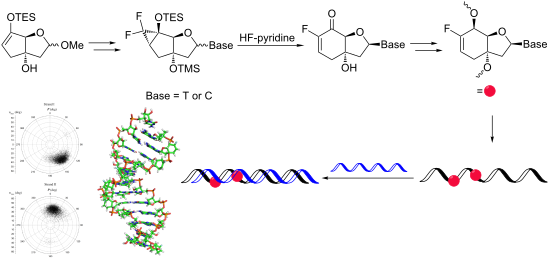
Scheme 1: Synthesis of the bicyclic nucleoside 6. Reagents and conditions: a) BSA, thymine, NIS, DCM, 0 °C to...
Scheme 2: Synthesis of the thymidine phosphoramidite building block 9. Reagents and conditions: a) HF-pyridin...
Figure 2: X-ray structure of nucleoside 6a (left) and 6b (right).
Figure 3: a) Potential energy profile versus pseudorotation phase angle of nucleoside 7 and b) its minimal en...
Figure 4: CD spectra of ON1–4 with complementary a) DNA, and b) RNA. Total strand conc. 2 μM in 10 mM NaH2PO4...
Figure 5: Hydrolysis products of the RNase H activation assay. The DNA served as positive control, whereas C1...
Beilstein J. Org. Chem. 2018, 14, 3098–3105, doi:10.3762/bjoc.14.289
Graphical Abstract
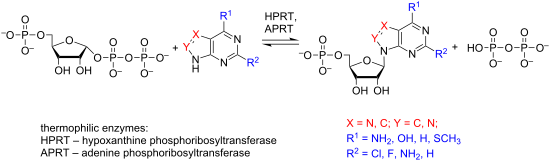
Figure 1: A multi-enzymatic synthesis of modified adenosine -5'-monophosphates.
Figure 2: Nucleotide synthesis using phosphoribosyltransferases.
Figure 3: Dependence of TthHPRT and TthAPRT activity on temperature (reaction mixtures (0.5 mL) contained 20 ...
Figure 4: Dependence of TthHPRT and TthAPRT activity on the Mg2+ concentration (reaction mixtures (0.5 mL) co...
Figure 5: Lineweaver–Burk plot for synthesis of inosine-5'-monophosphate and guanosine-5'-monophosphate.
Figure 6: Synthesis of nucleotides 2Cl-AMP and Allop-MP using phosphoribosyltransferases TthAPRT or TthHPRT r...
Beilstein J. Org. Chem. 2018, 14, 3088–3097, doi:10.3762/bjoc.14.288
Graphical Abstract
Figure 1: Chemical structure of selected nucleic acid analogs.
Scheme 1: Synthesis of the gem-difluorinated glycal 4 from the silyl enol ethers 1α/β. Reagents and condition...
Scheme 2: Synthesis of the thymidine phosphoramidite building block 10. Reagents and conditions: a) i) thymin...
Scheme 3: Synthesis of the cytidine phosphoramidite building block 16. Reagents and conditions: a) Ac2O, pyri...
Figure 2: Proposed mechanism for the formation of the 5’-phosphorylated fragments during the oxidation step i...
Figure 3: a) Potential energy profile versus pseudorotation phase angle of nucleoside 8 and its two minimal e...
Figure 4: Average structures of the a) 6’F-bc4,3-DNA/DNA, b) 6’F-bc4,3-DNA/RNA, and c) 6’F-bc4,3-DNA/6’F-bc4,3...
Figure 5: Preferred sugar pucker of a) 6’F-bc4,3-DNA/DNA, and b) 6’F-bc4,3-DNA/RNA duplexes and torsion angle...
Beilstein J. Org. Chem. 2018, 14, 2881–2896, doi:10.3762/bjoc.14.267
Graphical Abstract
Figure 1: Illustration of a PPI modulator (stabilizer or inhibitor) vs a traditional drug target.
Figure 2: Examples of protein–protein interaction modulators in clinical trials or in clinical use.
Figure 3: Small-molecule inhibitors of PPIs in the β-sliding clamp.
Figure 4: Crystal structure of the RU7 (9)-sliding clamp complex (PDB code 3D1G; adapted from Georgescu et al...
Figure 5: Peptidic inhibitors of PPIs in the sliding clamp.
Figure 6: SSB protein–protein interaction inhibitors identified by HTS.
Figure 7: SSB protein–protein interaction inhibitors identified by FBDD.
Figure 8: Examples of molecules that disrupt the ZipA/FtsZ interaction.
Figure 9: Inhibitors of the NusB/NusE interaction.
Beilstein J. Org. Chem. 2018, 14, 2627–2645, doi:10.3762/bjoc.14.241
Graphical Abstract
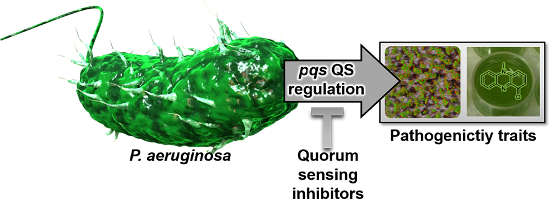
Figure 1: The four quorum sensing systems in P. aeruginosa las, iqs, rhl, and pqs. Abbreviations: OdDHL, N-(3...
Figure 2: Schematic overview of the PQS biosynthesis and involvement of related metabolites and PqsE in virul...
Figure 3: Anthranilic acid (1) and derivatives thereof (2–4).
Figure 4: Crystal structure of 6-FABA-AMP in complex with PqsA.
Figure 5: Structures of substrate mimetic PqsA inhibitors.
Figure 6: Structures and characteristics of prominent classes of PqsD inhibitors.
Figure 7: Comparison of docking poses of three prototypic PqsD inhibitors: benzamidobenzoic acid derivative 12...
Figure 8: Structures and characteristics of hits against PqsD identified through different methods.
Figure 9: HHQ and PQS analogues as PqsD inhibitors and chemical probe used for screening.
Figure 10: Structure of PqsD-targeting biofilm inhibitor derived from linezolid.
Figure 11: Fragment-based PqsE-inhibitors 24–26.
Figure 12: PqsE co-crystal structures. (A) native product 2-ABA; (B–D) hit fragments 24–26.
Figure 13: Structurally diverse PqsBC-inhibitors 27–30.
Figure 14: Native PqsR ligand HHQ (31) which is converted into PQS (32) by PqsH and synthetic inhibitors 33 an...
Figure 15: Quinazolinone inhibitor 36 (QZN).
Figure 16: Crystal structure of QZN (36) in complex with PqsRCBD.
Figure 17: Structures of best fitting compounds 37–40 obtained from docking studies.
Figure 18: Initial hit 21 and optimized compound 42 (M64).
Figure 19: Co-crystal structure of M64 (42) with PqsRLBD.
Figure 20: M64 (42) as the starting point for further optimization leading to 43, which was further modified a...
Figure 21: Hit fragments from the benzamide (47–48) and oxadiazole class (49–51).
Figure 22: Structures of dual inhibitors 52–55.
Figure 23: Sulfonyl pyrimidines 56–58 acting as dual PqsD/PqsR inhibitors.
Beilstein J. Org. Chem. 2018, 14, 2404–2410, doi:10.3762/bjoc.14.217
Graphical Abstract
Figure 1: Energy-minimized models of the two macrocycles derived from dC (left) and dU (right) acquired by MM+...
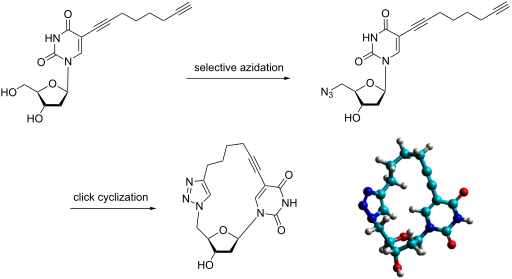
Scheme 1: Synthesis of the 5’-azido-2’,5’-dideoxyribonucleoside 2, the macrocycle 4 and the dimeric compounds ...
Scheme 2: Synthesis of 5’-azido-2’,5’-dideoxyribonucleoside 7 and nucleoside macrocycle 8.
Figure 2: A perspective view of 8 showing the atomic numbering scheme. Displacement ellipsoids are drawn at t...
Figure 3: The crystal packing of 8 shows the intramolecular hydrogen-bonding network (projection parallel to ...
Figure 4: N- and S-conformation for cyclonucleoside 8. B corresponds to nucleobase. ax: axial; eq: equatorial....
Beilstein J. Org. Chem. 2018, 14, 2266–2288, doi:10.3762/bjoc.14.202
Graphical Abstract
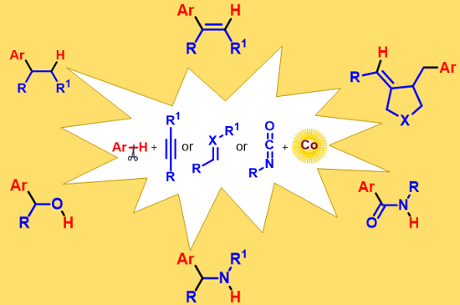
Scheme 1: Cobalt-catalyzed C–H carbonylation.
Scheme 2: Hydroarylation by C–H activation.
Scheme 3: Pathways for cobalt-catalyzed hydroarylations.
Scheme 4: Co-catalyzed hydroarylation of alkynes with azobenzenes.
Scheme 5: Co-catalyzed hydroarylation of alkynes with 2-arylpyridines.
Scheme 6: Co-catalyzed addition of azoles to alkynes.
Scheme 7: Co-catalyzed addition of indoles to alkynes.
Scheme 8: Co-catalyzed hydroarylation of alkynes with imines.
Scheme 9: A plausible pathway for Co-catalyzed hydroarylation of alkynes.
Scheme 10: Co-catalyzed anti-selective C–H addition to alkynes.
Scheme 11: Co(III)-catalyzed hydroarylation of alkynes with indoles.
Scheme 12: Co(III)-catalyzed branch-selective hydroarylation of alkynes.
Scheme 13: Co(III)-catalyzed hydroarylation of terminal alkynes with arenes.
Scheme 14: Co(III)-catalyzed hydroarylation of alkynes with amides.
Scheme 15: Co(III)-catalyzed C–H alkenylation of arenes.
Scheme 16: Co-catalyzed alkylation of substituted benzamides with alkenes.
Scheme 17: Co-catalyzed switchable hydroarylation of styrenes with 2-aryl pyridines.
Scheme 18: Co-catalyzed linear-selective hydroarylation of alkenes with imines.
Scheme 19: Co-catalyzed linearly-selective hydroarylation of alkenes with N–H imines.
Scheme 20: Co-catalyzed branched-selective hydroarylation of alkenes with imines.
Scheme 21: Mechanism of Co-catalyzed hydroarylation of alkenes.
Scheme 22: Co-catalyzed intramolecular hydroarylation of indoles.
Scheme 23: Co-catalyzed asymmetric hydroarylation of alkenes with indoles.
Scheme 24: Co-catalyzed hydroarylation of alkenes with heteroarenes.
Scheme 25: Co(III)-catalyzed hydroarylation of activated alkenes with 2-phenyl pyridines.
Scheme 26: Co(III)-catalyzed C–H alkylation of arenes.
Scheme 27: Co(III)-catalyzed C2-alkylation of indoles.
Scheme 28: Co(III)-catalyzed switchable hydroarylation of alkyl alkenes with indoles.
Scheme 29: Co(III)-catalyzed C2-allylation of indoles.
Scheme 30: Co(III)-catalyzed ortho C–H alkylation of arenes with maleimides.
Scheme 31: Co(III)-catalyzed hydroarylation of maleimides with arenes.
Scheme 32: Co(III)-catalyzed hydroarylation of allenes with arenes.
Scheme 33: Co-catalyzed hydroarylative cyclization of enynes with carbonyl compounds.
Scheme 34: Mechanism for the Co-catalyzed hydroarylative cyclization of enynes with carbonyl compounds.
Scheme 35: Co-catalyzed addition of 2-arylpyridines to aromatic aldimines.
Scheme 36: Co-catalyzed addition of 2-arylpyridines to aziridines.
Scheme 37: Co(III)-catalyzed hydroarylation of imines with arenes.
Scheme 38: Co(III)-catalyzed addition of arenes to ketenimines.
Scheme 39: Co(III)-catalyzed three-component coupling.
Scheme 40: Co(III)-catalyzed hydroarylation of aldehydes.
Scheme 41: Co(III)-catalyzed addition of arenes to isocyanates.
Beilstein J. Org. Chem. 2018, 14, 1619–1636, doi:10.3762/bjoc.14.138
Graphical Abstract
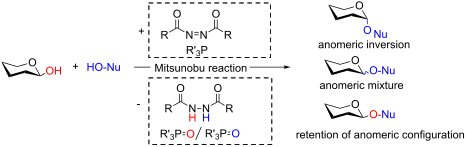
Scheme 1: Left: The Mitsunobu reaction is essentially a nucleophilic substitution of alcohols occurring with ...
Scheme 2: Mechanistic considerations on the Mitsunobu reaction with carbohydrate hemiacetals (depicted in sim...
Scheme 3: Anomeric esterification using the Mitsunobu procedure [29].
Scheme 4: Conversion of allyl glucuronate into various 1-O-esterified allyl glucuronates using anomeric Mitsu...
Scheme 5: Synthesis of anomeric glycosyl esters as substrates for Au-catalyzed glycosylation [40].
Scheme 6: Correlation between pKa value of the employed acids (or alcohol) and the favoured anomeric configur...
Scheme 7: Synthesis of the β-mannosyl phosphates for the synthesis of HBP 43 by anomeric phosphorylation acco...
Scheme 8: Synthesis of phenyl glycosides 44 and 45 from unprotected sugars [24].
Scheme 9: Synthesis of azobenzene mannosides 47 and 48 without protecting group chemistry [46].
Scheme 10: Synthesis of various aryl sialosides using Mitsunobu glycosylation [25].
Scheme 11: Mitsunobu synthesis of different jadomycins [54,55]. BOM: benzyloxymethyl.
Scheme 12: Stereoselectivity in the Mitsunobu synthesis of catechol glycosides in the gluco- and manno-series [56]....
Scheme 13: Formation of a 1,2-cis glycoside 80 assisted by steric hindrance of the β-face of the disaccharide ...
Scheme 14: Stereoselective β-D-mannoside synthesis [60].
Scheme 15: TIPS-assisted synthesis of 1,2-cis arabinofuranosides [63]. TIPS: triisopropylsilyl.
Scheme 16: The Mitsunobu reaction with glycals leads to interesting rearrangement products [69].
Scheme 17: Synthesis of disaccharides using mercury(II) bromide as co-activator in the Mitsunobu reaction [75].
Scheme 18: Synthesis of various fructofuranosides according to Mitsunobu and proposed neighbouring group parti...
Scheme 19: The Mitsunobu reaction allows stereoslective acetalization of dihydroartemisinin [77].
Scheme 20: Synthesis of alkyl thioglycosides by Mitsunobu reaction [81].
Scheme 21: Preparation of iminoglycosylphthalimide 115 from 114 [85].
Scheme 22: Mitsunobu reaction as a key step in the total synthesis of aurantoside G [87].
Scheme 23: Utilization of an N–H acid in the Mitsunobu reaction [88].
Scheme 24: Mitsunobu reaction with 1H-tetrazole [89].
Scheme 25: Formation of a rebeccamycin analogue using the Mitsunobu reaction [101].
Scheme 26: Synthesis of carbohydrates with an alkoxyamine bond [114].
Scheme 27: Synthesis of glycosyl fluorides and glycosyl azides according to Mitsunobu [118,119].
Scheme 28: Anomeric oxidation under Mitsunobu conditions [122].
Beilstein J. Org. Chem. 2018, 14, 1595–1618, doi:10.3762/bjoc.14.137
Graphical Abstract
Figure 1: Design of potential antineoplastic nucleosides.
Scheme 1: Synthesis of 4’-thioDMDC.
Scheme 2: Synthesis of 4’-thioribonucleosides by Minakawa and Matsuda.
Scheme 3: Synthesis of 4’-thioribonucleosides by Yoshimura.
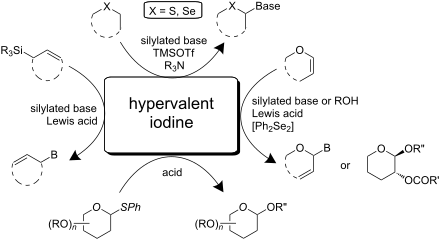
Figure 2: Concept of the Pummerer-type glycosylation and hypervalent iodine-mediated glycosylation.
Scheme 4: Oxidative glycosylation of 4-thioribose mediated by hypervalent iodine.
Figure 3: Speculated mechanism of oxidative glycosylation mediated by hypervalent iodine.
Scheme 5: Synthesis of purine 4’-thioribonucleosides using hypervalent iodine-mediated glycosylation.
Scheme 6: Unexpected glycosylation of a thietanose derivative.
Scheme 7: Speculated mechanism of the ring expansion of a thietanose derivative.
Scheme 8: Synthesis of thietanonucleosides using the Pummerer-type glycosylation.
Scheme 9: First synthesis of 4’-selenonucleosides.
Scheme 10: The Pummerer-type glycosylation of 4-selenoxide 74.
Scheme 11: Synthesis of purine 4’-selenonucleosides using hypervalent iodine-mediated glycosylation.
Figure 4: Concept of the oxidative coupling reaction applicable to the synthesis of carbocyclic nucleosides.
Scheme 12: Oxidative coupling reaction mediated by hypervalent iodine.
Scheme 13: Synthesis of cyclohexenyl nucleosides using an oxidative coupling reaction.
Figure 5: Concept of the oxidative coupling reaction of glycal derivatives.
Scheme 14: Oxidative coupling reaction of silylated uracil and DHP using hypervalent iodine.
Scheme 15: Proposed mechanism of the oxidative coupling reaction mediated by hypervalent iodine.
Figure 6: Synthesis of 2’,3’-unsaturated nucleosides using hypervalent iodine and a co-catalyst.
Scheme 16: Synthesis of dihydropyranonucleoside.
Scheme 17: Synthesis of acetoxyacetals using hypervalent iodine and addition of silylated base.
Scheme 18: One-pot fragmentation-nucleophilic additions mediated by hypervalent iodine.
Figure 7: The reaction of thioglycoside with hypervalent iodine in the presence of Lewis acids.
Scheme 19: Synthesis of disaccharides employing thioglycosides under an oxidative coupling reaction mediated b...
Scheme 20: Synthesis of disaccharides using disarmed thioglycosides by hypervalent iodine-mediated glycosylati...
Scheme 21: Glycosylation using aryl(trifluoroethyl)iodium triflimide.
Figure 8: Expected mechanism of hypervalent iodine-mediated glycosylation with glycals.
Scheme 22: Synthesis of oligosaccharides by hypervalent iodine-mediated glycosylation with glycals.
Scheme 23: Synthesis of 2-deoxy amino acid glycosides.
Figure 9: Rationale for the intramolecular migration of the amino acid unit.
Beilstein J. Org. Chem. 2018, 14, 1293–1308, doi:10.3762/bjoc.14.111
Graphical Abstract
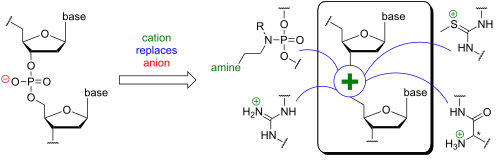
Figure 1: Biological action of single-stranded oligonucleotides (ON): antigene and antisense pathways.
Figure 2: Selected examples 1–6 of nucleic acid modifications based on additionally attached positively charg...
Figure 3: Oligonucleotide analogues with artificial cationic backbone linkages discussed in this review: amin...
Scheme 1: Structure of Letsinger's modified deoxyadenosyl dinucleotide 11 and synthesis of cationic oligonucl...
Figure 4: Artificial cationic backbone linkages 19 and 20 which are structurally related to aminoalkylated ph...
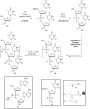
Scheme 2: Bruice's synthesis of guanidinium-linked DNG oligomer 29 in the 5'→3' direction (Troc = 2,2,2-trich...
Scheme 3: Bruice's synthesis of purine-containing guanidinium-linked DNG oligomer 36 in the 3'→5' direction (...
Scheme 4: Bruice's synthesis of S-methylthiourea-linked DNmt oligomer 43.
Figure 5: Structure of the natural product muraymycin A1 (44) and design concept of nucleosyl amino acid (NAA...
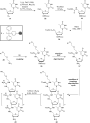
Scheme 5: Retrosynthetic summary of Ducho's synthesis of partially zwitterionic NAA-modified oligonucleotides ...
Scheme 6: Retrosynthetic summary of Ducho's and Grossmann's synthesis of fully cationic NAA-modified oligonuc...
Beilstein J. Org. Chem. 2018, 14, 1208–1214, doi:10.3762/bjoc.14.102
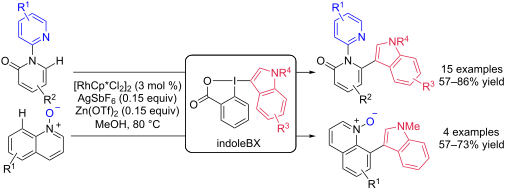
Graphical Abstract
Figure 1: Bioactive compounds with pyridinone, quinolone and indole cores.
Scheme 1: C–H functionalization of pyridinones and quinoline N-oxides.
Scheme 2: Scope and limitations of the Rh-catalyzed C–H activation of [1,2'-bipyridin]-2-one.
Scheme 3: Scope of the Rh-catalyzed peri C–H activation of quinoline N-oxides.
Scheme 4: Product modifications.
Beilstein J. Org. Chem. 2018, 14, 1051–1086, doi:10.3762/bjoc.14.93
Graphical Abstract
Figure 1: A figure showing the hydrogen bonding patterns observed in (a) duplex (b) triplex and (c) quadruple...
Figure 2: (a) Portions of MATα1–MATα2 are shown contacting the minor groove of the DNA substrate. Key arginin...
Figure 3: Chemical structures of naturally occurring and synthetic hybrid minor groove binders.
Figure 4: Synthetic structural analogs of distamycin A by replacing one or more pyrrole rings with other hete...
Figure 5: Pictorial representation of the binding model of pyrrole–imidazole (Py/Im) polyamides based on the ...
Figure 6: Chemical structures of synthetic “hairpin” pyrrole–imidazole (Py/Im) conjugates.
Figure 7: (a) Minor groove complex formation between DNA duplex and 8-ring cyclic Py/Im polyamide (conjugate ...
Figure 8: Telomere-targeting tandem hairpin Py/Im polyamides 23 and 24 capable of recognizing >10 base pairs; ...
Figure 9: Representative examples of recently developed DNA minor groove binders.
Figure 10: Chemical structures of bisbenzamidazoles Hoechst 33258 and 33342 and their synthetic structural ana...
Figure 11: Chemical structures of bisamidines such as diminazene, DAPI, pentamidine and their synthetic struct...
Figure 12: Representative examples of recently developed bisamidine derivatives.
Figure 13: Chemical structures of chromomycin, mithramycin and their synthetic structural analogs 91 and 92.
Figure 14: Chemical structures of well-known naturally occurring DNA binding intercalators.
Figure 15: Naturally occurring indolocarbazole rebeccamycin and its synthetic analogs.
Figure 16: Representative examples of naturally occurring and synthetic derivatives of DNA intercalating agent...
Figure 17: Several recent synthetic varieties of DNA intercalators.
Figure 18: Aminoglycoside (neomycin)–Hoechst 33258/intercalator conjugates.
Figure 19: Chemical structures of triazole linked neomycin dimers and neomycin–bisbenzimidazole conjugates.
Figure 20: Representative examples of naturally occurring and synthetic analogs of DNA binding alkylating agen...
Figure 21: Chemical structures of naturally occurring and synthetic analogs of pyrrolobenzodiazepines.
Beilstein J. Org. Chem. 2018, 14, 955–970, doi:10.3762/bjoc.14.81
Graphical Abstract
Figure 1: Examples of equipment used to perform mechanochemistry on nucleoside and nucleotide substrates (not...
Figure 2: Ganciclovir.
Scheme 1: Nucleoside tritylation effected by hand grinding in a heated mortar and pestle.
Scheme 2: Persilylation of ribonucleoside hydroxy groups (and in situ acylation of cytidine) in a MBM.
Scheme 3: Nucleoside amine and carboxylic acid Boc protection using an improvised attritor-type mill.
Scheme 4: Nucleobase Boc protection via transient silylation using an improvised attritor-type mill.
Scheme 5: Chemoselective N-acylation of an aminonucleoside using LAG in a MBM.
Scheme 6: Azide–alkyne cycloaddition reactions performed in a copper vessel in a MBM.
Figure 3: a) Custom-machined copper vessel and zirconia balls used to perform CuAAC reactions (showing: upper...
Scheme 7: Thiolate displacement reactions of nucleoside derivatives in a MBM.
Scheme 8: Selenocyanate displacement reactions of nucleoside derivatives in a MBM.
Scheme 9: Nucleobase glycosidation reactions and subsequent deacetylation performed in a MBM.
Scheme 10: Regioselective phosphorylation of nicotinamide riboside in a MBM.
Scheme 11: Preparation of nucleoside phosphoramidites in a MBM using ionic liquid-stabilised chlorophosphorami...
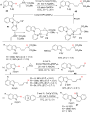
Scheme 12: Preparation of a nucleoside phosphite triester using LAG in a MBM.
Scheme 13: Internucleoside phosphate coupling linkages in a MBM.
Scheme 14: Preparation of ADPR analogues using in a MBM.
Scheme 15: Synthesis of pyrophosphorothiolate-linked dinucleoside cap analogues in a MBM to effect hydrolytic ...
Figure 4: Early low temperature mechanised ball mill as described by Mudd et al. – adapted from reference [78].
Scheme 16: Co-crystal grinding of alkylated nucleobases in an amalgam mill (N.B. no frequency was recorded in ...
Figure 5: Materials used to prepare a smectic phase.
Figure 6: Structures of 5-fluorouracil (5FU) and nucleoside analogue prodrugs subject to mechanochemical co-c...
Scheme 17: Preparation of DNA-SWNT complex in a MBM.