


Search results
Search for "cascade" in Full Text gives 428 result(s) in Beilstein Journal of Organic Chemistry. Showing first 200.
Photoredox catalysis harvesting multiple photon or electrochemical energies
Beilstein J. Org. Chem. 2023, 19, 1055–1145, doi:10.3762/bjoc.19.81
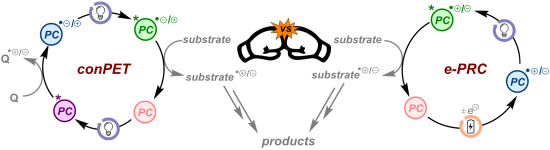
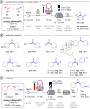
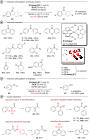
- partners. The scope of the protocol was further expanded to a radical cyclization/aminocarbonylation cascade reaction yielding the bis-carbonylated α-keto amide 26h in 31% yield. 2.1.2 C(sp3)–X activation: The generation of alkyl radicals using alkyl halides as precursors proves very challenging due their


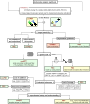
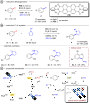
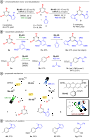


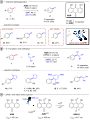
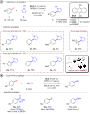
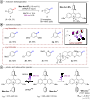
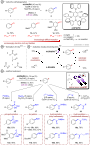
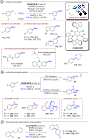

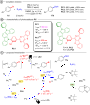
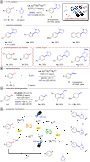


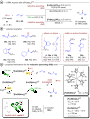



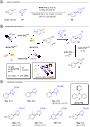


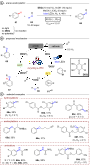

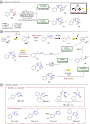
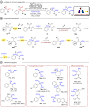


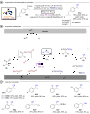


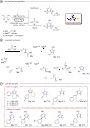
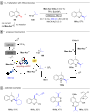


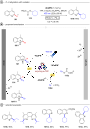
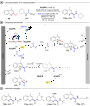
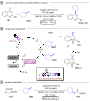


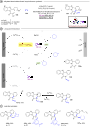


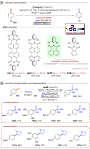


Synthesis of tetrahydrofuro[3,2-c]pyridines via Pictet–Spengler reaction
Beilstein J. Org. Chem. 2023, 19, 991–997, doi:10.3762/bjoc.19.74
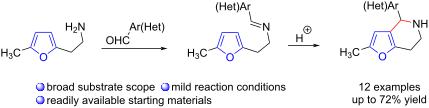
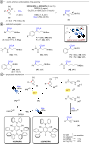
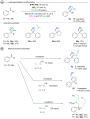
- -c]pyridines. Moreover, multistep cascade processes with the simultaneous construction of several cores were described, where the key step is the generation of an acyliminium cation and the Pictet–Spengler cyclization [30][31][32], including solid-phase synthesis [33][34][35]. Another route for the


Aromatic C–H bond functionalization through organocatalyzed asymmetric intermolecular aza-Friedel–Crafts reaction: a recent update
Beilstein J. Org. Chem. 2023, 19, 956–981, doi:10.3762/bjoc.19.72

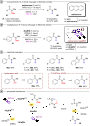
- . The products 16 were achieved with excellent enantioselectivites which were attributed to an attractive interaction between the indole ring and the anthracene substituent of the catalyst’s framework (Scheme 5) [29]. In 2018, Piersanti and co-workers developed a phosphoric acid-catalyzed cascade
- utilizing cyclic N-sulfimines as electrophiles. Aza-Friedel–Crafts reaction involving N-unprotected imino ester as electrophile. Aza-Friedel–Crafts and lactonization cascade. One-pot oxidation and aza-Friedel–Crafts reaction. C1 and C2-symmetric phosphoric acids as catalysts. Aza-Friedel–Crafts reaction




Photoredox catalysis enabling decarboxylative radical cyclization of γ,γ-dimethylallyltryptophan (DMAT) derivatives: formal synthesis of 6,7-secoagroclavine
Beilstein J. Org. Chem. 2023, 19, 918–927, doi:10.3762/bjoc.19.70
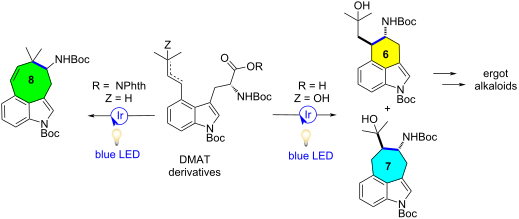
- Alessio Regni Francesca Bartoccini Giovanni Piersanti Department of Biomolecular Sciences, University of Urbino, Carlo Bo Piazza Rinascimento 6, 61029 Urbino, PU, Italy 10.3762/bjoc.19.70 Abstract An unusual photoredox-catalyzed radical decarboxylative cyclization cascade reaction of γ,γ
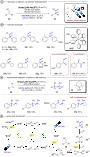
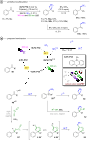
- different classes of ergot alkaloids. (b) and (c) Strategies for the photoredox-catalyzed radical decarboxylative cyclization cascade reaction of DMAT derivatives (this work). Proposed reaction mechanism for photoredox-catalyzed radical decarboxylative cyclization. Proposed reaction mechanism for photoredox


Facile access to 3-sulfonylquinolines via Knoevenagel condensation/aza-Wittig reaction cascade involving ortho-azidobenzaldehydes and β-ketosulfonamides and sulfones
Beilstein J. Org. Chem. 2023, 19, 800–807, doi:10.3762/bjoc.19.60
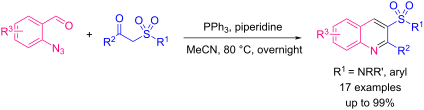
- have developed a new convenient protocol for the synthesis of 3-sulfonyl-substituted quinolines (sulfonamides and sulfones). The approach is based on a Knoevenagel condensation/aza-Wittig reaction cascade involving o-azidobenzaldehydes and ketosulfonamides or ketosulfones as key building blocks. The
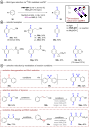
- quinolines (sulfonamides and sulfones) (Figure 2b). Herein, we report the successful implementation of this approach. Results and Discussion The Knoevenagel condensation/aza-Wittig reaction cascade was used for the preparation of 3-sulfonyl-substituted quinolines. The process proceeds in a domino fashion
- synthesis of 3-sulfonyl-substituted quinolines (sulfonamides and sulfones). The approach is based on a Knoevenagel condensation/aza-Wittig reaction cascade for the quinoline core assembly. Hence, o-azidobenzaldehyde, ketosulfonamide or ketosulfone were utilized as key building blocks. The method devised


Nucleophile-induced ring contraction in pyrrolo[2,1-c][1,4]benzothiazines: access to pyrrolo[2,1-b][1,3]benzothiazoles
Beilstein J. Org. Chem. 2023, 19, 646–657, doi:10.3762/bjoc.19.46
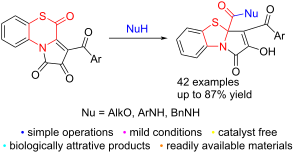
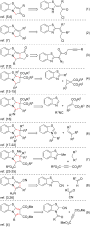
- to the PBTA scaffold is an annulation of benzothiazoles with a pyrrole moiety (Scheme 1). It includes intramolecular cyclizations of benzothiazoles bearing a 3'-chloro substituent at C2 position (Scheme 1, entries 1 and 2) [5][6][7], intramolecular catalytic carbene cascade reactions of propargyl 1,3
- ] and reactions of 3-acyl-2,3-dihydro-1,3-benzothiazole-2-carbonitriles with acetylenedicarboxylate (Scheme 1, entry 9) [4]. The second group of approaches to the PBTA scaffold is an annulation of o-aminothiophenol with a pyrrolothiazole moiety (Scheme 2). It includes catalytic cascade reactions of o
- -aminothiophenol with donor–acceptor cyclopropanes (Scheme 2, entry 10) [27], condensations of o-aminothiophenol with 4-oxo acids or their derivatives (Scheme 2, entry 11) [2][28][29][30][31] and cascade reactions of o-aminothiophenol, furfural and anhydrides of 2,3-unsaturated carboxylic acids (Scheme 2, entry 12




Enolates ambushed – asymmetric tandem conjugate addition and subsequent enolate trapping with conventional and less traditional electrophiles
Beilstein J. Org. Chem. 2023, 19, 593–634, doi:10.3762/bjoc.19.44
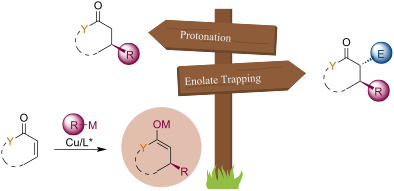
- , crop-protecting agents, or advanced materials. Their syntheses often involve numerous reaction steps requiring laborious isolation and intermediate product purification steps. An important strategy for improving syntheses’ effectiveness is the concept of domino reactions, cascade, or tandem reactions
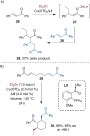
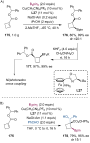
- the enolate intermediate in a cascade sequence, including borylation, aldol reaction, and finally oxidation (Scheme 36). The product 146 containing three consecutive stereocenters was obtained in a dr of 6.5 to 1 and with good yield and enantioselectivity. Lam and co-workers described a highly
- structurally different Michael acceptors were successfully applied. Their work also included a 3 mmol scale-up (62%, 87% ee, dr >20:1) and various derivatizations of the Mannich products. Furthermore, they have also attempted a multi-electrophile cascade reaction, which harnesses the nucleophilic nature of the








Transition-metal-catalyzed domino reactions of strained bicyclic alkenes
Beilstein J. Org. Chem. 2023, 19, 487–540, doi:10.3762/bjoc.19.38
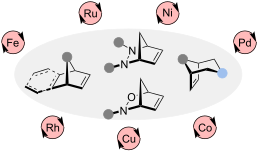
- shed light on future directions for further development in this field. Keywords: bicyclic alkenes; cascade; catalysis; domino; transition-metal-catalyzed; Introduction A well-orchestrated sequence of events – cascade, also known as domino, tandem, and sequential reactions, constitutes a fascinating
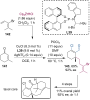
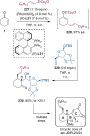
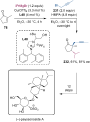
- this section, showcasing several diverse nickel-catalyzed domino reactions. In 2001, Rayabarapu and co-workers investigated the Ni-catalyzed ring-opening/cyclization cascade of heterobicyclic alkenes 1 with alkyl propiolates 2 for the synthesis of coumarin derivatives 3 (Scheme 1) [28]. The reaction
- -opening/cyclization cascade of heterobicyclic alkenes 1 with β-iodo-(Z)-propenoates and o-iodobenzoates 9 (Scheme 2) [33]. The authors noted the ring-opening/cyclization cascade proceeded smoothly for a variety of heterobicyclic alkenes including both oxa- and azabenzonorbornadienes as well as











Synthesis and reactivity of azole-based iodazinium salts
Beilstein J. Org. Chem. 2023, 19, 317–324, doi:10.3762/bjoc.19.27
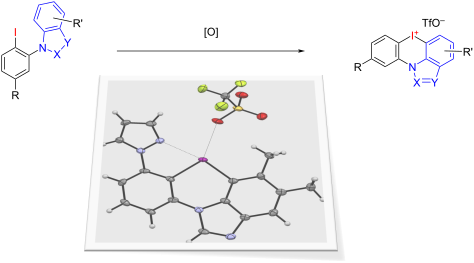
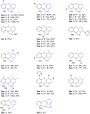
- both C–I bonds giving the iodinated N-arylbenzimidazoles 6a and 6b as a mixture with 54% and 25% yield [37]. A ring opening/closing cascade reaction with elemental sulfur resulted in the formation of the imidazo[4,5,1-kl]phenothiazine (7a) in 47% yield. The corresponding phenoselenazine 7b and the




Strategies to access the [5-8] bicyclic core encountered in the sesquiterpene, diterpene and sesterterpene series
Beilstein J. Org. Chem. 2023, 19, 245–281, doi:10.3762/bjoc.19.23
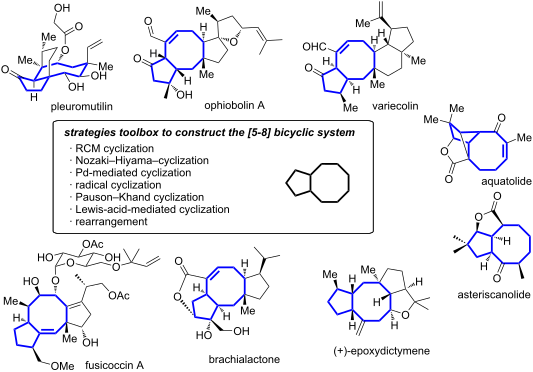
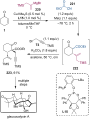
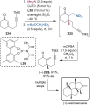
- ), where the eight-membered ring was accessed through a SmI2-mediated cyclization cascade reaction of a dialdehyde [69]. In this approach, an original way was proposed to form in a single step the tricyclic core of pleuromutilin (1) with a stereocontrol at the four contiguous stereocenters [69][70]. The
- dialdehyde was obtained from trans-dihydrocarvone (141) and treated early in the sequence (step 13/34) by SmI2. The authors assumed that the cascade reaction was initiated with the left-hand aldehyde ketyl formation 146 which further attacked the alkene and oriented the anti-5-exo-trig-cyclization toward (Z
- )-SmIII enolate 147. The cyclooctane ring was then accessed through the (Z)-SmIII enolate aldol cyclization. The different organosamarium species generated during the cascade cyclization mechanism were hypothesized to drive the diastereoselectivity on each of the stereocenters created during the process


Germacrene B – a central intermediate in sesquiterpene biosynthesis
Beilstein J. Org. Chem. 2023, 19, 186–203, doi:10.3762/bjoc.19.18

- farnesylfarnesyl diphosphate (FFPP) can serve as a precursor to triterpenes [5], a compound class that was believed to be solely derived from squalene. Terpene synthases convert these linear precursors through cationic cascade reactions into terpene hydrocarbons or alcohols [6][7][8]. For type I terpene synthases






1,4-Dithianes: attractive C2-building blocks for the synthesis of complex molecular architectures
Beilstein J. Org. Chem. 2023, 19, 115–132, doi:10.3762/bjoc.19.12
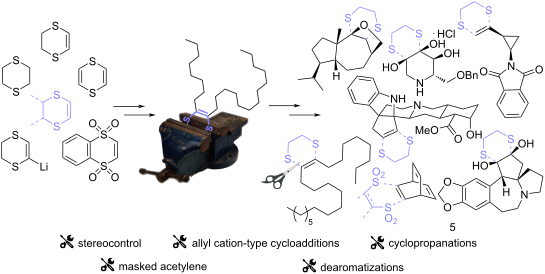
- dependence [95]. On the other hand, simple benzyl cations can undergo more controlled (3 + 2) annulations, as is illustrated by the long-known Friedel–Crafts-type acid-catalyzed cascade reaction of styrene leading to the cyclic styrene dimer 86 (Scheme 13c) [96][97]. This (3 + 2) cycloaddition reactivity of
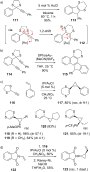
- which is likely formed directly from the allyl cation/vinylthionium-type intermediate 112. In 2016, Liu and co-workers extended this interesting reactivity mode to a cascade polyyne cyclization of 1,3-dithiolane 114 to 1,4-dithiane 115 (Scheme 18b) [111]. These authors also investigated mechanistic










Practical synthesis of isocoumarins via Rh(III)-catalyzed C–H activation/annulation cascade
Beilstein J. Org. Chem. 2023, 19, 100–106, doi:10.3762/bjoc.19.10
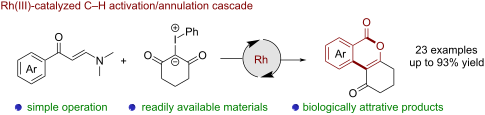
- activation/annulation cascade of readily available enaminones with iodonium ylides towards the convenient synthesis of isocoumarins. This coupling system proceeds in useful chemical yields (up to 93%) via a cascade C–H activation, Rh-carbenoid migratory insertion and acid-promoted intramolecular annulation
- to couple iodonium ylides with enaminones in a Rh(III)-catalyzed C–H activation/annulation cascade reaction for the rapid construction of isocoumarins (Scheme 1c). Results and Discussion Our initial experiment was performed with enaminone 1a and iodonium ylide 1b in the presence of [Cp*RhCl2]2 (5 mol
- obtained by using [{Ru(p-cymene)Cl2}]2 as a catalyst (Table 1, entry 10). With the optimal conditions in hand, we then investigated the scope of this Rh-catalyzed C–H activation/annulation cascade reaction. As shown in Scheme 2, a range of functionalized enaminones were compatible with this Rh-catalytic


NaI/PPh3-catalyzed visible-light-mediated decarboxylative radical cascade cyclization of N-arylacrylamides for the efficient synthesis of quaternary oxindoles
Beilstein J. Org. Chem. 2023, 19, 57–65, doi:10.3762/bjoc.19.5
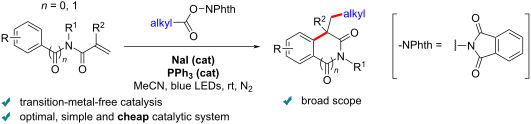
- Dan Liu Yue Zhao Frederic W. Patureau Institute of Organic Chemistry, RWTH Aachen University, Landoltweg 1, 52074 Aachen, Germany 10.3762/bjoc.19.5 Abstract A practical NaI/PPh3-catalyzed decarboxylative radical cascade cyclization of N-arylacrylamides with redox-active esters is described, which
- afforded various functionalized oxindoles featuring a C3 quaternary stereogenic center. Mechanistic experiments suggest a radical mechanism. Keywords: decarboxylative cascade cyclization; iodide catalysis; metal-free photocatalysis; oxindole; phosphine catalysis; Introduction Radical-initiated cascade
- reactions constitute a powerful synthetic approach to construct multiple C–C or C–X bonds in one pot. As such, these tend to allow facile access to many complex natural molecules and drugs [1][2][3][4][5][6]. Recently, radical-initiated cascade cyclizations involving acrylamides have attracted considerable




Combining the best of both worlds: radical-based divergent total synthesis
Beilstein J. Org. Chem. 2023, 19, 1–26, doi:10.3762/bjoc.19.1
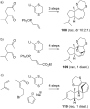
- a semipinacol rearrangement leading to 95, followed by subsequent cyclization to natural products guignardone A (96) and C (97). This process involved 1,2-allyl migration and C–O bond formation through a semipinacol rearrangement and a cyclodehydration cascade reaction (Scheme 8). Following the same
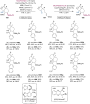
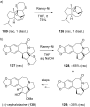
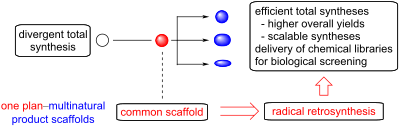
- discoveries, namely a photoredox-catalytic nitrogen-centered radical cascade [72], which has resulted in the impressive collective total synthesis of 33 alkaloids of three different classes of indole natural products (please see the inset of Scheme 11 for concise representation). Specifically, this included
- (–)-eburnaminol (132), (+)-larutenine (133), (–)-terengganensine B (134), and (–)-strempeliopine (136), as well as the asymmetric formal total synthesis of (–)-terengganensine A (not shown, Scheme 11). The requisite common synthetic intermediate 129 for the cascade was accessed by an acid-promoted condensation of








Inline purification in continuous flow synthesis – opportunities and challenges
Beilstein J. Org. Chem. 2022, 18, 1720–1740, doi:10.3762/bjoc.18.182
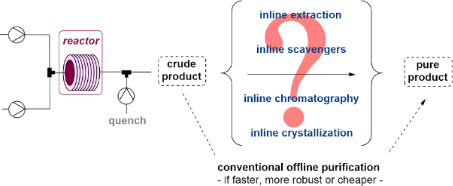
- of alcohols using a phase transfer catalyst (PTC) [55]. In a scale-up run, a three-stage counter-current cascade was used downstream of the first separation to remove the PTC (Scheme 4). In this scenario more than 90% of the phase transfer catalyst was separated from the phase containing the desired
- extraction of antioxidants from olive leaf waste [130], and of patchoulol from green algal cells [49]. In the last case, nanofiltration is coupled to an inline phase separation to both concentrate the compound and reuse the solvent. In another scenario, a two-stage membrane cascade was used as a purification




Total synthesis of grayanane natural products
Beilstein J. Org. Chem. 2022, 18, 1707–1719, doi:10.3762/bjoc.18.181
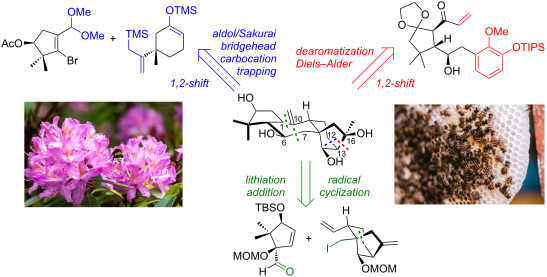
- involves the construction of a tetracyclic structure where rings A and B had the correct arrangement, while rings C and D form a bicyclo[2.2.2]octane structure [31]. The correct bicyclo[3.2.1]octane structure was obtained after a key reductive epoxide opening/Dowd–Beckwith rearrangement cascade. The
- reagent and DMDO could induce an epoxidation on the strained olefin. From intermediate 40, the key reductive epoxide opening/Dowd–Beckwith rearrangement cascade could be performed in the presence of an in situ-generated Ti(III) catalyst. The main side-product of this reaction was due to a simple reductive
- bromide coupling. While both Ding and Luo propose a 1,2-shift relying on epoxide ring-opening as key step, each group proposes a different disconnection. For Ding, the rearrangement forms bond C13–C16 through a Ti(III)-mediated reductive epoxide opening/Dowd–Beckwith rearrangement cascade. This allows to




Navigating and expanding the roadmap of natural product genome mining tools
Beilstein J. Org. Chem. 2022, 18, 1656–1671, doi:10.3762/bjoc.18.178
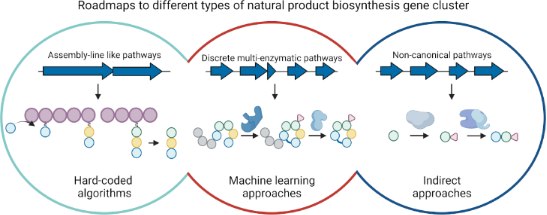
- , terpene cyclases generate the oftentimes multicyclic, hydrocarbon scaffold via a carbocation-mediated cascade reaction [30]. Terpene cyclases are obligatory components of canonical terpene pathways and are used to identify terpene BGCs (Figure 3B) [30][31]. RiPPs, on the other hand, lack genes that are


Synthesis of (−)-halichonic acid and (−)-halichonic acid B
Beilstein J. Org. Chem. 2022, 18, 1629–1635, doi:10.3762/bjoc.18.174
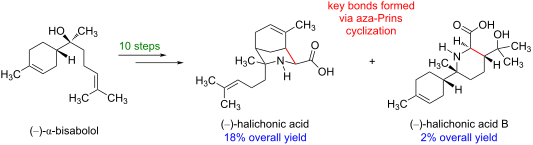
- acids. Keywords: alkaloid; amino acid; aza-Prins reaction; cascade reaction; natural product; Introduction Marine sponges produce a large number of structurally diverse natural products, including many that exhibit biological activity [1][2][3]. In 2019, Tsukamoto and co-workers isolated the


Synthetic study toward the diterpenoid aberrarone
Beilstein J. Org. Chem. 2022, 18, 1625–1628, doi:10.3762/bjoc.18.173
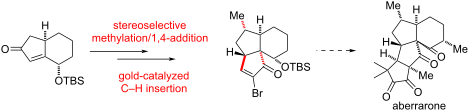
- were reported [30][31] and more recently, Carreira and co-workers reported [32] the first total synthesis of aberrarone through an impressive cascade reaction including a gold-catalyzed Nazarov cyclization, a cyclopropanation followed by intramolecular aldol reaction to forge the A, B and D rings


One-pot double annulations to confer diastereoselective spirooxindolepyrrolothiazoles
Beilstein J. Org. Chem. 2022, 18, 1607–1616, doi:10.3762/bjoc.18.171
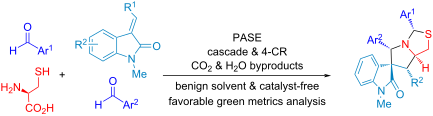
- oxindoles. High synthetic efficiency, operational simplification and reaction process economy using EtOH as solvent, and only releasing CO2 and H2O as side products confer this approach favorable in green chemistry metrics analysis. Keywords: azomethine ylides; cascade; double annulations; N,S-acetalation
- nitrogen-based heterocycles, such as multicomponent reactions (MCRs) [18][19][20][21][22][23], one-pot cascade reactions [24][25][26][27][28][29][30][31][32] as good examples of PASE synthesis. We have reported a series of multicomponent reactions, like Groebke–Blackburn–Bienayme for making BET inhibitors
- UMB32 and UMB136 [33][34]. Zhang developed 4-aminoquinolines for the synthesis of fluorinated analogues of acetylcholinesterase (AChE) inhibitors [35] in cascade reactions, such as one-step syntheses of quinolines. Quinolin-4-ols involving histone acetyltransferases (HAT) inhibitors [36][37], as well as


Oxa-Michael-initiated cascade reactions of levoglucosenone
Beilstein J. Org. Chem. 2022, 18, 1457–1462, doi:10.3762/bjoc.18.151
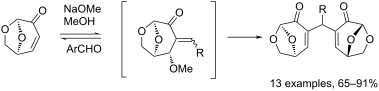
- , United Kingdom 10.3762/bjoc.18.151 Abstract The reactions of aromatic aldehydes and levoglucosenone promoted by methoxide gives bridged α,β-unsaturated ketones, formed by a series of oxa-Michael-initiated cascade reactions in yields of up to 91% (14 examples). A complex series of equilibria operate
- during the reaction, and the formation of the bridged species is thermodynamically favored, except in the case of 5-methylfurfural and pyrrole-2-carboxaldehyde. This is the first report detailing this type of aldol/Michael cascade involving oxa-Michael initiation. Keywords: cascade reactions; green
- oxymethylene bridge [8][9][10]. Many selective nucleophilic additions are known, and the reaction has been applied to the synthesis of disaccharides [11], the pheromone eldanolide [12], and flavoring compounds such as whiskey lactone [13]. The use of heteronucleophiles can also be used to initiate cascade


Cytochrome P450 monooxygenase-mediated tailoring of triterpenoids and steroids in plants
Beilstein J. Org. Chem. 2022, 18, 1289–1310, doi:10.3762/bjoc.18.135
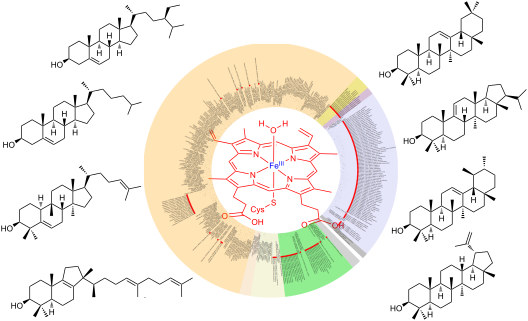
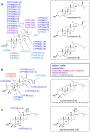
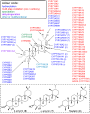
- polycyclic skeletons of triterpenoids and steroids are created by oxidosqualene cyclases (OSCs) from the universal substrate 2,3-oxidosqualene [5]. As different folding modes (chair–boat–chair vs chair–chair–chair) and different ring sizes can occur during this cyclisation cascade, resulting triterpene and




Make or break: the thermodynamic equilibrium of polyphosphate kinase-catalysed reactions
Beilstein J. Org. Chem. 2022, 18, 1278–1288, doi:10.3762/bjoc.18.134
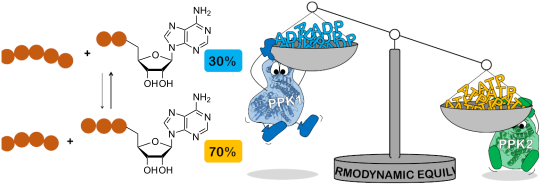
- linear cascade to produce the desired NTP. Figure 3b shows the reaction sequence from 5-fluorouridine-5’-monophosphate to the triphosphate in an enzymatic synthesis of an unnatural uridine nucleotide [42]. In these type of setup, the yield of the overall reaction is strongly determined by the position of
- the thermodynamic equilibrium of the last reaction step [22][23][42][43][44][45]. To efficiently implement such a reaction sequence, detailed kinetic and thermodynamic information has to be available to identify bottlenecks and improve the turnover of such cascade systems [25]. In the present study
- ). As discussed before, the conversion of a nucleotide diphosphate to the corresponding triphosphate is normally the last step in the biomimetic synthesis of NTPs, and might have a substantial influence on the yield of the whole cascade. A biomimetic cascade published by Whitesides and co-workers for


Enzymes in biosynthesis
Beilstein J. Org. Chem. 2022, 18, 1131–1132, doi:10.3762/bjoc.18.116
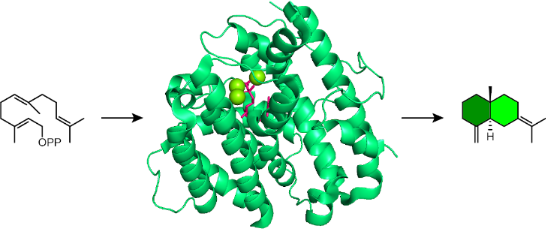
- proceed through multistep cationic cascade reactions and usually produce a polycyclic terpene hydrocarbon or alcohol with multiple stereogenic centers. While these transformations require only a single enzyme, polyketide and nonribosomal peptide biosyntheses are catalyzed by megasynthases that follow an




