


Search results
Search for "plants" in Full Text gives 253 result(s) in Beilstein Journal of Organic Chemistry. Showing first 200.
How and why plants and human N-glycans are different: Insight from molecular dynamics into the “glycoblocks” architecture of complex carbohydrates
Beilstein J. Org. Chem. 2020, 16, 2046–2056, doi:10.3762/bjoc.16.171
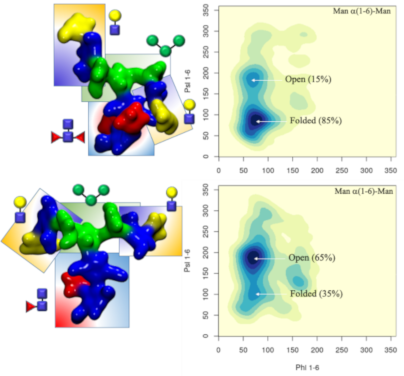
- undetected because of their intrinsic structural disorder. In this work we use molecular dynamics (MD) simulations to provide insight into N-glycans’ 3D structure by analysing the effects of a set of very specific modifications found in plants and invertebrate N-glycans, which are immunogenic in humans. We
- glycans sequence can alter their 3D structure and conformational dynamics, ultimately regulating recognition [19]. In this work we use molecular dynamics (MD) simulations to analyse the effects of the inclusion of motifs typically found in plants and invertebrates N-glycans and immunogenic in mammals [20
- ][21][22][23]. More specifically, we investigate how core α(1-3)-linked fucose (Fuc) and β(1-2)-linked xylose (Xyl) affect the structure and dynamics of plants N-glycoforms [23] and of hybrid constructs with mammalian N-glycoforms [24]. At first glance plants protein N-glycosylation [23] is quite


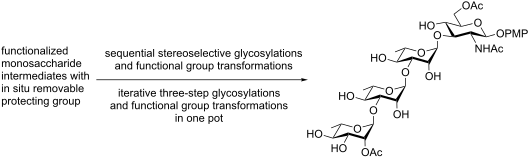
Synthesis of the tetrasaccharide repeating unit of the O-specific polysaccharide of Azospirillum doebereinerae type strain GSF71T using linear and one-pot iterative glycosylations
Beilstein J. Org. Chem. 2020, 16, 1700–1705, doi:10.3762/bjoc.16.141
- cause environmental pollution, resistance in plant pathogens as well as high production costs of crops [1][2][3]. Varieties of crop plants have symbiotic relationships with microorganisms by hosting them in their roots and utilize their beneficial effects such as improving the quality of soil and
- is quite pertinent to study the effect of the cell-wall polysaccharides of rhizobacteria on the growth of leguminous plants. As a consequence, the structural elucidation of a variety of cell-wall polysaccharides of several strains of Azospirillum have been reported in the past [14][15][16][17][18][19


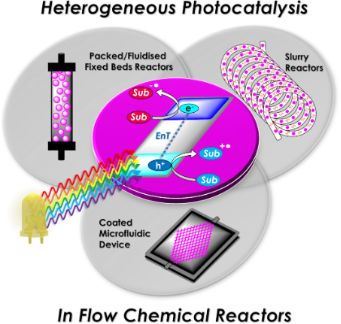
Heterogeneous photocatalysis in flow chemical reactors
Beilstein J. Org. Chem. 2020, 16, 1495–1549, doi:10.3762/bjoc.16.125


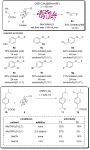


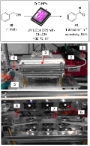

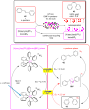


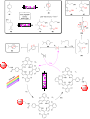



4-Hydroxy-3-methyl-2(1H)-quinolone, originally discovered from a Brassicaceae plant, produced by a soil bacterium of the genus Burkholderia sp.: determination of a preferred tautomer and antioxidant activity
Beilstein J. Org. Chem. 2020, 16, 1489–1494, doi:10.3762/bjoc.16.124
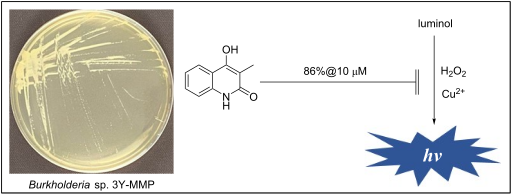
- in liquid production cultures, quenched hydroxy radical-induced chemiluminescence emitted by luminol by 86%. Because some Burkholderia species are pathogenic to plants and animals, the above result suggests that 1 is a potential antioxidant to counteract reactive oxygen species-based immune response
- in the host organisms. Keywords: antioxidant; Burkholderia sp; quinolone; soil bacterium; Zn2+ enrichment culture; Findings 4-Hydroxy-2(1H)-quinolone (3) is a unique structural motif mostly found in alkaloids from rutaceous plants (family Rutaceae) [1][2]. This motif has several tautomeric forms
- rutaceous plants [9]. Examples from microbes include chymase inhibitors SF2809-I to VI from an actinomycete of the genus Dactylosporangium [10], a quorum sensing signaling molecule 2,4-dihydroxyquinoline (DHQ, 4) from Gram-negative bacteria Pseudomonas aeruginosa and Burkholderia thailandensis, [7], and 4-O


Activated carbon as catalyst support: precursors, preparation, modification and characterization
Beilstein J. Org. Chem. 2020, 16, 1188–1202, doi:10.3762/bjoc.16.104
- and agriculture are well-suited for this purpose [15]. Wood is mainly composed of cellulose (40 to 55 wt %), hemicelluloses (mostly xylan in hardwoods with 20 to 35 wt %) and lignin (18 to 35 wt %). Cellulose maintains the structure of the cell walls of plants and is the most abundant raw material
- with a production of 1011–1012 tons per year, followed by lignin as second most abundant raw material [16]. Lignin is a three-dimensional phenolic polymer and is responsible for the cementation of cellulose fibres in plants [17]. Hemicelluloses, predominantly xylan, are non-cellulosic polysaccharides


A simple and easy to perform synthetic route to functionalized thienyl bicyclo[3.2.1]octadienes
Beilstein J. Org. Chem. 2020, 16, 1092–1099, doi:10.3762/bjoc.16.96
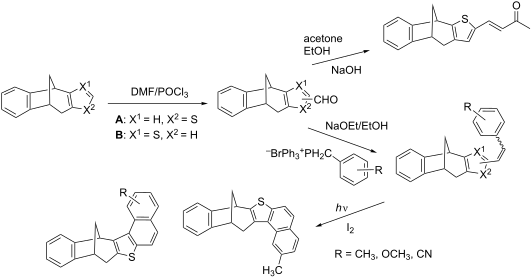
- numerous biologically active natural compounds (Figure 1) [4][5][6][7], their strenuous isolation procedures from plants, as well as their complicated multistage synthesis due to the complexity of their structure, encouraged us to develop a simple one-step synthetic procedure based on a photochemical


Recent applications of porphyrins as photocatalysts in organic synthesis: batch and continuous flow approaches
Beilstein J. Org. Chem. 2020, 16, 917–955, doi:10.3762/bjoc.16.83
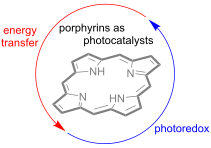
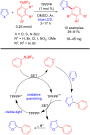
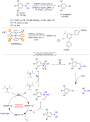
- , our focus in this part of the review is the use of porphyrins as photocatalysts, but we decided to select another relevant example using chlorophyll a (a chlorin-type derivative) for artemisinin preparation. Gilmore and co-workers have shown that the extract in toluene from Artemisia annua plants






Two antibacterial and PPARα/γ-agonistic unsaturated keto fatty acids from a coral-associated actinomycete of the genus Micrococcus
Beilstein J. Org. Chem. 2020, 16, 297–304, doi:10.3762/bjoc.16.29
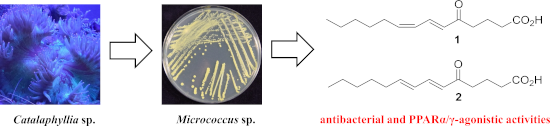
- fatty acids bearing a keto group in the middle of the carbon chain are relatively limited in their distribution in nature. Many of such natural keto fatty acids were found in plants, mainly as a constituent of seed oil [21][22][23][24][25][26][27][28][29]. Among them, rabdosia acids [30] and (10E,12E)-9
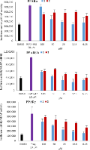
- NBRC14554, a causative agent of crown gall disease of plants [41]. The MIC values for 1 against T. maritimum and R. radiobacter were 50 and 6.2 µg/mL, respectively, while 2 was more potent against T. maritimum, with a MIC of 12.5 µg/mL, and less against R. radiobacter, with a MIC of 50 µg/mL, presenting an


Absolute configurations of talaromycones A and B, α-diversonolic ester, and aspergillusone B from endophytic Talaromyces sp. ECN211
Beilstein J. Org. Chem. 2020, 16, 290–296, doi:10.3762/bjoc.16.28
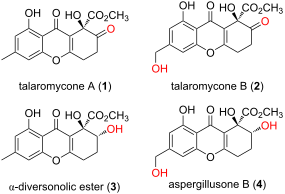
- first time in over 50 years. Keywords: absolute configuration; endophytic fungus; glauconic acid; Talaromyces; tetrahydroxanthone; xanthenedione; Introduction The xanthones, which are a class of phenolic compounds produced by many different organisms, including plants, lichens, fungi, and bacteria


Synthesis and herbicidal activities of aryloxyacetic acid derivatives as HPPD inhibitors
Beilstein J. Org. Chem. 2020, 16, 233–247, doi:10.3762/bjoc.16.25
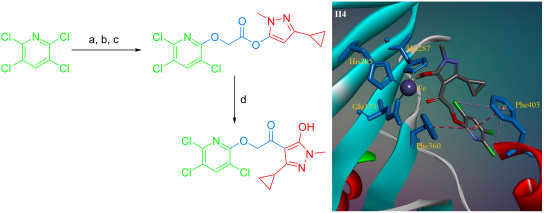
- is found in microbes, mammals, and plants, and has different functions in different organisms [1]. In the catalytic process of HPPD, 4-hydroxyphenylpyruvic acid (HPPA) and FeII form a chelate complex, from which the HPPA substrate is converted into homogentisic acid (HGA). The generally accepted
- catalytic mechanism for this process is shown in Scheme 1 [2][3][4][5][6]. The HPPD amino acid sequence homologies in plants and mammals are significantly different [7][8], and this difference affects the binding stability between an inhibitor and HPPD, leading to inhibitor activities that differ among
- various species and genera and providing a theoretical basis for the design of inhibitors that are highly selective and safe [2]. In plants, HPPD inhibitors competitively restrain HPPA from chelating to FeII. The production of plastoquinone is inhibited and phytoene is accumulated when the transformation




Efficient method for propargylation of aldehydes promoted by allenylboron compounds under microwave irradiation
Beilstein J. Org. Chem. 2020, 16, 168–174, doi:10.3762/bjoc.16.19
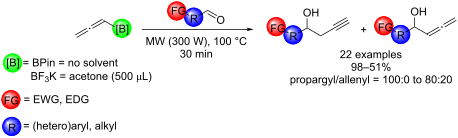
- factor) [31]. Within this context, the development of solvent-free methods is highly desirable since the difficult for solvent recycling in academic laboratories and chemical manufacturing plants is universal. In addition, a reliable method for the propargylation reaction which could involve the use of


Bacterial terpene biosynthesis: challenges and opportunities for pathway engineering
Beilstein J. Org. Chem. 2019, 15, 2889–2906, doi:10.3762/bjoc.15.283
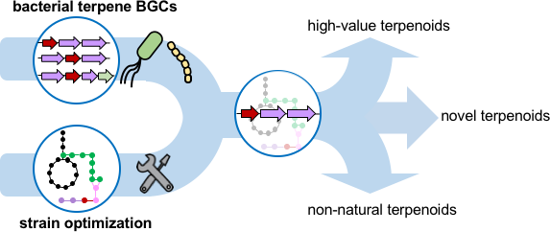
- metabolites on the planet. To date more than 70,000 terpenoids (dictionary of natural products) have been characterized and grouped into more than 400 structural families – the vast majority of which have been isolated from plants and fungi [1]. Their structural diversity reflects the breadth of their
- reported [40]. In fact, different pathways have evolved in plants, fungi, and bacteria for this fascinating compound family in an extreme case of convergent evolution [41][42]. While the plant and fungal biosynthetic pathways are well studied [42], the bacterial pathway was studied to a lesser degree until


Emission and biosynthesis of volatile terpenoids from the plasmodial slime mold Physarum polycephalum
Beilstein J. Org. Chem. 2019, 15, 2872–2880, doi:10.3762/bjoc.15.281
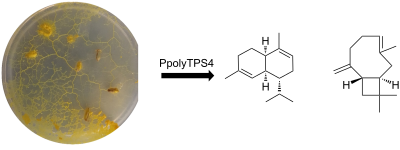
- and gene expression patterns, the products of most DdTPSs were released as volatiles from D. discoideum at the multicellular developmental stage [14][15]. TPS genes previously were known to exist only in bacteria, fungi, and plants [13][17][18]. The identification of TPS genes in dictyostelid social
- different prenyl diphosphate substrates, or require different conditions for catalysis. It is also possible that they become inactive genes in the process of pseudogenization. What are the biological functions of volatile terpenoids emitted from P. polycephalum? In plants and other organisms, volatile



Nanangenines: drimane sesquiterpenoids as the dominant metabolite cohort of a novel Australian fungus, Aspergillus nanangensis
Beilstein J. Org. Chem. 2019, 15, 2631–2643, doi:10.3762/bjoc.15.256
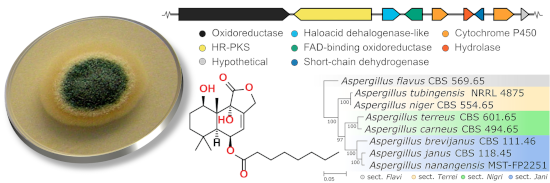
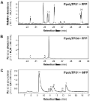
- bacteria, fungi, mammalian cells and plants. Bioinformatics analysis, including comparative analysis with other acyl drimenol-producing Aspergilli, led to the identification of a putative nanangenine biosynthetic gene cluster that corresponds to the proposed biosynthetic pathway for nanangenines. Keywords
- [21], A. ochraceus [22], A. pseudodeflectus [17], A. carneus [23] and Aspergillus sp. strain IBWF002-96 [4][5] are biosynthetic sources of the drimane sesquiterpenoids. Drimane sesquiterpenoids, which are derived from a parent C15 pentamethyl-trans-decalin skeleton, are known to occur in plants


Synthetic terpenoids in the world of fragrances: Iso E Super® is the showcase
Beilstein J. Org. Chem. 2019, 15, 2590–2602, doi:10.3762/bjoc.15.252
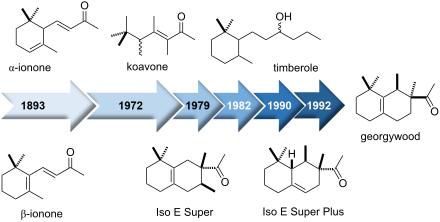
- of years dating back well before biblical times [2][3]. Plants and resins served as source for perfumes after alcoholic extraction. These extracts were not only used as fragrances but also as medicine (aqua mirabilis), aphrodisiac and elixir of life (aquavitae). In 1882 'Fougere Royale' was created


Current understanding and biotechnological application of the bacterial diterpene synthase CotB2
Beilstein J. Org. Chem. 2019, 15, 2355–2368, doi:10.3762/bjoc.15.228
- [1][2][3]. Sesqui- and diterpenes are a diverse class of secondary metabolites derived predominantly from plants, marine invertebrates, fungi and some prokaryotes [4][5][6][7][8]. Properties of these natural products include antitumor, anti-oxidant, anti-inflammatory, antiviral, antimalarial
- . In fungi and plants, they can be both class I or class II TPSs and even mixed class I/II [21]. Class I TPSs harbor two distinct catalytic motifs, which are crucial for binding and correctly positioning the substrate for catalysis, the aspartate-rich motif (DDxxD) and the NSE/DTE motif, that bind to
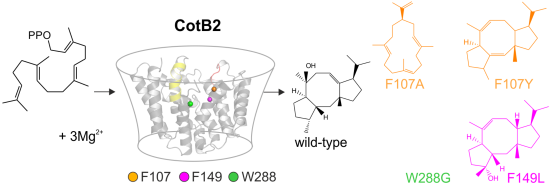
- enzymes that is widely distributed among plants, fungi and bacteria. CotB2 has evolved to convert the acyclic, achiral substrate GGDP to the 5–8–5 ring motif of cyclooctat-9-en-7-ol that contains six chiral stereocenters. Hence, CotB2 has been fine tuned to perform a highly specific regio- and


Isolation and biosynthesis of an unsaturated fatty acid with unusual methylation pattern from a coral-associated bacterium Microbulbifer sp.
Beilstein J. Org. Chem. 2019, 15, 2327–2332, doi:10.3762/bjoc.15.225
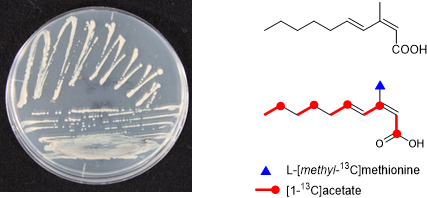
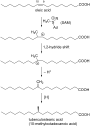
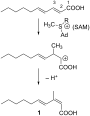
- -methylnonadecanoic acid (19:1 me(10)) are the major constituents of the cell wall of Mycobacterium phlei [20]. C9-Methylated glucosylceramides also possess a methyl-branching in the middle of the aliphatic carbon chain of the sphingosine part. C9-Methylated sphingolipids have not been found from plants and animals


Functionalization of 4-bromobenzo[c][2,7]naphthyridine via regioselective direct ring metalation. A novel approach to analogues of pyridoacridine alkaloids
Beilstein J. Org. Chem. 2019, 15, 2304–2310, doi:10.3762/bjoc.15.222
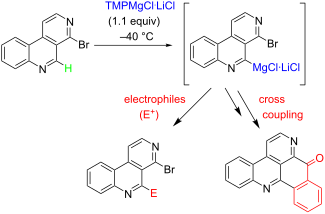
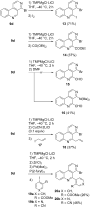
- pyridoacridine alkaloids to be found in diverse marine sources (tunicates, sponges). Their chemistry, pharmacology and biosynthesis have been the subject of a couple of review articles [1][2][3][4]. Another source of polycyclic aromatic alkaloids are tropical plants, e.g., the Annonaceae family [5]. A very




Genome mining in Trichoderma viride J1-030: discovery and identification of novel sesquiterpene synthase and its products
Beilstein J. Org. Chem. 2019, 15, 2052–2058, doi:10.3762/bjoc.15.202
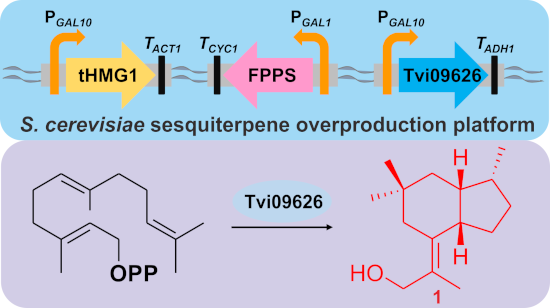
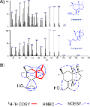
- . viride to date. Keywords: genome mining; metabolic engineering; natural products; sesquiterpene synthase; terpenes; Trichoderma viride J1-030; Introduction Terpenoids represent the most diverse group of natural products, with a wide distribution in microorganisms, plants, insects and various marine



Isolation and characterisation of irinans, androstane-type withanolides from Physalis peruviana L.
Beilstein J. Org. Chem. 2019, 15, 2003–2012, doi:10.3762/bjoc.15.196
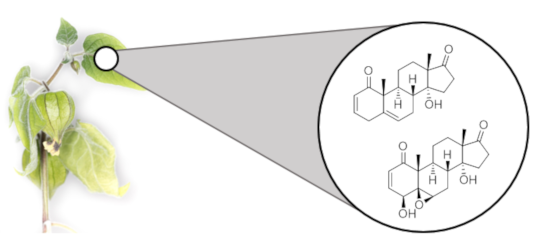
- Withanolides are steroidal lactones widespread in Nightshade plants with often potent antiproliferative activities. Additionally, the structural diversity of this compound class holds much potential for the discovery of novel biological activity. Here, we report two newly characterised withanolides, named
- guidance for elucidating the enzymatic basis of androstane formation in plants in the future. Results and Discussion To isolate withanolides from P. peruviana, we used a purification strategy based on previous reports [17][18][19]. Nine weeks old whole P. peruviana plants (140 g) were extracted with H2O
- 3A) [22], their occurrence in plants is rare [23][24][25][26]. Only a single withanolide androstane has been fully characterised before, cinedione (8), isolated from Physalis cinerascens (Figure 3A) [23]. We propose the name androwithanolides for this withanolide subclass, which so far appears to be


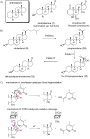

Archangelolide: A sesquiterpene lactone with immunobiological potential from Laserpitium archangelica
Beilstein J. Org. Chem. 2019, 15, 1933–1944, doi:10.3762/bjoc.15.189
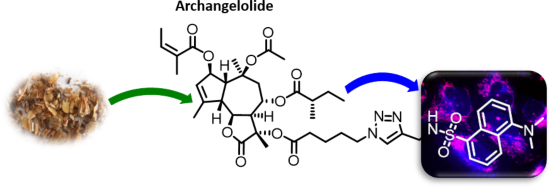
- biological effects. In plants, they are synthesized, among others, for pesticidal and antimicrobial effects. Two such compounds, archangelolide and trilobolide of the guaianolide type, are structurally similar to the well-known and clinically tested lactone thapsigargin. While trilobolide has already been


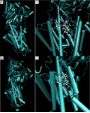


N-(1-Phenylethyl)aziridine-2-carboxylate esters in the synthesis of biologically relevant compounds
Beilstein J. Org. Chem. 2019, 15, 1722–1757, doi:10.3762/bjoc.15.168

- as components of a variety of plants and exhibit a wide range of biological properties including inhibition of glucosidases [102]. When the aziridine epoxide 162 was treated with acetic acid the aziridine ring cleavage was observed to give the epoxyaldehyde 178 (Scheme 45) [94]. Catalytic


Phylogenomic analyses and distribution of terpene synthases among Streptomyces
Beilstein J. Org. Chem. 2019, 15, 1181–1193, doi:10.3762/bjoc.15.115
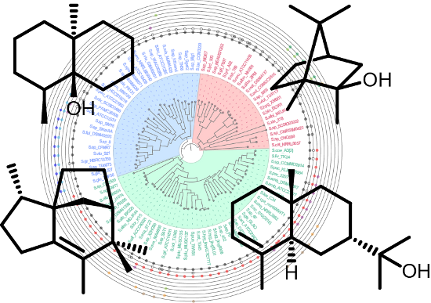
- depends on the precursors that these synthases can accommodate: geranyl diphosphate (monoterpenes, C10), farnesyl diphosphate (sesquiterpenes, C15) and geranylgeranyl diphosphate (diterpenes, C20). The biological function of terpenes is best studied for plants where they play important roles in
- played by terpenoids in plants [11]. However, although geosmin was discovered more than 50 years ago [14], its biological or ecological function still remains unclear. Streptomyces pactum KLBMP 5084 (the only species included in this study that does not carry geosmin synthases) is an endophytic plant
- evolution of terpenes synthases among Streptomyces species. It would be interesting in follow-up studies to assess the distribution and evolution of these genes among other bacteria, fungi, protists and plants. In addition, a deeper knowledge of the ecological function of terpenes in bacteria and in the

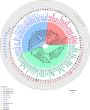


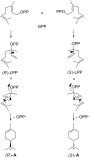
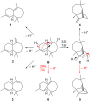
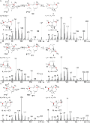
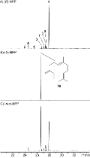
Mechanistic investigations on multiproduct β-himachalene synthase from Cryptosporangium arvum
Beilstein J. Org. Chem. 2019, 15, 1008–1019, doi:10.3762/bjoc.15.99
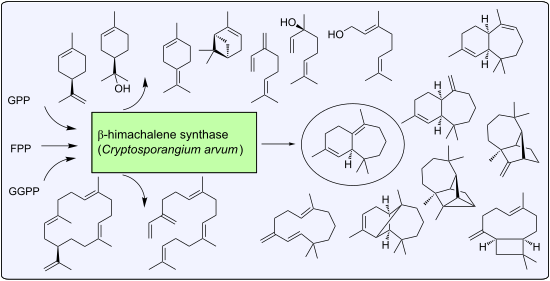
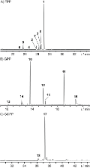
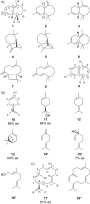
- occur frequently in plants [11]. Whether the reduced selectivity of TSs both for substrates and for products can be attributed to imperfect catalysis, or if this function is even beneficial for the producing organism, remains elusive in most cases. Also the structural basis of promiscuous catalysis by





Chemical structure of cichorinotoxin, a cyclic lipodepsipeptide that is produced by Pseudomonas cichorii and causes varnish spots on lettuce
Beilstein J. Org. Chem. 2019, 15, 299–309, doi:10.3762/bjoc.15.27
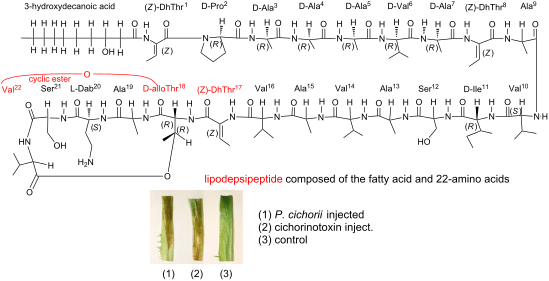
- Pseudomonas cichorii causes varnish spots on lettuce. Varnish spots, also called midrib rot or bacterial rot [1][2][3][4], are dark brown and can induce necrotic lesions [1][2][3][4][5][6][7]. P. cichorii, isolated by us, infects a wide range of host plants, including monocot and dicot species (e.g
- ., Asteraceae, Solanaceae, Apiaceae, and Liliaceae; 54 species in 17 families) [5], but necrotic lesions most commonly occur in lettuce plants and seriously hurt lettuce production in the highland areas of Japan (e.g., Nagano and Iwate prefectures) in the summer season [5]. Effective ways of inhibiting the





