


Search results
Search for "CM" in Full Text gives 1165 result(s) in Beilstein Journal of Organic Chemistry. Showing first 200.
Cycloaddition reactions of heterocyclic azides with 2-cyanoacetamidines as a new route to C,N-diheteroarylcarbamidines
Beilstein J. Org. Chem. 2024, 20, 17–24, doi:10.3762/bjoc.20.3
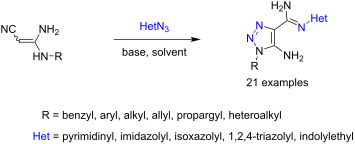
- , 135.7, 143.8, 152.3, 152.9, 157.3, 162.4; IR (ATR, KBr, cm−1): ν 3402, 3316, 3201, 1700, 1688, 1649, 1629, 1594, 1568, 1520, 1497, 1476, 1454, 1444, 1426, 1386, 1358, 1335, 1311, 1276, 1264, 1248, 1194, 1090, 1057, 1028; HRMS–ESI-TOF (m/z): [M + H]+ calcd for C16H19N8O2+, 355.1625; found: 355.1628. (Z
- , 174.5; IR (ATR, KBr, cm−1): ν 3400, 3359, 3255, 1625, 1602, 1563, 1554, 1508, 1495, 1483, 1455, 1436, 1425, 1402, 1385, 1356, 1332, 1319, 1303, 1283, 1257, 1215, 1151, 1095, 1067, 1053, 1035, 1011; HRMS–ESI-TOF (m/z): [M + H]+ calcd for C13H14N7S+, 300.1026; found, 300.1031. X-ray structure



1-Butyl-3-methylimidazolium tetrafluoroborate as suitable solvent for BF3: the case of alkyne hydration. Chemistry vs electrochemistry
Beilstein J. Org. Chem. 2023, 19, 1966–1981, doi:10.3762/bjoc.19.147
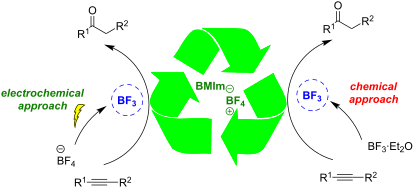
- porous glass plug; Pt spirals (apparent area 0.8 cm2) were used as anode and cathode. 2.0 mL of BMIm-BF4 and the magnetic stirring bar were put in the anodic compartment (test tube, h = 10.5 cm, d = 1.7 cm), and 1.0 mL of the same IL in the cathodic one. Electrolyses were performed at constant current (I


Aldiminium and 1,2,3-triazolium dithiocarboxylate zwitterions derived from cyclic (alkyl)(amino) and mesoionic carbenes
Beilstein J. Org. Chem. 2023, 19, 1947–1956, doi:10.3762/bjoc.19.145
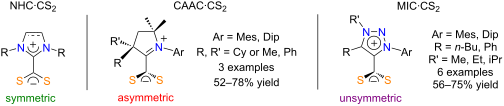
- to the asymmetric stretching of the CS2 group (Table 2). This band was observed at wavenumbers ranging from 1037 to 1050 cm−1, down from 1052–1080 cm−1 for common imidazol(in)ium-2-dithiocarboxylate inner salts bearing aliphatic or aromatic substituents on their nitrogen atoms [40]. This shift to
- stretching vibration of the S=C–S− group, another strong absorption was clearly visible in the IR spectra of CAAC·CS2 betaines 4a–c. This second most intense band was observed around 1550 cm−1 (Table 2). It probably originated from the asymmetric stretching of the aldiminium group, in line with similar high
- intensity bands previously observed at ca. 1528 and 1477 cm−1, respectively, in the IR spectra of imidazolinium and imidazolium inner salts [40]. Contrastingly, no remarkable absorption was detected in the IR spectra of triazolium derivatives 6a–f for the CNN or NNN motifs. Yet, in all the cases, medium


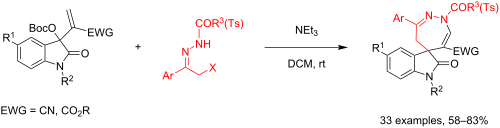
Construction of diazepine-containing spiroindolines via annulation reaction of α-halogenated N-acylhydrazones and isatin-derived MBH carbonates
Beilstein J. Org. Chem. 2023, 19, 1923–1932, doi:10.3762/bjoc.19.143
- , 125.5, 117.4, 109.9, 95.0, 52.3, 44.4, 37.0, 20.9 ppm; IR (KBr) ν: 2960, 2936, 2870, 2211, 1717, 1626, 1498, 1445, 1367, 1268, 1193, 1112, 1090, 1009, 903, 868, 815 cm−1; HRMS–ESI TOF (m/z): [M + Na]+ calcd for C34H26N4O2Na, 545.1956; found, 545.1948. General procedure for the preparation of
- , 127.5, 127.0, 124.4, 111.6, 110.4, 52.2, 51.1, 44.4, 36.8 ppm; IR (KBr) ν: 2924, 2853, 1721, 1608, 1484, 1456, 1430, 1340, 1170, 812 cm−1; HRMS–ESI TOF (m/z): [M + H]+ calcd for C34H27ClN3O4, 576.1685; found, 576.1683. General procedure for the preparation of dihydrospiro[indoline-3,5'-[1,2]diazepines
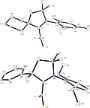
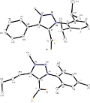
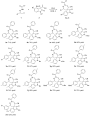
- cm−1; HRMS–ESI TOF (m/z): [M + Na]+ calcd for C34H28ClN4O3SNa, 595.1774; found, 595.1765. The crystallographic data of compound 7a (CCDC 2280223) have been deposited at the Cambridge Crystallographic Database Centre. Single crystal structure of the spiro compound 7a. Representative [4 + 3




Beyond n-dopants for organic semiconductors: use of bibenzo[d]imidazoles in UV-promoted dehalogenation reactions of organic halides
Beilstein J. Org. Chem. 2023, 19, 1912–1922, doi:10.3762/bjoc.19.142
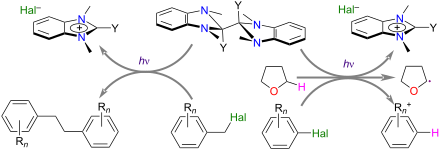
- in THF are ca. 420 and 43 M−1 cm−1, respectively. Figure 3a and b show the absorption spectra of the two dimeric reductants in THF (see Supporting Information File 1, Figure S6 for data in toluene). (N-DMBI)2 shows a strong absorption feature with a maximum at 304 nm (εmax = 28000 M−1 cm−1) and a
- weak shoulder at ca. 400 nm (ε400 ≈ 150 M−1 cm−1), whereas (Cyc-DMBI)2 exhibits only a strong feature with a maximum at 327 nm (εmax = 13000 M−1 cm−1). TD-DFT calculations (M06/6-31G(d,p), isolated molecules) qualitatively reproduce the different behavior of the two dimers: for (Cyc-DMBI)2 the S0→S1


Aromatic systems with two and three pyridine-2,6-dicarbazolyl-3,5-dicarbonitrile fragments as electron-transporting organic semiconductors exhibiting long-lived emissions
Beilstein J. Org. Chem. 2023, 19, 1867–1880, doi:10.3762/bjoc.19.139
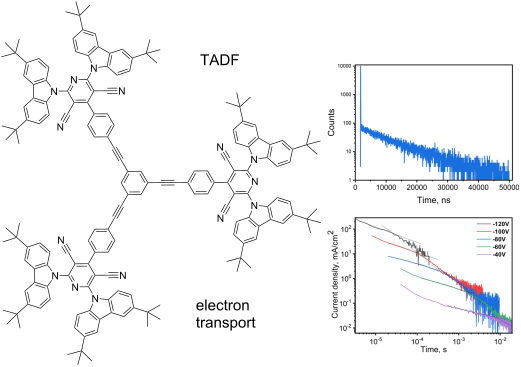
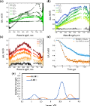
- dependence parameter (β) of 0.013 V/cm. This parameter was obtained by fitting according to the formula of Poole–Frenkel-type mobility (). Compound 7 is characterized by both good electron injecting and electron-transporting properties due to its EAPE of 3.45 eV and electron mobility reaching 5.7 × 10⁻⁶ cm2
- /V∙s at the electric field of 8.1 × 10⁵ V/cm (Figure 8). Conclusion Synthetically convenient protocols for the preparation of sophisticated pyridine-3,5-carbonitriles containing carbazole substituents in positions 2 and 6 were developed starting with 4-bromobenzaldehyde. The compounds were found to
- , a negative voltage of 300 V was applied to the sample substrate, promoting electron emission from the surface. The photoelectron emission spectra were recorded using a Spectral Products© 30 W deep UV deuterium light source (180–400 nm) ASBN-D130-CM, coupled with the CM110 1/8 m monochromator, which


GlAIcomics: a deep neural network classifier for spectroscopy-augmented mass spectrometric glycans data
Beilstein J. Org. Chem. 2023, 19, 1825–1831, doi:10.3762/bjoc.19.134
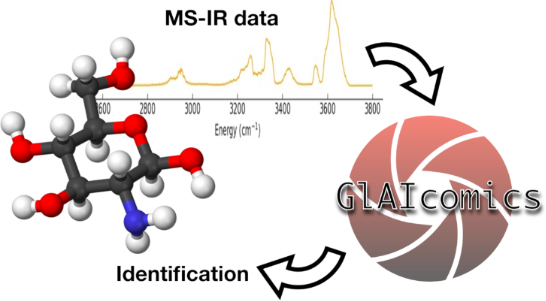
- a change in binning. To take this into account, data were binned with downgraded resolution then re-binned with 1 cm−1 step. The down sampling factor was randomly picked in a range from 1 to 5. Small variations of the calibration of the laser wavenumber may occur from day to day, leading to a shift
- of few wavenumbers of the vibrational spectrum. This was simulated with a maximum random shift per spectrum of ±10 cm−1. Finally, the synthetic spectra were normalized by z-score and interpolated over 1200 bins in the 2600–3800 cm−1 spectral range (1 cm−1 step) as input vector for the neural network
- ; wavenumber shift: +9 cm−1. The orange trace corresponds to a low-resolution exogeneous GlcN spectrum from dataset 2. Model accuracy dependance with experimental conditions, represented by the dataset augmentation parameters. DNN Prediction results for third endogenous dataset (5 hexosamine samples and 7


A novel recyclable organocatalyst for the gram-scale enantioselective synthesis of (S)-baclofen
Beilstein J. Org. Chem. 2023, 19, 1811–1824, doi:10.3762/bjoc.19.133

- further purifications. TLC (SiO2; DCM/MeOH/25% NH4OH(aq) 10:1:0.01, Rf 0.22); mp 158–160 °C; −51.8 (c 1.00, DMSO); IR (cm−1) νmax: 2957, 2923, 2853, 1664, 1620, 1609, 1560, 1508, 1437, 1378, 1331, 1277, 1201, 1175, 1126, 1021, 930, 884, 832, 799, 719, 700, 679, 620, 550, 521, 414; 1H NMR (500 MHz, MeOH
- was dissolved in a small amount of dichloromethane (1 mL) and added dropwise to acetonitrile (100 mL) to precipitate the product as an off-white solid (698 mg, 58%). TLC (SiO2, DCM/MeOH 20:1, Rf 0.35); mp 68–69 °C; +14.1 (c 1.00, CHCl3); IR (cm−1) νmax: 3267, 2916, 2850, 1792, 1689, 1622, 1604, 1587
- (SiO2, hexane/acetone 1:3, Rf 0.85); mp 61–69 °C; −5.7 (c 1.00, CHCl3); IR (cm−1) νmax 2941, 2860, 1780, 1744, 1709, 1637, 1553, 1493, 1448, 1433, 1416, 1367, 1339, 1299, 1272, 1223, 1184, 1133, 1091, 1068, 1036, 1014, 998, 976, 956, 912, 49, 825, 783, 743, 718, 679, 654, 530, 425; 1H NMR (500 MHz


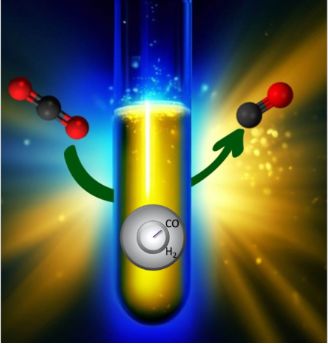
Selectivity control towards CO versus H2 for photo-driven CO2 reduction with a novel Co(II) catalyst
Beilstein J. Org. Chem. 2023, 19, 1766–1775, doi:10.3762/bjoc.19.129
- associated with this absorption centered at 615 nm possess a low molar extinction coefficient (ε ≈ 220 cm−1 M−1, inset in Figure 3). Infrared (IR) spectroscopy was performed via attenuated total reflectance (ATR) and showed the characteristic stretching vibration of the NCS groups at 2069 cm−1 (Figure S3 in
- removed under reduced pressure and the crude product was washed with cold MeOH and Et2O, obtaining a lilac precipitate (82 mg, 0.11 mmol, 60%). Paramagnetic properties were estimated by the Evans method [56] in acetonitrile and resulted in three unpaired electrons. ATR–IR (cm−1) ν: 3109, 3027, 2065, 1606


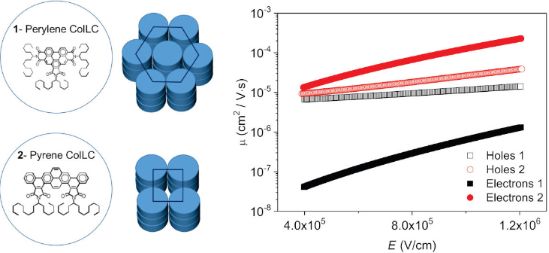
Charge carrier transport in perylene-based and pyrene-based columnar liquid crystals
Beilstein J. Org. Chem. 2023, 19, 1755–1765, doi:10.3762/bjoc.19.128
- given in Table 1. Raman spectra of both compounds were acquired off-resonance (Figure 1). Compound 1 presents the main peak at 1609 cm−1 assigned to C=C stretching from the chromophore, a peak of intermediate intensity at 1292 cm−1 assigned to C–H bending and ring stretching, and a less intense peak at
- 1712 cm−1 which corresponds to C=O stretching [27]. The pair at 1390 and 1417 cm−1 is attributed to perylene ring stretching [28]. As observed for bis(phenethylimido)perylene (PhPTCD) [29] only a small number of peaks is observed. In contrast, compound 2 presents a larger number of peaks, with the
- spectrum being dominated by the peak at 1338 cm−1 (C–N stretching). The peak at 1272 (C–H bending and ring stretching), and the pair of peaks at 1586 and 1624 cm−1 are assigned to the C=C stretching mode [30]. Less intense peaks can be observed at 1186 (C–H bending), 1512 (perylene ring stretching), and


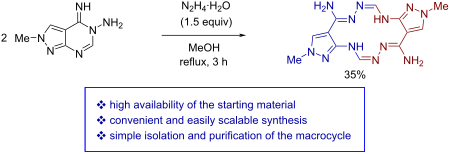
Unprecedented synthesis of a 14-membered hexaazamacrocycle
Beilstein J. Org. Chem. 2023, 19, 1728–1740, doi:10.3762/bjoc.19.126
- heating rate) [lit [40] mp 269–270 °C (MeOH)]; IR (KBr, cm−1) ν: 3423 (br s), 3365 (s), 3307 (br s), 3182 (br s), 1626 (sh), 1596 (vs), 1555 (s), 1547 (sh), 1242 (s), 1164 (s), 965 (s); 1H NMR (600.13 MHz, DMSO-d6) δ 11.82 (d, 3J = 11.2 Hz, 2Н, two NH), 8.01 (q, 4J = 0.5 Hz, 2Н, H-3 and H-11), 7.47 (d, 3J
- white solid which was used in the next step. IR (KBr, cm–1) ν: 3294 (m), 3251 (s), 3157 (m), 3130 (s), 1662 (vs), 1583 (s), 1552 (m), 1228 (s), 1155 (m), 961 (s), 853 (s), 764 (s); 1H NMR (600.13 MHz, DMSO-d6) δ 8.25 (unresolved q, 1Н, H-3), 7.87 (s, 1Н, H-6), 7.61 (very br s, 1H, C=NH), 5.40 (br s, 2Н
- , washed with ice-cold H2O, and dried to give compound 10 (0.104 g, 28%) as a light pink solid. Mp 204.5–206 °C (water); IR (KBr, cm–1) ν: 3414 (br vs), 3315 (br vs), 3200 (br s), 3143 (s), 3094 (s), 1721 (w), 1647 (w), 1605 (vs), 1538 (s), 1517 (s), 1407 (s), 1216 (m), 1131 (s), 962 (s), 860 (s), 738 (s


Effects of the aldehyde-derived ring substituent on the properties of two new bioinspired trimethoxybenzoylhydrazones: methyl vs nitro groups
Beilstein J. Org. Chem. 2023, 19, 1713–1727, doi:10.3762/bjoc.19.125
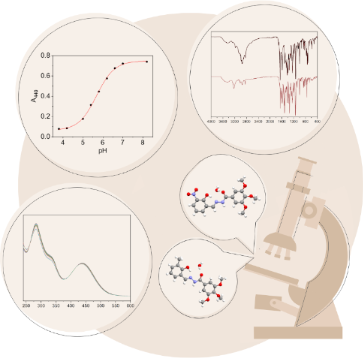
- – and B3LYP/6-311G(d,p)/IEFPCM – water – for hdz-CH3 and hdz-NO2 and fitted very well with the respective experimental data, especially in the lower-frequencies region, i.e., below 2000 cm−1 (Figure 4 and Tables S3 and S4 in Supporting Information File 1). It is worth noting that the assignments of
- modes, theoretical results indicate that the frequency in hdz-CH3 (3407 cm−1) is higher than that in hdz-NO2 (3326 cm−1), suggesting a lower bond force constant in the latter. Differences were observed in the hydroxy bending vibrations as well, and those were perfectly observable in the spectra: δip(C–O
- –H) and δoop(O–H) modes were assigned, respectively, at 1376 and 720 cm−1 for hdz-CH3, and at 1359 and 747 cm−1 for hdz-NO2. Interestingly, DFT showed that, while these vibrations are “clean” in hdz-CH3, they were coupled with NBA ring movements in hdz-NO2. Therefore, the IR results confirm the




A deep-red fluorophore based on naphthothiadiazole as emitter with hybridized local and charge transfer and ambipolar transporting properties for electroluminescent devices
Beilstein J. Org. Chem. 2023, 19, 1664–1676, doi:10.3762/bjoc.19.122
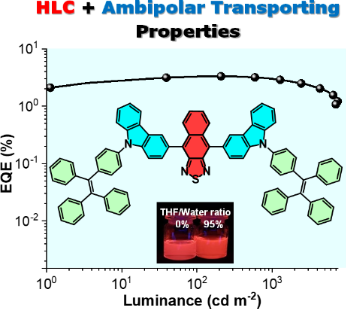
- intramolecular charge-transfer (ICT) transition from carbazole donor to Nz acceptor, respectively. Such weak ICT absorption peak (ε = 17,000 M−1 cm−1) as compared to the π–π* absorption peak (ε = 95,300 M−1 cm−1) symbolizes a weak electronic coupling between the carbazole donor and the Nz acceptor parts because
- explained as the Poole–Frenkel effect obeying the relationship, log µ ∝ E1/2 [59]. The measured mobilities of the holes (μh) and electrons (μe) of TPECNz thin film at 950 (V cm−1)1/2 electric field were 4.42 × 10⁻⁶ and 1.50 × 10⁻⁵ cm2 V−1 s−1, respectively. This result suggested that TPECNz was an ambipolar
- substrate with a sheet resistance of 12 Ω sq−1 was pre-cleaned carefully and cured with UV/O3 for 20 min. The OLED with an active diode area of 0.04 cm−2 was fabricated using a Kurt J. Lasker mini SPECTROS 100 thin film deposition system under vacuum conditions with a base pressure lower than 1 × 10⁻⁵ bar


A series of perylene diimide cathode interlayer materials for green solvent processing in conventional organic photovoltaics
Beilstein J. Org. Chem. 2023, 19, 1620–1629, doi:10.3762/bjoc.19.119
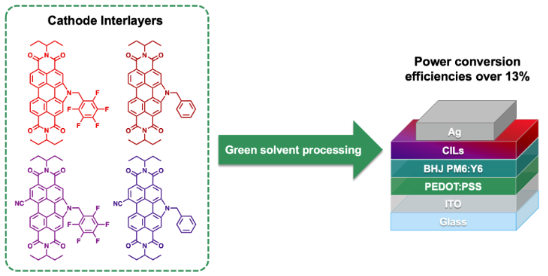
- (see Supporting Information File 1, Figures S18–S25), where PDIN-FB has the highest ε at 85,238 M−1 cm−1, CN-PDIN-FB the second highest ε at 78,119 M−1 cm−1, PDIN-B the third highest ε at 74,489 M−1 cm−1, and CN-PDIN-B the lowest ε at 59,485 M−1 cm−1. In terms of film spectra, all four materials were


Sulfur-containing spiroketals from Breynia disticha and evaluations of their anti-inflammatory effect
Beilstein J. Org. Chem. 2023, 19, 1604–1614, doi:10.3762/bjoc.19.117
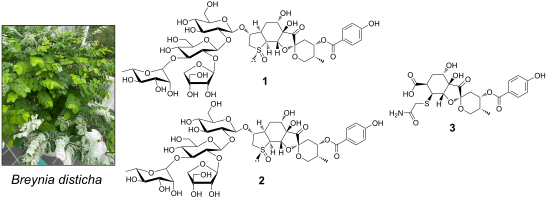
- formula of C45H64O28SNa (calcd 1107.3197). The IR spectrum showed absorption peaks corresponding to hydroxy groups (νmax = 3414 cm−1) and carbonyl groups (νmax = 1782 and 1695 cm−1). The 1H NMR signals (Table 1) were characteristic of a breynogenin moiety, namely, a methyl group [δH 0.92 (d, J = 6.9 Hz
- compound 4 (1.2 mg). Breynin J (1): amorphous, colorless powder. [α]D22 −8.0 (c 0.05, MeOH); UV λmax (MeOH) nm (log ε): 257 (4.09); IR (KBr) cm−1: 3414, 2969, 2936, 2888, 1782, 1695, 1609, 1516, 1456, 1395, 1348, 1314, 1279, 1167, 1117, 1078, 1036, 854, 831, 773, 741, 700, 667, 619, 550, 511, 471; 1H and
- 13C NMR data, see Table 1 and Table 2. HRESIMS (m/z): [M + Na]+ calcd for C45H64O28SNa, 1107.3197; found, 1107.3177 . Epibreynin J (2): amorphous, colorless powder. [α]D22 −45.2 (c 0.05, MeOH); UV λmax (MeOH) nm (log ε): 257 (4.08); IR (KBr) cm−1: 3404, 2969, 2936, 2888, 1734, 1694, 1609, 1516, 1346



Secondary metabolites of Diaporthe cameroonensis, isolated from the Cameroonian medicinal plant Trema guineensis
Beilstein J. Org. Chem. 2023, 19, 1555–1561, doi:10.3762/bjoc.19.112
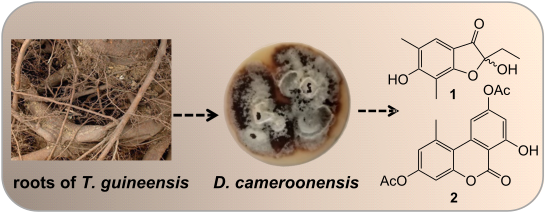
- . Experimental General experimental procedures Column chromatography (60.4 cm length × 5.5 cm inner diameter) was carried out on silica gel 230–400 mesh (Merck). Analytical TLC was performed on Merck pre-coated silica gel 60 F254 plates, and spots were detected using ceric sulfate spray reagent and/or diluted


Functions of enzyme domains in 2-methylisoborneol biosynthesis and enzymatic synthesis of non-natural analogs
Beilstein J. Org. Chem. 2023, 19, 1452–1459, doi:10.3762/bjoc.19.104
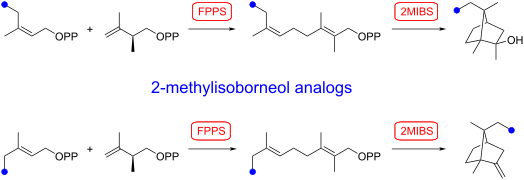
- were recorded on a Modular Compact Polarimeter MCP 100 (Anton Paar, Graz, Austria). The temperature setting was 20 °C, the wavelength of the light used was 589 nm (sodium D line), the path-length was 10 cm, and compound concentrations c are given in g 100 mL−1. Synthesis of 2-Me-GPP To an Et2O (10 mL


Consecutive four-component synthesis of trisubstituted 3-iodoindoles by an alkynylation–cyclization–iodination–alkylation sequence
Beilstein J. Org. Chem. 2023, 19, 1379–1385, doi:10.3762/bjoc.19.99
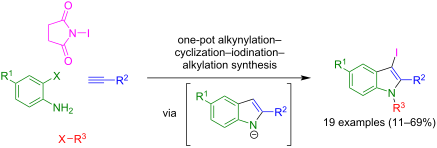
- absorption maximum of indole derivative 8b appears at 309 nm with an absorption coefficient ε = 10700 M−1 cm−1 and the emission maximum is found at 423 nm with a Stokes shift of 8700 cm−1 (Figure 1A). Moreover, compound 8b emits intensively blue in both the solid state and solution (Figure 1B). Conclusion In
- ), 7.23–7.26 (m, 1H), 7.46–7.54 (m, 5H); 13C NMR (150 MHz, CDCl3) δ 1.9 (Cquat), 32.4 (CH3), 106.7 (CH), 110.8 (CH), 111.5 (CH), 128.6 (Cquat), 129.3, 130.9, 131.5 (Cquat), 134.5 (Cquat), 143.5 (Cquat), 160.0 (Cquat); IR (cm−1) ν̃: 604 (w), 619 (w), 662 (w), 689 (s), 733 (m), 756 (s), 789 (m), 860 (w
- ), 128.5 (CH), 128.6 (CH), 129.1 (CH), 130.5 (Cquat), 131.0 (CH), 131.4 (Cquat), 131.7 (CH), 137.6 (Cquat), 142.9 (Cquat); IR (cm−1) ν̃: 611 (m), 621 (w), 664 (w), 679 (m), 691 (s), 702 (s), 754 (s), 787 (m), 806 (s), 870 (w), 916 (w), 970 (w), 1022 (w), 1069 (w), 1103 (w), 1148 (w), 1179 (w), 1209 (w




Organic thermally activated delayed fluorescence material with strained benzoguanidine donor
Beilstein J. Org. Chem. 2023, 19, 1289–1298, doi:10.3762/bjoc.19.95
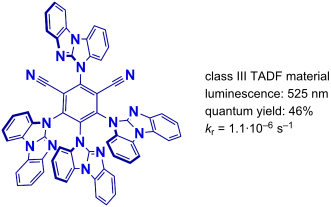
- vibronically resolved carbazole absorption peaks which are commonly present at 325 nm [15]. Similar to 4CzIPN [14][15], the UV–vis profile has two broad regions: localized charge transfer (loCT) over 320–380 nm region with ε up to 14000 M−1 cm−1 and a delocalized charge transfer (deCT) broad shoulder over the
- region of ca. 380–460 nm with ε up to 1900 M−1 cm−1 (Table 2). Both loCT and deCT bands are observed for the benchmark material 4CzIPN [16] while originating from HOMO to LUMO transition in line with the theoretical calculations (Tables S1, S3, and S4, Supporting Information File 1). All CT bands
- (4) Å, b = 15.2552(3) Å, c = 20.8314(6) Å, β = 114.583(3)°, V = 5034.6(2) Å3, Z = 4, dcalc = 1.252 g cm−3, μ = 0.623 mm−1, yellow block, 33714 reflections measured (4.664° ≤ 2Θ ≤ 152.79°), 17837 unique (Rint = 0.0314, Rsigma = 0.0512) which were used in all calculations. The final R1 was 0.0462 (I


Selective construction of dispiro[indoline-3,2'-quinoline-3',3''-indoline] and dispiro[indoline-3,2'-pyrrole-3',3''-indoline] via three-component reaction
Beilstein J. Org. Chem. 2023, 19, 1234–1242, doi:10.3762/bjoc.19.91
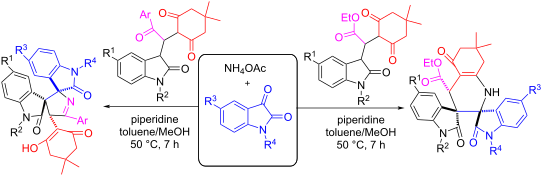
- , 127.9, 127.5, 127.5, 127.1, 127.1, 127.0, 126.2, 125.9, 125.6, 124.9, 110.9, 110.3, 102.3, 62.3, 60.3, 50.0, 49.4, 44.4, 44.2, 42.5, 42.4, 32.9, 29.0, 27.6, 13.5 ppm; IR (KBr) ν: 3504, 3024, 3010, 2995, 2985, 1847, 1711, 1603, 1517, 1400, 1299, 1250, 1053, 953, 841 cm−1; HRMS (ESI-TOF): [M + Na]+ calcd
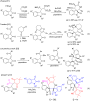
- , 1526, 1545, 1368, 1285, 1145, 1025, 956, 882 cm−1; HRMS (ESI-TOF): [M + H]+ calcd. for C48H44ClN3O5, 760.2937; found, 760.2921. Crystal structure of dispiro compound 3a. Crystal structure of compound 4a. Representative cascade reactions of Michael adducts of 3-methyleneoxindoles. Proposed reaction



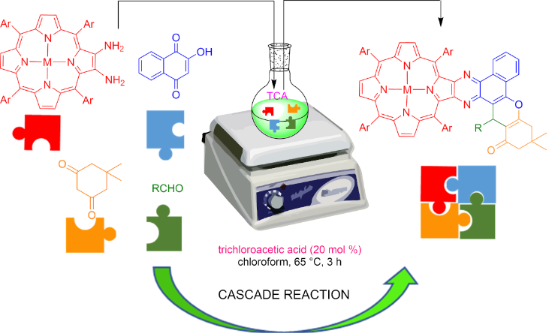
Unravelling a trichloroacetic acid-catalyzed cascade access to benzo[f]chromeno[2,3-h]quinoxalinoporphyrins
Beilstein J. Org. Chem. 2023, 19, 1216–1224, doi:10.3762/bjoc.19.89
- reported in hertz (Hz). Infrared (IR) spectra of the synthesized compounds were recorded in film or KBr on Perkin Elmer IR spectrometer and absorption maxima (υmax) are given in cm−1. UV–vis absorption and fluorescence spectra were recorded on an Analytik Jena’s Specord 250 UV–vis spectrophotometer and a


Selective and scalable oxygenation of heteroatoms using the elements of nature: air, water, and light
Beilstein J. Org. Chem. 2023, 19, 1146–1154, doi:10.3762/bjoc.19.82
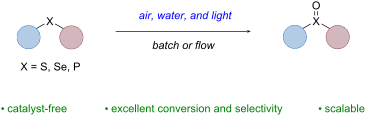
- electrochemistry, the electron transfer occurs locally at the surface of the physical electrodes (typically located at a distance in the range of 200 μm to 2 cm) on which a potential is induced by an external potentiostat (Scheme 2). While for photoredox chemistry, the light-activated semiconductor catalyst
- = 365 nm, 96 W) at a distance of 0.5 cm from the reactor wall. In contrary with what has been reported previously for the catalyst-free oxidation under blue light irradiation [28], the reaction occurs also using water as the solvent (Table 1, entry 2). Running the reaction without adding extra water
- photocatalyst. Substrate scope with reaction times and isolated yields. 1 mmol (1 equiv) substrate was reacted in a 5 mL solution of CH3CN/H2O 8:2 (v:v). The reaction mixture was irradiated with a 365 nm 96 W lamp at a distance of 5 cm from the reactor. Oxygen was bubbled through the solution. a10 mL solution





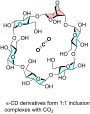
CO2 complexation with cyclodextrins
Beilstein J. Org. Chem. 2023, 19, 1021–1027, doi:10.3762/bjoc.19.78
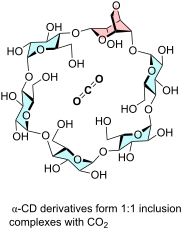
- characteristic water absorption at 3200–3600 cm−1 and the C=O band of CO2 at 2350 cm−1 during the both weigth losses but mainly CO2 at the first lump and predominantly water at the second loss. This also suggest a comparatively weak binding of the CO2. We determined the binding constant for CO2 to cyclodextrins


The unique reactivity of 5,6-unsubstituted 1,4-dihydropyridine in the Huisgen 1,4-diploar cycloaddition and formal [2 + 2] cycloaddition
Beilstein J. Org. Chem. 2023, 19, 982–990, doi:10.3762/bjoc.19.73
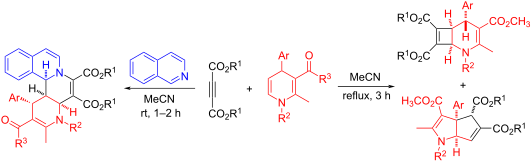
- , 3023, 2952, 2843, 1967, 1737, 1678, 1556, 1372, 1147, 1097, 1010, 957, 866, 759 cm−1; HRESIMS (m/z): [M + Na]+ calcd for C36H34NaN2O6, 613.2315; found, 613.2309. General procedure for the reaction of dialkyl acetylenedicarboxylate and 5,6-unsubstituted 1,4-dihydropyridine A mixture of dialkyl
- NMR (100 MHz, CDCl3) δ 169.3, 160.9, 160.7, 156.2, 152.0, 146.4, 144.5, 137.2, 136.1, 128.7, 128.5, 128.1, 127.9, 123.4, 101.1, 61.5, 61.4, 56.6, 53.8, 51.8, 51.0, 38.9, 17.3, 14.1, 14.1 ppm; IR (KBr) ν: 3746, 2983, 2945, 1729, 1651, 1557, 1434, 1347, 1251, 1129, 1088, 841, 732, 709 cm−1; HRESIMS (m/z
- , 1040, 914, 854, 769, 704 cm−1; HRESIMS (m/z): [M + Na]+ calcd for C29H30NaN2O8, 557.1894; found, 557.1891. Single crystal structure of the compound 4k. Single crystal structure of compound 5a. Single crystal structure of compound 6f. Various cycloaddition reactions of 5,6-unsymmetric 1,4


First synthesis of acylated nitrocyclopropanes
Beilstein J. Org. Chem. 2023, 19, 892–900, doi:10.3762/bjoc.19.67
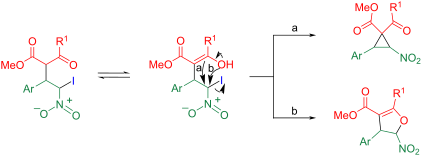
- ), 7.59 (t, J = 7.5 Hz, 1H), 7.96 (d, J = 7.8 Hz, 2H); 13C NMR (100 MHz, CDCl3) δ 13.5 (CH3), 21.1 (CH3), 36.5 (CH), 49.8 (C), 62.7 (CH2), 67.8 (CH), 127.5 (C), 128.2 (CH), 128.3 (CH), 129.1 (CH), 129.5 (CH), 134.1 (CH), 135.1 (C), 138.3 (C), 164.3 (C), 186.6 (C); IR (ATR): 1362, 1557, 1682, 1695 cm−1
- ), 21.1 (CH3), 57.0 (CH), 60.6 (CH2), 107.7 (C), 108.9 (CH), 127.0 (CH), 127.7 (C), 128.0 (CH), 129.9 (CH), 130.0 (CH), 134.9 (C), 138.3 (C), 162.7 (C), 163.5 (C); IR (ATR): 1371, 1572, 1697 cm−1; HRESIMS–TOF (m/z): [M + H]+ calcd for C14H15NO4, 354.1336; found, 354.1324. Ethyl 4-(4-methylphenyl)-5-nitro
- (C), 125.6 (C), 127.3 (C), 128.4 (CH), 128.7 (CH), 128.9 (CH), 129.2 (CH), 131.2 (CH), 139.3 (C), 154.9 (C), 162.5 (C), Two signals were lacked presumably due to overlapping. IR (ATR): 1359, 1593, 1730 cm−1; HRESIMS–TOF (m/z): [M + Na]+ calcd for C19H19NO6, 374.0999; found, 374.1000. Monitoring the





