Search results
Search for "hydrogen bonds" in Full Text gives 455 result(s) in Beilstein Journal of Organic Chemistry. Showing first 200.
Synthesis, docking study and biological evaluation of ᴅ-fructofuranosyl and ᴅ-tagatofuranosyl sulfones as potential inhibitors of the mycobacterial galactan synthesis targeting the galactofuranosyltransferase GlfT2
Beilstein J. Org. Chem. 2020, 16, 1853–1862, doi:10.3762/bjoc.16.152
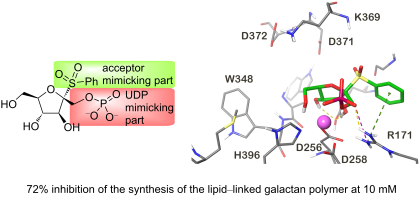
- –GlfT2 interactions are depicted as dashed lines (yellow – hydrogen bonds, magenta – salt bridge, green – cation/π interaction). The Mg2+ ion is shown as a purple sphere. TLC analysis of the effects of the target compounds at 500 μM on the production of lower lipid-linked galactan precursors. CON


Models of necessity
Beilstein J. Org. Chem. 2020, 16, 1649–1661, doi:10.3762/bjoc.16.137
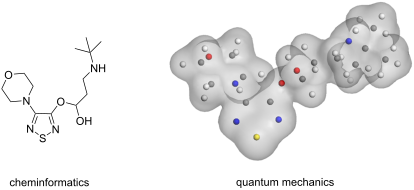
- interaction between halogens and nucleophiles as repulsive; whereas we now know that halogen-bonding attractions can be as strong as hydrogen bonds. There will be more such examples but it is important to identify the encompassing phenomenon, rather than defining a wealth of apparently unique interactions


Rearrangement of o-(pivaloylaminomethyl)benzaldehydes: an experimental and computational study
Beilstein J. Org. Chem. 2020, 16, 1636–1648, doi:10.3762/bjoc.16.136
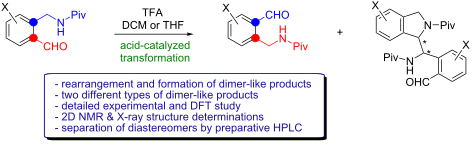
- , indicating the presence of strong hydrogen bonds also in solution. These data suggest that the structures of the predominating conformers should be similar in the solid and liquid phases. Furthermore, we have managed to detect NOE steric proximities between the aldehyde H atom and the H-C(7) (in compounds 3b


Five-component, one-pot synthesis of an electroactive rotaxane comprising a bisferrocene macrocycle
Beilstein J. Org. Chem. 2020, 16, 1564–1571, doi:10.3762/bjoc.16.128
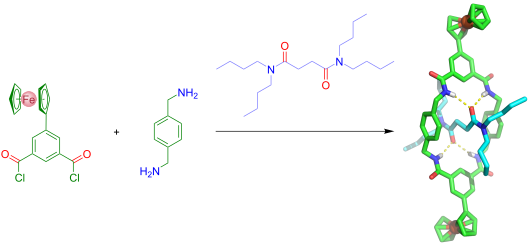
- ). The isolated material had low solubility, which is likely due to self-aggregation via complementary amide hydrogen bonds. This prompted us to use a thread with bulky stopper groups to prepare the corresponding rotaxane compounds, which would increase the solubility by the formation of intramolecular
- macrocycle-thread hydrogen bonds, thereby reducing self-aggregation. To this end, a five-component clipping strategy was adopted using different tetrabutylsuccinamide threads (Figure 2) with varying hydrogen-bond basicity (amides > esters) [4][15]. Threads containing an ester group were selected as esters
- macrocycle–thread hydrogen bonds, with the other two macrocycle amides forming hydrogen bonds with the competitive crystallization solvent DMF. In contrast, rotaxane 1a presented four thread–macrocycle hydrogen bonds (Figure 7 and Table 1). The strength of the hydrogen bonds could be estimated by the donor




Synthesis, antiinflammatory activity, and molecular docking studies of bisphosphonic esters as potential MMP-8 and MMP-9 inhibitors
Beilstein J. Org. Chem. 2020, 16, 1277–1287, doi:10.3762/bjoc.16.108
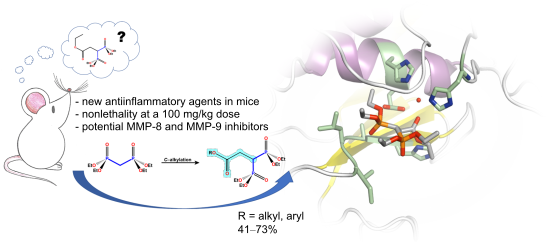
- kcal/mol; the observed energy values are shown in Table 7. Compound 3 displayed two hydrogen bonds. The first one was formed between a hydrogen atom of His162 with an oxygen atom from the ester moiety (the oxygen atom bound to the ethyl group of the phosphonate unit), with a calculated distance (O–H
- distance and an energy of −2.5 kcal/mol (Figure 4c). Compound 6 showed four hydrogen bonds that varied in force. Two were observed between an oxygen atom from an OEt moiety of a phosphonate group to amide hydrogen atoms localized between Ile159, Leu160, and Ala161 (Figure 4d). These interactions had energy
- values of −1.94 and −2.5 kcal/mol, which is regarded as characteristic for strong hydrogen bonds. The measured O–N distances had values of 3.15 and 2.67 Å. Another hydrogen-bond interaction was seen from an OEt moiety (from the phosphonate group coordinating the zinc ion), with a weak energy of −0.95


The charge-assisted hydrogen-bonded organic framework (CAHOF) self-assembled from the conjugated acid of tetrakis(4-aminophenyl)methane and 2,6-naphthalenedisulfonate as a new class of recyclable Brønsted acid catalysts
Beilstein J. Org. Chem. 2020, 16, 1124–1134, doi:10.3762/bjoc.16.99
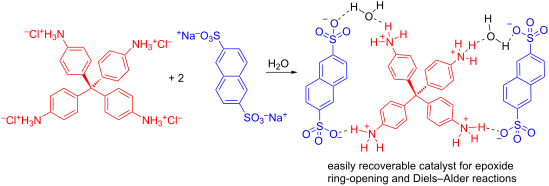
- , elemental analysis, and 1H NMR spectroscopy. The framework was supported by hydrogen bonds between the sulfonate anions and the ammonium cations of NDS and protonated TAPM moieties, respectively. The CAHOF material functioned as a new type of catalytically active Brønsted acid in a series of reactions
- developed [25][26][27][28][29][30][31][32][33][34][35][36]. Usually, a HOF is built from multitopic tectons that interact with their neighbors by directional hydrogen bonds, disfavoring close packing, and thus generating significant pore volumes within the crystal [25][26][27][28]. These heterogeneous
- parameters a = 20.6034(8) Å, b = 20.1330(8) Å, c = 22.4357(8) Å, β = 91.989(1)°, and cell volume = 9300.9(6) Å3 at 120 K. An asymmetric part of the unit cell contained two ammonium cations, four sulfonate anions, and nine water molecules, held together by numerous hydrogen bonds (Table S2, Supporting




Efficient synthesis of piperazinyl amides of 18β-glycyrrhetinic acid
Beilstein J. Org. Chem. 2020, 16, 798–808, doi:10.3762/bjoc.16.73
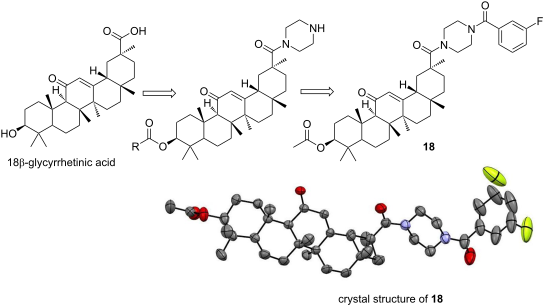
- agent [12]. Piperazinyl amide fragments have the ability to form several hydrogen bonds, modulate the acid–base equilibrium constant and change the octanol–water partition coefficient [13]. They are considered as the basic motif for designing many biologically active molecules [14][15]. Some piperazinyl


Synthesis of C70-fragment buckybowls bearing alkoxy substituents
Beilstein J. Org. Chem. 2020, 16, 681–690, doi:10.3762/bjoc.16.66
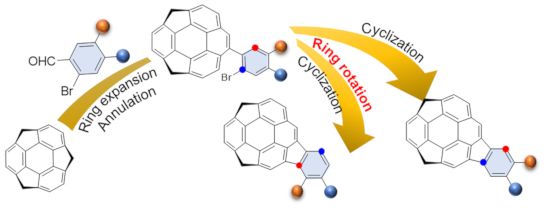
- possessed the same stacking direction (along the a axis) by CH∙∙∙π interactions (C16∙∙∙C23, C16∙∙∙C19, C29∙∙∙C3, C29∙∙∙C15), while connected to the columns with opposite stacking direction via CH∙∙∙O type weak hydrogen bonds (C13∙∙∙O1) along the c axis (Figure 2c). 5b also gave the mixture of the two
- stabilized by CH∙∙∙π interactions (C6∙∙∙C6: 3.77 Å, C9∙∙∙C9: 3.77 Å, C16∙∙∙C17: 3.51 Å) (Figure 4b). These columns were further connected to the neighboring columns by CH∙∙∙O type hydrogen bonds (C9∙∙∙O1: 3.32 Å) along the b axis and CH∙∙∙π interactions (C17∙∙∙C5: 3.60 Å) along the c axis (Figure 4c). In the
- hydrogen bonds (C37∙∙∙O1, C11∙∙∙O2, C40∙∙∙O4) (Figure 5c). Photophysical properties of the dialkoxides were investigated by UV–vis and emission spectroscopies (Figure 6). UV–vis spectra of 5a and 5b well reflected the electric property of 1, showing two strong bands observed at around 280–300 nm and 330


Architecture and synthesis of P,N-heterocyclic phosphine ligands
Beilstein J. Org. Chem. 2020, 16, 362–383, doi:10.3762/bjoc.16.35
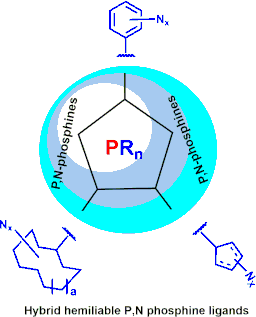
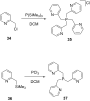
- applicability of the catalysts in two-phase homogeneous catalysis because it allows easy recycling [85] and separation from the reaction mixture [8]. Carbon–halogen bonds are more activated than carbon–hydrogen bonds and hence the halogen is more labile and preferentially displaced. Brill et al. [86] took
- attributed this to a stabilization of the NH proton by hydrogen bonds to the triazole nitrogen and methoxy oxygen atoms. The initial step in the synthesis of 120 is the enantioselective synthesis of the propargylamine 118 through the reaction of propargyl acetate 117 with the corresponding amine. This




Ultrasonic-assisted unusual four-component synthesis of 7-azolylamino-4,5,6,7-tetrahydroazolo[1,5-a]pyrimidines
Beilstein J. Org. Chem. 2020, 16, 281–289, doi:10.3762/bjoc.16.27
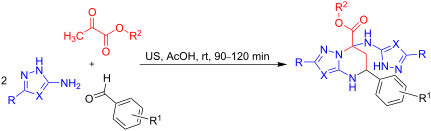
- , molecules 4g formed centrosymmetric dimers due to the N1–H···N4 intermolecular hydrogen bonds (1 x, 1 y, 2 z; H···N 2.22 Å, N–H···N 164°). The dimers were bound by a N6–H···O1 intermolecular hydrogen bond (x 1, y, z; H···O 2.16 Å, N–H···O 162°), forming chains along the [100] crystallographic direction


Synthesis of 4-(2-fluorophenyl)-7-methoxycoumarin: experimental and computational evidence for intramolecular and intermolecular C–F···H–C bonds
Beilstein J. Org. Chem. 2020, 16, 190–199, doi:10.3762/bjoc.16.22
- of biologically active compounds as it imparts a variety of properties such as enhanced binding interaction, metabolic stability, and reaction selectivity by changing physical and chemical properties [23][24][25][26]. Hydrogen bonds (HBs) are associated with highly electronegative atoms (oxygen
- activity of a molecule. Oxygen and nitrogen have been proven to be good hydrogen-bond acceptors which form strong intermolecular and intramolecular hydrogen bonds, however, fluorine is still denied hydrogen-bond acceptor status by some scientists. There is evidence of the existence of C–F···H interaction
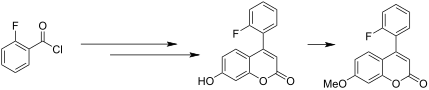
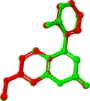
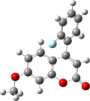
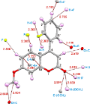
- aromatic triazole foldmers [37]. In their study, using crystallographic and DFT data, they concluded that their folded conformers are held by C–F···H–C hydrogen bonds. To further these studies, we have synthesized a fluorine-containing phenylcoumarin in order to study the fluorine-hydrogen bond. The



The use of isoxazoline and isoxazole scaffolding in the design of novel thiourea and amide liquid-crystalline compounds
Beilstein J. Org. Chem. 2020, 16, 175–184, doi:10.3762/bjoc.16.20
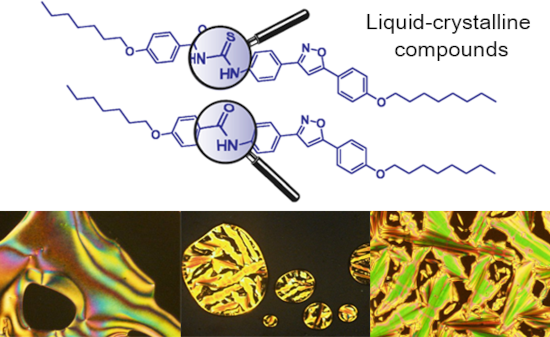
- the thiourea moiety, there is only one recent report, in which some derivatives of N-benzoyl-N’-arylthiourea with liquid crystalline properties have been investigated [14]. One aspect that compounds forming hydrogen bonds, such as ureas, thioureas, amides etc. for the use in electronic devices is the
- ability to establish intra- and intermolecular hydrogen bonds [11]. In addition to π–π, dipole–dipole and van der Waals interactions, hydrogen bond interactions are involved in gel formation through self-aggregation of the small gelator molecules. In recent years, there has been increased interest in the
- containing isoxazoline rings 17a–c and isoxazoles 18a–c, as well as LCs amides 19–22 and 24. All compounds listed in Table 1 are capable of self-organization by hydrogen bonds, either in their solid state or in solution. Solubility in protic or aprotic polar solvent is restricted at room temperature. However



The interaction between cucurbit[8]uril and baicalein and the effect on baicalein properties
Beilstein J. Org. Chem. 2020, 16, 71–77, doi:10.3762/bjoc.16.9
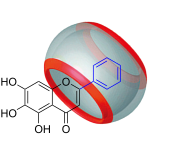
- [8] fare forming hydrogen bonds, the cycle B and and a part of cycle C of baicalin inserted into the cavity of the Q[8]. This may be attributed to chrysin containing one hydroxy group less than baicalein, which reduced the hydrophilicity of cycle A, making it enter into the hydrophobic cavity of Q[8


Photocontrolled DNA minor groove interactions of imidazole/pyrrole polyamides
Beilstein J. Org. Chem. 2020, 16, 60–70, doi:10.3762/bjoc.16.8
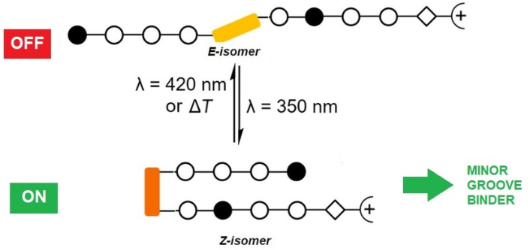
- acted as a building block inducing a reverse turn, which favored hydrogen bonds between the pyrrole/imidazole amide and the DNA bases. In contrast, the E-configured polyamides did not induce any ICD characteristic for minor groove binding. The incorporation of the photoswitchable azobenzene unit is a
- DNA double strand is stabilized by additional hydrogen bonds between ligand and oligonucleotide, and hence the melting temperature is expected to increase. This effect is of particular interest when considering the sequence selectivity of the polyamides, which should therefore also be reflected in a
- of the DNA duplex in the presence of the corresponding PA. In general, the more energy needed to break the hydrogen bonds between the single strands of the duplex and the stacking interactions of the bases, the higher the melting temperature. Hence, it also increases with higher GC content. The



Influence of the cis/trans configuration on the supramolecular aggregation of aryltriazoles
Beilstein J. Org. Chem. 2019, 15, 2881–2888, doi:10.3762/bjoc.15.282
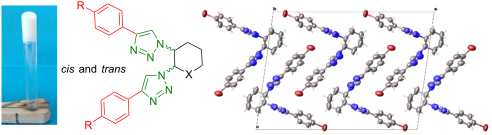
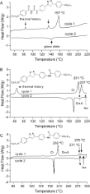
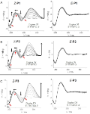
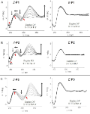
- hydroxymethyl group in position 6 in the gg rotamer, likely linked through hydrogen bonds. Electronic circular dichroism (ECD) is a powerful technique to study supramolecular systems [20][21], since many interactions responsible for the presence of CD Cotton effects occur through space, such as the well-known
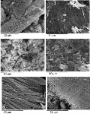
- . In addition, compound 10 (cis), with free hydroxy groups, formed hydrogen bonds between the hydroxymethyl groups in position 6 and DMSO molecules while in a gg rotamer conformation. The different types of EDC spectra obtained for compound 10 in solution (exciton) and in gel (non-exciton), using DMSO





Preparation of anthracene-based tetraperimidine hexafluorophosphate and selective recognition of chromium(III) ions
Beilstein J. Org. Chem. 2019, 15, 2847–2855, doi:10.3762/bjoc.15.278
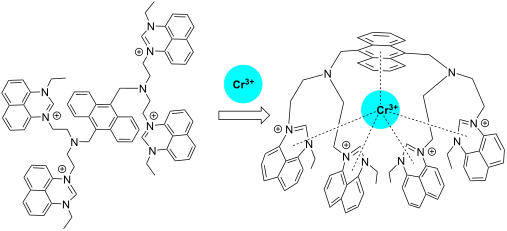
- hydrogen bonds, namely C(3)–H(3A)···F(2) and C(17)–H(17A)···F(2) interactions (Supporting Information File 1, Figure S1b). Chemosensing of cations by 3 Compound 3 was employed as a host to study its ability to detect some cations through fluorescence and UV titrations in CH3CN/DMSO, 9:1, v/v at room


Palladium-catalyzed synthesis and nucleotide pyrophosphatase inhibition of benzo[4,5]furo[3,2-b]indoles
Beilstein J. Org. Chem. 2019, 15, 2830–2839, doi:10.3762/bjoc.15.276
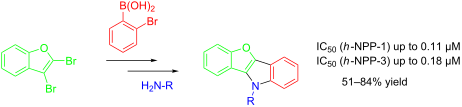
- methoxy group, located on the phenyl ring of compound 5e, were engaged in carbon–hydrogen bonds with Asp225 and Glu400, as depicted in Figure 5b. However, phenyl rings of both indole and benzofuran scaffolds were inclined towards Leu239 and His329, respectively. When compound 5h was taken into account, it


Anion-driven encapsulation of cationic guests inside pyridine[4]arene dimers
Beilstein J. Org. Chem. 2019, 15, 2486–2492, doi:10.3762/bjoc.15.241
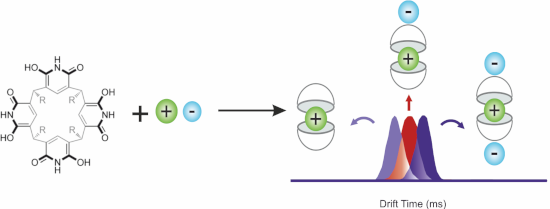
- "through-wall" electrostatic interactions. Results and Discussion We have previously shown that tetraisobutylpyridine[4]arene forms hydrogen-bonded dimers with eight intermolecular N–H···O(amide) hydrogen bonds in the solid state, in solution and in the gas phase [11]. Resorcinarene capsules of similar
- intermolecular hydrogen bonds of the dimer. Smaller quaternary cations Me4N+ and Et4N+ were observed to form 1:1 and 2:1 host–guest complexes. With Me4N+, [12 + Me4N]+ was observed in the positive mode, and ions [1 − 2H + Me4N]− and [12 − 2H + Me4N]− in the negative mode (Figure 1). Complexation of Et4N+ was
- dispersion correction (hydrogen bond lengths are listed in Table S2, Supporting Information File 1). This is expected, because the standard hybrid functionals are able to describe strong hydrogen bonds such as NH···O and OH···O in a reasonable manner [31][32]. Due to the encapsulated guest molecule, the [12




Ultrafast processes triggered by one- and two-photon excitation of a photochromic and luminescent hydrazone
Beilstein J. Org. Chem. 2019, 15, 2438–2446, doi:10.3762/bjoc.15.236
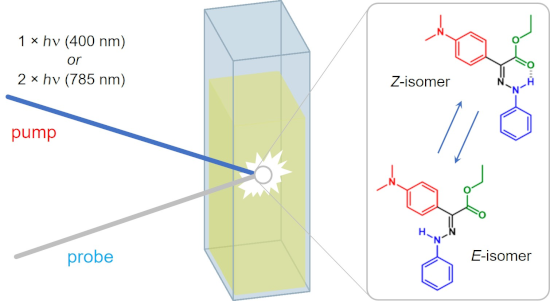
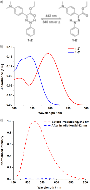
- the competition between the intramolecular hydrogen bond between the N–H and C=O groups in the Z-form and hydrogen bonds formed by these functional groups with solvent molecules. The conformational distortion and the increased conformational disorder arising from hydrogen bonding with the solvent can



Current understanding and biotechnological application of the bacterial diterpene synthase CotB2
Beilstein J. Org. Chem. 2019, 15, 2355–2368, doi:10.3762/bjoc.15.228
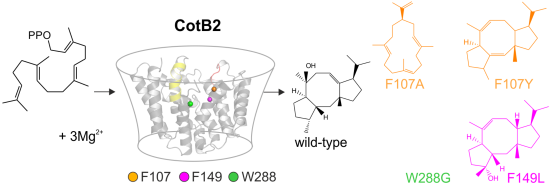
- bidentate salt bridge with D111 of the aspartate-rich motif, and two salt bridges to the diphosphate moiety derived from FGGDP (Figure 3 and Figure 5). Y295 establishes hydrogen bonds to the diphosphate moiety as well as to N220 of the NSE motif (Figure 5). In the closed conformation of the labdane-related
- . Residues of the DDXD motif are shown in red and residues of the NSE motif in yellow. The conserved residues of the WXXXXXRY motif are drawn in light green and the R227 that interacts with diphosphate moiety in light brown. The cleaved diphosphate is shown in orange. Hydrogen bonds and salt bridges are


Perspective isomorphs – a new classification of molecular structures based on artistic and chemical concepts
Beilstein J. Org. Chem. 2019, 15, 2319–2326, doi:10.3762/bjoc.15.224
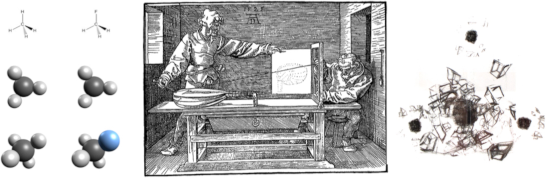
- Contextualization The understanding of space in chemistry is highly linked to the three-dimensional extensions of molecules and their directionality in chemical bonds, reactions, and processes. In this context, interactions, such as hydrogen-bonds [3], metal-coordination [4] or quadrupole interactions [5][6
- possibility of specific orientation and space-depended interactions, such as hydrogen-bonds, etc., which is of utmost importance for instance in any biological process [15]. Proposal of perspective isomorphs When applying the principle of the central perspective to the view on molecules, their representation
- molecules included by a PI code. This gives the option of not only providing information about a whole group of perspective isomorphs, but also about certain molecules belonging to this group. The layer x, for instance, defines the atoms of the substitutes X1-Xn, layer hx indicates the hydrogen bonds of the


Small anion-assisted electrochemical potential splitting in a new series of bistriarylamine derivatives: organic mixed valency across a urea bridge and zwitterionization
Beilstein J. Org. Chem. 2019, 15, 2277–2286, doi:10.3762/bjoc.15.220
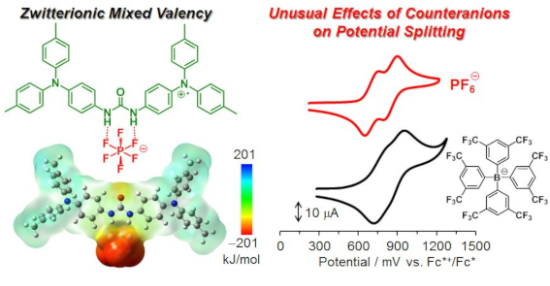
- promising trigger to directly change the charge distributions of molecules and assemblies, potentially allowing tuning of the strength of non-covalent interactions, including hydrogen bonds (H-bonds) [23][24][25][26]. In this context, a number of redox-active compounds bearing H-bond donors and acceptors


1,2,3,4-Tetrahydro-1,4,5,8-tetraazaanthracene revisited: properties and structural evidence of aromaticity loss
Beilstein J. Org. Chem. 2019, 15, 2059–2068, doi:10.3762/bjoc.15.203
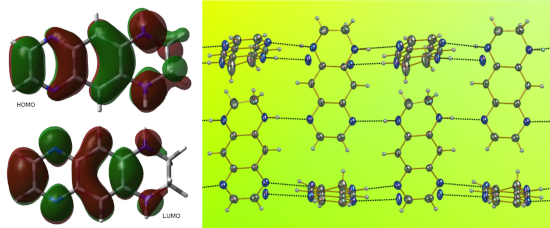
- level optimized and experimental geometry of THTAA and its derivatives show considerable loss of aromaticity within the quinoxaline moiety. Keywords: aromaticity; density functional calculations; heterocycles; hydrogen bonds; X-ray structures; Introduction Quinoxaline derivatives 1 – also called
- the formation of hydrogen bonds, an approach known as ‘crystal engineering’ (see, for instance, [13][14] and references therein). Indeed, whereas several two-component molecular systems cocrystallizing in a special layered way involving pyrazine, quinoline and phenazine as the H-bond acceptor and
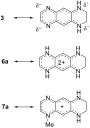
- bond lengths. The dominant motive seen for 3 in the solid state is the formation of infinite chains based on N–H···N=C hydrogen bonds (N···N distances 3.011–3.047 Å, Figure 9). The crystal lattice of 6a (Figure 10) also exhibits the presence of the infinite chains >N–H···Cl−···H–N+: the Cl−···N and Cl




Synthesis of 1-azaspiro[4.4]nonan-1-oxyls via intramolecular 1,3-dipolar cycloaddition
Beilstein J. Org. Chem. 2019, 15, 2036–2042, doi:10.3762/bjoc.15.200
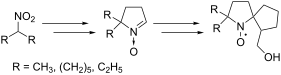
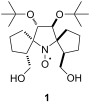
- one order of magnitude lower for EPR spectra in water (0.005–0.006 mT), obviously because strong intermolecular hydrogen bonds are formed due to solvation. The initial rates of the EPR signal decay were used to obtain the rate constants of the nitroxide reduction by ascorbic acid (see Figure 2 and



Archangelolide: A sesquiterpene lactone with immunobiological potential from Laserpitium archangelica
Beilstein J. Org. Chem. 2019, 15, 1933–1944, doi:10.3762/bjoc.15.189
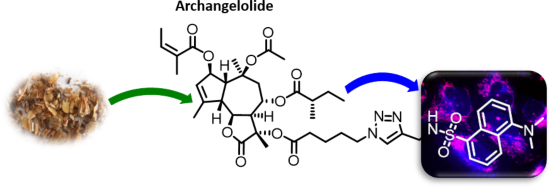
- domain between the helices 3, 5 and 7 [7][21]. Comparing the polarity of these compounds with compound 1 based on the formation of hydrogen bonds, the most polar compound capable of forming the highest number of hydrogen bonds is thapsigargin, the least polar is compound 1 (for details, see Supporting
- Information File 1, Table S4). Nevertheless, the complex of SERCA with thapsigargin is preferentially stabilized by hydrophobic interactions, [21] and all three mentioned SLs are strongly hydrophobic molecules. We therefore assumed that compounds 1 and 2, which can form even fewer hydrogen bonds than
- parts of Glu255 and Gln259 were detected. When the simulation was performed without constrained positions, compound 1 escaped from the SERCA protein cavity. After the first simulation of compound 2 (simulation 3) in non-water environment, hydrogen bonds of compound 2 with Glu255 and Gln259 residues, and