Search results
Search for "biological properties" in Full Text gives 219 result(s) in Beilstein Journal of Organic Chemistry. Showing first 200.
Elucidation of the regio- and chemoselectivity of enzymatic allylic oxidations with Pleurotus sapidus – conversion of selected spirocyclic terpenoids and computational analysis
Beilstein J. Org. Chem. 2013, 9, 2233–2241, doi:10.3762/bjoc.9.262
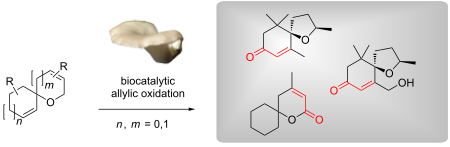
- have other interesting biological properties such as phytotoxic activity. A few selected examples are depicted in Figure 2. In this paper, we report biocatalytic allylic oxidations of spirocyclic model compounds and of the natural product vitispirane with the lyophilisate of PSA. A rationalization of


Structure of 1,5-benzodiazepinones in the solid state and in solution: Effect of the fluorination in the six-membered ring
Beilstein J. Org. Chem. 2013, 9, 2156–2167, doi:10.3762/bjoc.9.253
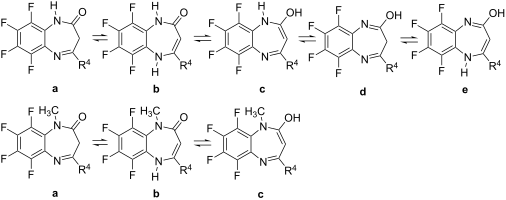
- applications in medicinal chemistry [2][3][4][5][6], the most important is clobazam (7-chloro-1-methyl-5-phenyl-1H-1,5-benzodiazepine-2,4(3H,5H)-dione, Figure 1). As a continuation of our research program on the synthesis, spectroscopic and biological properties of 1,5-benzodiazepine derivatives as well as


The chemistry of isoindole natural products
Beilstein J. Org. Chem. 2013, 9, 2048–2078, doi:10.3762/bjoc.9.243
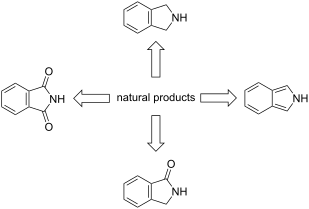
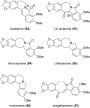
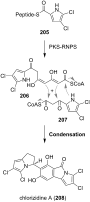
- representative members are depicted in Figure 5 [43]. Cyctochalasan alkaloids display a wide range of biological properties, such as cytotoxic, antimicrobial, antiviral and phytotoxic activities and were reviewed in detail by Hertweck in 2010 [44]. Structurally, they consist of one amino acid and a highly
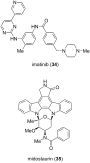
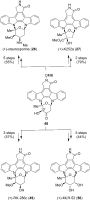
- interesting biological properties, such as high antiviral activity (156) [141], inhibition of the HIV-1 protease (157) [132], antibacterial and antifungal activities (159–160) [133] or neuritogenic properties (161) [134]. So far, only a few total syntheses were accomplished and the exact biosynthetic pathways












A concise enantioselective synthesis of the guaiane sesquiterpene (−)-oxyphyllol
Beilstein J. Org. Chem. 2013, 9, 2028–2032, doi:10.3762/bjoc.9.239
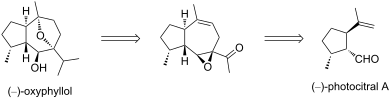
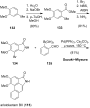
- ; Introduction The hydroazulene framework is present in many natural products that are often associated with interesting biological properties [1][2]. The guaiane sesquiterpene (−)-oxyphyllol (1) has been isolated from the roots of the Thai medicinal plant Phyllanthus oxyphyllus [3]. A recent enantioselective


Structure elucidation of β-cyclodextrin–xylazine complex by a combination of quantitative 1H–1H ROESY and molecular dynamics studies
Beilstein J. Org. Chem. 2013, 9, 1917–1924, doi:10.3762/bjoc.9.226
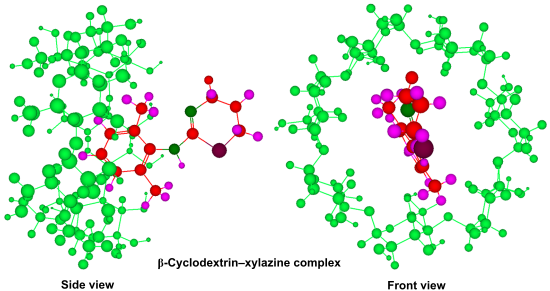
- the cavity is hydrophobic [2][3]. The encapsulation of a guest into the CD cavity has a profound effect on the chemical, physical and biological properties of the guest. The structure establishment of CD inclusion complexes in solution state is a challenging task considering the fact that the




Raman spectroscopy as a tool for monitoring mesoscale continuous-flow organic synthesis: Equipment interface and assessment in four medicinally-relevant reactions
Beilstein J. Org. Chem. 2013, 9, 1843–1852, doi:10.3762/bjoc.9.215
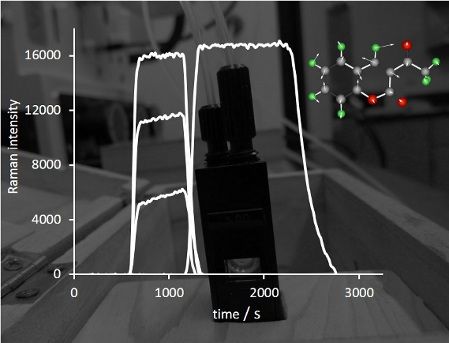
- effect on the outcome of the reaction (Table 2, entries 3 and 4). The Claisen–Schmidt condensation We moved next to study the Claisen–Schmidt condensation of benzaldehyde with acetophenone to yield chalcone (Scheme 3). Chalcones display interesting biological properties such as antioxidant, cytotoxic




Synthesis and biological activities of the respiratory chain inhibitor aurachin D and new ring versus chain analogues
Beilstein J. Org. Chem. 2013, 9, 1551–1558, doi:10.3762/bjoc.9.176
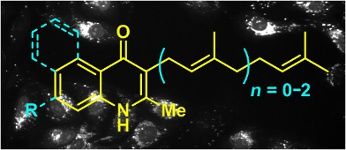
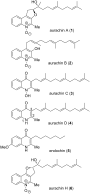
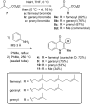
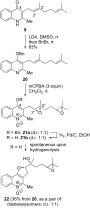
- powerful inhibitors of the quinol oxidation sites of bacterial cytochromes bo and bd, with dissociation constants in the range of 10 nM. Aurachin D (4) was shown to selectively inhibit the cytochrome bd complex [12]. With such biological properties, aurachins and their analogues are also strong


Catalytic asymmetric tandem Friedel–Crafts alkylation/Michael addition reaction for the synthesis of highly functionalized chromans
Beilstein J. Org. Chem. 2013, 9, 1210–1216, doi:10.3762/bjoc.9.137
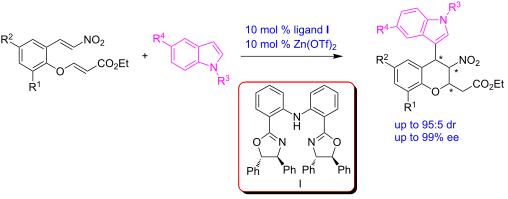
- synthetic molecules, and they also possess potentially useful biological properties [17][18][19][20]. The benzopyran framework has attracted considerable attention because of the importance of chromans and their biological properties. Numerous synthetic routes have been reported over the past few decades


Selective copper(II) acetate and potassium iodide catalyzed oxidation of aminals to dihydroquinazoline and quinazolinone alkaloids
Beilstein J. Org. Chem. 2013, 9, 1194–1201, doi:10.3762/bjoc.9.135

- products have been isolated from, such as Adhatoda vasica, Peganum harmala and Evodia rutaecarpa, have been used in folk medicine for centuries [6][7][8][9]. Since the original isolation of vasicine (1, Figure 1) in 1888 [10], the biological properties of this class of alkaloids have been extensively


Towards a biocompatible artificial lung: Covalent functionalization of poly(4-methylpent-1-ene) (TPX) with cRGD pentapeptide
Beilstein J. Org. Chem. 2013, 9, 270–277, doi:10.3762/bjoc.9.33
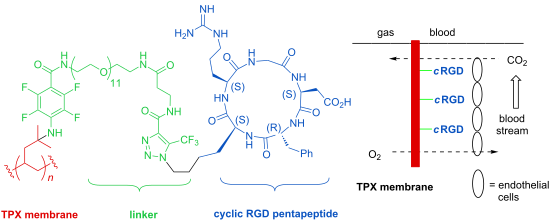
- that did not reveal absorption maxima between 440–600 nm. These results demonstrate that the 1,3-dipolar cycloaddition protocols gave covalently linked fluorescein–TPX membrane adducts. Endothelialization of TPX foils Based on these promising results, we next tested the biological properties of the new


Synthesis of spiro[dihydropyridine-oxindoles] via three-component reaction of arylamine, isatin and cyclopentane-1,3-dione
Beilstein J. Org. Chem. 2013, 9, 8–14, doi:10.3762/bjoc.9.2
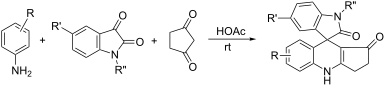
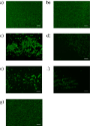
- scope of this novel reaction is briefly discussed. Keywords: arylamine; cyclopentanedione; isatin; multicomponent reaction; spiro compound; Introduction The spirooxindole is among the most important class of naturally occurring substances, characterized by highly pronounced biological properties, and


Multivalent display of the antimicrobial peptides BP100 and BP143
Beilstein J. Org. Chem. 2012, 8, 2106–2117, doi:10.3762/bjoc.8.237
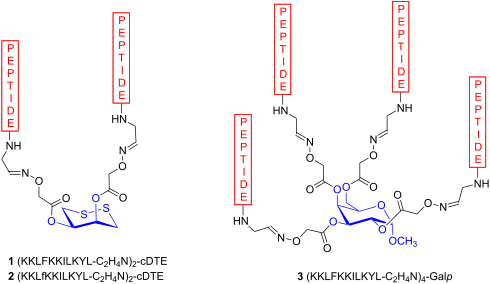
- -melittin antimicrobial undecapeptide hybrids on a carbohydrate template could provide carbopeptides with improved biological properties. In particular, KKLFKKILKYL-NH2 (BP100) and KKLfKKILKYL-NH2 (BP143) were selected based on their high antibacterial activity against the plant pathogenic bacteria Erwinia


Tricyclic flavonoids with 1,3-dithiolium substructure
Beilstein J. Org. Chem. 2012, 8, 1999–2003, doi:10.3762/bjoc.8.226
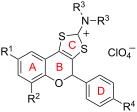
- be obtained [31]. The above combination of the chemistry of 1,3-dithiol-2-yl cations and the biological properties of flavonoids may provide new compounds with interesting properties. Conclusion The synthesis of 3-dithiocarbamic flavonoids has been accomplished by the reaction of the corresponding 2


An efficient access to the synthesis of novel 12-phenylbenzo[6,7]oxepino[3,4-b]quinolin-13(6H)-one derivatives
Beilstein J. Org. Chem. 2012, 8, 1849–1857, doi:10.3762/bjoc.8.213
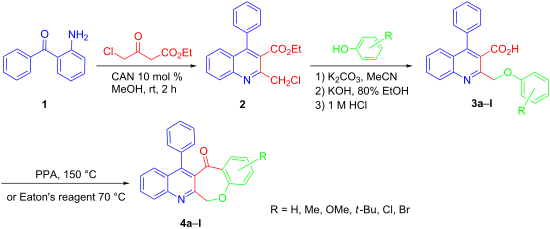
- tetracyclic quinoline systems on privileged templates have significant biological properties, such as antitumoral [5][6], anti-inflammatory [7], antimalarial [8], antituberculosis [9], and antiplasmodial [10] activities. Accordingly, the synthesis of new families of such quinoline systems still attracts much


Recyclable fluorous cinchona alkaloid ester as a chiral promoter for asymmetric fluorination of β-ketoesters
Beilstein J. Org. Chem. 2012, 8, 1233–1240, doi:10.3762/bjoc.8.138
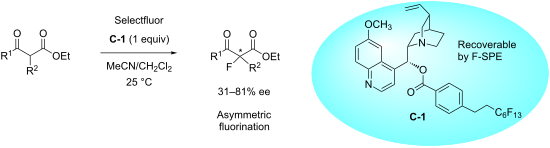
- . Introducing one or a few fluorine atoms to biologically interesting molecules can significantly change the physical, chemical and biological properties [1][2]. The significant amount of publications on fluorinated small molecules, amino acids, carbohydrates, steroids and nucleosides indicates that


Synthesis of diverse indole libraries on polystyrene resin – Scope and limitations of an organometallic reaction on solid supports
Beilstein J. Org. Chem. 2012, 8, 1191–1199, doi:10.3762/bjoc.8.132
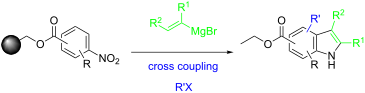
- ], palladium-catalyzed indole synthesis [34][35][36][37][38][39][40], cycloaddition strategies [41], C-arylation of substituted acetonitriles or 1,3-dicarbonyl compounds [42], halocyclization [43][44] and finally, reduction of ortho-fluoro-nitroarenes [42]. The significant biological properties and the


Partial thioamide scan on the lipopeptaibiotic trichogin GA IV. Effects on folding and bioactivity
Beilstein J. Org. Chem. 2012, 8, 1161–1171, doi:10.3762/bjoc.8.129
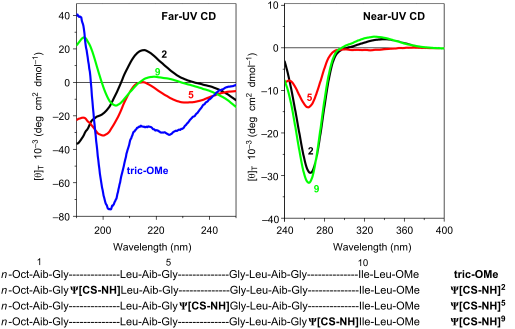
- -terminal 1,2-amino alcohol leucinol (Lol) by the corresponding α-amino methyl ester (Leu-OMe) alters only slightly the biophysical and biological properties of trichogin GA IV. Conversely, we showed that the Nα-blocking fatty acyl moiety plays a major role in its membrane permeability and antibiotic


Synthesis of a library of tricyclic azepinoisoindolinones
Beilstein J. Org. Chem. 2012, 8, 1091–1097, doi:10.3762/bjoc.8.120
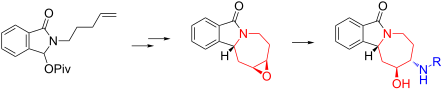
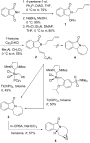
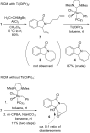
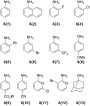
- heterocycles have demonstrated a variety of pharmacological activities, including anti-inflammatory [5], antihypertensive [6] and vasodilatory [7], antipsychotic [8][9], and anticancer effects [10]. Due to the broad biological properties and the general utility of isoindolinones in the preparation of other






Synthesis and in silico screening of a library of β-carboline-containing compounds
Beilstein J. Org. Chem. 2012, 8, 1048–1058, doi:10.3762/bjoc.8.117
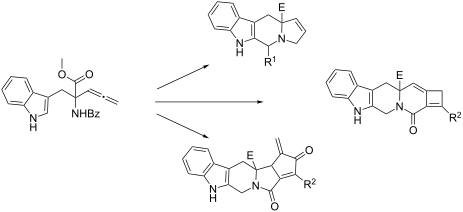
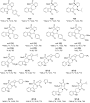
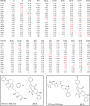
- pyrazole group of 6{10}. Ligand-based strategy for target prediction Ligand-based target prediction algorithms have been developed based upon an established medicinal chemistry principle that structurally similar compounds, with comparable physical properties, should convey related biological properties


Synthesis and characterization of new diiodocoumarin derivatives with promising antimicrobial activities
Beilstein J. Org. Chem. 2011, 7, 1688–1696, doi:10.3762/bjoc.7.199
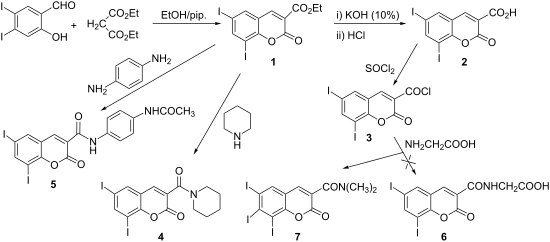
- their antidepressant, antithrombotic, antipsychotic (for the central nervous system, CNS) and anti-breast-cancer activities [13]. In view of the important biological properties of the diiodocoumarin derivatives and iodo-organic compounds as medical agents, we planned to synthesize some new
- diiodocoumarin derivatives bearing side chains with different structures, as such derivatives could possess interesting and useful biological properties. Results and Discussion Interaction of 3,5-diiodosalicylaldehyde with diethyl malonate according to the literature procedure [14][15] afforded ethyl 6,8


A novel and facile synthesis of 3-(2-benzofuroyl)- and 3,6-bis(2-benzofuroyl)carbazole derivatives
Beilstein J. Org. Chem. 2011, 7, 1533–1540, doi:10.3762/bjoc.7.180
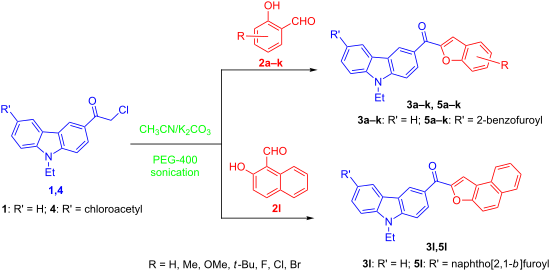
- substituted with a carbazole unit. Hence the synthesis of such compounds is desirable [29][30]. On the other hand, the benzofuran derivatives are an important class of heterocyclic compounds that are known to possess important biological properties [31][32][33]. Especially, recent studies have shown that some
- benzofuroyl-based compounds display important biological properties as antimicrobial [34], anticonvulsant, anti-inflammatory [35], anti-tumor [36], and antifungal [37][38] activities. On account of these findings, extensive synthetic efforts have been devoted to the development of more novel and interesting


Synthesis of (−)-julocrotine and a diversity oriented Ugi-approach to analogues and probes
Beilstein J. Org. Chem. 2011, 7, 1504–1507, doi:10.3762/bjoc.7.175
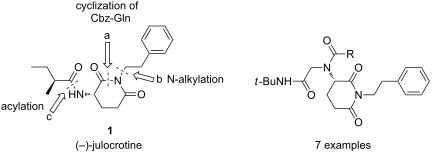
- ]. In addition, the glutarimide motif can be considered as a privileged structure. Compounds with this pharmacophore often exhibit a wide range of biological properties including anti-inflammatory [10], antitumor [11][12], and anticonvulsive properties [13]. Because of the low yields of julocrotine



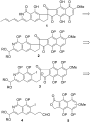
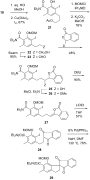
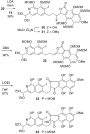
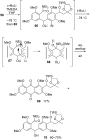
Directed aromatic functionalization in natural-product synthesis: Fredericamycin A, nothapodytine B, and topopyrones B and D
Beilstein J. Org. Chem. 2011, 7, 1475–1485, doi:10.3762/bjoc.7.171
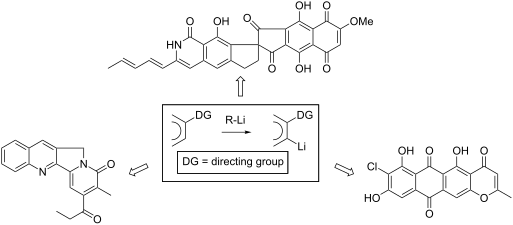
- of topoisomerases, which are overexpressed in cancerous cells, is fatal to the cell [92]. Subsequent studies revealed that topopyrones are in fact dual inhibitors of topo-I and topo-II [93]: A finding that diminished the biomedical relevance of the natural products. Regardless, the biological
- properties of topopyrones are sufficiently interesting that a number of groups embarked on a total synthesis [94][95][96]. Our own involvement in this area was motivated by an interest in topoisomerase-I inhibitors, which are important antineoplastic resources [97], the archetype of which is camptothecin [81







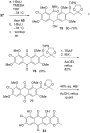
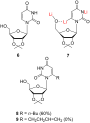
Selectivity in C-alkylation of dianions of protected 6-methyluridine
Beilstein J. Org. Chem. 2011, 7, 1228–1233, doi:10.3762/bjoc.7.143
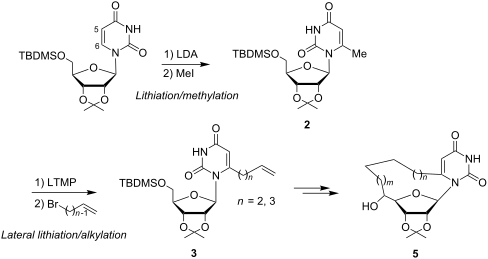
- . Whereas direct ring alkylation of 6-lithiated uridine 11 with ω-alkenyl bromides failed, our approach relies on lateral lithiation/alkylation of 6-methyluridine 2. The total synthesis and biological properties of cyclonucleosides 5 will be reported separately. Lithiation of 2',3'-O-isopropylideneuridine




A simple and convenient one-pot synthesis of substituted isoindolin-1-ones via lithiation, substitution and cyclization of N'-benzyl-N,N-dimethylureas
Beilstein J. Org. Chem. 2011, 7, 1219–1227, doi:10.3762/bjoc.7.142
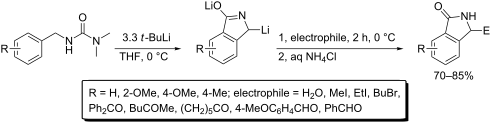
- ]. Also, some members that possess this moiety have shown interesting biological properties [9][10][11][12][13][14][15]. Several traditional methods are available for the synthesis of isoindolinones [16][17][18][19][20][21][22][23][24][25], based on the use of Grignard reagents [26], Diels–Alder reactions