


Search results
Search for "nucleophilic addition" in Full Text gives 288 result(s) in Beilstein Journal of Organic Chemistry. Showing first 200.
First DMAP-mediated direct conversion of Morita–Baylis–Hillman alcohols into γ-ketoallylphosphonates: Synthesis of γ-aminoallylphosphonates
Beilstein J. Org. Chem. 2016, 12, 2906–2915, doi:10.3762/bjoc.12.290
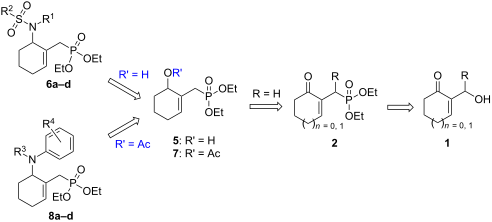
- nucleophilic addition of triethyl phosphite onto Morita–Baylis–Hillman acetates [18][19][20][21][22][23][24][25][26][27][28][29][30][31][32][33][34][35][36][37][38][39][40][41][42][43][44][45][46][47][48]. We envisaged in the second part of this study a further functionalization of these allylphosphonates as


cis-Diastereoselective synthesis of chroman-fused tetralins as B-ring-modified analogues of brazilin
Beilstein J. Org. Chem. 2016, 12, 2816–2822, doi:10.3762/bjoc.12.280
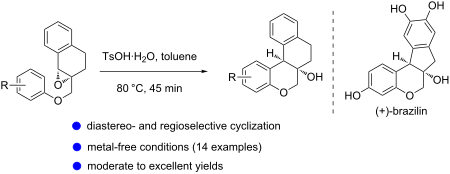
- h (entry 1, Table 1) led to the formation of a mixture of two major isolable compounds, out of which one was the expected product (±)-5 (50%) and the remaining one was hexafluoroisopropyl ether (generated from the nucleophilic addition of HFIP on the benzylic position). Meanwhile, we found that


Copper-catalyzed asymmetric sp3 C–H arylation of tetrahydroisoquinoline mediated by a visible light photoredox catalyst
Beilstein J. Org. Chem. 2016, 12, 2636–2643, doi:10.3762/bjoc.12.260
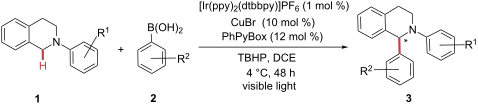
- stereofacial nucleophilic addition of the arylboronic acid to produce the desired enantioenriched arylated product VII. The Ir(III) is regenerated in the presence of the sacrificial external oxidant TBHP. Conclusion In conclusion, we have successfully developed a highly efficient light-mediated coupling method




Selective synthesis of thioethers in the presence of a transition-metal-free solid Lewis acid
Beilstein J. Org. Chem. 2016, 12, 2627–2635, doi:10.3762/bjoc.12.259
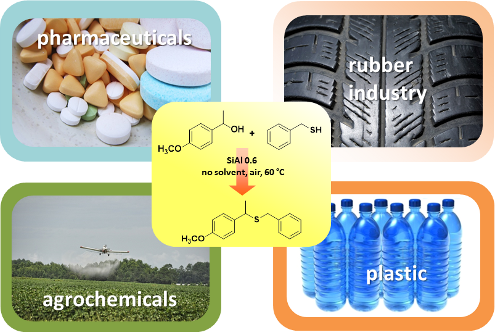
- nucleophilic substitution mechanism: the higher the electronic density on the carbinol C atom, the higher the reaction rate. When the electronic density is somewhat lower, competitive formation of the ether occurs but subsequent nucleophilic addition of the thiol to the ether restores a very high selectivity


Thiazol-4-one derivatives from the reaction of monosubstituted thioureas with maleimides: structures and factors determining the selectivity and tautomeric equilibrium in solution
Beilstein J. Org. Chem. 2016, 12, 2563–2569, doi:10.3762/bjoc.12.251
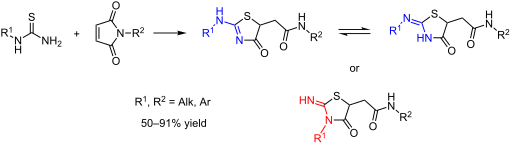
- (Scheme 1). It was reported that the substituent on the maleimide nitrogen atom, particularly a group in the para-position of the phenyl ring in N-arylmaleimides, affects the reactivity of the maleimide toward nucleophilic addition [10]. Strange as it may seem, N-phenylthiourea reacts with N


Highly chemo-, enantio-, and diastereoselective [4 + 2] cycloaddition of 5H-thiazol-4-ones with N-itaconimides
Beilstein J. Org. Chem. 2016, 12, 2293–2297, doi:10.3762/bjoc.12.222
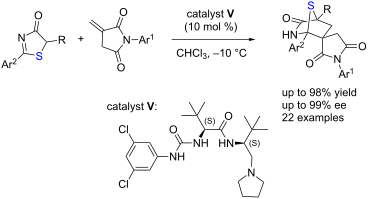
- [6], allylation [7], conjugate addition to enones [8], and γ-addition with allenoates [9]. All these examples focused on nucleophilic addition reactions of the C5 atom of 5H-thiazol-4-ones. Recently, we described an organocatalytic asymmetric [4 + 2] cyclization of 5H-thiazol-4-ones with a series of


p-Nitrophenyl carbonate promoted ring-opening reactions of DBU and DBN affording lactam carbamates
Beilstein J. Org. Chem. 2016, 12, 2086–2092, doi:10.3762/bjoc.12.197
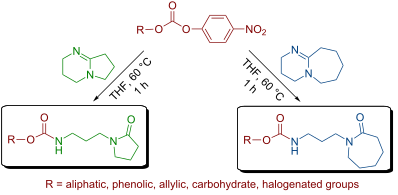
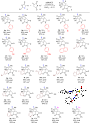
- if the reaction favors both – nucleophilic addition as well as substitution – at lower temperature, the reaction was performed at room temperature for 1.5 h. Although both products were observed the substitution product was minor product, as seen by the integration of p-nitrophenol peaks in the 1H
- nucleophilicity of DBU/DBN and highly electrophile p-nitrophenyl carbonate derivatives. The reactions proceeded even at room temperature and displayed the nucleophilic addition and substitution with the p-nitrophenyl carbonate derivative of 10-bromodecanol. These caprolactam derivatives may find application in


Ionic liquids as transesterification catalysts: applications for the synthesis of linear and cyclic organic carbonates
Beilstein J. Org. Chem. 2016, 12, 1911–1924, doi:10.3762/bjoc.12.181
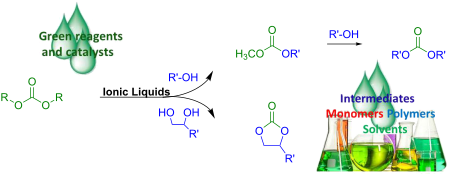
- hindrance of the AMIM cation with respect to the BMIM cation, the latter exerting less effective interactions with the corresponding (imidazolium) anion. Regardless of its nature, the cation might also activate DMC towards nucleophilic addition: a cooperative nucleophilic–electrophilic mechanism could


Synthesis of pyrrolo[2,1-f][1,2,4]triazin-4(3H)-ones: Rearrangement of pyrrolo[1,2-d][1,3,4]oxadiazines and regioselective intramolecular cyclization of 1,2-biscarbamoyl-substituted 1H-pyrroles
Beilstein J. Org. Chem. 2016, 12, 1780–1787, doi:10.3762/bjoc.12.168
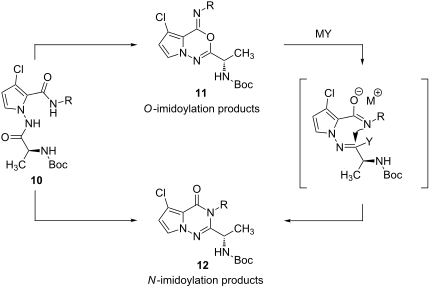
- 1, Table 2). In the cases of Li[Me3AlSPh], NaSMe, and NaOMe, the triazinone 12a was readily obtained after the nucleophilic-addition/ring-closure reaction (entries 2–5, Table 2). For example, similar to benzoxazine [22], treatment of 11a and 11d with lithium trimethyl(phenylsulfido)aluminate Li


TMSBr-mediated solvent- and work-up-free synthesis of α-2-deoxyglycosides from glycals
Beilstein J. Org. Chem. 2016, 12, 1758–1764, doi:10.3762/bjoc.12.164
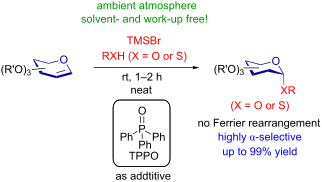
- sequential steps (Scheme 1). Monosaccharide acceptor 64 underwent the TMSBr-mediated nucleophilic addition to glucal 1 to produce exclusively disaccharide 65 (97%, α:β = 7:1) in an excellent yield with high α-selectivity. Remarkably, the 1-thiol group remained intact after the formation of disaccharide 65
- that the acid-catalysed nucleophilic addition of an alcohol to a glycal is likely to proceed through the formation of an oxocarbenium ion via the protonation at C2 [6][63]. In the presence of TPPO, the oxocarbenium cation is stabilized by the ion–dipole interaction with TPPO oriented preferably at the


Rearrangements of organic peroxides and related processes
Beilstein J. Org. Chem. 2016, 12, 1647–1748, doi:10.3762/bjoc.12.162
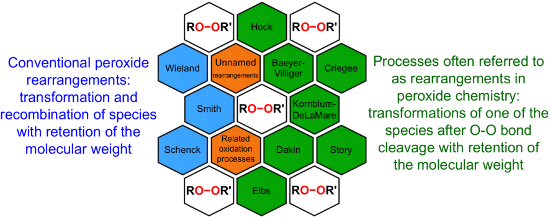
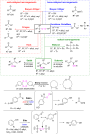
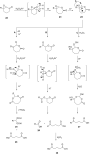
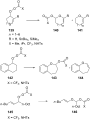
- [222]. The tetramolecular transition states TS1 and TS2 are considered to be the two key steps determining the course of the oxidation: the nucleophilic addition of a peroxy acid molecule to ketone (TS1) and the migration of R and cleavage of O–O bond (TS2). Thus, electrophilic substrates favor TS1 and











Enantioselective addition of diphenyl phosphonate to ketimines derived from isatins catalyzed by binaphthyl-modified organocatalysts
Beilstein J. Org. Chem. 2016, 12, 1551–1556, doi:10.3762/bjoc.12.149
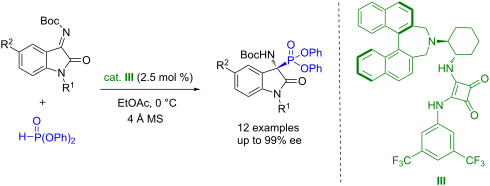
- few decades [20][21][22]. General approaches for the synthesis of chiral 3-substituted-3-aminooxindole derivatives include the amination of various 3-monosubstituted oxindoles [23][24][25][26][27] and the nucleophilic addition to ketimines derived from isatin derivatives [28][29][30][31][32][33][34
- ). The nucleophilic addition of diphenyl phosphonate (2) to ketimine 2l derived from N-unprotected isatin was also studied. The adduct 3l was isolated in 74% yield with 73% ee (Table 2, entry 12). Unfortunately, the reaction of diphenyl phosphonate (2) with N-Boc-ketimine 2m provided adduct 3m with low


Biosynthesis of oxygen and nitrogen-containing heterocycles in polyketides
Beilstein J. Org. Chem. 2016, 12, 1512–1550, doi:10.3762/bjoc.12.148
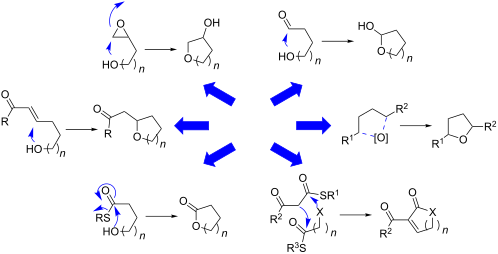
- are biosynthesised in seven principal ways (Scheme 2). Those comprise nucleophilic addition of a hydroxy group to electrophiles like epoxides 4, carbonyl groups 6 or Michael acceptors 9, potentially followed by further processing (a–c in Scheme 2). Lactones 12 are formed by transacylation of a




Microwave-assisted synthesis of (aminomethylene)bisphosphine oxides and (aminomethylene)bisphosphonates by a three-component condensation
Beilstein J. Org. Chem. 2016, 12, 1493–1502, doi:10.3762/bjoc.12.146
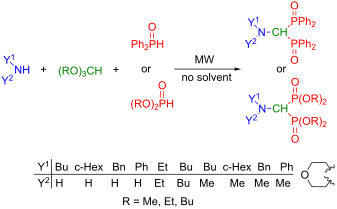
- step is the nucleophilic addition of diethyl phosphite to the C=N bond of the imines resulting in phosphonates III or IV, respectively. Then, the elimination of an amine or ethanol and the addition of another unit of diethyl phosphite may lead to (aminomethylene)bisphosphonates (VI). If the amine is in


Multicomponent reactions: A simple and efficient route to heterocyclic phosphonates
Beilstein J. Org. Chem. 2016, 12, 1269–1301, doi:10.3762/bjoc.12.121
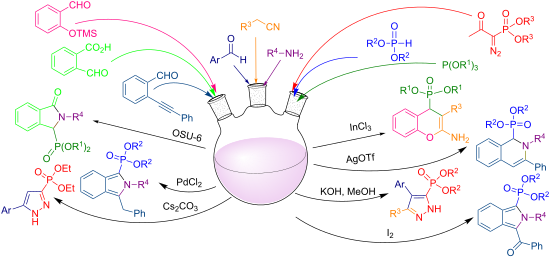
- successfully used trialkyl orthoformates 13 to produce dialkyl (2-oxo-4-(trifluoromethyl)-1,2-dihydropyrimidin-5-yl)phosphonates 14 which were converted to dialkyl (4-alkoxy-2-oxo-4-(trifluoromethyl)-1,2,3,4-tetrahydropyrimidin-5-yl)phosphonates 15 through the nucleophilic addition of the liberated alcohol to
- resulting from the reaction of 2-(2-formylphenyl)ethanones 120 with amines 121. The tandem nucleophilic addition of phosphite to the imine and subsequent condensation of the formed amine with the ketone group leads to 1,2-dihydroisoquinolin-1-ylphosphonates 123. A wide range of substituted aromatic amines
- one-pot reaction of 2-bromobenzaldehydes 169, alkynes 170, amines 171, and diethyl phosphonate under multicatalytic conditions including palladium and copper salts (Scheme 37) [75]. This process presumably involves a sequential Sonogashira coupling/cyclization-nucleophilic addition reaction, which is


Cyclisation mechanisms in the biosynthesis of ribosomally synthesised and post-translationally modified peptides
Beilstein J. Org. Chem. 2016, 12, 1250–1268, doi:10.3762/bjoc.12.120
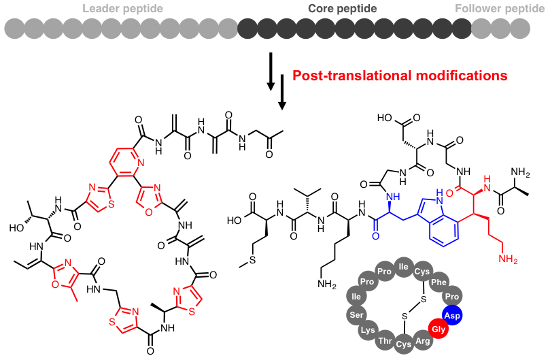
- aminovinylcysteine [62] (AviCys, Figure 5A). This is found in a variety of RiPPs that also feature conventional lanthionine rings, such as epidermin [63] (Figure 5A), mersacidin [64] and cypemycin [65]. In epidermin, a S-[(Z)-2-aminovinyl]-D-cysteine (AviCys) residue is formed by the 1,4-nucleophilic addition of an


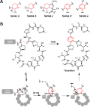



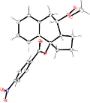
Stereoselective synthesis of tricyclic compounds by intramolecular palladium-catalyzed addition of aryl iodides to carbonyl groups
Beilstein J. Org. Chem. 2016, 12, 1236–1242, doi:10.3762/bjoc.12.118
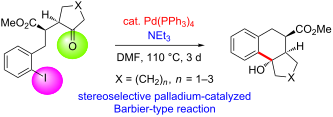
- reaction requires a reduction of palladium(II) back to palladium(0) which is apparently achieved by the present triethylamine. Keywords: 1,2-addition; aryl iodides; ketones; nucleophilic addition; palladium catalysis; Introduction For our systematic studies on samarium diiodide promoted cyclizations
- tetralin derivatives are in the crude product mixture, but we isolated only compound 16 in pure form in 24% yield. Not surprisingly, the p-methoxy substituent favored the elimination of water from the primary addition product to generate the central double bond of 16. Discussion The nucleophilic addition




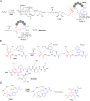
Chiral cyclopentadienylruthenium sulfoxide catalysts for asymmetric redox bicycloisomerization
Beilstein J. Org. Chem. 2016, 12, 1136–1152, doi:10.3762/bjoc.12.110
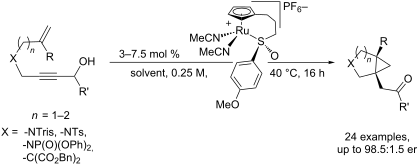
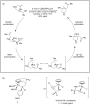
- steps. Heterocycle 7 is a bench stable white powder that can be stored indefinitely in a dessicator without any noticeable decomposition. The sulfonamide moiety activates sulfur towards nucleophilic addition, making the first addition of an organometallic reagent faster than the second. By performing




Modular synthesis of the pyrimidine core of the manzacidins by divergent Tsuji–Trost coupling
Beilstein J. Org. Chem. 2016, 12, 1111–1121, doi:10.3762/bjoc.12.107
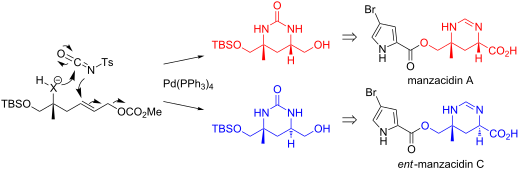
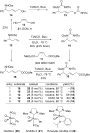
- groups [38][39][40][41][42][43], is based on a sequential nucleophilic addition and an intramolecular allylic substitution reaction. It relies on the coupling of different homoallylic nucleophiles of general type 6 to diverse electrophiles 7 such as Michael acceptors, or heteroolefins as for example
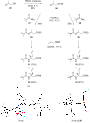
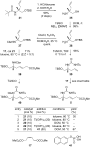
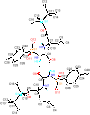
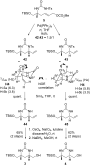
- . Modular concept for manzacidin synthesis based on a Tsuji–Trost coupling of joint intermediate 5. X-ray structure of 39. General concept for heterocycles synthesis based on a nucleophilic addition and Tsuji–Trost coupling. Synthesis of homoallylic alcohol 12 by multi-component reactions. Preparation of



The aminoindanol core as a key scaffold in bifunctional organocatalysts
Beilstein J. Org. Chem. 2016, 12, 505–523, doi:10.3762/bjoc.12.50
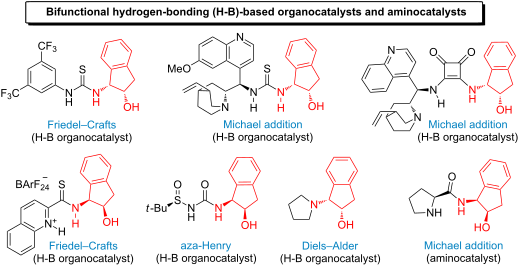
- central nervous system diseases [30][31][32][33][34]. In the proposed reaction pathway, the nucleophilic addition of the indole derivatives 2 to the nitroalkene 13 progresses in a stereocontrolled manner due to the creation of a ternary complex with the chiral bifunctional thioamide ent-6 (TS4, Scheme 7


Recent advances in N-heterocyclic carbene (NHC)-catalysed benzoin reactions
Beilstein J. Org. Chem. 2016, 12, 444–461, doi:10.3762/bjoc.12.47
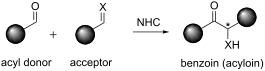
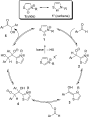
- nucleophile and then as a leaving group in cyanide-catalysed benzoin reactions [8]. Analogously, Breslow invoked the generation of a nucleophilic thiazolylidene species 1 via deprotonation of the thiazolium salt by base. The ylide 1 may also be represented as its resonance structure 1’ (carbene). Nucleophilic
- addition of 1 to aromatic aldehyde generates the tetrahedral intermediate 2. The latter then undergoes a proton shift to furnish an enaminol derivative 3. The aldehyde carbonyl carbon has now transformed into a nucleophilic entity by virtue of conjugation to the nitrogen and sulfur lone pairs. This acyl



Synthesis of bi- and bis-1,2,3-triazoles by copper-catalyzed Huisgen cycloaddition: A family of valuable products by click chemistry
Beilstein J. Org. Chem. 2015, 11, 2557–2576, doi:10.3762/bjoc.11.276
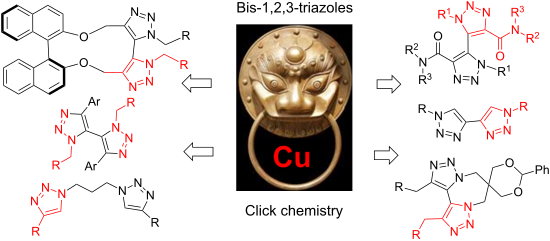
- diazides with substitued alkynes. There are mainly two types of methods for the construction of bistriazoles from diazides: (1) Starting from the substrate-containing good-leaving groups, the diazides could be generated in situ by nucleophilic addition with NaN3, and then the double CuAAC reactions could




Synthesis of D-fructose-derived spirocyclic 2-substituted-2-oxazoline ribosides
Beilstein J. Org. Chem. 2015, 11, 2289–2296, doi:10.3762/bjoc.11.249
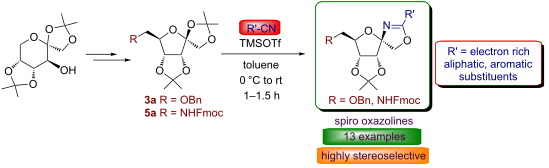
- in toluene through nucleophilic addition of electron-rich nitriles to the oxacarbenium ion intermediate of 1,2;3,4-di-O-isopropylidene-β-D-psicofuranose derivatives with concomitant intramolecular trapping of the C2 hydroxymethyl group on the electrophilic nitrilium carbon. These carbohydrate-derived
- , the complete consumption of the starting material and the formation of spiro 2-substituted-2-oxazoline 6a in 69% yield was observed. This Ritter-like reaction is known to proceed via TMSOTf-mediated in situ cleavage of the 1,2-O-isopropylidene group, generating an oxacarbenium ion and its nucleophilic
- addition to the nitrile (Scheme 2, 6ab). This occurs with simultaneous intramolecular trapping of the C2 hydroxymethyl group on the electrophilic nitrilium carbon (Scheme 2, 6ac) giving spiro 2-substituted-2-oxazoline 6 (Scheme 2). It is important to note that the 3,4-O-isopropylidene group is unaffected


2-Hetaryl-1,3-tropolones based on five-membered nitrogen heterocycles: synthesis, structure and properties
Beilstein J. Org. Chem. 2015, 11, 2179–2188, doi:10.3762/bjoc.11.236
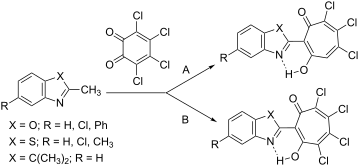
- reaction. It has been shown that the priority path of the reaction at the nitrogen atom unsubstituted 2-methylbenzimidazole with o-chloranil includes the nucleophilic addition of the quinone to the NH group [28], whereas the interaction of 3,5-di(tert-butyl)-1,2-benzoquinone with 2-methylbenzimidazole
- of 2-acyl-5,6,7-trichloro-1,3-tropolones under the action of alcohols [17][32] or hydrazines [32] has been previously reported. The suggested primary step of these reactions is a nucleophilic addition to the carbonyl carbon of an acyl group. In our case (compounds 5 and 6), the reaction most probably


![[Graphic 3]](/bjoc/content/inline/1860-5397-11-236-i8.png?max-width=637&scale=1.18182) N···H–O equilibrium in solutions of 2-hetaryl-5,6,7-trichloro- and 4,...
N···H–O equilibrium in solutions of 2-hetaryl-5,6,7-trichloro- and 4,...


A convenient four-component one-pot strategy toward the synthesis of pyrazolo[3,4-d]pyrimidines
Beilstein J. Org. Chem. 2015, 11, 2125–2131, doi:10.3762/bjoc.11.229
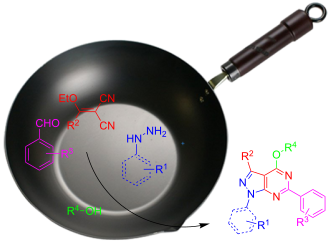
- results in hand, two possible reaction mechanisms were proposed and shown in Scheme 3. 5-Aminopyrazole-4-carbonitrile 6 was obtained from the reaction of hydrazine 1 and methylenemalononitrile 2 through nucleophilic addition, cyclization and aromatization. The nucleophilic attack of the amino group of 6
- undergoes a nucleophilic addition and loses a water molecule to afford the final product 5. All products were characterized by IR, 1H NMR, 13C NMR and HRMS. A final confirmation of the structure of the reaction product 5g was determined by X-ray diffraction (Figure 2) [50]. Conclusion In summary, we have





