Search results
Search for "toxicity" in Full Text gives 385 result(s) in Beilstein Journal of Organic Chemistry. Showing first 200.
Synthesis of a dihalogenated pyridinyl silicon rhodamine for mitochondrial imaging by a halogen dance rearrangement
Beilstein J. Org. Chem. 2019, 15, 2333–2343, doi:10.3762/bjoc.15.226
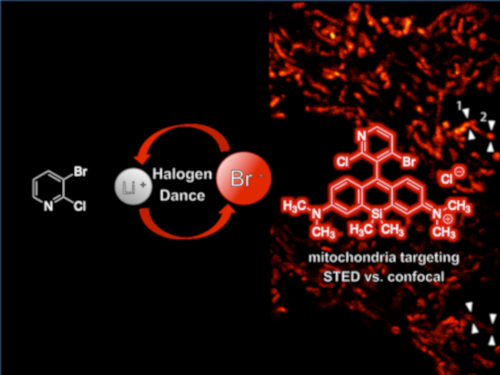
- Information File 1, compare STED images with their corresponding confocal images. By resolving the tubular structure of mitochondria, we prove successful application of our mitochondria-selective pyridinyl SiR 15 in STED nanoscopy. Toxicity of the pyridinyl silicon rhodamine 15 Although for PET examinations
- precursor 15. For toxicity assessment, the frequency and duration of cell division with and without incubation with dye 15 was analyzed via time-lapse holographic imaging (Figure 3). U2OS cells were incubated with 1 µM dye 15 in medium for 1 h and, after washing with dye free medium, continually imaged over



Fluorescent phosphorus dendrimers excited by two photons: synthesis, two-photon absorption properties and biological uses
Beilstein J. Org. Chem. 2019, 15, 2287–2303, doi:10.3762/bjoc.15.221
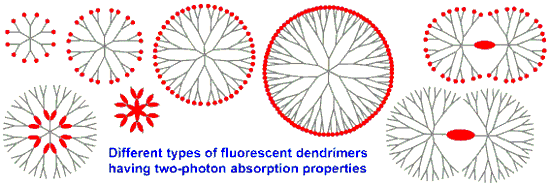
- (Figure 12). Studies of the TPA properties demonstrated that some of these dendrimers outperform the TPA cross-section response of quantum dots, while having a much lower intrinsic toxicity, as being composed or organic matter instead of heavy metals. The grafting of water-solubilizing functions on the
- deciphering mechanism of action of anticancer compounds, and recently for safer photodynamic therapy. In view of the results already obtained, there is no doubt that other biological properties of these fully organic “nanodots” can be foreseen, thanks to their low toxicity, large color modularity, and high







Recent advances in transition-metal-catalyzed incorporation of fluorine-containing groups
Beilstein J. Org. Chem. 2019, 15, 2213–2270, doi:10.3762/bjoc.15.218
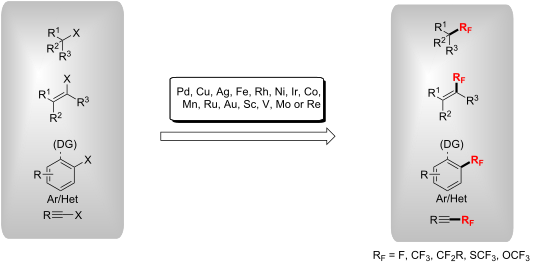
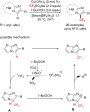
- of these technologies has been partially hampered by the high cost and toxicity associated with Pd, in addition to the difficulty encountered when attempting to remove this metal from product mixtures. Therefore, cupper as low-cost, earth-abundant and readily available transition metal has emerged as








Isolation of fungi using the diffusion chamber device FIND technology
Beilstein J. Org. Chem. 2019, 15, 2191–2203, doi:10.3762/bjoc.15.216
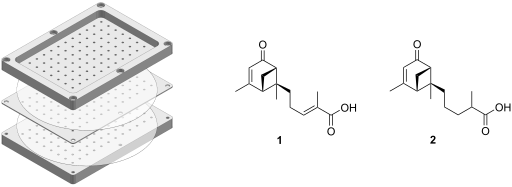
- from Heydenia cf. alpina strain 824. Acknowledgements We are grateful to Tobias Meinert and Max Schirp Schönen (RWTH Aachen, Aachen, Germany) for 3D modeling of the FIND and to Tobias Benkel (University of Bonn, Bonn, Germany) for performing of the toxicity assays.


Naphthalene diimides with improved solubility for visible light photoredox catalysis
Beilstein J. Org. Chem. 2019, 15, 2043–2051, doi:10.3762/bjoc.15.201
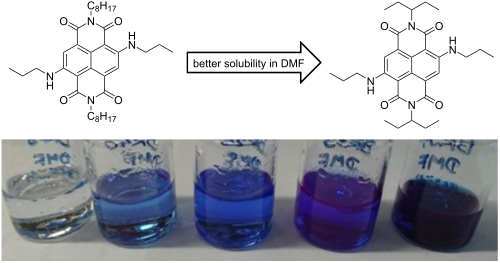
- photoredox catalytic behavior, transition metal complexes have disadvantages, including high costs due to limited availability, toxicity [22][23] and polluting properties [24]. This thwarts the principally “green” concept of photoredox catalysis. In order to avoid transition metals and enhance the



A review of the total syntheses of triptolide
Beilstein J. Org. Chem. 2019, 15, 1984–1995, doi:10.3762/bjoc.15.194
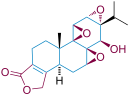
- treatment of rheumatoid arthritis (RA) [31], systemic lupus erythematosus (SLE) and skin allograft rejection [32]. Despite the promising biological activities of triptolide, the narrow therapeutic window and multi-organ toxicity hindered greatly its clinical progress. Reports have shown that triptolide
- could cause reproductive toxicity [33], nephrotoxicity [34], hepatotoxicity [35], myocardial damage [36] and gastrointestinal tract symptoms [37]. In order to overcome the above issues and find derivatives with good drug-like properties, extensive total syntheses and structure modifications have been


Archangelolide: A sesquiterpene lactone with immunobiological potential from Laserpitium archangelica
Beilstein J. Org. Chem. 2019, 15, 1933–1944, doi:10.3762/bjoc.15.189
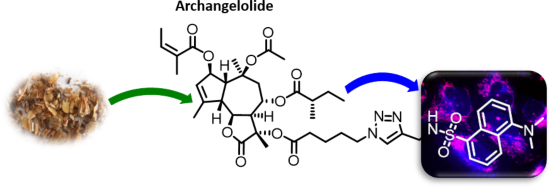
- micromolar range and up to the tested concentration of 50 µM, 50% cell death was only reached for HEK 293T and LNCaP after 72 h of treatment. Moreover, we also did not detect toxicity of compound 1 in primary and transformed cell lines. Based on these differences from thapsigargin and compound 2, it seems
- to 75% (statistically not significant) was also recorded when rat primary macrophages were incubated with 1000 pg·mL−1 LPS + 40 µM compound 5. However, no toxicity was observed for the combination of LPS + dansyl amide at the same concentration. Immunomodulatory [26] and anti-inflammatory [27
- , USA). The treated or untreated cells (DMSO as a vehicle) were cultured for 24 h and plates were maintained at 37 °C, 5% CO2, in a humidified Heraeus incubator. Stock solutions of compound 1 and 5 were prepared 100 mM in DMSO. For the cultivation of macrophages and assessment of toxicity and NO level




Morphology-tunable and pH-responsive supramolecular self-assemblies based on AB2-type host–guest-conjugated amphiphilic molecules for controlled drug delivery
Beilstein J. Org. Chem. 2019, 15, 1925–1932, doi:10.3762/bjoc.15.188
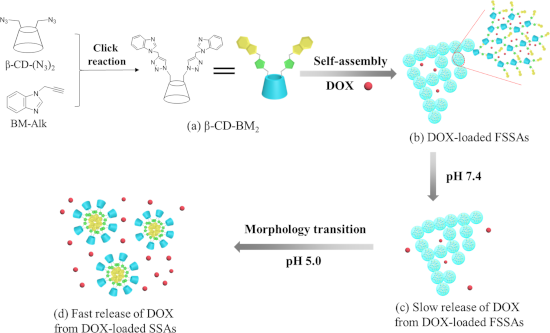
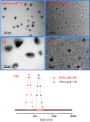
- on the basis of the dissociation of host–guest interactions between β-CD and BM. Cellular toxicity of drug-loaded supramolecular self-assemblies The biocompatibility of drug-free supramolecular self-assemblies is of crucial importance for the further use of these materials as drug carriers. Herein
- 240 μg/mL, indicating a good biocompatibility. An MTT assay was then conducted to evaluate the potential of supramolecular self-assemblies as intelligent drug release carriers within a biological environment. The cellular toxicity of DOX-loaded FSSAs and free DOX·HCl against PC-3 cells was further
- acidic conditions into spherical supramolecular self-assemblies with smaller size. The morphology transitions can be utilized to realize a two-stage drug release. The uptake of the DOX-loaded supramolecular self-assemblies performed efficiently and the cellular toxicity through inhibiting cell




Design, synthesis and biological evaluation of immunostimulating mannosylated desmuramyl peptides
Beilstein J. Org. Chem. 2019, 15, 1805–1814, doi:10.3762/bjoc.15.174
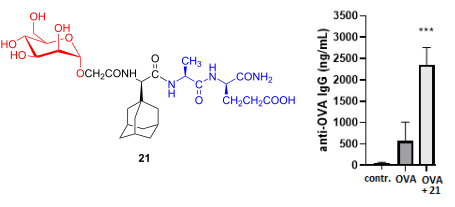
- TLR2 receptor, whereas MDP lacks TLR2-agonistic activity [10]. PGM and MDP have similar immunostimulating activity and they are reduced in comparison to the potent complete Freund’s adjuvant which is used as golden standard for adjuvant activity [11]. However, strong toxicity of complete Freund’s


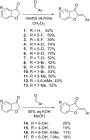
A golden opportunity: benzofuranone modifications of aurones and their influence on optical properties, toxicity, and potential as dyes
Beilstein J. Org. Chem. 2019, 15, 1781–1785, doi:10.3762/bjoc.15.171
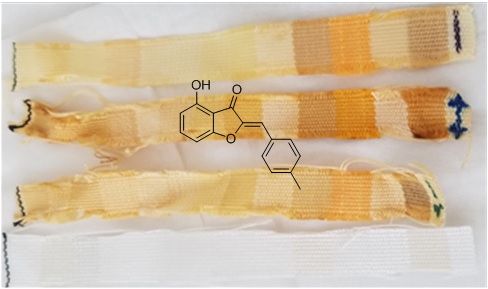
- . In this study, the influence of substitution in the benzofuranone ring on the UV–vis spectrum is explored, as well as an initial screening of their toxicity and a qualitative preliminary study of their potential to act as fabric dyes. Keywords: aurone; dyeing; dyes; substitution effect; toxicity; UV
- sake of high purity, so yields should not be considered optimized. Spectral and toxicity studies With the desired compounds in hand, their UV–visible spectra were recorded at concentrations between 29 and 44 μM in acetonitrile (Figure 3 and Table 1). While not all substituents were prepared at every
- definitely increase this value by roughly 50%). While these results on the impact of the benzofuranone portion of aurones on their optical properties are interesting, if one were to think about using them as dyes, toxicity is also an important consideration. Generally, aurones are considered to be relatively




Functional panchromatic BODIPY dyes with near-infrared absorption: design, synthesis, characterization and use in dye-sensitized solar cells
Beilstein J. Org. Chem. 2019, 15, 1758–1768, doi:10.3762/bjoc.15.169
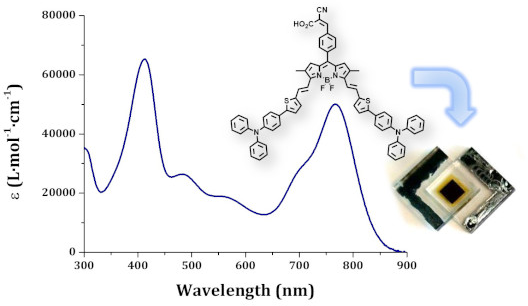
- ] but these molecules reveal low absorption coefficients over the visible range. Furthermore, they contain a rare and a relatively high-cost element (Ru) and their plausible toxicity restrains their development at the industrial level. For these reasons, in the last decade, metal-free organic dyes based




Recent advances on the transition-metal-catalyzed synthesis of imidazopyridines: an updated coverage
Beilstein J. Org. Chem. 2019, 15, 1612–1704, doi:10.3762/bjoc.15.165
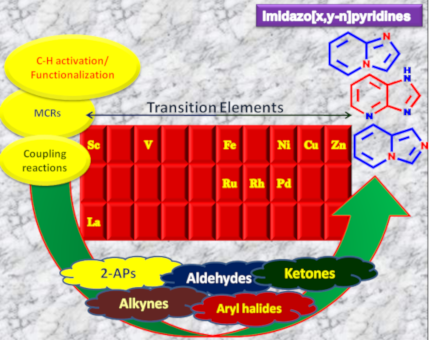
- in toxicity and fits to the tenets of green chemistry. Zinc in the form of its salts, complexes (chelated by mono/di/tri/tetradentate ligands), oxides and sulfides proved to be a promising and active catalyst for organic chemists in both homogeneous as well as heterogeneous reaction systems [23][59
- systems based on zinc with excellent activity has been designed and used. The role of iron in synthetic chemistry Iron being the most abundant heavy element on earth with low biological toxicity along with cost economy and high reactivity was explored by Kharasch and Fields in the 1940s and Tamura and


Synthesis and biological evaluation of truncated derivatives of abyssomicin C as antibacterial agents
Beilstein J. Org. Chem. 2019, 15, 1468–1474, doi:10.3762/bjoc.15.147
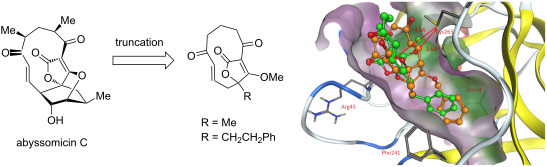
- core structure, 1 only has one stereocenter as compared to seven in AbC. Furthermore, the benzylated derivative 2 was also envisioned to mimic the favorable toxicity profile observed for atrop-O-benzyl-desmethyl-abyssomicin C (Figure 1) [10]. Here we present the synthesis and biological evaluation of 1
- , no further investigations related to the conserved mode of action or toxicity were performed. Conclusion We have described the synthesis and antibacterial activity of two new truncated derivatives of AbC. Previous work indicated that the three methyl groups of AbC were not required for activity [10


Reversible end-to-end assembly of selectively functionalized gold nanorods by light-responsive arylazopyrazole–cyclodextrin interaction
Beilstein J. Org. Chem. 2019, 15, 1407–1415, doi:10.3762/bjoc.15.140
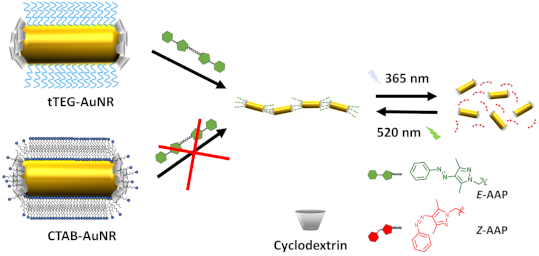
- the complete surface because of its cell toxicity [17], hence strategies for replacing this coating are desirable. Host–guest chemistry is a supramolecular interaction that is tailor-made for self-assembly due to its lock–key mechanism and has been applied in our and other groups to various


Anomeric sugar boronic acid analogues as potential agents for boron neutron capture therapy
Beilstein J. Org. Chem. 2019, 15, 1355–1359, doi:10.3762/bjoc.15.135
- did not reveal the presence of any elimination product, while the negative mass spectrum showed only the pseudomolecular ion at m/z 145 corresponding to the [M − H]−. The toxicity of compounds 8 and 11, compared to commercial BPA, on cell viability, was evaluated on human primary fibroblasts. The
- cells were treated (24–72 h) with increasing concentrations (1–100 μM) of each compound, and cell viability measured by MTT assay. No toxicity was measured at all concentrations and times considered (see Supporting Information File 1), indicating that all compounds under evaluation are biocompatible and
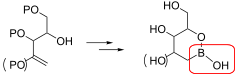
- ester ring opening, while compound 11 demonstrated to be stable. The two compounds showed no toxicity on human primary fibroblasts. Further studies will be conducted to determine the cellular uptake of compounds 8 and 11. Structure of boronic acid analogues (for clarity, sugar numbering has been


Host–guest interactions between p-sulfonatocalix[4]arene and p-sulfonatothiacalix[4]arene and group IA, IIA and f-block metal cations: a DFT/SMD study
Beilstein J. Org. Chem. 2019, 15, 1321–1330, doi:10.3762/bjoc.15.131
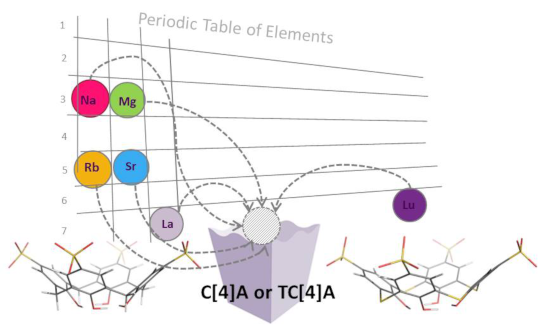
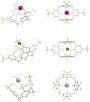
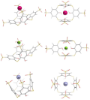
- molecules [27], including some amino acids [28] and proteins [29]. They are also biocompatible: compared to other types of macrocyclic molecules such as cyclodextrins and cucurbiturils (which are also water soluble), p-sulfonatocalix[n]arenes do not exhibit any toxicity, which makes them applicable in





Steroid diversification by multicomponent reactions
Beilstein J. Org. Chem. 2019, 15, 1236–1256, doi:10.3762/bjoc.15.121
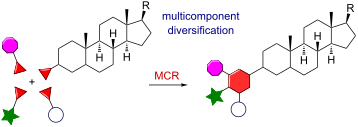
- lateritium (causal agent of chlorotic leaf distortion in sweet potato) and Fusarium virguliforme (causal agent of sudden death syndrome in soy bean), without exerting in vitro toxicity on mammalian cells. Another interesting result came out from the comparison of the biological activity between homologous


Heck- and Suzuki-coupling approaches to novel hydroquinone inhibitors of calcium ATPase
Beilstein J. Org. Chem. 2019, 15, 971–975, doi:10.3762/bjoc.15.94
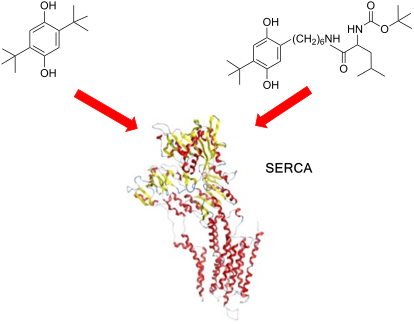
- cytotoxic agent. The problem of concomitant toxicity to healthy cells has been circumvented by attaching a short peptide (His-Ser-Ser-Lys-Leu-Gln-Leu) to a tether at TG’s C-8 position (1b). This modification renders the inhibitor inactive [3]. Prostate cancer cells produce on their surface the serine
- synthetic route to BHQ analogues with a tether that could serve as the basis for future efforts aimed at the attachment of deactivating peptides. The rationale is analogous to the Denmeade group’s strategy for circumventing TG’s toxicity to healthy cells by selective transesterification of the ester group


Mechanochemical synthesis of poly(trimethylene carbonate)s: an example of rate acceleration
Beilstein J. Org. Chem. 2019, 15, 963–970, doi:10.3762/bjoc.15.93
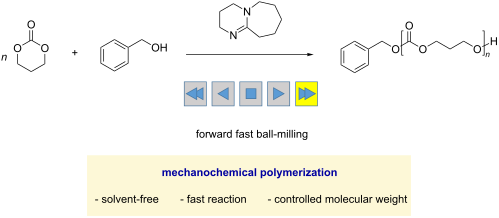
- Discussion Aliphatic polycarbonates are found in many biomedical applications since they have many desirable properties such as high biocompatibility, easy degradation, good mechanical properties, and low toxicity [21][22][23]. Many synthetic methods have been developed, and the chain-growth ring-opening


Photochemical generation of the 2,2,6,6-tetramethylpiperidine-1-oxyl (TEMPO) radical from caged nitroxides by near-infrared two-photon irradiation and its cytocidal effect on lung cancer cells
Beilstein J. Org. Chem. 2019, 15, 863–873, doi:10.3762/bjoc.15.84
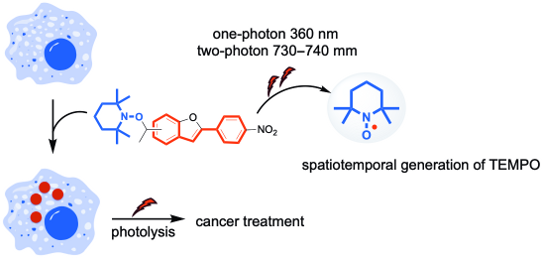
- described above, nitroxides are not toxic to normal host cells and exhibit toxicity only to tumor cells. Thus, nitroxides are ideal candidates as anticancer therapeutic agents. Based on this knowledge, the cytocidal effect of the radical released from compound 2a on lung cancer cells was tested in vitro, in




Synthesis and biological investigation of (+)-3-hydroxymethylartemisinin
Beilstein J. Org. Chem. 2019, 15, 567–570, doi:10.3762/bjoc.15.51
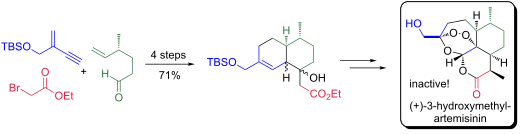
- not show any toxicity against L6 cells (a primary cell line derived from rat skeletal myoblasts). These results contribute to a better understanding of artemisinins mechanism of action. Keywords: artemisinin; biomimetic synthesis; Diels–Alder reaction; malaria; peroxides; Introduction The isolation
- against the drug-sensitive P. falciparum NF54 strain as described previously [14]. We found them to be inactive. In addition, 2 did not show any toxicity against L6 cells (a primary cell line derived from rat skeletal myoblasts). In both assays the highest concentration used was 100 μg/mL. Conclusion In


Synthesis of a tubugi-1-toxin conjugate by a modulizable disulfide linker system with a neuropeptide Y analogue showing selectivity for hY1R-overexpressing tumor cells
Beilstein J. Org. Chem. 2019, 15, 96–105, doi:10.3762/bjoc.15.11
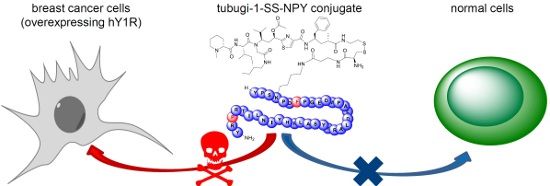
- (Ewing`s sarcoma), MDA-MB-468, MDA-MB-231 (both breast cancer) and 184B5 (normal breast; chemically transformed) were investigated. As hoped, the toxicity of tubugi-1 was masked, with IC50 values decreased by ca. 1,000-fold compared to the free toxin. Due to intracellular linker cleavage, the cytotoxic
- very potent, mostly cytotoxic drug molecules while avoiding or at least limiting the off-target toxicity that would be characteristic for the stand-alone cytotoxic drugs. Currently, four therapeutic ADCs are approved, e.g., with brentuximab vedotin and trastuzumab emtansine as the first ones on the
- cells’ membrane by unspecific, receptor-independent pathways, not discriminating between normal and transformed cells. For that reason it is very difficult to adjust a practicable therapeutic window for these toxins. All the more, it is important to mask the high toxicity of tubulysin A and tubugi-1




Mechanistic studies of an L-proline-catalyzed pyridazine formation involving a Diels–Alder reaction with inverse electron demand
Beilstein J. Org. Chem. 2019, 15, 30–43, doi:10.3762/bjoc.15.3
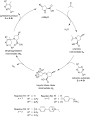
- lower toxicity, air sensitivity and lower costs [34]. A huge repertoire of organocatalyzed reactions have been published in recent years with high efficiencies and selectivities [29][33][35][36][37][38][39]. Proline as a natural amino acid is a perfect example of an organocatalyst. Both enantiomers are




Repurposing the anticancer drug cisplatin with the aim of developing novel Pseudomonas aeruginosa infection control agents
Beilstein J. Org. Chem. 2018, 14, 3059–3069, doi:10.3762/bjoc.14.284
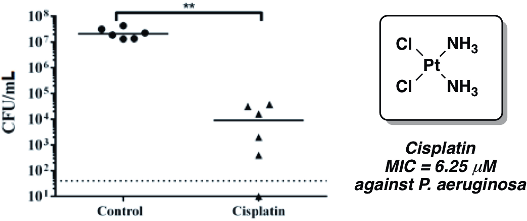
- antibiotics. Although cisplatin is highly toxic for humans upon systemic exposure, a low toxicity was demonstrated with topical treatment. This indicated that higher-than-minimal inhibitory concentration (MIC) doses of cisplatin could be topically applied to treat persistent and recalcitrant P. aeruginosa
- effective than the clinically used antibiotic tobramycin in eradicating biofilms. Although cisplatin is highly toxic for intravenous applications, we showed that it has low toxicity when applied topically to wounds, as 25 mM (0.75 mg mL−1) did not have adverse effect on wound healing. This meant that higher
- doses (5–10 × MIC) of cisplatin could be safely used for topical applications. Given the low topical toxicity of cisplatin, it may be utilized as an attractive therapeutic agent for prevention and treatment of P. aeruginosa biofilm infections. Materials and Methods Bacterial strains and culture media




Organometallic vs organic photoredox catalysts for photocuring reactions in the visible region
Beilstein J. Org. Chem. 2018, 14, 3025–3046, doi:10.3762/bjoc.14.282
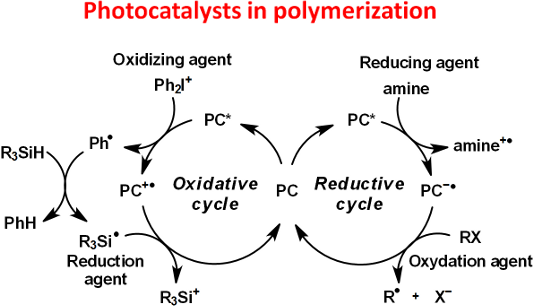
- chemistry. Thanks to the development of photoredox catalysts of polymerization, a drastic reduction of the amount of photoinitiators could be achieved, addressing the toxicity and the extractability issues; high performance initiating abilities are still obtained due to the catalytic approach which
- catalysts For some specific applications, it can be essential to develop metal-free systems because of potential toxicity, storage stability or bioaccumulation of metal for example. Organic photoredox catalysis has been largely studied in the past few years and is the topic of many reviews [17][40][45][49
- conditions tested. The choice of the photoredox catalyst has also to be done regarding the application: final toxicity, choice of the device to perform the polymerization (light irradiation, under air or not…), price of the formulation, etc. For both free radical and cationic polymerizations, only a very