


Search results
Search for "Ruppert–Prakash reagent" in Full Text gives 22 result(s) in Beilstein Journal of Organic Chemistry.
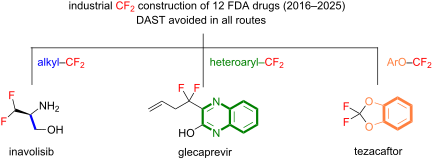
Construction of CF2 moieties in FDA-approved drugs (2016–2025): industrial routes, mechanisms, and scale-up considerations
- Wenyan Yao,
- Huanhuan Zhang,
- Xiaolong Yang and
- Feng Liu
Beilstein J. Org. Chem. 2026, 22, 1122–1150, doi:10.3762/bjoc.22.91
- the resulting fluorinated building block, was demonstrated in 2022 [46]. The landscape of commonly used reagents is evolving, with novel protocols based on trimethylsilyl fluorosulfonyldifluoroacetate (TFDA), the Ruppert–Prakash reagent (CF3SiMe3), and BrCF2SiMe3 gaining momentum, particularly with

Graphical Abstract

Figure 1: FDA-approved drugs containing CF2 groups (2016–2025). a) For tezacaftor (4), the 2018 approval year...

Figure 2: Synthesis of the alkyl–CF2 side chain in glecaprevir (1) and voxilaprevir (2).

Figure 3: Synthesis of the difluorinated intermediate 38 for ivosidenib (3).
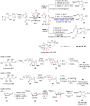
Figure 4: Synthesis of the difluorinated intermediate for cedazuridine (5).

Figure 5: Synthesis of the difluorinated intermediate for omaveloxolone (10).

Figure 6: Synthesis of the difluorinated intermediate for 1-(perfluorohexyl)octane (11).

Figure 7: Synthetic routes towards difluorinated intermediates for the synthesis of inavolisib.
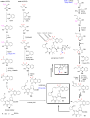
Figure 8: Synthesis of the difluorinated intermediate for glecaprevir.

Figure 9: Synthesis of the difluorinated intermediate for voxilaprevir.

Figure 10: Synthesis of the difluorinated intermediate for lenacapavir.

Figure 11: Synthesis of the difluorinated intermediate for oteseconazole.

Figure 12: Synthesis of the difluorinated intermediate for tezacaftor.

Figure 13: Synthesis of the difluorinated intermediate for difamilas (6).

Figure 14: Synthesis of the difluorinated intermediate for asciminib.

Figure 15: Mechanism of the deoxyfluorination of carbonyl groups using DAST.

Figure 16: Mechanism of the deoxyfluorination of carbonyl groups using SF4.

Figure 17: Mechanism of the fluorination of dithioketals using Olah’s reagent.

Figure 18: Mechanism of the fluorination of xanthates using AgF.

Figure 19: Mechanism of electrophilic fluorination using NFSI.

Figure 20: Mechanism of the Ni-catalyzed conversion of Ar–X to Ar–CF2H using Hu’s reagent.

Figure 21: Mechanism of the (Me3Si)3SiH-mediated intermolecular perfluoroalkylation of alkenes in water.

Figure 22: Mechanism of the formation of ArO–CF2H from ClF2COONa and ArOH.

Figure 23: Mechanism of the formation of ArO–CF2X from TMSCF2X and ArOH.
C2 to C6 biobased carbonyl platforms for fine chemistry
- Jingjing Jiang,
- Muhammad Noman Haider Tariq,
- Florence Popowycz,
- Yanlong Gu and
- Yves Queneau
Beilstein J. Org. Chem. 2025, 21, 2103–2172, doi:10.3762/bjoc.21.165
- 50% yield and 99% ee after kinetic resolution using Escherichia coli (Scheme 57) [189]. Other reactions: Yamamoto synthesized 6-hydroxy-2-(trifluoromethyl)-2H-pyran-3(6H)-ones from furfural via trifluoromethylation using the Ruppert–Prakash reagent (TMSCF3), followed by a photo-Achmatowicz reaction

Graphical Abstract

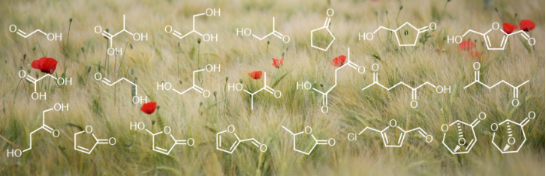
Figure 1: C2–C6 biobased carbonyl building blocks.

Scheme 1: Proposed (2 + 2) route to glycolaldehyde and glycolic acid from erythritol by Cu/AC catalyst (AC = ...

Scheme 2: Reductive amination of GCA.

Scheme 3: N-Formylation of secondary amines by reaction with GCA.

Scheme 4: Synthesis and conversion of hydroxy acetals to cyclic acetals.

Scheme 5: Synthesis of 3-(indol-3-yl)-2,3-dihydrofurans via three-component reaction of glycolaldehyde, indol...

Scheme 6: BiCl3-catalyzed synthesis of benzo[a]carbazoles from 2-arylindoles and α-bromoacetaldehyde ethylene...

Scheme 7: Cu/NCNSs-based conversion of glycerol to glycolic acid and other short biobased acids.

Scheme 8: E. coli-based biotransformation of C1 source molecules (CH4, CO2 and CO) towards C2 glycolic acid.

Scheme 9: N-Formylation of amines with C2 (a) or C3 (b) biomass-based feedstocks.

Scheme 10: Methods for the formation of propanoic acid (PA) from lactic acid (LA).

Scheme 11: Co-polymerization of biobased lactic acid and glycolic acid via a bicatalytic process.

Scheme 12: Oxidation of α-hydroxy acids by tetrachloroaurate(III) in acetic acid–sodium acetate buffer medium.

Figure 2: Selective catalytic pathways for the conversion of lactic acid (LA).

Scheme 13: Synthesis of 1,3-PDO via cross-aldol reaction between formaldehyde and acetaldehyde to 3-hydroxypro...

Scheme 14: Hydrothermal conversion of 1,3-dihydroxy-2-propane and 2,3-dihydroxypropanal to methylglyoxal.

Scheme 15: FLS-catalyzed formose reaction to synthesize GA and DHA.

Scheme 16: GCA and DHA oxidation products of glycerol and isomerization of GCA to DHA under flow conditions us...

Scheme 17: Acid-catalyzed reactions of DHA with alcohols.

Scheme 18: Synthesis of dihydroxyacetone phosphate from dihydroxyacetone.

Scheme 19: Bifunctional acid–base catalyst DHA conversion into lactic acid via pyruvaldehyde or fructose forma...

Scheme 20: Catalytic one-pot synthesis of GA and co-synthesis of formamides and formates from DHA.

Scheme 21: (a) Synthesis of furan derivatives and (b) synthesis of thiophene derivative by cascade [3 + 2] ann...

Scheme 22: Brønsted acidic ionic liquid catalyzed synthesis of benzo[a]carbazole from renewable acetol and 2-p...

Scheme 23: Asymmetric hydrogenation of α-hydroxy ketones to 1,2-diols.

Scheme 24: Synthesis of novel 6-(substituted benzylidene)-2-methylthiazolo [2,3-b]oxazol-5(6H)-one from 1-hydr...

Scheme 25: ʟ-Proline-catalyzed synthesis of anti-diols from hydroxyacetone and aldehydes.

Scheme 26: C–C-bond-formation reactions of a biomass-based feedstock aromatic aldehyde (C5) and hydroxyacetone...

Scheme 27: Ethanol upgrading to C4 bulk chemicals via the thiamine (VB1)-catalyzed acetoin condensation.

Scheme 28: One-pot sequential chemoenzymatic synthesis of 2-aminobutane-1,4-diol and 1,2,4-butanetriol via 1,4...

Scheme 29: Synthesis of 1,4-dihydroxybutan-2-one by microbial transformation.

Scheme 30: Conversion of polyols by [neocuproine)Pd(OAc)]2(OTf)2] to α-hydroxy ketones.

Scheme 31: Chemoselective oxidation of alcohols with chiral palladium-based catalyst 2.

Scheme 32: Electrochemical transformation of furfural to 5-hydroxy-2(5H)-furanone (HFO).

Scheme 33: Selective hydrodeoxygenation of HFO and oxidation to γ-butyrolactone (GBL).

Scheme 34: Photosensitized oxygenation of furan towards HFO via ozonide intermediates.

Scheme 35: Conversion of furfural to HFO and MAN by using mesoporous carbon nitride (SGCN) as photocatalyst.

Scheme 36: Synthesis of HFO from furan derivatives.

Scheme 37: Photooxidation of furfural to 5-hydroxy-2(5H)-furanone (HFO).

Scheme 38: Synthesis of Friedel–Crafts indole adduct from HFO.

Scheme 39: Conversion of HFO to α,γ-substituted chiral γ-lactones.

Scheme 40: Tautomeric transformation of HFO to formylacrylic acid.

Scheme 41: Hydrolysis of HFO to succinic acid in aqueous solution.

Scheme 42: Substitution and condensation reactions of 5-hydroxy-2(5H)-furanone (HFO).

Scheme 43: (a) Conversion of HFO towards valuable C4 chemicals and (b) anodic oxidation of 5-hydroxy-2(5H)-fur...

Figure 3: Conversion of HFO towards other natural and synthetic substances.

Scheme 44: Conversion of furfural to maleic anhydride (reaction a: VOx/Al2O3; reaction b: VPO).

Scheme 45: Conversion of furfural into succinic acid.

Scheme 46: Electro‑, photo‑, and biocatalysis for one-pot selective conversions of furfural into C4 chemicals.

Scheme 47: Production route of furfural from hemicellulose.

Scheme 48: Mechanism for xylose dehydration to furfural through a choline xyloside intermediate.

Scheme 49: Conversion of furfural to furfuryl alcohol and its derivatives.

Scheme 50: Conversion of furfural to furfuryl alcohol and 3-(2-furyl)acrolein.

Scheme 51: The aerobic oxidative condensation of biomass-derived furfural and linear alcohols.

Scheme 52: The single-step synthesis of 2-pentanone from furfural.

Scheme 53: Electrocatalytic coupling reaction of furfural and levulinic acid.

Scheme 54: Conversion of furfural to m-xylylenediamine.

Scheme 55: Conversion of furfural to tetrahydrofuran-derived amines.

Scheme 56: Formation of trans-4,5-diamino-cyclopent-2-enones from furfural.

Scheme 57: Production of pyrrole and proline from furfural.

Scheme 58: Synthesis of 1‑(trifluoromethyl)-8-oxabicyclo[3.2.1]oct-3-en-2-ones from furfural.

Scheme 59: Conversion of furfural to furfural-derived diacids.

Scheme 60: A telescope protocol derived from furfural and glycerol.

Scheme 61: A tandem cyclization of furfural and 5,5-dimethyl-1,3-cyclohexanedione.

Scheme 62: A Ugi four-component reaction to construct furfural-based polyamides.

Scheme 63: One-pot synthesis of γ-acyloxy-Cy7 from furfural.

Scheme 64: Dimerization–Piancatelli sequence toward humins precursors from furfural.

Scheme 65: Conversion of furfural to CPN.

Scheme 66: Synthesis of jet fuels range cycloalkanes from CPN and lignin-derived vanillin.

Scheme 67: Solar-energy-driven synthesis of high-density biofuels from CPN.

Scheme 68: Reductive amination of CPN to cyclopentylamine.

Scheme 69: Asymmetric hydrogenation of C=O bonds of exocyclic α,β-unsaturated cyclopentanones.

Scheme 70: Preparation of levulinic acid via the C5 route (route a) or C6 route (routes b1 and b2).

Scheme 71: Mechanism of the rehydration of HMF to levulinic acid and formic acid.

Scheme 72: Important levulinic acid-derived chemicals.

Scheme 73: Direct conversion of levulinic acid to pentanoic acid.

Scheme 74: Catalytic aerobic oxidation of levulinic acid to citramalic acid.

Scheme 75: Conversion of levulinic acid to 1,4-pentanediol (a) see ref. [236]; b) see ref. [237]; c) see ref. [238]; d) see r...

Scheme 76: Selective production of 2-butanol through hydrogenolysis of levulinic acid.

Scheme 77: General reaction pathways proposed for the formation of 5MPs from levulinic acid.

Scheme 78: Selective reductive amination of levulinic acid to N-substituted pyrroles.

Scheme 79: Reductive amination of levulinic acid to chiral pyrrolidinone.

Scheme 80: Reductive amination of levulinic acid to non-natural chiral γ-amino acid.

Scheme 81: Nitrogen-containing chemicals derived from levulinic acid.

Scheme 82: Preparation of GVL from levulinic acid by dehydration and hydrogenation.

Scheme 83: Ruthenium-catalyzed levulinic acid to chiral γ-valerolactone.

Scheme 84: Catalytic asymmetric hydrogenation of levulinic acid to chiral GVL.

Scheme 85: Three steps synthesis of ε-caprolactam from GVL.

Scheme 86: Multistep synthesis of nylon 6,6 from GVL.

Scheme 87: Preparation of MeGVL by α-alkylation of GVL.

Scheme 88: Ring-opening polymerization of five-membered lactones.

Scheme 89: Synthesis of GVL-based ionic liquids.

Scheme 90: Preparation of butene isomers from GVL under Lewis acid conditions.

Scheme 91: Construction of C5–C12 fuels from GVL over nano-HZSM-5 catalysts.

Scheme 92: Preparation of alkyl valerate from GVL via ring opening/reduction/esterification sequence.

Scheme 93: Construction of 4-acyloxypentanoic acids from GVL.

Scheme 94: Synthesis of 1,4-pentanediol (PDO) from GVL.

Scheme 95: Construction of novel cyclic hemiketal platforms via self-Claisen condensation of GVL.

Scheme 96: Copper-catalyzed lactamization of GVL.

Figure 4: Main scaffolds obtained from HMF.

Scheme 97: Biginelli reactions towards HMF-containing dihydropyrimidinones.

Scheme 98: Hantzsch dihydropyridine synthesis involving HMF.

Scheme 99: The Kabachnik–Fields reaction involving HMF.

Scheme 100: Construction of oxazolidinone from HMF.

Scheme 101: Construction of rhodamine-furan hybrids from HMF.

Scheme 102: A Groebke–Blackburn–Bienaymé reaction involving HMF.

Scheme 103: HMF-containing benzodiazepines by [4 + 2 + 1] cycloadditions.

Scheme 104: Synthesis of fluorinated analogues of α-aryl ketones.

Scheme 105: Synthesis of HMF derived disubstituted γ-butyrolactone.

Scheme 106: Functionalized aromatics from furfural and HMF.

Scheme 107: Diels–Alder adducts from HMF or furfural with N-methylmaleimide.

Scheme 108: Pathway of the one-pot conversion of HMF into phthalic anhydride.

Scheme 109: Photocatalyzed preparation of humins (L-H) from HMF mixed with spoiled HMF residues (LMW-H) and fur...

Scheme 110: Asymmetric dipolar cycloadditions on HMF.

Scheme 111: Dipolar cycloadditions of HMF based nitrones to 3,4- and 3,5-substituted isoxazolidines.

Scheme 112: Production of δ-lactone-fused cyclopenten-2-ones from HMF.

Scheme 113: Aza-Piancatelli access to aza-spirocycles from HMF-derived intermediates.

Scheme 114: Cross-condensation of furfural, acetone and HMF into C13, C14 and C15 products.

Scheme 115: Base-catalyzed aldol condensation/dehydration sequences from HMF.

Scheme 116: Condensation of HMF and active methylene nitrile.

Scheme 117: MBH reactions involving HMF.

Scheme 118: Synthesis of HMF-derived ionic liquids.

Scheme 119: Reductive amination/enzymatic acylation sequence towards HMF-based surfactants.

Scheme 120: The formation of 5-chloromethylfurfural (CMF).

Scheme 121: Conversion of CMF to HMF, levulinic acid, and alkyl levulinates.

Scheme 122: Conversion of CMF to CMFCC and FDCC.

Scheme 123: Conversion of CMF to BHMF.

Scheme 124: Conversion of CMF to DMF.

Scheme 125: CMF chlorine atom substitutions toward HMF ethers and esters.

Scheme 126: Introduction of carbon nucleophiles in CMF.

Scheme 127: NHC-catalyzed remote enantioselective Mannich-type reactions of CMF.

Scheme 128: Conversion of CMF to promising biomass-derived dyes.

Scheme 129: Radical transformation of CMF with styrenes.

Scheme 130: Synthesis of natural herbicide δ-aminolevulinic acid from CMF.

Scheme 131: Four step synthesis of the drug ranitidine from CMF.

Scheme 132: Pd/CO2 cooperative catalysis for the production of HHD and HXD.

Scheme 133: Different ruthenium (Ru) catalysts for the ring-opening of 5-HMF to HHD.

Scheme 134: Proposed pathways for preparing HXD from HMF.

Scheme 135: MCP formation and uses.

Scheme 136: Cu(I)-catalyzed highly selective oxidation of HHD to 2,5-dioxohexanal.

Scheme 137: Synthesis of N‑substituted 3‑hydroxypyridinium salts from 2,5-dioxohexanal.

Scheme 138: Ru catalyzed hydrogenations of HHD to 1,2,5-hexanetriol (a) see ref. [396]; b) see ref. [397]).

Scheme 139: Aviation fuel range quadricyclanes produced by HXD.

Scheme 140: Synthesis of HDGK from HXD and glycerol as a chain extender.

Scheme 141: Synthesis of serinol pyrrole from HXD and serinol.

Scheme 142: Synthesis of pyrroles from HXD and nitroarenes.

Scheme 143: Two-step production of PX from cellulose via HXD.

Scheme 144: Preparation of HCPN from HMF via hydrogenation and ring rearrangement.

Scheme 145: Suggested pathways from HMF to HCPN.

Scheme 146: α-Alkylation of HCPN with ethylene gas.

Scheme 147: Synthesis of 3-(hydroxymethyl)cyclopentylamine from HMF via reductive amination of HCPN.

Scheme 148: Production of LGO and Cyrene® from biomass.

Scheme 149: Synthesis of HBO from LGO and other applications.

Scheme 150: Construction of m-Cyrene® homopolymer.

Scheme 151: Conversion of Cyrene® to THFDM and 1,6-hexanediol.

Scheme 152: RAFT co-polymerization of LGO and butadienes.

Scheme 153: Polycondensation of HO-LGOL and diols with dimethyl adipate.

Scheme 154: Self-condensation of Cyrene® and Claisen–Schmidt reactions.

Scheme 155: Synthesis of 5-amino-2-(hydroxymethyl)tetrahydropyran from Cyrene®.
Synthesis of novel alkynyl imidazopyridinyl selenides: copper-catalyzed tandem selenation of selenium with 2-arylimidazo[1,2-a]pyridines and terminal alkynes
- Mio Matsumura,
- Kaho Tsukada,
- Kiwa Sugimoto,
- Yuki Murata and
- Shuji Yasuike
Beilstein J. Org. Chem. 2022, 18, 863–871, doi:10.3762/bjoc.18.87
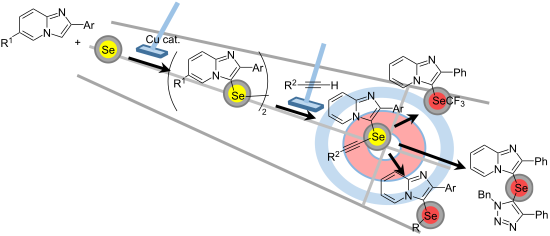
- –Prakash reagent (TMSCF3) in the presence of Cs2CO3 as base in MeCN at 0 °C gave product 7 with a trifluoromethyl group. Stefani et al. reported the 1,3-dipolar azide–alkyne cycloaddition (AAC) of organotellanyl alkynes with organic azides in the presence of a copper reagent to form 5-organotellanyl-1,2,3
- phenyllithium in THF at −78 °C led to a nucleophilic substitution reaction with the elimination of the ethynyl group to form the desired phenylimidazopyridinyl selenide 6a in 49% yield. In the reaction with n-butyllithium, alkyl derivative 6b was isolated in the same way. The reaction of 4aa with the Ruppert

Graphical Abstract

Figure 1: Biologically active selenides having alkynyl or imidazopyridinyl groups.

Figure 2: (a) ORTEP drawing of 4aa and (b) its stacking structure.

Scheme 1: Control reactions.

Figure 3: Proposed mechanism.

Scheme 2: Transformation from 4aa.
Synthesis of trifluoromethyl ketones by nucleophilic trifluoromethylation of esters under a fluoroform/KHMDS/triglyme system
- Yamato Fujihira,
- Yumeng Liang,
- Makoto Ono,
- Kazuki Hirano,
- Takumi Kagawa and
- Norio Shibata
Beilstein J. Org. Chem. 2021, 17, 431–438, doi:10.3762/bjoc.17.39
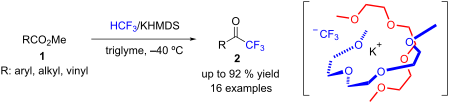
- TFMK moiety is a proven effective metal chelator in various enzyme inhibitors (Figure 1b) [58][59][60][61][62][63][64][65]. Several useful methods exist for preparing trifluoromethyl ketones [66][67], such as the direct trifluoromethylation of esters by the Ruppert–Prakash reagent (Me3SiCF3) [68][69

Graphical Abstract

Scheme 1: Chemistry of the CF3 anion generated from HCF3. a) Decomposition of the trifluoromethyl anion to di...

Figure 1: Trifluoromethyl ketones. a) Hydrolysis of trifluoromethyl ketones. b) Selected examples of biologic...

Scheme 2: Trifluoromethylation of esters by HCF3 by a) Russell and Roques (1998), b) Prakash and co-workers (...

Scheme 3: Substrate scope of esters 1 for trifluoromethylation by HCF3 under the optimized conditions. aDeter...
The preparation and properties of 1,1-difluorocyclopropane derivatives
- Kymbat S. Adekenova,
- Peter B. Wyatt and
- Sergazy M. Adekenov
Beilstein J. Org. Chem. 2021, 17, 245–272, doi:10.3762/bjoc.17.25
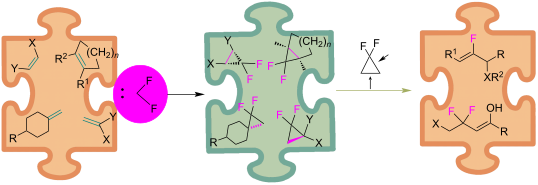
- , preparation, and ease of storage. The generation of difluorocarbene from trimethyl(trifluoromethyl)silane: One more modified method, which also increases the rate of the reaction, is the generation of difluorocarbene from TMSCF3 (31), which is also known as the Ruppert–Prakash reagent [39]. The advantages of

Graphical Abstract

Scheme 1: Synthesis of 1,1-difluoro-2,3-dimethylcyclopropane (2).

Scheme 2: Cyclopropanation via dehydrohalogenation of chlorodifluoromethane.

Scheme 3: Difluorocyclopropanation of methylstyrene 7 using dibromodifluoromethane and zinc.

Scheme 4: Synthesis of difluorocyclopropanes from the reaction of dibromodifluoromethane and triphenylphosphi...

Scheme 5: Generation of difluorocarbene in a catalytic two-phase system and its addition to tetramethylethyle...

Scheme 6: The reaction of methylstyrene 7 with chlorodifluoromethane (11) in the presence of a tetraarylarson...

Scheme 7: Pyrolysis of sodium chlorodifluoroacetate (12) in refluxing diglyme in the presence of alkene 13.

Scheme 8: Synthesis of boron-substituted gem-difluorocyclopropanes 16.

Scheme 9: Addition of sodium bromodifluoroacetate (17) to alkenes.

Scheme 10: Addition of sodium bromodifluoroacetate (17) to silyloxy-substituted cyclopropanes 20.

Scheme 11: Synthesis of difluorinated nucleosides.

Scheme 12: Addition of butyl acrylate (26) to difluorocarbene generated from TFDA (25).

Scheme 13: Addition of difluorocarbene to propargyl esters 27 and conversion of the difluorocyclopropenes 28 t...

Scheme 14: The generation of difluorocyclopropanes using MDFA 30.

Scheme 15: gem-Difluorocyclopropanation of styrene (32) using difluorocarbene generated from TMSCF3 (31) under...

Scheme 16: Synthesis of a gem-difluorocyclopropane derivative using HFPO (41) as a source of difluorocarbene.

Scheme 17: Cyclopropanation of (Z)-2-butene in the presence of difluorodiazirine (44).

Scheme 18: The cyclopropanation of 1-octene (46) using Seyferth's reagent (45) as a source of difluorocarbene.

Scheme 19: Alternative approaches for the difluorocarbene synthesis from trimethyl(trifluoromethyl)tin (48).

Scheme 20: Difluorocyclopropanation of cyclohexene (49).

Scheme 21: Synthesis of difluorocyclopropane derivative 53 using bis(trifluoromethyl)cadmium (51) as the diflu...

Scheme 22: Addition of difluorocarbene generated from tris(trifluoromethyl)bismuth (54).

Scheme 23: Addition of a stable (trifluoromethyl)zinc reagent to styrenes.

Scheme 24: The preparation of 2,2-difluorocyclopropanecarboxylic acids of type 58.

Scheme 25: Difluorocyclopropanation via Michael cyclization.

Scheme 26: Difluorocyclopropanation using N-acylimidazolidinone 60.

Scheme 27: Difluorocyclopropanation through the cyclization of phenylacetonitrile (61) and 1,2-dibromo-1,1-dif...

Scheme 28: gem-Difluoroolefins 64 for the synthesis of functionalized cyclopropanes 65.

Scheme 29: Preparation of aminocyclopropanes 70.

Scheme 30: Synthesis of fluorinated methylenecyclopropane 74 via selenoxide elimination.

Scheme 31: Reductive dehalogenation of (1R,3R)-75.

Scheme 32: Synthesis of chiral monoacetates by lipase catalysis.

Scheme 33: Transformation of (±)-trans-81 using Rhodococcus sp. AJ270.

Scheme 34: Transformation of (±)-trans-83 using Rhodococcus sp. AJ270.

Scheme 35: Hydrogenation of difluorocyclopropenes through enantioselective hydrocupration.

Scheme 36: Enantioselective transfer hydrogenation of difluorocyclopropenes with a Ru-based catalyst.

Scheme 37: The thermal transformation of trans-1,2-dichloro-3,3-difluorocyclopropane (84).

Scheme 38: cis–trans-Epimerization of 1,1-difluoro-2,3-dimethylcyclopropane.

Scheme 39: 2,2-Difluorotrimethylene diradical intermediate.

Scheme 40: Ring opening of stereoisomers 88 and 89.

Scheme 41: [1,3]-Rearrangement of alkenylcyclopropanes 90–92.

Scheme 42: Thermolytic rearrangement of 2,2-difluoro-1-vinylcyclopropane (90).

Scheme 43: Thermal rearrangement for ethyl 3-(2,2-difluoro)-3-phenylcyclopropyl)acrylates 93 and 95.

Scheme 44: Possible pathways of the ring opening of 1,1-difluoro-2-vinylcyclopropane.

Scheme 45: Equilibrium between 1,1-difluoro-2-methylenecyclopropane (96) and (difluoromethylene)cyclopropane 97...

Scheme 46: Ring opening of substituted 1,1-difluoro-2,2-dimethyl-3-methylenecyclopropane 98.

Scheme 47: 1,1-Difluorospiropentane rearrangement.

Scheme 48: Acetolysis of (2,2-difluorocyclopropyl)methyl tosylate (104) and (1,1-difluoro-2-methylcyclopropyl)...

Scheme 49: Ring opening of gem-difluorocyclopropyl ketones 106 and 108 by thiolate nucleophiles.

Scheme 50: Hydrolysis of gem-difluorocyclopropyl acetals 110.

Scheme 51: Ring-opening reaction of 2,2-difluorocyclopropyl ketones 113 in the presence of ionic liquid as a s...

Scheme 52: Ring opening of gem-difluorocyclopropyl ketones 113a by MgI2-initiated reaction with diarylimines 1...

Scheme 53: Ring-opening reaction of gem-difluorocyclopropylstannanes 117.

Scheme 54: Preparation of 1-fluorovinyl vinyl ketone 123 and the synthesis of 2-fluorocyclopentenone 124. TBAT...

Scheme 55: Iodine atom-transfer ring opening of 1,1-difluoro-2-(1-iodoalkyl)cyclopropanes 125a–c.

Scheme 56: Ring opening of bromomethyl gem-difluorocyclopropanes 130 and formation of gem-difluoromethylene-co...

Scheme 57: Ring-opening aerobic oxidation reaction of gem-difluorocyclopropanes 132.

Scheme 58: Dibrominative ring-opening functionalization of gem-difluorocyclopropanes 134.

Scheme 59: The selective formation of (E,E)- and (E,Z)-fluorodienals 136 and 137 from difluorocyclopropyl acet...

Scheme 60: Proposed mechanism for the reaction of difluoro(methylene)cyclopropane 139 with Br2.

Scheme 61: Thermal rearrangement of F2MCP 139 and iodine by CuI catalysis.

Scheme 62: Synthesis of 2-fluoropyrroles 142.

Scheme 63: Ring opening of gem-difluorocyclopropyl ketones 143 mediated by BX3.

Scheme 64: Lewis acid-promoted ring-opening reaction of 2,2-difluorocyclopropanecarbonyl chloride (148).

Scheme 65: Ring-opening reaction of the gem-difluorocyclopropyl ketone 106 by methanolic KOH.

Scheme 66: Hydrogenolysis of 1,1-difluoro-3-methyl-2-phenylcyclopropane (151).
Scheme 67: Synthesis of monofluoroalkenes 157.

Scheme 68: The stereoselective Ag-catalyzed defluorinative ring-opening diarylation of 1-trimethylsiloxy-2,2-d...

Scheme 69: Synthesis of 2-fluorinated allylic compounds 162.

Scheme 70: Pd-catalyzed cross-coupling reactions of gem-difluorinated cyclopropanes 161.

Scheme 71: The (Z)-selective Pd-catalyzed ring-opening sulfonylation of 2-(2,2-difluorocyclopropyl)naphthalene...

Figure 1: Structures of zosuquidar hydrochloride and PF-06700841.

Scheme 72: Synthesis of methylene-gem-difluorocyclopropane analogs of nucleosides.

Figure 2: Anthracene-difluorocyclopropane hybrid derivatives.

Figure 3: Further examples of difluorcyclopropanes in modern drug discovery.
Regioselective cobalt(II)-catalyzed [2 + 3] cycloaddition reaction of fluoroalkylated alkynes with 2-formylphenylboronic acids: easy access to 2-fluoroalkylated indenols
- Tatsuya Kumon,
- Miroku Shimada,
- Jianyan Wu,
- Shigeyuki Yamada and
- Tsutomu Konno
Beilstein J. Org. Chem. 2020, 16, 2193–2200, doi:10.3762/bjoc.16.184
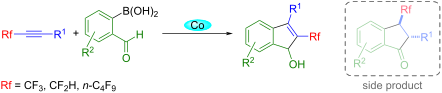
- reaction of the CF3-containing phthalide B prepared from the 1,2-diester A with the Ruppert–Prakash reagent (TMSCF3) in the presence of a catalytic amount of CsF (Scheme 1a). According to this paper, phthalide B reacted smoothly with phenylthiomethyllithium to give the corresponding CF3-containing indanone

Graphical Abstract

Figure 1: Indenol skeleton.

Scheme 1: Synthesis of 2,3-disubstituted indene derivatives.
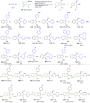
Scheme 2: Cobalt-catalyzed [2 + 3] cycloaddition reaction of the fluorinated alkynes 1 with various 2-formylp...

Scheme 3: Synthesis of the fluoroalkylated indenone 6 and the indanone 7 from the indenol 3aA. The yields wer...

Scheme 4: Stereochemical assignment of 5aA and 7 based on NMR techniques. The cross-peaks were observed throu...

Scheme 5: Proposed reaction mechanism.
Photoredox-catalyzed silyldifluoromethylation of silyl enol ethers
- Vyacheslav I. Supranovich,
- Vitalij V. Levin and
- Alexander D. Dilman
Beilstein J. Org. Chem. 2020, 16, 1550–1553, doi:10.3762/bjoc.16.126

- been extensively investigated over the last decade [8][9][10][11][12][13]. Recently, (bromodifluoromethyl)trimethylsilane (1) which can be readily obtained from the Ruppert–Prakash reagent [14][15], has been introduced as a reagent for the synthesis of various difluorinated compounds [16][17][18]. This

Graphical Abstract

Scheme 1: Reactions of (bromodifluoromethyl)trimethylsilane (1).

Scheme 2: Optimization studies. Yield determined by 19F NMR spectroscopy using an internal standard.

Figure 1: Reaction of silyl enol ethers. Yields refer to isolated yields. aReaction time 24 h; b1.0 equiv of ...

Scheme 3: Proposed mechanism of the fluoroalkylation reaction.
Copper-based fluorinated reagents for the synthesis of CF2R-containing molecules (R ≠ F)
- Louise Ruyet and
- Tatiana Besset
Beilstein J. Org. Chem. 2020, 16, 1051–1065, doi:10.3762/bjoc.16.92
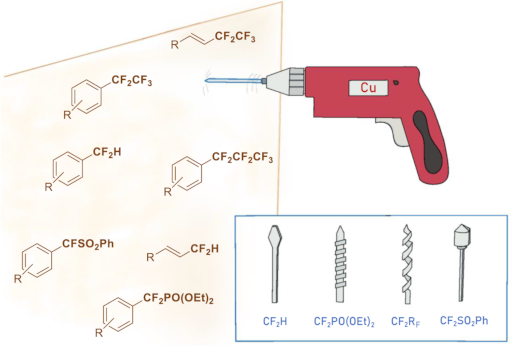
- after reduction of the Ruppert–Prakash reagent with sodium borohydride [39]. The key of success was the use of bulky IPr and SIPr ligands to stabilize the organometallic species. Indeed, in the case of IPr as a ligand, the complex was stable in solution at room temperature for at least 24 hours. The
- synthetic route to the generation of the PhenCuCF2CF3 reagent [78]. Indeed, they demonstrated that the Ruppert–Prakash reagent was a suitable source for the generation of tetrafluoroethylene in the presence of a catalytic amount of NaI. Then, the cupration of the tetrafluoroethylene led to the formation of

Graphical Abstract

Scheme 1: Synthesis of the first isolable (NHC)CuCF2H complexes from TMSCF2H and their application for the sy...

Scheme 2: Pioneer works for the in situ generation of CuCF2H from TMSCF2H and from n-Bu3SnCF2H. Phen = 1,10-p...
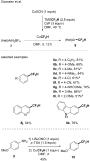
Scheme 3: A Sandmeyer-type difluoromethylation reaction via the in situ generation of CuCF2H from TMSCF2H. a ...

Scheme 4: A one pot, two-step sequence for the difluoromethylthiolation of various classes of compounds via t...
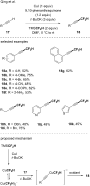
Scheme 5: A copper-mediated oxidative difluoromethylation of terminal alkynes via the in situ generation of a...
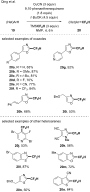
Scheme 6: A copper-mediated oxidative difluoromethylation of heteroarenes.
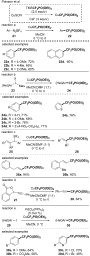
Scheme 7: Synthesis of difluoromethylphosphonate-containing molecules using the in situ-generated CuCF2PO(OEt)...
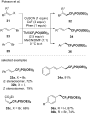
Scheme 8: Synthesis of difluoromethylphosphonate-containing molecules using in situ-generated CuCF2PO(OEt)2 s...

Scheme 9: Synthesis of difluoromethylphosphonate-containing molecules using in situ-generated CuCF2PO(OEt)2 s...
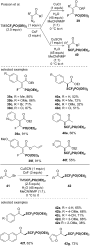
Scheme 10: Synthesis of (diethylphosphono)difluoromethylthiolated molecules using in situ-generated CuCF2PO(OE...

Scheme 11: Access to (diethylphosphono)difluoromethylthiolated molecules via the in situ generation of CuCF2PO...
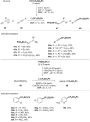
Scheme 12: Synthesis of (phenylsulfonyl)difluoromethyl-containing molecules via the in situ generation of CuCF2...

Scheme 13: Copper-mediated 1,1-difluoroethylation of diaryliodonium salts by using the in situ-generated CuCF2...

Scheme 14: Pioneer works for the pentafluoroethylation and heptafluoropropylation using a copper-based reagent...
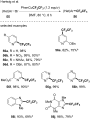
Scheme 15: Pentafluoroethylation of (hetero)aryl bromides using the (Phen)CuCF2CF3 complex. 19F NMR yields wer...

Scheme 16: Synthesis of pentafluoroethyl ketones using the (Ph3P)Cu(phen)CF2CF3 reagent. 19F NMR yields were g...
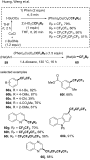
Scheme 17: Synthesis of (Phen)2Cu(O2CCF2RF) and functionalization of (hetero)aryl iodides.
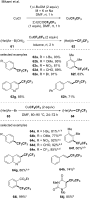
Scheme 18: Pentafluoroethylation of arylboronic acids and (hetero)aryl bromides via the in situ-generated CuCF2...

Scheme 19: In situ generation of CuCF2CF3 species from a cyclic-protected hexafluoroacetone and KCu(Ot-Bu)2. 19...
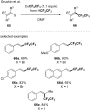
Scheme 20: Pentafluoroethylation of bromo- and iodoalkenes. Only examples of isolated compounds were depicted.

Scheme 21: Fluoroalkylation of aryl halides via a RCF2CF2Cu species.

Scheme 22: Synthesis of perfluoroorganolithium copper species or perfluroalkylcopper derivatives from iodoperf...

Scheme 23: Formation of the PhenCuCF2CF3 reagent by means of TFE and pentafluoroethylation of iodoarenes and a...
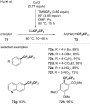
Scheme 24: Generation of a CuCF2CF3 reagent from TMSCF3 and applications.
Copper-promoted/copper-catalyzed trifluoromethylselenolation reactions
- Clément Ghiazza and
- Anis Tlili
Beilstein J. Org. Chem. 2020, 16, 305–316, doi:10.3762/bjoc.16.30

- 2003. Therein, the association of the Ruppert–Prakash reagent with ammonium fluoride in the presence of a slight excess of Se allowed the facile synthesis of Me4NSeCF3 (Scheme 9) [26]. Today, Me4NSeCF3 is routinely used by several research groups. In the past five years, this stable and easy-to-handle
- tandem formation of C–Se and Se–fluoroalkyl bonds have emerged in the last five years. In 2014, Hor and Weng reported the trifluoromethylselenolation of (hetero)aryl iodides and alkyl bromides with the Ruppert–Prakash reagent, TMSCF3, elemental selenium, potassium fluoride, and silver carbonate under
- trifluoromethylation in a one-pot procedure with the Ruppert–Prakash reagent (Scheme 15, conditions III) [41]. The corresponding trifluoromethylselenylated (hetero)aryl products were obtained in moderate to good yields using both electron-deficient and -rich starting materials, respectively. Interestingly, the authors

Graphical Abstract

Scheme 1: Process for the formation of C(sp3)–SeCF3 bonds with [(bpy)CuSeCF3]2 developed by the group of Weng....

Scheme 2: Trifluoromethylselenolation of vinyl and (hetero)aryl halides with [(bpy)CuSeCF3]2 by the group of ...

Scheme 3: Trifluoromethylselenolation of terminal alkynes using [(bpy)CuSeCF3]2 by the group of You and Weng.

Scheme 4: Trifluoromethylselenolation of carbonyl compounds with [(bpy)CuSeCF3]2 by the group of Weng.

Scheme 5: Trifluoromethylselenolation of α,β-unsaturated ketones with [(bpy)CuSeCF3]2 by the group of Weng.

Scheme 6: Trifluoromethylselenolation of acid chlorides with [(bpy)CuSeCF3]2 by the group of Weng.

Scheme 7: Synthesis of 2-trifluoromethylselenylated benzofused heterocycles with [(bpy)CuSeCF3]2 by the group...

Scheme 8: Difunctionalization of terminal alkenes and alkynes with [(bpy)CuSeCF3]2 by the group of Liang.

Scheme 9: Synthesis of Me4NSeCF3.

Scheme 10: Oxidative trifluoromethylselenolation of terminal alkynes and boronic acid derivatives with Me4NSeCF...

Scheme 11: Trifluoromethylselenolation of diazoacetates and diazonium salts with Me4NSeCF3 by the group of Goo...

Scheme 12: Trifluoromethylselenolation with ClSeCF3 by the group of Tlili and Billard.

Scheme 13: Trifluoromethylselenolation with TsSeCF3 by the group of Tlili and Billard.

Scheme 14: Copper-catalyzed synthesis of a selenylated analog 30 of Pretomanid developed by the group of Tlili...

Scheme 15: One-pot procedures for C–SeCF3 bond formations developed by Hor and Weng, Deng and Xiao, and Ruepin...
6’-Fluoro[4.3.0]bicyclo nucleic acid: synthesis, biophysical properties and molecular dynamics simulations
- Sibylle Frei,
- Andrei Istrate and
- Christian J. Leumann
Beilstein J. Org. Chem. 2018, 14, 3088–3097, doi:10.3762/bjoc.14.288
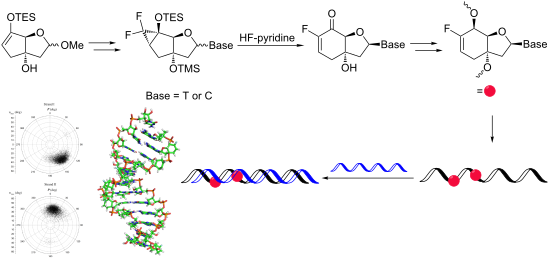
- improving the already existing protocol [50]. The sugars 2α/β were then individually treated with the Ruppert–Prakash reagent (TMSCF3) as difluorocarbene precursor and sodium iodide as initiator [52], furnishing the exo-tricyclic sugars 3α/β as major isomers. The closer evaluation of this reaction revealed

Graphical Abstract

Figure 1: Chemical structure of selected nucleic acid analogs.

Scheme 1: Synthesis of the gem-difluorinated glycal 4 from the silyl enol ethers 1α/β. Reagents and condition...

Scheme 2: Synthesis of the thymidine phosphoramidite building block 10. Reagents and conditions: a) i) thymin...

Scheme 3: Synthesis of the cytidine phosphoramidite building block 16. Reagents and conditions: a) Ac2O, pyri...

Figure 2: Proposed mechanism for the formation of the 5’-phosphorylated fragments during the oxidation step i...

Figure 3: a) Potential energy profile versus pseudorotation phase angle of nucleoside 8 and its two minimal e...

Figure 4: Average structures of the a) 6’F-bc4,3-DNA/DNA, b) 6’F-bc4,3-DNA/RNA, and c) 6’F-bc4,3-DNA/6’F-bc4,3...

Figure 5: Preferred sugar pucker of a) 6’F-bc4,3-DNA/DNA, and b) 6’F-bc4,3-DNA/RNA duplexes and torsion angle...
Nucleophilic fluoroalkylation/cyclization route to fluorinated phthalides
- Masanori Inaba,
- Tatsuya Sakai,
- Shun Shinada,
- Tsuyuka Sugiishi,
- Yuta Nishina,
- Norio Shibata and
- Hideki Amii
Beilstein J. Org. Chem. 2018, 14, 182–186, doi:10.3762/bjoc.14.12
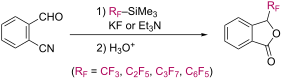
- -cyanobenzaldehyde (2) and subsequent intramolecular cyclization. Results and Discussion The reaction procedure is very simple. A mixture of 2-cyanobenzaldehyde (2), CF3–SiMe3 (so-called Ruppert–Prakash reagent) [20][21], and a catalytic amount of KF in anhydrous DMF was stirred at room temperature for 1 h. After

Graphical Abstract

Scheme 1: Phthalide and fluorinated phthalides (1).

Scheme 2: Plausible reaction mechanism for the formation of phthalide 1a.
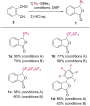
Scheme 3: Synthesis of fluorinated phthalides 1.

Scheme 4: Asymmetric synthesis of 1a using a chiral auxiliary.

Scheme 5: Catalytic asymmetric synthesis of 1a.
Progress in copper-catalyzed trifluoromethylation
- Guan-bao Li,
- Chao Zhang,
- Chun Song and
- Yu-dao Ma
Beilstein J. Org. Chem. 2018, 14, 155–181, doi:10.3762/bjoc.14.11
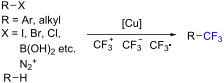
- explored the trifluoromethylation of primary and secondary alkylboronic acids with the Ruppert–Prakash reagent (TMSCF3) (Scheme 17) [32]. These alkylboronic acids were prepared from the corresponding alkyl halides or tosylates by using their previously developed Cu-catalyzed borylation method [33]. Both
- tetrahydroisoquinoline derivatives using DDQ and Ruppert–Prakash reagent (Scheme 31). A variety of amines proceeded smoothly to give the corresponding products in 15–90% yields under mild conditions. Based on previous literature, the author proposed a possible mechanism in Scheme 31. Firstly, oxidation of N-substituted

Graphical Abstract

Figure 1: Selected examples of pharmaceutical and agrochemical compounds containing the trifluoromethyl group....

Scheme 1: Introduction of a diamine into copper-catalyzed trifluoromethylation of aryl iodides.
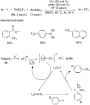
Scheme 2: Addition of a Lewis acid into copper-catalyzed trifluoromethylation of aryl iodides and the propose...

Scheme 3: Trifluoromethylation of heteroaromatic compounds using S-(trifluoromethyl)diphenylsulfonium salts a...

Scheme 4: The preparation of a new trifluoromethylation reagent and its application in trifluoromethylation o...

Scheme 5: Trifluoromethylation of aryl iodides using CF3CO2Na as a trifluoromethyl source.

Scheme 6: Trifluoromethylation of aryl iodides using MTFA as a trifluoromethyl source.

Scheme 7: Trifluoromethylation of aryl iodides using CF3CO2K as a trifluoromethyl source.
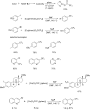
Scheme 8: Trifluoromethylation of aryl iodides and heteroaryl bromides using [Cu(phen)(O2CCF3)] as a trifluor...

Scheme 9: Trifluoromethylation of aryl iodides with DFPB and the proposed mechanism.

Scheme 10: Trifluoromethylation of aryl iodides using TCDA as a trifluoromethyl source. Reaction conditions: [...

Scheme 11: The mechanism of trifluoromethylation using Cu(II)(O2CCF2SO2F)2 as a trifluoromethyl source.

Scheme 12: Trifluoromethylation of benzyl bromide reported by Shibata’s group.

Scheme 13: Trifluoromethylation of allylic halides and propargylic halides reported by the group of Nishibayas...

Scheme 14: Trifluoromethylation of propargylic halides reported by the group of Nishibayashi.

Scheme 15: Trifluoromethylation of alkyl halides reported by Nishibayashi’s group.

Scheme 16: Trifluoromethylation of pinacol esters reported by the group of Gooßen.

Scheme 17: Trifluoromethylation of primary and secondary alkylboronic acids reported by the group of Fu.

Scheme 18: Trifluoromethylation of boronic acid derivatives reported by the group of Liu.

Scheme 19: Trifluoromethylation of organotrifluoroborates reported by the group of Huang.

Scheme 20: Trifluoromethylation of aryl- and vinylboronic acids reported by the group of Shibata.

Scheme 21: Trifluoromethylation of arylboronic acids via the merger of photoredox and Cu catalysis.

Scheme 22: Trifluoromethylation of arylboronic acids reported by Sanford’s group. Isolated yield. aYields dete...

Scheme 23: Trifluoromethylation of arylboronic acids and vinylboronic acids reported by the group of Beller. Y...

Scheme 24: Copper-mediated Sandmeyer type trifluoromethylation using Umemoto’s reagent as a trifluoromethylati...

Scheme 25: Copper-mediated Sandmeyer type trifluoromethylation using TMSCF3 as a trifluoromethylation reagent ...

Scheme 26: One-pot Sandmeyer trifluoromethylation reported by the group of Gooßen.

Scheme 27: Copper-catalyzed trifluoromethylation of arenediazonium salts in aqueous media.

Scheme 28: Copper-mediated Sandmeyer trifluoromethylation using Langlois’ reagent as a trifluoromethyl source ...

Scheme 29: Trifluoromethylation of terminal alkenes reported by the group of Liu.

Scheme 30: Trifluoromethylation of terminal alkenes reported by the group of Wang.

Scheme 31: Trifluoromethylation of tetrahydroisoquinoline derivatives reported by Li and the proposed mechanis...
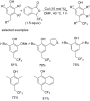
Scheme 32: Trifluoromethylation of phenol derivatives reported by the group of Hamashima.
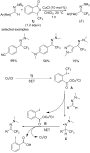
Scheme 33: Trifluoromethylation of hydrazones reported by the group of Baudoin and the proposed mechanism.

Scheme 34: Trifluoromethylation of benzamides reported by the group of Tan.

Scheme 35: Trifluoromethylation of heteroarenes and electron-deficient arenes reported by the group of Qing an...

Scheme 36: Trifluoromethylation of N-aryl acrylamides using CF3SO2Na as a trifluoromethyl source.

Scheme 37: Trifluoromethylation of aryl(heteroaryl)enol acetates using CF3SO2Na as the source of CF3 and the p...

Scheme 38: Trifluoromethylation of imidazoheterocycles using CF3SO2Na as a trifluoromethyl source and the prop...

Scheme 39: Copper-mediated trifluoromethylation of terminal alkynes using TMSCF3 as a trifluoromethyl source a...

Scheme 40: Improved copper-mediated trifluoromethylation of terminal alkynes reported by the group of Qing.

Scheme 41: Copper-catalyzed trifluoromethylation of terminal alkynes reported by the group of Qing.
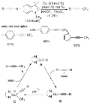
Scheme 42: Copper-catalyzed trifluoromethylation of terminal alkynes using Togni’s reagent and the proposed me...

Scheme 43: Copper-catalyzed trifluoromethylation of terminal alkynes using Umemoto’s reagent reported by the g...

Scheme 44: Copper-catalyzed trifluoromethylation of 3-arylprop-1-ynes reported by Xiao and Lin and the propose...
CF3SO2X (X = Na, Cl) as reagents for trifluoromethylation, trifluoromethylsulfenyl-, -sulfinyl- and -sulfonylation. Part 1: Use of CF3SO2Na
- Hélène Guyon,
- Hélène Chachignon and
- Dominique Cahard
Beilstein J. Org. Chem. 2017, 13, 2764–2799, doi:10.3762/bjoc.13.272
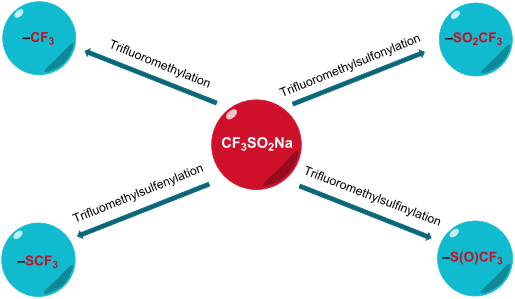
- popular nucleophilic trifluoromethylating reagent is certainly the trifluoromethyltrimethylsilane, CF3SiMe3, known as the Ruppert–Prakash reagent discovered in 1984 by Ruppert and applied for trifluoromethylation in 1989 by Prakash and Olah. More recently, renewed investigation on the use of fluoroform

Graphical Abstract

Scheme 1: Trifluoromethylation of enol acetates by Langlois.

Scheme 2: Trifluoromethylation of (het)aryl enol acetates.

Scheme 3: Mechanism for the trifluoromethylation of enol acetates.

Scheme 4: Oxidative trifluoromethylation of unactivated olefins and mechanistic pathway.
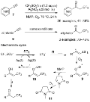
Scheme 5: Oxidative trifluoromethylation of acetylenic substrates.

Scheme 6: Metal free trifluoromethylation of styrenes.

Scheme 7: Synthesis of α-trifluoromethylated ketones by oxytrifluoromethylation of heteroatom-functionalised ...
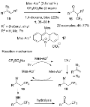
Scheme 8: Catalysed photoredox trifluoromethylation of vinyl azides.

Scheme 9: Oxidative difunctionalisation of alkenyl MIDA boronates.

Scheme 10: Synthesis of β-trifluoromethyl ketones from cyclopropanols.

Scheme 11: Aryltrifluoromethylation of allylic alcohols.

Scheme 12: Cascade multicomponent synthesis of nitrogen heterocycles via azotrifluoromethylation of alkenes.

Scheme 13: Photocatalytic azotrifluoromethylation of alkenes with aryldiazonium salts and CF3SO2Na.

Scheme 14: Copper-promoted intramolecular aminotrifluoromethylation of alkenes with CF3SO2Na.

Scheme 15: Oxytrifluoromethylation of alkenes with CF3SO2Na and hydroxamic acid.

Scheme 16: Manganese-catalysed oxytrifluoromethylation of styrene derivatives.

Scheme 17: Oxytrifluoromethylation of alkenes with NMP/O2 and CF3SO2Na.

Scheme 18: Intramolecular oxytrifluoromethylation of alkenes.

Scheme 19: Hydrotrifluoromethylation of styrenyl alkenes and unactivated aliphatic alkenes.

Scheme 20: Hydrotrifluoromethylation of electron-deficient alkenes.

Scheme 21: Hydrotrifluoromethylation of alkenes by iridium photoredox catalysis.

Scheme 22: Iodo- and bromotrifluoromethylation of alkenes by CF3SO2Na/I2O5 or CF3SO2Na / NaBrO3.

Scheme 23: N-methyl-9-mesityl acridinium and visible-light-induced chloro-, bromo- and SCF3 trifluoromethylati...

Scheme 24: Carbotrifluoromethylation of N-arylacrylamides with CF3SO2Na / TBHP by Lipshutz.

Scheme 25: Carbotrifluoromethylation of N-arylacrylamides with CF3SO2Na/TBHP reported by Lei.

Scheme 26: Carbotrifluoromethylation of N-arylacrylamides with CF3SO2Na/(NH4)2S2O8.

Scheme 27: Metal-free carbotrifluoromethylation of N-arylacrylamides with CF3SO2Na/K2S2O8 reported by Wang.

Scheme 28: Metal-free carbotrifluoromethylation of N-arylacrylamides with CF3SO2Na/PIDA reported by Fu.

Scheme 29: Metal-free cascade trifluoromethylation/cyclisation of N-arylmethacrylamides (a) and enynes (b) wit...

Scheme 30: Trifluoromethylation/cyclisation of N-arylcinnamamides: Synthesis of 3,4-disubstituted dihydroquino...

Scheme 31: Trifluoromethylation/cyclisation of aromatic-containing unsaturated ketones.

Scheme 32: Chemo- and regioselective cascade trifluoromethylation/heteroaryl ipso-migration of unactivated alk...

Scheme 33: Copper-mediated 1,2-bis(trifluoromethylation) of alkenes.

Scheme 34: Trifluoromethylation of aromatics with CF3SO2Na reported by Langlois.

Scheme 35: Baran’s oxidative C–H trifluoromethylation of heterocycles.

Scheme 36: Trifluoromethylation of acetanilides and anilines.

Scheme 37: Trifluoromethylation of heterocycles in water.

Scheme 38: Trifluoromethylation of coumarins in a continuous-flow reactor.

Scheme 39: Oxidative trifluoromethylation of coumarins, quinolines and pyrimidinones.

Scheme 40: Oxidative trifluoromethylation of pyrimidinones and pyridinones.

Scheme 41: Phosphovanadomolybdic acid-catalysed direct C−H trifluoromethylation.

Scheme 42: Oxidative trifluoromethylation of imidazopyridines and imidazoheterocycles.

Scheme 43: Oxidative trifluoromethylation of imidazoheterocycles and imidazoles in ionic liquid/water.
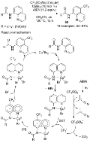
Scheme 44: Oxidative trifluoromethylation of 8-aminoquinolines.

Scheme 45: Oxidative trifluoromethylation of various 8-aminoquinolines using the supported catalyst CS@Cu(OAc)2...

Scheme 46: Oxidative trifluoromethylation of the naphthylamide 70.

Scheme 47: Oxidative trifluoromethylation of various arenes in the presence of CF3SO2Na and sodium persulfate.
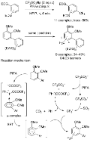
Scheme 48: Trifluoromethylation of electron-rich arenes and unsymmetrical biaryls with CF3SO2Na in the presenc...

Figure 1: Trifluoromethylated coumarin and flavone.

Scheme 49: Metal-free trifluoromethylation catalysed by a photoredox organocatalyst.

Scheme 50: Quinone-mediated trifluoromethylation of arenes and heteroarenes.

Scheme 51: Metal- and oxidant-free photochemical trifluoromethylation of arenes.

Scheme 52: Copper-mediated trifluoromethylation of arenediazonium tetrafluoroborates.

Scheme 53: Oxidative trifluoromethylation of aryl- and heteroarylboronic acids.
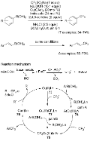
Scheme 54: Oxidative trifluoromethylation of aryl- and vinylboronic acids.

Scheme 55: Oxidative trifluoromethylation of unsaturated potassium organotrifluoroborates.

Scheme 56: Oxidative trifluoromethylation of (hetero)aryl- and vinyltrifluoroborates.

Scheme 57: Copper−catalysed decarboxylative trifluoromethylation of cinnamic acids.

Scheme 58: Iron-mediated decarboxylative trifluoromethylation of α,β-unsaturated carboxylic acids.

Scheme 59: Cu/Ag-catalysed decarboxylative trifluoromethylation of cinnamic acids.

Scheme 60: I2O5-Promoted decarboxylative trifluoromethylation of cinnamic acids.

Scheme 61: Silver(I)-catalysed denitrative trifluoromethylation of β-nitrostyrenes.
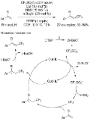
Scheme 62: Copper-catalysed direct trifluoromethylation of styrene derivatives.
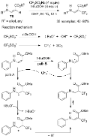
Scheme 63: Transition-metal-free synthesis of β-trifluoromethylated enamines.

Scheme 64: I2O5-mediated iodotrifluoromethylation of alkynes.

Scheme 65: Silver-catalysed tandem trifluoromethylation/cyclisation of aryl isonitriles.

Scheme 66: Photoredox trifluoromethylation of 2-isocyanobiphenyls.

Scheme 67: Trifluoromethylation of potassium alkynyltrifluoroborates with CF3SO2Na.
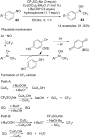
Scheme 68: N-trifluoromethylation of nitrosoarenes with CF3SO2Na (SQ: semiquinone).

Scheme 69: Trifluoromethylation of disulfides with CF3SO2Na.

Scheme 70: Trifluoromethylation of thiols with CF3SO2Na/I2O5.
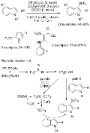
Scheme 71: Electrophilic trifluoromethylsulfenylation by means of CF3SO2Na/(EtO)2P(O)H/CuCl/DMSO.

Scheme 72: Electrophilic trifluoromethylsulfenylation by means of CF3SO2Na/(EtO)2P(O)H/TMSCl.
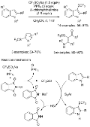
Scheme 73: Electrophilic trifluoromethylsulfenylation by means of CF3SO2Na/PPh3/N-chlorophthalimide.

Scheme 74: Electrophilic trifluoromethylsulfenylation by means of CF3SO2Na/PCl3.

Scheme 75: Electrophilic trifluoromethylsulfenylation by means of CF3SO2Na/PCl3.

Scheme 76: Trifluoromethylsulfenylation of aryl iodides with in situ generated CuSCF3 (DMI: 1,3-dimethyl-2-imi...

Scheme 77: Pioneering trifluoromethylsulfinylation of N, O, and C-nucleophiles.

Scheme 78: Trifluoromethylsulfinylation of (1R,2S)-ephedrine (Im: imidazole; DIEA: N,N-diisopropylethylamine).

Scheme 79: Trifluoromethylsulfinylation of substituted benzenes with CF3SO2Na/CF3SO3H.

Scheme 80: Trifluoromethylsulfinylation of indoles with CF3SO2Na/P(O)Cl3.

Scheme 81: Trifluoromethylsulfinylation of indoles with CF3SO2Na/PCl3.

Scheme 82: Formation of triflones from benzyl bromides (DMA: dimethylacetamide).

Scheme 83: Formation of α-trifluoromethylsulfonyl ketones, esters, and amides.

Scheme 84: Allylic trifluoromethanesulfonylation of aromatic allylic alcohols.

Scheme 85: Copper-catalysed couplings of aryl iodonium salts with CF3SO2Na.

Scheme 86: Palladium-catalysed trifluoromethanesulfonylation of aryl triflates and chlorides with CF3SO2Na.

Scheme 87: Copper-catalysed coupling of arenediazonium tetrafluoroborates with CF3SO2Na.

Scheme 88: Synthesis of phenyltriflone via coupling of benzyne with CF3SO2Na.

Scheme 89: Synthesis of 1-trifluoromethanesulfonylcyclopentenes from 1-alkynyl-λ3-bromanes and CF3SO2Na.

Scheme 90: One-pot synthesis of functionalised vinyl triflones.

Scheme 91: Regioselective synthesis of vinyltriflones from styrenes.

Scheme 92: Trifluoromethanesulfonylation of alkynyl(phenyl) iodonium tosylates by CF3SO2Na.

Scheme 93: Synthesis of thio- and selenotrifluoromethanesulfonates.
Carbon–carbon bond cleavage for Cu-mediated aromatic trifluoromethylations and pentafluoroethylations
- Tsuyuka Sugiishi,
- Hideki Amii,
- Kohsuke Aikawa and
- Koichi Mikami
Beilstein J. Org. Chem. 2015, 11, 2661–2670, doi:10.3762/bjoc.11.286
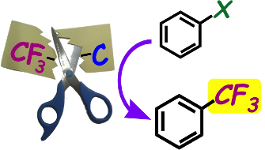
- . and Buchwald et al. used the Ruppert–Prakash reagent (CF3–SiMe3) directly as a CF3− source [46][47]. From CF3–SiMe3, Hartwig et al. developed a new combination of Ir-catalyzed C–H borylation and oxidative cross-coupling using [(phen)CF3Cu] [48]. Grushin et al. utilized fluoroform for the preparation

Graphical Abstract

Scheme 1: Trifluoromethylation using trifluoroacetate.

Scheme 2: Decarboxylative pentafluoroethylation and its application.

Scheme 3: Trifluoromethyation with trifluoroacetate in a flow system.

Scheme 4: Trifluoromethylation of 4-bromotoluene by [(NHC)Cu(TFA)].

Scheme 5: Trifluoromethylation of aryl iodides with small amounts of Cu and Ag2O. aThe yield was determined b...

Scheme 6: C–H trifluoromethylation of arenes using trifluoroacetic acid.

Scheme 7: CF3Cu generated from chlorofluoroacetate and CuI.

Scheme 8: [18F]Trifluoromethyation with difluorocarbenes for PET. aRadiochemical yield determined by HPLC.

Scheme 9: Trifluoromethylation with trifluoroacetate and copper iodide.

Scheme 10: Preparation of trifluoromethylcopper from trifluoromethyl ketone.

Scheme 11: Trifluoromethylation of aryl iodides. aIsolated yield. b1 equivalent each of CF3Cu reagent and 1,10...

Scheme 12: Pentafluoroethylation of aryl bromides. aYield was determined by 19F NMR analysis using benzotriflu...
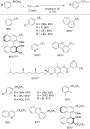
Scheme 13: Perfluoroalkylation reactions of arylboronic acids. aIsolated yield. bDMF was used instead of tolue...

Scheme 14: Trifluoromethylation with silylated hemiaminal of fluoral.

Scheme 15: Catalytic trifluoromethylation with a fluoral derivative.

Scheme 16: The scope of Cu-catalyzed aromatic trifluoromethylation. The yield was determined by 19F NMR analys...

Scheme 17: Plausible mechanism of Cu-catalyzed aromatic trifluoromethylation [53].
Organic chemistry on surfaces: Direct cyclopropanation by dihalocarbene addition to vinyl terminated self-assembled monolayers (SAMs)
- Malgorzata Adamkiewicz,
- David O’Hagan and
- Georg Hähner
Beilstein J. Org. Chem. 2014, 10, 2897–2902, doi:10.3762/bjoc.10.307
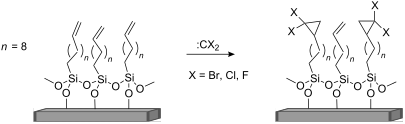
- , and thus a more dramatic change to the surface properties. Experimental Bromoform (CHBr3), chloroform (CHCl3) and the Ruppert–Prakash reagent (CF3Si(CH3)2) [33][34] were used as the carbene precursors for surface modification, with the resultant carbenes generated in solution. For dibromo- and
- time required to be optimised. The reaction temperature was kept at 25 °C and the phase-transfer catalyst, benzyltriethylammonium chloride (BTEAC) was chosen to generate the :CX2 carbenes, and minimise exposure of the wafers to the base. The Ruppert–Prakash reagent (TMSCF3) was used to prepare the gem

Graphical Abstract

Figure 1: General strategies for incorporating functional groups (FGs) on the surface of self-assembled monol...
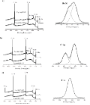
Figure 2: XPS scans after reactions with a) :CBr2; b) :CCl2 and c) :CF2. In each case the upper traces are sc...

Scheme 1: Model reactions of dec-1-ene (1) with dihalocarbenes in the liquid phase. a) and b) NaOH, BTEAC, CHX...

Figure 3: AFM images of 5 μm × 5 μm area of C11-vinyl SAMs modified with a) :CBr2 carbene, RMS 93 pm; b) :CCl2...

Figure 4: The experimental set-up for the dibromo-, dichloro- and difluorocarbene reactions performed on C11-...
Deoxygenative gem-difluoroolefination of carbonyl compounds with (chlorodifluoromethyl)trimethylsilane and triphenylphosphine
- Fei Wang,
- Lingchun Li,
- Chuanfa Ni and
- Jinbo Hu
Beilstein J. Org. Chem. 2014, 10, 344–351, doi:10.3762/bjoc.10.32
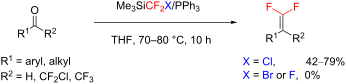
- and the application of the former in deoxygenative gem-difluoroolefination of carbonyl compounds via Wittig-type reaction are reported. Results and Discussion (Halodifluoromethyl)trimethylsilanes including TMSCF3 (Ruppert–Prakash reagent), TMSCF2Cl, and TMSCF2Br are initially prepared by reductive

Graphical Abstract

Scheme 1: Various procedures for the generation of difluoromethylene phosphonium ylide [19-25].

Scheme 2: Difluoromethylenation of alkenes and alkynes and difluoromethylation of heteroatom nucleophiles wit...

Scheme 3: Bromo–chloro exchange reaction using AgCl.

Scheme 4: Proposed different reaction pathways of the difluorinated ylide in the presence of TMSCl and TMSBr.

Figure 1: gem-Difluoroolefination of aldehydes. Reactions were performed on 0.5 mmol scale in a pressure tube...

Figure 2: gem-Difluoroolefination of activated ketones. Reactions were performed on 0.5 mmol scale in a press...

Scheme 5: Plausible mechanisms for the formation of difluoromethylene triphenylphosphonium ylide from TMSCF2C...
Synthesis, characterization and initial evaluation of 5-nitro-1-(trifluoromethyl)-3H-1λ3,2-benziodaoxol-3-one
- Nico Santschi,
- Roman C. Sarott,
- Elisabeth Otth,
- Reinhard Kissner and
- Antonio Togni
Beilstein J. Org. Chem. 2014, 10, 1–6, doi:10.3762/bjoc.10.1
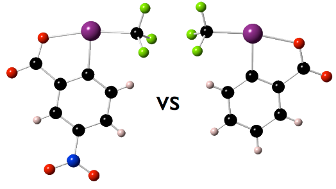
- % average yield of five experiments). This step was routinely carried out on a 3 gram scale in less than 5 minutes. Finally, introduction of the trifluoromethyl group was achieved by stirring 6 and anhydrous KF in hot MeCN, followed by treatment with Ruppert–Prakash reagent (TMSCF3) at 0 °C yielding 10–35

Graphical Abstract

Figure 1: Electrophilic trifluoromethylating agents 1 and 2.

Scheme 1: Synthesis of 5-nitro-1-(trifluoromethyl)-3H-1λ3,2-benziodaoxol-3-one (3).

Figure 2: UV–vis spectra of reagents 2 (green) and 3 (blue) in DMSO/H2O 1:1.

Figure 3: ORTEP representation of X-ray structures 6 and 3. Thermal ellipsoids set to 30% probability. Hydrog...

Figure 4: DSC traces obtained for 2 (green) and 3 (blue).

Figure 5: Cyclic voltammetry of 3 (1 mM, black) and of a mixture of 3 (1 mM) and methyl 2-iodo-5-nitrobenzoat...
Figure 6: Sample kinetic traces for the decomposition of 2 (green) and 3 (blue) to 4 and 5, respectively, upo...
Recent advances in transition metal-catalyzed Csp2-monofluoro-, difluoro-, perfluoromethylation and trifluoromethylthiolation
- Grégory Landelle,
- Armen Panossian,
- Sergiy Pazenok,
- Jean-Pierre Vors and
- Frédéric R. Leroux
Beilstein J. Org. Chem. 2013, 9, 2476–2536, doi:10.3762/bjoc.9.287
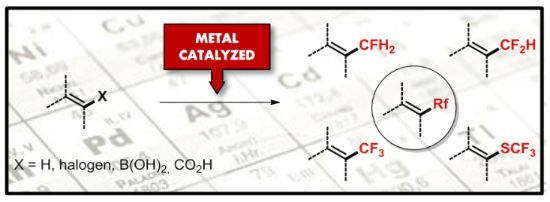
- CF3-source. A single study on palladium-catalyzed trifluoromethylation of sp2-C–H bonds was reported by G. Liu and coworkers [72]. It described the introduction of a CF3 group at the 2-position of indoles using palladium acetate as a catalyst and the Ruppert–Prakash reagent TMSCF3. A screening of
- and F.-L. Qing, where catalytic copper was used in the trifluoromethylation of sp2-C–H bonds by a nucleophilic CF3-releasing reagent [91]. In this paper, heteroarenes or arenes bearing acidic sp2-C–H bonds were trifluoromethylated by the Ruppert–Prakash reagent in presence of catalytic copper(II), a
- required such as Ruppert–Prakash reagent (TMSCF3) or TESCF3 to generate a CF3-nucleophile, and S-(trifluoromethyl)thiophenium salts or Togni’s reagent to generate a CF3+-electrophile, an alternative approach has recently been reported, by different groups, where highly reactive CF3 radicals are generated

Graphical Abstract

Scheme 1: Pd-catalyzed monofluoromethylation of pinacol phenylboronate [44].

Scheme 2: Cu-catalyzed monofluoromethylation with 2-PySO2CHFCOR followed by desulfonylation [49].

Scheme 3: Cu-catalyzed difluoromethylation with α-silyldifluoroacetates [57].

Figure 1: Mechanism of the Cu-catalyzed C–CHF2 bond formation of α,β-unsaturated carboxylic acids through dec...

Scheme 4: Fe-catalyzed decarboxylative difluoromethylation of cinnamic acids [62].

Scheme 5: Preliminary experiments for investigation of the mechanism of the C–H trifluoromethylation of N-ary...

Figure 2: Plausible catalytic cycle proposed by Z.-J. Shi et al. for the trifluoromethylation of acetanilides ...

Figure 3: Plausible catalytic cycle proposed by M. S. Sanford et al. for the perfluoroalkylation of simple ar...

Figure 4: Postulated reaction pathway for the Ag/Cu-catalyzed trifluoromethylation of aryl iodides by Z. Q. W...

Figure 5: Postulated reaction mechanism for Cu-catalyzed trifluoromethylation reaction using MTFA as trifluor...

Scheme 6: Formal Heck-type trifluoromethylation of vinyl(het)arenes by M. Sodeoka et al. [83].

Figure 6: Proposed catalytic cycle for the copper-catalyzed trifluoromethylation of (het)arenes in presence o...

Figure 7: Proposed catalytic cycle for the copper-catalyzed trifluoromethylation of N,N-disubstituted (hetero...

Figure 8: Proposed catalytic cycle by Y. Zhang and J. Wang et al. for the copper-catalyzed trifluoromethylati...

Figure 9: Mechanistic rationale for the trifluoromethylation of arenes in presence of Langlois’s reagent and ...

Scheme 7: Trifluoromethylation of 4-acetylpyridine with Langlois’s reagent by P. S. Baran et al. (* Stirring ...

Scheme 8: Catalytic copper-facilitated perfluorobutylation of benzene with C4F9I and benzoyl peroxide [90].

Figure 10: F.-L. Qing et al.’s proposed mechanism for the copper-catalyzed trifluoromethylation of (hetero)are...

Figure 11: Mechanism of the Cu-catalyzed/Ru-photocatalyzed trifluoromethylation and perfluoroalkylation of ary...

Figure 12: Proposed mechanism for the Cu-catalyzed trifluoromethylation of aryl- and vinyl boronic acids with ...

Figure 13: Possible mechanism for the Cu-catalyzed decarboxylative trifluoromethylation of cinnamic acids [62].

Scheme 9: Ruthenium-catalyzed perfluoroalkylation of alkenes and (hetero)arenes with perfluoroalkylsulfonyl c...

Figure 14: N. Kamigata et al.’s proposed mechanism for the Ru-catalyzed perfluoroalkylation of alkenes and (he...

Figure 15: Proposed mechanism for the Ru-catalyzed photoredox trifluoromethylation of (hetero)arenes with trif...

Figure 16: Late-stage trifluoromethylation of pharmaceutically relevant molecules with trifluoromethanesulfony...

Figure 17: Proposed mechanism for the trifluoromethylation of alkenes with trifluoromethyl iodide under Ru-bas...

Scheme 10: Formal perfluoroakylation of terminal alkenes by Ru-catalyzed cross-metathesis with perfluoroalkyle...

Figure 18: One-pot Ir-catalyzed borylation/Cu-catalyzed trifluoromethylation of complex small molecules by Q. ...

Figure 19: Mechanistic proposal for the Ni-catalyzed perfluoroalkylation of arenes and heteroarenes with perfl...

Scheme 11: Electrochemical Ni-catalyzed perfluoroalkylation of 2-phenylpyridine (Y. H. Budnikova et al.) [71].

Scheme 12: Fe(II)-catalyzed trifluoromethylation of arenes and heteroarenes with trifluoromethyl iodide (T. Ya...

Figure 20: Mechanistic proposal by T. Yamakawa et al. for the Fe(II)-catalyzed trifluoromethylation of arenes ...

Scheme 13: Ytterbium-catalyzed perfluoroalkylation of dihydropyran with perfluoroalkyl iodide (Y. Ding et al.) ...

Figure 21: Mechanistic proposal by A. Togni et al. for the rhenium-catalyzed trifluoromethylation of arenes an...

Figure 22: Mechanism of the Cu-catalyzed oxidative trifluoromethylthiolation of arylboronic acids with TMSCF3 ...

Scheme 14: Removal of the 8-aminoquinoline auxiliary [136].

Figure 23: Mechanism of the Cu-catalyzed trifluoromethylthiolation of C–H bonds with a trifluoromethanesulfony...
Cu-catalyzed trifluoromethylation of aryl iodides with trifluoromethylzinc reagent prepared in situ from trifluoromethyl iodide
- Yuzo Nakamura,
- Motohiro Fujiu,
- Tatsuya Murase,
- Yoshimitsu Itoh,
- Hiroki Serizawa,
- Kohsuke Aikawa and
- Koichi Mikami
Beilstein J. Org. Chem. 2013, 9, 2404–2409, doi:10.3762/bjoc.9.277
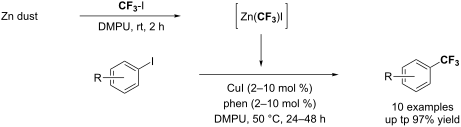
- . Keywords: organo-fluorine; Ruppert–Prakash reagent; trifluoromethyl; trifluoromethylation; trifluoromethyl zinc; Introduction Organo-fluorine compounds have received considerable attention in the fields of biomedical chemistry, agrochemistry, and organic material science due to their unique chemical

Graphical Abstract

Figure 1: Copper-catalyzed trifluoromethylation of various aryl iodides. Yields were determined by 19F NMR an...

Scheme 1: Observation of CuCF3 species in 19F NMR spectrum. aEquivalents based on Zn(CF3)I. bYields based on ...

Scheme 2: Proposed mechanism of copper-catalyzed trifluoromethylation.
Regioselective 1,4-trifluoromethylation of α,β-unsaturated ketones via a S-(trifluoromethyl)diphenylsulfonium salts/copper system
- Satoshi Okusu,
- Yutaka Sugita,
- Etsuko Tokunaga and
- Norio Shibata
Beilstein J. Org. Chem. 2013, 9, 2189–2193, doi:10.3762/bjoc.9.257
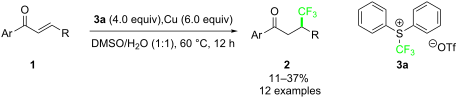
- of 1,4-additive trifluoromethylation of (trifluoromethyl)trimethylsilane (Me3SiCF3, Ruppert–Prakash reagent) to very specific substrates such as trans-1-benzoyl-2-(dimethylamino)ethylene [12], 2-polyfluoroalkylchromones [13][14], isoxazoles with a nitro group at the 4-position [15], and Morita–Baylis
- –Hillman adducts (via SN2’ [16] or successive SN2’/SN2’ mode [17]). Sevenard and co-workers reported the nucleophilic 1,4-trifluoromethylation to chromones, coumarins and cyclohex-2-enone using the Ruppert–Prakash reagent, which was achieved by blocking the carbonyl moiety of the substrates with a bulky
- only a trace amount of the desired product 2a under the same reaction conditions (Table 1, entries 13–15). No reaction was observed using Ruppert–Prakash reagent in the presence of Cu under the same conditions (Table 1, entry 16). In all the cases, the reaction was regioselective and a trace amount of

Graphical Abstract

Scheme 1: Trifluoromethylation of α,β-unsaturated ketones.

Scheme 2: Proposed mechanism for the conjugate trifluoromethylation of α,β-unsaturated ketones by S-(trifluor...
Enantioselective nucleophilic difluoromethylation of aromatic aldehydes with Me3SiCF2SO2Ph and PhSO2CF2H reagents catalyzed by chiral quaternary ammonium salts
- Chuanfa Ni,
- Fang Wang and
- Jinbo Hu
Beilstein J. Org. Chem. 2008, 4, No. 21, doi:10.3762/bjoc.4.21
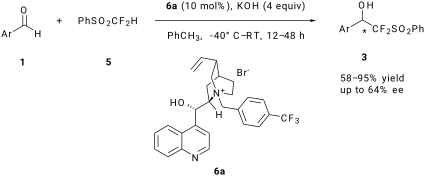
- introduction of a trifluoromethyl group into aldehydes and ketones with Ruppert-Prakash reagent, (trifluoromethyl)trimethylsilane, Me3SiCF3 and other reagents [19][20][21][22][23][24][25][26][27][28][29]. Although one-step nucleophilic difluoromethylation with R3SiCF2H is challenging regarding generality and

Graphical Abstract

Scheme 1: Structure of chiral quaternary ammonium salts.

Scheme 2: Determination of the absolute configuration of (+)-3a.
Efficient 1,4-addition of α-substituted fluoro(phenylsulfonyl)methane derivatives to α,β-unsaturated compounds
- G. K. Surya Prakash,
- Xiaoming Zhao,
- Sujith Chacko,
- Fang Wang,
- Habiba Vaghoo and
- George A. Olah
Beilstein J. Org. Chem. 2008, 4, No. 17, doi:10.3762/bjoc.4.17
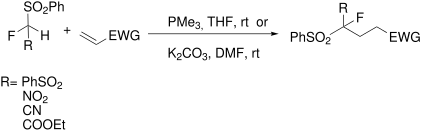
- Lewis acids to protect the carbonyl of Michael acceptors and thus sucessfully transferred the trifluoromethyl anion generated from the "Ruppert-Prakash reagent" (TMS-CF3) in a 1,4-manner rather than the favored 1,2-addition. Portella et al. [20] have shown that 1,4-addition of difluoroenoxysilanes to

Graphical Abstract

Scheme 1: Reaction mechanism for phosphine catalyzed 1,4-addition to α,β-unsaturated compounds.



