Search results
Search for "water" in Full Text gives 2261 result(s) in Beilstein Journal of Organic Chemistry. Showing first 200.
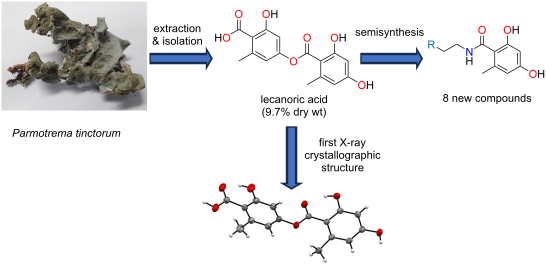
Semisynthesis, characterisation, and antibacterial evaluation of a novel lecanoric acid-derived amide library
Beilstein J. Org. Chem. 2026, 22, 1023–1032, doi:10.3762/bjoc.22.81
- assessment of biofilm viability by resazurin metabolic assay. The experiments were carried out with three technical replicates. Resazurin sodium salt was dissolved in Milli-Q water at 0.2% (w/v) and filter-sterilized. The solution was stored at −20 °C in the dark. The assay was performed as previously
- described. The cultures were withdrawn, and the plates were washed twice with sterile water. To remove the remaining water in the wells, the plates were tapped with autoclaved paper towels. 50 µL of the 0.02% diluted resazurin solution in LB medium was added into each well followed by incubation at 37 °C


Z-Selective semihydrogenation of alkynes via Ni/Lewis acid synergistic catalyzed system using DMF as hydrogen source and solvent
Beilstein J. Org. Chem. 2026, 22, 1004–1012, doi:10.3762/bjoc.22.79
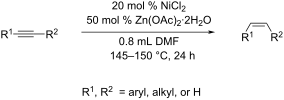
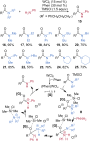
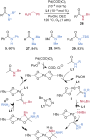
- promise in addressing some of these issues [11][12][13][14][15][16]. Nickel, in particular, has emerged as an attractive candidate for transfer semihydrogenation [17][18][19][20][21][22]. Common hydrogen donors employed in transfer hydrogenation include isopropanol, formic acid, methanol, and water; these
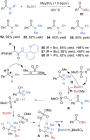
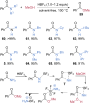
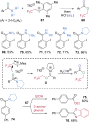
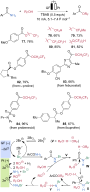
- . Simultaneously, the Lewis acid promotes the hydrolysis of DMF with trace water existing in the solvent system to gradually liberate formic acid (HCOOH) and HNMe2. This in situ formation of HCOOH appears critical; analogous systems relying on DMF/water to generate HCOOH for the reduction of metal catalysts have



Novel macrocycles: from synthesis to supramolecular function
Beilstein J. Org. Chem. 2026, 22, 982–985, doi:10.3762/bjoc.22.76
- decreases overall water solubility, it significantly enhances binding toward quaternary ammonium guests relative to primary ammonium ions. Detailed calorimetric and crystallographic data confirm that modifying the outer ionic environment is an effective tool to balance cation–dipole interactions against
- amphiphilic calixarene scaffold bearing long alkyl chains, the authors obtained a derivative that spontaneously self-assembles into stable nanoscale aggregates in water. Biological studies revealed a potent antiproliferative effect against human renal carcinoma cells, with limited toxicity toward healthy
Electrochemical reduction of unsaturated carbon–carbon bonds via 3d transition-metal catalysis
Beilstein J. Org. Chem. 2026, 22, 955–981, doi:10.3762/bjoc.22.75
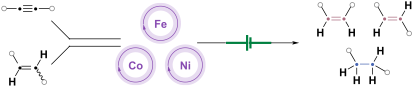
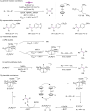
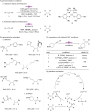
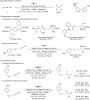
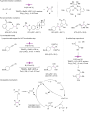
- through a silane-mediated hydrogen-transfer pathway, thereby circumventing the direct use of water in hydrogen-transfer processes. Notably, the addition of a catalytic amount of a nickel complex was found to improve the reaction efficiency, which is attributed to the electroreductive generation of a Ni(0








Synthesis of sterically shielded piperidine nitroxides via acid-catalyzed heterocyclization of β-aminoketone derivatives with ketones
Beilstein J. Org. Chem. 2026, 22, 948–954, doi:10.3762/bjoc.22.74
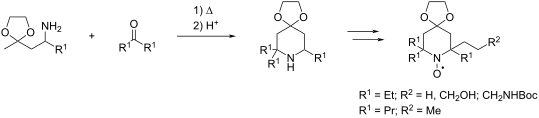
- corresponding diethyl and dipropyl ketones following a reported procedure [29]. In a typical experiment, a mixture of aminodioxolane and ketone was heated in benzene in the presence of pyridinium p-toluenesulfonate (PPTS) using a Dean–Stark apparatus to facilitate Schiff base formation. After cessation of water
- , generated by deprotonation of acetylene, propargyl alcohol, or N-Boc-protected propargylamine with ethylmagnesium bromide, whereas nitrone 6b was treated with allylmagnesium bromide. Subsequent quenching of the reaction mixtures with water, followed by oxidation with MnO2, afforded the corresponding


The trans-influence in gold chemistry from a catalytic perspective
Beilstein J. Org. Chem. 2026, 22, 838–856, doi:10.3762/bjoc.22.66
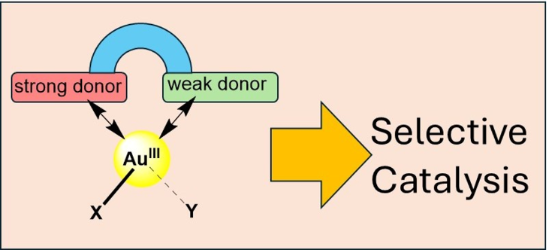
- trialkylphosphines, anionic carbon and hydride ligands. N- and O-lone pair donors (pyridine, water) are weak ligands. The following indicative series is typical for Pt(II), although there may be slight variations in the specific ordering depending on the complex type under investigation: CO, CN−, C2H4 > P(alkyl)3
- differences are crucial for reactivity; for example, while the Pt–CO complex could be recrystallised from boiling methanol, the Au–CO complex is extremely sensitive to nucleophilic attack by water or alcohols (e.g., water–gas-shift, vide infra). The high Lewis acidity of a cationic gold(III) centre must not
- chemical reactivity. For example, 8a proved stable to air, water and acetic acid, although stronger acids like trifluoroacetic lead to decomposition due to protolytic cleavage of one of the Au–phenyl bonds [31][32]. The stabilising effect of the N-donor in C^N^C ligands is seen quite generally and leads to


Unsymmetrical sulfoxides with sterically hindered catechol fragment: synthesis, structure, electrochemical properties, and antiradical activity
Beilstein J. Org. Chem. 2026, 22, 828–837, doi:10.3762/bjoc.22.65
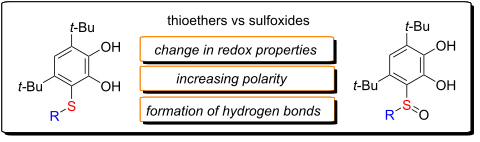
- transformations of the sulfur-centered intermediate can lead to the corresponding sulfone via a disproportionation reaction or in the presence of traces of water [49]. In the case of compounds 2a and 5a, which bear a tertiary hydrocarbon substituent at the sulfinyl group (tert-butyl and adamantyl, respectively


Knoevenagel condensation of 4,5- and 1,8-diazafluorenes
Beilstein J. Org. Chem. 2026, 22, 803–812, doi:10.3762/bjoc.22.62
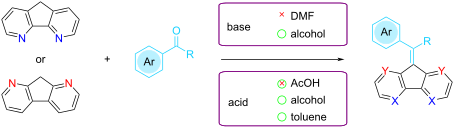
- ). Layers of dimers alternate with layers of ZnCl3(H2O)− anions containing free solvent accessible volume 284 Å3 with removed disordered water molecules (Figure 2g). Figure 2 also shows a schematic representation of the packing difference of the compounds in blue, showing that the dimers in 4,5-DPDAF
- occupied by highly disordered water molecules (as evidenced from residual electron density peaks) that could not be modeled as a set of discrete atomic sites. Synthesis General method (A1) for the condensation in acetic acid In a manner analogous to [5]. A mixture of diazafluorene (30.0 mg, 0.18 mmol
- washed sequentially with water, methanol, hexane, then dried in air. General method (A2) for the condensation in other acidic conditions A mixture of diazafluorene (30.0 mg, 0.18 mmol), ammonium acetate (60.5 mg, 0.79 mmol), and aldehyde (0.20 mmol), glacial acetic acid (0.02 mL, 0.36 mmol), ethanol or




Rongalite addition to dienones: diastereoselectivity in cyclic sulfone synthesis; stereochemical rationalization and prospects as a general conjugate nucleophile
Beilstein J. Org. Chem. 2026, 22, 742–752, doi:10.3762/bjoc.22.56

- donors [47] or, given the high solubility of Rongalite in water, phase-transfer catalysis [48]. Our earlier results indicate that tolerance of steric effects is greater in reactions with doubly electrophilic substrates that render the second conjugate addition intramolecular, justifying our choice of


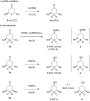


Synthesis of heterocycles based on azomethine ylides from α-amino acids (or amines) and carbonyl compounds
Beilstein J. Org. Chem. 2026, 22, 705–741, doi:10.3762/bjoc.22.55
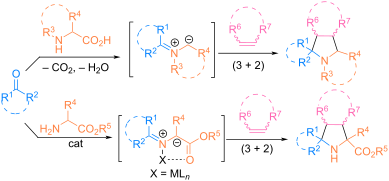
- by the formation of N,N-complex I. Water then promotes the desilylation step, leading to metallodipole II, which undergoes cycloaddition with a dipolarophile to form metalated adduct III. Final protonation leads to free pyrrolidine (Scheme 34). In [3], Mendoza and colleagues developed a universal
- fragments of natural molecules such as steroids, peptides or sugars, its solubility in water improves, thereby increasing the possibility of potential biological activity. In 2020, Martín and colleagues investigated fullerene 50 as a dipolarophile in 1,3-dipolar cycloaddition with azomethine ylide based on


Anti-invasive and cytotoxic evaluation of a (+)-pinoresinol-based semisynthetic library against glioblastoma
Beilstein J. Org. Chem. 2026, 22, 691–704, doi:10.3762/bjoc.22.54
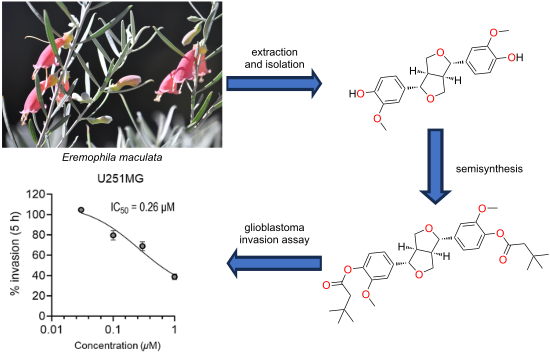
- were placed upside down to dry. Ethanol was removed from the wells, and 700 µL of 0.2% w/v crystal violet solution was added to each well. The dried inserts were placed into this solution for 10 min to stain the cells. After 10 min, the inserts were gently lifted and rinsed in autoclaved water 2−3
- times to remove excess stain. The inside of the inserts was cleaned with cotton-tipped applicators to remove excess water and stain, and the inserts were placed upside down to dry overnight in a biosafety cabinet. Cell imaging and counting A Leica DMi1 microscope camera with a 10× objective was used to



Continuous-flow carbonyl hydrogenation under subatmospheric to atmospheric hydrogen pressure enabled by robust heterogeneous Pt–Fe catalysts
Beilstein J. Org. Chem. 2026, 22, 575–582, doi:10.3762/bjoc.22.43
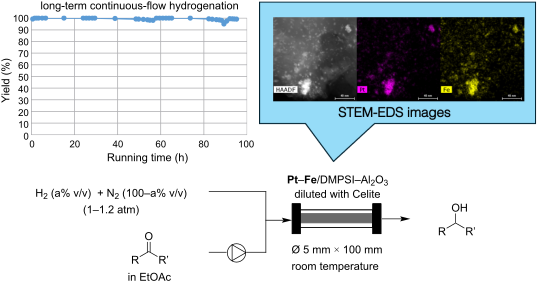
- . Finally, the catalytic activity was revived again, and quantitative conversion was observed over 90 h of total running. Water as contaminant in EtOAc or organic compounds strongly adsorbed on the catalyst’s surface may have led to its deactivation; however, they could be removed by simple heating. We


Molecular tweezer–peptide conjugates disrupt the protein–protein interaction between survivin and histone H3 essential in mitosis
Beilstein J. Org. Chem. 2026, 22, 557–567, doi:10.3762/bjoc.22.41
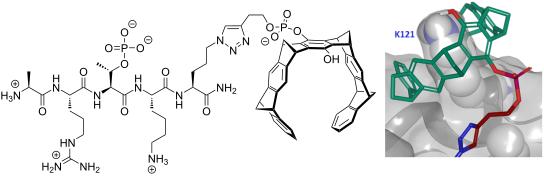
- complex. A) Lewis structure of the truncated tweezer peptide monophosphate 2b. B) Close-up of the binding motif formed by 2b (tweezer: green, butynyl ester: red) on the survivin surface encapsulating Lys-121 after MD simulation (Desmond, 100 ns, 300 K, 0.15 mM NaCl) using explicit water solvent. A




Experimental and DFT studies on the regioselective methanolysis of 5-azido-9-oxabicyclo[6.1.0]nonan-4-yl 4-nitrobenzoate isomers
Beilstein J. Org. Chem. 2026, 22, 547–556, doi:10.3762/bjoc.22.40
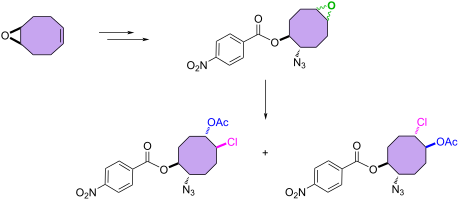
- accordance with those reported in the literature [22]. (1S*,8S*,Z)-8-Azidocyclooct-4-en-1-ol (7) Cyclooctene monoepoxide 6 (2.00 g, 16.11 mmol) was dissolved in a 3:2 mixture of ethanol/water (80 mL). NaN3 (6.28 g, 96.60 mmol) and NH4Cl (1.72 g, 32.16 mmol) were added and the reaction mixture was refluxed
- . The progress was monitored by TLC and the reaction was completed in 36 hours. The solvent was removed by rotary evaporation, 30 mL water was added to the residue and the mixture was extracted with ethyl acetate (4 × 25 mL). The combined organic phases were dried over Na2SO4 and concentrated in vacuo
- × 25 mL) and water (2 × 30 mL), dried over Na2SO4, and concentrated in vacuo. The crude product was purified by chromatography on a silica gel column eluting with EtOAc/hexane 20:80 to give pure azido benzoate 8 (0.90 g, 2.85 mmol, 95%). The azido benzoate 8 was recrystallized from EtOAc/hexane to give


Melifoliox B, a novel phloroglucin derivative isolated from Melicope barbigera (Rutaceae) and synthesis of new oxidation products from melifoliones A and B
Beilstein J. Org. Chem. 2026, 22, 535–546, doi:10.3762/bjoc.22.39
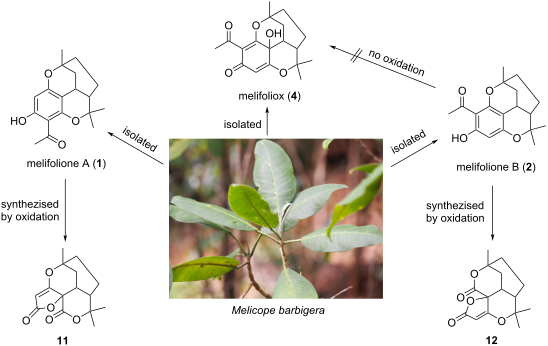
- -trihydroxyacetophenone (3.7 g, 20 mmol), citral (3.2 g, 21 mmol) and pyridine (1.6 g, 20 mmol) was heated with stirring in a water bath at max. 60 °C for 8 h. After cooling to room temperature, the reaction mixture was diluted with 200 mL diethyl ether and extracted with 0.1 N H2SO4 (3 × 20 mL) to remove the pyridine
- . Successive extraction with 0.1 N NaOH (5 × 20 mL) afforded a clear alkaline water phase that was acidified with dilute sulfuric acid and extracted with diethyl ether (5 × 20 mL). The organic phase was washed with water, dried over MgSO4, filtered and evaporated under reduced pressure to give 3,1 g (51.2%) of
- tube and heated in a microwave apparatus (CEM, model DISCOVER, power 300 Watt) up to 140 °C for 20 minutes. After cooling to room temperature, the reaction mixture was dissolved in 200 mL diethyl ether. This solution was washed with 0.1 N NaOH (3 × 20 mL) and water (1 × 20 mL), dried over MgSO4



Get a better glimpse on sequential photoreactions of trisnorbornadienes with 19F NMR spectroscopy
Beilstein J. Org. Chem. 2026, 22, 527–534, doi:10.3762/bjoc.22.38
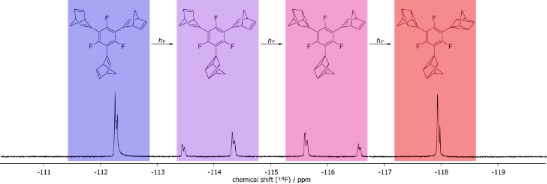
- , and elemental analysis. Norbornadiene 1f is well soluble in alkanes, chlorinated and aromatic solvents, whereas it is hardly soluble in polar protic solvents and MeCN and insoluble in water. The absorption spectra of 1f were recorded in MeCN, cyclohexane, MeOH, ethyl acetate, THF, CH2Cl2, CHCl3, and


Synthesis and uranyl(VI) extraction performance of a calix[4]pyrrole–tetrahydroxamic acid receptor
Beilstein J. Org. Chem. 2026, 22, 486–494, doi:10.3762/bjoc.22.36
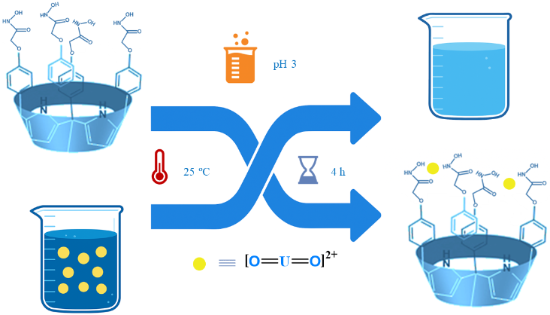
- Lebanese Atomic Energy Commission, National Council for Scientific Research CNRS –L, P.O. Box: 11-8281, Riad el soleh, 1107 2260, Beirut, Lebanon 10.3762/bjoc.22.36 Abstract The contamination of water by uranium poses a serious threat to ecosystems and human health, creating a need for efficient and
- corresponding hydroxamic acid, with no detectable acid-derived by-products. Solubility tests revealed that PCP HA is soluble exclusively in highly polar aprotic solvents (DMSO, DMF) and remains completely insoluble in other common organic solvents (chloroform, ether, etc.) and water. The absence of ligand
- leaching into water was confirmed by depositing a drop of the aqueous supernatant on a TLC plate, which showed no formation of the characteristic red iron-hydroxamate complex upon treatment with FeCl3. These physicochemical properties precluded standard liquid–liquid extraction but were suitable for a


Synthesis of a HDAC inhibitor–nanogold probe for cryo-EM visualization in class I HDAC co-repressor complexes
Beilstein J. Org. Chem. 2026, 22, 480–485, doi:10.3762/bjoc.22.35
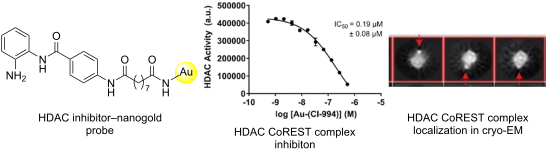
- , and was stable for days stored at −20 °C (stability determined by 1H NMR, Figures S1–S4 in Supporting Information File 1). For the conjugation of 9 to Au–NH2, an excess of 9 was used to drive the conjugation reaction to completion. Unreacted 9 was then removed by repeated washing with water and buffer



Structural reassignment of compound 968, an allosteric glutaminase inhibitor
Beilstein J. Org. Chem. 2026, 22, 455–460, doi:10.3762/bjoc.22.33
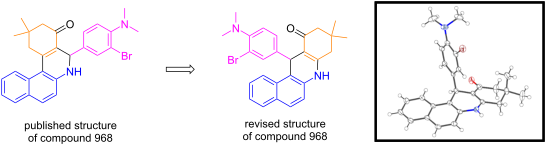
- -dimethylaminobenzaldehyde 4-Dimethylaminobenzaldehyde (4.02 g, 26.9 mmol) was dissolved in 1,4-dioxane (52 mL) and NBS (5.01 g, 28.2 mmol) was added in small portions with stirring over 5 minutes. The reaction mixture was stirred at room temperature for 20 minutes then poured into 50 mL water. The mixture was diluted with
- EtOAc (70 mL), which was separated and washed with water (3 × 50 mL). The organic layer was dried with anhydrous MgSO4, filtered, and the solvent removed by rotary evaporation to yield 3-bromo-4-dimethylaminobenzaldehyde as a thick gold oil (5.49 g, 89%). 1H NMR (400 MHz, CDCl3) δ 9.78 (s, 1H), 8.01 (m


Synthesis and anti-cancer activity of naphthalimide–organylselanyl conjugates
Beilstein J. Org. Chem. 2026, 22, 416–435, doi:10.3762/bjoc.22.29
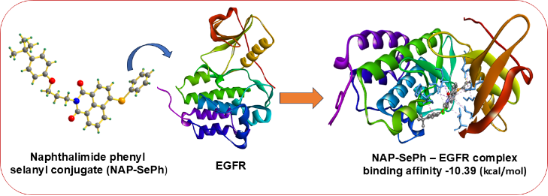
- washed twice with water (20 mL) and brine (20 mL). The organic layer was dried over anhydrous MgSO₄, and the solution was concentrated under reduced pressure. Slow evaporation of the solvent followed by the addition of methanol afforded the desired compound 10 as a white solid with a yield of 1.2 g, 53
- with water (20 mL) and brine (20 mL). The organic layer was dried with anhydrous MgSO4, filtered and the solvent was evaporated under vacuum. Petroleum ether was added to the residue and triturated. The solid was filtered, affording white amine 11 (500 mg, 48%). mp: 95–97 °C; 1H NMR (400 MHz, CDCl3) δ
- 1.5 h. Thin-layer chromatography (TLC) was used to track the reaction progress. Upon completion of the reaction, ice-cold water was used to quench the reaction mixture, and the mixture was extracted with ethyl acetate. After two water and brine washes, the organic layer was dried over anhydrous




Cone p-aminocalix[4]arenes enriched with ‘clickable’ alkyne or azide functionalities
Beilstein J. Org. Chem. 2026, 22, 399–415, doi:10.3762/bjoc.22.28
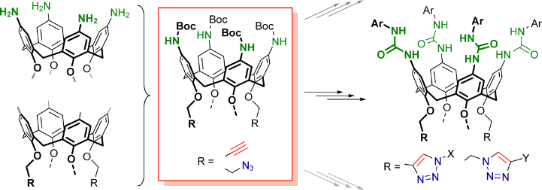
- ]. (Multi)calix[4]arenes having (dialkyl)amino groups at the wide rims are soluble in aqueous media at physiological pHs and may be used in protein sensing [18], DNA binding/recognition [19][20][21][22][23], and cell transfection [24][25][26]. Their water-soluble guanidinium derivatives are also
- units formed via two-fold CuAAC macrocyclizations [86][87]. We have also developed a straightforward approach to the functionalization of water-soluble p-sulfonatocalix[4]arenes by their enrichment with propargyl groups at the narrow rims followed by CuAAC reactions with various azides [88]. Inspired by
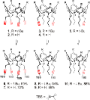
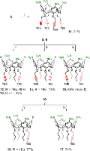
- closed vessel to prevent the product oxidation. At the work-up step sodium hydroxide was replaced with potassium hydroxide which provided better water solubility of inorganic salts for their extractive removal. As a result, tetraamine 18 having four TBS-protected propargyl groups at the narrow rim was






Design, synthesis and biological evaluation of 2,5-diaryloxazolo[4,5-d]pyrimidin-7-ylamines as selective cytotoxic agents against HeLa cells
Beilstein J. Org. Chem. 2026, 22, 390–398, doi:10.3762/bjoc.22.27
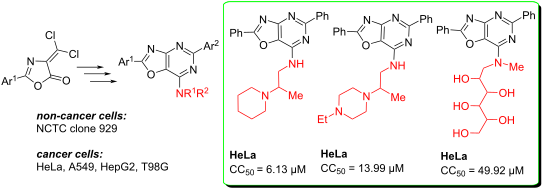
- pairs) can increase water solubility and facilitate salt formation. Introducing amino groups into heterocycles can have a significant impact on the anticancer activity of a compound [4][5]. Many studies have investigated the anticancer potential of heterocycle derivatives containing cytisine, glucamine
- combination of the [1,3]oxazolo[4,5-d]pyrimidin-7-amine fragment (structures A and B) with cytisine, glucamine, and aminoethylamine represents a promising strategy for the rational design of multifunctional hybrids with improved biological activity, water solubility, lower toxicity and target engagement
- removed in vacuo, the residue was treated with water, and the solid precipitate was filtered off and dried. The formed compounds 1–9 were purified by crystallization from acetonitrile [17]. Spectral data Analytical and spectral data, IR, 1H, 13C NMR and LC–MS spectra of compounds 1–9 are given in


Dialkylaminoalkylation of β-ketosulfones via ring-opening of 3-sulfonylpyrrolidines
Beilstein J. Org. Chem. 2026, 22, 383–389, doi:10.3762/bjoc.22.26
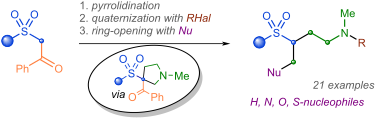
- extraction or column chromatography. On the other hand, upon performing the reaction with amines in acetonitrile we did not observe the formation of benzamides. Presumably, debenzoylation occurred in basic media with water traces and cesium benzoate was discarded upon work-up. The presumable mechanism of the
- domino-process consists in nucleophilic addition of the alcohol, mercaptan or water (in case the reaction was performed in CH3CN) at the benzoyl group (Scheme 3). The subsequent ring-opening of the pyrrolidine ring can proceed via two possible pathways. First path is the tandem Grob-type fragmentation




Recent advances in the cleavage of non-activated amides
Beilstein J. Org. Chem. 2026, 22, 352–369, doi:10.3762/bjoc.22.23
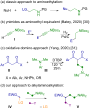
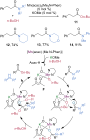
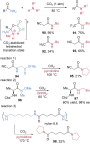
- that coordination of the amide oxygen to the Lewis-acidic sites of Nb activates the amide toward nucleophilic attack. Simultaneously, water is pre-adsorbed on the basic oxygen sites of Nb2O5, enabling nucleophilic attack on the activated carbonyl center (D). Following amine release from the resulting
- 1), addition of water affords adduct M, which subsequently converts to the ester via deprotonation. In dry solvents (path 2), nucleophilic attack by the departing OSO₂F− anion on L produces intermediate N, containing an S–O bond that is ultimately cleaved under basic conditions to yield the ester
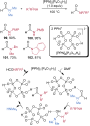
- 86% yield. Mechanistic studies indicated that the pyrrolidine-based amide 73 reacts with iodonium salt 67 to form an imidate triflate intermediate U, which was isolated and characterized by NMR and HRMS. Subsequent hydrolysis via water attack affords the trifluoroethyl ester. This strategy also










Spirobarbiturates with a pyrrolizidine moiety: synthesis, structure and biological evaluation
Beilstein J. Org. Chem. 2026, 22, 274–288, doi:10.3762/bjoc.22.20
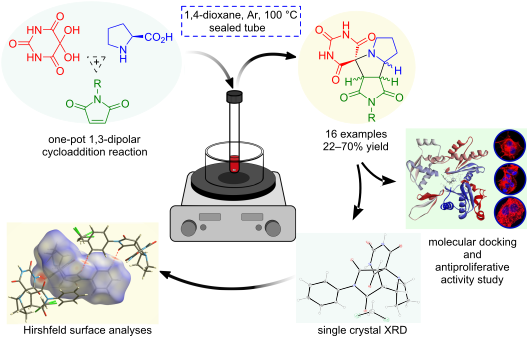
- sensitive to water presence in the system. It is worth noting that in all cases, a side reaction was observed between alloxan (1) and α-amino acid 2, leading to the formation of murexide via Strecker degradation (Scheme S1, Supporting Information File 1) [53]. This side reaction resulted in decreased yields
- contacts: the barbiturate ring forms hydrogen bonds with water molecules through C=O···H–O and N–H···O–H interactions; the amide group of the barbiturate ring is engaged in a C=O···H–N hydrogen bond with the carbonyl oxygen of the maleimide fragment; additionally, a C=O···H–CH2 contact is observed between
- the hydrogen atom of the maleimide methyl group and the carbonyl oxygen of an adjacent maleimide ring. The crystal structure of compound 4b exists as a solvate. The oxygen atom of a water molecule forms a hydrogen bond with the amide hydrogen of the barbiturate fragment (N–H···O–H = 2.783 Å), while