Search results
Search for "multicomponent reactions" in Full Text gives 186 result(s) in Beilstein Journal of Organic Chemistry.
Diastereoselective synthesis of highly substituted cyclohexanones and tetrahydrochromene-4-ones via conjugate addition of curcumins to arylidenemalonates
Beilstein J. Org. Chem. 2024, 20, 2016–2023, doi:10.3762/bjoc.20.177
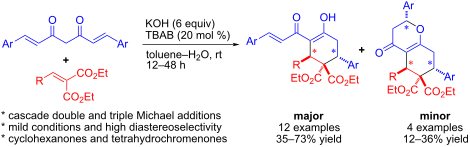
- , curcumin showcases its Michael donor–acceptor ability in different ways, such as simple Michael addition, [4 + 2] annulation, Michael addition followed by cyclization or one-pot multicomponent reactions (MCR), etc. (Scheme 1) [25]. In 2011, our group reported the reactivity of curcumin as a Michael donor


The Groebke–Blackburn–Bienaymé reaction in its maturity: innovation and improvements since its 21st birthday (2019–2023)
Beilstein J. Org. Chem. 2024, 20, 1839–1879, doi:10.3762/bjoc.20.162
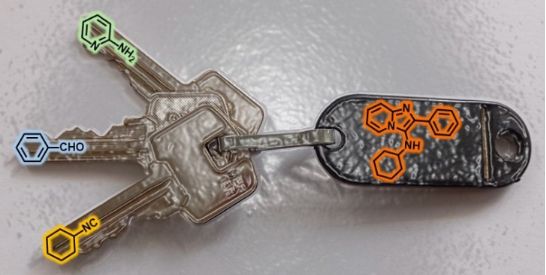
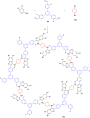
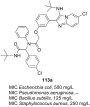
- achieved during the last five years, and classifies them into five categories: synthetic methods, building blocks, scaffolds, biological activities and physical properties. Keywords: Groebke–Blackburn–Bienaymé reaction; multicomponent reactions; heterocycles; imidazo[1,2-a]pyridines; isocyanides
- encountered by the reaction until 2019 was far from being at its peak, in fact during the last 5 years about 70 new original works have been published, and it is therefore worth analyzing what are the new features of this, now, mature reaction. Among isocyanide [2] based multicomponent reactions, the GBB
- work described below, KTGS was applied to multicomponent reactions in limited cases [25]. Van der Veken et al. selected as template the protein urokinase plasminogen activator, a serine protease targeted in oncology and inhibited by imidazopyridines [26]. The main challenges of this project were the


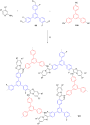




A facile three-component route to powerful 5-aryldeazaalloxazine photocatalysts
Beilstein J. Org. Chem. 2024, 20, 1831–1838, doi:10.3762/bjoc.20.161
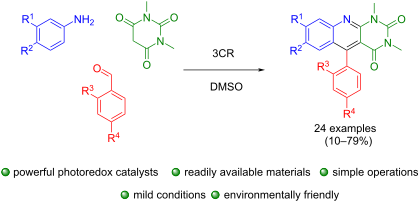
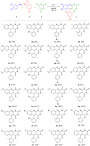
- 2, as demonstrated in our previous studies with 5-aryldeazaflavins 1 [14][15][16][17][18]. Multicomponent reactions (MCRs) remain a powerful strategy in synthetic organic chemistry due to their widespread applications in drug discovery. By offering significant advantages over conventional, linear




Harnessing unprotected deactivated amines and arylglyoxals in the Ugi reaction for the synthesis of fused complex nitrogen heterocycles
Beilstein J. Org. Chem. 2024, 20, 1758–1766, doi:10.3762/bjoc.20.154
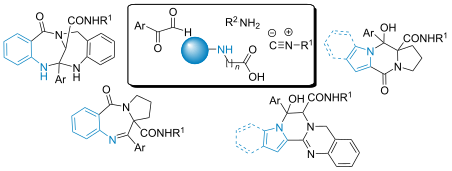
- drugs highlighting their importance in the discovery of novel bioactive compounds. However, their synthesis often faces challenges, including complex functionalization and lengthy reaction sequences. Multicomponent reactions, notably the Ugi reaction, have emerged as powerful tools to address these
- kinase inhibitor tinengotinib [8] (Figure 1). Despite the interest of these structures, several drawbacks are typically found during their syntheses, for instance the difficulty in obtaining certain functionalizations or the need of long, elaborated reaction sequences. In recent years, multicomponent
- reactions have become a useful tool for the synthesis of complex structures which overcome many of these problems, with the Ugi reaction leading these strategies. The scope of the Ugi reaction further increases when coupled with post-condensation reactions, which usually require the use of starting reagents


Generation of multimillion chemical space based on the parallel Groebke–Blackburn–Bienaymé reaction
Beilstein J. Org. Chem. 2024, 20, 1604–1613, doi:10.3762/bjoc.20.143

- showed biological activity according to the ChEMBL database. Keywords: fused rings; heterocycles; imidazoles; isonitrile; multicomponent reactions; Introduction Multicomponent reactions are widely recognized as a powerful source of biologically active compounds, in particular, for drug discovery
- purposes [1][2][3][4][5][6]. Isonitrile-based multicomponent reactions, such as the Groebke–Blackburn–Bienaymé (GBB) reaction, is an important tool in chemical synthesis providing easy access to a huge compound diversity and complexity [7][8][9][10][11][12][13][14][15][16][17]. Essentially, the GBB


Rapid construction of tricyclic tetrahydrocyclopenta[4,5]pyrrolo[2,3-b]pyridine via isocyanide-based multicomponent reaction
Beilstein J. Org. Chem. 2024, 20, 1436–1443, doi:10.3762/bjoc.20.126
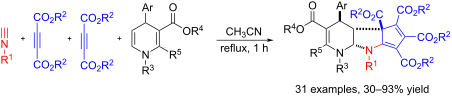
- been known as indispensable building blocks in modern organic chemistry. Many isocyanide-based carbon–carbon and carbon–heteroatom bond forming reactions have been developed in fascinating ways over the past decades [4][5][6]. The famous multicomponent reactions such as Passerini reaction, Ugi reaction
- generated by addition reaction of isocyanides to electron-deficient alkynes, which were sequentially trapped by various electrophiles and nucleophiles to give versatile acyclic and heterocyclic compounds [15][16][17][18][19][20][21][22][23][24][25][26]. In recent years, many multicomponent reactions based
- synthetic protocols and in continuation of our aim to develop isocyanide-based multicomponent reactions for construction of diverse nitrogen-containing heterocyclic compounds [47][48][49][50][51][52][53][54][55][56][57][58], herein we wish to report the mutlicomponent reaction of alkyl isocyanides, dialkyl


Challenge N- versus O-six-membered annulation: FeCl3-catalyzed synthesis of heterocyclic N,O-aminals
Beilstein J. Org. Chem. 2024, 20, 1412–1420, doi:10.3762/bjoc.20.123
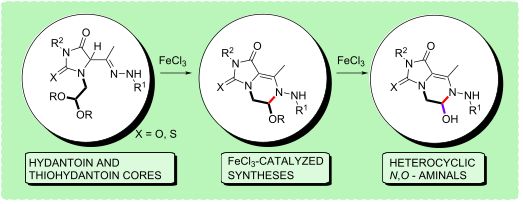
- intermediates through selective FeCl3-catalyzed intramolecular N-annulation. Keywords: α-aminoacetals; fused-ring systems; heterocyclic hemiaminals; heterocyclic N,O-aminals; multicomponent reactions; Introduction N-Fused heterocycles are ubiquitous within crucial molecules, including biologically active




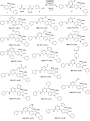
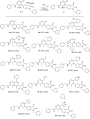
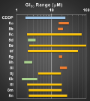
The Ugi4CR as effective tool to access promising anticancer isatin-based α-acetamide carboxamide oxindole hybrids
Beilstein J. Org. Chem. 2024, 20, 1213–1220, doi:10.3762/bjoc.20.104
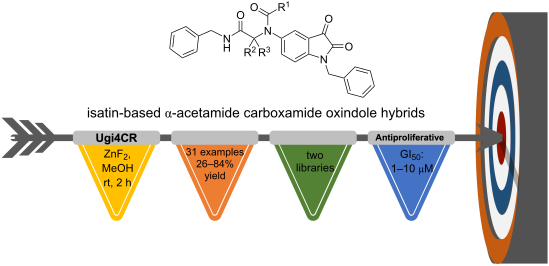
- aspects. Multicomponent reactions (MCRs) are remarkable tools which demonstrated great potential for more sustainable production of active pharmaceutical ingredients (API’s). These flexible and versatile one-pot transformations in which three or more reagents are combined to access a new complex scaffold




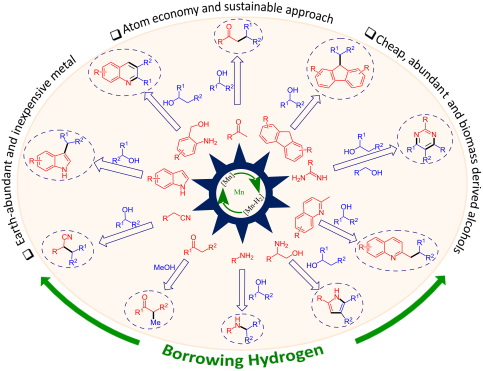
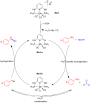
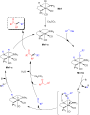
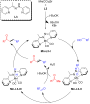
Manganese-catalyzed C–C and C–N bond formation with alcohols via borrowing hydrogen or hydrogen auto-transfer
Beilstein J. Org. Chem. 2024, 20, 1111–1166, doi:10.3762/bjoc.20.98







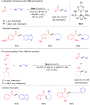


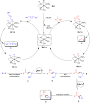


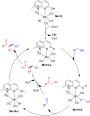


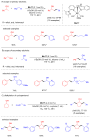










Innovative synthesis of drug-like molecules using tetrazole as core building blocks
Beilstein J. Org. Chem. 2024, 20, 950–958, doi:10.3762/bjoc.20.85
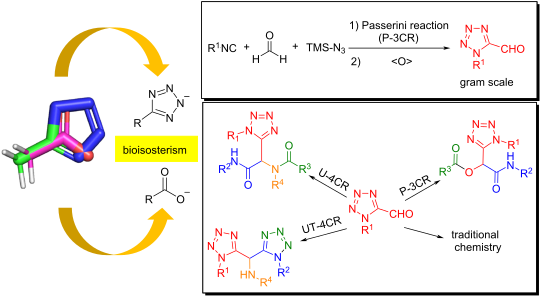
- showcase the versatility of these new tetrazole building blocks by integrating the tetrazole moiety into various multicomponent reactions (MCRs), which are already significantly employed in drug discovery. This technique represents a unique and complementary method to existing tetrazole synthesis processes
- the high synthetic value, significant efforts have been devoted to developing methods for the preparation of the tetrazole scaffolds, in particular recently through multicomponent reactions (MCRs) and mostly Ugi and Passerini reactions [7][8][9]. Traditionally, due to its charged nature the tetrazole
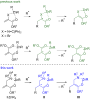
- envisioned the use of multicomponent reactions in both steps. The use of MCRs provides the benefits of simplicity, speed, complexity, and diversity with the minimum number of steps and with an environmentally friendly nature. First, we focused on the use of the Passerini-tetrazole reaction for the synthesis


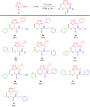


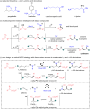
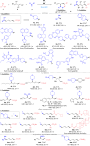
Palladium-catalyzed three-component radical-polar crossover carboamination of 1,3-dienes or allenes with diazo esters and amines
Beilstein J. Org. Chem. 2024, 20, 661–671, doi:10.3762/bjoc.20.59
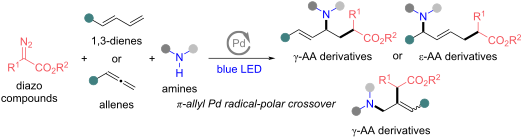
- . Multicomponent reactions (MCRs) by virtue of high efficiency for the construction of complex chemicals, have shown the superiority in high step and atom economy in organic synthesis [25][26][27]. Over the past two decades, our group and others have developed a transition-metal-catalyzed MCR strategy involving



HPW-Catalyzed environmentally benign approach to imidazo[1,2-a]pyridines
Beilstein J. Org. Chem. 2024, 20, 628–637, doi:10.3762/bjoc.20.55
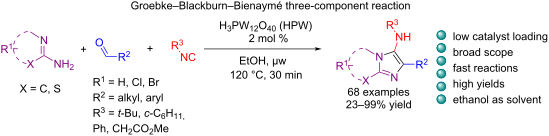
- ][21][22]. Multicomponent reactions (MCRs) provide one-pot reactions, simple synthetic procedures, less waste being produced, fewer purification steps, and a high atom economy [23]. The GBB three-component reaction is carried out in the presence of Lewis or Brønsted acid catalysis to increase the




Catalytic multi-step domino and one-pot reactions
Beilstein J. Org. Chem. 2024, 20, 254–256, doi:10.3762/bjoc.20.25
- ; multi-step reactions; multicomponent reactions; one-pot synthesis; organocatalysis; tandem reactions; transition-metal-catalysis; The synthesis of pharmaceutical ingredients, natural products, agrochemicals, ligand systems, and building blocks for materials science has reached a high level of

N-Sulfenylsuccinimide/phthalimide: an alternative sulfenylating reagent in organic transformations
Beilstein J. Org. Chem. 2023, 19, 1471–1502, doi:10.3762/bjoc.19.106
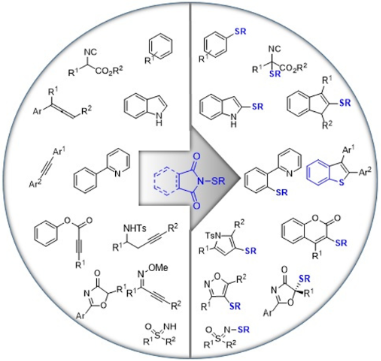
- HCl-promoted 1,2-thiofunctionalization of aromatic alkenes. Coupling reaction of diazo compounds with N-sulfenylsuccinimides. Multicomponent reactions of disulfides with isocyanides and other nucleophiles. α-Sulfenylation and β-sulfenylation of α,β-unsaturated carbonyl compounds.




α-(Aminomethyl)acrylates as acceptors in radical–polar crossover 1,4-additions of dialkylzincs: insights into enolate formation and trapping
Beilstein J. Org. Chem. 2023, 19, 1443–1451, doi:10.3762/bjoc.19.103
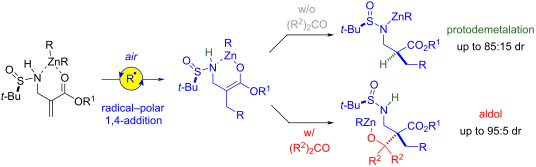
- enolate with electrophiles in protocols wherein all the reactive partners can be introduced from the start, given that dialkylzinc reagents offer a large functional group tolerance; and 3) the radical character of the process allows for the use of alkyl iodides as alkyl source in multicomponent reactions






Consecutive four-component synthesis of trisubstituted 3-iodoindoles by an alkynylation–cyclization–iodination–alkylation sequence
Beilstein J. Org. Chem. 2023, 19, 1379–1385, doi:10.3762/bjoc.19.99
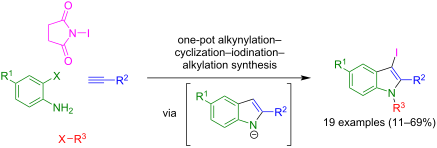
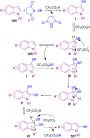
- state, in good yield. Keywords: alkynylation; catalysis; cyclization; indoles; iodination; multicomponent reactions; Introduction Indoles and their derived substitution patterns are omnipresent heterocyclic structural motifs in nature [1], many natural products [2][3], drugs [4][5][6][7][8], and dyes
- increasingly interesting [26][27]. In addition, as one-pot processes with a huge exploratory potential and diversity-oriented character, syntheses of indoles by multicomponent reactions have aroused considerable interest [28][29][30]. As part of our program to develop heterocycle syntheses based upon




Acetaldehyde in the Enders triple cascade reaction via acetaldehyde dimethyl acetal
Beilstein J. Org. Chem. 2023, 19, 1243–1250, doi:10.3762/bjoc.19.92
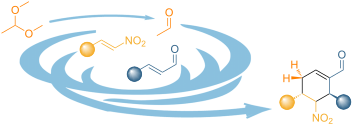
- Superiore di Pavia, Palazzo del Broletto, Piazza della Vittoria, 15, 27100, Pavia, Italy INSTM, Consorzio Nazionale per la Scienza e Tecnologia dei Materiali, RU L’Aquila, Italy 10.3762/bjoc.19.92 Abstract Asymmetric organocatalyzed multicomponent reactions represent an important toolbox in the field of
- enantioselectivity. Keywords: acetaldehyde; acetaldehyde dimethyl acetal; cascade reaction; multicomponent reaction; organocatalysis; Introduction Multicomponent reactions (MCRs) are chemical processes that involve three or more compounds, in which the product contains all the atoms of the reagents, except for


Selective construction of dispiro[indoline-3,2'-quinoline-3',3''-indoline] and dispiro[indoline-3,2'-pyrrole-3',3''-indoline] via three-component reaction
Beilstein J. Org. Chem. 2023, 19, 1234–1242, doi:10.3762/bjoc.19.91
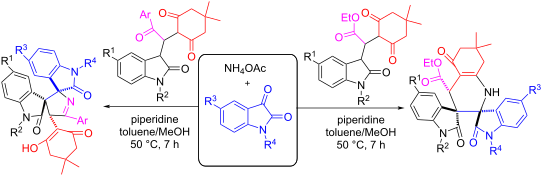
- multicomponent reactions have been successfully developed to construct multifunctionalized or polycyclic spirooxindoles. For example, Zhang successfully developed a recyclable bifunctional cinchona/thiourea-catalyzed four-component Michael/Mannich cyclization sequence for the asymmetric synthesis of



Synthesis of imidazo[1,2-a]pyridine-containing peptidomimetics by tandem of Groebke–Blackburn–Bienaymé and Ugi reactions
Beilstein J. Org. Chem. 2023, 19, 727–735, doi:10.3762/bjoc.19.53
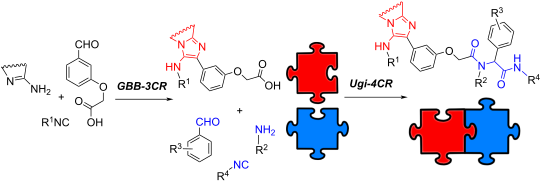
- –Bienaymé reaction; imidazo[1,2-a]pyridine; isocyanide; multicomponent reaction; peptidomimetic; Ugi reaction; Introduction The use of isocyanide multicomponent reactions (IMCR) to prepare biologically active compounds is one of the most promising tools in modern organic and medicinal chemistry. Therefore
- , isocyanide multicomponent reactions are the way to prepare the necessary drugs "of tomorrow", and the possibility to combine such reactions gives a powerful method to rapidly and qualitatively expand the molecular diversity of biologically active compounds. The following possible combinations of IMCR have
- been described till today: Ugi and Ugi, azido-Ugi and Ugi, Ugi and Passerini, Groebke–Blackburn–Bienaymé (GBB-3CR) and Ugi, GBB-3CR and GBB-3CR, GBB-3CR and Passerini, Orru and Ugi, Orru and Passerini [1] (Scheme 1). However, the issue of whether certain isocyanide multicomponent reactions can be


Palladium-catalyzed enantioselective three-component synthesis of α-arylglycine derivatives from glyoxylic acid, sulfonamides and aryltrifluoroborates
Beilstein J. Org. Chem. 2023, 19, 719–726, doi:10.3762/bjoc.19.52
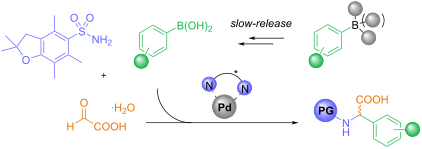
- , e.g., the antiplatelet drug clopidogrel [7] or the β-lactam antibiotic amoxicillin [8] (Figure 1). Therefore, the chemical synthesis of α-aryglycines has received considerable attention. Among the different methods introduced over time, multicomponent reactions utilizing an in situ generated reactive


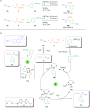


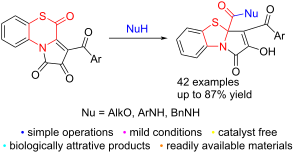
Nucleophile-induced ring contraction in pyrrolo[2,1-c][1,4]benzothiazines: access to pyrrolo[2,1-b][1,3]benzothiazoles
Beilstein J. Org. Chem. 2023, 19, 646–657, doi:10.3762/bjoc.19.46
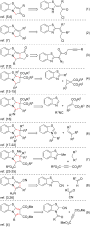
- -benzothiazol-2-yl(diazo)acetates (Scheme 1, entry 3) [12], dearomative [3 + 2] cycloaddition reactions of benzothiazoles with cyclopropanes (Scheme 1, entry 4) [13][14][15], multicomponent reactions (MCRs) of benzothiazoles, isocyanides and 2-methylidenemalonates (Scheme 1, entry 5) [16], 1,3-dipolar




An efficient metal-free and catalyst-free C–S/C–O bond-formation strategy: synthesis of pyrazole-conjugated thioamides and amides
Beilstein J. Org. Chem. 2023, 19, 231–244, doi:10.3762/bjoc.19.22
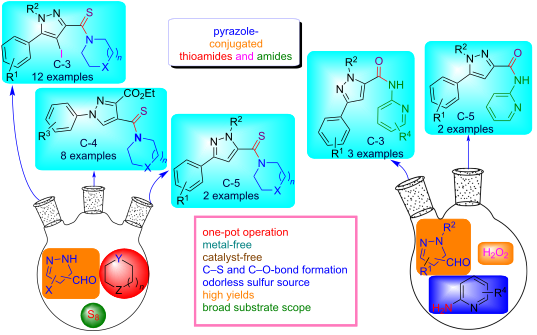
- ]. Substituted pyrazoles are also of considerable interest because of their synthetic utility as chiral auxiliaries [32], synthetic reagents in multicomponent reactions [33][34], and guanylating agents [35]. The installation of a thioamide functionality has attracted an immense attention in medicinal chemistry


One-pot double annulations to confer diastereoselective spirooxindolepyrrolothiazoles
Beilstein J. Org. Chem. 2022, 18, 1607–1616, doi:10.3762/bjoc.18.171
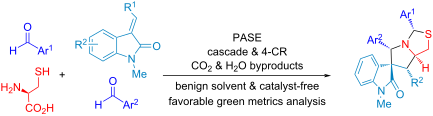
- nitrogen-based heterocycles, such as multicomponent reactions (MCRs) [18][19][20][21][22][23], one-pot cascade reactions [24][25][26][27][28][29][30][31][32] as good examples of PASE synthesis. We have reported a series of multicomponent reactions, like Groebke–Blackburn–Bienayme for making BET inhibitors


Functionalization of imidazole N-oxide: a recent discovery in organic transformations
Beilstein J. Org. Chem. 2022, 18, 1575–1588, doi:10.3762/bjoc.18.168
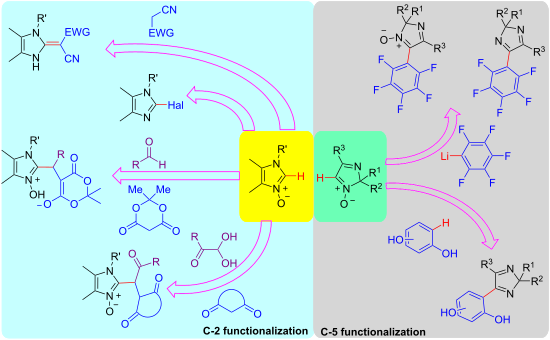
- , like cycloaddition, metal-free coupling reactions, three-component or multicomponent reactions etc., which use N-oxide chemistry. In 2021 Timofey D. Moseev and co-workers unfolded an attractive procedure of the coupling reaction between 2H-imidazole 1-oxides and polyphenols under metal-free conditions
- the past years are discussed. This review contains cycloaddition reactions, nucleophilic halogenation reactions, metal-free coupling reactions, formation of N-heterocyclic carbenes, and multicomponent reactions, mainly three-component reactions. The mentioned methodologies have been performed by
- position of the imidazole moiety was captured by triethylamine as base to provide the expected product 23. Multicomponent reactions In 2016, Vitaly S. Mityanov and co-workers unfolded a multicomponent condensation reaction methodology for the C-2 functionalization of 2-unsubstituted imidazole N-oxides


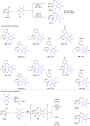


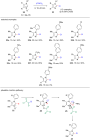



Experimental and theoretical studies on the synthesis of 1,4,5-trisubstituted pyrrolidine-2,3-diones
Beilstein J. Org. Chem. 2022, 18, 1140–1153, doi:10.3762/bjoc.18.118
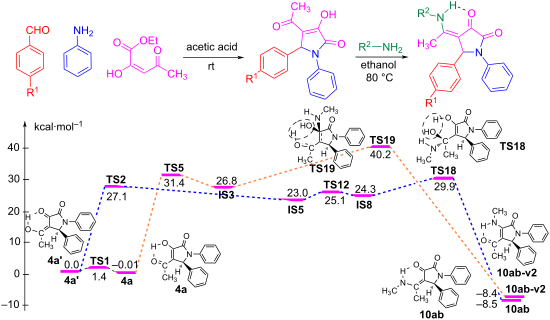
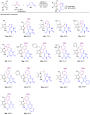
- a 3-pyrroline-2-one skeleton could be promising drug candidates. Therefore, these nitrogen-containing heterocycles have attracted attention and they have been investigated most intensively via multicomponent reactions (MCRs). This kind of reaction has been proven to be an efficient synthetic pathway
- to obtain structurally complicated and biologically active products containing substantial portions of all starting materials [27]. Recently, polysubstituted 3-hydroxy-1,5-dihydro-2H-pyrrol-2-ones have been synthesized via eco-friendly multicomponent reactions of aromatic aldehydes, amines, and
- -acetyl-3-hydroxy-3-pyrroline-2-ones via multicomponent reactions of ethyl 2,4-dioxovalerate with aromatic aldehydes, and aniline in glacial acetic acid. These 2-pyrrolidinone derivatives were then reacted with aliphatic amines in ethanol to obtain a library of 1,4,5-trisubstituted pyrrolidine-2,3-dione