


Search results
Search for "arene" in Full Text gives 281 result(s) in Beilstein Journal of Organic Chemistry. Showing first 200.
Tying a knot between crown ethers and porphyrins
Beilstein J. Org. Chem. 2023, 19, 1630–1650, doi:10.3762/bjoc.19.120
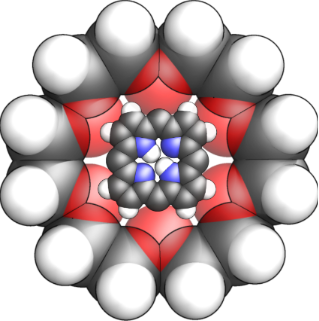
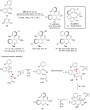
- slightly enhanced upon complexation. Crowned calixpyrroles In 2008, Sessler and co-workers synthesised an ion-pair receptor incorporating a calix[4]pyrrole framework functionalised with the crown ether units attached through meso-aryl groups (Scheme 1) [101]. The system comprised a crown-6-calix[4]arene
- -capped calix[4]pyrrole cavitand 4. The heteroditopic receptor had multiple binding sites, proving efficient in encapsulating a CsF ion pair. The calix[4]arene-crown-6-capped pocket was exploited as an excellent binding site for the Cs+ cation, whereas the calix[4]pyrrole was aligned to trap the fluoride
- separation between the cation and anion. Sessler and co-workers introduced a similar ion-pair receptor, in which the calix[4]arene-strapped calix[4]pyrrole 5 demonstrated an additional binding mode of CsF (Figure 5). The binding constant Ka = 1.3·104 M−1 in CHCl3/MeOH 9:1 was reported [101][102]. This





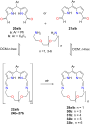


Complexes of resorcin[4]arene with secondary amines: synthesis, solvent influence on “in-out” structure, and theoretical calculations of non-covalent interactions
Beilstein J. Org. Chem. 2023, 19, 1525–1536, doi:10.3762/bjoc.19.109
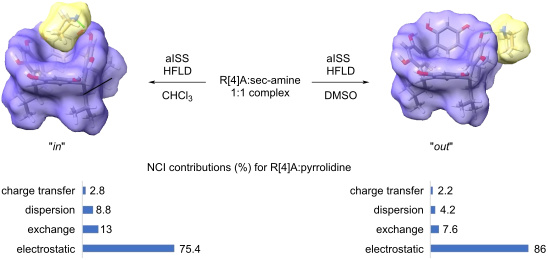
- exchange and dispersion interactions in CHCl3 in relation to DMSO are the driving forces behind the placement of sec-amine molecules into the R[4]A cavity and the formation of “in” type complexes. Keywords: complexes; DFT calculations; hydrogen bond; resorcin[4]arene; supramolecular chemistry




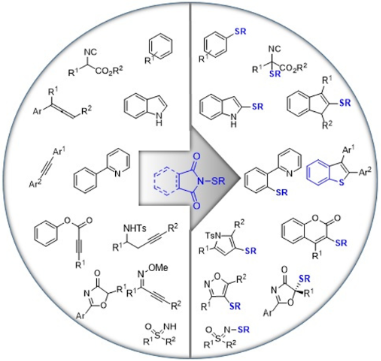
N-Sulfenylsuccinimide/phthalimide: an alternative sulfenylating reagent in organic transformations
Beilstein J. Org. Chem. 2023, 19, 1471–1502, doi:10.3762/bjoc.19.106
- of aryl sulfides by using the catalyst and the base. A catalytic cycle is shown in Scheme 4. Firstly, electrophilic Pd(TFA)2 generated from Pd(OAc)2 and TFA, which (by C–H functionalization of arene 4) led to intermediate II. Oxidative insertion of intermediate II into the N–S bond of 1 afforded
- , and TMSOTf resulted in good chemical yields. In the transformation, the selectivity of the endo or exo cyclization depended on the atom number of the chain between alkene and arene, leading to the formation of 6-, 7-, or 8-membered rings. In addition to N-(thio)phthalimides, benzenesulfenyl chloride
- an effective catalysis system (Scheme 29) [63]. Kinetic studies in this cross coupling-reaction indicated that N-(arylthio)succinimides 1 with electron-deficient arene 4 undergoe thioarylation catalyzed by Fe(NTf2)3. Related molecules bearing an electron-rich arene showed an autocatalytic pathway




Exploring the role of halogen bonding in iodonium ylides: insights into unexpected reactivity and reaction control
Beilstein J. Org. Chem. 2023, 19, 1171–1190, doi:10.3762/bjoc.19.86
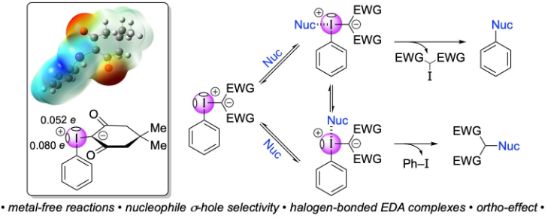
- resulting in two different ligand coupling outcomes. While most of their reactions expel an iodoarene to produce functionalized β-dicarbonyl motifs, ligand coupling with the arene motif is also possible, such as in the (radio)fluorination of iodonium ylides. Finally, intramolecular σ-hole bonding offers the
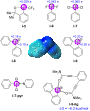
- halogen bonding had been invoked for years when describing reactions of such ylides. In 2022, Murphy et al. used computational analysis to assess iodonium ylides for their σ-holes, and found that two of these existed, with one situated opposite the arene and the other opposite the β-dicarbonyl motif
- (Figure 4) [100]. In the dimethyl malonate-derived ylide I-10, the σ-hole opposite the β-dicarbonyl was stronger with an electrostatic potential of 0.084 e, compared to the 0.049 e found for that opposite the arene. The same pattern was observed for the acetylacetone-derived ylide I-11, which possessed







Photoredox catalysis harvesting multiple photon or electrochemical energies
Beilstein J. Org. Chem. 2023, 19, 1055–1145, doi:10.3762/bjoc.19.81
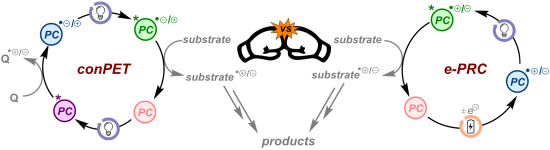
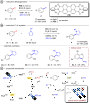
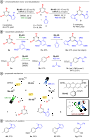
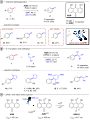
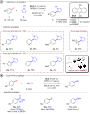
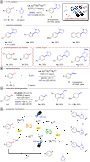
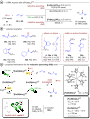
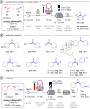
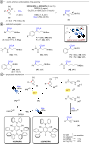
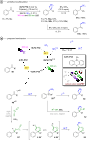
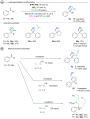
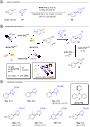
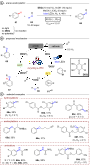
- (pinacolato)diboron (B2pin2) as trapping agents for C(sp2)–Het(Arene) couplings (Figure 9B). The successful activation of electron-neutral and electron-rich aryl halides via conPET mostly remained an unsolved challenge until the Nicewicz group in 2020 disclosed a modified acridinium (Fukuzumi) salt Mes-Acr

























Aromatic C–H bond functionalization through organocatalyzed asymmetric intermolecular aza-Friedel–Crafts reaction: a recent update
Beilstein J. Org. Chem. 2023, 19, 956–981, doi:10.3762/bjoc.19.72

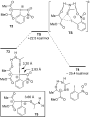
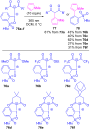
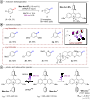
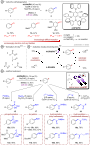
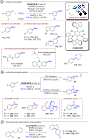
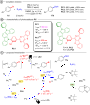
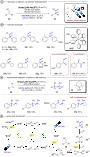
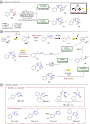
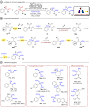
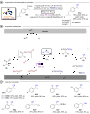
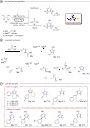
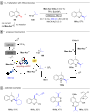
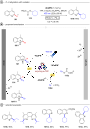
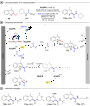
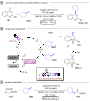
- bond formed between the imine nitrogen of 49 and the catalyst’s OH group (see transition state 84). These dual H-bonding interactions were assisted by a π–π interaction between the arene rings of both the electrophile and nucleophile that helped in the formation of a stereodefined transition state. The




Pyridine C(sp2)–H bond functionalization under transition-metal and rare earth metal catalysis
Beilstein J. Org. Chem. 2023, 19, 820–863, doi:10.3762/bjoc.19.62
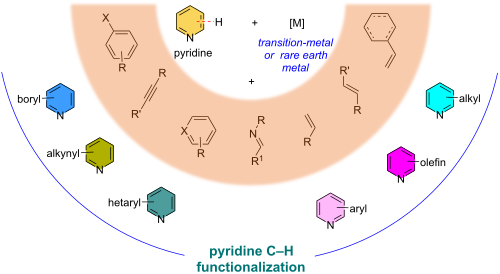
- ][43][44][45]. On the other hand, a metal-catalyzed functionalization of arene/heteroarene C–H bonds to the corresponding C–C bonds is an area of great interest and has been well studied [46][47]. Pyridine, being an important heterocyclic scaffold, various studies have been conducted for the C(sp2)–H
- -substitution, however, the authors found that the yield of the meta (C-3)-arylated pyridines were drastically higher, thereby showcasing the regioselectivity of the reaction. The chelating anionic ligand acted as base in the catalytic cycle, allowing for the oxidative addition of the arene to the Pd complex
- the bi(hetero)arene–Pd(II) species 177 which undergoes reductive elimination furnishing the desired products 174/175. C–H Annulation of pyridine to fused heterocycles Annulation reactions in organic synthesis have achieved great attention toward the construction of various carbocycles and heterocycles
















Palladium-catalyzed enantioselective three-component synthesis of α-arylglycine derivatives from glyoxylic acid, sulfonamides and aryltrifluoroborates
Beilstein J. Org. Chem. 2023, 19, 719–726, doi:10.3762/bjoc.19.52
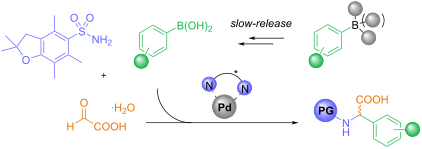
- situ generation of reactive imine species, we have disclosed iron- and bismuth-catalyzed three-component reactions for the synthesis of α-arylglycines [14][15][16], in which the arylboronic acid could be replaced with an electron-rich (hetero)arene as nucleophile. In parallel, we have developed




Transition-metal-catalyzed domino reactions of strained bicyclic alkenes
Beilstein J. Org. Chem. 2023, 19, 487–540, doi:10.3762/bjoc.19.38
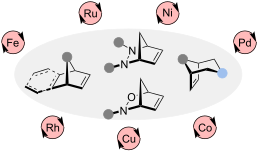
- received considerable attention in recent years. Several different arene and directing groups have been investigated; however, they typically result in the exo-selective addition product with the bridge heteroatom intact. Although this limits the applicability of the reaction, the authors noted the use of









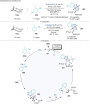


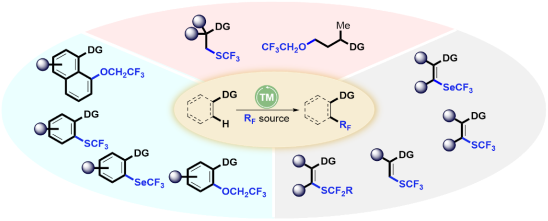
Transition-metal-catalyzed C–H bond activation as a sustainable strategy for the synthesis of fluorinated molecules: an overview
Beilstein J. Org. Chem. 2023, 19, 448–473, doi:10.3762/bjoc.19.35
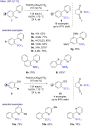
- aryl residue allowed the monofunctionalization to occur selectively. Also, amide 1g bearing a disubstituted arene was successfully functionalized in 59% yield. Finally, the difunctionalized thiophene derivative 2h was obtained in 56% yield. In 2016, Wang's group developed another methodology for the
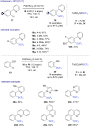
- trifluoromethylthiolation of azacalix[1]arene[3]pyridines by C–H bond activation using a complex of Cu(ClO4)2·6H2O and the shelf-stable Me4NSCF3 [115][116] as a nucleophilic source of SCF3 (Scheme 3) [100]. Within these conditions, a set of six azacalix[1]arene[3]pyridines bearing electron-donating groups, halogens or
- (25d) or withdrawing group (25e) and the desired SCF3-containing products were obtained in moderate to good yields. The functionalization of trisubstituted arene 25g and heteroarene 25h was also possible leading to the corresponding products 26g and 26h in moderate yields (23% and 42% yields






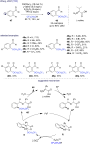


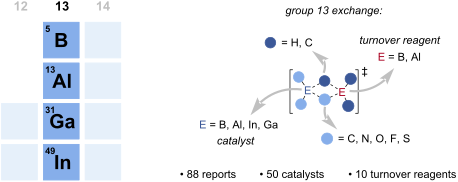
Group 13 exchange and transborylation in catalysis
Beilstein J. Org. Chem. 2023, 19, 325–348, doi:10.3762/bjoc.19.28
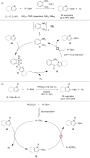
- loses dihydrogen to give a neutral borane 12, followed by B–C(sp2)/B–H transborylation with HBpin (ΔG‡ = 14.7 kcal mol−1) to give the borylated arene 13 and regenerate the catalyst (Scheme 4a). Fontaine showed that the steric bulk of the Lewis base had a significant effect on the rate of the reaction
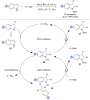
- (Scheme 16) [75]. The reaction was proposed to occur through activation of the alkyl fluoride 68 with H-B-9-BBN, followed by electrophilic substitution of the arene 69 to give a Wheland intermediate and a fluoroborohydride 70 (Scheme 16). Loss of H2 gave the arylated product 71, dihydrogen, and F-B-9-BBN










Two-step continuous-flow synthesis of 6-membered cyclic iodonium salts via anodic oxidation
Beilstein J. Org. Chem. 2023, 19, 27–32, doi:10.3762/bjoc.19.2
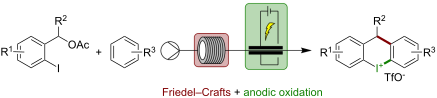
- nucleophilic arenes under oxidative acidic conditions.The synthesis of CDIS is more challenging since the arene moiety must be covalently connected to the iodoarene prior to cyclization. Recently, we published two new methods that describe the generation of carbon- and heteroatom-bridged CDIS [28][29]. Herein


Supramolecular approaches to mediate chemical reactivity
Beilstein J. Org. Chem. 2022, 18, 1463–1465, doi:10.3762/bjoc.18.152
- showcasing innovative research regarding supramolecular catalysis using macrocyclic and acyclic hosts, as well as other molecular architectures such as self-assembled capsules and metallocages. In their contribution, Secchi and Cera [15] reported the synthesis of diphosphine gold(I) calix[6]arene complexes
- whose geometry, in low-polarity solvents, is controlled by the 1,2,3-alternate conformation of the calix[6]arene skeleton. These catalysts can tune the selectivity of the catalytic cycloisomerization of 1,6-enynes in response to the relative orientation of the coordinated gold(I) atom with respect to
- -workers [19] reported an efficient photocatalytic supramolecular system based on a self-assembled nanosystem. The self-assembled system was obtained in an aqueous medium by inclusion of ammonium benzoyl-ʟ-alaninate (G) in a tetraphenylethylene-embedded pillar[5]arene (m-TPEWP5). The resulting worm-like
Facile and diastereoselective arylation of the privileged 1,4-dihydroisoquinolin-3(2H)-one scaffold
Beilstein J. Org. Chem. 2022, 18, 1070–1078, doi:10.3762/bjoc.18.109
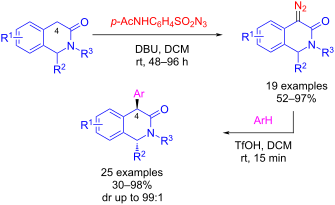
- readily available 3(2H)-isoquinolones followed by TfOH-promoted hydroarylation by an arene molecule. Screening of the novel 1,2,4-trisubstituted 1,4-DHIQs against cancer cell lines confirmed high cytotoxicity of selected analogs, which validates this new chemotype for further investigations as anticancer
- ) transformation resulted in the highly diastereoselective formation of C-arylation products 10 which in some cases was accompanied by a regioisomer formation (with respect to the entering arene moiety) and the formation of 3-isoquinolones 15 (isolated and characterized in several instances). Not unexpectedly
- of compound 9a, by single-crystal X-ray analysis. A curious and somewhat unexpected result was obtained when trying to employ N-formyl-N-methylaniline as an arene in the TfOH-promoted arylation of 10a. Instead of the anticipated product 9aa, 73% yield of predominantly trans-configured formate ester


Direct C–H amination reactions of arenes with N-hydroxyphthalimides catalyzed by cuprous bromide
Beilstein J. Org. Chem. 2022, 18, 647–652, doi:10.3762/bjoc.18.65
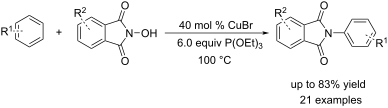
- decades. With the combination of C–H activation, many aminations of aryl compounds have been established [6][7][8][9][10][11][12][13][14][15][16]. However, it is necessary to introduce the directing group into the arene in most successful cases. As a good amino source, phthalimides have been widely
- -layer chromatography (TLC) on gel F254 plates. Flash column chromatograph was carried out using 300–400 mesh silica gel at medium pressure. General procedure for synthesis of 3a–u: N-Hydroxyphthalimide (0.1 mmol), CuBr (40 mol %, 0.04 mmol), triethyl phosphite (6.0 equiv, 0.6 mmol) and (hetero)arene (2




Tetraphenylethylene-embedded pillar[5]arene-based orthogonal self-assembly for efficient photocatalysis in water
Beilstein J. Org. Chem. 2022, 18, 429–437, doi:10.3762/bjoc.18.45
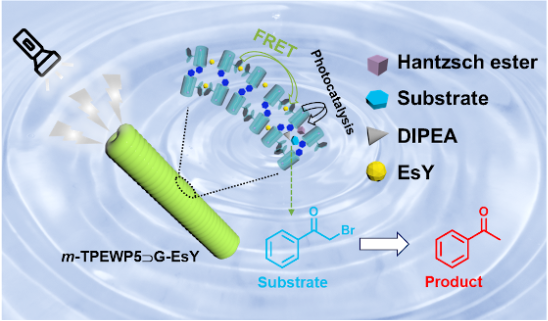
- supramolecular self-assembled nanosystem based on host–guest interactions between water-soluble tetraphenylethylene-embedded pillar[5]arene (m-TPEWP5) and ammonium benzoyl-ʟ-alaninate (G) in an aqueous medium. The obtained assembly of m-TPEWP5 and G showed aggregation-induced emission (AIE) via the blocking of
- photochemical catalytic reaction in aqueous medium. In addition, our group [30] reported the construction of a supramolecular photocatalytic system with a two-step FRET process through the supramolecular assembly of water-soluble pillar[5]arene and TPE derivatives as donor and EsY and Nile Red (NiR) as
- dehalogenation reaction with high yields within shorter reaction time is vastly essential and of industrial importance. Herein, we have fabricated a supramolecular AIE-emissive photocatalytic system (m-TPEWP5G–EsY) based on the host–guest interactions between meso-TPE embedded water-soluble pillar[5]arene (m


![[Graphic 5]](/bjoc/content/inline/1860-5397-18-45-i7.svg?max-width=637&scale=1.18182) G-EsY self-assembled photocat...
G-EsY self-assembled photocat...


![[Graphic 15]](/bjoc/content/inline/1860-5397-18-45-i17.svg?max-width=637&scale=1.18182) G; (b) m-TPEWP5
G; (b) m-TPEWP5![[Graphic 16]](/bjoc/content/inline/1860-5397-18-45-i18.svg?max-width=637&scale=1.18182) G-EsY. [m-TPEWP5] = 1 × 10⁻⁴ M, [G] = 1 × 10⁻⁴ M, [EsY] = ...
G-EsY. [m-TPEWP5] = 1 × 10⁻⁴ M, [G] = 1 × 10⁻⁴ M, [EsY] = ...

![[Graphic 25]](/bjoc/content/inline/1860-5397-18-45-i27.svg?max-width=637&scale=1.18182) G donor assembly...
G donor assembly...

![[Graphic 43]](/bjoc/content/inline/1860-5397-18-45-i45.svg?max-width=637&scale=1.18182) G-EsY na...
G-EsY na...

![[Graphic 48]](/bjoc/content/inline/1860-5397-18-45-i50.svg?max-width=637&scale=1.18182) G-E...
G-E...
Borylated norbornadiene derivatives: Synthesis and application in Pd-catalyzed Suzuki–Miyaura coupling reactions
Beilstein J. Org. Chem. 2022, 18, 368–373, doi:10.3762/bjoc.18.41
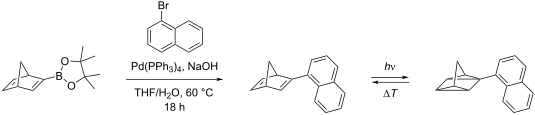
- ) to failed reactions (4d and 4g). In this context, the different reactivity of the methoxy-substituted arene isomers 4d–f and 4i is instructive as the para isomer did not result in product formation, whereas the ortho and meta-isomers gave reasonable yields. Hence, there is no obvious impact of the
- have a main impact on the reaction outcome as both examples of ortho- and para-substituted arene derivatives give similar yields. These results show that there is obviously a fine balance between stereoelectronic and steric effects that determines the outcome of the reaction, as has been shown for the


A resorcin[4]arene hexameric capsule as a supramolecular catalyst in elimination and isomerization reactions
Beilstein J. Org. Chem. 2022, 18, 337–349, doi:10.3762/bjoc.18.38
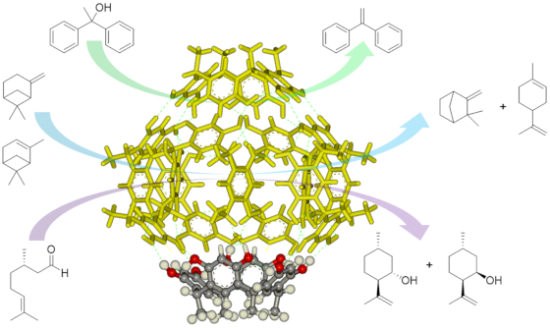
- Tommaso Lorenzetto Fabrizio Fabris Alessandro Scarso Dipartimento di Scienze Molecolari e Nanosistemi, Università Ca’ Foscari di Venezia, via Torino 155, 30172, Mestre-Venezia, Italy 10.3762/bjoc.18.38 Abstract The hexameric resorcin[4]arene capsule as a self-assembled organocatalyst promotes a
- compared to many other strong Brønsted or Lewis acids. Keywords: cationic intermediates; encapsulation; organocatalysis; resorcin[4]arene hexamer; supramolecular catalysis; Introduction In enzymatic catalysis, the substrate is selected matching the size, shape and specific functional groups present in
- [20] or hydrogen bonding units. In the latter case, a key role is played by the resorcin[4]arene 1 as a one-step multigram synthesis product, that spontaneously self-assembles in wet apolar solvents like chloroform or benzene forming a hexameric structure [21] thanks to the formation of a seam of


Regioselectivity of the SEAr-based cyclizations and SEAr-terminated annulations of 3,5-unsubstituted, 4-substituted indoles
Beilstein J. Org. Chem. 2022, 18, 293–302, doi:10.3762/bjoc.18.33
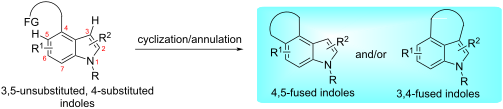
- ring-closure step have been routinely employed for the construction of diverse arene- and heteroarene-fused rings (Scheme 1A) [1][2][3]. In most of these approaches, the new CAr–C bond is formed ortho to the tether/directing functionality on an aromatic or a heteroaromatic ring, as the geometrical
- regioselective cyclization of an indole-tethered donor–acceptor cyclopropane. Indole C5 regioselective epoxide–arene cyclization. Funding We acknowledge the financial supports received from DST-SERB, New Delhi (Grant No. CRG/2018/003021) and Council of Scientific and Industrial Research (CSIR), New Delhi (Grant


Diametric calix[6]arene-based phosphine gold(I) cavitands
Beilstein J. Org. Chem. 2022, 18, 190–196, doi:10.3762/bjoc.18.21
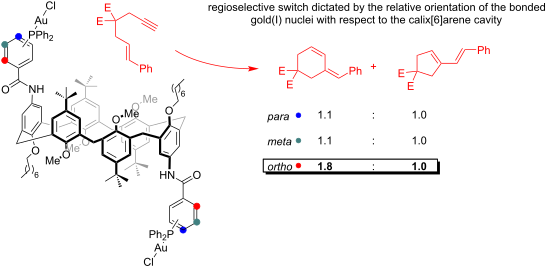
- , calix[4]- [9][10][11][12][13] and resorcin[4]arene [14][15][16][17] are the most exploited cavitands due to their inherent limited flexibility and already proved their ability to control the catalytic activity of late-transition metals and particularly gold(I) catalysts [18][19][20][21][22][23][24][25
- ]. This occurs via strong steric interactions, often outside the macrocycle (Figure 1a) [11], that affect the first coordination sphere of the metal or by creating a spatial confinement around the metal that is thus directed towards the inner cavity (Figure 1b) [26][27]. Contrarily, calix[6]arene
- devised a new family of triphosphine calix[6]arene gold(I) complexes (Figure 1c) [30]. These cavitands are able to form (pseudo)rotaxane species, by threading viologen-based guests, with a conformational control operated by the sulfonamido hydrogen-bonding donor domain [31][32]. Furthermore, their


Multi-faceted reactivity of N-fluorobenzenesulfonimide (NFSI) under mechanochemical conditions: fluorination, fluorodemethylation, sulfonylation, and amidation reactions
Beilstein J. Org. Chem. 2022, 18, 182–189, doi:10.3762/bjoc.18.20
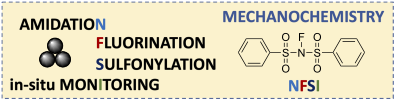
- milling (Figure 1b and Figure S5 in Supporting Information File 1). Other substrates such as naphthalene and N-Boc-aniline proved unreactive under the milling conditions with NFSI. However, the more activated arene 2-naphthol underwent double fluorination affording 1,1-difluoronaphthalen-2(1H)-one as the


Iron-catalyzed domino coupling reactions of π-systems
Beilstein J. Org. Chem. 2021, 17, 2848–2893, doi:10.3762/bjoc.17.196
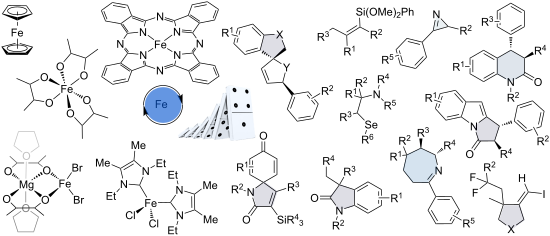
- ) [137]. The reaction most likely involves an iminyl radical which undergoes a 5-exo-trig cyclization with the alkene to form the alkyl radical intermediate. Homolytic aromatic substitution (HAS) with the arene will afford the final functionalized product. Interestingly, electron-poor, electron-rich, and













Recent advances in the asymmetric phosphoric acid-catalyzed synthesis of axially chiral compounds
Beilstein J. Org. Chem. 2021, 17, 2729–2764, doi:10.3762/bjoc.17.185
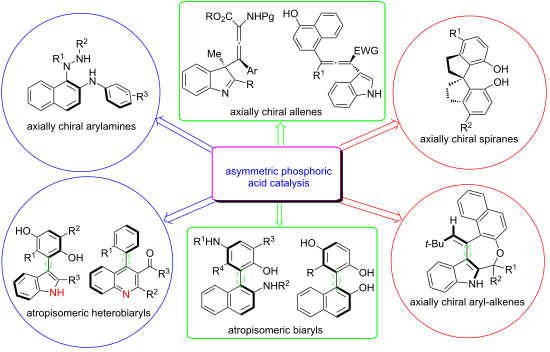
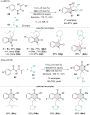
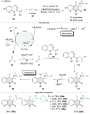
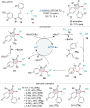
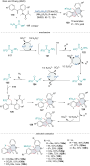
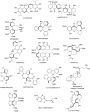
- groups were tolerated [7]. In 2020, Tan and co-workers disclosed the phosphoric acid-catalyzed atroposelective arene functionalization of nitrosonaphthalene with indoles to form atropisomeric indole-naphthalenes 39 and indole-anilines 40 by a nucleophilic aromatic substitution reaction [61] (Scheme 13
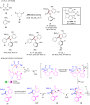
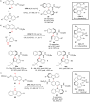
- + 2] formal cycloaddition and central-to-axial chirality conversion. Organocatalytic atroposelective arene functionalization of nitrosonaphthalene with indoles. Proposed reaction mechanism for the atroposelective arene functionalization of nitrosonaphthalenes. Asymmetric construction of axially chiral










Synthesis of highly substituted fluorenones via metal-free TBHP-promoted oxidative cyclization of 2-(aminomethyl)biphenyls. Application to the total synthesis of nobilone
Beilstein J. Org. Chem. 2021, 17, 2668–2679, doi:10.3762/bjoc.17.181
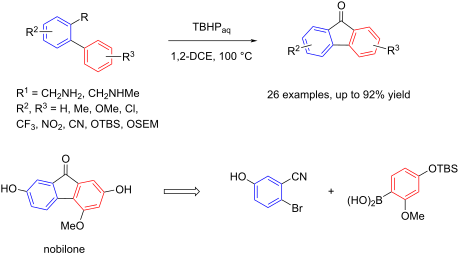
- also less desirable as reaction intermediates, owing to the difference in their respective reactivity. The results for the route going through N-methyl-2-(aminomethyl)biphenyls 9 are summarized in Scheme 4. We found that substrates bearing electron-donating groups at the aminomethyl carrying arene (9b
- and 9d) afforded significantly lower yields (28 and 34%) than substrates with electron-donating substituents at the other arene (9a and 9c; 59–67%), which were in the same range as the model reaction with unsubstituted amine 2b. Next, reactions with primary 2-(aminomethyl)biphenyls were investigated
- counterpart starting from secondary amine 9b (34%), the trend of electron-donating groups at the aminomethyl carrying arene adversely affecting the yield was also observed for primary amines. The negligible difference in yields for fluorenone 10b starting from amine 15b1 (34%) and 15b2 (38%) respectively


AlBr3-Promoted stereoselective anti-hydroarylation of the acetylene bond in 3-arylpropynenitriles by electron-rich arenes: synthesis of 3,3-diarylpropenenitriles
Beilstein J. Org. Chem. 2021, 17, 2663–2667, doi:10.3762/bjoc.17.180
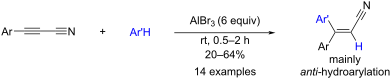
- hydroarylation of nitriles 1. Reactions of nitriles 1a–c with o-xylene led to the formation of regioisomers derived from the electrophilic substitution at different positions of this arene. Thus, nitrile 1a gave two types of regioisomers 2n and 2o. After reactions of nitriles 1b,c with o-xylene, compounds 2l and
- AlBr3 to both the nitrile and acetylene bonds of the starting compound 1 furnishes the highly electrophilic species A bearing a positive charge on the acetylenic carbon atom C3. The subsequent reaction of species A with the arene molecule via electrophilic aromatic substitution results in the formation
- of species B. The most probably, this stage proceeds stereoselectively due to spatial factors, with the incoming arene Ar′H attacking the acetylene bond in an anti-position to the bulky AlBr3, that determines the final predominant formation of the mainly anti-hydroarylation products of the starting





