Search for "acetone" in Full Text gives 699 result(s) in Beilstein Journal of Organic Chemistry. Showing first 200.
Beilstein J. Org. Chem. 2021, 17, 1600–1628, doi:10.3762/bjoc.17.114
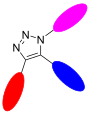
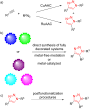
Graphical Abstract
Figure 1: Some significant triazole derivatives [8,23-27].
Scheme 1: A general comparison between synthetic routes for disubstituted 1,2,3-triazole derivatives and full...
Scheme 2: Synthesis of formyltriazoles 3 from the treatment of α-bromoacroleins 1 with azides 2.
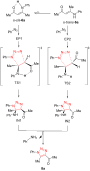
Scheme 3: A probable mechanism for the synthesis of formyltriazoles 5 from the treatment of α-bromoacroleins 1...
Scheme 4: Synthesis of 1,4,5-trisubstituted 1,2,3-triazoles 8 from the reaction of aryl azides 7 with enamino...
Scheme 5: Proposed mechanism for the synthesis of 1,4,5-trisubstituted 1,2,3-triazoles from the reaction of a...
Scheme 6: Synthesis of 1,4,5-trisubstituted 1,2,3-triazoles 11 from the reaction of primary amines 10 with 1,...
Scheme 7: The proposed mechanism for the synthesis of 1,4,5-trisubstituted 1,2,3-triazoles 11 from the reacti...
Scheme 8: Synthesis of fully decorated 1,2,3-triazoles 19 containing a sulfur-based side chain.
Scheme 9: Mechanism for the formation of fully decorated 1,2,3-triazoles 19 containing a sulfur-based side ch...
Scheme 10: Synthesis of fully decorated 1,2,3-triazole compounds 25 through the regioselective addition and cy...
Scheme 11: A reasonable mechanism for the synthesis of fully decorated 1,2,3-triazole compounds 25 through the...
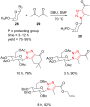
Scheme 12: Synthesis of 1,4,5-trisubstituted glycosyl-containing 1,2,3-triazole derivatives 30 from the reacti...
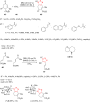
Scheme 13: Synthesis of 1,4,5-trisubstituted 1,2,3-triazoles 34 via intramolecular cyclization reaction of ket...
Scheme 14: Synthesis of fully decorated 1,2,3-triazoles 38 from the reaction of aldehydes 35, amines 36, and α...
Scheme 15: A reasonable mechanism for the synthesis of fully decorated 1,2,3-triazoles 38 from the reaction of...
Scheme 16: Synthesis of functionally rich double C- and N-vinylated 1,2,3-triazoles 45 and 47.
Scheme 17: Synthesis of disubstituted 4-chloro-, 4-bromo-, and 4-iodo-1,2,3-triazoles 50.
Scheme 18: a) A general route for SPAAC in polymer chemistry and b) synthesis of a novel pH-sensitive polymeri...
Scheme 19: Synthesis of 5-allenyl-1,2,3-triazoles 60 by the treatment of alkynes 57, azides 58, and propargyli...
Scheme 20: A reasonable mechanism for the synthesis of 5-allenyl-1,2,3-triazoles 60 by the treatment of alkyne...
Scheme 21: Synthesis of 5‐alkynyl-1,2,3-triazoles 69.
Scheme 22: A reasonable mechanism for the synthesis of 5‐alkynyl-1,2,3-triazoles 69.
Scheme 23: Synthesis of sulfur-cycle-fused 1,2,3-triazoles 75 and 77.
Scheme 24: A reasonable mechanism for the synthesis of sulfur-cycle-fused 1,2,3‐triazoles 75 and 77.
Scheme 25: Synthesis of 5-selanyltriazoles 85 from the reaction of ethynylstibanes 82, organic azides 83, and ...
Scheme 26: A mechanism for the synthesis of 5-selanyltriazoles 85 from the reaction of ethynylstibanes 82, org...
Scheme 27: Synthesis of trisubstituted triazoles containing an Sb substituent at position C5 in 93 and 5-unsub...
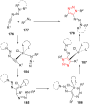
Scheme 28: Synthesis of asymmetric triazole disulfides 98 from disulfide-containing tert-butyltosyl disulfide 97...
Scheme 29: A mechanism for the synthesis of asymmetric triazole disulfides 98 from disulfide-containing tert-bu...
Scheme 30: Synthesis of triazole-fused sultams 104.
Scheme 31: Synthesis of 1,2,3-triazole-fused tricyclic heterocycles 106.
Scheme 32: A reasonable mechanism for the synthesis of 1,2,3-triazole-fused tricyclic heterocycles 106.
Scheme 33: Synthesis of 5-aryl-substituted 1,2,3-triazole derivatives 112.
Scheme 34: A reasonable mechanism for the synthesis of 5-aryl-substituted 1,2,3-triazole derivatives 112.
Scheme 35: Synthesis of 1,4,5-trisubstituted 1,2,3-triazole-5-carboxamides 119.
Scheme 36: A probable mechanism for the synthesis of 1,4,5-trisubstituted 1,2,3-triazole-5-carboxamides 119.
Scheme 37: Synthesis of fully decorated triazoles 125 via the Pd/C-catalyzed arylation of disubstituted triazo...
Scheme 38: Synthesis of triazolo[1,5-a]indolones 131.
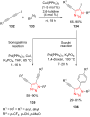
Scheme 39: Synthesis of unsymmetrically substituted triazole-fused enediyne systems 135 and 5-aryl-4-ethynyltr...
Scheme 40: Synthesis of Pd/Cu-BNP 139 and application of 139 in the synthesis of polycyclic triazoles 142.
Scheme 41: A probable mechanism for the synthesis of polycyclic triazoles 142.
Scheme 42: Synthesis of highly functionalized 1,2,3-triazole-fused 5-, 6-, and 7-membered rings 152–154.
Scheme 43: A probable mechanism for the synthesis of highly functionalized 1,2,3-triazole-fused 5-, 6-, and 7-...
Scheme 44: Synthesis of fully functionalized 1,2,3-triazolo-fused chromenes 162, 164, and 166 via the intramol...
Scheme 45: Ru-catalyzed synthesis of fully decorated triazoles 172.
Scheme 46: Synthesis of 4-cyano-1,2,3-triazoles 175.
Scheme 47: Synthesis of functionalized triazoles from the reaction of 1-alkyltriazenes 176 and azides 177 and ...
Scheme 48: Mechanism for the synthesis of functionalized triazoles from the reaction of 1-alkyltriazenes 176 a...
Beilstein J. Org. Chem. 2021, 17, 1518–1526, doi:10.3762/bjoc.17.109
Graphical Abstract
Figure 1: The common [2.2]cyclophanes.
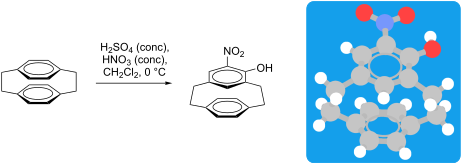
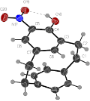
Scheme 1: Nitration of [2.2]paracyclophane (1) and the synthesis of 4-hydroxy-5-nitro[2.2]metaparacyclophane (...
Figure 2: Crystal structure of 5. Ellipsoids are drawn at a 50% probability level [63-66].
Figure 3: Crystal structure of 6. Ellipsoids are drawn at a 50% probability level [63].
Scheme 2: Possible mechanism for the formation of [2.2]metaparacyclophane 5 and cyclohexadienone cyclophane 6...
Scheme 3: Conjugate addition of methanol and subsequent elimination.
Figure 4: Crystal structure of 14. Ellipsoids are drawn at a 50% probability level [63].
Figure 5: Crystal structure of 15. Ellipsoids are drawn at a 50% probability level [63].
Figure 6: Possible origin of stereoselectivity.
Beilstein J. Org. Chem. 2021, 17, 1440–1446, doi:10.3762/bjoc.17.99
Graphical Abstract
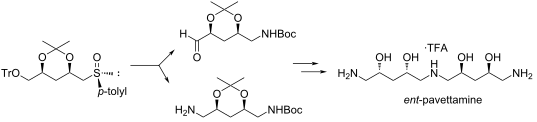
Figure 1: Structure of pavettamine 1 and its enantiomer 2.
Scheme 1: Established route for the synthesis of intermediate 4 [1].
Scheme 2: Alternative route. Reaction conditions: a) TrCl, pyridine, rt, overnight, 100%; b) DMAP, imidazole,...
Figure 2: Crystal structure of compound 9.
Scheme 3: Sequence showing the source of compound 9.
Scheme 4: Stereoselective reduction of intermediate 8 as key step towards intermediate 4. Reaction conditions...
Figure 3: Single crystal X-ray structure of compound 4.
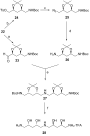
Scheme 5: Synthesis of the C5 fragments from intermediate 4. Reaction conditions: a) i) TFAA, collidine, 0 °C...
Scheme 6: Synthesis of ent-pavettamine as the TFA salt 28. Reaction conditions: a) IBX, DMSO, rt, overnight, ...
Beilstein J. Org. Chem. 2021, 17, 1385–1391, doi:10.3762/bjoc.17.97
Graphical Abstract
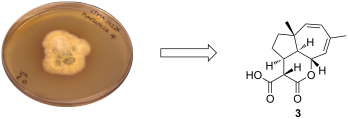
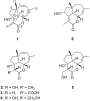
Figure 1: Structures of fulvoferruginin (1) and the newly isolated derivatives fulvoferruginins B–F (2–6).
Figure 2: KEY HMBC (arrows) and COSY (thick bonds) correlations of compounds 2 and 3.
Figure 3: Key ROESY correlations of metabolite 3.
Beilstein J. Org. Chem. 2021, 17, 1374–1384, doi:10.3762/bjoc.17.96
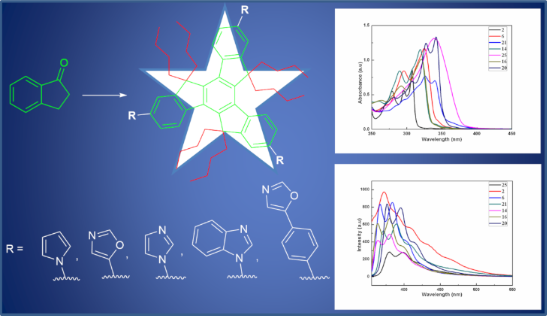
Graphical Abstract
Scheme 1: Retrosynthetic pathways to the pyrrole-based C3-symmetric truxene derivative 6.
Scheme 2: Synthesis of tripyrrolotruxene 6 via cyclotrimerization and RCM as crucial steps.
Scheme 3: Synthesis of star-shaped molecule 6 utilizing the Clauson–Kaas pyrrole strategy.
Scheme 4: Synthesis of truxene derivative 6 involving Ullmann-type cross-coupling reaction.
Scheme 5: Synthesis of imidazole and benzimidazole containing truxene derivatives 14 and 16.
Scheme 6: Construction of truxene-based di- and trioxazole derivatives 21 and 20.
Scheme 7: Synthesis of benzene-bridged rings containing trioxazolotruxene system 25.
Figure 1: Normalized absorption (left); fluorescence spectra (right) of the synthesized truxene derivatives (...
Beilstein J. Org. Chem. 2021, 17, 1335–1351, doi:10.3762/bjoc.17.93
Graphical Abstract
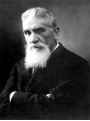
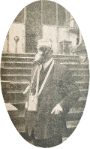
Figure 1: Icilio Guareschi (1847–1918). (Source: Annali della Reale Accademia di Agricoltura di Torino 1919, ...
Scheme 1: Vitamin B6 (pyridoxine, 1), gabapentin (2), and thymol (3).
Figure 2: Baliatico (Nursing) by Francesco Scaramuzza (275 cm × 214 cm, Parma, Complesso Museale della Pilott...
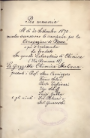
Figure 3: Schiff’s fictitious report on the foundation of the Gazzetta Chimica Italiana (Image reproduced fro...
Scheme 2: Reaction of thymol (3) with chloroform under the basic conditions of the Guareschi–Lustgarten react...
Figure 4: The chemistry building of Turin University in a historical picture. Note, that one of the “mysterio...
Scheme 3: Triacetonamine (6) and the related compounds phorone (7), α-eucaine (8), and tropinone (9).
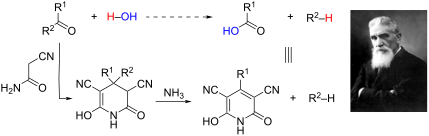
Scheme 4: Taxonomy of the Guareschi pyridone syntheses.
Scheme 5: The catalytic cycle of the “1897 reaction”.
Scheme 6: Resonance forms of the radical 10.
Figure 5: The wet chamber used by Guareschi to restore parchments (Gorrini, G. L'incendio della R. Biblioteca...
Figure 6: The Guareschi mask. (Servizio Chimico Militare. L'opera di Icilio Guareschi precursore della masche...
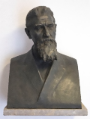
Figure 7: Guareschi’s bust at the Dipartimento di Scienza e Tecnologia del Farmaco of Turin University. Permi...
Beilstein J. Org. Chem. 2021, 17, 1323–1334, doi:10.3762/bjoc.17.92
Graphical Abstract
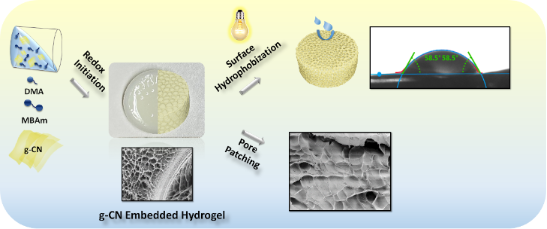
Scheme 1: Schematic overview of g-CN-embedded hydrogel fabrication and its subsequent photoinduced post-modif...
Scheme 2: Hydrophobic hydrogel via photoinduced surface modification over embedded g-CN nanosheets in hydroge...
Figure 1: a) FTIR spectra of freeze-dried HGCM-vTA, HGCM and HG. b) UV spectra of freeze-dried HGCM-vTA, HGCM...
Figure 2: Scanning electron microscopy (SEM) images of a) HGCM and b) HGCM-vTA in combination with their elem...
Figure 3: a) Equilibrium swelling ratios of HG, HGCM, HGCM-vTA at specified time intervals. b) Thermogravimet...
Scheme 3: Overview of pore substructuring via photoinduced free radical polymerization over embedded g-CN nan...
Figure 4: FTIR spectra of freeze-dried HGCM-PAA, HGCM-PAAM, HGCM-PEGMEMA in comparison with HGCM.
Figure 5: Scanning electron microscopy (SEM) images of a) HGCM-PAA, b) HGCM-PAAM, and c) HGCM-PEGMEMA.
Figure 6: a) Thermogravimetric analysis of HGCM, HGCM-PAA, HGCM-PAAM and HGCM-PEGMEMA. b) Equilibrium swellin...
Beilstein J. Org. Chem. 2021, 17, 1313–1322, doi:10.3762/bjoc.17.91
Graphical Abstract
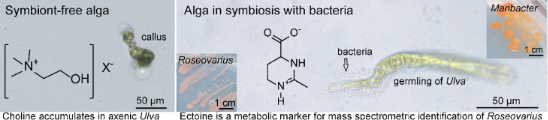
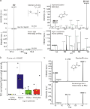
Figure 1: Untargeted comparative metabolomics using AP-SMALDI-HRMS highlighted metabolites involved in Ulva–b...
Figure 2: Identification of significant features associated with axenic or bacterial symbiont-associated alga ...
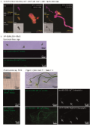
Figure 3: Visualisation of algae Ulva mutabilis grown under axenic conditions or with bacterial symbionts Ros...
Beilstein J. Org. Chem. 2021, 17, 1181–1312, doi:10.3762/bjoc.17.90
Graphical Abstract
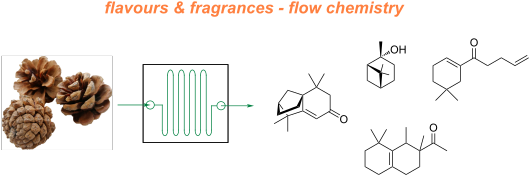
Figure 1: Representative shares of the global F&F market (2018) segmented on their applications [1].
Figure 2: General structure of an international fragrance company [2].
Figure 3: The Michael Edwards fragrance wheel.
Figure 4: Examples of oriental (1–3), woody (4–7), fresh (8–10), and floral (11 and 12) notes.
Figure 5: A basic depiction of batch vs flow.
Scheme 1: Examples of reactions for which flow processing outperforms batch.
Scheme 2: Some industrially important aldol-based transformations.
Scheme 3: Biphasic continuous aldol reactions of acetone and various aldehydes.
Scheme 4: Aldol synthesis of 43 in flow using LiHMDS as the base.
Scheme 5: A semi-continuous synthesis of doravirine (49) involving a key aldol reaction.
Scheme 6: Enantioselective aldol reaction using 5-(pyrrolidin-2-yl)tetrazole (51) as catalyst in a microreact...
Scheme 7: Gröger's example of asymmetric aldol reaction in aqueous media.
Figure 6: Immobilised reagent column reactor types.
Scheme 8: Photoinduced thiol–ene coupling preparation of silica-supported 5-(pyrrolidin-2-yl)tetrazole 63 and...
Scheme 9: Continuous-flow approach for enantioselective aldol reactions using the supported catalyst 67.
Scheme 10: Ötvös’ employment of a solid-supported peptide aldol catalyst in flow.
Scheme 11: The use of proline tetrazole packed in a column for aldol reaction between cyclohexanone (65) and 2...
Scheme 12: Schematic diagram of an aminosilane-grafted Si-Zr-Ti/PAI-HF reactor for continuous-flow aldol and n...
Scheme 13: Continuous-flow condensation for the synthesis of the intermediate 76 to nabumetone (77) and Microi...
Scheme 14: Synthesis of ψ-Ionone (80) in continuous-flow via aldol condensation between citral (79) and aceton...
Scheme 15: Synthesis of β-methyl-ionones (83) from citral (79) in flow. The steps are separately described, an...
Scheme 16: Continuous-flow synthesis of 85 from 84 described by Gavriilidis et al.
Scheme 17: Continuous-flow scCO2 apparatus for the synthesis of 2-methylpentanal (87) and the self-condensed u...
Scheme 18: Chen’s two-step flow synthesis of coumarin (90).
Scheme 19: Pechmann condensation for the synthesis of 7-hydroxyxcoumarin (93) in flow. The setup extended to c...
Scheme 20: Synthesis of the dihydrojasmonate 35 exploiting nitro derivative proposed by Ballini et al.
Scheme 21: Silica-supported amines as heterogeneous catalyst for nitroaldol condensation in flow.
Scheme 22: Flow apparatus for the nitroaldol condensation of p-hydroxybenzaldehyde (102) to nitrostyrene 103 a...
Scheme 23: Nitroaldol reaction of 64 to 105 employing a quaternary ammonium functionalised PANF.
Scheme 24: Enantioselective nitroaldol condensation for the synthesis of 108 under flow conditions.
Scheme 25: Enatioselective synthesis of 1,2-aminoalcohol 110 via a copper-catalysed nitroaldol condensation.
Scheme 26: Examples of Knoevenagel condensations applied for fragrance components.
Scheme 27: Flow apparatus for Knoevenagel condensation described in 1989 by Venturello et al.
Scheme 28: Knoevenagel reaction using a coated multichannel membrane microreactor.
Scheme 29: Continuous-flow apparatus for Knoevenagel condensation employing sugar cane bagasse as support deve...
Scheme 30: Knoevenagel reaction for the synthesis of 131–135 in flow using an amine-functionalised silica gel. ...
Scheme 31: Continuous-flow synthesis of compound 137, a key intermediate for the synthesis of pregabalin (138)...
Scheme 32: Continuous solvent-free apparatus applied for the synthesis of compounds 140–143 using a TSE. Throu...
Scheme 33: Lewis et al. developed a spinning disc reactor for Darzens condensation of 144 and a ketone to furn...
Scheme 34: Some key industrial applications of conjugate additions in the F&F industry.
Scheme 35: Continuous-flow synthesis of 4-(2-hydroxyethyl)thiomorpholine 1,1-dioxide (156) via double conjugat...
Scheme 36: Continuous-flow system for Michael addition using CsF on alumina as the catalyst.
Scheme 37: Calcium chloride-catalysed asymmetric Michael addition using an immobilised chiral ligand.
Scheme 38: Continuous multistep synthesis for the preparation of (R)-rolipram (173). Si-NH2: primary amine-fun...
Scheme 39: Continuous-flow Michael addition using ion exchange resin Amberlyst® A26.
Scheme 40: Preparation of the heterogeneous catalyst 181 developed by Paixão et al. exploiting Ugi multicompon...
Scheme 41: Continuous-flow system developed by the Paixão’s group for the preparation of Michael asymmetric ad...
Scheme 42: Continuous-flow synthesis of nitroaldols catalysed by supported catalyst 184 developed by Wennemers...
Scheme 43: Heterogenous polystyrene-supported catalysts developed by Pericàs and co-workers.
Scheme 44: PANF-supported pyrrolidine catalyst for the conjugate addition of cyclohexanone (65) and trans-β-ni...
Scheme 45: Synthesis of (−)-paroxetine precursor 195 developed by Ötvös, Pericàs, and Kappe.
Scheme 46: Continuous-flow approach for the 5-step synthesis of (−)-oseltamivir (201) as devised by Hayashi an...
Scheme 47: Continuous-flow enzyme-catalysed Michael addition.
Scheme 48: Continuous-flow copper-catalysed 1,4 conjugate addition of Grignard reagents to enones. Reprinted w...
Scheme 49: A collection of commonly encountered hydrogenation reactions.
Figure 7: The ThalesNano H-Cube® continuous-flow hydrogenator.
Scheme 50: Chemoselective reduction of an α,β-unsaturated ketone using the H-Cube® reactor.
Scheme 51: Incorporation of Lindlar’s catalyst into the H-Cube® reactor for the reduction of an alkyne.
Scheme 52: Continuous-flow semi-hydrogenation of alkyne 208 to 209 using SACs with H-Cube® system.
Figure 8: The standard setups for tube-in-tube gas–liquid reactor units.
Scheme 53: Homogeneous hydrogenation of olefins using a tube-in-tube reactor setup.
Scheme 54: Recyclable heterogeneous flow hydrogenation system.
Scheme 55: Leadbeater’s reverse tube-in-tube hydrogenation system for olefin reductions.
Scheme 56: a) Hydrogenation using a Pd-immobilised microchannel reactor (MCR) and b) a representation of the i...
Scheme 57: Hydrogenation of alkyne 238 exploiting segmented flow in a Pd-immobilised capillary reactor.
Scheme 58: Continuous hydrogenation system for the preparation of cyrene (241) from (−)-levoglucosenone (240).
Scheme 59: Continuous hydrogenation system based on CSMs developed by Hornung et al.
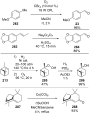
Scheme 60: Chemoselective reduction of carbonyls (ketones over aldehydes) in flow.
Scheme 61: Continuous system for the semi-hydrogenation of 256 and 258, developed by Galarneau et al.
Scheme 62: Continuous synthesis of biodiesel fuel 261 from lignin-derived furfural acetone (260).
Scheme 63: Continuous synthesis of γ-valerolacetone (263) via CTH developed by Pineda et al.
Scheme 64: Continuous hydrogenation of lignin-derived biomass (products 265, 266, and 267) using a sustainable...
Scheme 65: Ru/C or Rh/C-catalysed hydrogenation of arene in flow as developed by Sajiki et al.
Scheme 66: Polysilane-immobilized Rh–Pt-catalysed hydrogenation of arenes in flow by Kobayashi et al.
Scheme 67: High-pressure in-line mixing of H2 for the asymmetric reduction of 278 at pilot scale with a 73 L p...
Figure 9: Picture of the PFR employed at Eli Lilly & Co. for the continuous hydrogenation of 278 [287]. Reprinted ...
Scheme 68: Continuous-flow asymmetric hydrogenation using Oppolzer's sultam 280 as chiral auxiliary.
Scheme 69: Some examples of industrially important oxidation reactions in the F&F industry. CFL: compact fluor...
Scheme 70: Gold-catalysed heterogeneous oxidation of alcohols in flow.
Scheme 71: Uozumi’s ARP-Pt flow oxidation protocol.
Scheme 72: High-throughput screening of aldehyde oxidation in flow using an in-line GC.
Scheme 73: Permanganate-mediated Nef oxidation of nitroalkanes in flow with the use of in-line sonication to p...
Scheme 74: Continuous-flow aerobic anti-Markovnikov Wacker oxidation.
Scheme 75: Continuous-flow oxidation of 2-benzylpyridine (312) using air as the oxidant.
Scheme 76: Continuous-flow photo-oxygenation of monoterpenes.
Scheme 77: A tubular reactor design for flow photo-oxygenation.
Scheme 78: Glucose oxidase (GOx)-mediated continuous oxidation of glucose using compressed air and the FFMR re...
Scheme 79: Schematic continuous-flow sodium hypochlorite/TEMPO oxidation of alcohols.
Scheme 80: Oxidation using immobilised TEMPO (344) was developed by McQuade et al.
Scheme 81: General protocol for the bleach/catalytic TBAB oxidation of aldehydes and alcohols.
Scheme 82: Continuous-flow PTC-assisted oxidation using hydrogen peroxide. The process was easily scaled up by...
Scheme 83: Continuous-flow epoxidation of cyclohexene (348) and in situ preparation of m-CPBA.
Scheme 84: Continuous-flow epoxidation using DMDO as oxidant.
Scheme 85: Mukayama aerobic epoxidation optimised in flow mode by the Favre-Réguillon group.
Scheme 86: Continuous-flow asymmetric epoxidation of derivatives of 359 exploiting a biomimetic iron catalyst.
Scheme 87: Continuous-flow enzymatic epoxidation of alkenes developed by Watts et al.
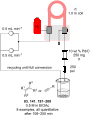
Scheme 88: Engineered multichannel microreactor for continuous-flow ozonolysis of 366.
Scheme 89: Continuous-flow synthesis of the vitamin D precursor 368 using multichannel microreactors. MFC: mas...
Scheme 90: Continuous ozonolysis setup used by Kappe et al. for the synthesis of various substrates employing ...
Scheme 91: Continuous-flow apparatus for ozonolysis as developed by Ley et al.
Scheme 92: Continuous-flow ozonolysis for synthesis of vanillin (2) using a film-shear flow reactor.
Scheme 93: Examples of preparative methods for ajoene (386) and allicin (388).
Scheme 94: Continuous-flow oxidation of thioanisole (389) using styrene-based polymer-supported peroxytungstat...
Scheme 95: Continuous oxidation of thiosulfinates using Oxone®-packed reactor.
Scheme 96: Continuous-flow electrochemical oxidation of thioethers.
Scheme 97: Continuous-flow oxidation of 400 to cinnamophenone (235).
Scheme 98: Continuous-flow synthesis of dehydrated material 401 via oxidation of methyl dihydrojasmonate (33).
Scheme 99: Some industrially important transformations involving Grignard reagents.
Scheme 100: Grachev et al. apparatus for continuous preparation of Grignard reagents.
Scheme 101: Example of fluidized Mg bed reactor with NMR spectrometer as on-line monitoring system.
Scheme 102: Continuous-flow synthesis of Grignard reagents and subsequent quenching reaction.
Figure 10: Membrane-based, liquid–liquid separator with integrated pressure control [52]. Adapted with permission ...
Scheme 103: Continuous-flow synthesis of 458, an intermediate to fluconazole (459).
Scheme 104: Continuous-flow synthesis of ketones starting from benzoyl chlorides.
Scheme 105: A Grignard alkylation combining CSTR and PFR technologies with in-line infrared reaction monitoring....
Scheme 106: Continuous-flow preparation of 469 from Grignard addition of methylmagnesium bromide.
Scheme 107: Continuous-flow synthesis of Grignard reagents 471.
Scheme 108: Preparation of the Grignard reagent 471 using CSTR and the continuous process for synthesis of the ...
Scheme 109: Continuous process for carboxylation of Grignard reagents in flow using tube-in-tube technology.
Scheme 110: Continuous synthesis of propargylic alcohols via ethynyl-Grignard reagent.
Scheme 111: Silica-supported catalysed enantioselective arylation of aldehydes using Grignard reagents in flow ...
Scheme 112: Acid-catalysed rearrangement of citral and dehydrolinalool derivatives.
Scheme 113: Continuous stilbene isomerisation with continuous recycling of photoredox catalyst.
Scheme 114: Continuous-flow synthesis of compound 494 as developed by Ley et al.
Scheme 115: Selected industrial applications of DA reaction.
Scheme 116: Multistep flow synthesis of the spirocyclic structure 505 via employing DA cycloaddition.
Scheme 117: Continuous-flow DA reaction developed in a plater flow reactor for the preparation of the adduct 508...
Scheme 118: Continuous-flow DA reaction using a silica-supported imidazolidinone organocatalyst.
Scheme 119: Batch vs flow for the DA reaction of (cyclohexa-1,5-dien-1-yloxy)trimethylsilane (513) with acrylon...
Scheme 120: Continuous-flow DA reaction between 510 and 515 using a shell-core droplet system.
Scheme 121: Continuous-flow synthesis of bicyclic systems from benzyne precursors.
Scheme 122: Continuous-flow synthesis of bicyclic scaffolds 527 and 528 for further development of potential ph...
Scheme 123: Continuous-flow inverse-electron hetero-DA reaction to pyridine derivatives such as 531.
Scheme 124: Comparison between batch and flow for the synthesis of pyrimidinones 532–536 via retro-DA reaction ...
Scheme 125: Continuous-flow coupled with ultrasonic system for preparation of ʟ-ascorbic acid derivatives 539 d...
Scheme 126: Two-step continuous-flow synthesis of triazole 543.
Scheme 127: Continuous-flow preparation of triazoles via CuAAC employing 546-based heterogeneous catalyst.
Scheme 128: Continuous-flow synthesis of compounds 558 through A3-coupling and 560 via AgAAC both employing the...
Scheme 129: Continuous-flow photoinduced [2 + 2] cycloaddition for the preparation of bicyclic derivatives of 5...
Scheme 130: Continuous-flow [2 + 2] and [5 + 2] cycloaddition on large scale employing a flow reactor developed...
Scheme 131: Continuous-flow preparation of the tricyclic structures 573 and 574 starting from pyrrole 570 via [...
Scheme 132: Continuous-flow [2 + 2] photocyclization of cinnamates.
Scheme 133: Continuous-flow preparation of cyclobutane 580 on a 5-plates photoreactor.
Scheme 134: Continuous-flow [2 + 2] photocycloaddition under white LED lamp using heterogeneous PCN as photocat...
Figure 11: Picture of the parallel tube flow reactor (PTFR) "The Firefly" developed by Booker-Milburn et al. a...
Scheme 135: Continuous-flow acid-catalysed [2 + 2] cycloaddition between silyl enol ethers and acrylic esters.
Scheme 136: Continuous synthesis of lactam 602 using glass column reactors.
Scheme 137: In situ generation of ketenes for the Staudinger lactam synthesis developed by Ley and Hafner.
Scheme 138: Application of [2 + 2 + 2] cycloadditions in flow employed by Ley et al.
Scheme 139: Examples of FC reactions applied in F&F industry.
Scheme 140: Continuous-flow synthesis of ibuprofen developed by McQuade et al.
Scheme 141: The FC acylation step of Jamison’s three-step ibuprofen synthesis.
Scheme 142: Synthesis of naphthalene derivative 629 via FC acylation in microreactors.
Scheme 143: Flow system for rapid screening of catalysts and reaction conditions developed by Weber et al.
Scheme 144: Continuous-flow system developed by Buorne, Muller et al. for DSD optimisation of the FC acylation ...
Scheme 145: Continuous-flow FC acylation of alkynes to yield β-chlorovinyl ketones such as 638.
Scheme 146: Continuous-flow synthesis of tonalide (619) developed by Wang et al.
Scheme 147: Continuous-flow preparation of acylated arene such as 290 employing Zr4+-β-zeolite developed by Kob...
Scheme 148: Flow system applied on an Aza-FC reaction catalysed by the thiourea catalyst 648.
Scheme 149: Continuous hydroformylation in scCO2.
Scheme 150: Two-step flow synthesis of aldehyde 655 through a sequential Heck reaction and subsequent hydroform...
Scheme 151: Single-droplet (above) and continuous (below) flow reactors developed by Abolhasani et al. for the ...
Scheme 152: Continuous hydroformylation of 1-dodecene (655) using a PFR-CSTR system developed by Sundmacher et ...
Scheme 153: Continuous-flow synthesis of the aldehyde 660 developed by Eli Lilly & Co. [32]. Adapted with permissio...
Scheme 154: Continuous asymmetric hydroformylation employing heterogenous catalst supported on carbon-based sup...
Scheme 155: Examples of acetylation in F&F industry: synthesis of bornyl (S,R,S-664) and isobornyl (S,S,S-664) ...
Scheme 156: Continuous-flow preparation of bornyl acetate (S,R,S-664) employing the oscillating flow reactor.
Scheme 157: Continuous-flow synthesis of geranyl acetate (666) from acetylation of geraniol (343) developed by ...
Scheme 158: 12-Ttungstosilicic acid-supported silica monolith-catalysed acetylation in flow.
Scheme 159: Continuous-flow preparation of cyclopentenone 676.
Scheme 160: Two-stage synthesis of coumarin (90) via acetylation of salicylaldehyde (88).
Scheme 161: Intensification process for acetylation of 5-methoxytryptamine (677) to melatonin (678) developed b...
Scheme 162: Examples of macrocyclic musky odorants both natural (679–681) and synthetic (682 and 683).
Scheme 163: Flow setup combined with microwave for the synthesis of macrocycle 686 via RCM.
Scheme 164: Continuous synthesis of 2,5-dihydro-1H-pyrroles via ring-closing metathesis.
Scheme 165: Continuous-flow metathesis of 485 developed by Leadbeater et al.
Figure 12: Comparison between RCM performed using different routes for the preparation of 696. On the left the...
Scheme 166: Continuous-flow RCM of 697 employed the solid-supported catalyst 698 developed by Grela, Kirschning...
Scheme 167: Continuous-flow RORCM of cyclooctene employing the silica-absorbed catalyst 700.
Scheme 168: Continuous-flow self-metathesis of methyl oleate (703) employing SILP catalyst 704.
Scheme 169: Flow apparatus for the RCM of 697 using a nanofiltration membrane for the recovery and reuse of the...
Scheme 170: Comparison of loadings between RCMs performed with different routes for the synthesis of 709.
Beilstein J. Org. Chem. 2021, 17, 1086–1095, doi:10.3762/bjoc.17.85
Graphical Abstract
Scheme 1: Retrosynthetic analysis of the target fluoro analogs.
Scheme 2: Conversion of 1,6-anhydro derivatives into thioglycosides, and a possible mechanism for the formati...
Scheme 3: Deoxyfluorination and O-benzylation of thioglycosides and thioaglycone migration.
Scheme 4: Thioglycoside hydrolysis.
Scheme 5: Synthesis of the target compounds by azide/acetamide conversion and debenzylation.
Beilstein J. Org. Chem. 2021, 17, 1048–1085, doi:10.3762/bjoc.17.84
Graphical Abstract
Scheme 1: Synthesis of optically pure 4-phenylchroman-2-one [34].
Scheme 2: Synthesis of (R)-tolterodine [3].
Scheme 3: Catalytic cycle of the Pd(II)-catalysed 1,4-addition of organoboron reagents to enones [3,26,35].
Scheme 4: Enantioselective β-arylation of cyclohexanone [38].
Scheme 5: Application of L2/Pd(OAc)2 in the total synthesis of terpenes [8].
Scheme 6: Plausible catalytic cycle for the addition of phenylboronic acid to 2-cyclohexenone catalysed by L3...
Scheme 7: Microwave-assisted addition of phenylboronic acid to 2-cyclohexenone catalysed by L4/Pd2(dba)3·CHCl3...
Scheme 8: Plausible catalytic cycle of the addition of phenylboronic acid to 2-cyclohexenone catalysed by pal...
Scheme 9: Proposed catalytic cycle for the addition of phenylboronic acids to 2-cyclohexenone catalysed by Pd...
Scheme 10: Usage of addition reactions of boronic acids to various chromones in the syntheses of potentially a...
Scheme 11: Multigram-scale synthesis of ABBV-2222 [6].
Scheme 12: Application of the asymmetric addition of phenylboronic acid to a chromone derivative for the total...
Scheme 13: Plausible catalytic cycle for the addition of phenylboronic acid to 3-methyl-2-cyclohexenone cataly...
Scheme 14: Total syntheses of naturally occurring terpenoids [10,11].
Scheme 15: Use of the L9/Pd(TFA)2 catalytic system for the synthesis of intermediates of biologically active c...
Scheme 16: Usage of a Michael addition catalysed by L9/Pd(TFA)2 in the total synthesis of (–)-ar-tenuifolene [12].
Scheme 17: Synthesis of terpenoids by Michael addition to 3-methyl-2-cyclopentenone [13].
Scheme 18: Rh-catalysed isomerisation of 3-alkyl-3-arylcyclopentanones to 1-tetralones [53].
Scheme 19: Addition reaction of phenylboronic acid to 3-methyl-2-cyclohexenone catalysed by L9/Pd(TFA)2 in wat...
Scheme 20: Micellar nanoreactor PdL10c for the synthesis of flavanones [58].
Scheme 21: Plausible catalytic cycle for the desymmetrisation of polycyclic cyclohexenediones by the addition ...
Scheme 22: Attempt to use the catalytic system L2/Pd(TFA)2 for the addition of phenylboronic acid to 3-methyl-...
Scheme 23: Ring opening of an enantioenriched tetrahydropyran-2-one derivative as alternative strategy to line...
Scheme 24: Synthesis of biologically active compounds from addition products [14-16].
Scheme 25: Chiral 1,10-phenantroline derivative L15 as ligand for the Pd-catalysed addition reactions of pheny...
Scheme 26: The Rh-catalysed addition reaction of phenylboronic acid to a 3-substituted enone [20].
Scheme 27: Underdeveloped methodologies [14,15,65-67].
Scheme 28: Flowchart for the selection of the proper catalytic system.
Beilstein J. Org. Chem. 2021, 17, 762–770, doi:10.3762/bjoc.17.66
Graphical Abstract
Scheme 1: Synthesis, functionalization and applications of triazoles.
Scheme 2: The reaction was performed using 0.2 mmol N-tosyl-1,2,3-triazole 1 and 0.2 mmol of cyclohexyl-1,3-d...
Scheme 3: Control experiments.
Scheme 4: Mechanistic proposal for the formation of β-triazolylenones.
Figure 1: Nucleophilic addition to 5- and 6-membered cyclic tosyloxyenones.
Beilstein J. Org. Chem. 2021, 17, 730–736, doi:10.3762/bjoc.17.62
Graphical Abstract
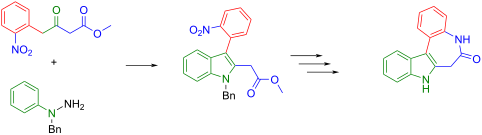
Figure 1: Natural products possessing the pyrrolo[2,3-c]quinoline skeleton.
Scheme 1: Total synthesis of marinoquinolines and the failure of the introduction of a tetrahydroquinoline mo...
Scheme 2: Retrosynthetic analysis of the pyrrolo[2,3-c]quinoline ring construction.
Scheme 3: Synthesis of N-substituted 4-aminopyrrolo[3,2-c]quinoline 18.
Scheme 4: Synthesis of the tetrahydroquinoline moiety through cycloamination.
Scheme 5: Synthesis of trigonoine B (1).
Beilstein J. Org. Chem. 2021, 17, 589–621, doi:10.3762/bjoc.17.53
Graphical Abstract
Figure 1: Potential classification of plastic recycling processes. The area covered by the present review is ...
Figure 2: EG produced during glycolytic depolymerisation of PET using DEG + DPG as solvent and titanium(IV) n...
Scheme 1: Simplified representation of the conversion of 1,4-PBD to C16–C44 macrocycles using Ru metathesis c...
Figure 3: Main added-value monomers obtainable by catalytic depolymerisation of PET via chemolytic methods.
Scheme 2: Hydrogenolytic depolymerisation of PET by ruthenium complexes.
Scheme 3: Depolymerisation of PET via catalytic hydrosilylation by Ir(III) pincer complex.
Scheme 4: Catalytic hydrolysis (top) and methanolysis (bottom) reactions of PET.
Scheme 5: Depolymerisation of PET by glycolysis with ethylene glycol.
Figure 4: Glycolysis of PET: evolution of BHET yield over time, with and without zinc acetate catalyst (196 °...
Scheme 6: Potential activated complex for the glycolysis reaction of PET catalysed by metallated ILs and evol...
Scheme 7: One-pot, two-step process for PET repurposing via chemical recycling.
Scheme 8: Synthetic routes to PLA.
Scheme 9: Structures of the zinc molecular catalysts used for PLA-methanolysis in various works. a) See [265], b) ...
Scheme 10: Depolymerisation of PLLA by Zn–N-heterocyclic carbene complex.
Scheme 11: Salalen ligands.
Scheme 12: Catalytic hydrogenolysis of PLA.
Scheme 13: Catalytic hydrosilylation of PLA.
Scheme 14: Hydrogenative depolymerisation of PBT and PCL by molecular Ru catalysts.
Scheme 15: Glycolysis reaction of PCT by diethylene glycol.
Scheme 16: Polymerisation–depolymerisation cycle of 3,4-T6GBL.
Scheme 17: Polymerisation–depolymerisation cycle of 2,3-HDB.
Scheme 18: Hydrogenative depolymerisation of PBPAC by molecular Ru catalysts.
Scheme 19: Catalytic hydrolysis (top), alcoholysis (middle) and aminolysis (bottom) reactions of PBPAC.
Scheme 20: Hydrogenative depolymerisation of PPC (top) and PEC (bottom) by molecular Ru catalysts.
Scheme 21: Polymerisation-depolymerisation cycle of BEP.
Scheme 22: Hydrogenolysis of polyamides using soluble Ru catalysts.
Scheme 23: Catalytic depolymerisation of epoxy resin/carbon fibres composite.
Scheme 24: Depolymerisation of polyethers with metal salt catalysts and acyl chlorides.
Scheme 25: Proposed mechanism for the iron-catalysed depolymerisation reaction of polyethers. Adapted with per...
Beilstein J. Org. Chem. 2021, 17, 581–588, doi:10.3762/bjoc.17.52
Graphical Abstract
Figure 1: A) Tetracyclic core of steroids and possible sites of bond cleavages for secosteroids. B)The first ...
Scheme 1: Retrosynthetic analysis of 9,11-secosterols.
Scheme 2: Synthesis of starting materials. Reagents and conditions: i) NaBH4, EtOH/CH2Cl2 1:1, 2 h, rt, then ...
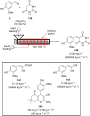
Scheme 3: Oxidation of diols 5 and 6 with NaOCl·5H2O.
Beilstein J. Org. Chem. 2021, 17, 558–568, doi:10.3762/bjoc.17.50
Graphical Abstract
Figure 1: Structure of biologically active phthalazine derivatives.
Scheme 1: Synthetic route to aminophthalazinones 5 and 6.
Figure 2: Proposed catalytic cycles for the amination of 4-bromophthalazinones of type 3 (Phthal: phthalazino...
Scheme 2: Synthesis of 4-amino- and 4-polyaminophthalazinones 5 and 6 (the yields refer to the isolated compo...
Figure 3: The phthalazinone derivatives that were used to test the complexation of Cu(II) ions.
Scheme 3: The proposal of the fragmentation pathway of the Cu(II) complex with compound 7.
Figure 4: Structure of complex 17.
Figure 5: Molecular structure of complex 17 with atom numbering scheme. The anisotropic displacement paramete...
Figure 6: Determination of relative cell viability (% of control) in different cell lines (HT-29; PC-3 and L-...
Figure 7: Cytotoxic properties of the phthalazinone derivatives expressed as IC50 after 72 h of cell treatmen...
Beilstein J. Org. Chem. 2021, 17, 519–526, doi:10.3762/bjoc.17.46
Graphical Abstract
Figure 1: TEM micrograph and size distribution graphic for CoNPs@MgO catalyst (scale bar = 20 nm).
Scheme 1: Plausible mechanistic pathway for olefin epoxidation catalyzed by CoNPs/MgO in the presence of t-Bu...
Beilstein J. Org. Chem. 2021, 17, 343–378, doi:10.3762/bjoc.17.32
Graphical Abstract
Figure 1: Stabilizing interaction in the CF3CH2+ carbenium ion (top) and structure of the first observable fl...
Scheme 1: Isodesmic equations accounting for the destabilizing effect of the CF3 group. ΔE in kcal⋅mol−1, cal...
Scheme 2: Stabilizing effect of fluorine atoms by resonance electron donation in carbenium ions (δ in ppm).
Scheme 3: Direct in situ NMR observation of α-(trifluoromethyl)carbenium ion or protonated alcohols. Δδ = δ19...
Scheme 4: Reported 13C NMR chemical shifts for the α-(trifluoromethyl)carbenium ion 10c (δ in ppm).
Scheme 5: Direct NMR observation of α-(trifluoromethyl)carbenium ions in situ (δ in ppm).
Scheme 6: Illustration of the ion pair solvolysis mechanism for sulfonate 13f. YOH = solvent.
Figure 2: Solvolysis rate for 13a–i and 17.
Figure 3: Structures of allyl triflates 18 and 19 and allyl brosylate 20. Bs = p-BrC6H4SO2.
Figure 4: Structure of tosylate derivatives 21.
Figure 5: a) Structure of triflate derivatives 22. b) Stereochemistry outcomes of the reaction starting from (...
Scheme 7: Solvolysis reaction of naphthalene and anthracenyl derivatives 26 and 29.
Figure 6: Structure of bisarylated derivatives 34.
Figure 7: Structure of bisarylated derivatives 36.
Scheme 8: Reactivity of 9c in the presence of a Brønsted acid.
Scheme 9: Cationic electrocyclization of 38a–c under strongly acidic conditions.
Scheme 10: Brønsted acid-catalyzed synthesis of indenes 42 and indanes 43.
Scheme 11: Reactivity of sulfurane 44 in triflic acid.
Scheme 12: Solvolysis of triflate 45f in alcoholic solvents.
Scheme 13: Synthesis of labeled 18O-52.
Scheme 14: Reactivity of sulfurane 53 in triflic acid.
Figure 8: Structure of tosylates 56 and 21f.
Scheme 15: Resonance forms in benzylic carbenium ions.
Figure 9: Structure of pyrrole derivatives 58 and 59.
Scheme 16: Resonance structure 60↔60’.
Scheme 17: Ga(OTf)3-catalyzed synthesis of 3,3’- and 3,6’-bis(indolyl)methane from trifluoromethylated 3-indol...
Scheme 18: Proposed reaction mechanism.
Scheme 19: Metal-free 1,2-phosphorylation of 3-indolylmethanols.
Scheme 20: Superacid-mediated arylation of thiophene derivatives.
Scheme 21: In situ mechanistic NMR investigations.
Scheme 22: Proposed mechanisms for the prenyltransferase-catalyzed condensation.
Scheme 23: Influence of a CF3 group on the allylic SN1- and SN2-mechanism-based reactions.
Scheme 24: Influence of the CF3 group on the condensation reaction.
Scheme 25: Solvolysis of 90 in TFE.
Scheme 26: Solvolysis of allyl triflates 94 and 97 and isomerization attempt of 96.
Scheme 27: Proposed mechanism for the formation of 95.
Scheme 28: Formation of α-(trifluoromethyl)allylcarbenium ion 100 in a superacid.
Scheme 29: Lewis acid activation of CF3-substituted allylic alcohols.
Scheme 30: Bimetallic-cluster-stabilized α-(trifluoromethyl)carbenium ions.
Scheme 31: Reactivity of cluster-stabilized α-(trifluoromethyl)carbenium ions.
Scheme 32: α-(Trifluoromethyl)propargylium ion 122↔122’ generated from silyl ether 120 in a superacid.
Scheme 33: Formation of α-(trifluoromethyl)propargylium ions from CF3-substituted propargyl alcohols.
Scheme 34: Direct NMR observation of the protonation of some trifluoromethyl ketones in situ and the correspon...
Scheme 35: Selected resonance forms in protonated fluoroketone derivatives.
Scheme 36: Acid-catalyzed Friedel–Crafts reactions of trifluoromethyl ketones 143a,b and 147a–c.
Scheme 37: Enantioselective hydroarylation of CF3-substituted ketones.
Scheme 38: Acid-catalyzed arylation of ketones 152a–c.
Scheme 39: Reactivity of 156 in a superacid.
Scheme 40: Reactivity of α-CF3-substituted heteroaromatic ketones and alcohols as well as 1,3-diketones.
Scheme 41: Reactivity of 168 with benzene in the presence of a Lewis or Brønsted acid.
Scheme 42: Acid-catalyzed three-component asymmetric reaction.
Scheme 43: Anodic oxidation of amines 178a–c and proposed mechanism.
Scheme 44: Reactivity of 179b in the presence of a strong Lewis acid.
Scheme 45: Trifluoromethylated derivatives as precursors of trifluoromethylated iminium ions.
Scheme 46: Mannich reaction with trifluoromethylated hemiaminal 189.
Scheme 47: Suitable nucleophiles reacting with 192 after Lewis acid activation.
Scheme 48: Strecker reaction involving the trifluoromethylated iminium ion 187.
Scheme 49: Reactivity of 199 toward nucleophiles.
Scheme 50: Reactivity of 204a with benzene in the presence of a Lewis acid.
Scheme 51: Reactivity of α-(trifluoromethyl)-α-chloro sulfides in the presence of strong Lewis acids.
Scheme 52: Anodic oxidation of sulfides 213a–h and Pummerer rearrangement.
Scheme 53: Mechanism for the electrochemical oxidation of the sulfide 213a.
Scheme 54: Reactivity of (trifluoromethyl)diazomethane (217a) in HSO3F.
Figure 10: a) Structure of diazoalkanes 217a–c and b) rate-limiting steps of their decomposition.
Scheme 55: Deamination reaction of racemic 221 and enantioenriched (S)-221.
Scheme 56: Deamination reaction of labeled 221-d2. Elimination products were formed in this reaction, the yiel...
Scheme 57: Deamination reaction of 225-d2. Elimination products were also formed in this reaction in undetermi...
Scheme 58: Formation of 229 from 228 via 1,2-H-shift.
Scheme 59: Deamination reaction of 230. Elimination products were formed in this reaction, the yield of which ...
Scheme 60: Deamination of several diazonium ions. Elimination products were formed in these reactions, the yie...
Scheme 61: Solvolysis reaction mechanism of alkyl tosylates.
Scheme 62: Solvolysis outcome for the tosylates 248 and 249 in HSO3FSbF5.
Figure 11: Solvolysis rate of 248, 249, 252, and 253 in 91% H2SO4.
Scheme 63: Illustration of the reaction pathways. TsCl, pyridine, −5 °C (A); 98% H2SO4, 30 °C (B); 98% H2SO4, ...
Scheme 64: Proposed solvolysis mechanism for the aliphatic tosylate 248.
Scheme 65: Solvolysis of the derivatives 259 and 260.
Scheme 66: Solvolysis of triflate 261. SOH = solvent.
Scheme 67: Intramolecular Friedel–Crafts alkylations upon the solvolysis of triflates 264 and 267.
Scheme 68: α-CF3-enhanced γ-silyl elimination of cyclobutyltosylates 270a,b.
Scheme 69: γ-Silyl elimination in the synthesis of a large variety of CF3-substituted cyclopropanes. Pf = pent...
Scheme 70: Synthetic pathways to 281. aNMR yields.
Scheme 71: The cyclopropyl-substituted homoallylcyclobutylcarbenium ion manifold.
Scheme 72: Reactivity of CF3-substituted cyclopropylcarbinyl derivatives 287a–c. LG = leaving group.
Scheme 73: Reactivity of CF3-substituted cyclopropylcarbinyl derivatives 291a–c.
Scheme 74: Superacid-promoted dimerization or TFP.
Scheme 75: Reactivity of TFP in a superacid.
Scheme 76: gem-Difluorination of α-fluoroalkyl styrenes via the formation of a “hidden” α-RF-substituted carbe...
Scheme 77: Solvolysis of CF3-substituted pentyne 307.
Scheme 78: Photochemical rearrangement of 313.
Figure 12: Structure of 2-norbornylcarbenium ion 318 and argued model for the stabilization of this cation.
Figure 13: Structures and solvolysis rate (TFE, 25 °C) of the sulfonates 319–321. Mos = p-MeOC6H4SO2.
Scheme 79: Mechanism for the solvolysis of 323. SOH = solvent.
Scheme 80: Products formed by the hydrolysis of 328.
Scheme 81: Proposed carbenium ion intermediates in an equilibrium during the solvolysis of tosylates 328, 333,...
Beilstein J. Org. Chem. 2021, 17, 334–342, doi:10.3762/bjoc.17.31
Graphical Abstract
Figure 1: The clazamycins, and selected bacterial pyrrolizidines of the vinylogous urea type. For consistency...
Figure 2: Key species in the biosynthesis of legonmycins A (3) and B (4), and the pyrrolizixenamides A–D (9–12...
Scheme 1: Preparation of the legonmycin core.
Scheme 2: Hypothesis for the oxidative hydrolysis of diacylated pyrrolizidinone 18 (R = iBu).
Scheme 3: Preparation of C(7a)-functionalized pyrrolizinone derivatives and synthesis of legonmycins A and B.
Beilstein J. Org. Chem. 2021, 17, 325–333, doi:10.3762/bjoc.17.30
Graphical Abstract
Figure 1: Alternative syntheses (A) and full structures (B) of the 5-bromo-4-chloro-3-indolyl or 4-nitropheny...
Scheme 1: Chemoenzymatic synthesis of (±)-4-O-(2-hydroxy-4-nitrophenyl)-1-O-trans-feruloyl-1,2,4-butanetriol ...
Figure 2: (A) Spectrometric monitoring (at 530 nm) of 4NTC released after the action of Fae on 12 in the pres...
Beilstein J. Org. Chem. 2021, 17, 273–282, doi:10.3762/bjoc.17.26
Graphical Abstract
Scheme 1: Synthetic pathways for the preparation of o-quinone derivatives with annulated 1,3-dithiole ring.
Figure 1: Active methylene compounds used for the preparation of gem-dithiolates.
Figure 2: Fragment of coordination polymer chain of adduct 8 in the crystal phase. Hydrogen atoms and CF3 gro...
Scheme 2: The tentative pathway for the formation of o-quinone 7 with annulated thiete ring.
Scheme 3: Reactions of o-quinone 6a.
Scheme 4: Stepwise reduction of o-quinones with metals to semiquinonates and catecholates, respectively.
Beilstein J. Org. Chem. 2021, 17, 245–272, doi:10.3762/bjoc.17.25
Graphical Abstract
Scheme 1: Synthesis of 1,1-difluoro-2,3-dimethylcyclopropane (2).
Scheme 2: Cyclopropanation via dehydrohalogenation of chlorodifluoromethane.
Scheme 3: Difluorocyclopropanation of methylstyrene 7 using dibromodifluoromethane and zinc.
Scheme 4: Synthesis of difluorocyclopropanes from the reaction of dibromodifluoromethane and triphenylphosphi...
Scheme 5: Generation of difluorocarbene in a catalytic two-phase system and its addition to tetramethylethyle...
Scheme 6: The reaction of methylstyrene 7 with chlorodifluoromethane (11) in the presence of a tetraarylarson...
Scheme 7: Pyrolysis of sodium chlorodifluoroacetate (12) in refluxing diglyme in the presence of alkene 13.
Scheme 8: Synthesis of boron-substituted gem-difluorocyclopropanes 16.
Scheme 9: Addition of sodium bromodifluoroacetate (17) to alkenes.
Scheme 10: Addition of sodium bromodifluoroacetate (17) to silyloxy-substituted cyclopropanes 20.
Scheme 11: Synthesis of difluorinated nucleosides.
Scheme 12: Addition of butyl acrylate (26) to difluorocarbene generated from TFDA (25).
Scheme 13: Addition of difluorocarbene to propargyl esters 27 and conversion of the difluorocyclopropenes 28 t...
Scheme 14: The generation of difluorocyclopropanes using MDFA 30.
Scheme 15: gem-Difluorocyclopropanation of styrene (32) using difluorocarbene generated from TMSCF3 (31) under...
Scheme 16: Synthesis of a gem-difluorocyclopropane derivative using HFPO (41) as a source of difluorocarbene.
Scheme 17: Cyclopropanation of (Z)-2-butene in the presence of difluorodiazirine (44).
Scheme 18: The cyclopropanation of 1-octene (46) using Seyferth's reagent (45) as a source of difluorocarbene.
Scheme 19: Alternative approaches for the difluorocarbene synthesis from trimethyl(trifluoromethyl)tin (48).
Scheme 20: Difluorocyclopropanation of cyclohexene (49).
Scheme 21: Synthesis of difluorocyclopropane derivative 53 using bis(trifluoromethyl)cadmium (51) as the diflu...
Scheme 22: Addition of difluorocarbene generated from tris(trifluoromethyl)bismuth (54).
Scheme 23: Addition of a stable (trifluoromethyl)zinc reagent to styrenes.
Scheme 24: The preparation of 2,2-difluorocyclopropanecarboxylic acids of type 58.
Scheme 25: Difluorocyclopropanation via Michael cyclization.
Scheme 26: Difluorocyclopropanation using N-acylimidazolidinone 60.
Scheme 27: Difluorocyclopropanation through the cyclization of phenylacetonitrile (61) and 1,2-dibromo-1,1-dif...
Scheme 28: gem-Difluoroolefins 64 for the synthesis of functionalized cyclopropanes 65.
Scheme 29: Preparation of aminocyclopropanes 70.
Scheme 30: Synthesis of fluorinated methylenecyclopropane 74 via selenoxide elimination.
Scheme 31: Reductive dehalogenation of (1R,3R)-75.
Scheme 32: Synthesis of chiral monoacetates by lipase catalysis.
Scheme 33: Transformation of (±)-trans-81 using Rhodococcus sp. AJ270.
Scheme 34: Transformation of (±)-trans-83 using Rhodococcus sp. AJ270.
Scheme 35: Hydrogenation of difluorocyclopropenes through enantioselective hydrocupration.
Scheme 36: Enantioselective transfer hydrogenation of difluorocyclopropenes with a Ru-based catalyst.
Scheme 37: The thermal transformation of trans-1,2-dichloro-3,3-difluorocyclopropane (84).
Scheme 38: cis–trans-Epimerization of 1,1-difluoro-2,3-dimethylcyclopropane.
Scheme 39: 2,2-Difluorotrimethylene diradical intermediate.
Scheme 40: Ring opening of stereoisomers 88 and 89.
Scheme 41: [1,3]-Rearrangement of alkenylcyclopropanes 90–92.
Scheme 42: Thermolytic rearrangement of 2,2-difluoro-1-vinylcyclopropane (90).
Scheme 43: Thermal rearrangement for ethyl 3-(2,2-difluoro)-3-phenylcyclopropyl)acrylates 93 and 95.
Scheme 44: Possible pathways of the ring opening of 1,1-difluoro-2-vinylcyclopropane.
Scheme 45: Equilibrium between 1,1-difluoro-2-methylenecyclopropane (96) and (difluoromethylene)cyclopropane 97...
Scheme 46: Ring opening of substituted 1,1-difluoro-2,2-dimethyl-3-methylenecyclopropane 98.
Scheme 47: 1,1-Difluorospiropentane rearrangement.
Scheme 48: Acetolysis of (2,2-difluorocyclopropyl)methyl tosylate (104) and (1,1-difluoro-2-methylcyclopropyl)...
Scheme 49: Ring opening of gem-difluorocyclopropyl ketones 106 and 108 by thiolate nucleophiles.
Scheme 50: Hydrolysis of gem-difluorocyclopropyl acetals 110.
Scheme 51: Ring-opening reaction of 2,2-difluorocyclopropyl ketones 113 in the presence of ionic liquid as a s...
Scheme 52: Ring opening of gem-difluorocyclopropyl ketones 113a by MgI2-initiated reaction with diarylimines 1...
Scheme 53: Ring-opening reaction of gem-difluorocyclopropylstannanes 117.
Scheme 54: Preparation of 1-fluorovinyl vinyl ketone 123 and the synthesis of 2-fluorocyclopentenone 124. TBAT...
Scheme 55: Iodine atom-transfer ring opening of 1,1-difluoro-2-(1-iodoalkyl)cyclopropanes 125a–c.
Scheme 56: Ring opening of bromomethyl gem-difluorocyclopropanes 130 and formation of gem-difluoromethylene-co...
Scheme 57: Ring-opening aerobic oxidation reaction of gem-difluorocyclopropanes 132.
Scheme 58: Dibrominative ring-opening functionalization of gem-difluorocyclopropanes 134.
Scheme 59: The selective formation of (E,E)- and (E,Z)-fluorodienals 136 and 137 from difluorocyclopropyl acet...
Scheme 60: Proposed mechanism for the reaction of difluoro(methylene)cyclopropane 139 with Br2.
Scheme 61: Thermal rearrangement of F2MCP 139 and iodine by CuI catalysis.
Scheme 62: Synthesis of 2-fluoropyrroles 142.
Scheme 63: Ring opening of gem-difluorocyclopropyl ketones 143 mediated by BX3.
Scheme 64: Lewis acid-promoted ring-opening reaction of 2,2-difluorocyclopropanecarbonyl chloride (148).
Scheme 65: Ring-opening reaction of the gem-difluorocyclopropyl ketone 106 by methanolic KOH.
Scheme 66: Hydrogenolysis of 1,1-difluoro-3-methyl-2-phenylcyclopropane (151).
Scheme 67: Synthesis of monofluoroalkenes 157.
Scheme 68: The stereoselective Ag-catalyzed defluorinative ring-opening diarylation of 1-trimethylsiloxy-2,2-d...
Scheme 69: Synthesis of 2-fluorinated allylic compounds 162.
Scheme 70: Pd-catalyzed cross-coupling reactions of gem-difluorinated cyclopropanes 161.
Scheme 71: The (Z)-selective Pd-catalyzed ring-opening sulfonylation of 2-(2,2-difluorocyclopropyl)naphthalene...
Figure 1: Structures of zosuquidar hydrochloride and PF-06700841.
Scheme 72: Synthesis of methylene-gem-difluorocyclopropane analogs of nucleosides.
Figure 2: Anthracene-difluorocyclopropane hybrid derivatives.
Figure 3: Further examples of difluorcyclopropanes in modern drug discovery.
Beilstein J. Org. Chem. 2021, 17, 224–228, doi:10.3762/bjoc.17.22
Graphical Abstract
Scheme 1: Biphenyl-derived mycotoxins.
Scheme 2: Synthesis of arylboronates 6. Conditions: a) TBSCl, DMAP, imidazole, DMF, 50 °C, 4 h (96%); b) NBS,...
Scheme 3: Synthesis of aryl bromides 9. Conditions: f) BBr3, −78 °C to rt, 18 h (71%); g) R = TBS: TBSCl, DMA...
Scheme 4: Final steps in the synthesis of biaryl 1. Conditions: h) Pd(OAc)2, SPhos, Cs2CO3, dioxane/H2O 7:1, ...
Beilstein J. Org. Chem. 2021, 17, 203–209, doi:10.3762/bjoc.17.20
Graphical Abstract
Scheme 1: Flow generation and transformation of 2H-azirines.
Scheme 2: Flow synthesis of 2H-azirines from vinyl azides. aThe solution of vinyl azide was re-introduced twi...
Scheme 3: Mixed flow-batch approach for the preparation of functionalized NH-aziridines from vinyl azides.
Beilstein J. Org. Chem. 2021, 17, 28–41, doi:10.3762/bjoc.17.4
Graphical Abstract
Figure 1: Homotropane (azabicyclononane) systems.
Figure 2: Alkaloids (−)-adaline (1), (+)-euphococcinine (2) and (+)-N-methyleuphococcinine (3).
Scheme 1: Synthetic strategies before 1995.
Scheme 2: Synthesis (±)-adaline (1) and (±)-euphococcinine (2). Reagents and conditions: i) 1. dihydropyran, ...
Scheme 3: Synthesis (+)-euphococcinine (2). Reagents and conditions: i) H2O2, SeO2 (cat), acetone, rt, 88%; i...
Scheme 4: Synthesis (+)-euphococcinine (2). Reagents and conditions: i) 2,4-bis(4-phenoxyphenyl)-1,3-dithia-2...
Scheme 5: Synthesis of (±)-euphococcinine precursor (±)-42. Reagents and conditions: i) Bu3SnH, AIBN, toluene...
Scheme 6: Synthesis of (−)-adaline (1). Reagents and conditions: i) LiH2NBH3, THF, 40 °C, 88%; ii) TPAP, NMO,...
Scheme 7: Synthesis of (−)-adaline (1) and (−)-euphococcinine (2). Reagents and conditions: i) 1. BuLi, t-BuO...
Scheme 8: Synthesis of (−)-adaline (1). Reagents and conditions: i) Ref. [52]; ii) Et3N, TBDMSOTf, CH2Cl2, 0 °C t...
Scheme 9: Synthesis of (+)-euphococcinine (2). Reagents and conditions: i) 1. Cp2ZrCl2,AlMe3, CH2Cl2; 2. p-me...
Scheme 10: Synthesis of (−)-adaline 1. Reagents and conditions: i) 1. CuBr.DMS, Et2O/DMS, -42 ºC; 2. 1-heptyne...
Scheme 11: Synthesis of (−)-euphococcinine (2) and (−)-adaline (1). Reagents and conditions: i) 102, KHMDS, Et2...
Scheme 12: Synthesis of N-methyleuphococcinine 3. Reagents and conditions: i) 108 (1.5 equiv), 3,5-di-F-C6H3B(...