Search for "sterically-hindered" in Full Text gives 291 result(s) in Beilstein Journal of Organic Chemistry. Showing first 200.
Beilstein J. Org. Chem. 2019, 15, 2069–2075, doi:10.3762/bjoc.15.204
Graphical Abstract
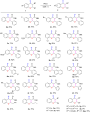
Figure 1: Structures of lilolidine, tivantinib and tarazepide.
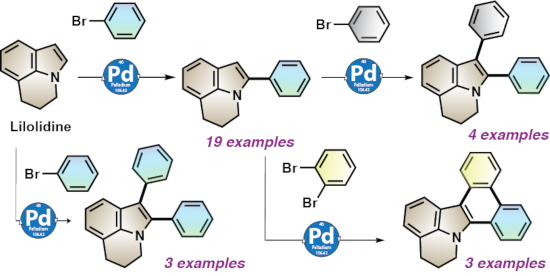
Scheme 1: Access to α- and β-arylated lilolidine derivatives.
Scheme 2: Synthesis of α-arylated lilolidine derivatives.
Scheme 3: Synthesis of α,β-di(hetero)arylated lilolidine derivatives.
Scheme 4: Synthesis of α,β-diarylated lilolidine derivatives via successive direct arylations.
Scheme 5: Synthesis of 5,6-dihydrodibenzo[a,c]pyrido[3,2,1-jk]carbazoles via successive direct arylations.
Beilstein J. Org. Chem. 2019, 15, 2036–2042, doi:10.3762/bjoc.15.200
Graphical Abstract
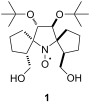
Figure 1: Structure of nitroxide 1.
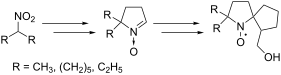
Scheme 1: The synthesis of aldonitrones 5a–c.
Scheme 2: The principal synthetic scheme for nitroxides 12a–c.
Scheme 3: A possible pathway of ketonitrone 7c self-transformations.
Scheme 4: Oxidation of aminoalcohol 9a.
Scheme 5: The synthesis of alkoxyamines 16a–c.
Scheme 6: The alkoxyamine 18 synthesis.
Scheme 7: A possible mechanism of nitroxide 17 formation.
Scheme 8: Optimisation of the synthesis of nitroxide 1.
Figure 2: Kinetics of the reduction of nitroxides 1 and 12a–c (0.3 mM) with ascorbate (50 mM) in 50 mM phosph...
Beilstein J. Org. Chem. 2019, 15, 1786–1794, doi:10.3762/bjoc.15.172
Graphical Abstract
Scheme 1: Oxidation of 3-pheny-1-propanol (1a) with N-chlorosuccinimide (NCS) in the presence of (2,2,6,6-tet...
Scheme 2: Hypothesized pathways for the TEMPO-assisted oxidation of alcohols in a) basic or b) acidic reactio...
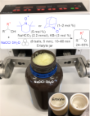
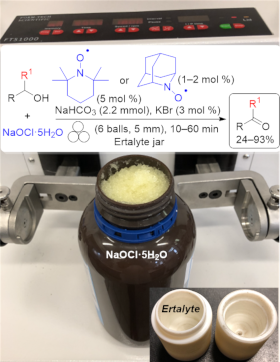
Scheme 3: TEMPO-assisted oxidation of 3-pheny-1-propanol (1a) under mechanical activation conditions. aPercen...
Scheme 4: Scope of primary alcohol oxidation under mechanical activation conditions. aAll yields refer to iso...
Scheme 5: Proposed mechanism for the oxidation of benzylic alcohols 6a and 7a under mechanochemical condition...
Scheme 6: Scope of secondary alcohols in the oxidation under mechanical activation conditions. aAll yields re...
Scheme 7: Possible mechanism for the TEMPO-mediated oxidation of primary and secondary alcohols by using NaOC...
Beilstein J. Org. Chem. 2019, 15, 1612–1704, doi:10.3762/bjoc.15.165
Graphical Abstract
Figure 1: Various drugs having IP nucleus.
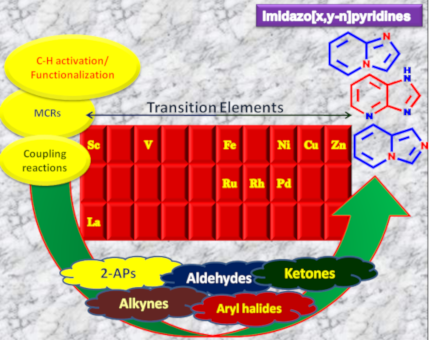
Figure 2: Participation percentage of various TMs for the syntheses of IPs.
Scheme 1: CuI–NaHSO4·SiO2-catalyzed synthesis of imidazo[1,2-a]pyridines.
Scheme 2: Experimental examination of reaction conditions.
Scheme 3: One-pot tandem reaction for the synthesis of 2-haloimidazopyridines.
Scheme 4: Mechanistic scheme for the synthesis of 2-haloimidazopyridine.
Scheme 5: Copper-MOF-catalyzed three-component reaction (3-CR) for imidazo[1,2-a]pyridines.
Scheme 6: Mechanism for copper-MOF-driven synthesis.
Scheme 7: Heterogeneous synthesis via titania-supported CuCl2.
Scheme 8: Mechanism involving oxidative C–H functionalization.
Scheme 9: Heterogeneous synthesis of IPs.
Scheme 10: One-pot regiospecific synthesis of imidazo[1,2-a]pyridines.
Scheme 11: Vinyl azide as an unprecedented substrate for imidazo[1,2-a]pyridines.
Scheme 12: Radical pathway.
Scheme 13: Cu(I)-catalyzed transannulation approach for imidazo[1,5-a]pyridines.
Scheme 14: Plausible radical pathway for the synthesis of imidazo[1,5-a]pyridines.
Scheme 15: A solvent-free domino reaction for imidazo[1,2-a]pyridines.
Scheme 16: Cu-NPs-mediated synthesis of imidazo[1,2-a]pyridines.
Scheme 17: CuI-catalyzed synthesis of isoxazolylimidazo[1,2-a]pyridines.
Scheme 18: Functionalization of 4-bromo derivative via Sonogashira coupling reaction.
Scheme 19: A plausible reaction pathway.
Scheme 20: Cu(I)-catalyzed intramolecular oxidative C–H amidation reaction.
Scheme 21: One-pot synthetic reaction for imidazo[1,2-a]pyridine.
Scheme 22: Plausible reaction mechanism.
Scheme 23: Cu(OAc)2-promoted synthesis of imidazo[1,2-a]pyridines.
Scheme 24: Mechanism for aminomethylation/cycloisomerization of propiolates with imines.
Scheme 25: Three-component synthesis of imidazo[1,2-a]pyridines.
Figure 3: Scope of pyridin-2(1H)-ones and acetophenones.
Scheme 26: CuO NPS-promoted A3 coupling reaction.
Scheme 27: Cu(II)-catalyzed C–N bond formation reaction.
Scheme 28: Mechanism involving Chan–Lam/Ullmann coupling.
Scheme 29: Synthesis of formyl-substituted imidazo[1,2-a]pyridines.
Scheme 30: A tandem sp3 C–H amination reaction.
Scheme 31: Probable mechanistic approach.
Scheme 32: Dual catalytic system for imidazo[1,2-a]pyridines.
Scheme 33: Tentative mechanism.
Scheme 34: CuO/CuAl2O4/ᴅ-glucose-promoted 3-CCR.
Scheme 35: A tandem CuOx/OMS-2-based synthetic strategy.
Figure 4: Biomimetic catalytic oxidation in the presence of electron-transfer mediators (ETMs).
Scheme 36: Control experiment.
Scheme 37: Copper-catalyzed C(sp3)–H aminatin reaction.
Scheme 38: Reaction of secondary amines.
Scheme 39: Probable mechanistic pathway.
Scheme 40: Coupling reaction of α-azidoketones.
Scheme 41: Probable pathway.
Scheme 42: Probable mechanism with free energy calculations.
Scheme 43: MCR for cyanated IP synthesis.
Scheme 44: Substrate scope for the reaction.
Scheme 45: Reaction mechanism.
Scheme 46: Probable mechanistic pathway for Cu/ZnAl2O4-catalyzed reaction.
Scheme 47: Copper-catalyzed double oxidative C–H amination reaction.
Scheme 48: Application towards different coupling reactions.
Scheme 49: Reaction mechanism.
Scheme 50: Condensation–cyclization approach for the synthesis of 1,3-diarylated imidazo[1,5-a]pyridines.
Scheme 51: Optimized reaction conditions.
Scheme 52: One-pot 2-CR.
Scheme 53: One-pot 3-CR without the isolation of chalcone.
Scheme 54: Copper–Pybox-catalyzed cyclization reaction.
Scheme 55: Mechanistic pathway catalyzed by Cu–Pybox complex.
Scheme 56: Cu(II)-promoted C(sp3)-H amination reaction.
Scheme 57: Wider substrate applicability for the reaction.
Scheme 58: Plausible reaction mechanism.
Scheme 59: CuI assisted C–N cross-coupling reaction.
Scheme 60: Probable reaction mechanism involving sp3 C–H amination.
Scheme 61: One-pot MCR-catalyzed by CoFe2O4/CNT-Cu.
Scheme 62: Mechanistic pathway.
Scheme 63: Synthetic scheme for 3-nitroimidazo[1,2-a]pyridines.
Scheme 64: Plausible mechanism for CuBr-catalyzed reaction.
Scheme 65: Regioselective synthesis of halo-substituted imidazo[1,2-a]pyridines.
Scheme 66: Synthesis of 2-phenylimidazo[1,2-a]pyridines.
Scheme 67: Synthesis of diarylated compounds.
Scheme 68: CuBr2-mediated one-pot two-component oxidative coupling reaction.
Scheme 69: Decarboxylative cyclization route to synthesize 1,3-diarylimidazo[1,5-a]pyridines.
Scheme 70: Mechanistic pathway.
Scheme 71: C–H functionalization reaction of enamines to produce diversified heterocycles.
Scheme 72: A plausible mechanism.
Scheme 73: CuI-promoted aerobic oxidative cyclization reaction of ketoxime acetates and pyridines.
Scheme 74: CuI-catalyzed pathway for the formation of imidazo[1,2-a]pyridine.
Scheme 75: Mechanistic pathway.
Scheme 76: Mechanistic rationale for the synthesis of products.
Scheme 77: Copper-catalyzed synthesis of vinyloxy-IP.
Scheme 78: Regioselective product formation with propiolates.
Scheme 79: Proposed mechanism for vinyloxy-IP formation.
Scheme 80: Regioselective synthesis of 3-hetero-substituted imidazo[1,2-a]pyridines with different reaction su...
Scheme 81: Mechanistic pathway.
Scheme 82: CuI-mediated synthesis of 3-formylimidazo[1,2-a]pyridines.
Scheme 83: Radical pathway for 3-formylated IP synthesis.
Scheme 84: Pd-catalyzed urea-cyclization reaction for IPs.
Scheme 85: Pd-catalyzed one-pot-tandem amination and intramolecular amidation reaction.
Figure 5: Scope of aniline nucleophiles.
Scheme 86: Pd–Cu-catalyzed Sonogashira coupling reaction.
Scheme 87: One-pot amide coupling reaction for the synthesis of imidazo[4,5-b]pyridines.
Scheme 88: Urea cyclization reaction for the synthesis of two series of pyridines.
Scheme 89: Amidation reaction for the synthesis of imidazo[4,5-b]pyridines.
Figure 6: Amide scope.
Scheme 90: Pd NPs-catalyzed 3-component reaction for the synthesis of 2,3-diarylated IPs.
Scheme 91: Plausible mechanistic pathway for Pd NPs-catalyzed MCR.
Scheme 92: Synthesis of chromenoannulated imidazo[1,2-a]pyridines.
Scheme 93: Mechanism for the synthesis of chromeno-annulated IPs.
Scheme 94: Zinc oxide NRs-catalyzed synthesis of imidazo[1,2-a]azines/diazines.
Scheme 95: Zinc oxide-catalyzed isocyanide based GBB reaction.
Scheme 96: Reaction pathway for ZnO-catalyzed GBB reaction.
Scheme 97: Mechanistic pathway.
Scheme 98: ZnO NRs-catalyzed MCR for the synthesis of imidazo[1,2-a]azines.
Scheme 99: Ugi type GBB three-component reaction.
Scheme 100: Magnetic NPs-catalyzed synthesis of imidazo[1,2-a]pyridines.
Scheme 101: Regioselective synthesis of 2-alkoxyimidazo[1,2-a]pyridines catalyzed by Fe-SBA-15.
Scheme 102: Plausible mechanistic pathway for the synthesis of 2-alkoxyimidazopyridine.
Scheme 103: Iron-catalyzed synthetic approach.
Scheme 104: Iron-catalyzed aminooxygenation reaction.
Scheme 105: Mechanistic pathway.
Scheme 106: Rh(III)-catalyzed double C–H activation of 2-substituted imidazoles and alkynes.
Scheme 107: Plausible reaction mechanism.
Scheme 108: Rh(III)-catalyzed non-aromatic C(sp2)–H bond activation–functionalization for the synthesis of imid...
Scheme 109: Reactivity and selectivity of different substrates.
Scheme 110: Rh-catalyzed direct C–H alkynylation by Li et al.
Scheme 111: Suggested radical mechanism.
Scheme 112: Scandium(III)triflate-catalyzed one-pot reaction and its mechanism for the synthesis of benzimidazo...
Scheme 113: RuCl3-assisted Ugi-type Groebke–Blackburn condensation reaction.
Scheme 114: C-3 aroylation via Ru-catalyzed two-component reaction.
Scheme 115: Regioselective synthetic mechanism.
Scheme 116: La(III)-catalyzed one-pot GBB reaction.
Scheme 117: Mechanistic approach for the synthesis of imidazo[1,2-a]pyridines.
Scheme 118: Synthesis of imidazo[1,2-a]pyridine using LaMnO3 NPs under neat conditions.
Scheme 119: Mechanistic approach.
Scheme 120: One-pot 3-CR for regioselective synthesis of 2-alkoxy-3-arylimidazo[1,2-a]pyridines.
Scheme 121: Formation of two possible products under optimization of the catalysts.
Scheme 122: Mechanistic strategy for NiFe2O4-catalyzed reaction.
Scheme 123: Two-component reaction for synthesizing imidazodipyridiniums.
Scheme 124: Mechanistic scheme for the synthesis of imidazodipyridiniums.
Scheme 125: CuI-catalyzed arylation of imidazo[1,2-a]pyridines.
Scheme 126: Mechanism for arylation reaction.
Scheme 127: Cupric acetate-catalyzed double carbonylation approach.
Scheme 128: Radical mechanism for double carbonylation of IP.
Scheme 129: C–S bond formation reaction catalyzed by cupric acetate.
Scheme 130: Cupric acetate-catalyzed C-3 formylation approach.
Scheme 131: Control experiments for signifying the role of DMSO and oxygen.
Scheme 132: Mechanism pathway.
Scheme 133: Copper bromide-catalyzed CDC reaction.
Scheme 134: Extension of the substrate scope.
Scheme 135: Plausible radical pathway.
Scheme 136: Transannulation reaction for the synthesis of imidazo[1,5-a]pyridines.
Scheme 137: Plausible reaction pathway for denitrogenative transannulation.
Scheme 138: Cupric acetate-catalyzed C-3 carbonylation reaction.
Scheme 139: Plausible mechanism for regioselective C-3 carbonylation.
Scheme 140: Alkynylation reaction at C-2 of 3H-imidazo[4,5-b]pyridines.
Scheme 141: Two-way mechanism for C-2 alkynylation of 3H-imidazo[4,5-b]pyridines.
Scheme 142: Palladium-catalyzed SCCR approach.
Scheme 143: Palladium-catalyzed Suzuki coupling reaction.
Scheme 144: Reaction mechanism.
Scheme 145: A phosphine free palladium-catalyzed synthesis of C-3 arylated imidazopyridines.
Scheme 146: Palladium-mediated Buchwald–Hartwig cross-coupling reaction.
Figure 7: Structure of the ligands optimized.
Scheme 147: Palladium acetate-catalyzed direct arylation of imidazo[1,2-a]pyridines.
Scheme 148: Palladium acetate-catalyzed mechanistic pathway.
Scheme 149: Palladium acetate-catalyzed regioselective arylation reported by Liu and Zhan.
Scheme 150: Mechanism for selective C-3 arylation of IP.
Scheme 151: Pd(II)-catalyzed alkenylation reaction with styrenes.
Scheme 152: Pd(II)-catalyzed alkenylation reaction with acrylates.
Scheme 153: A two way mechanism.
Scheme 154: Double C–H activation reaction catalyzed by Pd(OAc)2.
Scheme 155: Probable mechanism.
Scheme 156: Palladium-catalyzed decarboxylative coupling.
Scheme 157: Mechanistic cycle for decarboxylative arylation reaction.
Scheme 158: Ligand-free approach for arylation of imidazo[1,2-a]pyridine-3-carboxylic acids.
Scheme 159: Mechanism for ligandless arylation reaction.
Scheme 160: NHC-Pd(II) complex assisted arylation reaction.
Scheme 161: C-3 arylation of imidazo[1,2-a]pyridines with aryl bromides catalyzed by Pd(OAc)2.
Scheme 162: Pd(II)-catalyzed C-3 arylations with aryl tosylates and mesylates.
Scheme 163: CDC reaction for the synthesis of imidazo[1,2-a]pyridines.
Scheme 164: Plausible reaction mechanism for Pd(OAc)2-catalyzed synthesis of imidazo[1,2-a]pyridines.
Scheme 165: Pd-catalyzed C–H amination reaction.
Scheme 166: Mechanism for C–H amination reaction.
Scheme 167: One-pot synthesis for 3,6-di- or 2,3,6-tri(hetero)arylimidazo[1,2-a]pyridines.
Scheme 168: C–H/C–H cross-coupling reaction of IPs and azoles catalyzed by Pd(II).
Scheme 169: Mechanistic cycle.
Scheme 170: Rh-catalyzed C–H arylation reaction.
Scheme 171: Mechanistic pathway for C–H arylation of imidazo[1,2-a]pyridine.
Scheme 172: Rh(III)-catalyzed double C–H activation of 2-phenylimidazo[1,2-a]pyridines and alkynes.
Scheme 173: Rh(III)-catalyzed mechanistic pathway.
Scheme 174: Rh(III)-mediated oxidative coupling reaction.
Scheme 175: Reactions showing functionalization of the product obtained by the group of Kotla.
Scheme 176: Mechanism for Rh(III)-catalyzed oxidative coupling reaction.
Scheme 177: Rh(III)-catalyzed C–H activation reaction.
Scheme 178: Mechanistic cycle.
Scheme 179: Annulation reactions of 2-arylimidazo[1,2-a]pyridines and alkynes.
Scheme 180: Two-way reaction mechanism for annulations reaction.
Scheme 181: [RuCl2(p-cymene)]2-catalyzed C–C bond formation reaction.
Scheme 182: Reported reaction mechanism.
Scheme 183: Fe(III) catalyzed C-3 formylation approach.
Scheme 184: SET mechanism-catalyzed by Fe(III).
Scheme 185: Ni(dpp)Cl2-catalyzed KTC coupling.
Scheme 186: Pd-catalyzed SM coupling.
Scheme 187: Vanadium-catalyzed coupling of IP and NMO.
Scheme 188: Mechanistic cycle.
Scheme 189: Selective C3/C5–H bond functionalizations by mono and bimetallic systems.
Scheme 190: rGO-Ni@Pd-catalyzed C–H bond arylation of imidazo[1,2-a]pyridine.
Scheme 191: Mechanistic pathway for heterogeneously catalyzed arylation reaction.
Scheme 192: Zinc triflate-catalyzed coupling reaction of substituted propargyl alcohols.
Beilstein J. Org. Chem. 2019, 15, 1581–1591, doi:10.3762/bjoc.15.162
Graphical Abstract
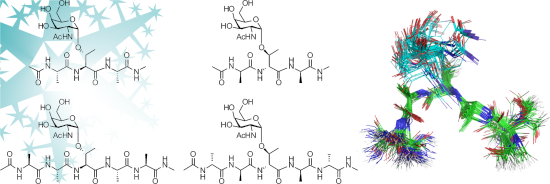
Figure 1: Glycosylated building blocks prepared for solid phase peptide synthesis (SPPS).
Scheme 1: A) Modification of Fmoc-Sieber-PS resin: a. piperidine in DMF (20% v/v), rt; 3 × 10 min; b. o-NBS-C...
Figure 2: Model AFGP analogues.
Figure 3: Conformational preferences of investigated glycopeptides.
Figure 4: Conformational preferences of monosaccharide moiety. A) cluster 1 for glycopeptide 3, B) cluster 1 ...
Beilstein J. Org. Chem. 2019, 15, 1347–1354, doi:10.3762/bjoc.15.134
Graphical Abstract
Figure 1: Examples of 18F-radiolabelled arylsulfonyl fluorides containing electron-donating 1, electron-withd...
Scheme 1: Reaction for the formation of sulfonyl chloride 6 using DABSO.
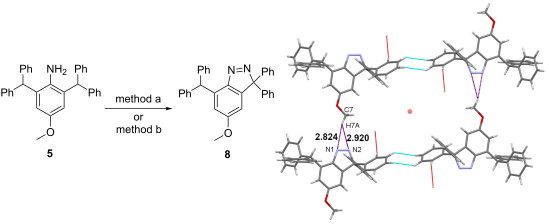
Figure 2: Possible compounds with the molecular formula C33H26N2O (structure 7 contains 27 hydrogen atoms).
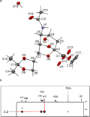
Figure 3: ORTEP view of the molecule 8 showing the atom labelling (ellipsoids are drawn at 50% probability le...
Figure 4: Significant intermolecular interactions made by the benzhydryl group (a, upper) and the gem-dipheny...
Figure 5: Relationship of the C–H···N and cyclic C–H···H-C contacts in the crystal structure of 8. The centro...
Figure 6: Part of a hydrocarbon tape along a formed by a combination of alternating linear and cyclic C–H···H...
Scheme 2: Proposed mechanism for the formation of 8.
Scheme 3: Direct preparation of compound 8. method a: t-BuONO, CuCl2, dry CH3CN, −10 °C, 89%; method b: NaNO2...
Beilstein J. Org. Chem. 2019, 15, 1236–1256, doi:10.3762/bjoc.15.121
Graphical Abstract
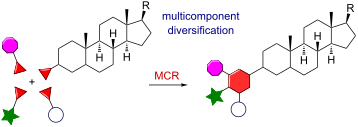
Figure 1: Structures of natural steroids of A) animal and B) plant origin.
Scheme 1: Synthesis of a steroidal β-lactam by Ugi reaction of a cholanic aldehyde [14].
Scheme 2: Synthetic route to steroidal 2,5-diketopiperazines based on a diastereoselective Ugi-4CR with an an...
Scheme 3: Multicomponent synthesis of a heterocycle–steroid hybrid using a ketosteroid as carbonyl component [18]....
Scheme 4: Synthesis of peptidomimetic–steroid hybrids using the Ugi-4CR with spirostanic amines and carboxyli...
Scheme 5: Synthesis of azasteroids using the Ugi-4CR with androstanic and pregnanic carboxylic acids [22].
Figure 2: Ugi-4CR-derived library of androstanic azasteroids with diverse substitution patterns at the phenyl...
Scheme 6: Synthesis of 4-azacholestanes by an intramolecular Ugi-4C-3R [26].
Scheme 7: Synthesis of amino acid–steroid hybrid by multiple Ugi-4CR using steroidal isocyanides [29].
Scheme 8: Synthesis of ecdysteroid derivatives by Ugi-4CR using a steroidal isocyanide [30].
Scheme 9: Stereoselective multicomponent synthesis of a steroid–tetrahydropyridine hybrid using a chiral bifu...
Scheme 10: Pd(II)-catalyzed three-component reaction with an alkynyl seco-cholestane [34].
Scheme 11: Multicomponent synthesis of steroid–thiazole hybrids from a steroidal ketone [36].
Scheme 12: Synthesis of cholanic pseudo-peptide derivatives by novel MCRs based on the reactivity of ynamide [37,38].
Scheme 13: Synthesis of steroid-fused pyrimidines and pyrimidones using the Biginelli-3CR [39,42,43].
Scheme 14: Synthesis of steroidal pyridopyrimidines by a reaction sequence comprising a 4CR followed by a post...
Scheme 15: Synthesis of steroid-fused pyrimidines by MCR of 2-hydroxymethylene-3-ketosteroids [46].
Scheme 16: Synthesis of steroid-fused naphthoquinolines by the Kozlov–Wang MCR using ketosteroids [50,51].
Scheme 17: Conjugation of steroids to carbohydrates and peptides by the Ugi-4CR [62,63].
Scheme 18: Solid-phase multicomponent conjugation of peptides to steroids by the Ugi-4CR [64].
Scheme 19: Solid-phase multicomponent conjugation of peptides to steroids by the Petasis-3CR [68].
Scheme 20: Synthesis of steroidal macrobicycles (cages) by multiple multicomponent macrocyclizations based on ...
Scheme 21: One-pot synthesis of steroidal cages by double Ugi-4CR-based macrocyclizations [76].
Beilstein J. Org. Chem. 2019, 15, 1149–1153, doi:10.3762/bjoc.15.111
Graphical Abstract
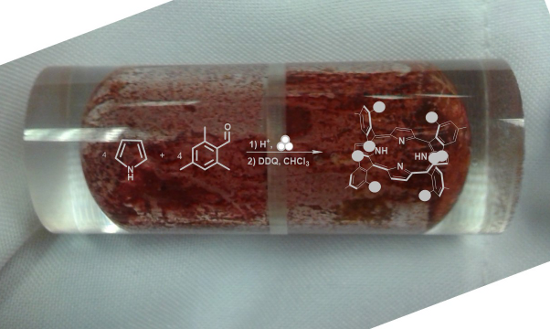
Figure 1: A) Porphyrin structure and labelling system. B) Substituents in the ortho-position of the group att...
Scheme 1: Steps leading to the formation of a porphyrin.
Scheme 2: Mechanochemical synthesis of tetramesitylporphyrin.
Beilstein J. Org. Chem. 2019, 15, 769–779, doi:10.3762/bjoc.15.73
Graphical Abstract
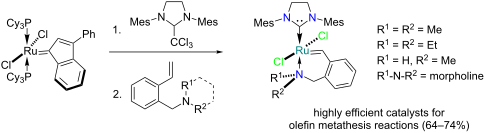
Figure 1: Commercially available ruthenium catalysts for metathesis reactions.
Figure 2: Retrosynthesis of the ruthenium catalysts.
Scheme 1: Efficient multigram synthesis of N,N-dialkyl-2-vinylbenzylamines 4 (R1X = Me2SO4, Et2SO4 or BnCl, s...
Scheme 2: Synthesis of N-(2-ethenylbenzyl)heterocycles 5.
Scheme 3: Synthesis of N-monoalkyl-2-vinylbenzylamine 7.
Scheme 4: Synthesis of Hoveyda–Grubbs-type catalysts 11.
Scheme 5: Synthesis of the “chloroform adduct” 9.
Figure 3: Selected X-ray data for ruthenium complexes 11a–c. All hydrogen atoms were deleted for clarity (exc...
Scheme 6: Catalytic activity of compounds 11 in the metathesis reactions.
Beilstein J. Org. Chem. 2019, 15, 401–430, doi:10.3762/bjoc.15.36
Graphical Abstract
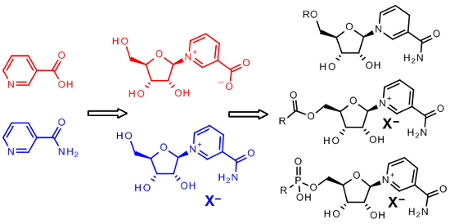
Figure 1: Structural formulas of Nam, NA, NR+, NMN, and NAD+.
Figure 2: Main synthetic routes to nicotinamide riboside (NR+X−).
Scheme 1: Synthesis of NR+Cl− based on the reaction of peracylated chlorosugars with Nam.
Figure 3: Predominant formation of β-anomer over α-anomer of NR+X−.
Scheme 2: Synthesis of NR+Cl− by reacting 3,5-di-O-benzoyl-D-ribofuranosyl chloride (5) with Nam (1a).
Figure 4: Mechanism of the formation of the β-anomer of the glycosylated product in the case of the reaction ...
Scheme 3: Synthesis of NR+Br− by reacting bromosugars with Nam (1a).
Scheme 4: Synthesis of NR+OTf− based on the glycosylation of Nam (1a) with tetra-O-acetyl-β-D-ribofuranose (2a...
Scheme 5: Improved synthesis of NR+OTfˉ and NAR+OTfˉ based on the glycosylation of pre-silylated Nam or NA wi...
Scheme 6: Synthesis of triacetylated NAR+OTf− by glycosylation of nicotinic acid trimethylsilyl ester with te...
Scheme 7: Synthesis of NR+Cl− from NR+OTf− by means of ion exchange with sodium chloride solution.
Scheme 8: Synthesis of acylated NR+OTf− by means of ion exchange with sodium chloride.
Scheme 9: Synthesis of triacetylated derivatives of NAR+ by glycosylation of nicotinic acid esters with ribos...
Scheme 10: Synthesis of NR+OTf− from the triflate salt of ethyl nicotinate-2,3,5-triacetyl-β-D-riboside in met...
Scheme 11: Reaction of 2,3,5-tri-O-acetyl-β-phenyl nicotinate riboside triflate salt with secondary and tertia...
Scheme 12: Synthesis of NMN based on the Zincke reaction of N-(2,4-dinitrophenyl)-3-carbamoylpyridinium chlori...
Scheme 13: Synthesis of NMN based on the Zincke reaction of N-(2,4-dinitrophenyl)-3-carbamoylpyridinium chlori...
Scheme 14: Efficacious protection of 2′,3′-hydroxy groups of NR+X−.
Scheme 15: Protection of the 2′,3′-hydroxy groups of NR+Cl– with a mesitylmethylene acetal group.
Figure 5: Reduction of derivatives of NR+Xˉ into corresponding 1,2-; 1,4-; 1,6-NRH derivatives.
Figure 6: Mechanism of the reduction of the pyridinium core with dithionite as adapted from [67].
Scheme 16: Reduction of triacylated NR+OTf– derivatives by sodium dithionite followed by complete removal of a...
Figure 7: Structural formulas of iridium and rhodium catalysts (a)–(d) for regeneration of NAD(P)H from NAD(P)...
Figure 8: Two approaches to synthesis of 5′-derivatives of NR+.
Scheme 17: Synthesis of NMN starting from NR+ salt.
Scheme 18: Efficient synthesis of NMN by phosphorylation of 2′,3′-O-isopropylidene-NR+ triflate followed by re...
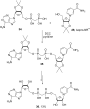
Scheme 19: Synthesis of a bisphosphonate analogue of β-NAD+ based on DCC-induced conjugation of 2′,3′-O-isopro...
Scheme 20: Synthesis of 5′-acyl and 2′,3′,5′-triacyl derivatives of NR+.
Figure 9: Structural formulas of NMN analogues 39–41.
Scheme 21: Synthesis of 5′-phosphorylated derivatives of NR+ using a “reduction–modification–oxidation” approa...
Scheme 22: Synthesis of 5′-phosphorylated derivatives of NR+ using a “reduction–modification–reoxidation” appr...
Figure 10: Structural formulas of 5′-phosphorylated derivatives of NR+.
Scheme 23: Synthesis of 5′-phosphorylated derivatives of NR+ using a direct NR+ phosphorylation approach.
Figure 11: Structural formulas of amino acid NR+ conjugates.
Scheme 24: Synthesis of amino acid NR+ conjugates using NRH and protected amino acid under CDI-coupling condit...
Figure 12: Chemical structures of known isotopically labelled NR+ analogues and derivatives.
Scheme 25: Synthesis of [2′-3H]-NR+ and [2′-3H]-NMN.
Scheme 26: Synthesis of α- and β-anomers of [1′-2H]-NMN.
Beilstein J. Org. Chem. 2019, 15, 333–350, doi:10.3762/bjoc.15.29
Graphical Abstract
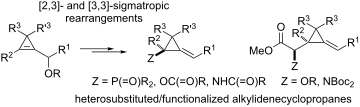
Scheme 1: Representative strategies for the formation of alkylidenecyclopropanes from cyclopropenes and scope...
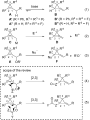
Scheme 2: [2,3]-Sigmatropic rearrangement of phosphinites 2a–h.
Scheme 3: [2,3]-Sigmatropic rearrangement of a phosphinite derived from enantioenriched cyclopropenylcarbinol...
Scheme 4: Selective reduction of phosphine oxide (E)-3f.
Scheme 5: Attempted thermal [2,3]-sigmatropic rearrangement of phosphinite 6a.
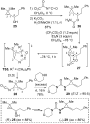
Scheme 6: Computed activation barriers and free enthalpies.
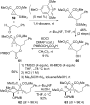
Scheme 7: [2,3]-Sigmatropic rearrangement of phosphinites 6a–j.
Scheme 8: Proposed mechanism for the Lewis base-catalyzed rearrangement of phosphinites 6.
Scheme 9: [3,3]-Sigmatropic rearrangement of tertiary cyclopropenylcarbinyl acetates 10a–c.
Scheme 10: [3,3]-Sigmatropic rearrangement of secondary cyclopropenylcarbinyl esters 10d–h.
Scheme 11: [3,3]-Sigmatropic rearrangement of trichoroacetimidates 12a–i.
Scheme 12: Reaction of trichloroacetamide 13f with pyrrolidine.
Scheme 13: Catalytic hydrogenation of (arylmethylene)cyclopropropane 13f.
Scheme 14: Instability of trichloroacetimidates 21a–c derived from cyclopropenylcarbinols 20a–c.
Scheme 15: [3,3]-Sigmatropic rearrangement of cyanate 27 generated from cyclopropenylcarbinyl carbamate 26.
Scheme 16: Synthesis of alkylidene(aminocyclopropane) derivatives 30–37 from carbamate 26.
Scheme 17: Scope of the dehydration–[3,3]-sigmatropic rearrangement sequence of cyclopropenylcarbinyl carbamat...
Scheme 18: Formation of trifluoroacetamide 50 from carbamate 49.
Scheme 19: Formation of alkylidene[(N-trifluoroacetylamino)cyclopropanes] 51–54.
Scheme 20: Diastereoselective hydrogenation of alkylidenecyclopropane 51.
Scheme 21: Ireland–Claisen rearrangement of cyclopropenylcarbinyl glycolates 56a–l.
Scheme 22: Synthesis and Ireland–Claisen rearrangement of glycolate 61 possessing gem-diester substitution at ...
Scheme 23: Synthesis of alkylidene(gem-difluorocyclopropanes) 66a–h, and 66k–n from propargyl glycolates 64a–n....
Scheme 24: Ireland–Claisen rearrangement of N,N-diBoc glycinates 67a and 67b.
Scheme 25: Diastereoselective hydrogenation of alkylidenecyclopropanes 58a and 74.
Scheme 26: Synthesis of functionalized gem-difluorocyclopropanes 76 and 77 from alkylidenecyclopropane 66a.
Scheme 27: Access to oxa- and azabicyclic compounds 78–80.
Beilstein J. Org. Chem. 2018, 14, 2999–3010, doi:10.3762/bjoc.14.279
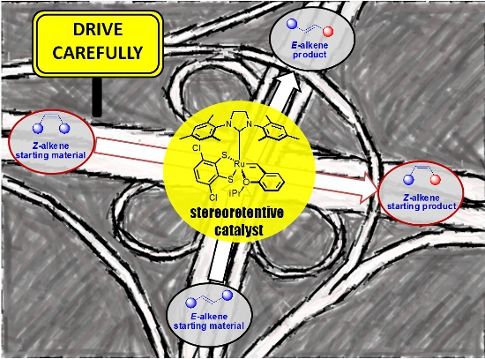
Graphical Abstract
Scheme 1: Synthesis of first Ru-dithiolate metathesis catalysts.
Figure 1: Most efficient Ru-dithiolate catalysts for stereoretentive olefin metathesis with Z- and E-alkenes ...
Figure 2: Selected examples of sterically or electronically modified ruthenium dithiolate complexes.
Figure 3: Model for stereoretentive metathesis proposed by Pederson and Grubbs [3].
Figure 4: Decrease in the benzylidene signal over time upon reaction with (E)-2-hexenyl acetate.
Scheme 2: Selected applications, part 1.
Scheme 3: Selected applications, part 2.
Figure 5: Catalyst loading required for different types of metathesis reactions.
Scheme 4: Proposed catalyst decomposition pathway occurring via attack of the electron-rich sulfide into meth...
Scheme 5: In situ methylene capping strategy for stereoretentive metathesis.
Scheme 6: Stereoretentive cross-metathesis with (Z)-butene (Z-25) as in situ methylene capping agent; selecte...
Scheme 7: Cross metathesis with Z- and E-trisubstituted allylic alcohols.
Scheme 8: In situ synthesis of Ru-3 and application thereof in the cross-metathesis of 12 and 50.
Figure 6: Examples of biologically active and fragrance molecules synthesized by stereoretentive metathesis.
Beilstein J. Org. Chem. 2018, 14, 2829–2837, doi:10.3762/bjoc.14.261
Graphical Abstract
Figure 1: Schematic representation of native α-CD (1) and top view of its primary rim with alphabetic clockwi...
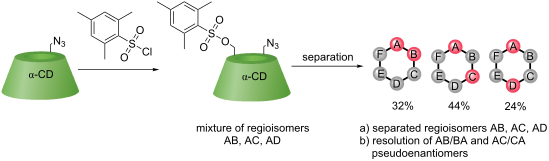
Scheme 1: Synthesis of 6A,6X-diazido-α-CD derivatives 4 via 6A,6X-capped α-CDs 2 and 3 and their regioisomeri...
Scheme 2: Synthesis of 6A,6X- and 6A,6D-diazido-α-CDs via 6A,6X-dibromo-α-CD 5, 6A,6D-dibromo-α-CD 5d interme...
Scheme 3: Synthesis of 6A,6X-diazido-α-CDs via 6A,6X-ditosyl-α-CD intermediates 6 and their regioisomeric rat...
Figure 2: HPLC chromatograms of 6A,6X-diazido-α-CDs 4 of the reactions 1–5, with ACN/water gradient elution a...
Scheme 4: Synthesis of 6A-azido-6X-mesitylenesulfonyl-α-CD 8 and conversion into 6A,6X-diazido-α-CD 4.
Figure 3: HPLC chromatograms of reaction 7 with separated 6A-azido-α-CD 7 as starting material and regioisome...
Figure 4: HPLC chromatograms of 6A-azido-6X-mesitylenesulfonyl-α-CD 8 (reaction 6): a) analytical and b) prep...
Figure 5: 1H NMR spectrum of the AC regioisomer 8c as a mixture of pseudoenantiomers prepared through reactio...
Figure 6: 13C NMR spectrum of the AC regioisomer 8c as a mixture of pseudoenantiomers prepared through reacti...
Figure 7: HPLC–MS chromatogram with the separated pseudoenantiomers of 6A-azido-6B-mesitylenesulfonyl-α-CD 8b...
Beilstein J. Org. Chem. 2018, 14, 2805–2811, doi:10.3762/bjoc.14.258
Graphical Abstract
Scheme 1: Undesired migration followed by benzylation of the 3-O-Bz GalN3 using several different benzylation...
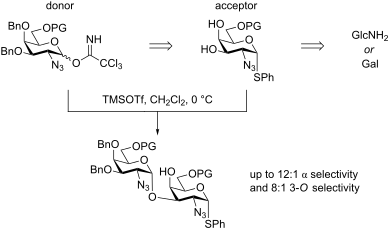
Scheme 2: Simple synthesis of two acceptors and two donors from the same common and readily available buildin...
Scheme 3: Challenging the α,3-O-selectivity with the different 6-O-protecting group variants.
Scheme 4: Representative glycosylations with closely related systems [34,44].
Scheme 5: Capping the free 4-OH, allowing for easier separation of mixtures obtained during glycosylation.
Scheme 6: Pseudotrisaccharide synthesis for LTA elucidation.
Beilstein J. Org. Chem. 2018, 14, 2722–2729, doi:10.3762/bjoc.14.250
Graphical Abstract
Scheme 1: Our synthetic plan for pyrrolo[3,2-c]azepines.
Scheme 2: Preparation of precursors for the Pummerer reactions.
Scheme 3: Substrate scope of 1,7-S and 1,7-Se shift reactions.
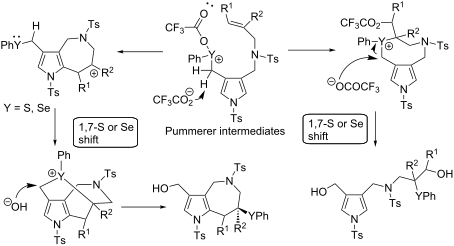
Scheme 4: Proposed mechanism.
Scheme 5: Crossover experiment.
Scheme 6: Lewis acid-catalysed cyclization of diols.
Scheme 7: Sequential process of sulfanyl-1,6-diyne 1 to 4H-pyrrolo[3,4-g]oxazine 25g.
Beilstein J. Org. Chem. 2018, 14, 2689–2697, doi:10.3762/bjoc.14.246
Graphical Abstract
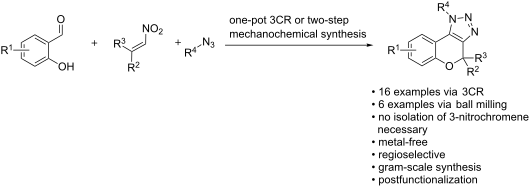
Scheme 1: Two-step reaction towards triazolochromene 5a and obtained oxidized side product 6.
Scheme 2: Reaction pathways leading to the different regioisomers.
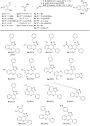
Figure 1: Scope with respect to various salicylaldehydes 1a–f, nitroalkenes 2a–d and organic azides 4a–g. aRe...
Scheme 3: Synthesis of bis-chromenotriazole 5p.
Figure 2: Generality of products obtained via the two-pot mechanochemical procedure, varying the salicylaldeh...
Scheme 4: Scale-up of the one-pot three-component reaction and two-step ball milling procedure.
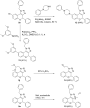
Scheme 5: Postfunctional transformations of triazolochromenes.
Beilstein J. Org. Chem. 2018, 14, 2435–2460, doi:10.3762/bjoc.14.221
Graphical Abstract
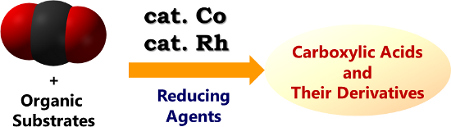
Scheme 1: Optimization of the Co-catalyzed carboxylation of 1a.
Scheme 2: Co-catalyzed carboxylation of propargyl acetates 1.
Scheme 3: Plausible reaction mechanism for the Co-catalyzed carboxylation of propargyl acetates 1.
Scheme 4: Optimization of the Co-catalyzed carboxylation of 3a.
Scheme 5: Co-catalyzed carboxylation of vinyl triflates 3.
Scheme 6: Co-catalyzed carboxylation of a sterically hindered aryl triflate 5.
Scheme 7: Optimization of the Co-catalyzed carboxylation of 7a.
Scheme 8: Scope of the reductive carboxylation of α,β-unsaturated nitriles 7.
Scheme 9: Scope of the carboxylation of α,β-unsaturated carboxamides 9.
Scheme 10: Optimization of the Co-catalyzed carboxylation of 11a.
Scheme 11: Scope of the carboxylation of allylarenes 11.
Scheme 12: Scope of the carboxylation of 1,4-diene derivatives 14.
Scheme 13: Plausible reaction mechanism for the Co-catalyzed C(sp3)–H carboxylation of allylarenes.
Scheme 14: Optimization of the Co-catalyzed carboxyzincation of 16a.
Scheme 15: Derivatization of the carboxyzincated product.
Scheme 16: Co-catalyzed carboxyzincation of alkynes 16.
Scheme 17: Plausible reaction mechanism for the Co-catalyzed carboxyzincation of alkynes 16.
Scheme 18: Co-catalyzed four-component coupling of alkynes 16, acrylates 18, CO2, and zinc.
Scheme 19: Proposed reaction mechanism for the Co-catalyzed four-component coupling.
Scheme 20: Visible-light-driven hydrocarboxylation of alkynes.
Scheme 21: Visible-light-driven synthesis of γ-hydroxybutenolides from ortho-ester-substituted aryl alkynes.
Scheme 22: One-pot synthesis of coumarines and 2-quinolones via hydrocarboxylation/alkyne isomerization/cycliz...
Scheme 23: Proposed reaction mechanism for the Co-catalyzed carboxylative cyclization of ortho-substituted aro...
Scheme 24: Rh-catalyzed carboxylation of arylboronic esters 25.
Scheme 25: Rh-catalyzed carboxylation of alkenylboronic esters 27.
Scheme 26: Plausible reaction mechanism for the Rh-catalyzed carboxylation of arylboronic esters 25.
Scheme 27: Ligand effect on the Rh-catalyzed carboxylation of 2-phenylpyridine 29a.
Scheme 28: Rh-catalyzed chelation-assisted C(sp2)–H bond carboxylation with CO2.
Scheme 29: Reaction mechanism for the Rh-catalyzed C(sp2)–H carboxylation of 2-pyridylarenes 29.
Scheme 30: Carboxylation of C(sp2)–H bond with CO2.
Scheme 31: Carboxylation of C(sp2)–H bond with CO2.
Scheme 32: Reaction mechanism for the Rh-catalyzed C(sp2)–H carboxylation of 2-arylphenols 34.
Scheme 33: Hydrocarboxylation of styrene derivatives with CO2.
Scheme 34: Hydrocarboxylation of α,β-unsaturated esters with CO2.
Scheme 35: Asymmetric hydrocarboxylation of α,β-unsaturated esters with CO2.
Scheme 36: Proposed reaction mechanism for the Rh-catalyzed hydrocarboxylation of C–C double bonds with CO2.
Scheme 37: Visible-light-driven hydrocarboxylation with CO2.
Scheme 38: Visible-light-driven Rh-catalyzed hydrocarboxylation of C–C double bonds with CO2.
Scheme 39: Optimization of reaction conditions on the Rh-catalyzed [2 + 2 + 2] cycloaddition of diyne 42a and ...
Scheme 40: [2 + 2 + 2] Cycloaddition of diyne and CO2.
Scheme 41: Proposed reaction pathways for the Rh-catalyzed [2 + 2 + 2] cycloaddition of diyne and CO2.
Beilstein J. Org. Chem. 2018, 14, 2190–2197, doi:10.3762/bjoc.14.192
Graphical Abstract
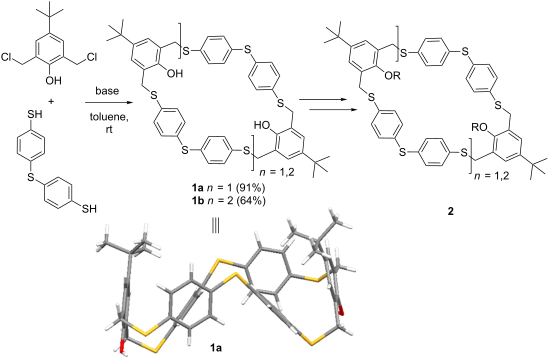
Scheme 1: Macrocyclization towards homothiacalixarenes 3a and 3b [12].
Scheme 2: Cyclocondensation reaction of 4 and 5 towards [2 + 2] and [3 + 3] adducts.
Figure 1: X-ray crystal structure of alternate-linked-meta-para-thiacyclophane 6: (a) ball-and-stick represen...
Scheme 3: Proposed reaction mechanism towards alternate-linked-meta-para-thiacyclophanes.
Scheme 4: Attempted cyclocondensation with anisole derivative 13, products 14 and 15 were not formed.
Scheme 5: Macrocyclization under acidic conditions, with only traces of 6 and 7 observed.
Scheme 6: Post-functionalization of thiacyclophanes 6 and 7 with ethyl bromoacetate (17).
Scheme 7: Modification of the functionalized [2 + 2] adduct 18 towards an amide derivative 20 and acid deriva...
Beilstein J. Org. Chem. 2018, 14, 2163–2185, doi:10.3762/bjoc.14.190
Graphical Abstract
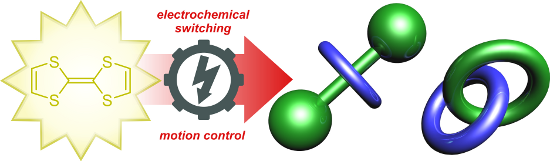
Figure 1: The two one-electron oxidation reactions of tetrathiafulvalene (TTF, 1) and the corresponding prope...
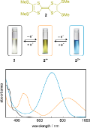
Figure 2: UV–vis spectra and photographs of TTF 2 in its three stable oxidation states (black line = 2, orang...
Figure 3: Structure and conformations of two TTF dimers in solution, the mixed-valence and the radical-cation...
Figure 4: (a) The isomerism problem of TTF. (b)–(d) Major synthetic breakthroughs for the construction of TTF...
Figure 5: (a) Host–guest equilibrium between π-electron-poor cyclophane 3 and different TTFs with their corre...
Figure 6: TTF complexes with different host molecules.
Figure 7: Stable TTF (a) radical-cation and (b) mixed-valence dimers in confined molecular spaces.
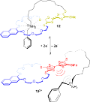
Figure 8: A “three-pole supramolecular switch”: Controlled by its oxidation state, TTF (1) jumps back and for...
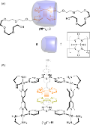
Figure 9: Redox-controlled closing and opening motion of the artificial molecular lasso 12.
Figure 10: Graphical illustration how a non-degenerate TTF-based shuttle works under electrochemical operation....
Figure 11: The first TTF-based rotaxane 13.
Figure 12: A redox-switchable bistable molecular shuttle 14.
Figure 13: The redox-switchable cyclodextrin-based rotaxane 15.
Figure 14: The redox-switchable non-ionic rotaxane 16 with a pyromellitic diimide macrocycle.
Figure 15: The redox-switchable TTF rotaxane 17 based on a crown/ammonium binding motif.
Figure 16: Structure and operation of the electro- and photochemically switchable rotaxane 18 which acts as po...
Figure 17: (a) The redox-switchable rotaxane 19 with a donor–acceptor pair which is stable in five different s...
Figure 18: Schematic representation of a molecular electronic memory based on a bistable TTF-based rotaxane. (...
Figure 19: Schematic representation of bending motion of a microcantilever beam with gold surface induced by o...
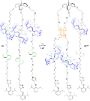
Figure 20: TTF-dimer interactions in a redox-switchable tripodal [4]rotaxane 22.
Figure 21: (a) A molecular friction clutch 23 which can be operated by electrochemical stimuli. (b) Schematic ...
Figure 22: Fusion between rotaxane and catenane: a [3]rotacatenane 24 which can stabilize TTF dimers.
Figure 23: The first TTF-based catenane 25.
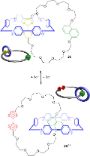
Figure 24: Electrochemically controlled circumrotation of the bistable catenane 26.
Figure 25: A tristable switch based on the redox-active [2]catenane 27 with three different stations.
Figure 26: Structure of catenane-functionalized MOF NU-1000 [108] with structural representation of subcomponents. ...
Figure 27: (a) [3]Catenanes 29 and 30 which can stabilize mixed-valence or radical-cation dimers of TTF. (b) S...
Beilstein J. Org. Chem. 2018, 14, 2090–2097, doi:10.3762/bjoc.14.183
Graphical Abstract
Figure 1: Strategies for cobalt-catalyzed alkoxylation.
Scheme 1: Reaction scope with respect to N-(naphthalen-1-yl)picolinamide derivatives. Reaction conditions: 1 ...
Scheme 2: Reaction scope with respect to alcohols. Reaction conditions: 1a (0.2 mmol), 2 (1.0 mL), CoF2 (20 m...
Scheme 3: Control experiments and mechanistic studies.
Scheme 4: Proposed reaction mechanism.
Scheme 5: Removal of the directing group.
Beilstein J. Org. Chem. 2018, 14, 2035–2064, doi:10.3762/bjoc.14.179
Graphical Abstract
Figure 1: Depiction of the energy levels of a typical organic molecule and the photophysical processes it can...
Figure 2: General catalytic cycle of a photocatalyst in a photoredox organocatalysed reaction. [cat] – photoc...
Figure 3: Structures and names of the most common photocatalysts encountered in the reviewed literature.
Figure 4: General example of a reductive quenching catalytic cycle. [cat] – photocatalyst, [cat]* – photocata...
Figure 5: General example of an oxidative quenching catalytic cycle. [cat] – photocatalyst, [cat]* – photocat...
Scheme 1: Oxidative coupling of aldehydes and amines to amides using acridinium salt photocatalysis.
Figure 6: Biologically active molecules containing a benzamide linkage.
Scheme 2: The photocatalytic reduction of amino acids to produce the corresponding free or protected amines.
Scheme 3: The organocatalysed photoredox base-mediated oxidation of thiols to disulfides.
Scheme 4: C-Terminal modification of peptides and proteins using organophotoredox catalysis.
Scheme 5: The reduction and aryl coupling of aryl halides using a doubly excited photocatalyst (PDI).
Figure 7: Mechanism for the coupling of aryl halides using PDI, which is excited sequentially by two photons.
Scheme 6: The arylation of five-membered heteroarenes using arenediazonium salts under organophotoredox condi...
Scheme 7: The C–H (hetero)arylation of five-membered heterocycles under Eosin Y photocatalysis.
Scheme 8: The C–H sulfurisation of imidazoheterocycles using Eosin B-catalyzed photochemical methods.
Scheme 9: The introduction of the thiocyanate group using Eosin Y photocatalysis.
Scheme 10: Sulfonamidation of pyrroles using oxygen as the terminal oxidant.
Scheme 11: DDQ-catalysed C–H amination of arenes and heteroarenes.
Scheme 12: Photoredox-promoted radical Michael addition reactions of allylic or benzylic carbons.
Figure 8: Proposed mechanistic rationale for the observed chemoselectivities.
Scheme 13: The photocatalytic manipulation of C–H bonds adjacent to amine groups.
Scheme 14: The perylene-catalysed organophotoredox tandem difluoromethylation–acetamidation of styrene-type al...
Figure 9: Examples of biologically active molecules containing highly functionalised five membered heterocycl...
Scheme 15: The [3 + 2]-cycloaddition leading to the formation of pyrroles, through the reaction of 2H-azirines...
Figure 10: Proposed intermediate that determines the regioselectivity of the reaction.
Figure 11: Comparison of possible pathways of reaction and various intermediates involved.
Scheme 16: The acridinium salt-catalysed formation of oxazoles from aldehydes and 2H-azirines.
Scheme 17: The synthesis of oxazolines and thiazolines from amides and thioamides using organocatalysed photor...
Figure 12: Biologically active molecules on the market containing 1,3,4-oxadiazole moieties.
Scheme 18: The synthesis of 1,3,4-oxadiazoles from aldehyde semicarbazones using Eosin Y organophotocatalysis.
Scheme 19: The dimerization of primary thioamides to 1,2,4-thiadiazoles catalysed by the presence of Eosin Y a...
Scheme 20: The radical cycloaddition of o-methylthioarenediazonium salts and substituted alkynes towards the f...
Scheme 21: The dehydrogenative cascade reaction for the synthesis of 5,6-benzofused heterocyclic systems.
Figure 13: Trifluoromethylated version of compounds which have known biological activities.
Scheme 22: Eosin Y-catalysed photoredox formation of 3-substituted benzimidazoles.
Scheme 23: Oxidation of dihydropyrimidines by atmospheric oxygen using photoredox catalysis.
Scheme 24: Photoredox-organocatalysed transformation of 2-substituted phenolic imines to benzoxazoles.
Scheme 25: Visible light-driven oxidative annulation of arylamidines.
Scheme 26: Methylene blue-photocatalysed direct C–H trifluoromethylation of heterocycles.
Scheme 27: Photoredox hydrotrifluoromethylation of terminal alkenes and alkynes.
Scheme 28: Trifluoromethylation and perfluoroalkylation of aromatics and heteroaromatics.
Scheme 29: The cooperative asymmetric and photoredox catalysis towards the functionalisation of α-amino sp3 C–...
Scheme 30: Organophotoredox-catalysed direct C–H amidation of aromatics.
Scheme 31: Direct C–H alkylation of heterocycles using BF3K salts. CFL – compact fluorescent lamp.
Figure 14: The modification of camptothecin, demonstrating the use of the Molander protocol in LSF.
Scheme 32: Direct C–H amination of aromatics using acridinium salts.
Scheme 33: Photoredox-catalysed nucleophilic aromatic substitution of nucleophiles onto methoxybenzene derivat...
Scheme 34: The direct C–H cyanation of aromatics with a focus on its use for LSF.
Beilstein J. Org. Chem. 2018, 14, 1813–1825, doi:10.3762/bjoc.14.154
Graphical Abstract
Figure 1: The structures of hypervalent iodine (III) reagents [8].
Scheme 1: Hypervalent iodine(III)-catalyzed functionalization of alkenes.
Scheme 2: Catalytic sulfonyloxylactonization of alkenoic acids [43].
Scheme 3: Catalytic diacetoxylation of alkenes [46].
Scheme 4: Intramolecular asymmetric dioxygenation of alkenes [48,50].
Scheme 5: Intermolecular asymmetric diacetoxylation of styrenes [52].
Scheme 6: Diacetoxylation of alkenes with ester groups containing catalysts 17 [55].
Scheme 7: Intramolecular diamination of alkenes [56].
Scheme 8: Intramolecular asymmetric diamination of alkenes [57].
Scheme 9: Intermolecular asymmetric diamination of alkenes [58].
Scheme 10: Iodoarene-catalyzed aminofluorination of alkenes [60,61].
Scheme 11: Iodoarene-catalyzed aminofluorination of alkenes [62].
Scheme 12: Catalytic difluorination of alkenes with Selectfluor [63].
Scheme 13: Iodoarene-catalyzed 1,2-difluorination of alkenes [64].
Scheme 14: Iodoarene-catalyzed asymmetric fluorination of styrenes [64,65].
Scheme 15: Gem-difluorination of styrenes [67].
Scheme 16: Asymmetric gem-difluorination of cinnamic acid derivatives [68].
Scheme 17: Oxyarylation of alkenes [71].
Scheme 18: Asymmetric oxidative rearrangements of alkenes [72].
Scheme 19: Bromolactonization of alkenes [75].
Scheme 20: Bromination of alkenes [77,78].
Scheme 21: Cooperative strategy for the carbonylation of alkenes [79].
Beilstein J. Org. Chem. 2018, 14, 1619–1636, doi:10.3762/bjoc.14.138
Graphical Abstract
Scheme 1: Left: The Mitsunobu reaction is essentially a nucleophilic substitution of alcohols occurring with ...
Scheme 2: Mechanistic considerations on the Mitsunobu reaction with carbohydrate hemiacetals (depicted in sim...
Scheme 3: Anomeric esterification using the Mitsunobu procedure [29].
Scheme 4: Conversion of allyl glucuronate into various 1-O-esterified allyl glucuronates using anomeric Mitsu...
Scheme 5: Synthesis of anomeric glycosyl esters as substrates for Au-catalyzed glycosylation [40].
Scheme 6: Correlation between pKa value of the employed acids (or alcohol) and the favoured anomeric configur...
Scheme 7: Synthesis of the β-mannosyl phosphates for the synthesis of HBP 43 by anomeric phosphorylation acco...
Scheme 8: Synthesis of phenyl glycosides 44 and 45 from unprotected sugars [24].
Scheme 9: Synthesis of azobenzene mannosides 47 and 48 without protecting group chemistry [46].
Scheme 10: Synthesis of various aryl sialosides using Mitsunobu glycosylation [25].
Scheme 11: Mitsunobu synthesis of different jadomycins [54,55]. BOM: benzyloxymethyl.
Scheme 12: Stereoselectivity in the Mitsunobu synthesis of catechol glycosides in the gluco- and manno-series [56]....
Scheme 13: Formation of a 1,2-cis glycoside 80 assisted by steric hindrance of the β-face of the disaccharide ...
Scheme 14: Stereoselective β-D-mannoside synthesis [60].
Scheme 15: TIPS-assisted synthesis of 1,2-cis arabinofuranosides [63]. TIPS: triisopropylsilyl.
Scheme 16: The Mitsunobu reaction with glycals leads to interesting rearrangement products [69].
Scheme 17: Synthesis of disaccharides using mercury(II) bromide as co-activator in the Mitsunobu reaction [75].
Scheme 18: Synthesis of various fructofuranosides according to Mitsunobu and proposed neighbouring group parti...
Scheme 19: The Mitsunobu reaction allows stereoslective acetalization of dihydroartemisinin [77].
Scheme 20: Synthesis of alkyl thioglycosides by Mitsunobu reaction [81].
Scheme 21: Preparation of iminoglycosylphthalimide 115 from 114 [85].
Scheme 22: Mitsunobu reaction as a key step in the total synthesis of aurantoside G [87].
Scheme 23: Utilization of an N–H acid in the Mitsunobu reaction [88].
Scheme 24: Mitsunobu reaction with 1H-tetrazole [89].
Scheme 25: Formation of a rebeccamycin analogue using the Mitsunobu reaction [101].
Scheme 26: Synthesis of carbohydrates with an alkoxyamine bond [114].
Scheme 27: Synthesis of glycosyl fluorides and glycosyl azides according to Mitsunobu [118,119].
Scheme 28: Anomeric oxidation under Mitsunobu conditions [122].
Beilstein J. Org. Chem. 2018, 14, 1508–1528, doi:10.3762/bjoc.14.128
Graphical Abstract
Scheme 1: Strategies to address the issue of sustainability with polyvalent organoiodine reagents.
Scheme 2: Functionalization of ketones and alkenes with IBX.
Scheme 3: Functionalization of pyrroles with DMP.
Scheme 4: Catalytic benzoyloxy-trifluoromethylation reported by Szabó.
Scheme 5: Catalytic benzoyloxy-trifluoromethylation reported by Mideoka.
Scheme 6: Catalytic 1,4-benzoyloxy-trifluoromethylation of dienes.
Scheme 7: Catalytic benzoyloxy-trifluoromethylation of allylamines.
Scheme 8: Catalytic benzoyloxy-trifluoromethylation of enynes.
Scheme 9: Catalytic benzoyloxy-trifluoromethylation of allenes.
Scheme 10: Alkynylation of N-(aryl)imines with EBX for the formation of furans.
Scheme 11: Catalytic benzoyloxy-alkynylation of diazo compounds.
Scheme 12: Catalytic asymmetric benzoyloxy-alkynylation of diazo compounds.
Scheme 13: Catalytic 1,2-benzoyloxy-azidation of alkenes.
Scheme 14: Catalytic 1,2-benzoyloxy-azidation of enamides.
Scheme 15: Catalytic 1,2-benzoyloxy-iodination of alkenes.
Scheme 16: Seminal study with cyclic diaryl-λ3-iodane.
Scheme 17: Synthesis of alkylidenefluorenes from cyclic diaryl-λ3-iodanes.
Scheme 18: Synthesis of alkyne-substituted alkylidenefluorenes.
Scheme 19: Synthesis of phenanthrenes from cyclic diaryl-λ3-iodanes.
Scheme 20: Synthesis of dibenzocarbazoles from cyclic diaryl-λ3-iodanes.
Scheme 21: Synthesis of triazolophenantridines from cyclic diaryl-λ3-iodanes.
Scheme 22: Synthesis of functionalized benzoxazoles from cyclic diaryl-λ3-iodanes.
Scheme 23: Sequential difunctionalization of cyclic diaryl-λ3-iodanes.
Scheme 24: Double Suzuki–Miyaura coupling reaction of cyclic diaryl-λ3-iodanes.
Scheme 25: Synthesis of a δ-carboline from cyclic diaryl-λ3-iodane.
Scheme 26: Synthesis of N-(aryl)carbazoles from cyclic diaryl-λ3-iodanes.
Scheme 27: Synthesis of carbazoles from cyclic diaryl-λ3-iodanes.
Scheme 28: Synthesis of carbazoles and acridines from cyclic diaryl-λ3-iodanes.
Scheme 29: Synthesis of dibenzothiophenes from cyclic diaryl-λ3-iodanes.
Scheme 30: Synthesis of various sulfur heterocycles from cyclic diaryl-λ3-iodanes.
Scheme 31: Synthesis of dibenzothioheterocycles from cyclic diaryl-λ3-iodanes.
Scheme 32: Synthesis of dibenzosulfides and dibenzoselenides from cyclic diaryl-λ3-iodanes.
Scheme 33: Synthesis of dibenzosulfones from cyclic diaryl-λ3-iodanes.
Scheme 34: Seminal study with linear diaryl-λ3-iodanes.
Scheme 35: N-Arylation of benzotriazole with symmetrical diaryl-λ3-iodanes.
Scheme 36: Tandem catalytic C–H/N–H arylation of indoles with diaryl-λ3-iodanes.
Scheme 37: Tandem N-arylation/C(sp2)–H arylation with diaryl-λ3-iodanes.
Scheme 38: Catalytic intermolecular diarylation of anilines with diaryl-λ3-iodanes.
Scheme 39: Catalytic synthesis of diarylsulfides with diaryl-λ3-iodanes.
Scheme 40: α-Arylation of enolates using [bis(trifluoroacetoxy)iodo]arenes.
Scheme 41: Mechanism of the α-arylation using [bis(trifluoroacetoxy)iodo]arene.
Scheme 42: Catalytic nitrene additions mediated by [bis(acyloxy)iodo]arenes.
Scheme 43: Tandem of C(sp3)–H amination/sila-Sonogashira–Hagihara coupling.
Scheme 44: Tandem reaction using a λ3-iodane as an oxidant, a substrate and a coupling partner.
Scheme 45: Synthesis of 1,2-diarylated acrylamidines with ArI(OAc)2.
Beilstein J. Org. Chem. 2018, 14, 1482–1490, doi:10.3762/bjoc.14.125
Graphical Abstract
Figure 1: (A) Dispersion is insufficient to bend the heptacene σ-dimer, but becomes sizable enough in nonacen...
Figure 2: Studied monomer cores and their abbreviations, adopted here.
Figure 3: Breakdown of the SAPT0/jun-cc-pVDZ total interaction energies into electrostatic and non-electrosta...
Figure 4: Decomposition of the SAPT0/jun-cc-pVDZ energy difference between the optimized and frozen dimers (i...
Figure 5: Structures and SAPT0/jun-cc-pVDZ interaction energy profiles with and without the charge penetratio...