


Search results
Search for "acidic conditions" in Full Text gives 400 result(s) in Beilstein Journal of Organic Chemistry. Showing first 200.
Application of chiral 2-isoxazoline for the synthesis of syn-1,3-diol analogs
Beilstein J. Org. Chem. 2019, 15, 1840–1847, doi:10.3762/bjoc.15.179
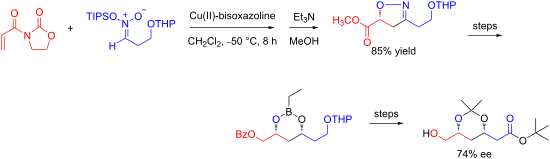
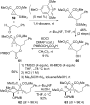
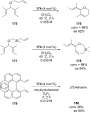
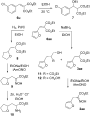
- exemplified in Scheme 2. These results prompted us to try the oxidation in a later stage. When 6 was subjected to Raney-Ni-catalyzed hydrogenolysis, the desired β-hydroxy ketone 7 was obtained in 85% yield (Scheme 3). Under the weakly acidic conditions, the THP group survived. Next, a Narasaka–Prasad


Metal-free mechanochemical oxidations in Ertalyte® jars
Beilstein J. Org. Chem. 2019, 15, 1786–1794, doi:10.3762/bjoc.15.172
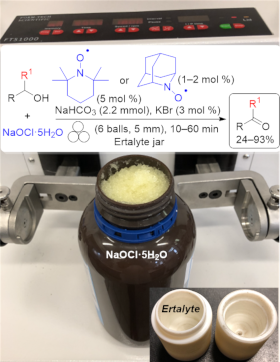
- grinding mixture [51]. Two different mechanisms have been postulated for similar reactions in homogeneous phase: one occurs under acidic conditions, while the other works better in a basic medium through a cyclic dipolar mechanism (Scheme 2) [52][53]. On the contrary, under ball-milling conditions, it is


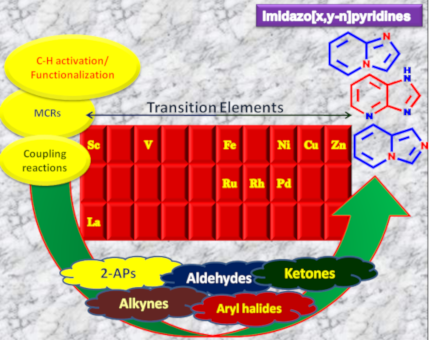
Recent advances on the transition-metal-catalyzed synthesis of imidazopyridines: an updated coverage
Beilstein J. Org. Chem. 2019, 15, 1612–1704, doi:10.3762/bjoc.15.165


One-pot activation–alkynylation–cyclization synthesis of 1,5-diacyl-5-hydroxypyrazolines in a consecutive three-component fashion
Beilstein J. Org. Chem. 2019, 15, 1360–1370, doi:10.3762/bjoc.15.136
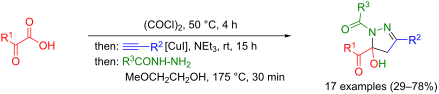
- or Brønsted acidic conditions were accompanied by simultaneous deacylation of substituent R3 finally furnishing 5-(hetero)aroyl-3-(hetero)aryl-1H-pyrazole 6a (for attempted dehydrative aromatization, see Supporting Information File 1, Table S5), as already reported for alkaline deprotection
- -diacyl-5-hydroxypyrazolines is concise, highly efficient and diversity-oriented. The deacylating aromatization of the title compounds under weakly alkaline or acidic conditions indicates acyl-transfer ability. Furthermore, the peculiar reactivity of the ynedione intermediate calls for more sophisticated


Bambusuril analogs based on alternating glycoluril and xylylene units
Beilstein J. Org. Chem. 2019, 15, 1268–1274, doi:10.3762/bjoc.15.124
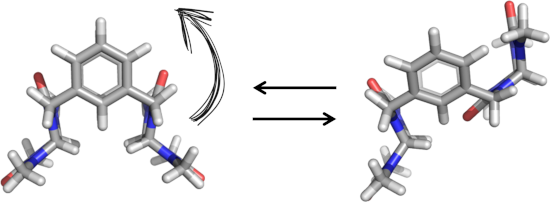
- common synthesis of bambusuril which employs reversible acidic conditions enabling a transformation of kinetic products to thermodynamic products [12]. Only a small quantity of macrocycle 2 in the crude mixture was identified. This minor product should be present in 4 isomeric forms, but we were not able


Electrophilic oligodeoxynucleotide synthesis using dM-Dmoc for amino protection
Beilstein J. Org. Chem. 2019, 15, 1116–1128, doi:10.3762/bjoc.15.108
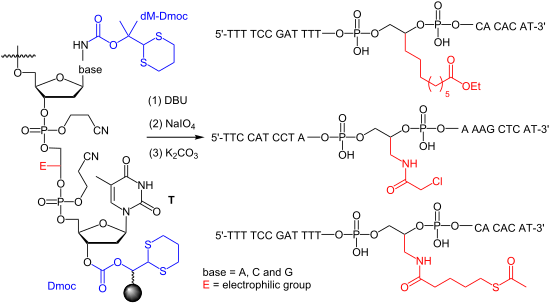
- instability of the adduct under acidic conditions during ODN synthesis [7]. In recent years, applications of ODNs have extended to emerging areas such as nanotechnology [8][9], antisense drug development [10][11][12], DNA damage and repair [13][14], DNA methylation and demethylation [15][16][17][18], DNA
- protections, which contained a tertiary butyl carbamate moiety, were not completely stable under the acidic conditions needed for de-tritylation in each synthetic cycle. Once the protection was lost, in the coupling step, incoming phosphoramidites would react with the free amino groups, and branched ODNs
- that the pH of 0.4 M sodium periodate solution was around 4, and this solution did not cause premature β-elimination during oxidation. Therefore, the ODNs remained on the solid support under this significantly less acidic conditions. Because ODNs are inherently unstable under acetic conditions






Tuning the stability of alkoxyisopropyl protection groups
Beilstein J. Org. Chem. 2019, 15, 746–751, doi:10.3762/bjoc.15.70
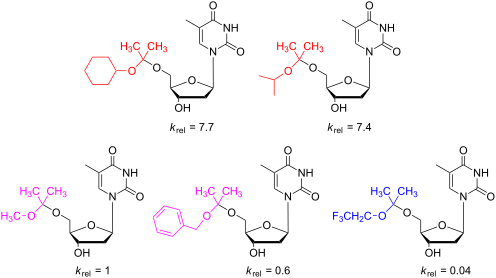
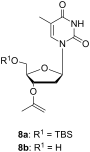
- more electron-withdrawing groups than trifluoroethanol. Nevertheless, our interest was in studying the protecting group abilities, and the studied compounds fit the most relevant reactivity area in that sense. As mentioned above, enol ether derivatives (as 8a) were formed under more acidic conditions



Synthesis of functionalized diazocines for application as building blocks in photo- and mechanoresponsive materials
Beilstein J. Org. Chem. 2019, 15, 727–732, doi:10.3762/bjoc.15.68
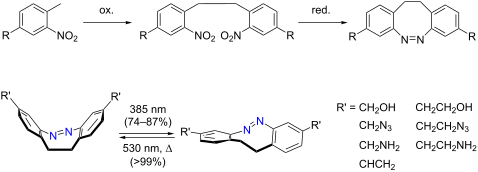
- reducing conditions of the azo cyclization. Moreover, the tert-butyl group can be conveniently removed under acidic conditions. As described in [27] potassium butoxide is used as a non-nucleophilic base to remove the α-toluene protons of 9a and 9b. By addition of bromine as an oxidizing agent dimers 10a


The LANCA three-component reaction to highly substituted β-ketoenamides – versatile intermediates for the synthesis of functionalized pyridine, pyrimidine, oxazole and quinoxaline derivatives
Beilstein J. Org. Chem. 2019, 15, 655–678, doi:10.3762/bjoc.15.61
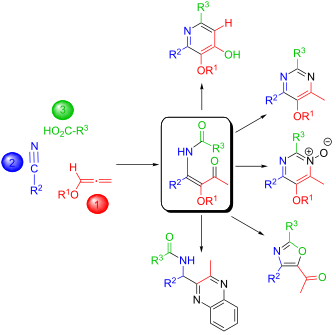
- alternative to the strongly acidic conditions, palladium-catalyzed hydrogenolysis of the benzyloxy-substituted derivatives is possible, thus avoiding the condensation to oxazoles. Scheme 25 shows the conversion of KE52 into 1,2-diketone DK14 (compare entry 3 of Table 6). Longer reaction times lead to a




Selective benzylic C–H monooxygenation mediated by iodine oxides
Beilstein J. Org. Chem. 2019, 15, 602–609, doi:10.3762/bjoc.15.55
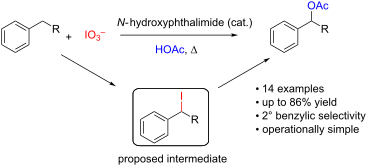
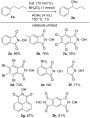
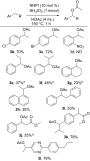
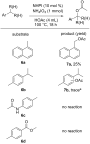
- intermediate to decompose into phenol and acetone under acidic conditions [62]. Use of a less acidic solvent and lower reaction temperature drastically increased the selectivity for 2-phenyl-2-propanol in the NHPI-catalyzed oxidation of cumene [57]. The reason why tertiary benzylic C–H bonds, which are weaker




Synthesis of the polyketide section of seragamide A and related cyclodepsipeptides via Negishi cross coupling
Beilstein J. Org. Chem. 2019, 15, 577–583, doi:10.3762/bjoc.15.53
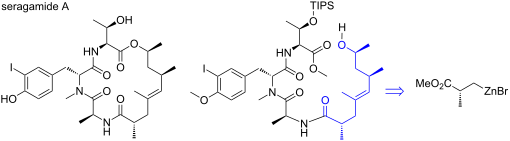
- scale, desilylation of 31 (TBAF) was a spot-to-spot conversion. Saponification of both the silylated and desilylated methyl esters with LiOH was possible, as long as very mild acidic conditions were applied on work-up. However, macrocyclisation of the TIPS-protected or the desilylated acid did not occur




Low-budget 3D-printed equipment for continuous flow reactions
Beilstein J. Org. Chem. 2019, 15, 558–566, doi:10.3762/bjoc.15.50
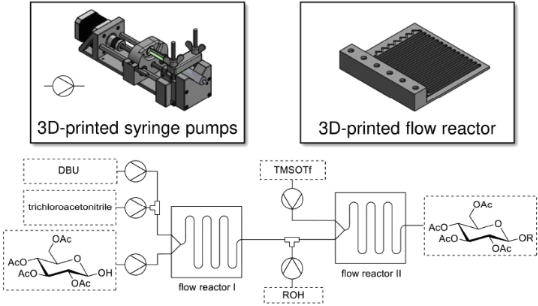
- withstood the harsh acidic conditions. Work-up of the reaction mixture and isolation of acetobromo glucose 2 was done by passing the reaction mixture through a CSTR device and two syringes for phase separation [34][35]. The procedure can easily get scaled up and provides for a convenient method for


Syntheses and chemical properties of β-nicotinamide riboside and its analogues and derivatives
Beilstein J. Org. Chem. 2019, 15, 401–430, doi:10.3762/bjoc.15.36
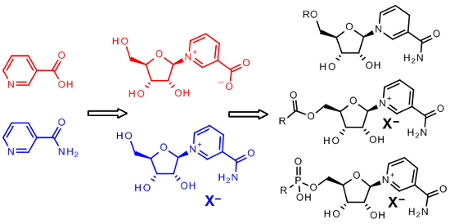
- the corresponding protected derivative 30 was low (Scheme 15). Yet, this particular protecting group is easily removed under mild acidic conditions, such as diluted HCl in organic solvents (THF/MeOH) or 90% aqueous trifluoroacetic acid or hydrogenolysis. 3.3. Reduction of the pyridinium core of NR






Sigmatropic rearrangements of cyclopropenylcarbinol derivatives. Access to diversely substituted alkylidenecyclopropanes
Beilstein J. Org. Chem. 2019, 15, 333–350, doi:10.3762/bjoc.15.29
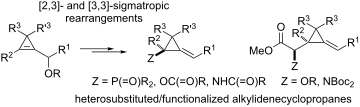
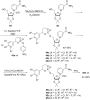
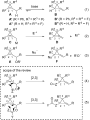
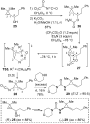
- . Although a cationic mechanism could have also been envisioned under the acidic conditions used, the optically enriched acetates 10d and 10e (ee > 98%) led to the corresponding alkylidenecyclopropanes 11d and 11e with complete chirality transfer (ee > 98%) at C2, thereby probing the concerted suprafacial







Regioselective addition of Grignard reagents to N-acylpyrazinium salts: synthesis of substituted 1,2-dihydropyrazines and Δ5-2-oxopiperazines
Beilstein J. Org. Chem. 2019, 15, 72–78, doi:10.3762/bjoc.15.8

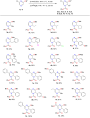
- . Under acidic conditions, these 1,2-dihydropyrazines can be converted to substituted Δ5-2-oxopiperazines providing a simple and efficient approach towards their preparation. Keywords: N-acylpyrazinium salts; 1,2-dihydropyrazines; Grignard reagents; Δ5-2-oxopiperazines; regioselective addition
- their presence in a variety of biologically active small molecules and natural products [23][24][25][26][27][28][29][30]. We previously reported that 3-methoxy-1,2-dihydropyrazines can be easily converted to Δ5-2-oxopiperazines using 1 M HCl(aq) in methanol [9]. When we applied these acidic conditions
- , when the reaction was repeated on phenyl-substituted 1,2-dihydropyrazines containing benzyl and p-methoxybenzyl (PMB) ether groups (Table 2, entries 2 and 3). This enhancement in yield can be attributed to the benzyl and PMB groups’ better sensitivity towards removal under acidic conditions [32]. With

N-Arylphenothiazines as strong donors for photoredox catalysis – pushing the frontiers of nucleophilic addition of alcohols to alkenes
Beilstein J. Org. Chem. 2019, 15, 52–59, doi:10.3762/bjoc.15.5
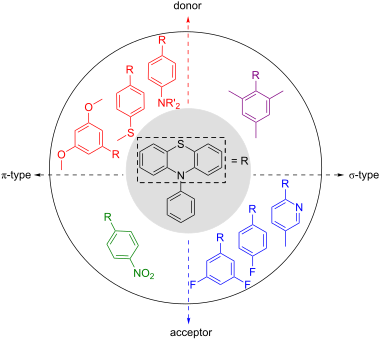
- through photoredox catalysis. The currently available methods are based on a two-step procedure involving an iodoalkoxylation with NIS followed by the reduction of the formed alkyl iodide generating the product in moderate yields [20], or through the direct addition of MeOH catalyzed by either acidic
- conditions or heated ion exchange resin [21][22]. These methods are therefore not suitable for the alkoxylation of acid or base-labile substrates. To overcome the current limitations of reduction potentials of single electron transfer processes in photoredox catalysis we present herein a range of new N


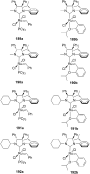
Ruthenium-based olefin metathesis catalysts with monodentate unsymmetrical NHC ligands
Beilstein J. Org. Chem. 2018, 14, 3122–3149, doi:10.3762/bjoc.14.292
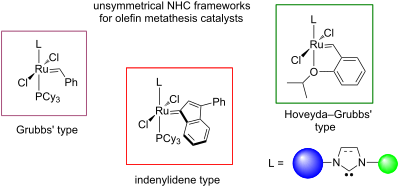
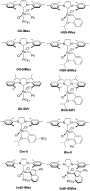
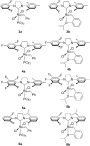
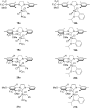
- from its precursor 108 by deprotection under acidic conditions. The cis isomers 113–115 exhibited catalytic activity only at high temperatures, where they likely reassume the trans form which is characteristic for the Grubbs-type ruthenium carbene complexes. In order to develop a new structural class











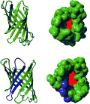
Olefin metathesis catalysts embedded in β-barrel proteins: creating artificial metalloproteins for olefin metathesis
Beilstein J. Org. Chem. 2018, 14, 2861–2871, doi:10.3762/bjoc.14.265
- achieved (Table 1, entry 1). Under slightly acidic conditions (pH 5.8), full conversion was observed with the metal complex coupled to the fully unfolded protein (Table 2, entries 2–4) [59][60]. This effect was attributed to the pH and was investigated in detail [61]. After refolding, the activity


Unnatural α-amino ethyl esters from diethyl malonate or ethyl β-bromo-α-hydroxyiminocarboxylate
Beilstein J. Org. Chem. 2018, 14, 2853–2860, doi:10.3762/bjoc.14.264
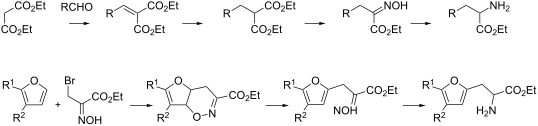
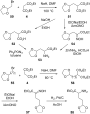
- hydrochloric acid. Alternatively, oximation of the diester 51 gave 28% (from diethyl malonate) of the α-hydroxyimino ester 54, which turned out to be not stable in CDCl3 because of hydrogen chloride traces. For this reason, no attempt was made to reduce its oxime function under the acidic conditions used above



Synthesis of mono-functionalized S-diazocines via intramolecular Baeyer–Mills reactions
Beilstein J. Org. Chem. 2018, 14, 2799–2804, doi:10.3762/bjoc.14.257

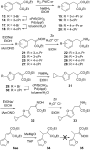
- sulfur bridge is oxidized to the sulfoxide or sulfone. Hence, neither reductive nor oxidative conditions are compatible with the –CH2-S– bridge. An alternative strategy, that applies weakly acidic conditions is the condensation of aryl nitroso compounds with anilines. This Baeyer–Mills reaction was


Assembly of fully substituted triazolochromenes via a novel multicomponent reaction or mechanochemical synthesis
Beilstein J. Org. Chem. 2018, 14, 2689–2697, doi:10.3762/bjoc.14.246
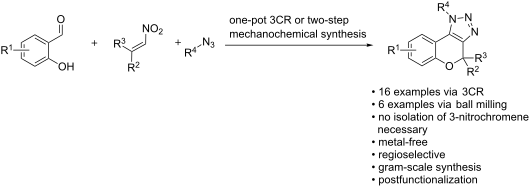
- triazolochromene 14 and at the same time examine the stability under strong acidic conditions. Aldehyde appended triazolochromene 14 was synthesized in 85% yield, providing the proof for their relative stability under acidic conditions. Finally, triazolium salt 15 was prepared from 5a in 60% yield and renders a




Synthesis and biological evaluation of 1,2-disubstituted 4-quinolone analogues of Pseudonocardia sp. natural products
Beilstein J. Org. Chem. 2018, 14, 2680–2688, doi:10.3762/bjoc.14.245

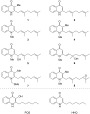
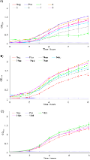
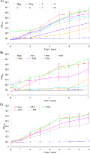
- . Bacterial cultures were grown for eight hours in the presence of each compound, followed by extraction of the pyocyanin under acidic conditions [22]. This was then quantified by measurement of the OD520, which corresponds to absorption by the toxin. The results are shown in Figure 4, normalised by the






Novel solid-phase strategy for the synthesis of ligand-targeted fluorescent-labelled chelating peptide conjugates as a theranostic tool for cancer
Beilstein J. Org. Chem. 2018, 14, 2665–2679, doi:10.3762/bjoc.14.244
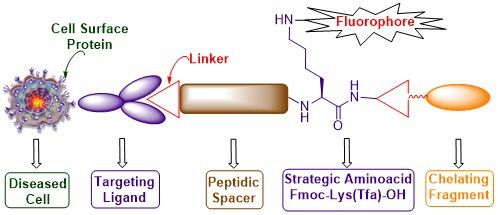
- differentially protected Fmoc-Lys-(Tfa)-OH plays a vital role in attaching fluorescent tags while growing the peptide chain in an uninterrupted manner. The methodology is versatile for solid-phase resins that are sensitive to mild and strong acidic conditions when acid-sensitive side chain amino protecting
- segment [38] without fluorescent tag using Wang resin that is cleaved in strongly acidic conditions. Contrary to the aforementioned drawbacks, the present manuscript elicits a novel synthetic strategy for building new bioconstructs with several components in a continuous process without isolation of any
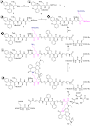
- polypeptide chains 9a (Pg = Mtt) and 9b (Pg = Mmt) are generally cleaved under acidic conditions. Therefore, it becomes pertinent to analyze the stability of the chlorotrityl resin and ε-amino protecting groups in the polypeptide chains 9a and 9b to achieve our multiple objectives in a continuous synthetic




The design and synthesis of an antibacterial phenothiazine–siderophore conjugate
Beilstein J. Org. Chem. 2018, 14, 2646–2650, doi:10.3762/bjoc.14.242
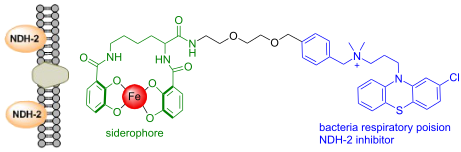
- . However, as our final conjugate contains an aromatic halide we wanted to avoid hydrogenation as the final step and we instead chose to use the para-methoxybenzyl (PMB) protecting group which can be removed under acidic conditions. PMB-protected benzoic acid building block 7 was prepared following a


Synthesis of functionalised β-keto amides by aminoacylation/domino fragmentation of β-enamino amides
Beilstein J. Org. Chem. 2018, 14, 2602–2606, doi:10.3762/bjoc.14.238
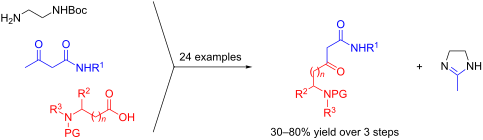
- pyrrolinones 6 were the minor product and the β-keto amides 5a–f were obtained in higher, although still moderate, yields (Table 1). These results indicated that the acidic conditions required for the Boc deprotection favoured the unwanted side process (Scheme 3) and the aza-Michael/retro-Mannich sequence only





