Search results
Search for "identification" in Full Text gives 456 result(s) in Beilstein Journal of Organic Chemistry. Showing first 200.
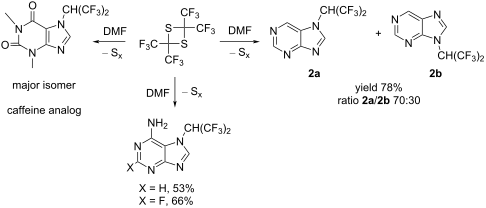
Synthesis of purines and adenines containing the hexafluoroisopropyl group
Beilstein J. Org. Chem. 2020, 16, 2739–2748, doi:10.3762/bjoc.16.224
- rotamers in hand, an Eyring plot was generated, and the enthalpy and entropy of activation were derived (Table 2). The structural identification of the major and minor rotamers was not attempted by NMR, but in silico investigations of 3a supported the intuitive notion that the rotamer of lower energy was



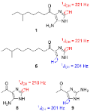
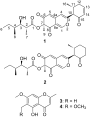
Nocarimidazoles C and D, antimicrobial alkanoylimidazoles from a coral-derived actinomycete Kocuria sp.: application of 1JC,H coupling constants for the unequivocal determination of substituted imidazoles and stereochemical diversity of anteisoalkyl chains in microbial metabolites
Beilstein J. Org. Chem. 2020, 16, 2719–2727, doi:10.3762/bjoc.16.222
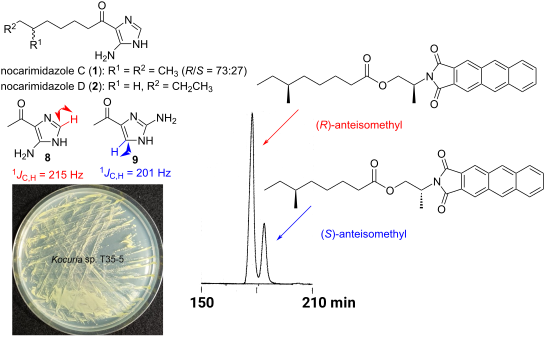
- of the genus Kocuria, isolated from a stony coral Mycedium sp., led to the identification of two new alkanoylimidazoles, nocarimidazoles C (1) and D (2) as well as three known congeners, nocarimidazoles A (3) and B (4) and bulbimidazole A (5). Structure analysis of 1 and 2 by NMR and MS revealed that
- alkanoylimidazoles, nocarimidazoles C (1) and D (2), along with the identification of three known related compounds, nocarimidazoles A (3) and B (4) as well as bulbimidazole A (5). We also discuss the stereochemical diversity of the anteisoalkanoyl group in these compounds. Results and Discussion Strain T35-5 was



A consensus-based and readable extension of Linear Code for Reaction Rules (LiCoRR)
Beilstein J. Org. Chem. 2020, 16, 2645–2662, doi:10.3762/bjoc.16.215

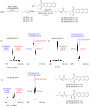
- representations. We believe the utility of these wild-cards extends beyond biosynthesis modeling (Table 9) and may be useful in the description of glycan-chemosynthetic procedures, lectin identification of glycan motifs, and any other purpose where a group of glycans (rather than an individual glycan) is being


Leveraging glycomics data in glycoprotein 3D structure validation with Privateer
Beilstein J. Org. Chem. 2020, 16, 2523–2533, doi:10.3762/bjoc.16.204
- used to counteract the need for complementary analytic techniques. One of the examples of this is tandem mass spectrometry, where the glycan fragmentation is controlled to obtain the identification of the glycosylation sites and a complete description of the glycan structure compositions, including
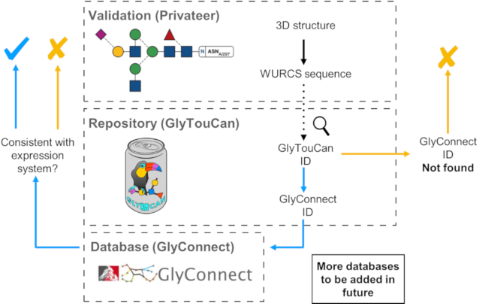
- glycan databases. Significantly, the GlyTouCan project aims to create a public repository of known glycan sequences by assigning them unique identification tags. Each identification tag describes a glycan sequence in the WURCS notation, and this allows to link specific glycans to other databases, such as
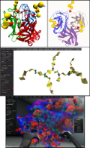
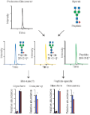
- and the conformations can be elucidated; middle: A medium resolution example where the identification starts to become difficult; right: A low-resolution example for which all prior knowledge must be used. Despite coming from different glycoprotein structures, the glycan has the same composition, and



Computational tools for drawing, building and displaying carbohydrates: a visual guide
Beilstein J. Org. Chem. 2020, 16, 2448–2468, doi:10.3762/bjoc.16.199

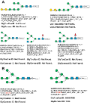
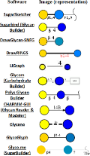
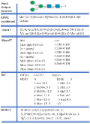
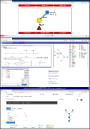
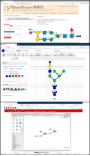
- aspects of glycan identification, quantification and visualisation, some of which will be further developed throughout this article. Biological molecules express their function throughout their three-dimensional structures. For this reason, structural biology places great emphasis on the three-dimensional







A proposed sustainability index for synthesis plans based on input provenance and output fate: application to academic and industrial synthesis plans for vanillin as a case study
Beilstein J. Org. Chem. 2020, 16, 2346–2362, doi:10.3762/bjoc.16.196
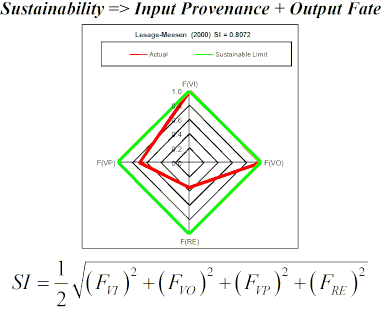
- adequate for rapid identification of best and worst plans in a given set of synthesis plans, whereas, the more detailed poset pairwise dominance analysis is appropriate for obtaining a precise ranking of intermediate performing plans. Application of these ranking methods to 22 synthesis plans for vanillin


Tools for generating and analyzing glycan microarray data
Beilstein J. Org. Chem. 2020, 16, 2260–2271, doi:10.3762/bjoc.16.187
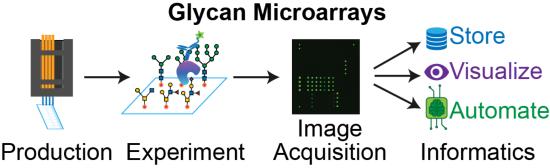
- positions. This enables identification of terminal residues (i.e. those with all backbone carbon positions without linkages except one). In addition, it uses a new algorithm termed minimum-redundance, maximum-relevance (mRMR) to perform the subtree mining, yielding more fine-tuned results. The authors have


GlypNirO: An automated workflow for quantitative N- and O-linked glycoproteomic data analysis
Beilstein J. Org. Chem. 2020, 16, 2127–2135, doi:10.3762/bjoc.16.180
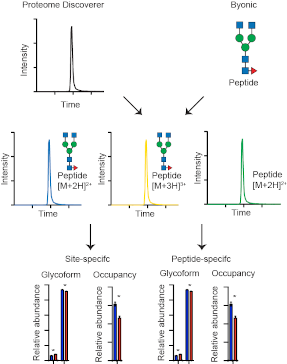
- diseased states [8]. The current state-of-the art technology for the characterisation, identification, and quantification of the glycome or glycoproteome is liquid chromatography coupled to tandem mass spectrometry (LC–MS/MS) [9]. Popular and powerful glycoproteomic workflows typically involve standard
- packages have been developed for analysis of outputs from MS technology to automate the process of transformation of raw MS data into ion intensities and matching them with appropriate glycan and peptide sequence databases for glycopeptide identification (reviewed in [12][13][14][15][16]). However, there
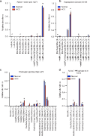
- use a predefined list of analytes and masses to interrogate MS1 data, and I-GPA [20], GlycopeptideGraphMS [21], GlycoFragwork [22], and GlycReSoft [23], which integrate identification and abundance/intensity information for glycopeptides (a recent review is provided in [10]). Importantly, the



Muyocopronones A and B: azaphilones from the endophytic fungus Muyocopron laterale
Beilstein J. Org. Chem. 2020, 16, 2100–2107, doi:10.3762/bjoc.16.177
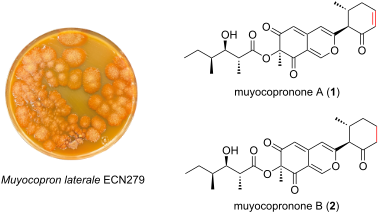
- Technologies). DNA sequencing was performed using an Applied Biosystems 3130 genetic analyzer. Silica gel AP-300 (Toyota Kako) was employed for column chromatography (CC). Silica gel 60 F254 and RP-18 F254S (both Merck) were used for TLC. Fungal material and identification Muyocopron laterale ECN279 was



Clustering and curation of electropherograms: an efficient method for analyzing large cohorts of capillary electrophoresis glycomic profiles for bioprocessing operations
Beilstein J. Org. Chem. 2020, 16, 2087–2099, doi:10.3762/bjoc.16.176
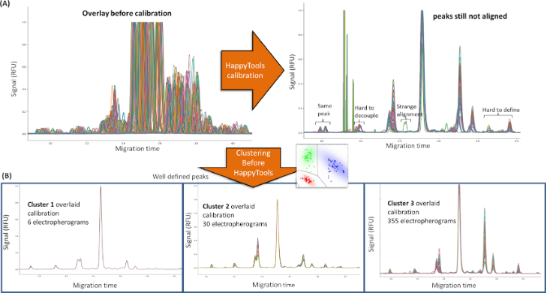
- qualitatively curate large cohort CE-LIF glycomics data. For glycan identification, a previously reported method based on internal triple standards is used. For determining the glycan relative quantities our method uses a clustering algorithm to ‘divide and conquer’ highly heterogeneous electropherograms into
- optimization study. The key advantage of this computational approach is that all runs can be analyzed simultaneously with high accuracy in glycan identification and quantitation and there is no theoretical limit to the scale of this method. Keywords: capillary electrophoresis; clustering; data analysis
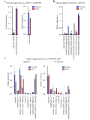
- antibody glycosylation accurately, high-throughput analysis of hundreds to thousands of profiles is required for the identification of critical process parameters that control the glycosylation CQAs [8]. For complete bioprocessing analysis, favorable glyco-analytical methods need to convey a qualitative


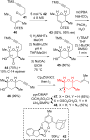
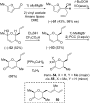
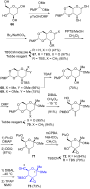
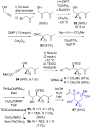
Syntheses of spliceostatins and thailanstatins: a review
Beilstein J. Org. Chem. 2020, 16, 1991–2006, doi:10.3762/bjoc.16.166

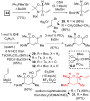
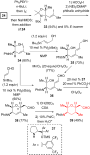
- human spliceosome, splicing factor 3b [6], which inhibits pre-mRNA splicing, and as such act as potent cytotoxic compounds. A review of the discovery, target identification, and biological applications of the compounds that exhibit these binding characteristics has been published [7]. These compounds






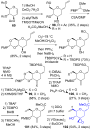


A complementary approach to conjugated N-acyliminium formation through photoredox-catalyzed intermolecular radical addition to allenamides and allencarbamates
Beilstein J. Org. Chem. 2020, 16, 1983–1990, doi:10.3762/bjoc.16.165
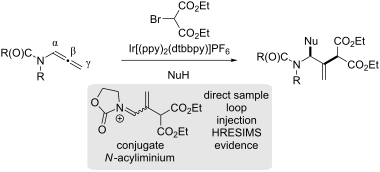
- very challenging and we can account for this instability by the identification of 14a in the 1H NMR spectrum of the crude reaction mixture. A comparable instability profile was observed in the formation of N-acyl-N’-aryl-N,N’-aminals derived from enamides [50]; however, to our knowledge, there are no
- conjugated N-acyliminium intermediate; (b) the calculated HOMO [54] for allenamide 15; (c) the identification of intermediate 14a by direct sample loop and flow injection HRESIMS analysis. Supporting Information Supporting Information File 366: Experimental details, analytical (1H NMR, 13C NMR) and ESIMS


Synthesis of 3(2)-phosphonylated thiazolo[3,2-a]oxopyrimidines
Beilstein J. Org. Chem. 2020, 16, 1947–1954, doi:10.3762/bjoc.16.161
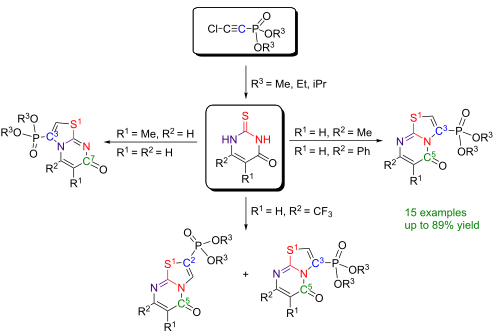
- cyclization through the N3 atom of the starting 2-thiouracil [14][15][16][17][18][19][20][21][22][23][24]. The formation of 7-oxopyrimidines by cyclization through the N1 atom has been noted only in a few reports [29][30][31][32]. However, reliable data for the identification of the 5- and 7-oxo isomers are


Synthesis, docking study and biological evaluation of ᴅ-fructofuranosyl and ᴅ-tagatofuranosyl sulfones as potential inhibitors of the mycobacterial galactan synthesis targeting the galactofuranosyltransferase GlfT2
Beilstein J. Org. Chem. 2020, 16, 1853–1862, doi:10.3762/bjoc.16.152
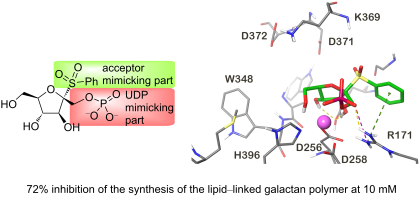
- summary of the efforts towards identification of GlfT1 and GlfT2 inhibitors revealed that most compounds were reported to have effects on these enzymes at low mM concentrations (up to 8 mM) [6]. These molecules were designed as substrate mimics or transition state analogs and their IC50 values, ranging


Nonenzymatic synthesis of anomerically pure, mannosyl-based molecular probes for scramblase identification studies
Beilstein J. Org. Chem. 2020, 16, 1732–1739, doi:10.3762/bjoc.16.145
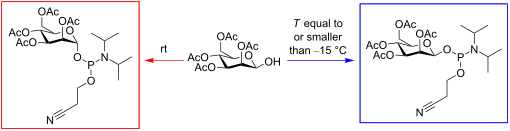
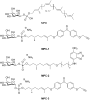
- candidates (identification by mass spectrometry), and the other probe, MPC-2, consists of a fluorescent label to test candidates for scramblase activity in reconstitution-based assays. The molecular probes were prepared via phosphoramidite chemistry, which allowed the incorporation of the carbohydrate
- Financial support by the Swiss National Science Foundation (SNSF) is gratefully acknowledged: This research was funded by the Sinergia Project: Molecular identification of lipid transporters for protein glycosylation, Grant CRSII5_170923.



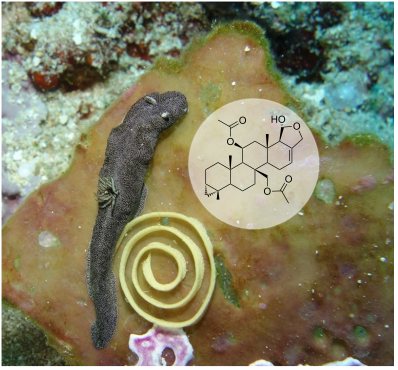
Antibacterial scalarane from Doriprismatica stellata nudibranchs (Gastropoda, Nudibranchia), egg ribbons, and their dietary sponge Spongia cf. agaricina (Demospongiae, Dictyoceratida)
Beilstein J. Org. Chem. 2020, 16, 1596–1605, doi:10.3762/bjoc.16.132
- Voogd, Steve C. de Cook, and Muhammad Abdul Wahab for discussions regarding the sponge identification. The organisms are listed in the collection event list of the Reference Collection of Sam Ratulangi University, Manado, Indonesia (SRU2015/01 SRU2016/02). Collection permits for all collected samples



4-Hydroxy-3-methyl-2(1H)-quinolone, originally discovered from a Brassicaceae plant, produced by a soil bacterium of the genus Burkholderia sp.: determination of a preferred tautomer and antioxidant activity
Beilstein J. Org. Chem. 2020, 16, 1489–1494, doi:10.3762/bjoc.16.124
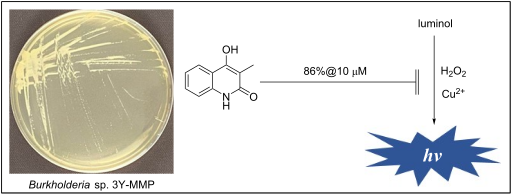
- compounds and a synthetic preparation of 1, allowed its first full NMR characterization and identification of 2-quinolone but not 2-quinolinol (2) as the preferred tautomer for this heterocyclic system. While the metal-chelating activity was negligible, compound 1 at 10 μM, a concentration lower than that


Oxime radicals: generation, properties and application in organic synthesis
Beilstein J. Org. Chem. 2020, 16, 1234–1276, doi:10.3762/bjoc.16.107
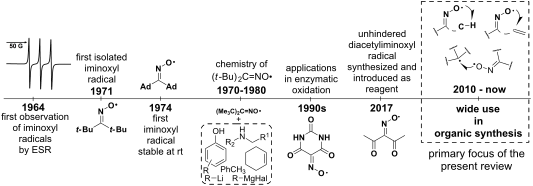
- makes EPR spectroscopy a convenient method for the identification of iminoxyl radicals, and for many of them, EPR is the only observation method due to low stability, and therefore low concentration in investigated systems. For the most stable iminoxyl radicals, sufficiently concentrated solutions were




Anthelmintic drug discovery: target identification, screening methods and the role of open science
Beilstein J. Org. Chem. 2020, 16, 1203–1224, doi:10.3762/bjoc.16.105
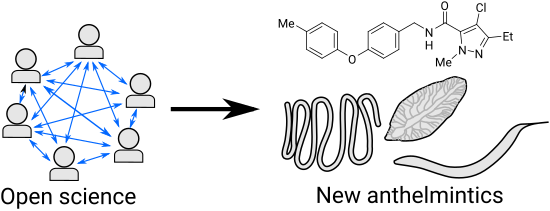
- collaboration and the sharing of data and resources between organisations. In this review we discuss how open science has been applied to anthelmintic drug discovery. Open resources, including genomic information from many parasites, are enabling the identification of targets for new antiparasitic agents
- validation of drug targets and the identification of new candidate molecular targets. So how can a free-living worm contribute to our understanding of parasitic nematodes and the development of anthelmintic drugs? A key advantage is the ease of culture of C. elegans. Large numbers can be generated rapidly
- both the target parasite and the genetic model organism, but the precise target remains unclear, then C. elegans genetics can offer a route to target identification that would be difficult by any other route. The C. elegans community: historically an open science model Research into C. elegans was


Accelerating fragment-based library generation by coupling high-performance photoreactors with benchtop analysis
Beilstein J. Org. Chem. 2020, 16, 982–988, doi:10.3762/bjoc.16.87
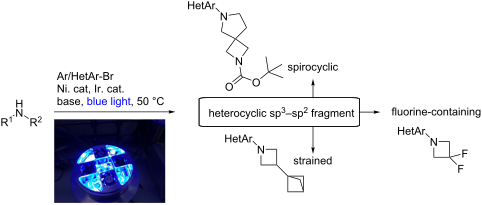
- halides to get an insight into the specific reactivity of these building blocks. The workflow combined a powerful photoreactor with precise and reproducible conditions control with benchtop analytical tools such as TLC–MS and low-field NMR. This enabled the identification of privileged spirocyclic



Fabclavine diversity in Xenorhabdus bacteria
Beilstein J. Org. Chem. 2020, 16, 956–965, doi:10.3762/bjoc.16.84
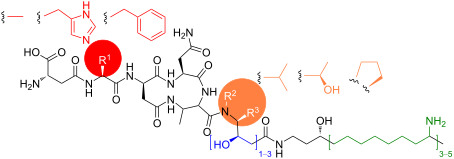
- unknown derivatives were identified and confirmed by MALDI–MS and MALDI–MS2 experiments in combination with an optimized sample preparation. This led to a total number of 22 novel fabclavine derivatives in eight strains, increasing the overall number of fabclavines to 32. Together with the identification
- of fabclavines as major antibiotics in several entomopathogenic strains, our work lays the foundation for the rapid fabclavine identification and dereplication as the basis for future work of this widespread and bioactive SM class. Keywords: antibiotic; fabclavine; NRPS-PKS hybrid; secondary
- modification step (Figure S1, Supporting Information File 1) [25]. Identification of new fabclavine derivatives To analyze the identified fcl BGCs, mutant strains were generated with a chemically inducible promoter in front of fclC or corresponding homologues (Figure 2). The inducible promoter was integrated


Six-fold C–H borylation of hexa-peri-hexabenzocoronene
Beilstein J. Org. Chem. 2020, 16, 391–397, doi:10.3762/bjoc.16.37
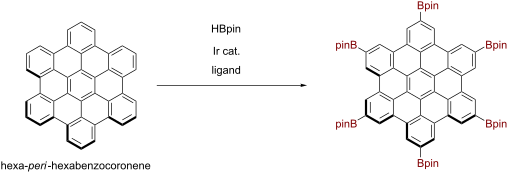
- –Ishiyama borylation step is possibly increased by further conditions screening. The thus-obtained 1 was identical to the product from the C–H borylation of HBC according to 1H NMR spectroscopy, and the 13C NMR and HRMS by MALDI–TOF MS results also supported the identification. The hexaborylated HBC 1 was


Absolute configurations of talaromycones A and B, α-diversonolic ester, and aspergillusone B from endophytic Talaromyces sp. ECN211
Beilstein J. Org. Chem. 2020, 16, 290–296, doi:10.3762/bjoc.16.28
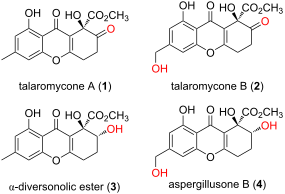
- leaves of Selaginella tamariscana (Selaginellaceae) were cultivated in Tajimi City, Gifu, Japan. The methods of isolation and identification of endophytic fungi were performed in a similar manner as described previously [8]. Based on the DNA sequencing of ITS of rDNA and the D1/D2 domain of 26S rDNA


Synthesis, liquid crystalline behaviour and structure–property relationships of 1,3-bis(5-substituted-1,3,4-oxadiazol-2-yl)benzenes
Beilstein J. Org. Chem. 2020, 16, 149–158, doi:10.3762/bjoc.16.17
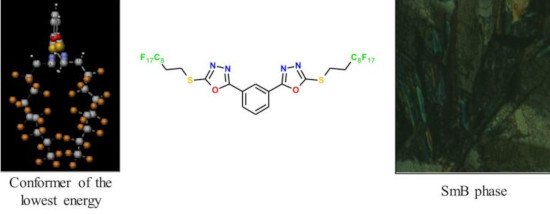
- realized in cooling and heating cycles for compounds 2b, 4a and 4b (Figure 2). POM technique has illustrated smectic phases for all compounds. Identification of the phase textures was accomplished by comparing with those reported in literature [24]. The texture of 2b (Figure 2a) seems to be a variant of




Pigmentosins from Gibellula sp. as antibiofilm agents and a new glycosylated asperfuran from Cordyceps javanica
Beilstein J. Org. Chem. 2019, 15, 2968–2981, doi:10.3762/bjoc.15.293
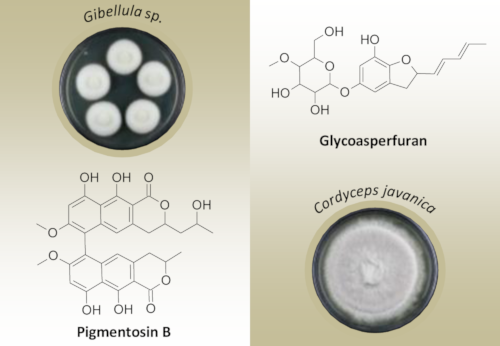
- results for bioassays, as well as species identification of the pigmentosin and glycoasperfuran producers. Acknowledgements This work was supported by the TRF through the Royal Golden Jubilee Ph.D. program (grant no. PHD/0163/2556 to WK); Alexander von Humboldt Foundation (Georg-Forster Grant to SEH