Search results
Search for "pyridine" in Full Text gives 987 result(s) in Beilstein Journal of Organic Chemistry. Showing first 200.
Visible-light-induced nickel-catalyzed α-hydroxytrifluoroethylation of alkyl carboxylic acids: Access to trifluoromethyl alkyl acyloins
Beilstein J. Org. Chem. 2023, 19, 1372–1378, doi:10.3762/bjoc.19.98
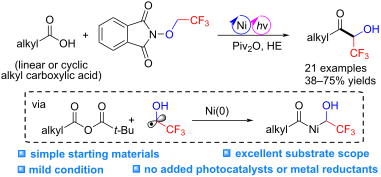
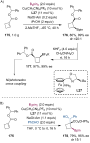
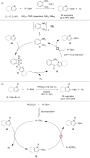
- challenging, and to the best of our knowledge, only Kawase's group [26] reported the preparation of such compounds starting from α-hydroxy acids or α-amino acids in the presence of trifluoroacetic anhydride and pyridine with very limited substrate scope (Scheme 1c). Therefore, the development of a more


Synthesis of ether lipids: natural compounds and analogues
Beilstein J. Org. Chem. 2023, 19, 1299–1369, doi:10.3762/bjoc.19.96
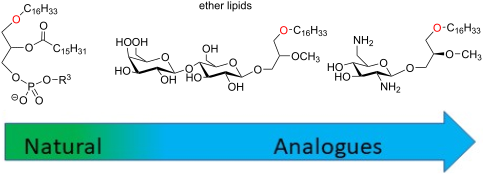
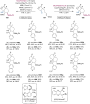
- oleyl chain. Accordingly, the primary alcohol was protected with p-methoxydiphenylmethyl (MeO-trityl) in pyridine and then, esterified in sn-2 position with benzoyl chloride to produce 9.4. The deprotection of the primary alcohol under acidic conditions gave 9.5. The polar head group was installed by
- protection was not regioselective (a mixture of primary and secondary protected alcohols was formed). The acylation of the secondary alcohol was then achieved with acetic anhydride in the presence of pyridine. Then, the deprotection of the trityl moiety of compound 12.4 by catalytic hydrogenation failed
- pyridine. A stereocontrolled synthesis of 26.4 was reported by Hajdu and Bhatia in 1988. The sequence starts from 27.1 that was prepared from ʟ-glyceric acid (Figure 27) [118]. Then, the free alcohol was converted as an efficient leaving group by reaction with 4-nitrobenzenesulfonyl chloride in the






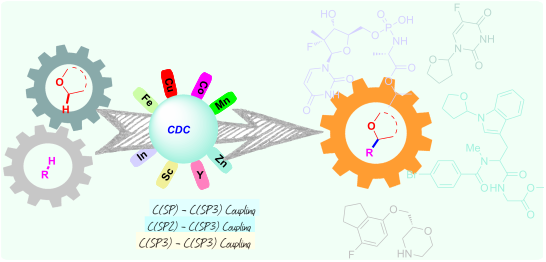
Non-noble metal-catalyzed cross-dehydrogenation coupling (CDC) involving ether α-C(sp3)–H to construct C–C bonds
Beilstein J. Org. Chem. 2023, 19, 1259–1288, doi:10.3762/bjoc.19.94
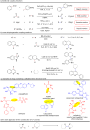
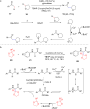
- ether α-C–H bond. In the presence of Cu(II), the C(sp2)–C(sp3) coupling of pyridine N-oxides and coumarins with cyclic ethers could be achieved under mild conditions (Scheme 13) [63][64]. These reactions do not all follow the reaction mechanism of the oxidative olefination of simple ethers. The role of
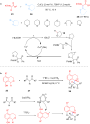
- chemoselective and regioselective CDC between pyridines and ethers, which used Sc(OTf)3 as the catalyst and DTBP as the oxidant (Scheme 36) [101]. This strategy allowed the synthesis of a series of α-substituted pyridine derivatives. The control experiments showed that the mechanism may proceed via a radical
- pathway. Initially, a tert-butoxyl radical is generated by thermal decomposition. Then, the tert-butoxyl radical extracts an α-hydrogen atom from tetrahydrofuran to form tetrahydrofuran radical A. Sc(OTf)3 as a Lewis acid activates pyridine forming the pyridine complex B. Then, radical A adds to the more










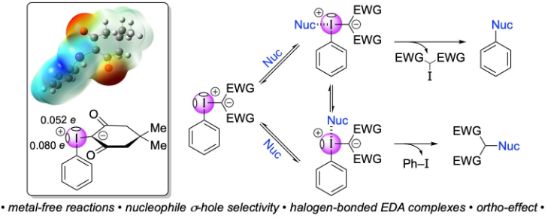
Exploring the role of halogen bonding in iodonium ylides: insights into unexpected reactivity and reaction control
Beilstein J. Org. Chem. 2023, 19, 1171–1190, doi:10.3762/bjoc.19.86
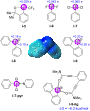
- pyridine was in fact interacting with the LUMO+1 MO of I-7, corresponding to the σ* orbital oriented along the I–C bond axis [87]. Lüthi et al. quantified the symmetry-adapted perturbation theory (SAPT) interaction energies of halogen bonded acetonitrile complexes of HVI molecules [72], and Huber et al







New one-pot synthesis of 4-arylpyrazolo[3,4-b]pyridin-6-ones based on 5-aminopyrazoles and azlactones
Beilstein J. Org. Chem. 2023, 19, 1155–1160, doi:10.3762/bjoc.19.83
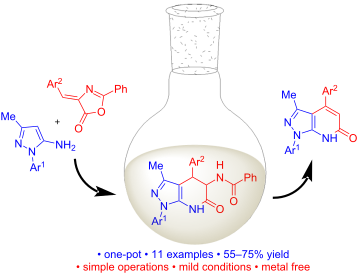
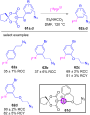
- when irradiated with UV light. Keywords: 5-aminopyrazole; azlactone; elimination; fluorescence; one-pot synthesis; pyrazolo[3,4-b]pyridin-6-one; Introduction The pyrazolo[3,4-b]pyridine scaffold is present in many biologically active compounds [1][2][3][4][5][6][7][8][9][10][11][12]. Among them, 4
- formation of the target products with low yields [21]. Therefore, the development of a new effective method for the preparation of 4-arylpyrazolo[3,4-b]pyridin-6-ones is an urgent task. Results and Discussion One of the rational approaches to the synthesis of fused pyridine derivatives is based on the


Synthesis of tetrahydrofuro[3,2-c]pyridines via Pictet–Spengler reaction
Beilstein J. Org. Chem. 2023, 19, 991–997, doi:10.3762/bjoc.19.74
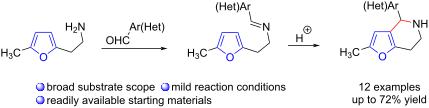
- ]pyridines represent an important class of heterocyclic compounds, which skeleton is the key frame of many bioactive and natural compounds. For example, tetrahydrofuro[3,2-c]pyridine A demonstrates excellent in vitro JAK2 inhibitory activity superior to tofacitinib (Figure 1) [1]. Furan B is a potent κ
- relatively selective α2-adrenoceptor antagonist [5]. Despite the simplicity of the tetrahydrofuro[3,2-c]pyridine core, only limited approaches for the synthesis of this subclass of heterocycles using furan derivatives as starting compounds have been described [6][7][8]. The first group of methods is based on
- delight, when 2 equiv of HCl were subsequently added to the solution of imine 3a at 50 °C, the formation of the desired 2-methyl-4-phenyl-4,5,6,7-tetrahydrofuro[3,2-c]pyridine (4a) was observed in 26% yield (Table 1, entry 1). It should be noted that most part of the product 4a was formed as the


The unique reactivity of 5,6-unsubstituted 1,4-dihydropyridine in the Huisgen 1,4-diploar cycloaddition and formal [2 + 2] cycloaddition
Beilstein J. Org. Chem. 2023, 19, 982–990, doi:10.3762/bjoc.19.73
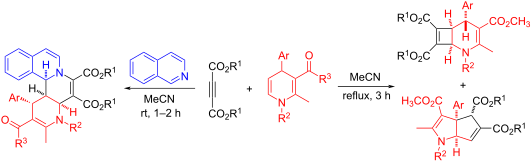
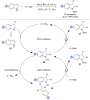
- ]. The well-known Huisgen 1,4-dipoles have a special kind of zwitterionic intermediates and are usually prepared by a nucleophilic addition of pyridine, quinoline, isoquinoline and other aza-arenes to electron-deficient alkynes [4][5][6][7][8]. The reactive Huisgen 1,4-dipoles have been widely employed


Aromatic C–H bond functionalization through organocatalyzed asymmetric intermolecular aza-Friedel–Crafts reaction: a recent update
Beilstein J. Org. Chem. 2023, 19, 956–981, doi:10.3762/bjoc.19.72

- , the authors were able to obtain X-ray crystallographic data of the pyridine–catalyst complex which showed two intramolecular H-bonding interactions in the molecular framework of the catalyst where two free OH groups were engaged in interactions with the pyridine. This data clearly indicates the




A fluorescent probe for detection of Hg2+ ions constructed by tetramethyl cucurbit[6]uril and 1,2-bis(4-pyridyl)ethene
Beilstein J. Org. Chem. 2023, 19, 864–872, doi:10.3762/bjoc.19.63
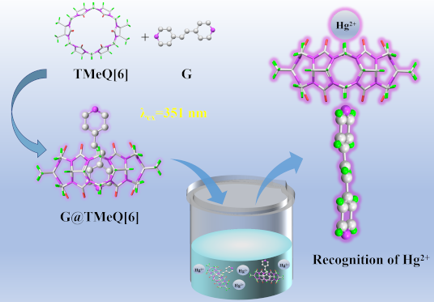
- , which provides convenience for studying the host–guest chemistry of TMeQ[6] and constructing fluorescent probes in aqueous solution [37][38]. There is a π–π conjugation effect between the carbon–carbon double bond and the pyridine ring in 1,2-bis(4-pyridyl)ethene (G), which determines its ultraviolet
- absorption [39]. Because the N atom on the pyridine ring of the G molecule has lone-pair electrons, it can form coordination compounds with metal ions. At present, the host–guest fluorescent probes designed by G and Q[n]s have been rarely reported. Therefore, we constructed the host–guest fluorescent probes
- at a wavelength of 350 nm. With the continuous addition of TMeQ[6], the fluorescence intensity of G is continuously enhanced, and the wavelength is redshifted to 391 nm, indicating that TMeQ[6] interacts with the guest molecule G. The TMeQ[6] cavity may limit the rotation of the pyridine ring on the


Pyridine C(sp2)–H bond functionalization under transition-metal and rare earth metal catalysis
Beilstein J. Org. Chem. 2023, 19, 820–863, doi:10.3762/bjoc.19.62
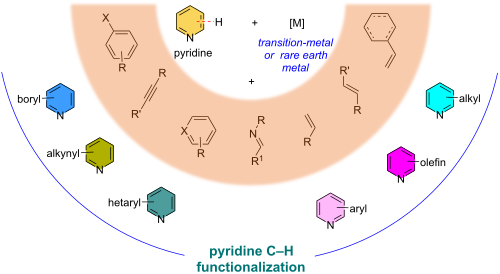
- , National Institute of Pharmaceutical Education and Research - Ahmedabad, Gandhinagar, Gujarat, 382355, India 10.3762/bjoc.19.62 Abstract Pyridine is a crucial heterocyclic scaffold that is widely found in organic chemistry, medicines, natural products, and functional materials. In spite of the discovery
- of several methods for the synthesis of functionalized pyridines or their integration into an organic molecule, new methodologies for the direct functionalization of pyridine scaffolds have been developed during the past two decades. In addition, transition-metal-catalyzed C–H functionalization and
- rare earth metal-catalyzed reactions have flourished over the past two decades in the development of functionalized organic molecules of concern. In this review, we discuss recent achievements in the transition-metal and rare earth metal-catalyzed C–H bond functionalization of pyridine and look into
















Eschenmoser coupling reactions starting from primary thioamides. When do they work and when not?
Beilstein J. Org. Chem. 2023, 19, 808–819, doi:10.3762/bjoc.19.61
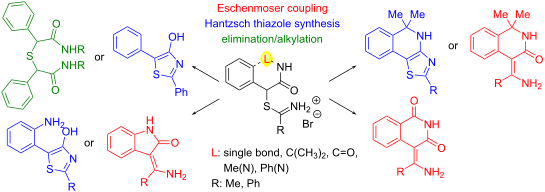
- 70–95%). The presence of a base and the type of solvent seems to be an important factor for the reaction course. In toluene, ionic liquid or in refluxing ethanol without a base [16][19][20] or in the presence of weakly basic pyridine [17][18][21] (pKa = 5.23 in water, 3.4 in DMSO, 3.3 in DMF, and
- commercially available benzonitriles [39] or by thionation of the corresponding N-substituted amides [40] using pyridine–P4S10 as sulfurization agent. Other chemicals and solvents were purchased from Acros Organics, Sigma-Aldrich, and Fluorochem and were used as received. 1H and 13C (APT) NMR spectra were


Sulfate radical anion-induced benzylic oxidation of N-(arylsulfonyl)benzylamines to N-arylsulfonylimines
Beilstein J. Org. Chem. 2023, 19, 771–777, doi:10.3762/bjoc.19.57
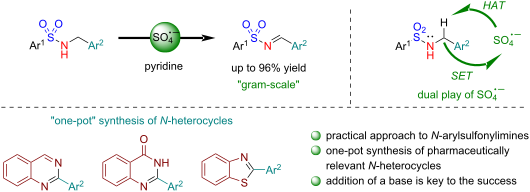
- synthesis of synthetically useful N-arylsulfonylimines from N-(arylsulfonyl)benzylamines using K2S2O8 in the presence of pyridine as a base is reported herein. In addition, a “one-pot” tandem synthesis of pharmaceutically relevant N-heterocycles by the reaction of N-arylsulfonylimines, generated in situ
- using K2S2O8 in the presence of pyridine as a base. The key findings include a) requirement of a mild base for the formation N-arylsulfonylimines, and b) stability of N-arylsulfonylimines, unlike N-arylimines, under the oxidative conditions. Further, to demonstrate the scope and applicability of this
- previous study [14]. Unfortunately, no product formation was observed under these conditions, while substrate 1a remained unreacted (Table 1, entry 1). When the solvent was changed to H2O, a trace quantity of product formation was observed (Table 1, entry 2). To our surprise, when 2 equiv of pyridine were


Honeycomb reactor: a promising device for streamlining aerobic oxidation under continuous-flow conditions
Beilstein J. Org. Chem. 2023, 19, 752–763, doi:10.3762/bjoc.19.55
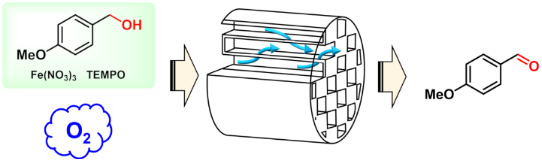
- Pd(OAc)2 did not dissolve in toluene even with pyridine. As a substitute for TEMPO, 2,3-dichloro-5,6-dicyano-p-benzoquinone (DDQ) was tried (Table 1, entries 9 and 10) [45]. Although the reactivity was improved compared with the TEMPO catalytic system in Table 1, entries 3–5, the DDQ catalytic system


Synthesis of imidazo[1,2-a]pyridine-containing peptidomimetics by tandem of Groebke–Blackburn–Bienaymé and Ugi reactions
Beilstein J. Org. Chem. 2023, 19, 727–735, doi:10.3762/bjoc.19.53
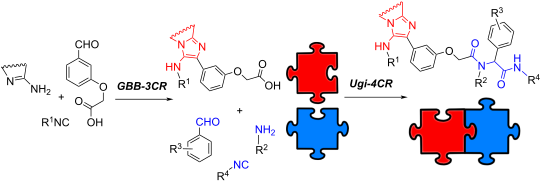
- , Zaporizhzhya National University, Zhukovsky str., 66, Zaporizhzhya, 69600, Ukraine 10.3762/bjoc.19.53 Abstract Peptidomimetics with a substituted imidazo[1,2-a]pyridine fragment were synthesized by a tandem of Groebke–Blackburn–Bienaymé and Ugi reactions. The target products contain substituted imidazo[1,2-a
- ]pyridine and peptidomimetic moieties as pharmacophores with four diversity points introduced from readily available starting materials, including scaffold diversity. A small focused compound library of 20 Ugi products was prepared and screened for antibacterial activity. Keywords: Groebke–Blackburn
- –Bienaymé reaction; imidazo[1,2-a]pyridine; isocyanide; multicomponent reaction; peptidomimetic; Ugi reaction; Introduction The use of isocyanide multicomponent reactions (IMCR) to prepare biologically active compounds is one of the most promising tools in modern organic and medicinal chemistry. Therefore


Photocatalytic sequential C–H functionalization expediting acetoxymalonylation of imidazo heterocycles
Beilstein J. Org. Chem. 2023, 19, 666–673, doi:10.3762/bjoc.19.48
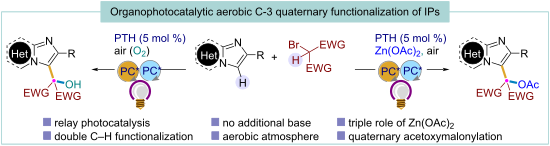
- triple role as activator of IPs, halide scavenger, and acetylating agent. Results and Discussion Optimization In the quest for the optimal reaction conditions, we started our investigations with 2-phenylimidazo[1,2-a]pyridine (1a) and diethyl bromomalonate (2a) as model substrates. Initially, the
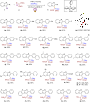
- diverse electronic properties were present in the pyridine ring of the IP moieties (4l–q). With substrates having a methyl substitution at C-7 and C-8 of the pyridine ring, the yields and regioselectivity were still excellent (4l and 4m), but reduced significantly upon introducing a halogen group onto the
- pyridine ring. Except for the 6-bromo-substituted compound (4o), all other substrates having a halogen substituent in the pyridine ring showed reduced yields (4n, and 4p,q). The number of substituents also seemed to negatively affect the yield, as observed for products 4p and 4q, featuring two substituents




Enolates ambushed – asymmetric tandem conjugate addition and subsequent enolate trapping with conventional and less traditional electrophiles
Beilstein J. Org. Chem. 2023, 19, 593–634, doi:10.3762/bjoc.19.44
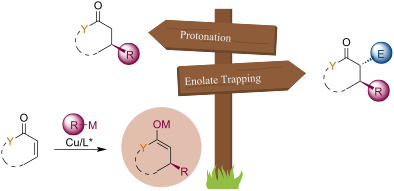
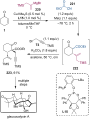
- (phosphite/phosphine-pyridine amide, phosphine-sulfoxide, phosphoramidite, MINBOL, see Figure 1) and they usually showed excellent diastereoselectivity (dr >20:1). The catalytic systems even with low catalyst loadings tolerated both electron-donating and withdrawing groups on the aromatic substituents
- functional group tolerance with excellent stereoselectivities. In 2016, Ellman and co-workers demonstrated a Rh- or Co-catalyzed highly diastereoselective tandem C–H bond addition/aldol reaction sequence [96][97]. The C–H activation was promoted by pyridine, pyrazole, or imine directing groups, while the








Transition-metal-catalyzed domino reactions of strained bicyclic alkenes
Beilstein J. Org. Chem. 2023, 19, 487–540, doi:10.3762/bjoc.19.38
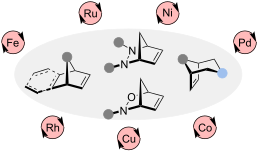
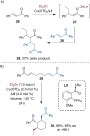
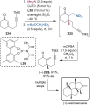
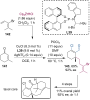
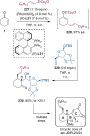
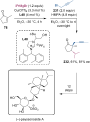
- -catalyzed [3 + 2] annulation/ring-opening/dehydration domino reaction of oxabicyclic alkenes 30 with 2-(1-methylhydrazinyl)pyridine (MHP) directed arenes 87 for the synthesis of benzo[b]fluorenones 88 (Scheme 16) [52]. C–H bond functionalization with heterobicyclic alkenes as annulation partners has
- C–H activation as well as its involvement in the dehydration process. This reaction proceeded smoothly with a variety of both EWGs and EDGs on the 2-phenylpyridine. Interestingly, when swapping the pyridine directing group for thiophene or furan, yields were improved although quinolinyl and











Transition-metal-catalyzed C–H bond activation as a sustainable strategy for the synthesis of fluorinated molecules: an overview
Beilstein J. Org. Chem. 2023, 19, 448–473, doi:10.3762/bjoc.19.35
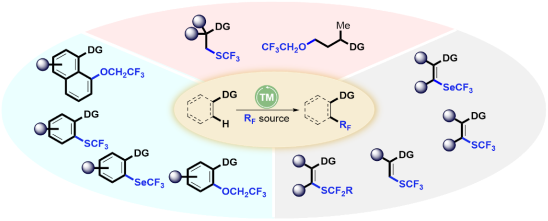
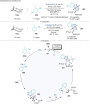
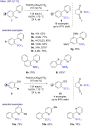
- , up to 91% yield) [119]. 2-Arylpyridine derivatives bearing electron-donating groups, electron-withdrawing groups or halogen at the para- and meta-positions of the aromatic ring were readily functionalized (11a–g, 58–85% yields). Also 2-(2-methoxyphenyl)pyridine (11h) and 2-(2-naphthyl)pyridine (11i
- methyl, methoxy or methylthio groups (17b–d) or by halogen (17e) was achieved (Scheme 8, up to 77% yield). Note that in case of disubstituted 2-(4-ethoxy-3-fluorophenyl)pyridine (17h), the expected product 18h was isolated in 31% yield. Moreover, selective oxidation of the SCF3 residue into the
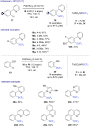
- derivatives using AgSCF3 (Scheme 11) [124]. This methodology allowed the functionalization of several aromatic compounds bearing a pyridine or a pyrimidine as a directing group (20 examples, up to 65% yield). The reaction proceeded smoothly with substrates bearing an electron-donating group (25b,c), halogen








Combretastatins D series and analogues: from isolation, synthetic challenges and biological activities
Beilstein J. Org. Chem. 2023, 19, 399–427, doi:10.3762/bjoc.19.31
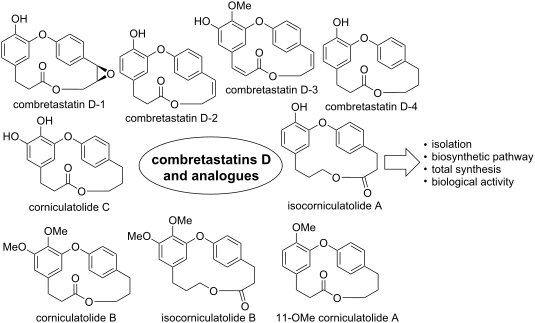
- potassium carbonate or methylcopper in pyridine led to compound 116 in only 10% yield. The cleavage of the benzyl ether proved to be complicated, as TFA also opened the lactone at the ester group (Scheme 24) [55]. In an attempt to circumvent these problems, the authors chose to use isovanillin (80) as
- macrocyclization using SO3·pyridine [68] gave the corresponding thioether 151, which was oxidized to the cyclic sulfone 152 using m-CPBA. Extrusion of SO2 by FVP followed by demethylation of the formed macrolide furnished the compound 154 which can be converted in combretastatin D-1 (1) by known methodologies [43




Group 13 exchange and transborylation in catalysis
Beilstein J. Org. Chem. 2023, 19, 325–348, doi:10.3762/bjoc.19.28
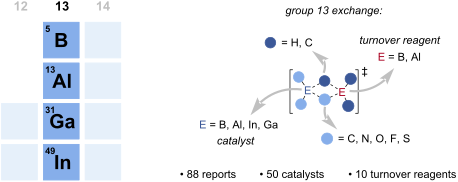
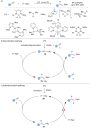
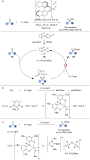
- hydroboration of imines [87][92][97], nitriles [92][98][99][100][101], carbodiimides [92][100][102], pyridine [92], and isocyanides [92] with HBpin (Scheme 23). These generally follow a similar proposed catalytic cycle; aluminium-mediated reduction, followed by Al‒N/B‒H exchange with HBpin (Scheme 23). The










Continuous flow synthesis of 6-monoamino-6-monodeoxy-β-cyclodextrin
Beilstein J. Org. Chem. 2023, 19, 294–302, doi:10.3762/bjoc.19.25
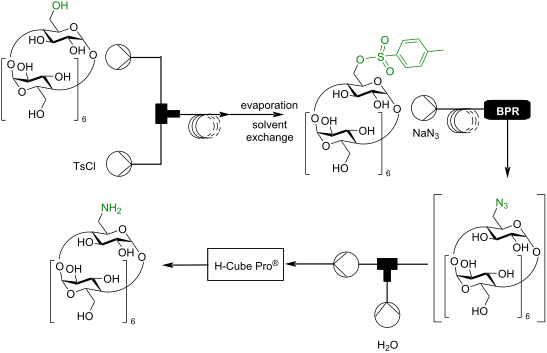
- easier process than the optimization of a new monosubstitution reaction on a native CD [5]. Monotosylation of the primary rim of CDs is the most widely used method to obtain C-6 monofunctionalized CDs. Tosyl chloride (TsCl) reacts with α-, β-, and γ-CD in pyridine to give the C-6-monosubstituted product
- in about 30% yield (for β-CD) [6][7]. The C-6 regioselectivity can be attributed to the inclusion of pyridine into the CD cavity in such a way that it activates only the hydroxy groups on the primary side. Several alternative methods have been developed with the aim of further improving the yield of
- monotosylation or replacing pyridine with a more user-friendly solvent [8]. Regardless of which strategy is used, the complete conversion of the starting material into the monosubstituted product does not occur, and a mixture of overtosylated products and unreacted starting CD is formed. The target


Synthesis, α-mannosidase inhibition studies and molecular modeling of 1,4-imino-ᴅ-lyxitols and their C-5-altered N-arylalkyl derivatives
Beilstein J. Org. Chem. 2023, 19, 282–293, doi:10.3762/bjoc.19.24
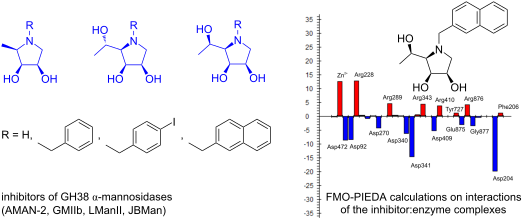
- conditions: (a) Tf2O, pyridine, CH2Cl2, 0 °C, 1.5 h, 64%; (b) 10% aq NaOH, EtOH, reflux, 24 h, 67%; (c) ArCH2Br, K2CO3, DMF, 0 °C–rt, overnight; (d) 20% HCl, MeOH, rt, 72 h; (e) H2, Pd/C, MeOH, rt, 5 h, then, conc. HCl, 0 °C, 86%. Inhibition (IC50, Ki values and selectivity index, SI) of class II GH38 α


An efficient metal-free and catalyst-free C–S/C–O bond-formation strategy: synthesis of pyrazole-conjugated thioamides and amides
Beilstein J. Org. Chem. 2023, 19, 231–244, doi:10.3762/bjoc.19.22
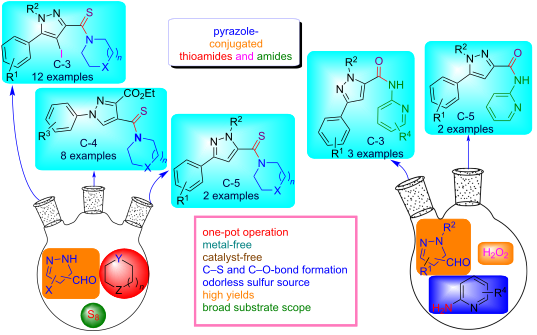
- -tethered thioamides inspired us to generate analogous pyrazole-pyridine conjugates having an amide linkage. For this purpose, 5-(4-fluorophenyl)-1-phenyl-1H-pyrazole-3-carbaldehyde (1) and 2-aminopyridine (F) were selected as the model reactants to explore this transformation. Initially, we conducted an
- (entry 16, Table 2). From the above screening experiments, it was concluded that 10.0 equiv of hydrogen peroxide in THF at 70 °C proved to be the optimal conditions for the construction of the pyrazole-pyridine conjugate with an amide linkage (entry 16, Table 2). Having the optimized conditions in hand
- -aminopyridine. Thereafter, a nucleophilic attack of H2O2 on the imine carbon may afford the intermediate 17. Finally, the loss of a water molecule from the intermediate 17 may generate the pyrazole-pyridine conjugate with amide linkage 1F. Conclusion In summary, a simple, straightforward and efficient approach


Germacrene B – a central intermediate in sesquiterpene biosynthesis
Beilstein J. Org. Chem. 2023, 19, 186–203, doi:10.3762/bjoc.19.18

- structure was subsequently secured by preparation from 1 through Cope rearrangement [20] and through dehydration of elemol (7) with POCl3 in pyridine yielding 5 and β-elemene (8) (Scheme 3D) [45]. Compound 5 has also frequently been reported from natural sources especially after heat treatment of the sample






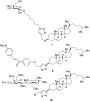
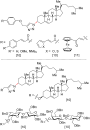
Revisiting the bromination of 3β-hydroxycholest-5-ene with CBr4/PPh3 and the subsequent azidolysis of the resulting bromide, disparity in stereochemical behavior
Beilstein J. Org. Chem. 2023, 19, 91–99, doi:10.3762/bjoc.19.9
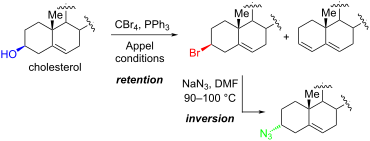
- retention of configuration at C3 [17]. In 2008, a direct dehydroxyazidation of cholesterol by treatment of the steroid with a zinc azide–pyridine complex, diisopropyl azodicarboxylate (DIAD), and PPh3 was described [18]. This Mitsunobu-like reaction occurred with complete inversion at C3 to afford 3α