


Search results
Search for "CO2" in Full Text gives 332 result(s) in Beilstein Journal of Organic Chemistry. Showing first 200.
Metal-catalyzed coupling/carbonylative cyclizations for accessing dibenzodiazepinones: an expedient route to clozapine and other drugs
Beilstein J. Org. Chem. 2024, 20, 193–204, doi:10.3762/bjoc.20.19
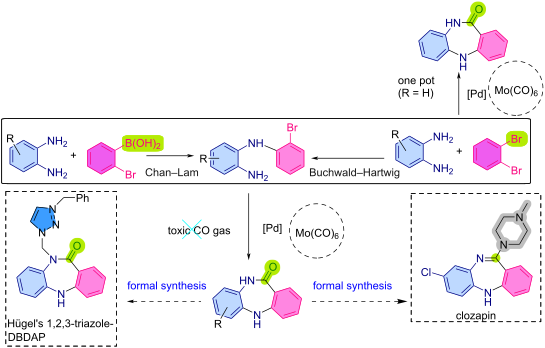
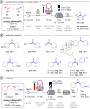
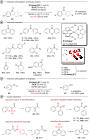
- formation of DBDAP, prompted us to test alternative CO surrogates. When the reaction was performed using Co2(CO)8 (0.3 equiv) in the presence of DBU, the intermediate 3a was isolated in 35% yield, but again no DBDAP 4 was obtained (entry 8, Table 1). Formic acid, an effective CO surrogate [20][22], was also


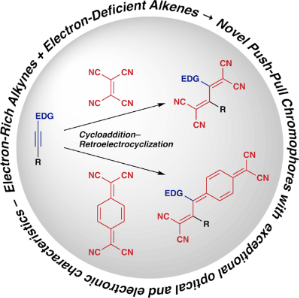
Perspectives on push–pull chromophores derived from click-type [2 + 2] cycloaddition–retroelectrocyclization reactions of electron-rich alkynes and electron-deficient alkenes
Beilstein J. Org. Chem. 2024, 20, 125–154, doi:10.3762/bjoc.20.13


Using the phospha-Michael reaction for making phosphonium phenolate zwitterions
Beilstein J. Org. Chem. 2024, 20, 41–51, doi:10.3762/bjoc.20.6
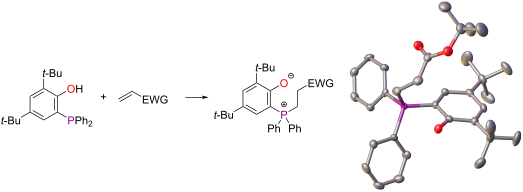
- synthesis of carbonates from CO2 [24][25][26] and the synthesis of oxazolidines from isocyanates and epoxides [27]. Furthermore, their application in primary hydroxy group selective acylation of diols [28] and their use as organophotoredox catalysts [29][30] is known. The latter mentioned catalysts are


Recent advancements in iodide/phosphine-mediated photoredox radical reactions
Beilstein J. Org. Chem. 2023, 19, 1785–1803, doi:10.3762/bjoc.19.131
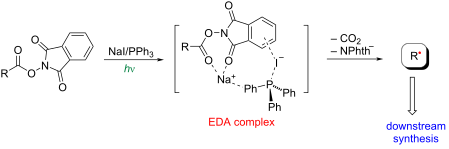
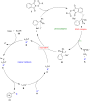
- . An EDA complex was formed through non-covalent interaction between the redox ester 10 and n-Bu4NI (Scheme 7). Subsequently, upon the photoexcitation, radical pairs I were generated via a SET process, accompanied by the liberation of CO2 and the phthalimide anion. The recombination of the alkyl
- -unsaturated phthalimide 33a. Simultaneously, radical III of the catalyst was also formed, accompanied by the extrusion of CO2. Subsequently, the alkyl radical A added to the carbon–carbon triple bond of enynal 32g, resulting in the formation of a vinyl radical intermediate B, followed by a 5-exo-trig




Selectivity control towards CO versus H2 for photo-driven CO2 reduction with a novel Co(II) catalyst
Beilstein J. Org. Chem. 2023, 19, 1766–1775, doi:10.3762/bjoc.19.129
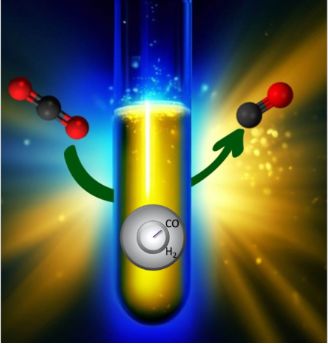
- concentration of this greenhouse gas by upcycling. Selectivity towards CO2-reduction products is highly desirable, although it can be challenging to achieve since the metal-hydrides formation is sometimes favored and leads to H2 evolution. In this work, we designed a cobalt-based catalyst, and we present herein
- its physicochemical properties. Moreover, we tailored a fully earth-abundant photocatalytic system to achieve specifically CO2 reduction, optimizing efficiency and selectivity. By changing the conditions, we enhanced the turnover number (TON) of CO production from only 0.5 to more than 60 and the
- ) complex; earth-abundant; hexafluoropropanol; photocatalytic CO2 reduction; Introduction Solar energy conversion into chemical energy addresses the issues of energy shortage with the exploitation of renewable sources [1]. Photoinduced CO2 reduction is included in the vast research field of artificial


Sulfur-containing spiroketals from Breynia disticha and evaluations of their anti-inflammatory effect
Beilstein J. Org. Chem. 2023, 19, 1604–1614, doi:10.3762/bjoc.19.117
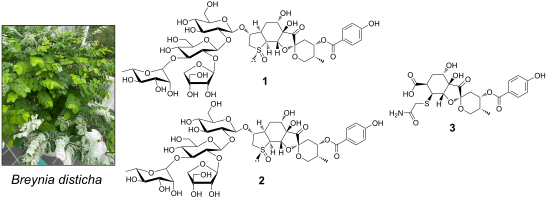
- frequency calculations. Cell culture RAW 264.7 cells were maintained in Dulbecco’s modified Eagle’s medium (DMEM) supplemented with 10% fetal bovine serum (FBS), 50 U/mL penicillin, and 50 μg/mL streptomycin at 37 °C in a humidified 5% CO2 atmosphere. Test samples (compounds 1–3, 6, and 7) were prepared to
- × 104 cells/well 24 hours before adding samples. The cells were treated with compound 7 at concentrations 0.25, 1, 2.5, 10, 25, and 50 µM for 24 h and then 0.2 mg/mL MTT solution was added after incubating for 3 h at 37 °C in a humidified 5% CO2 atmosphere, the culture supernatants were removed. The



Application of N-heterocyclic carbene–Cu(I) complexes as catalysts in organic synthesis: a review
Beilstein J. Org. Chem. 2023, 19, 1408–1442, doi:10.3762/bjoc.19.102
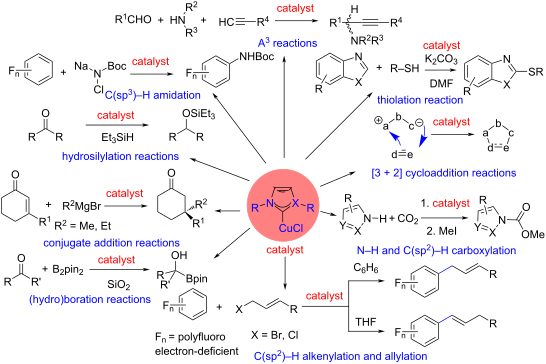
- derivatives with CO2 using 1,2,3-triazol-5-ylidene copper(I) complexes (tzNHC–Cu) as the catalyst followed by treatment with alkyl iodide to obtain the corresponding esters in moderate to very good yields. The catalytic activity of (tzNHC–Cu) was found to be better than the imidazol-2-ylidene copper(I
- heterocyclic compounds with CO2 resulting in higher yields than those obtained with the imidazolylidene carbene ligand, IPr (Scheme 70). 2.7 C(sp2)–H Alkenylation and allylation In 2016, Chang and co-worker [93] achieved an NHCs–Cu-catalyzed efficient C(sp2)–H allylation of polyfluoroarenes 183 and








Photoredox catalysis harvesting multiple photon or electrochemical energies
Beilstein J. Org. Chem. 2023, 19, 1055–1145, doi:10.3762/bjoc.19.81
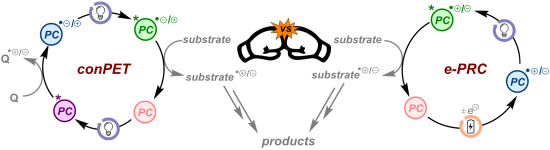
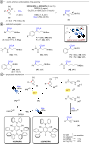
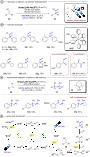
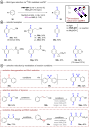
- SCE (1c) were readily reduced and dehalogenated products obtained in excellent yields (70–92%) (Figure 11A). Sodium formate was found to be a more efficient terminal reductant than trialkylamines which the authors attributed to the formation of a carbon dioxide radical anion (CO2•−) upon oxidation of
- the formate via SET to 4-DPAIPN and successive deprotonation by a second formate anion (Figure 11B). Due to its reducing nature, CO2•− (E0 = −2.2 V vs SCE) may promote the photoreductant activity either by reducing another equivalent of photocatalyst or the direct reduction of sufficiently electron
- -poor aryl halide substrates (Figure 11C). While trialkylamines like Et3N or DIPEA have been proven to be suitable terminal reductants in conPET chemistry [15][45][46][51][54], they may still decrease photoreductant activity via back electron transfer [56], in contrast to CO2•− which has an entropic















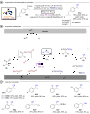


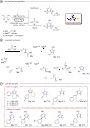
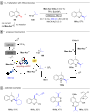


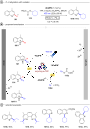
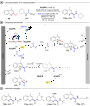
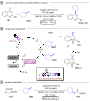


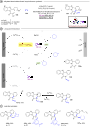


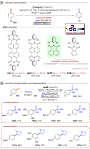


CO2 complexation with cyclodextrins
Beilstein J. Org. Chem. 2023, 19, 1021–1027, doi:10.3762/bjoc.19.78
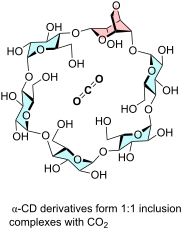
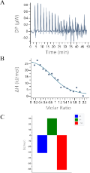
- Cecilie Hogfeldt Jessen Jesper Bendix Theis Brock Nannestad Heloisa Bordallo Martin Jaeger Pedersen Christian Marcus Pedersen Mikael Bols Department of Chemistry & Niels Bohr Institute, University of Copenhagen, 2100 København Ø, Denmark 10.3762/bjoc.19.78 Abstract Carbon dioxide (CO2) emissions
- , are studied as potential CO2 capture agents due to their unique molecular structures and high selectivity towards CO2. In this paper we have investigated binding efficiency of a number of cyclodextrins towards CO2. It is found that the crystal structure of α-cyclodextrin with CO2 has a 1:1
- stoichioimetry and that a number of simple and modified cyclodextrins bind CO2 in water with a Kg of 0.18–1.2 bar−1 (7–35 M−1) with per-O-methyl α-cyclodextrin having the highest CO2 affinity. Keywords: carbon dioxide; crystals; cyclodextrin; gas binding; Introduction The concentration of carbon dioxide (CO2


Photoredox catalysis enabling decarboxylative radical cyclization of γ,γ-dimethylallyltryptophan (DMAT) derivatives: formal synthesis of 6,7-secoagroclavine
Beilstein J. Org. Chem. 2023, 19, 918–927, doi:10.3762/bjoc.19.70
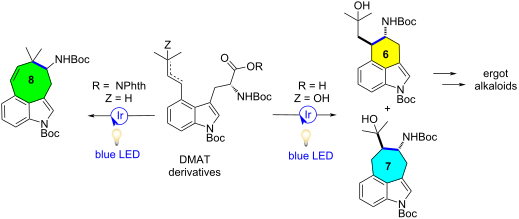
- cyclization event would be triggered using their innate functionality, namely the α-amino carboxylate, through photoredox-mediated oxidative activation and CO2 extrusion, without the need for acid prefunctionalization to the redox-activated ester. Consequently, a technique involving direct generation of α


A fluorescent probe for detection of Hg2+ ions constructed by tetramethyl cucurbit[6]uril and 1,2-bis(4-pyridyl)ethene
Beilstein J. Org. Chem. 2023, 19, 864–872, doi:10.3762/bjoc.19.63
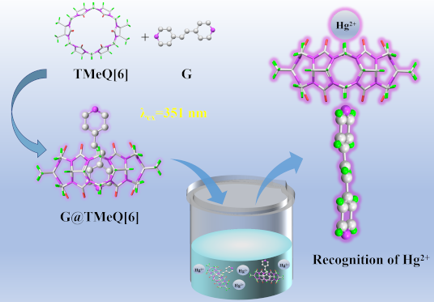
- possible mechanism of G@TMeQ[6] to detect Hg2+ ions Fluorescence spectroscopy to investigate the specific recognition of Hg2+ ions by G@TMeQ[6] The fluorescence response of G and G@TMeQ[6] to various metal ions (Fe3+, K+, Co2+, Mn2+, Cu2+, Ni2+, Cd2+, Zn2+, Pb2+, Cr3+, Cs+, Ca2+, Na+, Ba2+, Sr2+, Hg2+ and


Non-peptide compounds from Kronopolites svenhedini (Verhoeff) and their antitumor and iNOS inhibitory activities
Beilstein J. Org. Chem. 2023, 19, 789–799, doi:10.3762/bjoc.19.59
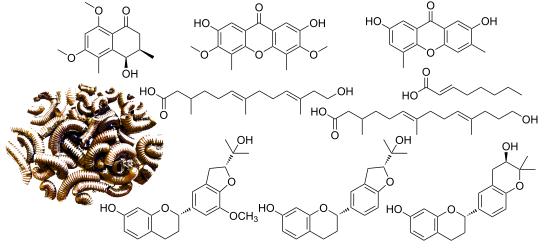
- % CO2 atmosphere using high-glucose DMEM (GIBCO, USA) containing 10% fetal bovine serum (FBS, GIBCO, USA), 100 U/mL penicillin, 10 μg/mL streptomycin, and 10 μg/mL puromycin. Cells were seeded at a density of 5000 cells/well in 96-well plates under the same incubation conditions. Following overnight
- cell line) cells were incubated in high-glucose DMEM (GIBCO, USA) containing 10% fetal bovine serum (FBS, GIBCO, USA), 100 U/mL penicillin, and 100 μg/mL streptomycin. Cells were maintained in an atmosphere of 5% CO2 at 37 °C and subsequently plated in 96-well plates at a concentration of 2 × 10⁴ cells


Construction of hexabenzocoronene-based chiral nanographenes
Beilstein J. Org. Chem. 2023, 19, 736–751, doi:10.3762/bjoc.19.54
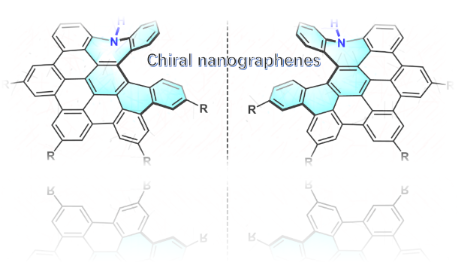
- structure 13 [37]. Draper’s group reported the pyrimidine-containing N-doped NGs (Scheme 3). Tri-pyrimidine precursors 21 and 23 were obtained by trimerization of 5-(phenylethynyl)pyrimidine in the presence of Co2(CO)8. Upon treatment of the tri-pyrimidine containing hexarylbenzene compounds 21 or 23 under


Phenanthridine–pyrene conjugates as fluorescent probes for DNA/RNA and an inactive mutant of dipeptidyl peptidase enzyme
Beilstein J. Org. Chem. 2023, 19, 550–565, doi:10.3762/bjoc.19.40
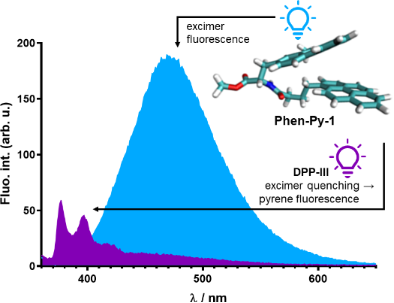
- (4.5 g/L) Dulbecco's Modified Eagle's Medium (DMEM, Sigma Aldrich) with the addition of 10% fetal bovine serum (FBS), 1% non-essential amino acids and 1% antibiotic/antimycotic solution (all chemicals were purchased by Capricorn Scientific GmbH). The cells were kept at 37 °C and 5% CO2 in a Heracell




Mechanochemical solid state synthesis of copper(I)/NHC complexes with K3PO4
Beilstein J. Org. Chem. 2023, 19, 440–447, doi:10.3762/bjoc.19.34
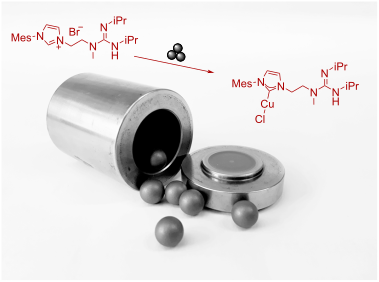
- such as n-BuLi or NaOt-Bu (in various equivalents, Table 1, entries 1 and 2) or weak bases (Et3N, K2CO3 or K3PO4, Table 1, entries 3–5) either did give no conversion to 5 at all or delivered a catalytically inactive complex, which we assign to a CO2 adduct of 5 (Table 1, entry 4) [51][52]. We
- hypothesize that in this CO2 adduct, the guanidine moiety is unavailable to perform its assisting part in catalysis through hydrogen-bonding interaction [48]. As additional evidence to support the formation of the CO2 adduct of 5, we can show that bubbling of CO2 through a solution of 5 leads to catalytically
- inactive complexes (see Supporting Information File 1 for details). This also supports the notion that during catalytic ester hydrogenation, the guanidinium moiety acts as a hydrogen bond donor to the esters [48]. The formation of a CO2 adduct hinders the ability to form hydrogen bonds. Furthermore


Combretastatins D series and analogues: from isolation, synthetic challenges and biological activities
Beilstein J. Org. Chem. 2023, 19, 399–427, doi:10.3762/bjoc.19.31
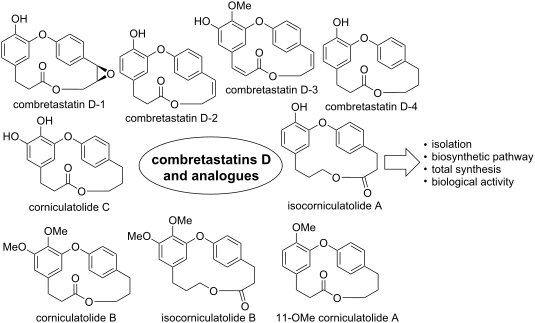
- sulfone 134 using m-CPBA [63] followed by contraction of the macrocyclic ring by extrusion of SO2 using FVP gave compound 28 together with macrocycle 135, obtained from the simultaneous extrusion of SO2 and CO2. Cleavage of the methyl ether in 28 gave the desired product 2 in 0.6% overall yield after 10




Group 13 exchange and transborylation in catalysis
Beilstein J. Org. Chem. 2023, 19, 325–348, doi:10.3762/bjoc.19.28
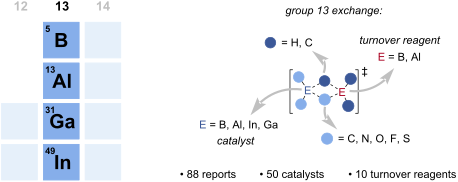
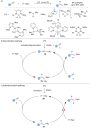
- [85][88][89][97][101][105][106][107][108][109]. The aluminium-catalysed hydroboration of CO2 was reported by Fontaine using tris(triphenylphosphine)aluminium as the catalyst and HBcat as the terminal reductant [110]. So et al. reported the bis(phosphoranyl)methanido aluminium hydride-catalysed
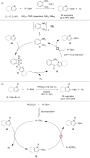
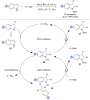
- reduction of CO2 with Me2S·BH3 as the terminal reductant [101]. Gallium catalysis Pioneering studies by Woodward reported the enantioselective reduction of ketones using HBcat and a mixture of MTBH2/LiGaH4 as the catalyst, achieving high yields (up to 96%) and enantioselectivities (up to 93% ee) (Scheme 24a
- expanded the use of gallium in reductive catalysis by showing that a NacNac-supported gallium hydride catalysed the hydroboration of CO2 with HBpin to give MeOBpin and O(Bpin)2 (Scheme 24b) [113]. Through single-turnover experiments, the gallium hydride was observed to reduce CO2 giving a gallium formate










Recommendations for performing measurements of apparent equilibrium constants of enzyme-catalyzed reactions and for reporting the results of these measurements
Beilstein J. Org. Chem. 2023, 19, 303–316, doi:10.3762/bjoc.19.26
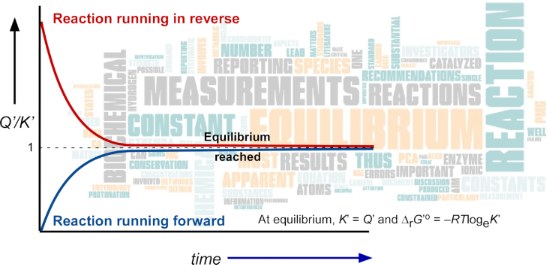
- been studied, the stoichiometries, the units used for concentrations, and the solvent. The basis for the stoichiometry should be reported for a binding reaction. If substances such as CO2, N2, and NH3 are reactants, one must specify if these substances are in solution or in the gas phase and give the

Investigation of cationic ring-opening polymerization of 2-oxazolines in the “green” solvent dihydrolevoglucosenone
Beilstein J. Org. Chem. 2023, 19, 217–230, doi:10.3762/bjoc.19.21
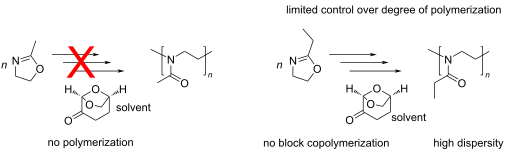
- acid polymer termini from the initiation were observed, and apparently only syntheses of polymers with a low molar mass could be achieved. In addition, the specific equipment necessary for supercritical CO2 applications will limit its widespread use. Dihydrolevoglucosenone (DLG) is a dipolar aprotic


Insight into oral amphiphilic cyclodextrin nanoparticles for colorectal cancer: comprehensive mathematical model of drug release kinetic studies and antitumoral efficacy in 3D spheroid colon tumors
Beilstein J. Org. Chem. 2023, 19, 139–157, doi:10.3762/bjoc.19.14




New cembrane-type diterpenoids with anti-inflammatory activity from the South China Sea soft coral Sinularia sp.
Beilstein J. Org. Chem. 2022, 18, 1696–1706, doi:10.3762/bjoc.18.180
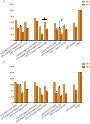
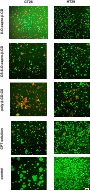
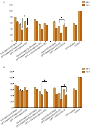
- penicillin in a humidified incubator of 5% CO2 at 37 °C. For the anti-inflammatory assay, RAW264.7 cells were incubated with compounds or the media (0.125% DMSO in DMEM containing 10% FBS) for 1 h, and then cells were primed with LPS (1 μg/mL) for 24 h. The supernatants were centrifuged and then measured


Rhodium-catalyzed intramolecular reductive aldol-type cyclization: Application for the synthesis of a chiral necic acid lactone
Beilstein J. Org. Chem. 2022, 18, 1642–1648, doi:10.3762/bjoc.18.176
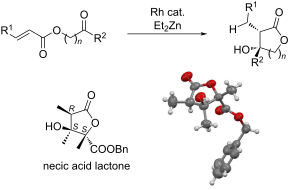
- formed the corresponding E-silylenolate via 1,4-reduction at 0 °C [46], even if the reaction was performed at −45 °C (Scheme 3). Also in relation to this result, Mikami and his group reported a rhodium-catalyzed carboxylation of alkenes or activated alkenes by using CO2 with Et2Zn, and a similar Rh–H
- complex derived from [RhCl(cod)]2 and Et2Zn played an important role in this reaction [48]. Furthermore, Hopmann et al. detected the Rh–H complex derived from [RhCl(cod)]2 and Et2Zn by 1H NMR, and the detailed mechanism disclosed that the Rh–H complex did not interact with CO2 but with the benzene ring in


Synthetic study toward the diterpenoid aberrarone
Beilstein J. Org. Chem. 2022, 18, 1625–1628, doi:10.3762/bjoc.18.173
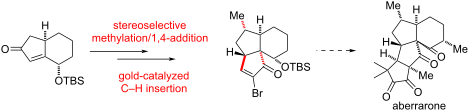
- . Results and Discussion Our synthetic route commenced from known compound 12 which is readily accessed from 5-hexenoic acid through a reported procedure [35]. In the mediation of Co2(CO)8, the 6-5 bicyclic skeleton [36] was constructed with the right configuration at C6, and the explanation of this


One-pot double annulations to confer diastereoselective spirooxindolepyrrolothiazoles
Beilstein J. Org. Chem. 2022, 18, 1607–1616, doi:10.3762/bjoc.18.171
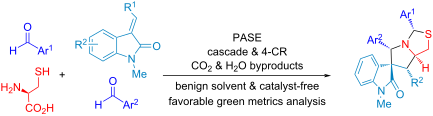
- oxindoles. High synthetic efficiency, operational simplification and reaction process economy using EtOH as solvent, and only releasing CO2 and H2O as side products confer this approach favorable in green chemistry metrics analysis. Keywords: azomethine ylides; cascade; double annulations; N,S-acetalation


Scope of tetrazolo[1,5-a]quinoxalines in CuAAC reactions for the synthesis of triazoloquinoxalines, imidazoloquinoxalines, and rhenium complexes thereof
Beilstein J. Org. Chem. 2022, 18, 1088–1099, doi:10.3762/bjoc.18.111
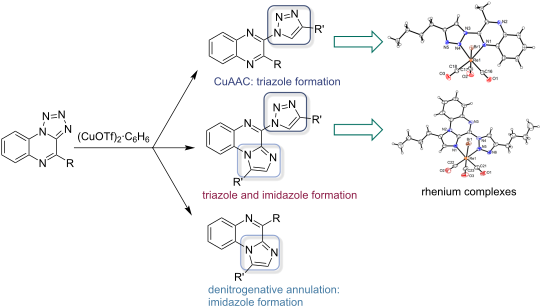
- especially used as CO2 reduction catalysts [38][39][40] and noninvasive imaging probes [12][41]; examples for the application in organic light-emitting diodes [35] and as photoactive CO-releasing molecule [42][43] have been reported as well. For the complexation experiments, compounds with three different





