


Search results
Search for "Mitsunobu reaction" in Full Text gives 80 result(s) in Beilstein Journal of Organic Chemistry.
Stereoselective synthesis of carbocyclic analogues of the nucleoside Q precursor (PreQ0)
- Sabin Llona-Minguez and
- Simon P. Mackay
Beilstein J. Org. Chem. 2014, 10, 1333–1338, doi:10.3762/bjoc.10.135
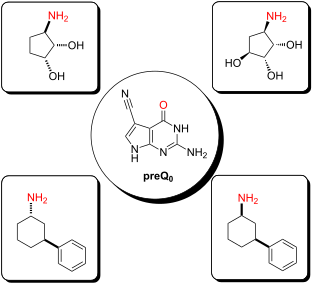
- both alcohols showed a diastereomeric purity of >99% by 1H NMR. Mitsunobu reaction on the secondary alcohols using DEAD or DIAD did not provide the desired azides [42][43] nor did a one-pot Appel reaction/nucleophilic substitution/Staudinger reaction protocol involving a double inversion of

Graphical Abstract

Figure 1: Biosynthetic pathway leading to nucleosides queuosine and archaeosine.
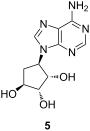
Figure 2: Chemical structure of noraristeromycin.

Figure 3: Synthesis of PreQ0 and chloro-intermediate 9. Reagents and conditions: (a) Methyl formate, NaOMe, P...

Figure 4: Synthesis of 15, a (1RS,2SR,3RS)-3-aminocyclopentane-1,2-diol derivative of PreQ0. Reagents and con...

Figure 5: Synthesis of 16, a (1S,2R,3S,4R)-4-aminocyclopentane-1,2,3-triol derivative of PreQ0. Reagents and ...

Figure 6: Synthesis of 21 and 22, 3-arylcyclohexylamine derivatives of PreQ0. Reagents and conditions: (a) Ph...
4-Hydroxy-6-alkyl-2-pyrones as nucleophilic coupling partners in Mitsunobu reactions and oxa-Michael additions
- Michael J. Burns,
- Thomas O. Ronson,
- Richard J. K. Taylor and
- Ian J. S. Fairlamb
Beilstein J. Org. Chem. 2014, 10, 1159–1165, doi:10.3762/bjoc.10.116

- using them as nucleophilic partners in oxa-Michael additions and the Mitsunobu reaction. The reactions proceed in moderate to excellent yields on a range of substrates containing useful functionality. The reactions serve as practical and valuable synthetic methods to construct complex 2-pyronyl ethers
- , which are found embedded in a number of natural products. Keywords: heterocycles; Mitsunobu reaction; oxa-Michael addition; 2-pyrone; vinyl ethers; Introduction The 2-pyrone motif is a prevalent structural feature of many complex natural products and biologically active compounds [1][2]. Various
- degradation under harsh conditions, representing an interesting synthetic chemistry challenge to address. The ability to install more complex functionality on the hydroxy group of 6-alkyl-4-hydroxy-2-pyrones would be of considerable synthetic value. The Mitsunobu reaction is a well-established, widely used

Graphical Abstract

Figure 1: The phacelocarpus 2-pyrones 1 and 2.

Scheme 1: Generalised O-functionalisation of 6-alkyl-4-hydroxy-2-pyrones 3.

Scheme 2: Synthesis of alkylated 2-pyrones 3b–e.

Scheme 3: Michael addition of 3a to allene 8 and internal alkyne 10.
Regioselective SN2' Mitsunobu reaction of Morita–Baylis–Hillman alcohols: A facile and stereoselective synthesis of α-alkylidene-β-hydrazino acid derivatives
- Silong Xu,
- Jian Shang,
- Junjie Zhang and
- Yuhai Tang
Beilstein J. Org. Chem. 2014, 10, 990–995, doi:10.3762/bjoc.10.98
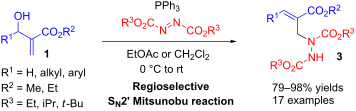
- Silong Xu Jian Shang Junjie Zhang Yuhai Tang Department of Chemistry, School of Science, Xi’an Jiaotong University, Xi’an 710049, P. R. China 10.3762/bjoc.10.98 Abstract A highly regioselective SN2' Mitsunobu reaction between Morita–Baylis–Hillman (MBH) alcohols, azodicarboxylates, and
- triphenylphosphine is developed, which provides an easy access to α-alkylidene-β-hydrazino acid derivatives in high yields and good stereoselectivity. This reaction represents the first direct transformation of MBH alcohols into hydrazines. Keywords: azodicarboxylate; hydrazine; Mitsunobu reaction; Morita–Baylis
- acetates with azodicarboxylates in the presence of PPh3 (Mitsunobu reaction conditions), which gives an efficient access to α-alkylidene-β-hydrazino acid derivatives, an important precursor for many bioactive compounds [25][26][27][28][29][30] including β-amino acids [25] (Scheme 1, top). However, the

Graphical Abstract

Scheme 1: Synthesis of α-alkylidene-β-hydrazino acid derivatives from MBH adducts.

Scheme 2: Initial investigation.

Scheme 3: Synthesis of 1H-pyrazole 7.

Scheme 4: A plausible mechanism for the formations of 3.
Phosphinate-containing heterocycles: A mini-review
- Olivier Berger and
- Jean-Luc Montchamp
Beilstein J. Org. Chem. 2014, 10, 732–740, doi:10.3762/bjoc.10.67
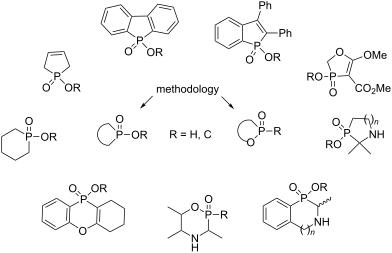
- malonate anion. Tandem hydrophosphinylation/Michael/Michael reaction of allenyl-H-phosphinates. 5-Membered “cyclo-PALA” via intramolecular Mitsunobu reaction. 6-Membered “cyclo-PALA” via intramolecular Mitsunobu reaction. Intramolecular Kabachnik–Fields reaction. Tandem Kabachnik–Fields/alkylation reaction

Graphical Abstract

Scheme 1: McCormack synthesis.

Scheme 2: Ring-closing metathesis.

Scheme 3: Phospha-Dieckmann condensation.

Scheme 4: Palladium-catalyzed oxidative arylation.

Scheme 5: Tandem cross-coupling/Dieckmann condensation.

Scheme 6: Rhodium-catalyzed double [2 + 2 + 2] cycloaddition.

Scheme 7: Silver oxide-mediated alkyne–arene annulation.

Scheme 8: Silver acetate-mediated alkyne–arene annulation.

Scheme 9: Cyclization through phosphinylation/alkylation of malonate anion.

Scheme 10: Tandem hydrophosphinylation/Michael/Michael reaction of allenyl-H-phosphinates.

Scheme 11: 5-Membered “cyclo-PALA” via intramolecular Mitsunobu reaction.

Scheme 12: 6-Membered “cyclo-PALA” via intramolecular Mitsunobu reaction.

Scheme 13: Intramolecular Kabachnik–Fields reaction.

Scheme 14: Tandem Kabachnik–Fields/alkylation reaction.

Scheme 15: Tandem Kabacknik–Fields/C–N cross-coupling reaction.

Scheme 16: Tandem Kabacknik–Fields/C-P cross-coupling reaction.

Scheme 17: Heterocyclization via amide formation.

Scheme 18: Cyclization via reductive amination.

Scheme 19: H-Phosphinate alkylation.

Scheme 20: Cyclization through intramolecular Michael addition.

Scheme 21: Double Arbuzov reaction of bis(trimethylsiloxy)phosphine.

Scheme 22: Diastereoselective ring-closing metathesis.

Scheme 23: 2-Ketophosphonate/benzene annulation.

Scheme 24: Tandem Kabachnik–Fields/transesterification reaction.

Scheme 25: Tandem Kabachnik–Fields/transesterification reaction with oxazolidine.
Isocyanide-based multicomponent reactions towards cyclic constrained peptidomimetics
- Gijs Koopmanschap,
- Eelco Ruijter and
- Romano V.A. Orru
Beilstein J. Org. Chem. 2014, 10, 544–598, doi:10.3762/bjoc.10.50


Graphical Abstract

Scheme 1: The proposed mechanism of the Passerini reaction.

Scheme 2: The PADAM-strategy to α-hydroxy-β-amino amide derivatives 7. An additional oxidation provides α-ket...

Scheme 3: The general accepted Ugi-mechanism.

Scheme 4: Three commonly applied Ugi/cyclization approaches. a) UDC-process, b) UAC-sequence, c) UDAC-combina...

Scheme 5: Ugi reaction that involves the condensation of Armstrong’s convertible isocyanide.

Scheme 6: Mechanism of the U-4C-3CR towards bicyclic β-lactams.

Scheme 7: The Ugi 4C-3CR towards oxabicyclo β-lactams.

Scheme 8: Ugi MCR between an enantiopure monoterpene based β-amino acid, aldehyde and isocyanide resulting in...

Scheme 9: General MCR for β-lactams in water.

Scheme 10: a) Ugi reaction for β-lactam-linked peptidomimetics. b) Varying the β-amino acid resulted in β-lact...

Scheme 11: Ugi-4CR followed by a Pd-catalyzed Sn2 cyclization.

Scheme 12: Ugi-3CR of dipeptide mimics from 2-substituted pyrrolines.

Scheme 13: Joullié–Ugi reaction towards 2,5-disubstituted pyrrolidines.

Scheme 14: Further elaboration of the Ugi-scaffold towards bicyclic systems.

Scheme 15: Dihydroxyproline derivatives from an Ugi reaction.

Scheme 16: Diastereoselective Ugi reaction described by Banfi and co-workers.

Scheme 17: Similar Ugi reaction as in Scheme 16 but with different acids and two chiral isocyanides.

Scheme 18: Highly diastereoselective synthesis of pyrrolidine-dipeptoids via a MAO-N/MCR-procedure.

Scheme 19: MAO-N/MCR-approach towards the hepatitis C drug telaprevir.

Scheme 20: Enantioselective MAO-U-3CR procedure starting from chiral pyrroline 64.

Scheme 21: Synthesis of γ-lactams via an UDC-sequence.

Scheme 22: Utilizing bifunctional groups to provide bicyclic γ-lactam-ketopiperazines.

Scheme 23: The Ugi reaction provided both γ- as δ-lactams depending on which inputs were used.

Scheme 24: The sequential Ugi/RCM with olefinic substrates provided bicyclic lactams.

Scheme 25: a) The structural and dipole similarities of the triazole unit with the amide bond. b) The copper-c...

Scheme 26: The Ugi/Click sequence provided triazole based peptidomimetics.

Scheme 27: The Ugi/Click reaction as described by Nanajdenko.

Scheme 28: The Ugi/Click-approach by Pramitha and Bahulayan.

Scheme 29: The Ugi/Click-combination by Niu et al.

Scheme 30: Triazole linked peptidomimetics obtained from two separate MCRs and a sequential Click reaction.

Scheme 31: Copper-free synthesis of triazoles via two MCRs in one-pot.

Scheme 32: The sequential Ugi/Paal–Knorr reaction to afford pyrazoles.

Scheme 33: An intramolecular Paal–Knorr condensation provided under basic conditions pyrazolones.

Scheme 34: Similar cyclization performed under acidic conditions provided pyrazolones without the trifluoroace...

Scheme 35: The Ugi-4CR towards 2,4-disubstituted thiazoles.

Scheme 36: Solid phase approach towards thiazoles.

Scheme 37: Reaction mechanism of formation of thiazole peptidomimetics containing an additional β-lactam moiet...

Scheme 38: The synthesis of the trisubstituted thiazoles could be either performed via an Ugi reaction with pr...

Scheme 39: Performing the Ugi reaction with DMB-protected isocyanide gave access to either oxazoles or thiazol...

Scheme 40: Ugi/cyclization-approach towards 2,5-disubstituted thiazoles. The Ugi reaction was performed with d...

Scheme 41: Further derivatization of the thiazole scaffold.

Scheme 42: Three-step procedure towards the natural product bacillamide C.

Scheme 43: Ugi-4CR to oxazoles reported by Zhu and co-workers.

Scheme 44: Ugi-based synthesis of oxazole-containing peptidomimetics.

Scheme 45: TMNS3 based Ugi reaction for peptidomimics containing a tetrazole.

Scheme 46: Catalytic cycle of the enantioselective Passerini reaction towards tetrazole-based peptidomimetics.

Scheme 47: Tetrazole-based peptidomimetics via an Ugi reaction and a subsequent sigmatropic rearrangement.

Scheme 48: Resin-bound Ugi-approach towards tetrazole-based peptidomimetics.

Scheme 49: Ugi/cyclization approach towards γ/δ/ε-lactam tetrazoles.

Scheme 50: Ugi-3CR to pipecolic acid-based peptidomimetics.

Scheme 51: Staudinger–Aza-Wittig/Ugi-approach towards pipecolic acid peptidomimetics.

Figure 1: The three structural isomers of diketopiperazines. The 2,5-DKP isomer is most common.

Scheme 52: UDC-approach to obtain 2,5-DKPs, either using Armstrong’s isocyanide or via ethylglyoxalate.

Scheme 53: a) Ugi reaction in water gave either 2,5-DKP structures or spiro compounds. b) The Ugi reaction in ...

Scheme 54: Solid-phase approach towards diketopiperazines.

Scheme 55: UDAC-approach towards DKPs.

Scheme 56: The intermediate amide is activated as leaving group by acid and microwave assisted organic synthes...

Scheme 57: UDC-procedure towards active oxytocin inhibitors.

Scheme 58: An improved stereoselective MCR-approach towards the oxytocin inhibitor.

Scheme 59: The less common Ugi reaction towards DKPs, involving a Sn2-substitution.

Figure 2: Spatial similarities between a natural β-turn conformation and a DKP based β-turn mimetic [158].

Scheme 60: Ugi-based syntheses of bicyclic DKPs. The amine component is derived from a coupling between (R)-N-...

Scheme 61: Ugi-based synthesis of β-turn and γ-turn mimetics.

Figure 3: Isocyanide substituted 3,4-dihydropyridin-2-ones, dihydropyridines and the Freidinger lactams. Bio-...

Scheme 62: The mechanism of the 4-CR towards 3,4-dihydropyridine-2-ones 212.

Scheme 63: a) Multiple MCR-approach to provide DHP-peptidomimetic in two-steps. b) A one-pot 6-CR providing th...

Scheme 64: The MCR–alkylation–MCR procedure to obtain either tetrapeptoids or depsipeptides.

Scheme 65: U-3CR/cyclization employing semicarbazone as imine component gave triazine based peptidomimetics.

Scheme 66: 4CR towards triazinane-diones.

Scheme 67: The MCR–alkylation–IMCR-sequence described by our group towards triazinane dione-based peptidomimet...

Scheme 68: Ugi-4CR approaches followed by a cyclization to thiomorpholin-ones (a) and pyrrolidines (b).

Scheme 69: UDC-approach for benzodiazepinones.

Scheme 70: Ugi/Mitsunobu sequence to BDPs.

Scheme 71: A UDAC-approach to BDPs with convertible isocyanides. The corresponding amide is cleaved by microwa...

Scheme 72: microwave assisted post condensation Ugi reaction.

Scheme 73: Benzodiazepinones synthesized via the post-condensation Ugi/ Staudinger–Aza-Wittig cyclization.

Scheme 74: Two Ugi/cyclization approaches utilizing chiral carboxylic acids. Reaction (a) provided the product...

Scheme 75: The mechanism of the Gewald-3CR includes three base-catalysed steps involving first a Knoevnagel–Co...

Scheme 76: Two structural 1,4-thienodiazepine-2,5-dione isomers by U-4CR/cyclization.

Scheme 77: Tetrazole-based diazepinones by UDC-procedure.

Scheme 78: Tetrazole-based BDPs via a sequential Ugi/hydrolysis/coupling.

Scheme 79: MCR synthesis of three different tricyclic BPDs.

Scheme 80: Two similar approaches both involving an Ugi reaction and a Mitsunobu cyclization.

Scheme 81: Mitsunobu–Ugi-approach towards dihydro-1,4-benzoxazepines.

Scheme 82: Ugi reaction towards hetero-aryl fused 5-oxo-1,4-oxazepines.

Scheme 83: a) Ugi/RCM-approach towards nine-membered peptidomimetics b) Sequential peptide-coupling, deprotect...

Scheme 84: Ugi-based synthesis towards cyclic RGD-pentapeptides.

Scheme 85: Ugi/MCR-approach towards 12–15 membered macrocycles.

Scheme 86: Stereoselective Ugi/RCM approach towards 16-membered macrocycles.

Scheme 87: Passerini/RCM-sequence to 22-membered macrocycles.

Scheme 88: UDAC-approach towards 12–18-membered depsipeptides.

Figure 4: Enopeptin A with its more active derivative ADEP-4.

Scheme 89: a) The Joullié–Ugi-approach towards ADEP-4 derivatives b) Ugi-approach for the α,α-dimethylated der...

Scheme 90: Ugi–Click-strategy for 15-membered macrocyclic glyco-peptidomimetics.

Scheme 91: Ugi/Click combinations provided macrocycles containing both a triazole and an oxazole moiety.

Scheme 92: a) A solution-phase procedure towards macrocycles. b) Alternative solid-phase synthesis as was repo...

Scheme 93: Ugi/cyclization towards cyclophane based macrocycles.

Scheme 94: PADAM-strategy towards eurystatin A.

Scheme 95: PADAM-approach for cyclotheanamide.

Scheme 96: A triple MCR-approach affording RGD-pentapeptoids.

Scheme 97: Ugi-MiBs-approach towards peptoid macrocycles.

Scheme 98: Passerini-based MiB approaches towards macrocycles 345 and 346.

Scheme 99: Macrocyclic peptide formation by the use of amphoteric aziridine-based aldehydes.
Concise, stereodivergent and highly stereoselective synthesis of cis- and trans-2-substituted 3-hydroxypiperidines – development of a phosphite-driven cyclodehydration
- Peter H. Huy,
- Julia C. Westphal and
- Ari M. P. Koskinen
Beilstein J. Org. Chem. 2014, 10, 369–383, doi:10.3762/bjoc.10.35
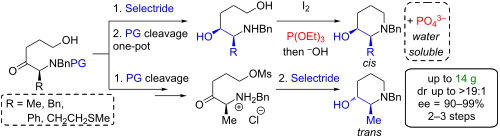
- to provide sufficient substance amounts for clinical tests [41][42]. Additionally, alternatives in reactions driven by the formation of phosphine oxides from phosphines (e.g. the Appel and Mitsunobu reaction) are highly desired to improve atom economy (reduced waste amounts) and to circumvent

Graphical Abstract

Figure 1: Natural products and other bioactive piperidine derivatives of type B.

Figure 2: Retrosynthetic analysis of piperidines B (X = OH or leaving group, PG = protecting group).

Scheme 1: Synthesis of the protected amino acids 2. (a) KOH for 1b. b) PG–X = Cbz–Cl (1a–c), Boc2O (1d).

Scheme 2: Synthesis of hydroxy ketones 7 (R = Me (a), Bn (b), Ph (c) and EtSMe (d); PG = Cbz (a–c), Boc (d)).

Scheme 3: Synthesis of amides 5e and 5f and ketone 7e.

Scheme 4: Synthesis of amino alcohols syn-9a–d and oxazolidinone 10a. (for 7a–c conditions A: H2 (1 atm), Pd/...

Scheme 5: Competition between the Michaelis–Arbuzow process and the desired cyclodehydration of amino alcohol...

Scheme 6: Initial synthesis of the trans-piperidinol 11a in diminished enantiopurity. aThe amino alcohol 9a o...

Scheme 7: Synthesis of trans-piperidinol 11a in excellent ee.

Scheme 8: Synthesis of L-733,060·HCl.
Diversity-oriented synthesis of dihydrobenzoxazepinones by coupling the Ugi multicomponent reaction with a Mitsunobu cyclization
- Lisa Moni,
- Luca Banfi,
- Andrea Basso,
- Alice Brambilla and
- Renata Riva
Beilstein J. Org. Chem. 2014, 10, 209–212, doi:10.3762/bjoc.10.16

- derivatives. Keywords: benzoxazepines; diversity-oriented synthesis; multicomponent reactions; Mitsunobu reaction; Ugi reaction; Introduction Although the classical Ugi 4-component reaction (U-4CR) leads to acyclic peptide-like compounds, post-condensation cyclizations can afford a huge variety of drug-like
- reactions [2], especially the intramolecular Mitsunobu reaction of alcohols with phenols or sulfonamides. By exploiting a single post-MCR transformation (the Mitsunobu reaction) it is possible to obtain several diverse heterocyclic scaffolds by installing the two additional groups in any of the four
- in methanol. Shifting to trifluoroethanol this side reaction was mostly, but not totally, suppressed. Conclusion In conclusion, we have reported a further example of a synthesis of seven-membered heterocycles by coupling the Ugi multicomponent reaction with an intramolecular Mitsunobu reaction. This

Graphical Abstract
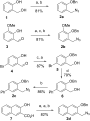
Scheme 1: Synthesis of benzyl azides. a) BnBr, K2CO3, acetone or DMF, rt or 60 °C (for 2d); b) 1) MsCl, Et3N,...

Scheme 2: Synthesis of dihydrobenzoxazepinones 10.
Synthesis of the B-seco limonoid core scaffold
- Hanna Bruss,
- Hannah Schuster,
- Rémi Martinez,
- Markus Kaiser,
- Andrey P. Antonchick and
- Herbert Waldmann
Beilstein J. Org. Chem. 2014, 10, 194–208, doi:10.3762/bjoc.10.15
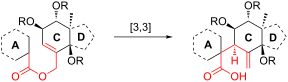
- alcohol 18 and Mitsunobu reaction installed the required stereochemistry at C14. The free C14 hydroxy group was masked with protecting groups (MOM and TIPS) of different size and chemical nature to examine the face-selectivity of the [3,3]-sigmatropic rearrangement. After selective desilylation, alcohols

Graphical Abstract

Figure 1: Structures of the 4,4,8-trimethyl-17-furanylsteroid core structure I and the representative B-seco ...

Scheme 1: Retrosynthetic analysis of the B-seco limonoid framework employing a [3,3]-sigmatropic rearrangemen...

Scheme 2: Retrosynthetic analysis of the B-seco limonoid scaffold employing a Claisen rearrangement as key st...

Scheme 3: Synthesis of alcohols 19, 20 and 22. Reagents and conditions: a) CSA, 2,3-butanedione, trimethyl or...

Scheme 4: Retrosynthetic analysis of the B-seco limonoid scaffold employing an Ireland–Claisen rearrangement ...

Scheme 5: Synthesis and Ireland–Claisen rearrangement of the allyl esters 27, 28, 29 and 30. Reagents and con...

Figure 2: Conformation of rearrangement precursor 30 and possible transition state involved in the Ireland–Cl...

Scheme 6: Synthesis of model C rings 40, 41 and 42. Reagents and conditions: a) TBDPSCl, DMAP, NEt3, CH2Cl2, ...

Scheme 7: β-Substituted allyl esters tested in the Ireland–Claisen and the Carroll rearrangement.

Scheme 8: Synthesis and Ireland–Claisen rearrangement of bicyclic allyl ester precursor 66. Reagents and cond...
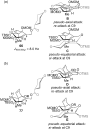
Figure 3: Conformations of rearrangement precursors 66 and 77 and possible transition states involved in the ...

Scheme 9: Synthesis and Ireland–Claisen rearrangement of allyl ester 70. Reagents and conditions: a) DIPEA, M...

Scheme 10: Synthesis and Ireland–Claisen rearrangement of allyl ester 72. Reagents and conditions: a) TIPSOTf,...

Scheme 11: Synthesis of the C14-epi and C14/C9-epi B-seco limonoid scaffolds 78 and 79. Reagents and condition...

Scheme 12: Synthesis of fully functionalized A ring 87. Reagents and conditions: a) HO(CH2)2OH, THF, Pd/C, H2,...

Scheme 13: and Attempted Ireland–Claisen rearrangement of allyl ester 88. R1 = MOM, R2 = CO2H.

Scheme 14: Synthesis and attempted Ireland–Claisen rearrangement of allyl ester 93. Reagents and conditions: a...

Scheme 15: Allyl esters tested in the Ireland–Claisen rearrangement.
Synthesis of five- and six-membered cyclic organic peroxides: Key transformations into peroxide ring-retaining products
- Alexander O. Terent'ev,
- Dmitry A. Borisov,
- Vera A. Vil’ and
- Valery M. Dembitsky
Beilstein J. Org. Chem. 2014, 10, 34–114, doi:10.3762/bjoc.10.6
- -adamantane-2-spiro-3’-8’-[[(1’-methyl-1’H-tetrazol-5’-yl)thio]methyl]-1’,2’,4’-trioxaspiro[4.5]decane 186 through nucleophilic substitution of the mesyl group by the thio group of tetrazole 185 (Scheme 49) [297]. Ozonide 188 was synthesized by Mitsunobu reaction of alcohol 183 with pyridin-4-ol (187) (Scheme

Graphical Abstract

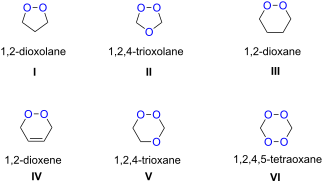
Figure 1: Five and six-membered cyclic peroxides.

Figure 2: Artemisinin and semi-synthetic derivatives.

Scheme 1: Synthesis of 3-hydroxy-1,2-dioxolanes 3a–c.

Scheme 2: Synthesis of dioxolane 6.

Scheme 3: Photooxygenation of oxazolidines 7a–d with formation of spiro-fused oxazolidine-containing dioxolan...

Scheme 4: Oxidation of cyclopropanes 10a–e and 11a–e with preparation of 1,2-dioxolanes 12a–e.

Scheme 5: VO(acac)2-catalyzed oxidation of silylated bicycloalkanols 13a–c.

Scheme 6: Mn(II)-catalyzed oxidation of cyclopropanols 15a–g.

Scheme 7: Oxidation of aminocyclopropanes 20a–c.

Scheme 8: Synthesis of aminodioxolanes 24.
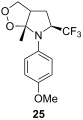
Figure 3: Trifluoromethyl-containing dioxolane 25.

Scheme 9: Synthesis of 1,2-dioxolanes 27a–e by the oxidation of cyclopropanes 26a–e.

Scheme 10: Photoinduced oxidation of methylenecyclopropanes 28.

Scheme 11: Irradiation-mediated oxidation.

Scheme 12: Application of diazene 34 for dioxolane synthesis.

Scheme 13: Mn(OAc)3-catalyzed cooxidation of arylacetylenes 37a–h and acetylacetone with atmospheric oxygen.
Scheme 14: Peroxidation of (2-vinylcyclopropyl)benzene (40).

Scheme 15: Peroxidation of 1,4-dienes 43a,b.

Scheme 16: Peroxidation of 1,5-dienes 46.

Scheme 17: Peroxidation of oxetanes 53a,b.

Scheme 18: Peroxidation of 1,6-diene 56.

Scheme 19: Synthesis of 3-alkoxy-1,2-dioxolanes 62a,b.

Scheme 20: Synthesis of spiro-bis(1,2-dioxolane) 66.

Scheme 21: Synthesis of dispiro-1,2-dioxolanes 68, 70, 71.

Scheme 22: Synthesis of spirohydroperoxydioxolanes 75a,b.

Scheme 23: Synthesis of spirohydroperoxydioxolane 77 and dihydroperoxydioxolane 79.

Scheme 24: Ozonolysis of azepino[4,5-b]indole 80.

Scheme 25: SnCl4-mediated fragmentation of ozonides 84a–l in the presence of allyltrimethylsilane.

Scheme 26: SnCl4-mediated fragmentation of bicyclic ozonide 84m in the presence of allyltrimethylsilane.

Scheme 27: MCl4-mediated fragmentation of alkoxyhydroperoxides 96 in the presence of allyltrimethylsilane.

Scheme 28: SnCl4-catalyzed reaction of monotriethylsilylperoxyacetal 108 with alkene 109.

Scheme 29: SnCl4-catalyzed reaction of triethylsilylperoxyacetals 111 with alkenes.

Scheme 30: Desilylation of tert-butyldimethylsilylperoxy ketones 131a,b followed by cyclization.

Scheme 31: Deprotection of peroxide 133 followed by cyclization.

Scheme 32: Asymmetric peroxidation of methyl vinyl ketones 137a–e.

Scheme 33: Et2NH-catalyzed intramolecular cyclization.

Scheme 34: Synthesis of oxodioxolanes 143a–j.

Scheme 35: Haloperoxidation accompanied by intramolecular ring closure.

Scheme 36: Oxidation of triterpenes 149a–d with Na2Cr2O7/N-hydroxysuccinimide.

Scheme 37: Curtius and Wolff rearrangements to form 1,2-dioxolane ring-retaining products.

Scheme 38: Oxidative desilylation of peroxide 124.

Scheme 39: Synthesis of dioxolane 158, a compound containing the aminoquinoline antimalarial pharmacophore.

Scheme 40: Diastereomers of plakinic acid A, 162a and 162b.

Scheme 41: Ozonolysis of alkenes.

Scheme 42: Cross-ozonolysis of alkenes 166 with carbonyl compounds.

Scheme 43: Ozonolysis of the bicyclic cyclohexenone 168.

Scheme 44: Cross-ozonolysis of enol ethers 172a,b with cyclohexanone.

Scheme 45: Griesbaum co-ozonolysis.

Scheme 46: Reactions of aryloxiranes 177a,b with oxygen.

Scheme 47: Intramolecular formation of 1,2,4-trioxolane 180.

Scheme 48: Formation of 1,2,4-trioxolane 180 by the reaction of 1,5-ketoacetal 181 with H2O2.

Scheme 49: 1,2,4-Trioxolane 186 with tetrazole fragment.

Scheme 50: 1,2,4-Trioxolane 188 with a pyridine fragment.

Scheme 51: 1,2,4-Trioxolane 189 with pyrimidine fragment.

Scheme 52: Synthesis of aminoquinoline-containing 1,2,4-trioxalane 191.

Scheme 53: Synthesis of arterolane.

Scheme 54: Oxidation of diarylheptadienes 197a–c with singlet oxygen.

Scheme 55: Synthesis of hexacyclinol peroxide 200.

Scheme 56: Oxidation of enone 201 and enenitrile 203 with singlet oxygen.

Scheme 57: Synthesis of 1,2-dioxanes 207 by oxidative coupling of carbonyl compounds 206 and alkenes 205.

Scheme 58: 1,2-Dioxanes 209 synthesis by co-oxidation of 1,5-dienes 208 and thiols.

Scheme 59: Synthesis of bicyclic 1,2-dioxanes 212 with aryl substituents.

Scheme 60: Isayama–Mukaiyama peroxysilylation of 1,5-dienes 213 followed by desilylation under acidic conditio...

Scheme 61: Synthesis of bicycle 218 with an 1,2-dioxane ring.

Scheme 62: Intramolecular cyclization with an oxirane-ring opening.

Scheme 63: Inramolecular cyclization with the oxetane-ring opening.

Scheme 64: Intramolecular cyclization with the attack on a keto group.

Scheme 65: Peroxidation of the carbonyl group in unsaturated ketones 228 followed by cyclization of hydroperox...

Scheme 66: CsOH and Et2NH-catalyzed cyclization.

Scheme 67: Preparation of peroxyplakoric acid methyl ethers A and D.

Scheme 68: Hg(OAc)2 in 1,2-dioxane synthesis.

Scheme 69: Reaction of 1,4-diketones 242 with hydrogen peroxide.

Scheme 70: Inramolecular cyclization with oxetane-ring opening.

Scheme 71: Inramolecular cyclization with MsO fragment substitution.

Scheme 72: Synthesis of 1,2-dioxane 255a, a structurally similar compound to natural peroxyplakoric acids.

Scheme 73: Synthesis of 1,2-dioxanes based on the intramolecular cyclization of hydroperoxides containing C=C ...

Scheme 74: Use of BCIH in the intramolecular cyclization.

Scheme 75: Palladium-catalyzed cyclization of δ-unsaturated hydroperoxides 271a–e.

Scheme 76: Intramolecular cyclization of unsaturated peroxyacetals 273a–d.

Scheme 77: Allyltrimethylsilane in the synthesis of 1,2-dioxanes 276a–d.

Scheme 78: Intramolecular cyclization using the electrophilic center of the peroxycarbenium ion 279.

Scheme 79: Synthesis of bicyclic 1,2-dioxanes.

Scheme 80: Preparation of 1,2-dioxane 286.

Scheme 81: Di(tert-butyl)peroxalate-initiated radical cyclization of unsaturated hydroperoxide 287.

Scheme 82: Oxidation of 1,4-betaines 291a–d.

Scheme 83: Synthesis of aminoquinoline-containing 1,2-dioxane 294.

Scheme 84: Synthesis of the sulfonyl-containing 1,2-dioxane.

Scheme 85: Synthesis of the amido-containing 1,2-dioxane 301.

Scheme 86: Reaction of singlet oxygen with the 1,3-diene system 302.

Scheme 87: Synthesis of (+)-premnalane А and 8-epi-premnalane A.

Scheme 88: Synthesis of the diazo group containing 1,2-dioxenes 309a–e.

Figure 4: Plakortolide Е.

Scheme 89: Synthesis of 6-epiplakortolide Е.

Scheme 90: Application of Bu3SnH for the preparation of tetrahydrofuran-containing bicyclic peroxides 318a,b.

Scheme 91: Application of Bu3SnH for the preparation of lactone-containing bicyclic peroxides 320a–f.

Scheme 92: Dihydroxylation of the double bond in the 1,2-dioxene ring 321 with OsO4.

Scheme 93: Epoxidation of 1,2-dioxenes 324.

Scheme 94: Cyclopropanation of the double bond in endoperoxides 327.

Scheme 95: Preparation of pyridazine-containing bicyclic endoperoxides 334a–c.

Scheme 96: Synthesis of 1,2,4-trioxanes 337 by the hydroperoxidation of unsaturated alcohols 335 with 1O2 and ...

Scheme 97: Synthesis of sulfur-containing 1,2,4-trioxanes 339.

Scheme 98: BF3·Et2O-catalyzed synthesis of the 1,2,4-trioxanes 342a–g.

Scheme 99: Photooxidation of enol ethers or vinyl sulfides 343.

Scheme 100: Synthesis of tricyclic peroxide 346.

Scheme 101: Reaction of endoperoxides 348a,b derived from cyclohexadienes 347a,b with 1,4-cyclohexanedione.

Scheme 102: [4 + 2]-Cycloaddition of singlet oxygen to 2Н-pyrans 350.

Scheme 103: Synthesis of 1,2,4-trioxanes 354 using peroxysilylation stage.

Scheme 104: Epoxide-ring opening in 355 with H2O2 followed by the condensation of hydroxy hydroperoxides 356 wi...

Scheme 105: Peroxidation of unsaturated ketones 358 with the H2O2/CF3COOH/H2SO4 system.

Scheme 106: Synthesis of 1,2,4-trioxanes 362 through Et2NH-catalyzed intramolecular cyclization.

Scheme 107: Reduction of the double bond in tricyclic peroxides 363.

Scheme 108: Horner–Wadsworth–Emmons reaction in the presence of peroxide group.

Scheme 109: Reduction of ester group by LiBH4 in the presence of 1,2,4-trioxane moiety.

Scheme 110: Reductive amination of keto-containing 1,2,4-trioxane 370.

Scheme 111: Reductive amination of keto-containing 1,2,4-trioxane and a Fe-containing moiety.

Scheme 112: Acid-catalyzed reactions of Н2О2 with ketones and aldehydes 374.

Scheme 113: Cyclocondensation of carbonyl compounds 376a–d using Me3SiOOSiMe3/CF3SO3SiMe3.

Scheme 114: Peroxidation of 4-methylcyclohexanone (378).

Scheme 115: Synthesis of symmetrical tetraoxanes 382a,b from aldehydes 381a,b.

Scheme 116: Synthesis of unsymmetrical tetraoxanes using of MeReO3.

Scheme 117: Synthesis of symmetrical tetraoxanes using of MeReO3.

Scheme 118: Synthesis of symmetrical tetraoxanes using of MeReO3.

Scheme 119: MeReO3 in the synthesis of symmetrical tetraoxanes with the use of aldehydes.

Scheme 120: Preparation of unsymmmetrical 1,2,4,5-tetraoxanes with high antimalarial activity.

Scheme 121: Re2O7-Catalyzed synthesis of tetraoxanes 398.

Scheme 122: H2SO4-Catalyzed synthesis of steroidal tetraoxanes 401.

Scheme 123: HBF4-Catalyzed condensation of bishydroperoxide 402 with 1,4-cyclohexanedione.

Scheme 124: BF3·Et2O-Catalyzed reaction of gem-bishydroperoxides 404 with enol ethers 405 and acetals 406.

Scheme 125: HBF4-Catalyzed cyclocondensation of bishydroperoxide 410 with ketones.

Scheme 126: Synthesis of symmetrical and unsymmetrical tetraoxanes 413 from benzaldehydes 412.

Scheme 127: Synthesis of bridged 1,2,4,5-tetraoxanes 415a–l from β-diketones 414a–l and H2O2.

Scheme 128: Dimerization of zwitterions 417.

Scheme 129: Ozonolysis of verbenone 419.

Scheme 130: Ozonolysis of O-methyl oxime 424.

Scheme 131: Peroxidation of 1,1,1-trifluorododecan-2-one 426 with oxone.

Scheme 132: Intramolecular cyclization of dialdehyde 428 with H2O2.

Scheme 133: Tetraoxanes 433–435 as by-products in peroxidation of ketals 430–432.

Scheme 134: Transformation of triperoxide 436 in diperoxide 437.

Scheme 135: Preparation and structural modifications of tetraoxanes.

Scheme 136: Structural modifications of steroidal tetraoxanes.

Scheme 137: Synthesis of 1,2,4,5-tetraoxane 454 containing the fluorescent moiety.

Scheme 138: Synthesis of tetraoxane 458 (RKA182).
The total synthesis of D-chalcose and its C-3 epimer
- Jun Sun,
- Song Fan,
- Zhan Wang,
- Guoning Zhang,
- Kai Bao and
- Weige Zhang
Beilstein J. Org. Chem. 2013, 9, 2620–2624, doi:10.3762/bjoc.9.296
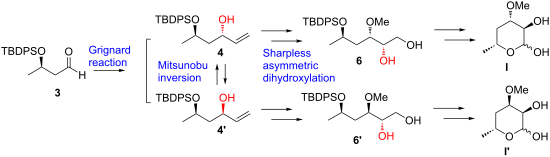
- achieved using a similar route in 24% overall yield. Key epimeric intermediates 4 and 4′ could be interconverted via Mitsunobu reaction, and their absolute configurations were assigned after their transformation into D-chalcose (I) and its C-3 epimer (I′), respectively. Notably, the stereocenter on C3 was

Graphical Abstract

Scheme 1: Retrosynthesis of I and I'. PG = protecting group; protecting groups may vary independently.

Scheme 2: Reagents and conditions: (a) TBDPSCl, DMAP, imidazole, CH2Cl2, rt, 99%; (b) DIBAL-H, CH2Cl2, −78 °C...

Scheme 3: Reagents and conditions: (a) MeI, t-BuOK,THF, rt, 96%; (b) AD-mix-β, t-BuOH/H2O, 0 °C, 80%; (c) TEM...

Scheme 4: Reagents and conditions: (a) PhCH(OCH3)2, PPTS, CH2Cl2, rt; (b) DIBAL-H, CH2Cl2, 0 °C, 76% in two s...

Scheme 5: Reagents and conditions: (a) TBSOTf, 2,6-lutidine, CH2Cl2, rt, 90%; (b) CSA, MeOH, 0 °C, 59%. TBS = ...

Scheme 6: Reagents and conditions: (a) Dess–Martin periodinane, CH2Cl2, rt, 86%; (b) TBAF, THF, 0 °C, 84%; (c...

Scheme 7: Reagents and conditions: (a) MeI, t-BuOK,THF, rt, 96%; (b) AD-mix-β, t-BuOH/H2O, 0 °C, 82%; (c) TBS...
Synthesis of enantiomerically pure N-(2,3-dihydroxypropyl)arylamides via oxidative esterification
- Akula Raghunadh,
- Satish S More,
- T. Krishna Chaitanya,
- Yadla Sateesh Kumar,
- Suresh Babu Meruva,
- L. Vaikunta Rao and
- U. K. Syam Kumar
Beilstein J. Org. Chem. 2013, 9, 2129–2136, doi:10.3762/bjoc.9.250

- . The phthalimido-protected chiral hydroxypropyl benzoate 5a could be synthesized by the reaction of nitrogen heterocyclic carbene, benzaldehyde and phthalimido-epoxide 4a. Phthalimido-epoxide 4a was synthesized by treating (S)-glycidol (3) with phthalimide (2) under Mitsunobu reaction conditions
- (Scheme 2). The Mitsunobu reaction yielded the product (S)-2-(oxiran-2-ylmethyl)isoindoline-1,3-dione (4a) [23][24][25][26][27] in 80% yield and in 99% ee. Then 4a was converted to hydroxypropyl benzoate 5a [28][29][30][31][32] by NHC-mediated oxidative esterification of aryl aldehydes (7a–f) [33][34][35

Graphical Abstract

Scheme 1: Retro synthetic approach for the construction of N-(2,3-dihydroxypropyl)arylamides.

Scheme 2: Synthesis of phthalimido-protected chiral hydroxypropyl benzoate.

Scheme 3: Proposed mechanism of epoxide opening.

Scheme 4: Reagents and conditions: (a) Methylamine, DCM, 30–35 °C, 94%.
Amyloid-β probes: Review of structure–activity and brain-kinetics relationships
- Todd J. Eckroat,
- Abdelrahman S. Mayhoub and
- Sylvie Garneau-Tsodikova
Beilstein J. Org. Chem. 2013, 9, 1012–1044, doi:10.3762/bjoc.9.116
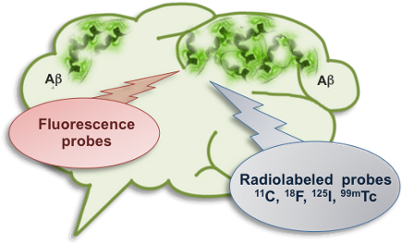
- installation of a trifluoroacetamide and O-demethylation gave the intermediate 118 used in a Mitsunobu reaction with 2-hydroxyethyl tosylate (119). Amine deprotection to 120 and installation of the [18F] label gave the target compound 98. Both 97 and 98 showed good affinity for Aβ1-42 aggregates (Ki = 4.5 nM

Graphical Abstract
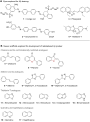
Figure 1: Structures of A. dyes originally used to stain Aβ and B. newer scaffolds explored for the developme...

Scheme 1: General synthetic strategies (Gs) used to introduce A. 18F, B. 11C, C. 99mTc/Re, and D. 123I and 125...

Scheme 2: A. Structures of radiolabeled chalcone analogues discussed. B.–D. Synthetic schemes for the prepara...

Scheme 3: A. Structures of the radiolabeled flavone and aurone analogues discussed. B. Synthetic scheme for t...

Scheme 4: A. Structures of the radiolabeled stilbene analogues discussed. B. Synthetic scheme for the prepara...

Scheme 5: A. Structures of the diphenyl-1,3,4- and diphenyl-1,2,4-oxadiazoles discussed. B.,C. Synthetic sche...

Figure 2: Structures of the radiolabeled benzothiazole analogues discussed.

Scheme 6: A.–F. Synthetic schemes for the preparation of [11C]56b, [11C]56c, 57, 58a,b, 61, and [18F]65a–d.
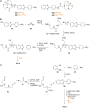
Scheme 7: A. Structures of the [Re]- and [99mTc]-labeled benzothiazole analogues discussed. B.,C. Synthetic s...

Figure 3: Structures of the radiolabeled benzoxazole analogues discussed.
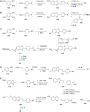
Scheme 8: A.–E. Synthetic schemes for the preparation of 94, [123I]95e, 96–98.

Figure 4: Structures of the radiolabeled benzofuran analogues discussed.
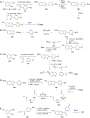
Scheme 9: A.–E. Synthetic schemes for the preparation of 121, [125I]122a, 123a,b, 125a,b, and 126.

Scheme 10: A. Structures of the radiolabeled imidazopyridine analogues discussed. B. Synthetic scheme for the ...

Scheme 11: Synthetic scheme for the preparation of the benzimidazole 146.

Figure 5: Structures of the quinolines discussed.

Scheme 12: Synthetic scheme for the preparation of the naphthalene analogues 152 and 160a,b.

Scheme 13: A. Structures of the radiolabeled analogues resulting from the combination of various scaffolds. B.,...
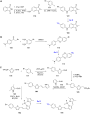
Scheme 14: A.–C. Synthetic schemes for the preparation of radiolabeled probes with unique scaffolds.

Scheme 15: A. Structures of the oxazine-derived fluorescence probes discussed. B. Synthetic scheme for the pre...

Figure 6: Structure of THK-265 (190).

Scheme 16: Synthetic scheme for the preparation of quinoxaline analogue 191.
Asymmetric synthesis of host-directed inhibitors of myxoviruses
- Terry W. Moore,
- Kasinath Sana,
- Dan Yan,
- Pahk Thepchatri,
- John M. Ndungu,
- Manohar T. Saindane,
- Mark A. Lockwood,
- Michael G. Natchus,
- Dennis C. Liotta,
- Richard K. Plemper,
- James P. Snyder and
- Aiming Sun
Beilstein J. Org. Chem. 2013, 9, 197–203, doi:10.3762/bjoc.9.23
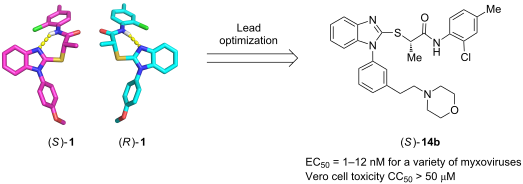
- excess (>98% ee), we utilized the Mitsunobu reaction of 2-mercaptobenzimidazoles with an amide obtained from (L)-lactic acid (17). Using one equivalent each of 2-mercaptobenzimidazole and α-hydroxyamide 13 (prepared from thionyl chloride-mediated coupling of (L)-lactic acid (17) and 2-chloro-4

Graphical Abstract

Figure 1: Structure of first-generation lead compound 1.

Scheme 1: Synthesis of anilino nitrobenzene 7a.

Scheme 2: Preparation of morpholinyl-o-nitroanilines.

Scheme 3: Asymmetric synthesis of (R)- and (S)-isomers by using two different approaches.

Scheme 4: Preparation of chiral propionamides by HATU-mediated coupling (a) or thionyl chloride-mediated coup...

Figure 2: Renderings of crystal structures of (S)- (left, magenta) and (R)- (right, cyan) enantiomers of 1.

Figure 3: L-Tartaric acid salt (18f-tartrate) and benzenesulfonic acid salt (18f-benzenesulfonate) of 18f.
Iridium-catalyzed intramolecular [4 + 2] cycloadditions of alkynyl halides
- Andrew Tigchelaar and
- William Tam
Beilstein J. Org. Chem. 2012, 8, 1765–1770, doi:10.3762/bjoc.8.201
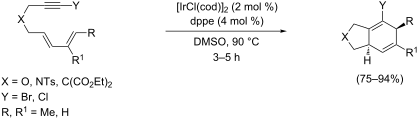
- ). Deprotonation of 8 with sodium hydride, followed by trapping with propargyl bromide provided 9 in 60% yield, and a Mitsunobu reaction between 8 and sulfonamide 10 (prepared as per reference [47]) provided 11 in 74% yield. Bromination of 9 and 11 provided diene-tethered alkynyl halides 1c (57%) and 1e (83

Graphical Abstract

Scheme 1: Literature examples of intramolecular TMC [4 + 2] cycloadditions of diene-tethered alkynes.

Scheme 2: Reaction pathways of alkynyl halides in transition-metal-catalyzed reactions.

Scheme 3: Synthesis of diene-tethered alkynyl halides 1c and 1e.

Scheme 4: Synthesis of diene-tethered alkynyl halide 1g.

Scheme 5: Unsuccessful cycloaddition attempts with substrates with a 4-atom tether.
Exploring chemical diversity via a modular reaction pairing strategy
- Joanna K. Loh,
- Sun Young Yoon,
- Thiwanka B. Samarakoon,
- Alan Rolfe,
- Patrick Porubsky,
- Benjamin Neuenswander,
- Gerald H. Lushington and
- Paul R. Hanson
Beilstein J. Org. Chem. 2012, 8, 1293–1302, doi:10.3762/bjoc.8.147
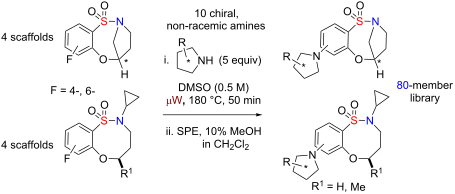
- nucleophilic aromatic substitution (SNAr) diversification pathway is reported. Eight benzofused sultam cores were generated by means of a sulfonylation/SNAr/Mitsunobu reaction pairing protocol, and subsequently diversified by intermolecular SNAr with ten chiral, non-racemic amine/amino alcohol building blocks

Graphical Abstract

Figure 1: Biologically active benzofused sultams.

Scheme 1: Proposed library generation by microwave-assisted intermolecular SNAr diversification reaction.

Scheme 2: Utilization of a reaction pairing strategy for the synthesis of benzoxathiazocine 1,1-dioxides core...

Figure 2: Benzoxathiazocine 1,1-dioxides 1–8 and amine library building blocks {1–10}.

Figure 3: (i) Simple cartoon of the library compounds, with a core of MW ~ 80, based on Lipinski’s rules (MW ...

Figure 4: Distribution of 80 compounds (colored spheres) relative to the set of 771 known orally available dr...

Figure 5: Comparison of a small set of our representative compounds versus two sultams synthesized by our gro...

Figure 6: Three representative compounds with high QED values.

Figure 7: Representation of Z-scores for the 80 compounds.
Combined bead polymerization and Cinchona organocatalyst immobilization by thiol–ene addition
- Kim A. Fredriksen,
- Tor E. Kristensen and
- Tore Hansen
Beilstein J. Org. Chem. 2012, 8, 1126–1133, doi:10.3762/bjoc.8.125
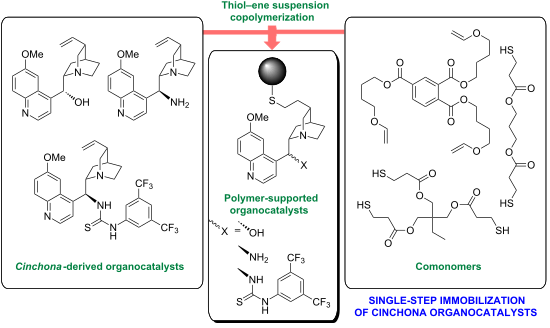
- organocatalyst 2 was prepared from quinine, via the azide, in a two-step sequence by using the Bose–Mitsunobu reaction followed by Staudinger reduction, as described by others [15]. Thiourea Cinchona organocatalyst 3 was easily obtained from catalyst 2 by reaction with the appropriate aromatic isothiocyanate [15

Graphical Abstract

Figure 1: Thiol, alkene and organocatalyst building blocks for combined bead polymerization and Cinchona orga...

Scheme 1: Combined bead polymerization and Cinchona organocatalyst immobilization by thiol–ene addition.
Two-directional synthesis as a tool for diversity-oriented synthesis: Synthesis of alkaloid scaffolds
- Kieron M. G. O’Connell,
- Monica Díaz-Gavilán,
- Warren R. J. D. Galloway and
- David R. Spring
Beilstein J. Org. Chem. 2012, 8, 850–860, doi:10.3762/bjoc.8.95
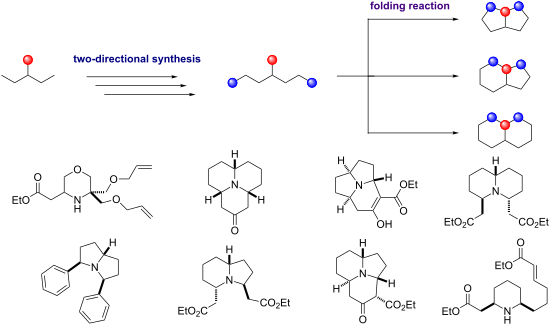
- intramolecular conjugate addition. Three of these compounds (1–3) were obtained from the corresponding alcohols [19][20] in three steps: Mitsunobu reaction with NH-Boc-tosylate, followed by tosyl deprotection with magnesium, and finally two-directional cross metathesis with ethyl acrylate to install the desired

Graphical Abstract

Figure 1: Overview of the DOS strategy.

Scheme 1: Synthesis of linear cyclisation precursors 1–4.

Scheme 2: AlCl3 catalysed tandem Boc-removal/bicyclisation processes; the yields quoted refer to the isolated...

Scheme 3: (a) AlCl3 catalysed formation of tricyclic alkaloid 10 along with an X-ray crystal structure of 10;...

Scheme 4: (a) Optimal conditions to obtain trans-8 and 10 and the control experiments carried out to probe th...

Scheme 5: DOS of 5-5-6 and 5-6-6 tricyclic alkaloids 13 and 14.
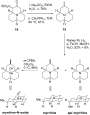
Scheme 6: Total synthesis of myrrhine, epi-myrrhine and myrrhine-N-oxide.

Scheme 7: Use of nitromethane in DOS: Synthesis of meso-diphenylpyrrolidizine 17.
Scheme 8: Use of Tris as a substrate for DOS: Synthesis of decorated morpholines 22 and 23.
Synthesis of (−)-julocrotine and a diversity oriented Ugi-approach to analogues and probes
- Ricardo A. W. Neves Filho,
- Bernhard Westermann and
- Ludger A. Wessjohann
Beilstein J. Org. Chem. 2011, 7, 1504–1507, doi:10.3762/bjoc.7.175
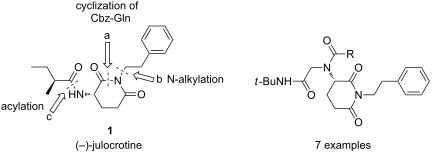
- heterocyclic precursor as an amino input in Ugi four-component reactions (Ugi-4CR) [1]. Keywords: diversity oriented synthesis; julocrotine; leishmania; Mitsunobu reaction; Ugi reaction; Introduction Julocrotine (1) is a natural glutarimide alkaloid isolated from several plants of the genus Croton [2][3][4
- chiral center of 4 can be observed even in the presence of weak bases such as potassium carbonate [17]. Thus, we decided to use a base-free N-alkylation protocol, namely the Mitsunobu reaction of 3 and the readily available 2-phenylethanol [18]. This protocol gave the desired optically active product in

Graphical Abstract

Figure 1: Retrosynthetic scheme for (−)-julocrotine (1).

Scheme 1: Reactions and conditions: (a) DCC, NHS, DMF 80 °C, 18 h, 76%. (b) Ph(CH2)2Br, K2CO3, acetone, r.t.,...
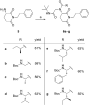
Scheme 2: Reactions and conditions: (a) (CH2O)n, MeOH, r.t., 2 h then, RCOOH and t-BuNC, r.t., 18 h.

Scheme 3: Reactions and conditions: (a) (CH2O)n, MeOH, r.t., 2 h then, (S)-2-methylbutanoic acid and 7, r.t. ...
Amine-linked diglycosides: Synthesis facilitated by the enhanced reactivity of allylic electrophiles, and glycosidase inhibition assays
- Ian Cumpstey,
- Jens Frigell,
- Elias Pershagen,
- Tashfeen Akhtar,
- Elena Moreno-Clavijo,
- Inmaculada Robina,
- Dominic S. Alonzi and
- Terry D. Butters
Beilstein J. Org. Chem. 2011, 7, 1115–1123, doi:10.3762/bjoc.7.128
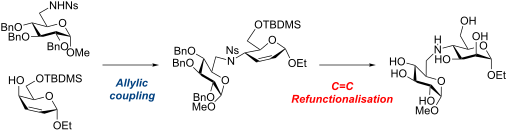
- secondary alcohols [24]. Some examples of successful reactions do exist, though, for oxygen, nitrogen and sulfur nucleophiles [25][26][27][28]. Unsaturated carbohydrates, similar to those described here, have also been reported to undergo Mitsunobu reaction with simple, non-carbohydrate nucleophiles [29][30

Graphical Abstract

Scheme 1: The concept of using allylic reactivity enhancement to facilitate diglycoside synthesis.

Scheme 2: (i) Phosphomolybdic acid, EtOH, MeCN, 0 °C→RT, 63%; (ii) a) NaOMe, MeOH, 87%; b) TBDMSCl, imidazole...
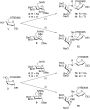
Scheme 3: (i) DIAD, PPh3, THF, 0 °C→RT; 10, 91%; 11, 88%; 12, 76%; 13, 91%; 14, 91%; 15, 71%.

Scheme 4: (i) K2OsO4, NMO, acetone, H2O; 16, 88%; 17, 73%; (ii) Ac2O, py, 83%; (iii) MeOH, HCl (1 M aq.); 19,...

Scheme 5: (i) Cl3CCN, DBU, CH2Cl2, 99%; (ii) TMPP, Pd(dba)2, 5, Et3N, MeCN, 24, 44%; 25, 15%; 26, 5%; 27, 6%.

Figure 1: Previously synthesised amine-linked diglycosides.
Long-range diastereoselectivity in Ugi reactions of 2-substituted dihydrobenzoxazepines
- Luca Banfi,
- Andrea Basso,
- Valentina Cerulli,
- Valeria Rocca and
- Renata Riva
Beilstein J. Org. Chem. 2011, 7, 976–979, doi:10.3762/bjoc.7.109
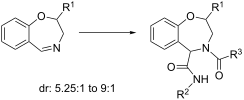
- condensation of 1 with racemic alcohols 2a,b through a Mitsunobu reaction. The moderate yields are due to the consumption of alcohols 2, which undergo side-reactions, resulting in incomplete transformation of 1, even when using 1.3–1.5 equiv of 2. The use of a larger excess of 2 would probably increase the
- noting that the Mitsunobu reaction is not effective on unprotected salicylaldehyde. 2,3-Dihydrobenzo[f][1,4]oxazepines similar to 5a,b have been previously prepared, but through less general routes [22][23][24]. Compounds 5a,b were reacted with a series of isocyanides and carboxylic acids to give, in

Graphical Abstract

Scheme 1: a) TBAD [(t-BuO2C−N=)2], PPh3, THF, −15 °C → rt, 49% (3a), 62% (3b); b) LiAlH4, Et2O–THF, 0 °C, 90%...

Figure 1: Model of the expected preferred conformation of imine 5a, as minimized using CSC Chem3D (MOPAC-PM3)....

Scheme 2: Possible explanation of diastereoselectivity in Ugi reactions of imines 5.
Asymmetric synthesis of tertiary thiols and thioethers
- Jonathan Clayden and
- Paul MacLellan
Beilstein J. Org. Chem. 2011, 7, 582–595, doi:10.3762/bjoc.7.68
- regioselective invertive epoxide opening. 1.1.3 Mitsunobu reactions The Mitsunobu reaction offers an operationally straightforward method for activating simple alcohols to invertive substitution, and it is widely used for constructing new stereodefined carbon–heteroatom bonds [24][25]. The Mitsunobu reaction
- proceeds by reaction of a phosphine and DIAD or DEAD with an alcohol 23 to form an O-phosphinite leaving group (Scheme 9). SN2 substitution to yield 24 is accompanied by formation of a phosphine oxide. There are many examples of the use of sulfur nucleophiles in the Mitsunobu reaction [25][26][27]: The
- successful synthesis of the revised structure matched the published data for the natural compound [32]. A modification of the Mitsunobu reaction, that does allow the formation of sulfur-substituted tertiary carbon atoms with inversion of stereochemistry, was reported by Mukaiyama and co-workers [33][34]. The

Graphical Abstract

Figure 1: Seven out of the ten top selling drugs in the USA in 2009 contain sulfur. Figures in italics are to...

Figure 2: Naturally occurring organosulfur compounds glutathione and (R)-thioterpineol.

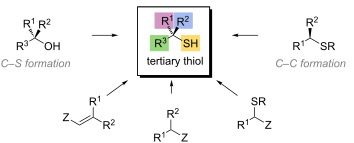
Figure 3: Methods for the synthesis of chiral tertiary thiol 1.

Scheme 1: Preparation of thioethers 4 from α-hydroxy esters.

Scheme 2: Nucleophilic substitution in α-aryl-α-hydroxy esters.

Scheme 3: Preparation of α,α-dialkylthioethers.

Scheme 4: Preparation of α-cyanothioacetate 12.

Scheme 5: Synthesis of (R)-(+)-spirobrassinin.

Scheme 6: Opening of cyclic sulfamidates with thiol nucleophiles.

Scheme 7: Synthesis of androgen 20.

Scheme 8: Synthesis of (+)-BE-52440A.

Scheme 9: The Mitsunobu reaction.

Scheme 10: Mitsunobu substitution at a quaternary centre.
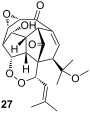
Figure 4: Initially assigned structure of hexacyclinol.

Scheme 11: Preparation of thioether 29.

Scheme 12: Thioethers 33 prepared from phosphinites 31.

Scheme 13: Preparation of enantiomerically pure thiol 39.

Scheme 14: Thioethers prepared by a modified Mitsunobu reaction.

Scheme 15: Nucleophilic conjugate addition.

Scheme 16: Asymmetric addition to cyclic enones.

Scheme 17: Preparation of thioether 45.

Scheme 18: Catalytic kinetic resolution of the enantiomers of enone 46.
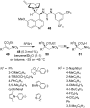
Scheme 19: Organocatalytic conjugate addition to nitroalkenes 49.

Scheme 20: Preparation of β-amino acid 54.

Scheme 21: Sulfur migration within oxazolidine-2-thiones 56.
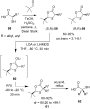
Scheme 22: Preparation of thiols 62 by self-regeneration of stereocentres.

Scheme 23: Synthesis of (5R)-thiolactomycin.

Scheme 24: Preparation of tertiary thiols and thioethers via α-thioorganolithiums.

Scheme 25: Diastereoselective methylation of organolithium 71.

Scheme 26: Addition to lithiated thiocarbamate 75.

Scheme 27: Configurational lability in unhindered α-lithiothiocarbamates.

Scheme 28: Configurational stability in bulky α-lithiothiocarbamates.

Scheme 29: Asymmetric functionalisation of secondary benzylic thiocarbamates.

Scheme 30: Methylation of lithioallyl thiocarbamates.

Scheme 31: Asymmetric preparation of tertiary allylic thiols.
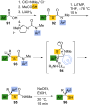
Scheme 32: Asymmetric preparation of thiols 96 by aryl migration in lithiated thiocarbamates.
Carbasugar analogues of galactofuranosides: α-O-linked derivatives
- Jens Frigell and
- Ian Cumpstey
Beilstein J. Org. Chem. 2010, 6, 1127–1131, doi:10.3762/bjoc.6.129

- , our best results were obtained using an oxidation–reduction approach. Attempted SN2 reactions (Mitsunobu reaction or sulfonate displacement) gave inferior results. Hence the C2 alcohols 8 and 11 were oxidised under Swern conditions to give the ketones 15 and 16. Reduction of ketone group in ethyl

Graphical Abstract

Figure 1: Structures of carbapyranose and carbafuranose 1,2-epoxides.

Scheme 1: (i) Bu2SnO, MeOH, 70 °C; (ii) BzCl, toluene, 82%; (iii) TsCl, py, 50 °C, 86%; (iv) NaOMe, MeOH, 81%....

Scheme 2: (i) ROH, BF3.OEt2, CH2Cl2, RT; 8, 90%; 11, 57%; (ii) Ac2O, py; 9, >99%; 12, 91%; (iii) (COCl)2, DMS...

Figure 2: a) Structures of 13 and 14; b) observed NOEs consistent with structure 14; c) observed NOEs inconsi...
Mitomycins syntheses: a recent update
- Jean-Christophe Andrez
Beilstein J. Org. Chem. 2009, 5, No. 33, doi:10.3762/bjoc.5.33
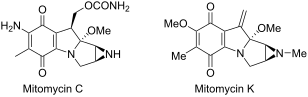
- sequence using dihydroxylation with osmium tetroxide, mesylation and displacement with azide was used to produce leucoaziridinomitosane 45, whose spectral data matched those of an authentic sample derived from natural mitomycin C. 3.3. Williams. Mitsunobu reaction R.M. Williams successfully used this
- D-ribose 193. Treatment of D-ribose in acetone with allylic alcohol in presence of catalytic amount of sulfuric acid provided the corresponding protected acetonide allyl glycoside. The primary alcohol was transformed into a N-Boc amine by successive Mitsunobu reaction, reduction and acylation to

Graphical Abstract

Scheme 1: Aziridine containing natural products.

Scheme 2: Mitomycin structures and nomenclature.

Scheme 3: Base catalysed epimerization of mitomycin B.

Scheme 4: Biosynthesis of mitomycin C (MMC) 7.

Scheme 5: Mode of action of mitomycin C.

Scheme 6: The N–C3–C9a disconnection.

Scheme 7: Danishefsky’s Retrosynthesis of mitomycin K.

Scheme 8: Hetero Diels–Alder reaction en route to mitomycins.

Scheme 9: Nitroso Diels–Alder cycloaddition.

Scheme 10: Frank azide cycloadddition.

Scheme 11: Final steps of mitomycin K synthesis. aPDC, DCM; bPhSCH2N3, PhH, 80 °C; cL-selectride, THF, −78 °C; ...

Scheme 12: Naruta–Maruyama retrosynthesis.

Scheme 13: Synthesis of a leucoaziridinomitosane by nitrene cycloaddition. aAlCl3-Et2O; bNaH, ClCH2OMe; cn-BuL...

Scheme 14: Thermal decomposition of azidoquinone 51.

Scheme 15: Diastereoselectivity during the cycloaddition.

Scheme 16: Oxidation with iodo-azide.

Scheme 17: Williams’ approach towards mitomycins.aDEIPSCl, Imidazole, DCM; bPd/C, HCO2NH4, MeOH; cAllocCl, NaH...

Scheme 18: Synthesis of pyrrolidones by homoconjugate addition.
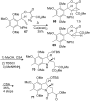
Scheme 19: Homoconjugate addition on the fully functionalized substrate.

Scheme 20: Introduction of the olefin.

Scheme 21: Retrosynthesis of N–C9a, N–C3 bond formation.

Scheme 22: Synthesis of the pyrrolo[1,2]indole 82 using N-PSP activation.aAc2O, Py; bAc2O, Hg(OAc)2, AcOH, 90%...

Scheme 23: Synthesis of an aziridinomitosane. am-CPBA, DCM then iPr2NH, CCl4 reflux; bK2CO3, MeOH; cBnBr, KH; d...

Scheme 24: Oxidation products of a leucoaziridinomitosane obtained from a Polonovski oxidation.

Scheme 25: Polonovski oxidation of an aziridinomitosane. am-CPBA; bPd/C, H2; cDimethoxypropane, PPTS.

Scheme 26: The C1–C9a disconnection.

Scheme 27: Ziegler synthesis of desmethoxymitomycin A.aIm2C=O, THF; bNH3; cTMSOTf, 2,6-di-tert-butylpyridine, ...

Scheme 28: Transformation of sodium erythorbate.aTBDMSCl; bNaN3; cPPh3; d(Boc)2O, DMAP; eTBAF; fTf2O, Pyr.

Scheme 29: Formation of C9,C10-unsaturation in the mitomycins. am-CPBA, DCM; bO3, MeOH; cMe2S; dKHMDS, (EtO)3P...

Scheme 30: Fragmentation mechanism.

Scheme 31: Michael addition-cyclisation.

Scheme 32: SmI2 8-endo-dig cyclisation.

Scheme 33: Synthesis of pyrrolo[1,2-a]indole by 5-exo-dig radical cyclization.

Scheme 34: The C9–C9a disconnection.

Scheme 35: Intramolecular nitrile oxide cycloaddition.

Scheme 36: Regioselectivity of the INOC.

Scheme 37: Fukuyama’s INOC strategy.

Scheme 38: Synthesis of a mitosane core by rearrangement of a 1-(1-pyrrolidinyl)-1,3-butadiene.

Scheme 39: Sulikowski synthesis of an aziridinomitosene. aPd(Tol3P)2Cl2, Bu3SnF, 140; bH2, Pd/C; cTFAA, Et3N; d...

Scheme 40: Enantioselective carbene insertion.

Scheme 41: Parson’s radical cyclization.

Scheme 42: Cha’s mitomycin B core synthesis.

Scheme 43: The N-aromatic disconnection.

Scheme 44: Kishi retrosynthesis.

Scheme 45: Kishi synthesis of a starting material. aallyl bromide, K2CO3, acetone, reflux; bN,N-Dimethylanilin...
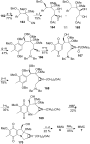
Scheme 46: Kishi synthesis of MMC 7. aLDA, THF, −78 °C then PhSeBr, THF, −78 °C; bH2O2, THF-EtOAc; cDIBAL, DCM...

Scheme 47: Acid catalyzed degradation of MMC 7.

Scheme 48: In vivo formation of apomitomycin B.

Scheme 49: Advanced intermediate for apomitomycin B synthesis.

Scheme 50: Remers synthesis of a functionalized mitosene. aTMSCl, Et3N, ZnCl2 then NBS; bAcOK; cNH2OH; dPd/C, H...

Scheme 51: Coleman synthesis of desmethoxymitomycin A. aSnCl2, PhSH, Et3N, CH3CN; bClCO2Bn, Et3N; cPPh3, DIAD,...

Scheme 52: Transition state and pyrrolidine synthesis.

Scheme 53: Air oxidation of mitosanes and aziridinomitosanes.

Scheme 54: The C9-aromatic disconnection.

Scheme 55: Synthesis of the aziridine precursor. aLHMDS, THF; bNaOH; c(s)-α-Me-BnNH2, DCC, HOBT; dDIBAL; eK2CO3...

Scheme 56: Synthesis of 206 via enamine conjugate addition.

Scheme 57: Rapoport synthesis of an aziridinomitosene.

Scheme 58: One pot synthesis of a mitomycin analog.

Scheme 59: Synthesis of compound 218 via intramolecular Heck coupling. aEtMgCl, THF, then 220; bMsCl, Et3N; cN...

Scheme 60: Elaboration of indole 223. aEt3N, Ac2O; bAcOH; cSOCl2, Et3N; dNaN3, DMF; eH2SO4, THF; fK2CO3, MeOH; ...

Scheme 61: C9-C9a functionalization from indole.

Scheme 62: Synthesis of mitomycin K. a2 equiv. MoO5.HMPA, MeOH; bPPh3, Et3N, THF-H2O; cMeOTf, Py, DCM; dMe3SiCH...

Scheme 63: Configurational stability of mitomycin K derivatives.

Scheme 64: Epimerization of carbon C9a in compound 227b.

Scheme 65: Corey–Chaykovsky synthesis of indol 235.

Scheme 66: Cory intramolecular aza-Darzens reaction for the formation of aziridinomitosene 239.

Scheme 67: Jimenez synthesis of aziridinomitosene 242.

Scheme 68: Von Braun opening of indoline 244.

Scheme 69: C9a oxidation of an aziridinomitosane with DDQ/OsO4.

Scheme 70: Synthesis of epi-mitomycin K. aNaH, Me2SO4; bH2, Pd/C; cMitscher reagent [165]; d[(trimethylsilyl)methyl...

Scheme 71: Mitomycins rearrangement.

Scheme 72: Fukuyama’s retrosynthesis.

Scheme 73: [2+3] Cycloaddition en route to isomitomycin A. aToluene, 110 °C; bDIBAL, THF, −78 °C; cAc2O, Py.; d...

Scheme 74: Final steps of Fukuyama’s synthesis.

Scheme 75: “Crisscross annulation”.

Scheme 76: Synthesis of 274; the 8-membered ring 274 was made using a crisscross annulation. a20% Pd(OH)2/C, H2...

Scheme 77: Conformational analysis of compound 273 and 275.

Scheme 78: Synthesis of a mitomycin analog. aNa2S2O4, H2O, DCM; bBnBr (10 equiv), K2CO3, 18-crown-6 (cat.), TH...

Scheme 79: Vedejs retrosynthesis.

Scheme 80: Formation of the azomethine ylide.

Scheme 81: Vedejs second synthesis of an aziridinomitosene. aDIBAL; bTPAP, NMO; c287; dTBSCl, imidazole.

Scheme 82: Trityl deprotection and new aziridine protecting group 300.

Scheme 83: Ene reaction towards benzazocinones.

Scheme 84: Benzazocenols via homo-Brook rearrangement.

Scheme 85: Pt-catalyzed [3+2] cycloaddition.

Scheme 86: Carbonylative lactamization entry to benzazocenols. aZn(OTf)2, (+)-N-methylephedrine, Et3N, TMS-ace...

Scheme 87: 8 membered ring formation by RCM. aBOC2O, NaHCO3; bTBSCl, Imidazole, DMF; callyl bromide, NaH, DMF; ...

Scheme 88: Aziridinomitosene synthesis. aTMSN3; bTFA; cPOCl3, DMF; dNaClO2, NaH2PO4, 2-methyl-2-butene; eMeI, ...

Scheme 89: Metathesis from an indole.

Scheme 90: Synthesis of early biosynthetic intermediates of mitomycins.
Synthesis and enzymatic evaluation of 2- and 4-aminothiazole- based inhibitors of neuronal nitric oxide synthase
- Graham R. Lawton,
- Haitao Ji,
- Pavel Martásek,
- Linda J. Roman and
- Richard B. Silverman
Beilstein J. Org. Chem. 2009, 5, No. 28, doi:10.3762/bjoc.5.28

- diastereomers was formed, but both were oxidized to α-bromoketone 12. Condensation with thiourea gave the 2-aminothiazole (13). Diprotection of the amine with Boc groups and deprotection of the TBS ether gave trans-alcohol 15. A Mitsunobu reaction was used to install a nitrogen atom in the form of a phthalimide
- does not need to be diprotected to allow the Mitsunobu reaction with phthalimide as the nucleophile to proceed (28a-c). This is presumably because the thiazole nitrogen is less nucleophilic. Cleavage of the phthalimide group gave amines 29a-c. The syntheses of 4a-c were completed by reductive amination

Graphical Abstract

Figure 1: Lead compounds 1 and 2; 2- and 4-aminothiazole analogs 3 and 4a-c.

Figure 2: A: The docking conformation of 3 in the active site of rat nNOS; B: The docking conformation of 4b ...

Scheme 1: Attempts to open epoxide 5 with deprotonated aminothiazoles. i) n-BuLi, 2 equiv, THF, −78 °C; ii) 5...

Scheme 2: Assembly of 2-aminothiazole fragment. i) AllylMgBr, ether, 0 °C, 15 min.; ii) TBSCl, imidazole, DMF...

Scheme 3: Synthesis of compound 3. i) 4-chlorobenzylchloride, EtOH, reflux, 4 h; ii) Boc2O, TEA, MeOH, 3 h; i...

Scheme 4: Assembly of the 4-aminothiazole fragments. i) LiCH2CN, THF, 0 °C, 4 h; ii) (NH4)2S (aq), MeOH, 16 h...

Scheme 5: Synthesis of inhibitor 4a-c. The 4-aminothiazoles were not stable in water undergoing tautomerizati...
Recent progress on the total synthesis of acetogenins from Annonaceae
- Nianguang Li,
- Zhihao Shi,
- Yuping Tang,
- Jianwei Chen and
- Xiang Li
Beilstein J. Org. Chem. 2008, 4, No. 48, doi:10.3762/bjoc.4.48
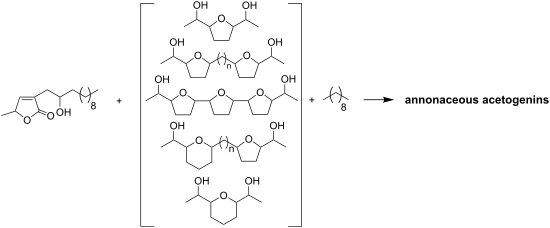
- different fluorous PMB tags, was transformed into alkene M-120 and was then followed by two splits. First, each of the two mixtures was subjected to a Shi epoxidation with enantiomeric ketone catalysts. Later, these two mixtures were split again, half being subjected to a Mitsunobu reaction and the other
- ,19S,20S)-cis-murisolin (112), and (15R,16R,19R,20S)-murisolin A (121) (Scheme 18). The mono-THF moieties were synthesized from epoxy alcohol 122 by using Sharpless AD-mix-β for the threo-trans-threo THF moiety 123, a AD-mix-β followed by the Mitsunobu reaction for the erythro-cis-threo THF moiety 125

Graphical Abstract

Scheme 1: Total synthesis of longifolicin by Marshall’s group.

Scheme 2: Total synthesis of corossoline by Tanaka’s group.

Scheme 3: Total synthesis of corossoline by Wu’s group.

Scheme 4: Total synthesis of pseudo-annonacin A by Hanessian’s group.

Scheme 5: Total synthesis of tonkinecin by Wu’s group.

Scheme 6: Total synthesis of gigantetrocin A by Shi’s group.

Scheme 7: Total synthesis of annonacin by Wu’s group.

Scheme 8: Total synthesis of solamin by Kitahara’s group.

Scheme 9: Total synthesis of solamin by Mioskowski’s group.

Scheme 10: Total synthesis of cis-solamin by Makabe’s group.

Scheme 11: Total synthesis of cis-solamin by Brown’s group.

Scheme 12: The formal synthesis of (+)-cis-solamin by Donohoe’s group.

Scheme 13: Total synthesis of cis-solamin by Stark’s group.

Scheme 14: Total synthesis of mosin B by Tanaka’s group.

Scheme 15: Total synthesis of longicin by Hanessian’s group.

Scheme 16: Total synthesis of murisolin and 16,19-cis-murisolin by Tanaka’s group.

Scheme 17: Synthesis of a stereoisomer library of (+)-murisolin by Curran’s group.

Scheme 18: Total synthesis of murisolin by Makabe’s group.

Scheme 19: Total synthesis of reticulatain-1 by Makabe’s group.

Scheme 20: Total synthesis of muricatetrocin C by Ley’s group.

Scheme 21: Total synthesis of (4R,12S,15S,16S,19R,20R,34S)-muricatetrocin (146) and (4R,12R,15S,16S,19R,20R,34S...

Scheme 22: Total synthesis of parviflorin by Hoye’s group.

Scheme 23: Total synthesis of parviflorin by Trost’s group.

Scheme 24: Total synthesis of trilobacin by Sinha’s group.

Scheme 25: Total synthesis of 15-epi-annonin I 181b by Scharf’s group.

Scheme 26: Total synthesis of squamocin A and squamocin D by Scharf’s group.

Scheme 27: Total synthesis of asiminocin by Marshall’s group.

Scheme 28: Total synthesis of asiminecin by Marshall’s group.

Scheme 29: Total synthesis of (+)-(30S)-bullanin by Marshall’s group.

Scheme 30: Total synthesis of uvaricin by the group of Sinha and Keinan.

Scheme 31: Formal synthesis of uvaricin by Burke’s group.

Scheme 32: Total synthesis of trilobin by Marshall’s group.

Scheme 33: Total synthesis of trilobin by the group of Sinha and Keinan.

Scheme 34: Total synthesis of asimilobin by the group of Wang and Shi.

Scheme 35: Total synthesis of squamotacin by the group of Sinha and Keinan.

Scheme 36: Total synthesis of asimicin by Marshall’s group.

Scheme 37: Total synthesis of asimicin by the group of Sinha and Keinan.

Scheme 38: Total synthesis of asimicin by Roush’s group.

Scheme 39: Total synthesis of asimicin by Marshall’s group.

Scheme 40: Total synthesis of 10-hydroxyasimicin by Ley’s group.

Scheme 41: Total synthesis of asimin by Marshall’s group.

Scheme 42: Total synthesis of bullatacin by the group of Sinha and Keinan.

Scheme 43: Total synthesis of bullatacin by Roush’s group.

Scheme 44: Total synthesis of bullatacin by Pagenkopf’s group.

Scheme 45: Total synthesis of rollidecins C and D by the group of Sinha and Keinan.

Scheme 46: Total synthesis of 30(S)-hydroxybullatacin by Marshall’s group.

Scheme 47: Total synthesis of uvarigrandin A and 5(R)-uvarigrandin A by Marshall’s group.

Scheme 48: Total synthesis of membranacin by Brown’s group.

Scheme 49: Total synthesis of membranacin by Lee’s group.

Scheme 50: Total synthesis of rolliniastatin 1 and rollimembrin by Lee’s group.

Scheme 51: Total synthesis of longimicin D by the group of Maezaki and Tanaka.

Scheme 52: Total synthesis of the structure proposed for mucoxin by Borhan’s group.

Scheme 53: Modular synthesis of adjacent bis-THF annonaceous acetogenins by Marshall’s group.

Scheme 54: Total synthesis of 4-deoxygigantecin by Tanaka’s group.

Scheme 55: Total synthesis of squamostatins D by Marshall’s group.

Scheme 56: Total synthesis of gigantecin by Crimmins’s group.

Scheme 57: Total synthesis of gigantecin by Hoye’s group.

Scheme 58: Total synthesis of cis-sylvaticin by Donohoe’s group.

Scheme 59: Total synthesis of 17(S),18(S)-goniocin by Sinha’s group.

Scheme 60: Total synthesis of goniocin and cyclogoniodenin T by the group of Sinha and Keinan.

Scheme 61: Total synthesis of jimenezin by Takahashi’s group.

Scheme 62: Total synthesis of jimenezin by Lee’s group.

Scheme 63: Total synthesis of jimenezin by Hoffmann’s group.

Scheme 64: Total synthesis of muconin by Jacobsen’s group.

Scheme 65: Total synthesis of (+)-muconin by Kitahara’s group.

Scheme 66: Total synthesis of muconin by Takahashi’s group.

Scheme 67: Total synthesis of muconin by the group of Yoshimitsu and Nagaoka.

Scheme 68: Total synthesis of mucocin by the group of Sinha and Keinan.

Scheme 69: Total synthesis of mucocin by Takahashi’s group.

Scheme 70: Total synthesis of (−)-mucocin by Koert’s group.

Scheme 71: Total synthesis of mucocin by the group of Takahashi and Nakata.

Scheme 72: Total synthesis of mucocin by Evans’s group.

Scheme 73: Total synthesis of mucocin by Mootoo’s group.

Scheme 74: Total synthesis of (−)-mucocin by Crimmins’s group.

Scheme 75: Total synthesis of pyranicin by the group of Takahashi and Nakata.

Scheme 76: Total synthesis of pyranicin by Rein’s group.

Scheme 77: Total synthesis of proposed pyragonicin by the group of Takahashi and Nakata.

Scheme 78: Total synthesis of pyragonicin by Rein’s group.

Scheme 79: Total synthesis of pyragonicin by Takahashi’s group.

Scheme 80: Total synthesis of squamostanal A by Figadère’s group.

Scheme 81: Total synthesis of diepomuricanin by Tanaka’s group.

Scheme 82: Total synthesis of (−)-muricatacin [(R,R)-373a] and its enantiomer (+)-muricatacin [(S,S)-373b] by ...

Scheme 83: Total synthesis of epi-muricatacin (+)-(S,R)-373c and (−)-(R,S)-373d by Scharf’s group.

Scheme 84: Total synthesis of (−)-muricatacin 373a and 5-epi-(−)-muricatacin 373d by Uang’s group.

Scheme 85: Total synthesis of four stereoisomers of muricatacin by Yoon’s group.

Scheme 86: Total synthesis of (+)-muricatacin by Figadère’s group.

Scheme 87: Total synthesis of (+)-epi-muricatacin and (−)-muricatacin by Couladouros’s group.

Scheme 88: Total synthesis of muricatacin by Trost’s group.

Scheme 89: Total synthesis of (−)-(4R,5R)-muricatacin by Heck and Mioskowski’s group.

Scheme 90: Total synthesis of muricatacin (−)-373a by the group of Carda and Marco.

Scheme 91: Total synthesis of (−)- and (+)-muricatacin by Popsavin’s group.

Scheme 92: Total synthesis of (−)-muricatacin by the group of Bernard and Piras.

Scheme 93: Total synthesis of (−)-muricatacin by the group of Yoshimitsu and Nagaoka.

Scheme 94: Total synthesis of (−)-muricatacin by Quinn’s group.

Scheme 95: Total synthesis of montecristin by Brückner’s group.

Scheme 96: Total synthesis of (−)-acaterin by the group of Franck and Figadère.

Scheme 97: Total synthesis of (−)-acaterin by Singh’s group.

Scheme 98: Total synthesis of (−)-acaterin by Kumar’s group.

Scheme 99: Total synthesis of rollicosin by Quinn’s group.

Scheme 100: Total synthesis of Rollicosin by Makabe’s group.

Scheme 101: Total synthesis of squamostolide by Makabe’s group.

Scheme 102: Total synthesis of tonkinelin by Makabe’s group.



