


Search results
Search for "ketoesters" in Full Text gives 100 result(s) in Beilstein Journal of Organic Chemistry.
Application of cyclic phosphonamide reagents in the total synthesis of natural products and biologically active molecules
- Thilo Focken and
- Stephen Hanessian
Beilstein J. Org. Chem. 2014, 10, 1848–1877, doi:10.3762/bjoc.10.195
- in 28–64% ee [5]. In a similar fashion, Denmark’s oxazaphosphorinane cis-44a yielded keto esters 46a–c in high optical purities via conjugate addition to enones 41 followed by ozonolysis and oxidative esterification. Using diastereomer trans-44b on the other hand provided ketoesters 46a–c with only

Graphical Abstract

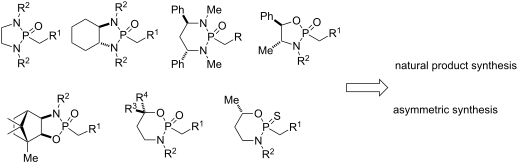
Figure 1: Examples of phosphonamide reagents used in stereoselective synthesis.

Figure 2: Natural products and bioactive molecules synthesized using phosphonamide-based chemistry (atoms, bo...

Scheme 1: Olefination with cyclic phosphonamide anions, mechanistic rationale, and selected examples 27a–d [18].

Scheme 2: Asymmetric olefination with chiral phosphonamide anions and selected examples 31a–d [1,22].

Scheme 3: Synthesis of α-substituted phosphonic acids 33a–e by asymmetric alkylation of chiral phosphonamide ...

Scheme 4: Asymmetric conjugate additions of C2-symmetric chiral phosphonamide anions to cyclic enones, lacton...

Scheme 5: Asymmetric conjugate additions of P-chiral phosphonamide anions generated from 40a and 44a to cycli...

Scheme 6: Asymmetric cyclopropanation with chiral chloroallyl phosphonamide 47, mechanistic rationale, and se...

Scheme 7: Asymmetric cyclopropanation with chiral chloromethyl phosphonamide 28d [59].

Scheme 8: Stereoselective synthesis of cis-aziridines 57 from chiral chloroallyl phosphonamide 47a [62].

Scheme 9: Synthesis of phosphonamides by (A) Arbuzov reaction, (B) condensation of diamines with phosphonic a...

Figure 3: Original and revised structure of polyoxin A (69) [24-26].
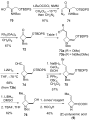
Scheme 10: Synthesis of (E)-polyoximic acid (9) [24-26].

Figure 4: Key assembly strategy of acetoxycrenulide (10) [41,42].

Scheme 11: Total synthesis of (+)-acetoxycrenulide (10) [41,42].

Scheme 12: Synthesis squalene synthase inhibitor 19 by asymmetric sulfuration (A) and asymmetric alkylation (B...

Figure 5: Key assembly strategy of fumonisin B2 (20) and its tricarballylic acid fragment 105 [45,46].

Scheme 13: Final steps of the total synthesis of fumonisin B2 (20) [45,46].

Figure 6: Selected examples of two subclasses of β-lactam antibiotics – carbapenems (111 and 112) and trinems...

Scheme 14: Synthesis of tricyclic β-lactam antibiotic 123 [97].

Scheme 15: Total synthesis of (−)-anthoplalone (8) [56].

Figure 7: Protein tyrosine phosphatase (PTP) inhibitors 130, 131 and model compounds 16, 132 and 133 [68].

Scheme 16: Synthesis of model PTP inhibitors 16a,b [68].
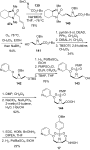
Scheme 17: Synthesis of aziridine hydroxamic acid 17 as MMP inhibitor [63].
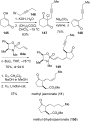
Scheme 18: Synthesis of methyl jasmonate (11) [48].

Figure 8: Structures of nudiflosides A (137) and D (13) [49].

Scheme 19: Total synthesis of the pentasubstituted cyclopentane core 159 of nudiflosides A (151) and D (13) an...

Figure 9: L-glutamic acid (161) and constrained analogues [57,124].

Scheme 20: Stereoselective synthesis of DCG-IV (162) [57].

Scheme 21: Stereoselective synthesis of mGluR agonist 21 [124].

Figure 10: Key assembly strategy of berkelic acid (15) [43].

Scheme 22: Total synthesis of berkelic acid (15) [43].

Figure 11: Key assembly strategy of jerangolid A (22) and ambruticin S (14) [27,28].
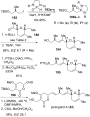
Scheme 23: Final assembly steps in the total synthesis of jerangolid A [27].

Scheme 24: Key assembly steps in the total synthesis of ambruticin S (14) [28].

Figure 12: General steroid construction strategy based on conjugate addition of 212 to cyclopentenone 48, exem...

Scheme 25: Total synthesis of estrone (12) [44].
Multicomponent reactions in nucleoside chemistry
- Mariola Koszytkowska-Stawińska and
- Włodzimierz Buchowicz
Beilstein J. Org. Chem. 2014, 10, 1706–1732, doi:10.3762/bjoc.10.179
- olanzapine [105]. The preparation of unsymmetrical 1,4-DHPs by the Hantzsch reaction involving two different β-ketoesters has been reported [106]. The literature survey revealed that the Hantzsch reaction served as a tool for the preparation of C-nucleosides with the C-4-substituted 1,4-DHP moiety as a

Graphical Abstract

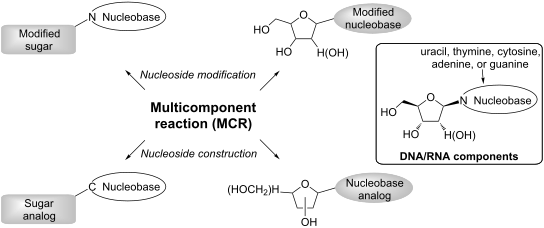
Figure 1: Selected chemical modifications of natural ribose or 2'-deoxyribose nucleosides leading to the deve...

Scheme 1: (a) Classical Mannich reaction; (b) general structures of selected hydrogen active components and s...

Scheme 2: Reagents and reaction conditions: i. H2O or H2O/EtOH, 60–100 °C, 7 h–10 d; ii. H2, Pd/C or PtO2; ii...

Scheme 3: Reagents and reaction conditions: i. H2O, 90 °C, overnight.

Scheme 4: Reagents and reaction conditions: i. AcOH, H2O, 60 °C, 12 h-5 d; ii. AcOH, H2O, 60 °C, 8 h.

Scheme 5: Reagents and reaction conditions: i. CuBr, THF, reflux, 0.5 h; ii. n-Bu4NF·3H2O, THF, rt, 2 h.

Scheme 6: Reagents and reaction conditions: i. [bmim][PF6], 80 °C, 5–8 h.

Scheme 7: Reagents and reaction conditions: i. EtOH, reflux, 24 h.

Scheme 8: Reagents and reaction conditions: i. NaOAc, H2O, 95 °C, 1–16 h; ii. NaOAc, H2O, 95 °C, 1 h.

Scheme 9: Reagents and reaction conditions: i. a. 37% aq HCl, MeOH; b. NaOAc, 1,4-dioxane, H2O, 100 °C, overn...

Scheme 10: Reagents and reaction conditions: i. DMAP, DCC, MeOH, rt, 1 h.

Scheme 11: The Kabachnik–Fields reaction.

Scheme 12: Reagents and reaction conditions: i. 60 °C, 3 h; ii. 80 °C, 2 h.

Scheme 13: The four-component Ugi reaction.

Scheme 14: Reagents and reaction conditions: i. MeOH, rt, 2–3 d, yields not given.

Scheme 15: Reagents and reaction conditions: i. MeOH/CH2Cl2 (1:1), rt, 24 h, yield not given; ii. 6 N aq HCl, ...

Scheme 16: Reagents and reaction conditions: i. MeOH/H2O, rt, 26 h; ii. aq AcOH, reflux, 50%; iii. reversed ph...

Scheme 17: Reagents and reaction conditions: i. MeOH, rt, 24 h; ii. HCl, MeOH, 0 °C to rt, 6 h, then H2O, rt, ...

Scheme 18: Reagents and reaction conditions: i. DMF/Py/MeOH (1:1:1), rt, 48 h; ii. 10% HCl/MeOH, rt, 30 min.

Scheme 19: Reagents and reaction conditions (R = CH3 or H): i. CH2Cl2/MeOH (2:1), 35–40 °C, 2 d; ii. HF/pyridi...

Scheme 20: Reagents and reaction conditions: i. MeOH, 76%; ii. 80% aq TFA, 100%.

Scheme 21: Reagents and reaction conditions: i. EtOH, rt, 72 h; ii. Zn, aq NaH2PO4, THF, rt, 1 week; then 80% ...

Scheme 22: Reagents and reaction conditions: i. EtOH, rt, 48 h, then silica gel chromatography, 33% for 57 (30...

Scheme 23: Reagents and reaction conditions: i. [bmim]BF4, 80 °C, 4 h; ii. [bmim]BF4, 80 °C, 3 h; iii. [bmim]BF...

Scheme 24: Reagents and reaction conditions: i. [bmim]BF4, 80 °C.

Scheme 25: Reagents and reaction conditions: i. H3PW12O40 (2 mol %), EtOH, 50 °C, 2–15 h; ii. H3PW12O40 (2 mol...

Scheme 26: General scheme of the Biginelli reaction.

Scheme 27: Reagents and reaction conditions: i. EtOH, reflux.

Scheme 28: Reagents and reaction conditions: i. Bu4N+HSO4−, diethylene glycol, 120 °C, 1.5–3 h.

Scheme 29: Reagents and reaction conditions: i. BF3·Et2O, CuCl, AcOH, THF, 65 °C, 24 h; ii. Yb(OTf)3, THF, ref...

Scheme 30: Reagents and reaction conditions: TCT (10 mol %), rt: i. 100 min; ii. 150 min; iii. 140 min.

Scheme 31: Reagents and reaction conditions: i. EtOH, microwave irradiation (300 W), 10 min; ii. EtOH, 75 °C, ...

Scheme 32: The Hantzsch reaction.

Scheme 33: Reagents and reaction conditions: TCT (10 mol %), rt, 80–150 min.

Scheme 34: Reagents and reaction conditions: i. Yb(OTf)3, THF, 90 °C, 12 h; ii. 4 Å molecular sieves, EtOH, 90...

Scheme 35: Reagents and reaction conditions: i. MeOH, 50 °C, 48 h.

Scheme 36: Reagents and reaction conditions: i. MeOH, 25 °C, 5 d.

Scheme 37: Bu4N+HSO4−, diethylene glycol, 80 °C, 1–2 h.

Scheme 38: The three-component carbopalladation of dienes on the example of buta-1,3-diene.

Scheme 39: Reagents and reaction conditions: i. 5 mol % Pd(dba)2, Bu4NCl, ZnCl2, acetonitrile or DMSO, 80 °C o...

Scheme 40: Reagents and reaction conditions: i. 2.5 mol % Pd2(dba)3, tris(2-furyl)phosphine, K2CO3, MeCN or DM...

Scheme 41: Reagents and reaction conditions: i. 2.5 mol % Pd2(dba)3, tris(2-furyl)phosphine, K2CO3, MeCN or DM...

Scheme 42: The three-component Bucherer–Bergs reaction.

Scheme 43: Reagents and reaction conditions: i. MeOH, H2O, 70 °C, 4.5 h; ii. (1) H2, 5% Pd/C, MeOH, 55 °C, 5 h...

Scheme 44: Reagents and reaction conditions: i. pyridine, MgSO4, 100 °C, 28 h, N2; ii. DMF, 70–90 °C, 22–30 h,...

Scheme 45: Reagents and reaction conditions: i. Montmorillonite K-10 clay, microwave irradiation (600 W), 6–10...

Scheme 46: Reagents and reaction conditions: i. Montmorillonite K-10 clay, microwave irradiation (560 W), 6–10...

Scheme 47: Reagents and reaction conditions: i. CeCl3·7H2O (20 mol %), NaI (20 mol %), microwave irradiation (...

Scheme 48: Reagents and reaction conditions: i. PhI(OAc)2 (3 mol %), microwave irradiation (45 °C), 6–9 min.

Scheme 49: Reagents and reaction conditions: i. 117, ethyl pyruvate, TiCl4, dichloromethane, −78 °C, 1 h; then ...
Synthesis of chiral N-phosphinyl α-imino esters and their application in asymmetric synthesis of α-amino esters by reduction
- Yiwen Xiong,
- Haibo Mei,
- Lingmin Wu,
- Jianlin Han,
- Yi Pan and
- Guigen Li
Beilstein J. Org. Chem. 2014, 10, 653–659, doi:10.3762/bjoc.10.57
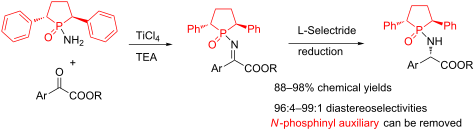
- Research Institute of Nanjing University, Changzhou, 213164, China Department of Chemistry and Biochemistry, Texas Tech University, Lubbock, Texas, 79409-1061, USA 10.3762/bjoc.10.57 Abstract A variety of chiral N-phosphinyl α-imino esters have been synthesized for the first time from ketoesters and

Graphical Abstract

Figure 1: Typical sulfinyl (a), phosphonyl aldimines (b) and phosphinyl imino esters (c).

Scheme 1: Synthesis of α-imino ester by rearrangement.

Scheme 2: Cleavage of the chiral auxiliary.
Secondary amine-initiated three-component synthesis of 3,4-dihydropyrimidinones and thiones involving alkynes, aldehydes and thiourea/urea
- Jie-Ping Wan,
- Yunfang Lin,
- Kaikai Hu and
- Yunyun Liu
Beilstein J. Org. Chem. 2014, 10, 287–292, doi:10.3762/bjoc.10.25
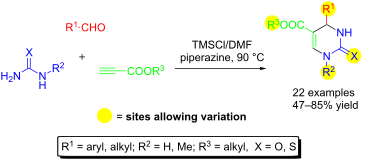
- attractiveness in biological and medicinal researches, DHPMs have also been demonstrated as quite flexible precursors for the synthesis of many other derived heterocyclic scaffolds [13]. For a rather long period, the Biginelli reaction involving the condensation of aldehydes, β-ketoesters and ureas (thioureas
- ) [14] has been dominantly employed for DHPMs synthesis in both racemic [15][16][17][18] and asymmetric versions [19][20][21][22][23]. Despite of many recognized advantages of the Biginelli reaction, the product diversity suffered from limitations because β-ketoesters or 1,3-diketones are intrinsically

Graphical Abstract

Figure 1: Some DHPMs-based lead compounds.

Scheme 1: Regioselective 1,3-thiazines and DHPMs via aldehydes, ureas/thioureas and alkynes.

Scheme 2: Synthesis of enamino ester intermediate and its transformation to DHPM.

Scheme 3: Proposed reaction mechanism.
Recent advances in transition metal-catalyzed Csp2-monofluoro-, difluoro-, perfluoromethylation and trifluoromethylthiolation
- Grégory Landelle,
- Armen Panossian,
- Sergiy Pazenok,
- Jean-Pierre Vors and
- Frédéric R. Leroux
Beilstein J. Org. Chem. 2013, 9, 2476–2536, doi:10.3762/bjoc.9.287
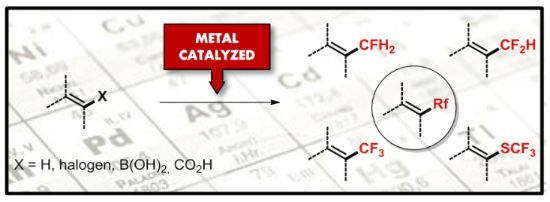

Graphical Abstract

Scheme 1: Pd-catalyzed monofluoromethylation of pinacol phenylboronate [44].

Scheme 2: Cu-catalyzed monofluoromethylation with 2-PySO2CHFCOR followed by desulfonylation [49].

Scheme 3: Cu-catalyzed difluoromethylation with α-silyldifluoroacetates [57].

Figure 1: Mechanism of the Cu-catalyzed C–CHF2 bond formation of α,β-unsaturated carboxylic acids through dec...

Scheme 4: Fe-catalyzed decarboxylative difluoromethylation of cinnamic acids [62].

Scheme 5: Preliminary experiments for investigation of the mechanism of the C–H trifluoromethylation of N-ary...

Figure 2: Plausible catalytic cycle proposed by Z.-J. Shi et al. for the trifluoromethylation of acetanilides ...

Figure 3: Plausible catalytic cycle proposed by M. S. Sanford et al. for the perfluoroalkylation of simple ar...

Figure 4: Postulated reaction pathway for the Ag/Cu-catalyzed trifluoromethylation of aryl iodides by Z. Q. W...

Figure 5: Postulated reaction mechanism for Cu-catalyzed trifluoromethylation reaction using MTFA as trifluor...

Scheme 6: Formal Heck-type trifluoromethylation of vinyl(het)arenes by M. Sodeoka et al. [83].

Figure 6: Proposed catalytic cycle for the copper-catalyzed trifluoromethylation of (het)arenes in presence o...

Figure 7: Proposed catalytic cycle for the copper-catalyzed trifluoromethylation of N,N-disubstituted (hetero...

Figure 8: Proposed catalytic cycle by Y. Zhang and J. Wang et al. for the copper-catalyzed trifluoromethylati...

Figure 9: Mechanistic rationale for the trifluoromethylation of arenes in presence of Langlois’s reagent and ...

Scheme 7: Trifluoromethylation of 4-acetylpyridine with Langlois’s reagent by P. S. Baran et al. (* Stirring ...

Scheme 8: Catalytic copper-facilitated perfluorobutylation of benzene with C4F9I and benzoyl peroxide [90].

Figure 10: F.-L. Qing et al.’s proposed mechanism for the copper-catalyzed trifluoromethylation of (hetero)are...

Figure 11: Mechanism of the Cu-catalyzed/Ru-photocatalyzed trifluoromethylation and perfluoroalkylation of ary...

Figure 12: Proposed mechanism for the Cu-catalyzed trifluoromethylation of aryl- and vinyl boronic acids with ...

Figure 13: Possible mechanism for the Cu-catalyzed decarboxylative trifluoromethylation of cinnamic acids [62].

Scheme 9: Ruthenium-catalyzed perfluoroalkylation of alkenes and (hetero)arenes with perfluoroalkylsulfonyl c...

Figure 14: N. Kamigata et al.’s proposed mechanism for the Ru-catalyzed perfluoroalkylation of alkenes and (he...

Figure 15: Proposed mechanism for the Ru-catalyzed photoredox trifluoromethylation of (hetero)arenes with trif...

Figure 16: Late-stage trifluoromethylation of pharmaceutically relevant molecules with trifluoromethanesulfony...

Figure 17: Proposed mechanism for the trifluoromethylation of alkenes with trifluoromethyl iodide under Ru-bas...

Scheme 10: Formal perfluoroakylation of terminal alkenes by Ru-catalyzed cross-metathesis with perfluoroalkyle...

Figure 18: One-pot Ir-catalyzed borylation/Cu-catalyzed trifluoromethylation of complex small molecules by Q. ...

Figure 19: Mechanistic proposal for the Ni-catalyzed perfluoroalkylation of arenes and heteroarenes with perfl...

Scheme 11: Electrochemical Ni-catalyzed perfluoroalkylation of 2-phenylpyridine (Y. H. Budnikova et al.) [71].

Scheme 12: Fe(II)-catalyzed trifluoromethylation of arenes and heteroarenes with trifluoromethyl iodide (T. Ya...

Figure 20: Mechanistic proposal by T. Yamakawa et al. for the Fe(II)-catalyzed trifluoromethylation of arenes ...

Scheme 13: Ytterbium-catalyzed perfluoroalkylation of dihydropyran with perfluoroalkyl iodide (Y. Ding et al.) ...

Figure 21: Mechanistic proposal by A. Togni et al. for the rhenium-catalyzed trifluoromethylation of arenes an...

Figure 22: Mechanism of the Cu-catalyzed oxidative trifluoromethylthiolation of arylboronic acids with TMSCF3 ...

Scheme 14: Removal of the 8-aminoquinoline auxiliary [136].

Figure 23: Mechanism of the Cu-catalyzed trifluoromethylthiolation of C–H bonds with a trifluoromethanesulfony...
An overview of the synthetic routes to the best selling drugs containing 6-membered heterocycles
- Marcus Baumann and
- Ian R. Baxendale
Beilstein J. Org. Chem. 2013, 9, 2265–2319, doi:10.3762/bjoc.9.265
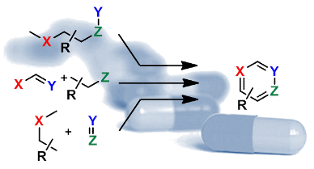

Graphical Abstract

Scheme 1: Scaled industrial processes for the synthesis of simple pyridines.

Scheme 2: Synthesis of nicotinic acid from 2-methyl-5-ethylpyridine (1.11).

Scheme 3: Synthesis of 3-picoline and nicotinic acid.

Scheme 4: Synthesis of 3-picoline from 2-methylglutarodinitrile 1.19.

Scheme 5: Picoline-based synthesis of clarinex (no yields reported).

Scheme 6: Mode of action of proton-pump inhibitors and structures of the API’s.

Scheme 7: Hantzsch-like route towards the pyridine rings in common proton pump inhibitors.

Figure 1: Structures of rosiglitazone (1.40) and pioglitazone (1.41).

Scheme 8: Synthesis of rosiglitazone.

Scheme 9: Syntheses of 2-pyridones.

Scheme 10: Synthesis and mechanism of 2-pyrone from malic acid.

Scheme 11: Polymer-assisted synthesis of rosiglitazone.

Scheme 12: Synthesis of pioglitazone.

Scheme 13: Meerwein arylation reaction towards pioglitazone.

Scheme 14: Route towards pioglitazone utilising tyrosine.

Scheme 15: Route towards pioglitazone via Darzens ester formation.

Scheme 16: Syntheses of the thiazolidinedione moiety.

Scheme 17: Synthesis of etoricoxib utilising Negishi and Stille cross-coupling reactions.

Scheme 18: Synthesis of etoricoxib via vinamidinium condensation.

Figure 2: Structures of nalidixic acid, levofloxacin and moxifloxacin.

Scheme 19: Synthesis of moxifloxacin.

Scheme 20: Synthesis of (S,S)-2,8-diazabicyclo[4.3.0]nonane 1.105.

Scheme 21: Synthesis of levofloxacin.

Scheme 22: Alternative approach to the levofloxacin core 1.125.

Figure 3: Structures of nifedipine, amlodipine and clevidipine.

Scheme 23: Mg3N2-mediated synthesis of nifedipine.

Scheme 24: Synthesis of rac-amlodipine as besylate salt.

Scheme 25: Aza Diels–Alder approach towards amlodipine.

Scheme 26: Routes towards clevidipine.

Figure 4: Examples of piperidine containing drugs.

Figure 5: Discovery of tiagabine based on early leads.

Scheme 27: Synthetic sequences to tiagabine.

Figure 6: Structures of solifenacin (2.57) and muscarine (2.58).

Scheme 28: Enantioselective synthesis of solifenacin.

Figure 7: Structures of DPP-4 inhibitors of the gliptin-type.

Scheme 29: Formation of inactive diketopiperazines from cis-rotameric precursors.

Figure 8: Co-crystal structure of carmegliptin bound in the human DPP-4 active site (PDB 3kwf).

Scheme 30: Improved route to carmegliptin.

Figure 9: Structures of lamivudine and zidovudine.

Scheme 31: Typical routes accessing uracil, thymine and cytosine.

Scheme 32: Coupling between pyrimidones and riboses via the Vorbrüggen nucleosidation.

Scheme 33: Synthesis of lamivudine.

Scheme 34: Synthesis of raltegravir.

Scheme 35: Mechanistic studies on the formation of 3.22.

Figure 10: Structures of selected pyrimidine containing drugs.

Scheme 36: General preparation of pyrimidines and dihydropyrimidones.

Scheme 37: Synthesis of imatinib.

Scheme 38: Flow synthesis of imatinib.

Scheme 39: Syntheses of erlotinib.

Scheme 40: Synthesis of erlotinib proceeding via Dimroth rearrangement.

Scheme 41: Synthesis of lapatinib.

Scheme 42: Synthesis of rosuvastatin.

Scheme 43: Alternative preparation of the key aldehyde towards rosuvastatin.

Figure 11: Structure comparison between nicotinic acetylcholine receptor agonists.

Scheme 44: Syntheses of varenicline and its key building block 4.5.

Scheme 45: Synthetic access to eszopiclone and brimonidine via quinoxaline intermediates.

Figure 12: Bortezomib bound in an active site of the yeast 20S proteasome ([114], pdb 2F16).

Scheme 46: Asymmetric synthesis of bortezomib.

Figure 13: Structures of some prominent piperazine containing drugs.

Figure 14: Structural comparison between the core of aplaviroc (4.35) and a type-1 β-turn (4.36).

Scheme 47: Examplary synthesis of an aplaviroc analogue via the Ugi-MCR.

Scheme 48: Syntheses of azelastine (5.1).

Figure 15: Structures of captopril, enalapril and cilazapril.

Scheme 49: Synthesis of cilazapril.

Figure 16: Structures of lamotrigine, ceftriaxone and azapropazone.

Scheme 50: Synthesis of lamotrigine.

Scheme 51: Alternative synthesis of lamotrigine (no yields reported).

Figure 17: Structural comparison between imiquimod and the related adenosine nucleoside.

Scheme 52: Conventional synthesis of imiquimod (no yields reported).

Scheme 53: Synthesis of imiquimod.

Scheme 54: Synthesis of imiquimod via tetrazole formation (not all yields reported).

Figure 18: Structures of various anti HIV-medications.

Scheme 55: Synthesis of abacavir.

Figure 19: Structures of diazepam compared to modern replacements.

Scheme 56: Synthesis of ocinaplon.

Scheme 57: Access to zaleplon and indiplon.

Scheme 58: Different routes towards the required N-methylpyrazole 6.65 of sildenafil.

Scheme 59: Polymer-supported reagents in the synthesis of key aminopyrazole 6.72.

Scheme 60: Early synthetic route to sildenafil.

Scheme 61: Convergent preparations of sildenafil.

Figure 20: Comparison of the structures of sildenafil, tadalafil and vardenafil.

Scheme 62: Short route to imidazotriazinones.

Scheme 63: Alternative route towards vardenafils core imidazotriazinone (6.95).

Scheme 64: Bayer’s approach to the vardenafil core.

Scheme 65: Large scale synthesis of vardenafil.

Scheme 66: Mode of action of temozolomide (6.105) as methylating agent.

Scheme 67: Different routes to temozolomide.

Scheme 68: Safer route towards temozolomide.

Figure 21: Some unreported heterocyclic scaffolds in top market drugs.
Asymmetric allylic alkylation of Morita–Baylis–Hillman carbonates with α-fluoro-β-keto esters
- Lin Yan,
- Zhiqiang Han,
- Bo Zhu,
- Caiyun Yang,
- Choon-Hong Tan and
- Zhiyong Jiang
Beilstein J. Org. Chem. 2013, 9, 1853–1857, doi:10.3762/bjoc.9.216
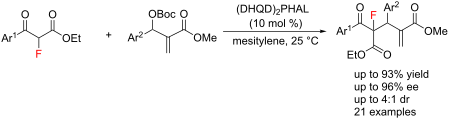
- conjugate addition and Mannich reaction of α-fluoro-β-ketoesters with excellent results [38][39][40]. Herein, we wish to report the first allylic alkylation of MBH carbonates with α-fluoro-β-ketoesters in excellent enantioselectivities and moderate diastereoselectivities, furnishing enantiopure fluorinated
- (entry 19). A slight increase in enantio- and diastereoselectivity could be obtained when the reaction temperature was decreased to 10 °C, but the reaction rate became too sluggish to be useful (Table 1, entry 20). Using the established conditions, allylic alkylations of α-fluoro-β-ketoesters 1b–g with
- MBH carbonate 2a were found to afford the products 3ba–ga in 67–79% yield with 88–96% ee and 3:1 to 4:1 dr (Table 2, entries 1–6). The results showed that the introduction of various aryl substituents in α-fluoro-β-ketoesters did not affect the reactivity and stereoselectivity. Subsequently, the scope

Raman spectroscopy as a tool for monitoring mesoscale continuous-flow organic synthesis: Equipment interface and assessment in four medicinally-relevant reactions
- Trevor A. Hamlin and
- Nicholas E. Leadbeater
Beilstein J. Org. Chem. 2013, 9, 1843–1852, doi:10.3762/bjoc.9.215
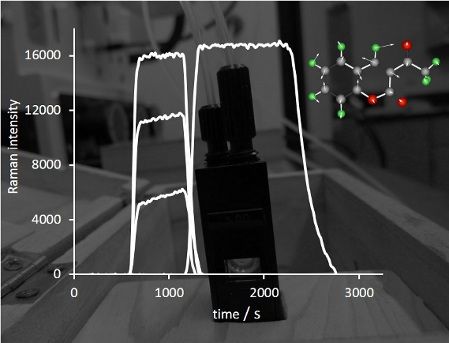
- -ketoesters and aromatic aldehydes to yield dihydropyrimidines has received significant attention, these products having pharmacological activity including calcium channel modulation, mitotic kinesin Eg5 inhibition, and antiviral and antibacterial activity [49][50]. The Biginelli reaction has been performed

Graphical Abstract
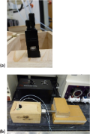
Figure 1: (a) Flow cell and (b) Raman interface used in the present study.

Scheme 1: The reaction between salicylaldehyde and ethyl acetoacetate to form 3-acetyl coumarin (1).

Figure 2: The Raman spectrum of 3-acetylcoumarin (1) generated using Gaussian 09 [40] at the B3LYP/6-31g(d) level...

Figure 3: Monitoring an aliquot of 3-acetyl coumarin (1) as it passes through the flow cell (scan time = 15 s...

Figure 4: Monitoring the conversion of salicylaldehyde and ethyl acetoacetate to 3-acetylcoumarin (1) across ...

Figure 5: Plot of Raman intensity of the peak arising at 1608 cm-1 vs concentration of 3-acetyl coumarin (1),...

Scheme 2: The Knoevenagel condensation of benzaldehyde and ethyl acetoacetate to yield (Z)-ethyl 2-benzyliden...

Figure 6: Monitoring the conversion of benzaldehyde and ethyl acetoacetate to (Z)-ethyl 2-benzylidene-3-oxobu...

Scheme 3: Claisen-Schmidt condensation of benzaldehyde with acetophenone to yield chalcone, 3a.

Figure 7: Monitoring the conversion of benzaldehyde with acetophenone to chalcone, 3a, across a range of reac...

Scheme 4: The Biginelli cyclocondensation of benzaldehyde, ethyl acetoacetate, and urea to yield 5-ethoxycarb...

Figure 8: Monitoring the conversion of benzaldehyde, ethyl acetoacetate, and urea to 5-ethoxycarbonyl-6-methy...
Organocatalyzed enantioselective desymmetrization of aziridines and epoxides
- Ping-An Wang
Beilstein J. Org. Chem. 2013, 9, 1677–1695, doi:10.3762/bjoc.9.192
- (3% ee). The usage of Boc for the N-protected group in aziridine resulted in no enantioselectivity under the optimum conditions. The organocatalytic enantioselective ring-opening of N-protected aziridines by β-ketoesters by means of cinchona alkaloid-derived PTCs (Figure 3, OC-12 to OC-19) for

Graphical Abstract

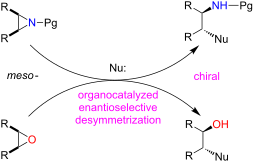
Figure 1: The catalyzed enantioselective desymmetrization.
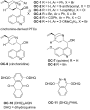
Figure 2: Cinchona alkaloid-derived catalysts OC-1 to OC-11.

Scheme 1: The enantioselective desymmetrization of meso-aziridines in the presence of selected Cinchona alkal...

Figure 3: Cinchona alkaloid-derived catalysts OC-12 to OC-19.

Scheme 2: The enantioselective ring-opening of aziridines in the presence of OC-16.

Scheme 3: OC-16 catalyzed enantioselective ring-opening of aziridines.

Figure 4: The chiral phosphoric acids catalysts OC-20 and OC-21.

Scheme 4: OC-20 and OC-21 catalyzed enantioselective desymmetrization of meso-aziridines.

Figure 5: The proposed mechanism for chiral phosphorous acid-induced enantioselctive desymmetrization of meso...

Scheme 5: OC-21 catalyzed enantioselective desymmetrization of meso-aziridines by Me3SiSPh.

Scheme 6: OC-21 catalyzed the enantioselective desymmetrization of meso-aziridines by Me3SiSePh/PhSeH.

Figure 6: L-Proline and its derivatives OC-22 to OC-27.

Scheme 7: OC-23 catalyzed enantioselective desymmetrization of meso-aziridines.

Figure 7: Proposed bifunctional mode of action of OC-23.

Figure 8: The chiral thioureas OC-28 to OC-44 for the desymmetrization of meso-aziridines.

Scheme 8: Desymmetrization of meso-aziridines with OC-41.

Figure 9: The chiral guanidines (OC-45 to OC-48).

Scheme 9: OC-46 catalyzed desymmetrization of meso-aziridines by arylthiols.

Scheme 10: Desymmetrization of cis-aziridine-2,3-dicarboxylate.

Figure 10: The proposed activation mode of OC-46.

Scheme 11: The enantioselective desymmetrization of meso-aziridines by amine/CS2 in the presence of OC-46.

Figure 11: The chiral 1,2,3-triazolium chlorides OC-49 to OC-55.

Scheme 12: The enantioselective desymmetrization of meso-aziridines by Me3SiX (X = Cl or Br) in the presence o...

Figure 12: Early organocatalysts for enantioselective desymmetrization of meso-epoxides.

Scheme 13: Attempts of enantioselective desymmetrization of meso-epoxides in the presence of OC-58 or OC-60.

Scheme 14: The enantioselective desymmetrization of a meso-epoxide containing one P atom.
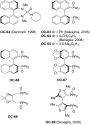
Figure 13: Some chiral phosphoramide and chiral phosphine oxides.

Scheme 15: OC-62 catalyzed enantioselective desymmetrization of meso-epoxides by SiCl4.

Figure 14: The proposed mechanism of the chiral HMPA-catalyzed desymmetrization of meso-epoxides.

Scheme 16: The enantioselective desymmetrization of meso-epoxides in the presence of OC-63.

Figure 15: The Chiral phosphine oxides (OC-70 to OC-77) based on an allene backbone.

Scheme 17: OC-73 catalyzed enantioselective desymmetrization of meso-epoxides by SiCl4.

Figure 16: Chiral pyridine N-oxides used in enantioselective desymmetrization of meso-epoxides.
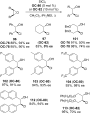
Scheme 18: Catalyzed enantioselective desymmetrization of meso-epoxides in the presence of OC-80 or OC-82.

Figure 17: Chiral pyridine N-oxides OC-85 to OC-94.

Scheme 19: Enantioselective desymmetrization of cis-stilbene oxide by using OC-85 to OC-92 as catalysts.

Figure 18: A novel family of helical chiral pyridine N-oxides OC-95 to OC-97.

Scheme 20: Desymmetrization of meso-epoxides catalyzed by OC-95 to OC-97.

Scheme 21: OC-98 catalyzed enantioselective desymmetrization of meso-epoxides by SiCl4.
A reductive coupling strategy towards ripostatin A
- Kristin D. Schleicher and
- Timothy F. Jamison
Beilstein J. Org. Chem. 2013, 9, 1533–1550, doi:10.3762/bjoc.9.175
- obtained for either of the individual steps from the methyl series that it replaced. The cleavage of TMSE β-ketoesters with TBAF·3H2O has been described in the literature as a chemoselective method for decarboxylation in the presence of other types of β-ketoesters [64]. Comparable yields for the
- elimination could sometimes be observed; however, this typically occurred in less than 10%. Given these results, it seems that the fluoride-mediated deprotection of TMSE β-ketoesters is deserving of further exploration and utilization as a method for the decarboxylation of sensitive synthetic intermediates

Graphical Abstract

Figure 1: Structures of the ripostatins.

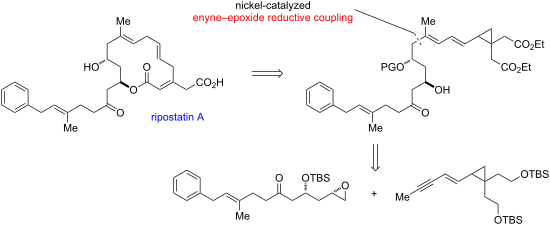
Figure 2: Retrosynthesis of ripostatin A.

Scheme 1: Nickel-catalyzed reductive coupling of alkynes and epoxides.

Figure 3: Proposed retrosynthesis of ripostatin A featuring enyne–epoxide reductive coupling and rearrangemen...

Scheme 2: Potential transition states and stereochemical outcomes for a concerted 1,5-hydrogen rearrangement.

Scheme 3: Rearrangements of vinylcyclopropanes to acylic 1,4-dienes.

Scheme 4: Synthesis of cyclopropyl enyne.

Scheme 5: Synthesis of model epoxide for investigation of the nickel-catalyzed coupling reaction.

Scheme 6: Nickel-catalyzed enyne–epoxide reductive coupling reaction.

Scheme 7: Proposed mechanism for the nickel-catalyzed coupling reaction of alkynes or enynes with epoxides.

Scheme 8: Regioselectivity changes in reductive couplings of alkynes and 3-oxygenated epoxides.

Scheme 9: Enyne reductive coupling with 1,2-epoxyoctane.

Figure 4: Initial retrosynthesis of the epoxide fragment by using dithiane coupling.

Scheme 10: Synthesis of dithiane by Claisen rearrangement.

Scheme 11: Deuterium labeling reveals that the allylic/benzylic site is most acidic.

Scheme 12: Oxy-Michael addition to δ-hydroxy-α,β-enones.

Figure 5: Revised retrosynthesis of epoxide 5.

Scheme 13: Synthesis of functionalized ketone by oxy-Michael addition.

Figure 6: Retrosynthesis by using iodocylization to introduce the epoxide.

Scheme 14: Synthesis of ketone 57 using thiazolidinethione chiral auxiliary.

Figure 7: Retrosynthesis involving decarboxylation of a β-ketoester.

Scheme 15: Synthesis of β-ketoester 61.

Scheme 16: Decarboxylation of 61 under Krapcho conditions.

Scheme 17: Improved synthesis of 63 and attempted iodocyclization.

Figure 8: Retrosynthesis utilizing Rychnovsky’s cyanohydrin acetonide methodology.

Scheme 18: Synthesis of cyanohydrin acetonide and attempted alkylation with epoxide.

Scheme 19: Allylation of acetonide and conversion to aldehyde.

Scheme 20: Synthesis of the epoxide precursor by an aldol−decarboxylation sequence.
Mechanistic studies on the CAN-mediated intramolecular cyclization of δ-aryl-β-dicarbonyl compounds
- Brian M. Casey,
- Dhandapani V. Sadasivam and
- Robert A. Flowers II
Beilstein J. Org. Chem. 2013, 9, 1472–1479, doi:10.3762/bjoc.9.167
- -electron oxidations employing δ-aryl-β-dicarbonyl compounds have been carried out on arenes containing pendant β-ketoesters [10][11]. When Mn(III)-based oxidants are employed, secondary oxidations of the 2-tetralone products can occur [10][11]. Cerium(IV) ammonium nitrate (CAN) is a versatile, inexpensive

Graphical Abstract

Scheme 1: Oxidative conversion of 1,3-dicarbonyl compounds to carboxylic acids with CAN.

Figure 1: Energy diagram for the unsubstituted arene with the carbonyl groups anti to each other. For TS1a’ t...

Figure 2: Possible products from the ortho cyclization of 1g and 1j.

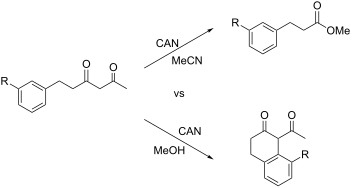
Scheme 2: Proposed mechanism for the conversion of δ-aryl-β-dicarbonyl compounds to β-tetralones (path A) and...
Mechanochemistry assisted asymmetric organocatalysis: A sustainable approach
- Pankaj Chauhan and
- Swapandeep Singh Chimni
Beilstein J. Org. Chem. 2012, 8, 2132–2141, doi:10.3762/bjoc.8.240
- ) under ball-milling (400 rpm) to provide an easy access to Michael adducts 10 in good to high yield (63–95%) and excellent enantioselectivity (91–99% ee). The chiral squaramide IX also catalyses the Michael reaction of β-ketoesters 11 with nitrostyrene to provide Michael adducts 12 in 73–95% yield, 1.4:1
- nitrogen activates and orients the dicarbonyl compounds to provide the Michael adduct in high enantioselectivity. Application of grinding with pestle and mortar for highly stereoselective Michael addition of trisubstituted β-ketoesters to nitroalkene derivatives was reported by Chimni’s group (Scheme 8
- ) [48]. Grinding an equimolar quantity of six/five-membered cyclic β-ketoesters 13 and various nitroalkenes 7, including nitrodienes, in the presence of 5 mol % of cupreine-derived organocatalyst X provided Michael adducts 14 in good to high yield (72–99%) and good to excellent stereoselectivity (85–99

Graphical Abstract

Scheme 1: Proline-catalysed aldol reaction in a ball-mill.

Scheme 2: Proline-catalysed aldol reaction between solid substrates (1b and 2a).

Scheme 3: (S)-Binam-L-prolinamide catalysed asymmetric aldol reaction by using a ball-mill. aConversion.

Scheme 4: Asymmetric aldol reaction assisted by ball-milling catalysed by dipeptides (A) with III and (B) wit...

Scheme 5: Thiodipeptide-catalysed asymmetric aldol reaction of (A) ketones with aldehydes and (B) acetone wit...

Scheme 6: Enantioselective Michael reaction of aldehydes with nitroalkenes catalysed by pyrrolidine-derived o...

Scheme 7: Chiral squaramide catalysed asymmetric Michael reaction assisted by ball-milling.

Scheme 8: Asymmetric organocatalytic Michael reaction assisted by pestle and mortar grinding.

Scheme 9: C-2 symmetric thiourea catalysed enantioselective MBH reaction.

Scheme 10: Quinine-catalysed ring opening of meso-anhydride by ball-milling.

Scheme 11: Ball-milling-assisted (A) synthesis of glycine schiff bases and (B) their organocatalytic asymmetri...

Scheme 12: Enantioselective amination of β-ketoester by using pestle and mortar.
The chemistry of bisallenes
- Henning Hopf and
- Georgios Markopoulos
Beilstein J. Org. Chem. 2012, 8, 1936–1998, doi:10.3762/bjoc.8.225

Graphical Abstract

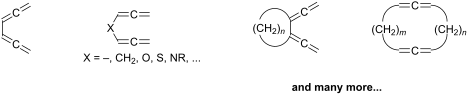
Figure 1: Loschmidt’s structure proposal for benzene (1) (Scheme 181 from [3]) and the corresponding modern stru...

Figure 2: The first isolated bisallenes.

Figure 3: Carbon skeletons of selected bisallenes discussed in this review.

Scheme 1: The preparation of 1,2,4,5-hexatetraene (2).

Scheme 2: The preparation of a conjugated bisallene by the DMS-protocol.

Scheme 3: Preparation of the 3-deuterio- and 3,4-dideuterio derivatives of 24.

Scheme 4: A versatile method to prepare alkylated conjugated bisallenes and other allenes.

Scheme 5: A preparation of 3,4-dimethyl-1,2,4,5-hexatetraene (38).

Scheme 6: A (C6 + 0)-approach to 1,2,4,5-hexatetraene (2).

Scheme 7: The preparation of a fully alkylated bisallenes from a 2,4-hexadiyne-1,6-diol diacetate.

Scheme 8: The preparation of the first phenyl-substituted conjugated bisallenes 3 and 4.

Scheme 9: Selective hydrogenation of [5]cumulenes to conjugated bisallenes: another (C6 + 0)-route.

Scheme 10: Aryl-substituted conjugated bisallenes by a (C3 + C3)-approach.

Scheme 11: Hexaphenyl-1,2,4,5-hexatetraene (59) by a (C3 + C3)-approach.

Scheme 12: An allenation route to conjugated bisallenes.

Scheme 13: The preparation of 3,4-difunctionalized conjugated bisallenes.

Scheme 14: Problems during the preparation of sulfur-substituted conjugated bisallenes.

Scheme 15: The preparation of 3,4-dibromo bisallenes.

Scheme 16: Generation of allenolates by an oxy-Cope rearrangement.

Scheme 17: A linear trimerization of alkynes to conjugated bisallenes: a (C2 + C2 + C2)-protocol.

Scheme 18: Preparation of a TMS-substituted conjugated bisallene by a C3-dimerization route.

Scheme 19: A bis(trimethylsilyl)bisallene by a C3-coupling protocol.

Scheme 20: The rearrangement of highly substituted benzene derivatives into their conjugated bisallenic isomer...

Scheme 21: From fully substituted benzene derivatives to fully substituted bisallenes.

Scheme 22: From a bicyclopropenyl to a conjugated bisallene derivative.

Scheme 23: The conversion of a bismethylenecyclobutene into a conjugated bisallene.

Scheme 24: The preparation of monofunctionalized bisallenes.

Scheme 25: Preparation of bisallene diols and their cyclization to dihydrofurans.

Scheme 26: A 3,4-difunctionalized conjugated bisallene by a C3-coupling process.

Scheme 27: Preparation of a bisallenic diketone by a coupling reaction.

Scheme 28: Sulfur and selenium-substituted bisallenes by a [2.3]sigmatropic rearrangement.

Scheme 29: The biallenylation of azetidinones.

Scheme 30: The preparation of a fully ferrocenylated conjugated bisallene.

Scheme 31: The first isomerization of a 1,5-hexadiyne to a 1,2,4,5-hexatetraene.

Scheme 32: The preparation of alkynyl-substituted bisallenes by a C3-dimerization protocol.

Scheme 33: Preparation of another completely ferrocenylated bisallene.

Scheme 34: The cyclization of 1,5-hexadiyne (129) to 3,4-bismethylenecyclobutene (130) via 1,2,4,5-hexatetraen...
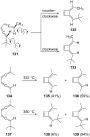
Scheme 35: Stereochemistry of the thermal cyclization of bisallenes to bismethylenecyclobutenes.

Scheme 36: Bisallene→bismethylenecyclobutene ring closures in the solid state.

Scheme 37: A bisallene cyclization/dimerization reaction.

Scheme 38: A selection of Diels–Alder additions of 1,2,4,5-hexatetraene with various double-bond dienophiles.

Scheme 39: The stereochemistry of the [2 + 4] cycloaddition to conjugated bisallenes.

Scheme 40: Preparation of azetidinone derivatives from conjugated bisallenes.

Scheme 41: Cycloaddition of heterodienophiles to a conjugated bisallene.

Scheme 42: Addition of triple-bond dienophiles to conjugated bisallenes.

Scheme 43: Sulfur dioxide addition to conjugated bisallenes.

Scheme 44: The addition of a germylene to a conjugated bisallene.

Scheme 45: Trapping of conjugated bisallenes with phosphinidenes.

Scheme 46: The cyclopropanantion of 1,2,4,5-hexatetraene (2).

Scheme 47: Photochemical reactions involving conjugated bisallenes.

Scheme 48: Base-catalyzed isomerizations of conjugated bisallenes.

Scheme 49: Ionic additions to a conjugated bisallene.

Scheme 50: Oxidation reactions of a conjugated bisallene.
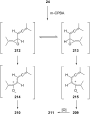
Scheme 51: The mechanism of oxidation of the bisallene 24.

Scheme 52: CuCl-catalyzed cyclization of 1,2,4,5-hexatetraene (2).

Scheme 53: The conversion of conjugated bisallenes into cyclopentenones.

Scheme 54: Oligomerization of a conjugated bisallene by nickel catalysts.
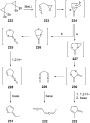
Scheme 55: Generation of 1,2,5,6-heptatetraene (229) as a reaction intermediate.

Scheme 56: The preparation of a stable derivative of 1,2,5,6-heptatetraene.

Scheme 57: A bisallene with a carbonyl group as a spacer element.

Scheme 58: The first preparation of 1,2,6,7-octatetraene (242).

Scheme 59: Preparation of 1,2,6,7-octatetraenes by (C4 + C4)-coupling of enynes.

Scheme 60: Preparation of 1,2,6,7-octatetraenes by (C4 + C4)-coupling of homoallenyl bromides.

Scheme 61: Preparation of 1,2,6,7-octatetraenes by alkylation of propargylic substrates.

Scheme 62: Preparation of two highly functionalized 1,2,6,7-octatetraenes.

Scheme 63: Preparation of several higher α,ω-bisallenes.

Scheme 64: Preparation of different alkyl derivatives of α,ω-bisallenes.

Scheme 65: The preparation of functionalized 1,2,7,8-nonatetraene derivatives.

Scheme 66: Preparation of functionalized α,ω-bisallenes.

Scheme 67: The preparation of an α,ω-bisallene by direct homologation of an α,ω-bisalkyne.

Scheme 68: The gas-phase pyrolysis of 4,4-dimethyl-1,2,5,6-heptatetraene (237).
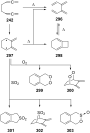
Scheme 69: Gas-phase pyrolysis of 1,2,6,7-octatetraene (242).

Scheme 70: The cyclopropanation of 1,2,6,7-octatetraene (242).

Scheme 71: Intramolecular cyclization of 1,2,6,7-octatetraene derivatives.

Scheme 72: The gas-phase pyrolysis of 1,2,7,8-nonatetraene (265) and 1,2,8,9-decatetraene (266).

Scheme 73: Rh-catalyzed cyclization of a functionalized 1,2,7,8-nonatetraene.

Scheme 74: A triple cyclization involving two different allenic substrates.

Scheme 75: Bicyclization of keto derivatives of 1,2,7,8-nonatetraene.

Scheme 76: The preparation of complex organic compounds from functionalized bisallenes.

Scheme 77: Cycloisomerization of an α,ω-bisallene containing a C9 tether.

Scheme 78: Organoborane polymers from α,ω-bisallenes.

Scheme 79: Preparation of trans- (337) and cis-1,2,4,6,7-octapentaene (341).

Scheme 80: The preparation of 4-methylene-1,2,5,6-heptatetraene (349).

Scheme 81: The preparation of acetylenic bisallenes.

Scheme 82: The preparation of derivatives of hydrocarbon 351.

Scheme 83: The construction of macrocyclic alleno-acetylenes.

Scheme 84: Preparation and reactions of 4,5-bismethylene-1,2,6,7-octatetraene (365).

Scheme 85: Preparation of 1,2-bis(propadienyl)benzene (370).

Scheme 86: The preparation of 1,4-bis(propadienyl)benzene (376).

Scheme 87: The preparation of aromatic and heteroaromatic bisallenes by metal-mediated coupling reactions.

Scheme 88: Double cyclization of an aromatic bisallene.

Scheme 89: Preparation of an allenic [15]paracyclophane by a ring-closing metathesis reaction of an aromatic α...

Scheme 90: Preparation of a macrocyclic ring system containing 1,4-bis(propadienyl)benzene units.

Scheme 91: Preparation of copolymers from 1,4-bis(propadienyl)benzene (376).

Scheme 92: A boration/copolymerization sequence of an aromatic bisallene and an aromatic bisacetylene.

Scheme 93: Formation of a layered aromatic bisallene.

Figure 4: The first members of the semicyclic bisallene series.

Scheme 94: Preparation of the first bis(vinylidene)cyclobutane derivative.
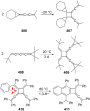
Scheme 95: Dimerization of strain-activated cumulenes to bis(vinylidene)cyclobutanes.

Scheme 96: Photodimerization of two fully substituted butatrienes in the solid state.

Scheme 97: Preparation of the two parent bis(vinylidene)cyclobutanes.

Scheme 98: The preparation of 1,3-bis(vinylidene)cyclopentane and its thermal isomerization.

Scheme 99: The preparation of the isomeric bis(vinylidene)cyclohexanes.

Scheme 100: Bi- and tricyclic conjugated bisallenes.
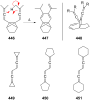
Scheme 101: A selection of polycyclic bisallenes.

Scheme 102: The first endocyclic bisallenes.

Figure 5: The stereochemistry of 1,2,6,7-cyclodecatetraene.

Scheme 103: The preparation of several endocyclic bisallenes.

Scheme 104: Synthesis of diastereomeric derivatives of 1,2,6,7-cyclodecatetraene.

Scheme 105: Preparation of a derivative of 1,2,8,9-cyclotetradecatetraene.

Scheme 106: The preparation of keto derivatives of cyclic bisallenes.

Scheme 107: The preparation of cyclic biscumulenic ring systems.

Scheme 108: Cyclic bisallenes in natural- and non-natural-product chemistry.

Scheme 109: The preparation of iron carbonyl complexes from cyclic bisallenes.

Figure 6: A selection of unknown exocyclic bisallenes that should have interesting chemical properties.

Scheme 110: The thermal isomerization of 1,2-diethynylcyclopropanes and -cyclobutanes.

Scheme 111: Intermediate generation of a cyclooctapentaene.

Scheme 112: Attempted preparation of a cyclodecahexaene.

Scheme 113: The thermal isomerization of 1,5,9-cyclododecatriyne (511) into [6]radialene (514).

Scheme 114: An isomerization involving a diketone derived from a conjugated bisallene.

Scheme 115: Typical reaction modes of heteroorganic bisallenes.

Scheme 116: Generation and thermal behavior of acyclic hetero-organic bisallenes.

Scheme 117: Generation of bis(propadienyl)thioether.

Scheme 118: The preparation of a bisallenic sulfone and its thermal isomerization.

Scheme 119: Bromination of the bisallenic sulfone 535.

Scheme 120: Metalation/hydrolysis of the bisallenic sulfone 535.

Scheme 121: Aromatic compounds from hetero bisallenes.

Scheme 122: Isomerization/cyclization of bispropargylic ethers.

Scheme 123: The preparation of novel aromatic systems by base-catalyzed isomerization of bispropargyl ethers.

Scheme 124: The isomerization of bisacetylenic thioethers to bicyclic thiophenes.

Scheme 125: Aromatization of macrocyclic bispropargylic sulfides.

Scheme 126: Preparation of ansa-compounds from macrocyclic bispropargyl thioethers.

Scheme 127: Alternate route for cyclization of a heterorganic bisallene.
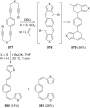
Scheme 128: Multiple isomerization/cyclization of “double” bispropargylic thioethers.

Scheme 129: Preparation of a bisallenyl disulfide and its subsequent bicyclization.

Scheme 130: Thermal cyclization of a bisallenyl thiosulfonate.

Scheme 131: Some reactions of heteroorganic bisallenes with two sulfur atoms.

Scheme 132: Further methods for the preparation of heteroorganic bisallenes.

Scheme 133: Cyclization reactions of heteroorganic bisallenes.

Scheme 134: Thermal cycloadditions of bisallenic tertiary amines.

Scheme 135: Cyclization of a bisallenic tertiary amine in the presence of a transition-metal catalyst.

Scheme 136: A Pauson–Khand reaction of a bisallenic ether.

Scheme 137: Formation of a 2:1adduct from two allenic substrates.

Scheme 138: A ring-forming silastannylation of a bisallenic tertiary amine.

Scheme 139: A three-component cyclization involving a heterorganic bisallene.

Scheme 140: Atom-economic construction of a complex organic framework from a heterorganic α,ω-bisallene.
Organocatalytic asymmetric addition of malonates to unsaturated 1,4-diketones
- Sergei Žari,
- Tiiu Kailas,
- Marina Kudrjashova,
- Mario Öeren,
- Ivar Järving,
- Toomas Tamm,
- Margus Lopp and
- Tõnis Kanger
Beilstein J. Org. Chem. 2012, 8, 1452–1457, doi:10.3762/bjoc.8.165
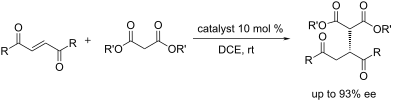
- enantioenriched products through a carbon–carbon bond formation [1][2][3][4][5]. Recently, unsaturated 1,4-dicarbonyl compounds, such as 1,4-ketoesters [6][7][8], 1,4-diketones [9], 1,4-ketoamides [9][10] and dialkylfumarates [11], have been the substrates for this reaction. The reaction products can undergo

Graphical Abstract

Figure 1: The conjugated addition to unsaturated 1,4-diketone 1.

Figure 2: Organocatalysts screened.

Figure 3: Proposed transition state.

Figure 4: Calculated (red) and experimental (blue) IR (A) and VCD spectrum (B) of compound (R)-3a.
Organocatalytic asymmetric Michael addition of unprotected 3-substituted oxindoles to 1,4-naphthoquinone
- Jin-Sheng Yu,
- Feng Zhou,
- Yun-Lin Liu and
- Jian Zhou
Beilstein J. Org. Chem. 2012, 8, 1360–1365, doi:10.3762/bjoc.8.157
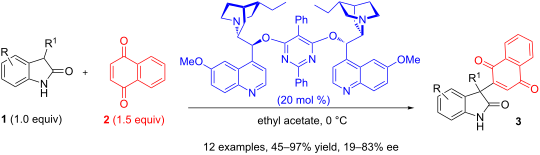
- be a powerful strategy for the α-arylation of β-ketoesters and aldehydes. Inspired by their work, we anticipated that the catalytic asymmetric addition of 3-aryloxindoles to quinones would possibly install a hydroquinone moiety at the C3 position of oxindole to furnish the desired chiral 3,3

Graphical Abstract

Figure 1: Cinchona alkaloid-derived catalysts screened for condition optimization (Table 1).

Scheme 1: A one-pot synthesis of enantioenriched 3,3-diaryloxindoles.
Recyclable fluorous cinchona alkaloid ester as a chiral promoter for asymmetric fluorination of β-ketoesters
- Wen-Bin Yi,
- Xin Huang,
- Zijuan Zhang,
- Dian-Rong Zhu,
- Chun Cai and
- Wei Zhang
Beilstein J. Org. Chem. 2012, 8, 1233–1240, doi:10.3762/bjoc.8.138
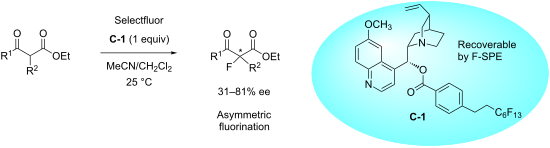
- , Boston, MA 02125, USA 10.3762/bjoc.8.138 Abstract A fluorous cinchona alkaloid ester has been developed as a chiral promoter for the asymmetric fluorination of β-ketoesters. It has comparable reactivity and selectivity to the nonfluorous versions of cinchona alkaloids and can be easily recovered from
- organofluorine chemistry plays an important role in the life sciences [3][4]. A fluorine atom has been introduced to the α-position of some biologically interesting β-ketoesters, such as erythromycin and sesquiterpenic drimane (Figure 1) [5][6]. The achiral fluorination of β-ketoesters can be achieved by
- imido-protected phenylglycines (up to 94% ee), indanones and tetralones (up to 91% ee), ethyl α-cyanotolyl acetates (up to 87% ee), and cyclic β-ketoesters (up to 80% ee) [15]. A catalytic approach for the cinchona alkaloids and Selectfluor combinations has also been developed [16]. The Togni group

Graphical Abstract

Figure 1: Biologically interesting α-fluorinated β-ketoesters.

Scheme 1: Preparation of quinine ester C-1.

Figure 2: Promoters for asymmetric fluorination.

Scheme 2: Preparation of 2a by using recycled quinine ester C-1.

Figure 3: The asymmetric fluorination of various β-ketoesters.
Intramolecular carbenoid ylide forming reactions of 2-diazo-3-keto-4-phthalimidocarboxylic esters derived from methionine and cysteine
- Marc Enßle,
- Stefan Buck,
- Roland Werz and
- Gerhard Maas
Beilstein J. Org. Chem. 2012, 8, 433–440, doi:10.3762/bjoc.8.49
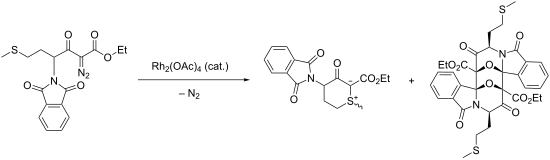
- reaction. Keywords: α-aminoacids; carbonyl ylides; cycloaddition; α-diazo-β-ketoesters; sulfonium ylides; Introduction The synthetic potential of diazo compounds, in particular of α-diazoketones and α-diazoesters, is greatly widened by the ability of the derived carbene or metal-carbene intermediates to
- -β-ketoesters 1, stable four- to seven-membered cyclic ylides 2 were obtained (Scheme 1); in the case of R2 = allyl, however, the ylides underwent a spontaneous [2,3]-sigmatropic rearrangement. On the other hand, the conversion of methionine-derived diazoketone 3 into the cyclic sulfonium ylide 4 was
- , yielding either a cyclic sulfonium ylide or a six-ring carbonyl ylide. In fact, it has been found that Rh(II)-catalyzed dediazoniation of α-diazo-β-ketoesters with γ-phthalimido [18][19] or related [20] substituents gives rise to cyclic carbonyl ylides, which were trapped by intermolecular cycloaddition

Graphical Abstract

Scheme 1: Synthesis of cyclic sulfonium ylides 2; n = 0–3.

Scheme 2: Non-carbenoid formation of sulfonium ylide 4.

Scheme 3: Conditions: (a) phthalic anhydride, NEt3 (10 mol %), toluene, reflux, 2 h; (b) 1. carbonyldiimidazo...

Scheme 4: Rh(II)-catalysed carbenoid reactions of diazoesters 8a,b.

Figure 1: Proposed relative configurations of the diastereomeric cyclic sulfonium ylides 12aA and 12aB. 1H NM...

Scheme 5: Endo transition state for [3 + 3]-dimerisation of carbonyl ylide 14.

Scheme 6: Rh(II)-catalysed carbenoid reactions of diazoester 8c.
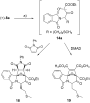
Scheme 7: Tandem cyclisation/intermolecular cycloaddition of diazoester 8a. Conditions: (a) Rh2(OAc)4 (3 mol ...

Scheme 8: Carbenoid formation of sulfonium ylides from diazoesters 11a,b. Conditions: (a) Rh2(OAc)4 (3 mol %)...
N-Heterocyclic carbene/Brønsted acid cooperative catalysis as a powerful tool in organic synthesis
- Rob De Vreese and
- Matthias D’hooghe
Beilstein J. Org. Chem. 2012, 8, 398–402, doi:10.3762/bjoc.8.43
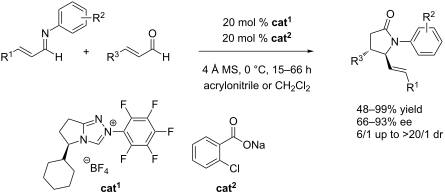
- -unsaturated aldehydes [18], the enantioselective synthesis of cyclopentenes from α,β-unsaturated aldehydes and α,β-unsaturated ketones [19], and the preparation of cyclopentanes through the reaction of enals and β,γ-unsaturated α-ketoesters [20]. Discussion Recently, Rovis et al. reported that the acetate

Graphical Abstract

Scheme 1: Synthesis of the first free and stable N-heterocyclic carbene by Arduengo [2].

Scheme 2: Conjugate “umpolung” of α,β-unsaturated aldehydes.

Scheme 3: The carbene + conjugate acid – azolium + base equilibrium.

Scheme 4: Formation of Breslow intermediates 10 and iminium salts 12 and their use toward the synthesis of γ-...

Scheme 5: Synthesis of trans-γ-lactams 16 through NHC/Brønsted acid cooperative catalysis.

Figure 1: Proposed hydrogen-bonding intermediates 19 in the formation of pyrrolidin-2-ones 16.
Development of the titanium–TADDOLate-catalyzed asymmetric fluorination of β-ketoesters
- Lukas Hintermann,
- Mauro Perseghini and
- Antonio Togni
Beilstein J. Org. Chem. 2011, 7, 1421–1435, doi:10.3762/bjoc.7.166
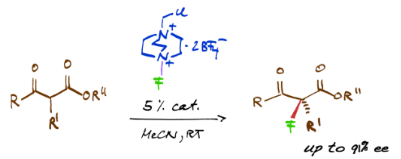
- Lewis acids catalyze the α-fluorination of β-ketoesters by electrophilic N–F-fluorinating reagents. Asymmetric catalysis with TADDOLato–titanium(IV) dichloride (TADDOL = α,α,α',α'-tetraaryl-(1,3-dioxolane-4,5-diyl)-dimethanol) Lewis acids produces enantiomerically enriched α-fluorinated β-ketoesters in
- ][32][33] and Shibata [34][35]. Second, the research efforts of our group towards realizing metal-catalyzed fluorinations [36][37][38] and asymmetric catalytic fluorination reactions [39], successfully channeled into the discovery of a catalytic asymmetric α-fluorination of β-ketoesters (Scheme 1) by
- means of the reagent F–TEDA and chiral titanium Lewis acid catalysts of the TiCl2(TADDOLate) type [40][41][42]. The same catalytic reaction principle has also allowed the performance of asymmetric chlorinations and brominations of β-ketoesters [43][44][45]. After the initial report [40], many metal

Graphical Abstract

Figure 1: Fluorinated substances of biomedical relevance.

Scheme 1: Enantioselective electrophilic fluorination catalyzed by TADDOLates K1, K2. TADDOL = α,α,α',α'-tetr...
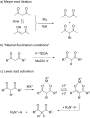
Scheme 2: Halogenation of β-ketocarbonyl compounds: Importance of enolization and the potential role of a met...

Figure 2: Model substrates for catalytic fluorinations, with the degree of enolization determined by 1H NMR m...

Figure 3: 1H NMR (250 MHz) spectra of fluorination reaction mixtures diluted with CDCl3 and filtered. a) Full...

Scheme 3: Qualitative ordering of catalytic activity of several Lewis acids in the fluorination 1→1-F.

Scheme 4: Catalysis of the “neutral” fluorination of β-ketoesters with F–TEDA by Lewis acidic titanium comple...

Figure 4: Structure of the chiral ansa-metallocene [(EBTHI)Ti(OTf)2].
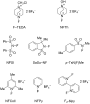
Figure 5: Electrophilic fluorinating reagents of the N–F-type. F–TEDA [27]; NFTh = 1-fluoro-4-hydroxy-1,4-diazoni...

Scheme 5: Synthesis of trifluoromethyl-substituted TADDOL ligands.

Scheme 6: Correlation experiments for the assignment of absolute configuration to fluorination products 11-F, ...

Scheme 7: Mechanistic scheme proposed, based on visual and spectroscopic observations. L = solvent, counterio...

Figure 6: 1H NMR spectra of a species of the type A, generated in CD3CN solution from K1 by ionization in the...

Figure 7: Steric model explaining the face selectivity observed in the titanium–TADDOLate complex catalyzed f...

Figure 8: Excerpt from the X-ray structure of a catalyst/substrate complex [Ti(1-naphthyl-TADDOLato)(β-ketoen...
Oxidative allylic rearrangement of cycloalkenols: Formal total synthesis of enantiomerically pure trisporic acid B
- Silke Dubberke,
- Muhammad Abbas and
- Bernhard Westermann
Beilstein J. Org. Chem. 2011, 7, 421–425, doi:10.3762/bjoc.7.54
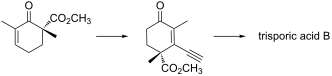
- 2455, 11415 Riyadh, Saudi Arabia Martin-Luther-University, Department of Organic Chemistry, Kurt-Mothes-Str. 2, D-06120 Halle (Saale), Germany 10.3762/bjoc.7.54 Abstract Enantiomerically highly enriched unsaturated β-ketoesters bearing a quaternary stereocenter can be utilized as building blocks for
- synthesis of this stereogenic unit and solutions have been found, e.g., by Christoffers and d’Angelo [9][10][11]. We have already disclosed our results to obtain these products highly enantiomerically enriched by pig liver esterase (PLE) catalyzed saponification of α-substituted β-ketoesters [12][13]. We
- have now extended this methodology towards the saponification of unsaturated β-ketoesters (±)-1a,b (Scheme 1) to provide a convenient access to highly functionalized cyclohexenones in optically pure form. In addition, we show that non-racemic chiral α-substituted, β-ketoesters such as (−)-1c can be

Graphical Abstract

Scheme 1: PLE (pig liver esterase)-catalyzed saponification of β-ketoesters 1.

Figure 1: (9E)- and (9Z)-trisporic acid B.

Scheme 2: Synthesis and PLE-catalyzed saponification of β-ketoester 1c.

Scheme 3: Synthesis of key building block (+)-7.
Approaches towards the synthesis of 5-aminopyrazoles
- Ranjana Aggarwal,
- Vinod Kumar,
- Rajiv Kumar and
- Shiv P. Singh
Beilstein J. Org. Chem. 2011, 7, 179–197, doi:10.3762/bjoc.7.25
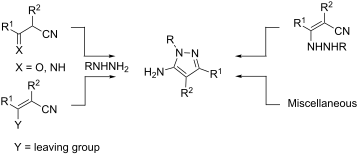
- (Scheme 32) [74]. Dodd et al. [75] have reported an efficient solid-support synthesis of 5-N-alkylamino and 5-N-arylaminopyrazoles 123. Heating the β-ketoesters 120 with resin-bound amines 119 in resin-compatible solvents, such as NMP or toluene, in the presence of DMAP gave the corresponding resin

Graphical Abstract
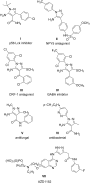
Figure 1: Pharmacologically active 5-aminopyrazoles.

Scheme 1: General equation for the condensation of β-ketonitriles with hydrazines.

Scheme 2: Reaction of hydrazinoheterocycles with α-phenyl-β-cyanoketones (4).

Scheme 3: Condensation of cyanoacetaldehyde (7) with hydrazines.

Scheme 4: Synthesis of 5-aminopyrazoles and their sulfonamide derivatives.

Scheme 5: Synthesis of 5-aminopyrazoles, containing a cyclohexylmethyl- or phenylmethyl- sulfonamido group at...

Scheme 6: Regioselective synthesis of 3-amino-2-alkyl (or aryl) thieno[3,4-c]pyrazoles 19.

Scheme 7: Solid supported synthesis of 5-aminopyrazoles.

Scheme 8: Synthesis of 5-aminopyrazoles from resin supported enamine nitrile 25 as the starting material.

Scheme 9: Two-step “catch and release” solid-phase synthesis of 3,4,5-trisubstituted pyrazoles.

Scheme 10: Synthesis of pyrazolo[5,1-d][1,2,3,5]tetrazine-4(3H)-ones.

Scheme 11: Synthesis of the 5,5-ring system, imidazo[1,2-b]pyrazol-2-ones.

Scheme 12: Synthesis of 5-amino-3-(pyrrol-2-yl)pyrazole-4-carbonitrile.

Scheme 13: Synthesis of N-(1,3-diaryl-1H-pyrazol-5-yl)benzamide.

Scheme 14: Synthesis of 3,7-bis(arylazo)-6-methyl-2-phenyl-1H-imidazo[1,2-b]pyrazoles.

Scheme 15: Synthesis of 3,5-diaminopyrazole.

Scheme 16: Synthesis of 5-amino-4-cyanopyrazole and 5-amino-3-hydrazinopyrazole.

Scheme 17: Synthesis of 3,5-diaminopyrazoles with substituted malononitriles.

Scheme 18: Synthesis of 3,5-diamino-4-oximinopyrazole.

Scheme 19: Synthesis of 4-arylazo-3,5-diaminopyrazoles.

Scheme 20: Synthesis of 3- or 5-amino-4-cyanopyrazoles.

Scheme 21: Synthesis of triazenopyrazoles.

Scheme 22: Synthesis of 5(3)-aminopyrazoles.

Scheme 23: Synthesis of 3-substituted 5-amino-4-cyanopyrazoles.

Scheme 24: Synthesis of 2-{[(1-acetyl-4-cyano-1H-pyrazol-5-yl)amino]methylene}malononitrile.

Scheme 25: Synthesis of 5-aminopyrazole carbodithioates and 5-amino-3-arylamino-1-phenylpyrazole-4-carboxamide...

Scheme 26: Synthesis of 5-amino-4-cyanopyrazoles.

Scheme 27: Synthesis of thiazolylpyrazoles.

Scheme 28: Synthesis of 5-amino-1-heteroaryl-3-methyl/aryl-4-cyanopyrazoles.

Scheme 29: Synthesis of 5-amino-3-methylpyrazole-4-carboxamide.

Scheme 30: Synthesis of 4-acylamino-3(5)-amino-5(3)-arylsulfanylpyrazoles.

Scheme 31: Synthesis of 5-amino-1-aryl-4-diethoxyphosphoryl-3-halomethylpyrazoles.

Scheme 32: Synthesis of substituted 5-amino-3-trifluoromethylpyrazoles 114 and 118.

Scheme 33: Solid-support synthesis of 5-N-alkylamino and 5-N-arylaminopyrazoles.

Scheme 34: Synthesis of 5-amino-1-cyanoacetyl-3-phenyl-1H-pyrazole.

Scheme 35: Synthesis of 3-substituted 5-amino-1-aryl-4-(benzothiazol-2-yl)pyrazoles.

Scheme 36: Synthesis of 5-amino-4-carbethoxy-3-methyl-1-(4-sulfamoylphenyl)pyrazole.

Scheme 37: Synthesis of inhibitors of hsp27-phosphorylation and TNFa-release.

Scheme 38: Synthesis of the diglycylpyrazole 142.

Scheme 39: Synthesis of 5-amino-1-aryl-4-benzoylpyrazole derivatives.

Scheme 40: Synthesis of 4-benzoyl-3,5-diamino-1-(2-cyanoethyl)pyrazole.

Scheme 41: Synthesis of the 5-aminopyrazole derivative 150.

Scheme 42: Synthesis of 3,5-diaminopyrazoles 153.

Scheme 43: Synthesis of 5-aminopyrazoles derivatives 155 via lithiated intermediates.

Scheme 44: Synthesis of 5-amino-4-(1,2,4-oxadiazol-5-yl)-pyrazoles 157.

Scheme 45: Synthesis of a 5-aminopyrazole with anticonvulsant activity.

Scheme 46: Synthesis of tetrasubstituted 5-aminopyrazole derivatives.

Scheme 47: Synthesis of substituted 5-aminopyrazoles from hydrazonoyl halides.

Scheme 48: Synthesis of 3-amino-5-phenylpyrazoles from isothiazoles.

Scheme 49: Synthesis of 5-aminopyrazoles via ring transformation.
Highly substituted benzannulated cyclooctanol derivatives by samarium diiodide-induced cyclizations
- Jakub Saadi,
- Irene Brüdgam and
- Hans-Ulrich Reissig
Beilstein J. Org. Chem. 2010, 6, 1229–1245, doi:10.3762/bjoc.6.141
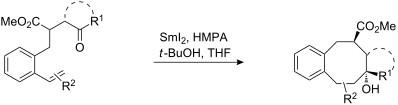
- described the efficient synthesis of cyclooctanol and cyclooctenol derivatives by samarium diiodide-induced 8-endo-trig and 8-endo-dig cyclizations of γ-styryl- [20][31][33] and γ-phenylalkynyl-substituted [20][32] ketoesters. Recently, we have also reported our preliminary results on cyclizations of
- an add-on to our previous observations [33], we started our experiments with the cyclization of ketoesters 5a/b containing a cycloheptanone subunit. Here only the unlike-configured [45] 5a furnished the expected benzannulated tricyclic compound 6 in moderate yield (Scheme 3). The like-configured
- ring and their neighbouring protons. The cis-vicinal protons indicated strong correlations, while the trans-vicinal protons, where the dihedral angle was close to 180°, show none or almost no correlations between each other (Figure 2). In cyclizations of the (2-propenyl)phenyl-substituted ketoesters

Graphical Abstract

Scheme 1: SmI2-induced cyclizations of styryl-substituted γ-ketoesters A to benzannulated cyclooctanol deriva...

Scheme 2: Three-step synthesis of precursor 4 starting from siloxycyclopropane derivative 1.

Scheme 3: Attempted cyclizations of diastereomeric cycloheptanone derivatives 5a and 5b.

Scheme 4: Samarium diiodide-induced cyclization of γ-ketoester 7a to tricyclic compound 8.

Scheme 5: Samarium diiodide-induced cyclizations of methyl ketone 4 and iso-propyl ketone 11.

Figure 1: NOESY-correlation for compound 10.
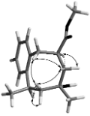
Figure 2: NOESY-correlation for compound 9.

Scheme 6: Assumed transition structures and intermediates A, B, or C for the cyclizations of (2-propenyl)phen...

Scheme 7: Reductive fragmentation of highly hindered ketoester 14.

Scheme 8: Samarium diiodide-induced cyclization of phenyl-substituted substrate 16 leading to lactones 17a an...

Figure 3: Molecular structure (Diamond [52]) of compound 17b.

Scheme 9: Samarium diiodide-induced cyclizations of (E)-(1-propenyl)phenyl-substituted γ-ketoesters 18, 21, a...

Figure 4: Proposed transition structure for the cyclization of (E)-1-propenyl-substituted substrates (HMPA li...

Scheme 10: Attempted samarium diiodide-induced cyclizations with (E)-1-propenyl-substituted precursors 26a and ...

Scheme 11: Attempted samarium diiodide-induced cyclization of (Z)-1-propenyl-substituted precursor 30.

Scheme 12: Samarium diiodide-induced cyclizations of γ-ketoesters 33 and 36.

Scheme 13: Samarium diiodide-induced cyclizations of diastereomeric stilbenyl-substituted γ-ketoesters 38a and ...

Figure 5: Molecular structure (Diamond [52]) of compound 40.

Scheme 14: Attempted cyclization of β-dialkyl-substituted styrene derivative 41.

Scheme 15: Typical products of samarium diiodide-induced 8-endo-trig cyclizations of α-styryl-substituted γ-ke...

Scheme 16: Typical products of samarium diiodide-induced 8-endo-trig cyclizations of β-styryl-substituted γ-ke...
Systematic investigations on the reduction of 4-aryl-4-oxoesters to 1-aryl-1,4-butanediols with methanolic sodium borohydride
- Subrata Kumar Chaudhuri,
- Manabendra Saha,
- Amit Saha and
- Sanjay Bhar
Beilstein J. Org. Chem. 2010, 6, 748–755, doi:10.3762/bjoc.6.94
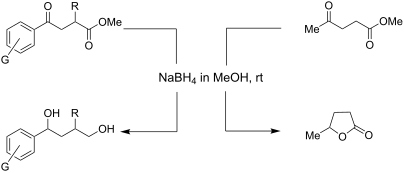
- describe herein our systematic investigations to elucidate the different parameters involved in these reactions and to establish their synthetic usefulness. Results and Discussion When, the γ-aryl-γ-ketoesters (1a–1f) were treated with methanolic NaBH4 (4 equiv) at room temperature (room temperature
- implies 30 °C throughout) both the oxo- and the alkoxycarbonyl moieties were reduced to give the diols (2a–2f), as shown in Scheme 1. γ-Aryl-α,β-unsaturated-γ-ketoesters (1g and 1h), on similar treatment, furnished the saturated diols (2a and 2b) by the reduction of both the keto and the ester groups
- ][22][23][24][25][26][27] for the chemoselective reduction of the keto group of all types of γ-oxoesters. Mechanistic rationale for diol formation during the reduction of a γ-aryl-α,β-unsaturated-γ-ketoester with methanolic NaBH4. Facile reduction of γ-aryl-γ-ketoesters to the corresponding diols with

Graphical Abstract

Scheme 1: Facile reduction of γ-aryl-γ-ketoesters to the corresponding diols with methanolic NaBH4 at room te...

Scheme 2: Facile reduction of γ-aryl-α,β-unsaturated-γ-ketoesters to the diols with methanolic NaBH4 at room ...

Scheme 3: Facile reduction of γ-alkyl-γ-ketoester to the corresponding lactone with methanolic NaBH4 at room ...

Scheme 4: Reduction of methyl o-benzoylbenzoate with methanolic NaBH4.

Scheme 5: Reluctance of ester 8 towards reduction with methanolic NaBH4 at room temperature.

Scheme 6: Intermediacy of a lactone in the formation of diol.

Scheme 7: Diol formation from γ-aryl-α,β-unsaturated-γ-ketoester through the intermediacy of a saturated lact...

Figure 1: Mechanistic rationale for diol formation during the reduction of a γ-aryl-α,β-unsaturated-γ-ketoest...

Scheme 8: Intermediacy of γ-aryl-α,β-unsaturated-γ-hydroxyester during the reduction of γ-aryl-α,β-unsaturate...

Scheme 9: Reduction of γ-aryl-α,β-anti-dibromo-γ-ketoester with methanolic NaBH4.

Scheme 10: Intermediacy of γ-aryl-α,β-unsaturated-γ-hydroxyester during the reduction of γ-aryl-α,β-anti-dibro...

Scheme 11: Chemoselective reduction of keto group in the presence of ester moiety where structural rigidity pr...
Shelf-stable electrophilic trifluoromethylating reagents: A brief historical perspective
- Norio Shibata,
- Andrej Matsnev and
- Dominique Cahard
Beilstein J. Org. Chem. 2010, 6, No. 65, doi:10.3762/bjoc.6.65
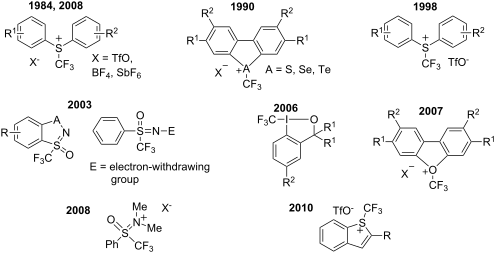
- trifluoromethylation of aliphatic alcohols and these are now commercially available. In 2008, we reported a novel fluorinated Johnson-type reagent for electrophilic trifluoromethylation of carbon-centered nucleophiles. This reagent has demonstrated high efficiency in trifluoromethylation of cyclic β-ketoesters and
- ]thiophenium salts have also demonstrated high ability for trifluoromethylation of β-ketoesters and dicyanoalkylidenes to yield the trifluoromethylated products with a quaternary carbon center, even if the substrates have a rather unreactive acyclic system. In this review, we wish to briefly provide a
- conditions to give ortho-trifluoromethylated arenes in good yields (Scheme 7). Togni’s reagent (37, see later in the text) could be used for this reaction, although product yields were as low as 11%. The reaction conditions for trifluoromethylation of silyl enol ethers and β-ketoesters were reinvestigated by

Graphical Abstract

Scheme 1: Preparation of the first electrophilic trifluoromethylating reagent and its reaction with a thiophe...

Scheme 2: Synthetic routes to S-CF3 and Se-CF3 dibenzochalcogenium salts.

Scheme 3: Synthesis of (trifluoromethyl)dibenzotellurophenium salts.

Scheme 4: Nitration of (trifluoromethyl)dibenzochalcogenium salts.

Scheme 5: Synthesis of a sulphonium salt with a bridged oxygen.

Scheme 6: Reactivity of (trifluoromethyl)dibenzochalcogenium salts.

Scheme 7: Pd(II)-Catalyzed ortho-trifluoromethylation of heterocycle-substituted arenes by Umemoto’s reagents....

Scheme 8: Mild electrophilic trifluoromethylation of β-ketoesters and silyl enol ethers.

Scheme 9: Enantioselective electrophilic trifluoromethylation of β-ketoesters.

Scheme 10: Preparation of water-soluble S-(trifluoromethyl)dibenzothiophenium salts.

Scheme 11: Method for large-scale preparation of S-(trifluoromethyl)dibenzothiophenium salts.

Scheme 12: Triflic acid catalyzed synthesis of 5-(trifluoromethyl)thiophenium salts.

Scheme 13: Trifluoromethylation of β-ketoesters and dicyanoalkylidenes by S-(trifluoromethyl)benzothiophenium ...

Scheme 14: Synthesis of chiral S-(trifluoromethyl)benzothiophenium salt 18 and attempt of enantioselective tri...

Scheme 15: Synthesis of O-(trifluoromethyl)dibenzofuranium salts.

Scheme 16: Photochemical O- and N-trifluoromethylation by 20b.

Scheme 17: Thermal O-trifluoromethylation of phenol by diazonium salt 19a. Effect of the counteranion.

Scheme 18: Thermal O- and N-trifluoromethylations.

Scheme 19: Method of preparation of S-(trifluoromethyl)diphenylsulfonium triflates.

Scheme 20: Reactivity of some S-(trifluoromethyl)diarylsulfonium triflates.

Scheme 21: One-pot synthesis of S-(trifluoromethyl)diarylsulfonium triflates.

Scheme 22: One-pot synthesis of Umemoto’s type reagents.

Scheme 23: Preparation of sulfonium salts by transformation of CF3− into CF3+.

Scheme 24: Selected reactions with the new Yagupolskii reagents.

Scheme 25: Synthesis of heteroaryl-substituted sulfonium salts.

Scheme 26: First neutral S-CF3 reagents.

Scheme 27: Synthesis of Togni reagents. aYield for the two-step procedure.

Scheme 28: Trifluoromethylation of C-nucleophiles with 37.

Scheme 29: Selected examples of trifluoromethylation of S-nucleophiles with 37.

Scheme 30: Selected examples of trifluoromethylation of P-nucleophiles with 35 and 37.

Scheme 31: Trifluoromethylation of 2,4,6-trimethylphenol with 35.

Scheme 32: Examples of O-trifluoromethylation of alcohols with 35 in the presence of 1 equiv of Zn(NTf2)2.

Scheme 33: Formation of trifluoromethyl sulfonates from sulfonic acids and 35.

Scheme 34: Organocatalytic α-trifluoromethylation of aldehydes with 37.

Scheme 35: Synthesis of reagent 42 and mechanism of trifluoromethylation.

Scheme 36: Trifluoromethylation of β-ketoesters and dicyanoalkylidenes with 42.
Continuous flow based catch and release protocol for the synthesis of α-ketoesters
- Alessandro Palmieri,
- Steven V. Ley,
- Anastasios Polyzos,
- Mark Ladlow and
- Ian R. Baxendale
Beilstein J. Org. Chem. 2009, 5, No. 23, doi:10.3762/bjoc.5.23
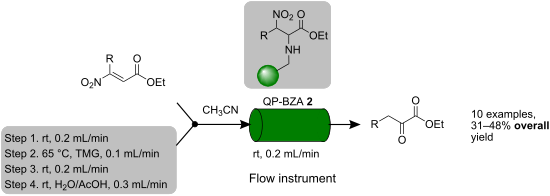
- , Melbourne, Australia, 3169 Uniqsis, Shepreth, Cambridgeshire, SG8 6GB, United Kingdom 10.3762/bjoc.5.23 Abstract Using a combination of commercially available mesofluidic flow equipment and tubes packed with immobilised reagents and scavengers, a new synthesis of α-ketoesters is reported. Keywords: catch
- and release; flow synthesis; α-ketoesters; mesoreactor; polymer supported reagents; Introduction Organic synthesis is changing rapidly owing to the discovery of processes that challenge current dogma and lead to the invention of new chemical reactions [1][2]. Likewise, new synthesis tools are
- chemical syntheses [38][39][40][41][42][43][44][45][46][47][48][49][50][51][52][53][54]. In this work we report the use of the Uniqsis FlowSyn™ continuous flow reactor [55] (Figure 1) to effect a flow-based preparation of α-ketoesters. The key feature of this process is the application of a catch and

Graphical Abstract

Figure 1: The Uniqsis FlowSyn™ continuous flow reactor comprising of a column holder and heating unit (A) and...

Scheme 1: General procedure for the flow synthesis of α-ketoester products 4a–j.

Scheme 2: General procedure for the batch synthesis of nitroolefinic esters 1a–j.

Scheme 3: General procedure for the flow synthesis of nitroolefinic esters 1a,c.

Figure 2: α-Ketoesters prepared and isolated yields.



