Search results
Search for "pH" in Full Text gives 1056 result(s) in Beilstein Journal of Organic Chemistry. Showing first 200.
SOMOphilic alkyne vs radical-polar crossover approaches: The full story of the azido-alkynylation of alkenes
Beilstein J. Org. Chem. 2024, 20, 701–713, doi:10.3762/bjoc.20.64
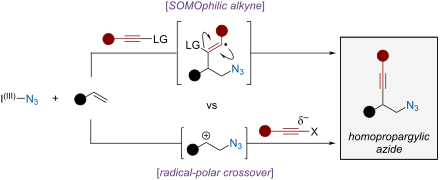
- source. Upon light irradiation, it can release an azide radical by homolysis of the I−N3 bond [46]. We were pleased to see that irradiation of a mixture of styrene (1a), Ph-EBX (2) and Ts-ABZ (3) afforded 17% isolated yield of the desired homopropargylic azide 4a (Table 1, entry 1). Heating the reaction
- to 80 °C instead of using light to form the radical only afforded traces of the product (Table 1, entry 2). Changing the solvent to DCE slightly increased the yield (Table 1, entry 3). Blue light with an emission spectrum centered around 467 nm was initially selected since Ph-EBX is known to absorb
- generate a large quantity of iodanyl radical from Ts-ABZ (3) homolysis and from the addition–elimination on Ph-EBX (2). Since no quencher is present in the mixture, we wondered if the accumulation of those radicals could be responsible for the low yields obtained. Addition of (TMS)3SiH, a H• donor


Regioselective quinazoline C2 modifications through the azide–tetrazole tautomeric equilibrium
Beilstein J. Org. Chem. 2024, 20, 675–683, doi:10.3762/bjoc.20.61
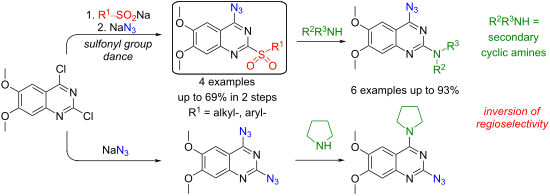
- was washed with pH 7.4 phosphate buffer to reach 96% purity [26]) yielded the regioisomers 15 of the sulfonyl group dance products at a lower yield than the previously mentioned oxidation step, which was most likely caused by the high reactivity of product 14, but the reaction conditions were not


A myo-inositol dehydrogenase involved in aminocyclitol biosynthesis of hygromycin A
Beilstein J. Org. Chem. 2024, 20, 589–596, doi:10.3762/bjoc.20.51
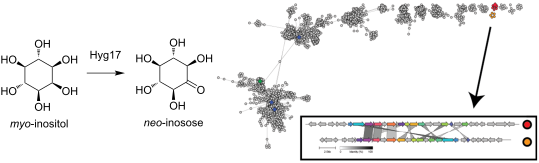
- optimal pH of Hyg17. We observed increased activity as the pH increased, with the greatest activity observed at pH 10.5–11 (Figure 2c and Supporting Information File 1, Figure S2). Similarly, LcIDH1 and LcIDH2 have an optimum pH of 9.3 and 9.5, respectively, while the myo-inositol dehydrogenase from
- Bacillus subtilis, BsIDH, has an optimal pH between 9.5–10 [12][13]. We also compared product formation between reactions with Hyg17 or BsIDH and myo-inositol using thin-layer chromatography (Supporting Information File 1, Figure S3). We found that both enzymes generated a ketone product with identical
- aminocyclitol [8]. However, none of the enzymes in the pathway have been characterized in vitro. In this study, we show that Hyg17 is an NAD+-dependent myo-inositol dehydrogenase with an optimal pH of 10.5–11. When tested on a range of inositol substrate, we show that Hyg17 has reduced activity on scyllo


Synthesis and biological profile of 2,3-dihydro[1,3]thiazolo[4,5-b]pyridines, a novel class of acyl-ACP thioesterase inhibitors
Beilstein J. Org. Chem. 2024, 20, 540–551, doi:10.3762/bjoc.20.46
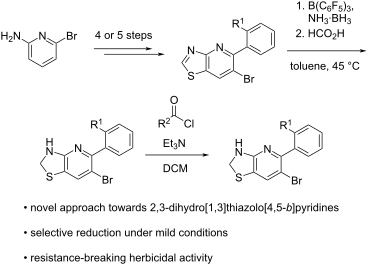
- thiazole moiety into a thiazoline unit had a measurable impact on several physicochemical parameters, such as LogP and water solubility. Whilst thiazolo[4,5-b]pyridine 5 afforded a moderate water solubility of 49 mg/L, paired with a LogP of 2.28 (pH 2.3), the corresponding 2,3-dihydro[1,3]thiazolo[4,5-b
- ]pyridine 7b had a higher water solubility of 173 mg/L and a lower LogP of 1.59 (pH 2.3). However, the lipophilicity of the new 2,3-dihydro[1,3]thiazolo[4,5-b]pyridines was highly dependent on the substituents. For example, the brominated analogs 13b and 13c showed considerably higher LogP values of 2.88
- . Active fractions were pooled together, and the buffer was exchanged into 25 mM potassium phosphate buffer pH 7.3 containing 10% glycerol with PD10 columns (GE Healthcare). Aliquots of the protein solution were frozen in liquid nitrogen and stored at −80 °C. LpFAT A fluorescence polarization assay


Switchable molecular tweezers: design and applications
Beilstein J. Org. Chem. 2024, 20, 504–539, doi:10.3762/bjoc.20.45
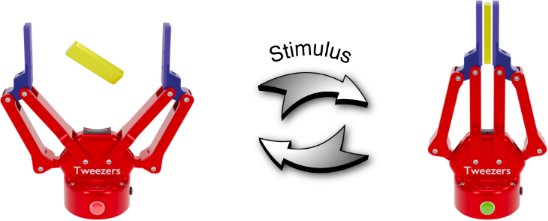
- first part will be devoted to chemically responsive tweezers, including stimuli such as pH, metal coordination, and anion binding. Then, redox-active and photochemical tweezers will be presented. Keywords: coordination; molecular recognition; molecular switches; photoswitch; redox; supramolecular
- , enabling multilevel switches. The stimuli applied to trigger these conformational changes can be categorized into three principal types: chemical, photochemical, and electrochemical. Chemical stimuli involve the introduction of small reactive molecules, such as reagents, ions, or pH changes, and are
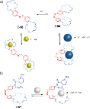
- and drug delivery systems [12]. pH-Responsive molecular tweezers A particular case of coordination-responsive systems is when a proton is used as a stimulus leading to pH-responsive systems with the protonation/deprotonation of the switchable moiety. The conformational switch in these systems is




A new analog of dihydroxybenzoic acid from Saccharopolyspora sp. KR21-0001
Beilstein J. Org. Chem. 2024, 20, 497–503, doi:10.3762/bjoc.20.44
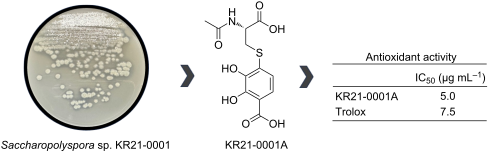
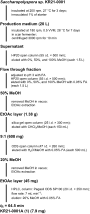
- (Scheme 1). KR21-0001A (1) was purified from the culture broth guided by the ion peak (m/z 316) using LC–MS. The supernatant of the culture broth underwent HP20 column chromatography, but 1 was not retained in the resin and eluted in the flowthrough fraction. Since 1 was an acidic compound, the pH of the
- ; pH 7.0) as the starter and incubated at 180 rpm in a rotary shaker at 27 °C for 4 days. The 1% portion of the starter was transferred into 20 L of production medium (2% glycerol, 2% soybean meal, and 0.3% NaCl) in a jar fermenter and further incubated at 150 rpm, 27 °C, 0.5 VVM (volume per volume per
- analyzed by LC–MS. The flow-through and 0% fractions were mixed and adjusted to pH 3 by adding formic acid (FA). Then, the mixture was purified by eluting with MeOH/H2O (0%, 50%, and 100%) with 0.05% of FA through a HP20 column (55 i.d. × 500 mm). The 50% fraction was concentrated in vacuo to remove MeOH



Ligand effects, solvent cooperation, and large kinetic solvent deuterium isotope effects in gold(I)-catalyzed intramolecular alkene hydroamination
Beilstein J. Org. Chem. 2024, 20, 479–496, doi:10.3762/bjoc.20.43
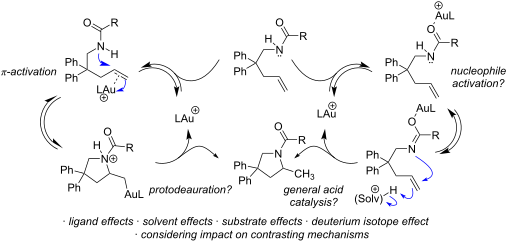
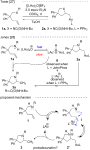
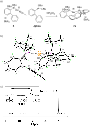
- recently developed series of bisbiphenylphosphine ligands, RP(o-biphenyl)2 (R = OPh, Ph, t-Bu) [36][37]. When urea alkene 1a (0.1 M, CD2Cl2) was treated with 1 mol % LAuOTf, where L = PhOP(o-biphenyl)2 (4a), PhP(o-biphenyl)2 (4b), t-BuP(o-biphenyl)2 (4c), the fastest rate to form 3a was observed with the
- ; there are similarities and differences in the way a sulfonamide or carbonyl impacts a neighboring nitrogen. Sulfonamides have different steric profiles from carbonyls [51]. According to Roush et al. the electron-withdrawing capability of the S(O2)Ph group is in between that of the C(O)Me and CO2Me







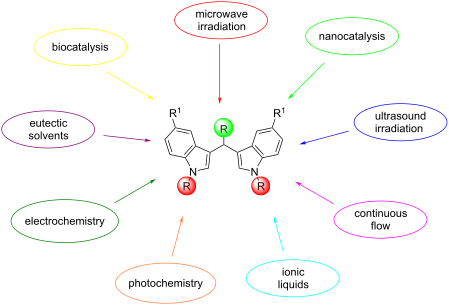
Green and sustainable approaches for the Friedel–Crafts reaction between aldehydes and indoles
Beilstein J. Org. Chem. 2024, 20, 379–426, doi:10.3762/bjoc.20.36




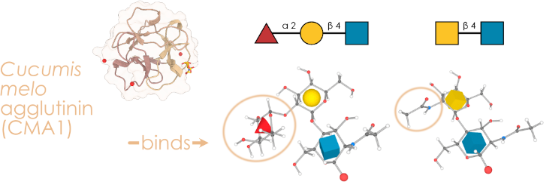
Elucidating the glycan-binding specificity and structure of Cucumis melo agglutinin, a new R-type lectin
Beilstein J. Org. Chem. 2024, 20, 306–320, doi:10.3762/bjoc.20.31
- ), did not give rise to any diffraction. Multiple layer plate or needles clusters were obtained in the presence of PEGs, but only showed weak diffraction (≈3.5 Å). Finally, in the presence of 20% PEG 8K, 0.2 M MgCl2, and 0.1 M Tris HCl pH 8.5, single diamond-shaped crystals were obtained after 1–2 days
- -ᴅ-thiogalactoside (IPTG) [Euromedex, #EU0008-C]. After 20 h, the cells were harvested by centrifugation at 5,000g for 10 min at 4 °C. For purification of bacterial recombinant CMA1, each gram of cell pellet was resuspended with 5 mL of buffer A (20 mM Tris-HCl pH 7.5, 500 mM NaCl). After addition of
- mL HisTrap column, where pure CMA1 protein was collected in the flowthrough and column wash. Full-length CMA1 (6-291) was purified from remaining E. coli contaminants using a 1 mL HiTrap™ SP Sepharose FF column (Cytiva) preequilibrated with 50 mM sodium acetate pH 5.5. After loading, the column was


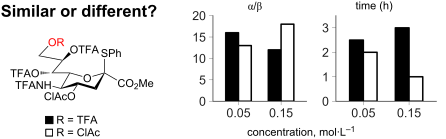
Comparison of glycosyl donors: a supramer approach
Beilstein J. Org. Chem. 2024, 20, 181–192, doi:10.3762/bjoc.20.18
- = 11.7, J4,5 = 10.3, J4,3e = 4.8, 1H, H-4), 7.27 (d, JNH,5 = 9.9, 1H, NH), 7.33–7.49 (m, 5H, Ph); 13C NMR (75 MHz, CDCl3, δ, ppm, J, Hz) 37.0 (C-3), 40.1 (CH2Cl), 40.3 (CH2Cl), 49.8 (C-5), 53.1 (OMe), 62.5 (C-9), 70.1 (C-4), 71.5, 71.8 (C-6, C-7), 75.5 (C-8), 88.2 (C-2), 114.1 (q, JC,F = 285, CF3), 114.2
- (q, JC,F = 285, CF3), 115.2 (q, JC,F = 288, CF3), 127.6, 129.6, 130.6, 136.0 (Ph), 156.4 (q, JC,F = 45, COCF3), 156.9 (q, JC,F = 44, COCF3), 158.0 (q, JC,F = 39, COCF3), 166.2, 167.5, 168.4 (COCH2Cl, CO2Me); 19F NMR (282 MHz, CDCl3, δ, ppm) −76.8 (NHCOCF3), −75.7, −75.2 (OCOCF3); HRESIMS (m/z): [M
- , J5,4 = 10.6, J5,NH = 10.3, J5,6 = 10.3, 1H, H-5), 4.13 (ABq, ΔδAB = 0.03, JAB = 14.7, 2H, CH2Cl), 4.76 (dd, J6,5 = 10.3, J6,7 = 2.2, 1H, H-6), 5.45 (dd, J7,8 = 4.4, J7,6 = 2.2, 1H, H-7), 5.77 (ddd, J4,3a = 11.4, J4,5 = 10.6, J4,3e = 4.8, 1H, H-4), 6.99 (d, JNH,5 = 10.3, 1H, NH), 7.33–7.50 (m, 5H, Ph



Synthesis of the 3’-O-sulfated TF antigen with a TEG-N3 linker for glycodendrimersomes preparation to study lectin binding
Beilstein J. Org. Chem. 2024, 20, 173–180, doi:10.3762/bjoc.20.17
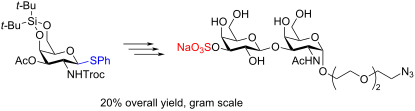
- large excess of HF·Py (40 equiv) proved to be necessary to remove the bulky silyl group. After concentration, the crude product was acetylated (Ac2O/Py, 1:2, v/v), furnishing per-acetylated compound 8 in a 53% yield over the 3 steps. Deacetylation of 8 with freshly prepared 1 M NaOMe/MeOH in MeOH at pH
- -300 4 Å molecular sieves (5.45 g) were added, and the resulting suspension was stirred at room temperature for 23 hours. NIS (5.23 g, 23.2 mmol) and AgOTf (577 mg, 2.25 mmol) were added, and the reaction was stirred at room temperature for 1 hour. Et3N was then added until the pH became neutral, and
- (100 mL) and freshly prepared 1 M NaOMe/MeOH was added until the solution reached pH 10. The reaction was stirred at room temperature for 1 hour, then neutralised with Amberlite® IR120 (H+ form) resin. The resin was filtered off, washed with MeOH and the filtrate was concentrated in vacuo. After


Tandem Hock and Friedel–Crafts reactions allowing an expedient synthesis of a cyclolignan-type scaffold
Beilstein J. Org. Chem. 2024, 20, 162–169, doi:10.3762/bjoc.20.15
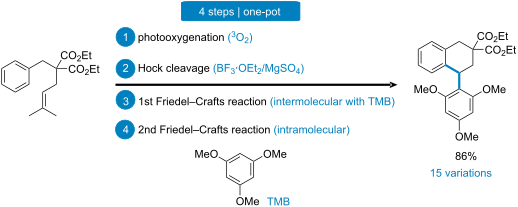
- to a complex mixture of products, the transformation of phenylmalonate substrate 16 (n = 0, Ar1 = Ph) in the presence of nucleophile 5 allowed the formation of cyclized indanyl product 17 in a decent 54% yield. Conclusion During this work, we demonstrated that the prenyl motif can be used as a




Photoinduced in situ generation of DNA-targeting ligands: DNA-binding and DNA-photodamaging properties of benzo[c]quinolizinium ions
Beilstein J. Org. Chem. 2024, 20, 101–117, doi:10.3762/bjoc.20.11
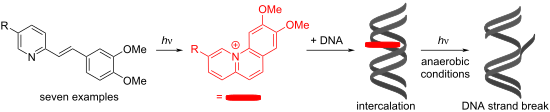
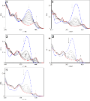
- : spectrum at the end of the irradiation. Photometric titration of ct DNA to 3c (A) 3e (B) 3f (C) and 3g (D) (c = 20 µM) in Na phosphate buffer (pH 7.0, T = 20 °C, cNa+ = 16 mM). The arrows indicate the development of the absorption bands during titration. Inset: plot of absorption versus cDNA. Fluorimetric
- titration of ct DNA to 3c (A), 3e (B), 3f (C), and 3g (D) (c = 20 µM) in Na phosphate buffer (pH 7.0, T = 20 °C, cNa+ = 16 mM). The arrows indicate the development of the emission bands during titration. Inset: plot of relative emission intensity versus cDNA. CD (A) and LD (B) spectra of 3f and ct DNA (cDNA
- = 20 µM) in Na phosphate buffer (pH 7.0, T = 20 °C, cNa+ = 16 mM) at LDR = 0 (black), 0.2 (red), 0.5 (green), 1.0 (blue), 1.5 (orange), and 2.0 (magenta). Changes of the absorption (A) and CD (B) spectra during the irradiation of 2e (1) and 2f (2) (c = 20 μM) in the presence of ct DNA (cDNA = 0.1 mM




Optimizing reaction conditions for the light-driven hydrogen evolution in a loop photoreactor
Beilstein J. Org. Chem. 2024, 20, 74–91, doi:10.3762/bjoc.20.9
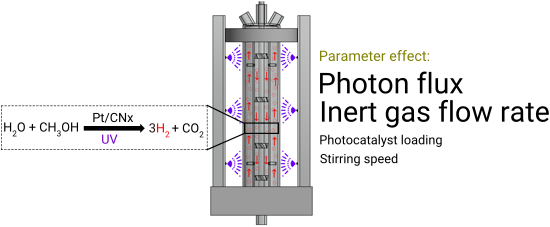
- ) processes, and photocatalysis. Upon upscaling, both PV-E and PEC reactors exhibit pH gradients at electrodes and elevated solution electrical resistivity. These challenges arise from the substantial separation between reduction and oxidation sites, alongside mass transport restrictions in the liquid phase


Using the phospha-Michael reaction for making phosphonium phenolate zwitterions
Beilstein J. Org. Chem. 2024, 20, 41–51, doi:10.3762/bjoc.20.6
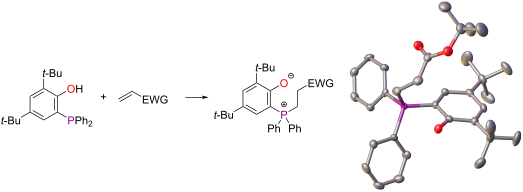
- , 4JP-C = 2.2 Hz, CCH3), 96.6 (d, 1JP-C = 99.0 Hz, C6), 124.6 (d, 1JP-C = 86.0 Hz, Ci-Ph), 127.3 (d, 2JP-C = 12.5 Hz, C5), 129.4 (d, 3JP-C = 11.9 Hz, C4), 131.3 (d, 4JP-C = 1.4 Hz, C3), 132.6 (d, 3JP-C = 9.3 Hz, C2), 132.9 (d, 3JP-C = 2.7 Hz, Cm-Ph), 133.4 (d, 2JP-C = 14.8 Hz, Co-Ph), 140.5 (d, 4JP-C
- = 8.0 Hz, Cp-Ph), 174.1 (d, 2JP-C = 4.4 Hz, C1), 174.8 (d, 3JP-C = 13.9 Hz, CO); 31P{1H} NMR (δ in ppm, 162 MHz, CDCl3, 298 K) 25.1; UV–vis (CHCl3): λmax = 352 nm (ε = 5.53 × 10³ L mol−1 cm−1). 1H NMR spectrum of 2a recorded on a 300 MHz spectrometer in CDCl3 at 23 °C; the inset shows a 3D-model based


Facile access to pyridinium-based bent aromatic amphiphiles: nonionic surface modification of nanocarbons in water
Beilstein J. Org. Chem. 2024, 20, 32–40, doi:10.3762/bjoc.20.5
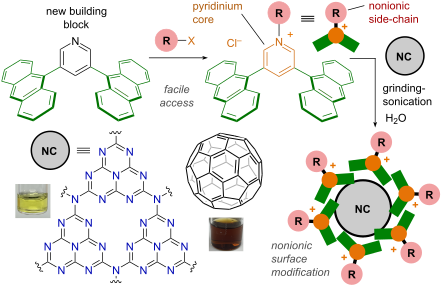
- , and graphene nanoplatelets) are achieved through noncovalent encircling with the bent amphiphiles. The resultant imidazole-modified nanocarbons display a pH-responsive surface charge, as evidenced by NMR and zeta-potential measurements. In addition, solubilization of a nitrogen-doped nanocarbon (i.e
- pyridinium-based amphiphiles (Figure 1c). The noncovalent modification of C60 with multiple imidazole side-chains is found to yield a pH-responsive surface charge, as evidenced by NMR and zeta-potential measurements. A nitrogen-doped nanocarbon, i.e., graphitic carbon nitride (g-C3N4), is likewise
- through the template effect of the hydrophobic nanocarbon guests (Table 2). Moreover, aromatic micelle (PA-Im)n and its host–guest composite (PA-Im)n·(C60)m were anticipated to provide pH-dependent ZPs via imidazole-based protonation/deprotonation. Micelle (PA-Im)n showed a significantly higher ZP (41.7




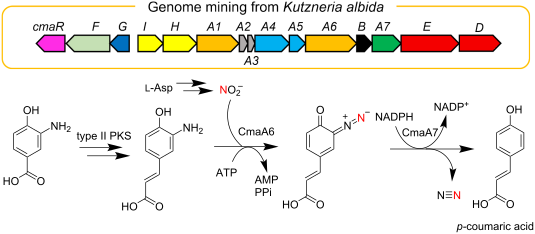
Identification of the p-coumaric acid biosynthetic gene cluster in Kutzneria albida: insights into the diazotization-dependent deamination pathway
Beilstein J. Org. Chem. 2024, 20, 1–11, doi:10.3762/bjoc.20.1
- metabolites were extracted with 5 mL of ethyl acetate after adjusting the pH to approximately 4 by adding 6 M HCl. The ethyl acetate layer was collected, and it was washed with an equal volume of distilled water to remove the compounds that can be dissolved in water. The ethyl acetate layer was then collected
- (15 mg/L) was added to the culture, and the culture was continued for another 1 day. The pH was adjusted to 4 by adding 6 M HCl to the culture, and the metabolites were extracted by ethyl acetate. After the ethyl acetate was evaporated, the metabolites were absorbed for 5.0 g silica gel 60 (0.040
- were harvested by centrifugation and suspended in lysis buffer (20 mM HEPES-NaOH, 10% glycerol, and 200 mM NaCl2; pH 8.0). The cells were disrupted by sonication on ice, and cell debris was removed by centrifugation. The recombinant protein was purified using His60 Ni Superflow Resin (TaKaRa Bio Inc


Aldiminium and 1,2,3-triazolium dithiocarboxylate zwitterions derived from cyclic (alkyl)(amino) and mesoionic carbenes
Beilstein J. Org. Chem. 2023, 19, 1947–1956, doi:10.3762/bjoc.19.145
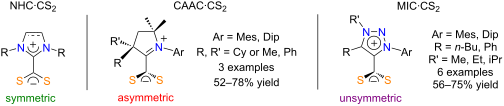
- of MIC precursors [24][25][26][27][28]. By analogy with the archetypical NHCs bearing mesityl (Mes) or 2,6-diisopropylphenyl (Dipp) substituents on their nitrogen atoms, we have prepared three triazole derivatives with mixed Mes/Ph, Mes/Bu, or Dipp/Ph substituents on N1 and C4, respectively (Scheme 3
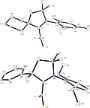
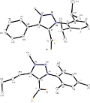
- ) with thermal ellipsoids drawn at the 50% probability level. ORTEP representations of zwitterions 6b (MIC-Dip-Ph-Me·CS2, top) and 6e (MIC-Mes-Bu-Me·CS2, bottom) with thermal ellipsoids drawn at the 50% probability level. Synthesis of CAAC·CS2 zwitterion 2 from its free carbene parent 1. Synthesis of


A novel recyclable organocatalyst for the gram-scale enantioselective synthesis of (S)-baclofen
Beilstein J. Org. Chem. 2023, 19, 1811–1824, doi:10.3762/bjoc.19.133

- acid ester 9 was hydrolyzed under basic conditions in an ethanol/water mixture. After the reaction, the pH of the mixture was adjusted to 4 with hydrochloric acid, which resulted in the precipitation of the product 10 in excellent yield (95%). Next, carboxylic acid 10 was converted into the
- , trifluoroacetic acid (5.74 mL, 75 mmol, 63 equiv) was added dropwise. The reaction mixture was stirred at room temperature for 1 h. Then, it was cooled to 0 °C, and a 40% NaOH(aq) solution was added to set the pH to 13. To this mixture, water (60 mL) was added, and it was extracted with DCM/MeOH 20:1 (60 mL


Charge carrier transport in perylene-based and pyrene-based columnar liquid crystals
Beilstein J. Org. Chem. 2023, 19, 1755–1765, doi:10.3762/bjoc.19.128
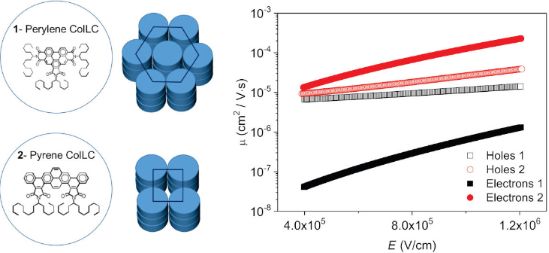
- scientifique avec le Brésil) (joint project Ph-C 962/20) for support.


Effects of the aldehyde-derived ring substituent on the properties of two new bioinspired trimethoxybenzoylhydrazones: methyl vs nitro groups
Beilstein J. Org. Chem. 2023, 19, 1713–1727, doi:10.3762/bjoc.19.125
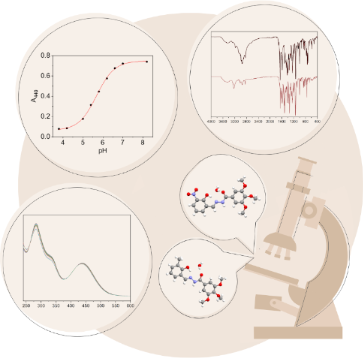
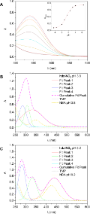
- stability in aqueous medium. Thus, the electronic absorption spectra of hdz-CH3 and hdz-NO2 were recorded in a 10% DMSO/buffer solution (pH 7.4) immediately after preparation and at regular time intervals. The UV–vis spectrum of hdz-CH3 between 250 and 450 nm (Figure 6A) shows two multicomponent absorptions
- of the resulting hydrazone: a considerable amount of hdz-NO2 deprotonates immediately upon dilution in the aqueous-rich medium at pH 7.4, affording a deep yellow solution due to phenolate-based absorptions centered at around 440 nm. For this reason, we decided to investigate this deprotonation by
- registering the UV–vis spectra of a series of hdz-NO2 10% DMSO/buffer (acetate, phosphate or Tris-HCl) solutions with different pH values, ranging from 3.8 to 8.2 (Figure 7A). By plotting the absorbance at λmax as a function of pH and then fitting the curve with a sigmoidal function (Figure 7A, inset), an




Decarboxylative 1,3-dipolar cycloaddition of amino acids for the synthesis of heterocyclic compounds
Beilstein J. Org. Chem. 2023, 19, 1677–1693, doi:10.3762/bjoc.19.123
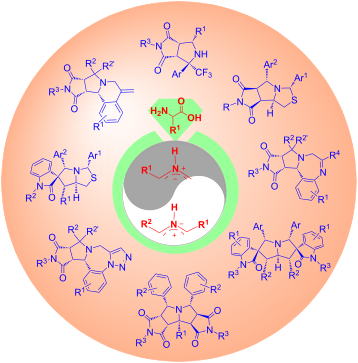
- , serine, and norvaline to give products 11a–f in 53–88% yields with greater than 8.5 dr (Scheme 7). The reactions with leucine and phenylglycine (R2 = iPr and Ph) as amino acids gave mainly mono-cycloaddition products and very little double cycloaddition products 11g and 11h due to the steric hindrance of
- -aminoisobutyric acid, phenylglycine and valine with Ph or iPr groups could also be used for the synthesis of the monocycloaddition products for the post-condensation reactions. It is worth noting that in the one-pot synthesis involving an intramolecular click reaction, no Cu catalyst was used. A similar reaction




Benzoimidazolium-derived dimeric and hydride n-dopants for organic electron-transport materials: impact of substitution on structures, electrochemistry, and reactivity
Beilstein J. Org. Chem. 2023, 19, 1651–1663, doi:10.3762/bjoc.19.121
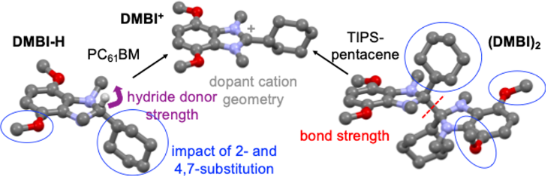
- the aromatic ring of the 1g+I− is 41.5°, close to the range of values previously reported for 1b+ salts (42.5–52.5°) [19][34] and for salts of Y = Ph, R = R' = H cations with different counterions (42.0–54.9°) [51][52][53]. As expected, owing to reduced steric interactions associated with the five


Radical chemistry in polymer science: an overview and recent advances
Beilstein J. Org. Chem. 2023, 19, 1580–1603, doi:10.3762/bjoc.19.116
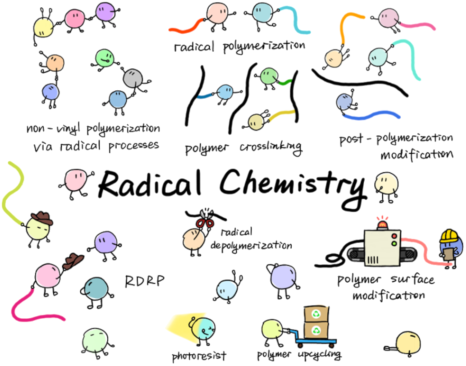
- –substrate interface. The mfp's contain up to 27 mol % of DOPA (ʟ-3,4-dihydroxyphenylalanine), which plays a crucial role on mussel adhesion [11]. Although the crucial role of DOPA in mussel adhesion is not fully understood, a prevailing view suggests that DOPA can be oxidized to o-quinones at an acidic pH
- and the quinones react with unoxidized catechols to form o-semiquinone radicals afterwards [12]. The semiquinone radicals can help DOPA adhere onto organic surfaces. At a basic pH, the system is cured and mechanically stabilized through the formation of DOPA-metal coordination bonds. The cohesion of




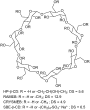
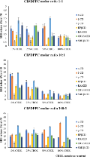
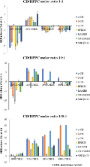
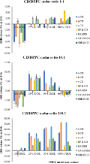
Cyclodextrins permeabilize DPPC liposome membranes: a focus on cholesterol content, cyclodextrin type, and concentration
Beilstein J. Org. Chem. 2023, 19, 1570–1579, doi:10.3762/bjoc.19.115
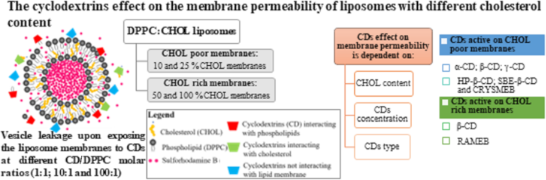
- ether/methanol 6:6:1 (v/v/v). After a short sonication, the aqueous phase made of SRB (150 mM) dissolved in Tris HCl buffer (0.1 M, pH 7.4) was added to the lipid solution and the mixture was sonicated at 60 °C under a nitrogen stream. The removal of organic solvents was achieved by evaporation at 45 °C
- , 4 °C) and a molecular sieves chromatography (using a Sephadex G25 gel filtration column). A Tris HCl buffer (0.1 M, pH 7.4) containing 150 mM NaCl was used for elution and liposome storage. Exposure of SRB-loaded liposomes to CDs The concentration of DPPC was determined for each formulation
- liposomes of each formulation treated or not with CDs were incubated in a water bath at 37 °C. Aliquots were taken from each sample at 0, 4, and 24 h and the fluorescence signal was measured after a dilution of 100 times in the Tris HCl (0.1 M, pH 7.4) buffer containing 150 mM NaCl. The measurements were