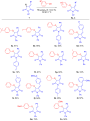
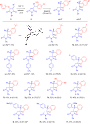
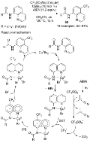
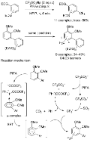
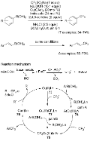
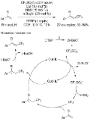
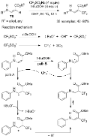
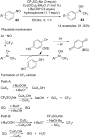
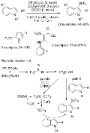
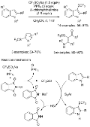
Search for "insertion reactions" in Full Text gives 24 result(s) in Beilstein Journal of Organic Chemistry.
Beilstein J. Org. Chem. 2025, 21, 1648–1660, doi:10.3762/bjoc.21.129
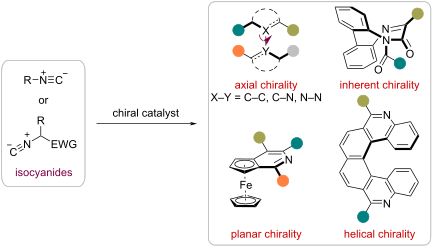
Graphical Abstract
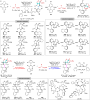
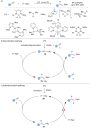
Figure 1: a) Common types of chirality. b) Representative functional molecules bearing non-central chirality.
Scheme 1: Construction of planar chirality.
Scheme 2: Construction of axial chirality.
Scheme 3: Construction of inherent chirality.
Scheme 4: Construction of helical chirality.
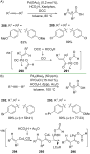
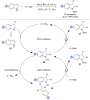
Scheme 5: CPA-catalyzed enantioselective Groebke–Blackburn–Bienaymé reaction.
Scheme 6: Construction of axially chiral 3-arylpyrroles via de novo pyrrole formation.
Scheme 7: Synthesis of atropoisomeric 3-arylpyrroles via central-to-axial chirality transfer.
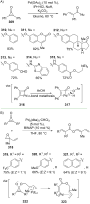
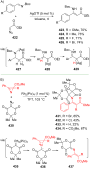
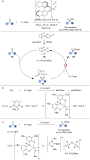
Scheme 8: Dynamic kinetic resolution of bridged biaryls with α-acidic isocyanides.
Scheme 9: Desymmetrization of prochiral compounds with α-acidic isocyanides.
Beilstein J. Org. Chem. 2025, 21, 1508–1519, doi:10.3762/bjoc.21.113
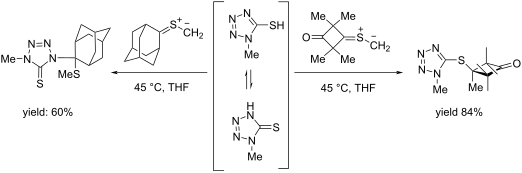
Graphical Abstract
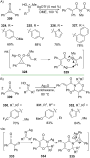
Scheme 1: Typical [3 + 2] cycloaddition (above) and trapping (below) reactions of thiocarbonyl S-methanides 1a...
Scheme 2: Ambident reactivity of 5-mercapto-1H-tetrazoles 4 towards dimethyl 2-arylcyclopropane dicarboxylate...
Scheme 3: Regioselectivity of [3 + 2] cycloadditions of diazomethane with adamantanethione (7a) [22,24,25], and sterica...
Scheme 4: The in situ generation of sterically crowded thiocarbonyl S-methanides 1c,d (via a 1,3-dipolar cycl...
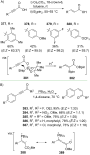
Scheme 5: Reactions of the in situ-generated thiocarbonyl S-methanides 1 (from 1,3,4-thiadiazolines 2) with e...
Figure 1: (a) Molecular structure of the N-insertion product (thioaminal) 9i. Atoms are represented by therma...
Scheme 6: Stepwise mechanism of the competitive N- and S-insertion reactions between the in situ-generated th...
Scheme 7: Mechanism of the isomerization of initially formed thioaminals 9 to dithioacetals 10.
Beilstein J. Org. Chem. 2025, 21, 1031–1086, doi:10.3762/bjoc.21.85
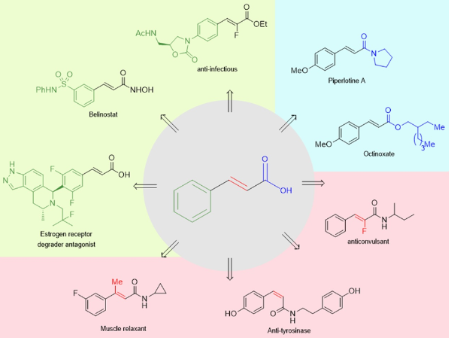
Graphical Abstract
Figure 1: Biologically active cinnamic acid derivatives.
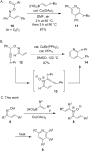
Scheme 1: General synthetic strategies for cinnamic acid derivatizations.
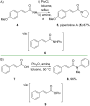
Scheme 2: Cinnamic acid coupling via isobutyl anhydride formation.
Scheme 3: Amidation reaction via O/N-pivaloyl activation.
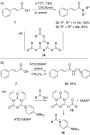
Scheme 4: Cinnamic acid amidation using TCCA/PPh3 reagent.
Scheme 5: Cinnamic acid amidation using triazine-based reagents.
Scheme 6: Cinnamic acid amidation using continuous flow mechanochemistry.
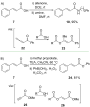
Scheme 7: Cinnamic acid amidation using COMU as coupling reagent.
Scheme 8: Cinnamic acid amidation using allenone coupling reagent.
Scheme 9: Cinnamic acid amidation using 4-acetamidophenyl triflimide as reagent.
Scheme 10: Cinnamic acid amidation using methyltrimethoxysilane (MTM).
Scheme 11: Cinnamic acid amidation utilizing amine–borane reagent.
Scheme 12: Cinnamic acid amidation using TCCA/PPh3 reagent.
Scheme 13: Cinnamic acid amidation using PPh3/I2 reagent.
Scheme 14: Cinnamic acid amidation using PCl3 reagent.
Scheme 15: Cinnamic acid amidation utilizing pentafluoropyridine (PFP) as reagent.
Scheme 16: Cinnamic acid amidation using hypervalent iodine(III).
Scheme 17: Mechanochemical amidation using 1,1,2,2-tetrafluoroethyl-N,N-dimethylamine (TFEDMA) reagent.
Scheme 18: Methyl ester preparation using tris(2,4,6-trimethoxyphenyl)phosphine (TMPP).
Scheme 19: N-Trifluoromethyl amide preparation using isothiocyanate and AgF.
Scheme 20: POCl3-mediated amide coupling of carboxylic acid and DMF.
Scheme 21: O-Alkylation of cinnamic acid using alkylating agents.
Scheme 22: Glycoside preparation via Mitsunobu reaction.
Scheme 23: O/N-Acylation via rearrangement reactions.
Scheme 24: Amidation reactions using sulfur-based alkylating agents.
Scheme 25: Amidation reaction catalyzed by Pd0 via C–N cleavage.
Scheme 26: Amidation reaction catalyzed by CuCl/PPh3.
Scheme 27: Cu(II) triflate-catalyzed N-difluoroethylimide synthesis.
Scheme 28: Cu/Selectfluor-catalyzed transamidation reaction.
Scheme 29: CuO–CaCO3-catalyzed amidation reaction.
Scheme 30: Ni-catalyzed reductive amidation.
Scheme 31: Lewis acidic transition-metal-catalyzed O/N-acylations.
Scheme 32: Visible-light-promoted amidation of cinnamic acid.
Scheme 33: Sunlight/LED-promoted amidation of cinnamic acid.
Scheme 34: Organophotocatalyst-promoted N–O cleavage of Weinreb amides to synthesize primary amides.
Scheme 35: Cinnamamide synthesis through [Ir] photocatalyst-promoted C–N-bond cleavage of tertiary amines.
Scheme 36: Blue LED-promoted FeCl3-catalyzed reductive transamidation.
Scheme 37: FPyr/TCT-catalyzed amidation of cinnamic acid derivative 121.
Scheme 38: Cs2CO3/DMAP-mediated esterification.
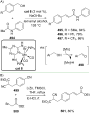
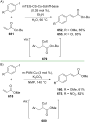
Scheme 39: HBTM organocatalyzed atroposelective N-acylation.
Scheme 40: BH3-catalyzed N-acylation reactions.
Scheme 41: Borane-catalyzed N-acylation reactions.
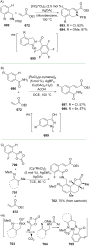
Scheme 42: Catalytic N-acylation reactions via H/F bonding activation.
Scheme 43: Brønsted base-catalyzed synthesis of cinnamic acid esters.
Scheme 44: DABCO/Fe3O4-catalyzed N-methyl amidation of cinnamic acid 122.
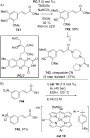
Scheme 45: Catalytic oxidation reactions of acylating agents.
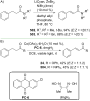
Scheme 46: Preparation of cinnamamide-substituted benzocyclooctene using I(I)/I(III) catalysis.
Scheme 47: Pd-colloids-catalyzed oxidative esterification of cinnamyl alcohol.
Scheme 48: Graphene-supported Pd/Au alloy-catalyzed oxidative esterification via hemiacetal intermediate.
Scheme 49: Au-supported on A) carbon nanotubes (CNT) and B) on porous boron nitride (pBN) as catalyst for the ...
Scheme 50: Cr-based catalyzed oxidative esterification of cinnamyl alcohols with H2O2 as the oxidant.
Scheme 51: Co-based catalysts used for oxidative esterification of cinnamyl alcohol.
Scheme 52: Iron (A) and copper (B)-catalyzed oxidative esterification of cinnamaldehyde.
Scheme 53: NiHPMA-catalyzed oxidative esterification of cinnamaldehyde.
Scheme 54: Synthesis of cinammic acid esters through NHC-catalyzed oxidative esterification via intermolecular...
Scheme 55: Redox-active NHC-catalyzed esterification via intramolecular oxidation.
Scheme 56: Electrochemical conversion of cinnamaldehyde to methyl cinnamate.
Scheme 57: Bu4NI/TBHP-catalyzed synthesis of bisamides from cinnamalaldehyde N-tosylhydrazone.
Scheme 58: Zn/NC-950-catalyzed oxidative esterification of ketone 182.
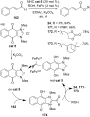
Scheme 59: Ru-catalyzed oxidative carboxylation of terminal alkenes.
Scheme 60: Direct carboxylation of alkenes using CO2.
Scheme 61: Carboxylation of alkenylboronic acid/ester.
Scheme 62: Carboxylation of gem-difluoroalkenes with CO2.
Scheme 63: Photoredox-catalyzed carboxylation of difluoroalkenes.
Scheme 64: Ru-catalyzed carboxylation of alkenyl halide.
Scheme 65: Carboxylation of alkenyl halides under flow conditions.
Scheme 66: Cinnamic acid ester syntheses through carboxylation of alkenyl sulfides/sulfones.
Scheme 67: Cinnamic acid derivatives synthesis through a Ag-catalyzed decarboxylative cross-coupling proceedin...
Scheme 68: Pd-catalyzed alkyne hydrocarbonylation.
Scheme 69: Fe-catalyzed alkyne hydrocarbonylation.
Scheme 70: Alkyne hydrocarboxylation using CO2.
Scheme 71: Alkyne hydrocarboxylation using HCO2H as CO surrogate.
Scheme 72: Co/AlMe3-catalyzed alkyne hydrocarboxylation using DMF.
Scheme 73: Au-catalyzed oxidation of Au–allenylidenes.
Scheme 74: Pd-catalyzed C–C-bond activation of cyclopropenones to synthesize unsaturated esters and amides.
Scheme 75: Ag-catalyzed C–C-bond activation of diphenylcyclopropenone.
Scheme 76: Cu-catalyzed C–C bond activation of diphenylcyclopropenone.
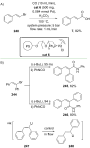
Scheme 77: PPh3-catalyzed C–C-bond activation of diphenylcyclopropenone.
Scheme 78: Catalyst-free C–C-bond activation of diphenylcyclopropenone.
Scheme 79: Cu-catalyzed dioxolane cleavage.
Scheme 80: Multicomponent coupling reactions.
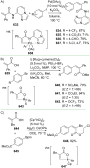
Scheme 81: Pd-catalyzed partial hydrogenation of electrophilic alkynes.
Scheme 82: Nickel and cobalt as earth-abundant transition metals used as catalysts for the partial hydrogenati...
Scheme 83: Metal-free-catalyzed partial hydrogenation of conjugated alkynes.
Scheme 84: Horner–Wadsworth–Emmons reaction between triethyl 2-fluoro-2-phosphonoacetate and aldehydes with ei...
Scheme 85: Preparation of E/Z-cinnamates using thiouronium ylides.
Scheme 86: Transition-metal-catalyzed ylide reactions.
Scheme 87: Redox-driven ylide reactions.
Scheme 88: Noble transition-metal-catalyzed olefination via carbenoid species.
Scheme 89: TrBF4-catalyzed olefination via carbene species.
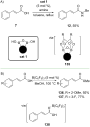
Scheme 90: Grubbs catalyst (cat 7)/photocatalyst-mediated metathesis reactions.
Scheme 91: Elemental I2-catalyzed carbonyl-olefin metathesis.
Scheme 92: Cu-photocatalyzed E-to-Z isomerization of cinnamic acid derivatives.
Scheme 93: Ni-catalyzed E-to-Z isomerization.
Scheme 94: Dehydration of β-hydroxy esters via an E1cB mechanism to access (E)-cinnamic acid esters.
Scheme 95: Domino ring-opening reaction induced by a base.
Scheme 96: Dehydroamination of α-aminoester derivatives.
Scheme 97: Accessing methyl cinnamate (44) via metal-free deamination or decarboxylation.
Scheme 98: The core–shell magnetic nanosupport-catalyzed condensation reaction.
Scheme 99: Accessing cinnamic acid derivatives from acetic acid esters/amides through α-olefination.
Scheme 100: Accessing cinnamic acid derivatives via acceptorless α,β-dehydrogenation.
Scheme 101: Cu-catalyzed formal [3 + 2] cycloaddition.
Scheme 102: Pd-catalyzed C–C bond formation via 1,4-Pd-shift.
Scheme 103: NHC-catalyzed Rauhut–Currier reactions.
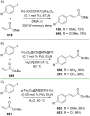
Scheme 104: Heck-type reaction for Cα arylation.
Scheme 105: Cu-catalyzed trifluoromethylation of cinnamamide.
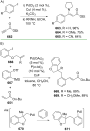
Scheme 106: Ru-catalyzed alkenylation of arenes using directing groups.
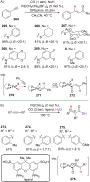
Scheme 107: Earth-abundant transition-metal-catalyzed hydroarylation of α,β-alkynyl ester 374.
Scheme 108: Precious transition-metal-catalyzed β-arylation of cinnamic acid amide/ester.
Scheme 109: Pd-catalyzed β-amination of cinnamamide.
Scheme 110: S8-mediated β-amination of methyl cinnamate (44).
Scheme 111: Pd-catalyzed cross-coupling reaction of alkynyl esters with phenylsilanes.
Scheme 112: Pd-catalyzed β-cyanation of alkynyl amide/ester.
Scheme 113: Au-catalyzed β-amination of alkynyl ester 374.
Scheme 114: Metal-free-catalyzed Cβ-functionalizations of alkynyl esters.
Scheme 115: Heck-type reactions.
Scheme 116: Mizoroki–Heck coupling reactions using unconventional functionalized arenes.
Scheme 117: Functional group-directed Mizoroki–Heck coupling reactions.
Scheme 118: Pd nanoparticles-catalyzed Mizoroki–Heck coupling reactions.
Scheme 119: Catellani-type reactions to access methyl cinnamate with multifunctionalized arene.
Scheme 120: Multicomponent coupling reactions.
Scheme 121: Single atom Pt-catalyzed Heck coupling reaction.
Scheme 122: Earth-abundant transition metal-catalyzed Heck coupling reactions.
Scheme 123: Polymer-coated earth-abundant transition metals-catalyzed Heck coupling reactions.
Scheme 124: Earth-abundant transition-metal-based nanoparticles as catalysts for Heck coupling reactions.
Scheme 125: CN- and Si-based directing groups to access o-selective cinnamic acid derivatives.
Scheme 126: Amide-based directing group to access o-selective cinnamic acid derivatives.
Scheme 127: Carbonyl-based directing group to access o-selective cinnamic acid derivatives.
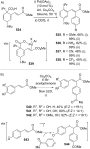
Scheme 128: Stereoselective preparation of atropisomers via o-selective C(sp2)–H functionalization.
Scheme 129: meta-Selective C(sp2)–H functionalization using directing group-tethered arenes.
Scheme 130: para-Selective C(sp2)–H functionalization using directing group-tethered arenes.
Scheme 131: Non-directed C(sp2)–H functionalization via electrooxidative Fujiwara–Moritani reaction.
Scheme 132: Interconversion of functional groups attached to cinnamic acid.
Scheme 133: meta-Selective C(sp2)–H functionalization of cinnamate ester.
Scheme 134: C(sp2)–F arylation using Grignard reagents.
Scheme 135: Truce–Smiles rearrangement of N-aryl metacrylamides.
Scheme 136: Phosphine-catalyzed cyclization of γ-vinyl allenoate with enamino esters.
Beilstein J. Org. Chem. 2024, 20, 2114–2128, doi:10.3762/bjoc.20.182
Graphical Abstract
Figure 1: Resonance structures and reactivity of carbon monoxide.
Figure 2: Resonance structures and reactivity of isocyanides.
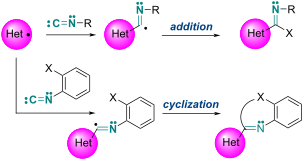
Scheme 1: Possible three pathways of the E• formation for imidoylation.
Scheme 2: Radical addition of thiols to isocyanides.
Scheme 3: Selective thioselenation and catalytic dithiolation of isocyanides.
Scheme 4: Synthesis of carbacephem framework.
Scheme 5: Sequential addition of (PhSe)2 to ethyl propiolate and isocyanide.
Scheme 6: Isocyanide insertion reaction into carbon-tellurium bonds.
Scheme 7: Radical addition to isocyanides with disubstituted phosphines.
Scheme 8: Radical addition to phenyl isocyanides with diphosphines.
Scheme 9: Radical reaction of tin hydride and hydrosilane toward isocyanide.
Scheme 10: Isocyanide insertion into boron compounds.
Scheme 11: Isocyanide insertion into cyclic compounds containing boron units.
Scheme 12: Photoinduced hydrodefunctionalization of isocyanides.
Scheme 13: Tin hydride-mediated indole synthesis and cross-coupling.
Scheme 14: 2-Thioethanol-mediated radical cyclization of alkenyl isocyanide.
Scheme 15: Thiol-mediated radical cyclization of o-alkenylaryl isocyanide.
Scheme 16: (PhTe)2-assisted dithiolative cyclization of o-alkenylaryl isocyanide.
Scheme 17: Trapping imidoyl radicals with heteroatom moieties.
Scheme 18: Trapping imidoyl radicals with isocyano group.
Scheme 19: Quinoline synthesis via aza-Bergman cyclization.
Scheme 20: Phenanthridine synthesis via radical cyclization of 2-isocyanobiaryls.
Scheme 21: Phenanthridine synthesis by radical reactions with AIBN, DBP and TTMSS.
Scheme 22: Phenanthridine synthesis by oxidative cyclization of 2-isocyanobiaryls.
Scheme 23: Phenanthridine synthesis using a photoredox system.
Scheme 24: Phenanthridine synthesis induced by phosphorus-centered radicals.
Scheme 25: Phenanthridine synthesis induced by sulfur-centered radicals.
Scheme 26: Phenanthridine synthesis induced by boron-centered radicals.
Scheme 27: Phenanthridine synthesis by oxidative cyclization of 2-aminobiaryls.
Beilstein J. Org. Chem. 2023, 19, 1841–1848, doi:10.3762/bjoc.19.136
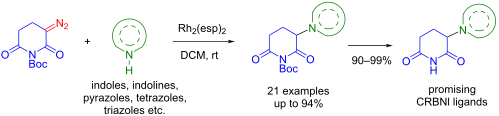
Graphical Abstract
Figure 1: Glutarimide-based immunomodulatory drugs (IMiDs) and CRBN ligands.
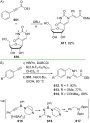
Scheme 1: Main literature approaches towards α-hetaryl glutarimides 1 (routes A and B) and new “diazo” method...
Scheme 2: Preparation of diazo reagent 5.
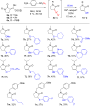
Scheme 3: Scope of NH insertion reaction of N-Boc-α-diazo glutarimide and various N-heterocycles. aIsolated y...
Figure 2: Examples of α-carbonyl NH-heterocycles for which N–H insertion products could not be obtained.
Scheme 4: Examples of N-deprotection of α-modified glutarimides 1.
Scheme 5: Preparation of NH2-containing derivative 10 via reduction of 6n.
Beilstein J. Org. Chem. 2023, 19, 1171–1190, doi:10.3762/bjoc.19.86
Graphical Abstract
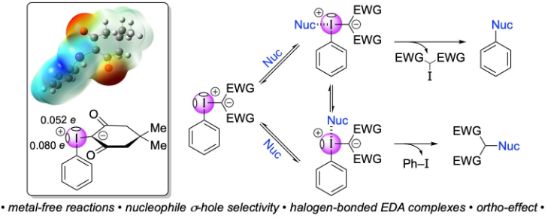
Figure 1: Generic representation of halogen bonding.
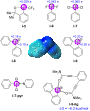
Figure 2: Quantitative evaluation of σ-holes in monovalent iodine-containing compounds; and, qualitative mole...
Figure 3: Quantitative evaluation of σ-holes in hypervalent iodine-containing molecules; and, qualitative MEP...
Figure 4: Quantitative evaluation of σ-holes in iodonium ylides; and, qualitative MEP map of I-12 from −0.083...
Scheme 1: Outline of possible reaction pathways between iodonium ylides and Lewis basic nucleophiles (top); a...
Scheme 2: Metal-free cyclopropanations of iodonium ylides, either as intermolecular (a) or intramolecular pro...
Figure 5: Zwitterionic mechanism for intramolecular cyclopropanation of iodonium ylides (left); and, stepwise...
Scheme 3: Metal-free intramolecular cyclopropanation of iodonium ylides.
Figure 6: Concerted cycloaddition pathway for the metal-free, intramolecular cyclopropanation of iodonium yli...
Scheme 4: Reaction of ylide 6 with diphenylketene to form lactone 24 and 25.
Figure 7: Nucleophilic (top) and electrophilic (bottom) addition pathways proposed by Koser and Hadjiarapoglo...
Scheme 5: Indoline synthesis from acyclic iodonium ylide 31 and tertiary amines.
Scheme 6: N-Heterocycle synthesis from acyclic iodonium ylide 31 and secondary amines.
Figure 8: Proposed mechanism for the formation of 33a from iodonium ylides and amines, involving an initial h...
Scheme 7: Indoline synthesis from acyclic iodonium ylides 39 and tertiary amines under blue light photocataly...
Scheme 8: Metal-free cycloproponation of iodonium ylides under blue LED irradiation. aUsing trans-β-methylsty...
Figure 9: Proposed mechanism of the cyclopropanation between iodonium ylides and alkenes under blue LED irrad...
Scheme 9: Formal C–H alkylation of iodonium ylides by nucleophilic heterocycles under blue LED irradiation.
Figure 10: Proposed mechanism of the formal C–H insertion of pyrrole under blue LED irradiation.
Scheme 10: X–H insertions between iodonium ylides and carboxylic acids, phenols and thiophenols.
Figure 11: Mechanistic proposal for the X–H insertion reactions of iodonium ylides.
Scheme 11: Radiofluorination of biphenyl using iodonium ylides 54a–e derived from various β-dicarbonyl auxilia...
Scheme 12: Radiofluorination of arenes using spirocycle-derived iodonium ylides 56.
Scheme 13: Radiofluorination of arenes using SPIAd-derived iodonium ylides 58.
Figure 12: Calculated reaction coordinate for the radiofluorination of iodonium ylide 60.
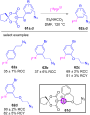
Scheme 14: Radiofluorination of iodonium ylides possessing various ortho- and para-substituents on the iodoare...
Figure 13: Difference in Gibbs activation energy for ortho- or para-anisyl derived iodonium ylides 63a and 63b....
Figure 14: Proposed equilibration of intermediates to transit between 64a (the initial adduct formed between 6...
Scheme 15: Comparison of 31 and ortho-methoxy iodonium ylide 39 in rhodium-catalyzed cyclopropanation and cycl...
Figure 15: X-ray crystal structure of dimeric 39 [6], (CCDC# 893474) [143,144].
Scheme 16: Enaminone synthesis using diazonium and iodonium ylides.
Figure 16: Transition state calculations for enaminone synthesis from iodonium ylides and thioamides.
Scheme 17: The reaction between ylides 73a–f and N-methylpyrrole under 365 nm UV irradiation.
Figure 17: Crystal structures of 76c (top) and 76e (bottom) [101], (CCDC# 2104180 & 2104181) [143,144].
Beilstein J. Org. Chem. 2023, 19, 325–348, doi:10.3762/bjoc.19.28
Graphical Abstract
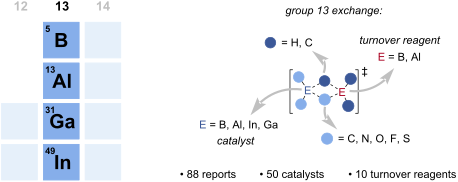
Scheme 1: Group 13 exchange.
Scheme 2: Borane-catalysed hydroboration of alkynes and the proposed mechanism.
Scheme 3: a) Borane-catalysed hydroboration of alkenes and the proposed mechanism. b) H-B-9-BBN-catalysed dou...
Scheme 4: a) Amine-borane-catalysed C‒H borylation of heterocycles and the proposed mechanism. b) Benzoic aci...
Scheme 5: Bis(pentafluorophenyl)borane-catalysed dimerisation of allenes and the proposed mechanism.
Scheme 6: Alkoxide-promoted hydroboration of heterocycles and the proposed mechanism.
Scheme 7: Borane-catalysed reduction of indoles and the proposed mechanism.
Scheme 8: H-B-9-BBN-catalysed hydrocyanation of enones and the proposed mechanism.
Scheme 9: Borane-catalysed hydroboration of nitriles and the proposed mechanism.
Scheme 10: Myrtanylborane-catalysed asymmetric reduction of propargylic ketones and the proposed mechanism.
Scheme 11: H-B-9-BBN-catalysed C–F esterification of alkyl fluorides and the proposed mechanism.
Scheme 12: H-B-9-BBN-catalysed 1,4-hydroboration of enones and the proposed mechanism.
Scheme 13: Boric acid-promoted reduction of esters, lactones, and carbonates and the proposed mechanism.
Scheme 14: H-B-9-BBN-catalysed reductive aldol-type reaction and the proposed mechanism.
Scheme 15: H-B-9-BBN-catalysed diastereoselective allylation of ketones and the Ph-BBD-catalysed enantioselect...
Scheme 16: H-B-9-BBN-catalysed C–F arylation of benzyl fluorides and the proposed mechanism.
Scheme 17: Borane-catalysed S‒H borylation of thiols and the proposed mechanism.
Scheme 18: Borane-catalysed hydroalumination of alkenes and allenes.
Scheme 19: a) Aluminium-catalysed hydroboration of alkynes and example catalysts. b) Deprotonation mechanistic...
Scheme 20: Aluminium-catalysed hydroboration of alkenes and the proposed mechanism.
Scheme 21: Aluminium-catalysed C–H borylation of terminal alkynes and the proposed mechanism.
Scheme 22: Aluminium-catalysed dehydrocoupling of amines, alcohols, and thiols with H-B-9-BBN or HBpin and the...
Scheme 23: Aluminium-catalysed hydroboration of unsaturated compounds and the general reaction mechanism.
Scheme 24: a) Gallium-catalysed asymmetric hydroboration of ketones and the proposed mechanism. b) Gallium-cat...
Scheme 25: Gallium(I)-catalysed allylation/propargylation of acetals and aminals and the proposed mechanism.
Scheme 26: Indium(I)-catalysed allylation/propargylation of acetals, aminals, and alkyl ethers.
Scheme 27: Iron–indium cocatalysed double hydroboration of nitriles and the proposed mechanism.
Figure 1: a) The number of reports for a given group 13 exchange in catalysis. b) Average free energy barrier...
Beilstein J. Org. Chem. 2022, 18, 1649–1655, doi:10.3762/bjoc.18.177
Graphical Abstract
Figure 1: Examples of approved spirocyclic drugs.
Scheme 1: (a) Earlier reported Rh(II)-catalyzed spirocyclization of DAS with the formation of minor enol ethe...
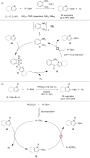
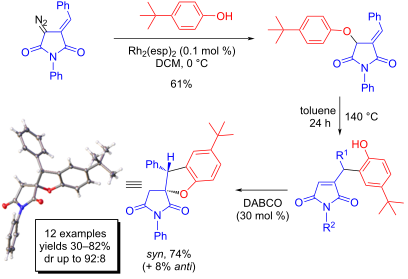
Scheme 2: Initial attempt at Rh(II)-catalyzed O–H insertion/Claisen rearrangement.
Scheme 3: Rh2(esp)2-catalyzed O–H insertion reactions between various DAS 1 and phenols.
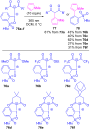
Scheme 4: Two-step, one-pot sequence of the Claisen rearrangement/intramolecular Michael-type spirocyclizatio...
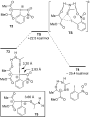
Scheme 5: Tentative rationalization of the diastereoselectivity observed in all 5→7 transformations (shown fo...
Beilstein J. Org. Chem. 2022, 18, 533–538, doi:10.3762/bjoc.18.55
Graphical Abstract
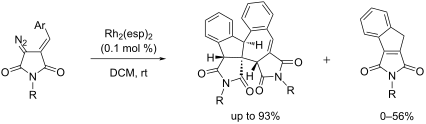
Figure 1: Previously reported transformations of DAS (1) and their unusual dimerization investigated in this ...
Scheme 1: The result of Rh(II)-catalyzed decomposition of DAS 1r.
Scheme 2: Plausible mechanism for the formation of dimer 2a and indene 3a through the Rh(II)-catalyzed decomp...
Figure 2: Cytotoxicity of N-alkyl-substituted dibenzoazulenodipyrroles 2 against the A549 human lung adenocar...
Beilstein J. Org. Chem. 2021, 17, 2822–2831, doi:10.3762/bjoc.17.193
Graphical Abstract
Figure 1: Selected bioactive compounds.
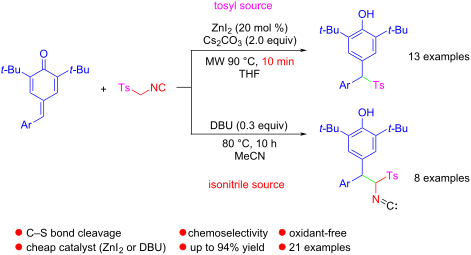
Scheme 1: The chemistry of TosMIC in the reactions with olefins.
Scheme 2: ZnI2-catalyzed C–S-bond cleavage of TosMIC for the synthesis of diarylmethyl sulfones 3a–m. Reactio...
Scheme 3: Cases encountered by other p-QMs examinations.
Figure 2: Crystal structure of diarylmethyl sulfone 3e.
Scheme 4: DBU-catalyzed 1,6-conjugate addition for the synthesis of isonitrile diarylmethanes 4a–h. Reaction ...
Scheme 5: Synthetic applications of the synthesized compound 3b.
Scheme 6: Mechanistic studies and proposed mechanism.
Beilstein J. Org. Chem. 2021, 17, 461–484, doi:10.3762/bjoc.17.41
Graphical Abstract
Figure 1: Phosphonopeptides, phosphonodepsipeptides, peptides, and depsipeptides.
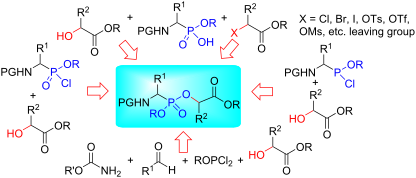
Figure 2: The diverse strategies for phosphonodepsipeptide synthesis.
Scheme 1: Synthesis of α-phosphonodepsidipeptides as inhibitors of leucine aminopeptidase.
Figure 3: Structure of 2-hydroxy-2-oxo-3-[(phenoxyacetyl)amino]-1,2-oxaphosphorinane-6-carboxylic acid (16).
Scheme 2: Synthesis of α-phosphonodepsidipeptide 17 as coupling partner for cyclen-containing phosphonodepsip...
Scheme 3: Synthesis of α-phosphonodepsidipeptides containing enantiopure hydroxy ester as VanX inhibitors.
Scheme 4: Synthesis of α-phosphonodepsidipeptides as VanX inhibitors.
Scheme 5: Synthesis of optically active α-phosphonodepsidipeptides as VanX inhibitors.
Scheme 6: The synthesis of phosphonodepsipeptides through a thionyl chloride-catalyzed esterification of N-Cb...
Scheme 7: Synthesis of α-phosphinodipeptidamide as a hapten.
Scheme 8: Synthesis of α-phosphonodepsioctapeptide 41.
Scheme 9: Synthesis of phosphonodepsipeptides via an in situ-generated phosphonochloridate.
Scheme 10: Synthesis of α-phosphonodepsitetrapeptides 58 as inhibitors of the aspartic peptidase pepsin.
Scheme 11: Synthesis of a β-phosphonodepsidipeptide library 64.
Scheme 12: Synthesis of another β-phosphonodepsidipeptide library.
Scheme 13: Synthesis of γ-phosphonodepsidipeptides.
Scheme 14: Synthesis of phosphonodepsipeptides 85 as folylpolyglutamate synthetase inhibitors.
Scheme 15: Synthesis of the γ-phosphonodepsitripeptide 95 as an inhibitor of γ-gutamyl transpeptidase.
Scheme 16: Synthesis of phosphonodepsipeptides as inhibitors and probes of γ-glutamyl transpeptidase.
Scheme 17: Synthesis of phosphonyl depsipeptides 108 via DCC-mediated condensation and oxidation.
Scheme 18: Synthesis of phosphonodepsipeptides 111 with BOP and PyBOP as coupling reagents.
Scheme 19: Synthesis of optically active phosphonodepsipeptides with BOP and PyBOP as coupling reagents.
Scheme 20: Synthesis of phosphonodepsipeptides with BroP and TPyCIU as coupling reagents.
Scheme 21: Synthesis of a phosphonodepsipeptide hapten with BOP as coupling reagent.
Scheme 22: Synthesis of phosphonodepsitripeptide with BOP as coupling reagent.
Scheme 23: Synthesis of norleucine-derived phosphonodepsipeptides 135 and 138.
Scheme 24: Synthesis of norleucine-derived phosphonodepsipeptides 141 and 144.
Scheme 25: Solid-phase synthesis of phosphonodepsipeptides.
Scheme 26: Synthesis of phosphonodepsidipeptides via the Mitsunobu reaction.
Scheme 27: Synthesis of γ-phosphonodepsipeptide via the Mitsunobu reaction.
Scheme 28: Synthesis of phosphonodepsipeptides via a multicomponent condensation reaction.
Scheme 29: Synthesis of phosphonodepsipeptides with a functionalized side-chain via a multicomponent condensat...
Scheme 30: High yielding synthesis of phosphonodepsipeptides via a multicomponent condensation.
Scheme 31: Synthesis of optically active phosphonodepsipeptides via a multicomponent condensation reaction.
Scheme 32: Synthesis of N-phosphoryl phosphonodepsipeptides.
Scheme 33: Synthesis of phosphonodepsipeptides via the alkylation of phosphonic monoesters.
Scheme 34: Synthesis of phosphonodepsipeptides as inhibitors of aspartic protease penicillopepsin.
Scheme 35: Synthesis of phosphonodepsipeptides as prodrugs.
Scheme 36: Synthesis of phosphonodepsithioxopeptides 198.
Scheme 37: Synthesis of phosphonodepsipeptides.
Scheme 38: Synthesis of phosphonodepsipeptides with C-1-hydroxyalkylphosphonic acid.
Scheme 39: Synthesis of phosphonodepsipeptides with C-1-hydroxyalkylphosphonate via the rhodium-catalyzed carb...
Scheme 40: Synthesis of phosphonodepsipeptides with a C-1-hydroxyalkylphosphonate motif via a copper-catalyzed...
Beilstein J. Org. Chem. 2020, 16, 607–610, doi:10.3762/bjoc.16.55
Graphical Abstract
Figure 1: Previously reported uses of α-diazo-γ-butyrolactams 1 and 4.
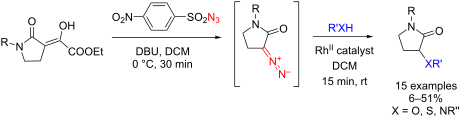
Scheme 1: Generation and in situ RhII-catalyzed X–H insertion reactions of the diazo compounds 4a–c. Conditio...
Scheme 2: Formation of the enamine coupling products 8a and b.
Beilstein J. Org. Chem. 2019, 15, 2156–2160, doi:10.3762/bjoc.15.212
Graphical Abstract
Scheme 1: The effect of indole substituents on the yields of ethyl quinoline-3-carboxylates [15]. Green = good, o...
Figure 1: Quinolone 3-carboxylate scaffold, norfloxacin (1) and ciprofloxacin (2).
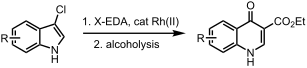
Scheme 2: Retrosynthetic outline for the synthesis of quinolone-3-carboxlates from indole derivatives.
Scheme 3: Synthesis of ethyl 4-quinolone-3-carboxylate (6) and proposed mechanism. a: Rh2(esp)2 (1 mol %), CH2...
Scheme 4: Synthesis of norfloxacin. a: Cl-EDA (1.3 equiv), Rh2(esp)2 (1 mol %), toluene, rt, Cs2CO3, 75%. b: ...
Beilstein J. Org. Chem. 2019, 15, 1289–1297, doi:10.3762/bjoc.15.127
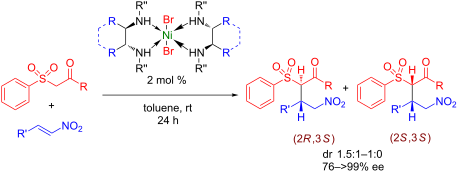
Graphical Abstract
Figure 1: Рharmacologically active sulfones.
Figure 2: Structures of the ligands L1–L8.
Figure 3: Evolution of the conversion of 5 and diastereomeric composition of the products of reaction of 5a w...
Figure 4: Time profile of epimerization and retro-Michael reaction of (2R,3S)-8a in chloroform-d solution.
Figure 5: ORTEP diagram of (2R,3S)-8d.
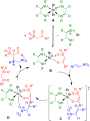
Scheme 1: The proposed mechanism of asymmetric addition of β-ketosulfones to nitroalkenes.
Scheme 2: Transition state models for asymmetric addition of β-ketosulfones to nitroalkenes.
Beilstein J. Org. Chem. 2018, 14, 1890–1900, doi:10.3762/bjoc.14.163
Graphical Abstract
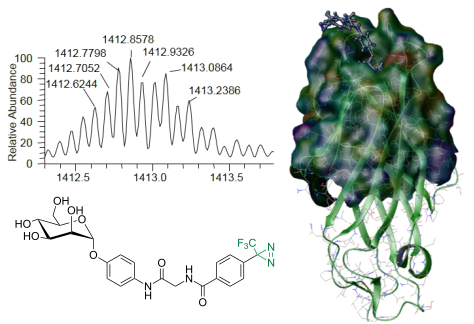
Figure 1: Principle of photoaffinity labeling of proteins with diazirine derivatives. Photolabile ligands are...
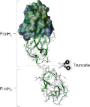
Figure 2: FimH crystal structure (pdb code 1KLF) with docked p-nitrophenyl α-D-mannopyranoside (1, pNPMan). F...
Figure 3: Based on the structure of the known FimH ligands 1 and 2, three photolabile α-D-mannosides, 3–5, we...
Figure 4: Connolly representation of photolabile α-D-mannoside 3 in the closed gate (A, PDB code 1UWF) and op...
Scheme 1: Synthesis of photolabile α-D-mannosides 3 and 4. a) H2, Pd-C, methanol, rt, 6 h, 94%; b) HATU, DIPE...
Figure 5: ESIMS spectra of peptide M2 before (A) and after photoreaction (B) with mannoside 3.
Figure 6: Intact protein ESIMS spectra of FimHtr labeling with diazirine derivative 3 with (A) 50% acetonitri...
Beilstein J. Org. Chem. 2017, 13, 2764–2799, doi:10.3762/bjoc.13.272
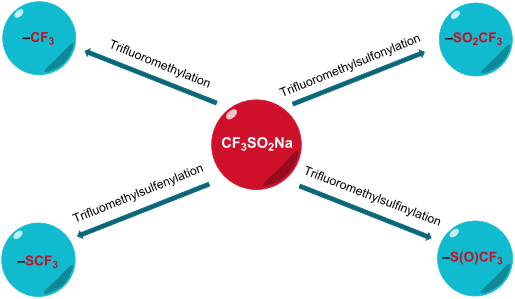
Graphical Abstract
Scheme 1: Trifluoromethylation of enol acetates by Langlois.
Scheme 2: Trifluoromethylation of (het)aryl enol acetates.
Scheme 3: Mechanism for the trifluoromethylation of enol acetates.
Scheme 4: Oxidative trifluoromethylation of unactivated olefins and mechanistic pathway.
Scheme 5: Oxidative trifluoromethylation of acetylenic substrates.
Scheme 6: Metal free trifluoromethylation of styrenes.
Scheme 7: Synthesis of α-trifluoromethylated ketones by oxytrifluoromethylation of heteroatom-functionalised ...
Scheme 8: Catalysed photoredox trifluoromethylation of vinyl azides.
Scheme 9: Oxidative difunctionalisation of alkenyl MIDA boronates.
Scheme 10: Synthesis of β-trifluoromethyl ketones from cyclopropanols.
Scheme 11: Aryltrifluoromethylation of allylic alcohols.
Scheme 12: Cascade multicomponent synthesis of nitrogen heterocycles via azotrifluoromethylation of alkenes.
Scheme 13: Photocatalytic azotrifluoromethylation of alkenes with aryldiazonium salts and CF3SO2Na.
Scheme 14: Copper-promoted intramolecular aminotrifluoromethylation of alkenes with CF3SO2Na.
Scheme 15: Oxytrifluoromethylation of alkenes with CF3SO2Na and hydroxamic acid.
Scheme 16: Manganese-catalysed oxytrifluoromethylation of styrene derivatives.
Scheme 17: Oxytrifluoromethylation of alkenes with NMP/O2 and CF3SO2Na.
Scheme 18: Intramolecular oxytrifluoromethylation of alkenes.
Scheme 19: Hydrotrifluoromethylation of styrenyl alkenes and unactivated aliphatic alkenes.
Scheme 20: Hydrotrifluoromethylation of electron-deficient alkenes.
Scheme 21: Hydrotrifluoromethylation of alkenes by iridium photoredox catalysis.
Scheme 22: Iodo- and bromotrifluoromethylation of alkenes by CF3SO2Na/I2O5 or CF3SO2Na / NaBrO3.
Scheme 23: N-methyl-9-mesityl acridinium and visible-light-induced chloro-, bromo- and SCF3 trifluoromethylati...
Scheme 24: Carbotrifluoromethylation of N-arylacrylamides with CF3SO2Na / TBHP by Lipshutz.
Scheme 25: Carbotrifluoromethylation of N-arylacrylamides with CF3SO2Na/TBHP reported by Lei.
Scheme 26: Carbotrifluoromethylation of N-arylacrylamides with CF3SO2Na/(NH4)2S2O8.
Scheme 27: Metal-free carbotrifluoromethylation of N-arylacrylamides with CF3SO2Na/K2S2O8 reported by Wang.
Scheme 28: Metal-free carbotrifluoromethylation of N-arylacrylamides with CF3SO2Na/PIDA reported by Fu.
Scheme 29: Metal-free cascade trifluoromethylation/cyclisation of N-arylmethacrylamides (a) and enynes (b) wit...
Scheme 30: Trifluoromethylation/cyclisation of N-arylcinnamamides: Synthesis of 3,4-disubstituted dihydroquino...
Scheme 31: Trifluoromethylation/cyclisation of aromatic-containing unsaturated ketones.
Scheme 32: Chemo- and regioselective cascade trifluoromethylation/heteroaryl ipso-migration of unactivated alk...
Scheme 33: Copper-mediated 1,2-bis(trifluoromethylation) of alkenes.
Scheme 34: Trifluoromethylation of aromatics with CF3SO2Na reported by Langlois.
Scheme 35: Baran’s oxidative C–H trifluoromethylation of heterocycles.
Scheme 36: Trifluoromethylation of acetanilides and anilines.
Scheme 37: Trifluoromethylation of heterocycles in water.
Scheme 38: Trifluoromethylation of coumarins in a continuous-flow reactor.
Scheme 39: Oxidative trifluoromethylation of coumarins, quinolines and pyrimidinones.
Scheme 40: Oxidative trifluoromethylation of pyrimidinones and pyridinones.
Scheme 41: Phosphovanadomolybdic acid-catalysed direct C−H trifluoromethylation.
Scheme 42: Oxidative trifluoromethylation of imidazopyridines and imidazoheterocycles.
Scheme 43: Oxidative trifluoromethylation of imidazoheterocycles and imidazoles in ionic liquid/water.
Scheme 44: Oxidative trifluoromethylation of 8-aminoquinolines.
Scheme 45: Oxidative trifluoromethylation of various 8-aminoquinolines using the supported catalyst CS@Cu(OAc)2...
Scheme 46: Oxidative trifluoromethylation of the naphthylamide 70.
Scheme 47: Oxidative trifluoromethylation of various arenes in the presence of CF3SO2Na and sodium persulfate.
Scheme 48: Trifluoromethylation of electron-rich arenes and unsymmetrical biaryls with CF3SO2Na in the presenc...
Figure 1: Trifluoromethylated coumarin and flavone.
Scheme 49: Metal-free trifluoromethylation catalysed by a photoredox organocatalyst.
Scheme 50: Quinone-mediated trifluoromethylation of arenes and heteroarenes.
Scheme 51: Metal- and oxidant-free photochemical trifluoromethylation of arenes.
Scheme 52: Copper-mediated trifluoromethylation of arenediazonium tetrafluoroborates.
Scheme 53: Oxidative trifluoromethylation of aryl- and heteroarylboronic acids.
Scheme 54: Oxidative trifluoromethylation of aryl- and vinylboronic acids.
Scheme 55: Oxidative trifluoromethylation of unsaturated potassium organotrifluoroborates.
Scheme 56: Oxidative trifluoromethylation of (hetero)aryl- and vinyltrifluoroborates.
Scheme 57: Copper−catalysed decarboxylative trifluoromethylation of cinnamic acids.
Scheme 58: Iron-mediated decarboxylative trifluoromethylation of α,β-unsaturated carboxylic acids.
Scheme 59: Cu/Ag-catalysed decarboxylative trifluoromethylation of cinnamic acids.
Scheme 60: I2O5-Promoted decarboxylative trifluoromethylation of cinnamic acids.
Scheme 61: Silver(I)-catalysed denitrative trifluoromethylation of β-nitrostyrenes.
Scheme 62: Copper-catalysed direct trifluoromethylation of styrene derivatives.
Scheme 63: Transition-metal-free synthesis of β-trifluoromethylated enamines.
Scheme 64: I2O5-mediated iodotrifluoromethylation of alkynes.
Scheme 65: Silver-catalysed tandem trifluoromethylation/cyclisation of aryl isonitriles.
Scheme 66: Photoredox trifluoromethylation of 2-isocyanobiphenyls.
Scheme 67: Trifluoromethylation of potassium alkynyltrifluoroborates with CF3SO2Na.
Scheme 68: N-trifluoromethylation of nitrosoarenes with CF3SO2Na (SQ: semiquinone).
Scheme 69: Trifluoromethylation of disulfides with CF3SO2Na.
Scheme 70: Trifluoromethylation of thiols with CF3SO2Na/I2O5.
Scheme 71: Electrophilic trifluoromethylsulfenylation by means of CF3SO2Na/(EtO)2P(O)H/CuCl/DMSO.
Scheme 72: Electrophilic trifluoromethylsulfenylation by means of CF3SO2Na/(EtO)2P(O)H/TMSCl.
Scheme 73: Electrophilic trifluoromethylsulfenylation by means of CF3SO2Na/PPh3/N-chlorophthalimide.
Scheme 74: Electrophilic trifluoromethylsulfenylation by means of CF3SO2Na/PCl3.
Scheme 75: Electrophilic trifluoromethylsulfenylation by means of CF3SO2Na/PCl3.
Scheme 76: Trifluoromethylsulfenylation of aryl iodides with in situ generated CuSCF3 (DMI: 1,3-dimethyl-2-imi...
Scheme 77: Pioneering trifluoromethylsulfinylation of N, O, and C-nucleophiles.
Scheme 78: Trifluoromethylsulfinylation of (1R,2S)-ephedrine (Im: imidazole; DIEA: N,N-diisopropylethylamine).
Scheme 79: Trifluoromethylsulfinylation of substituted benzenes with CF3SO2Na/CF3SO3H.
Scheme 80: Trifluoromethylsulfinylation of indoles with CF3SO2Na/P(O)Cl3.
Scheme 81: Trifluoromethylsulfinylation of indoles with CF3SO2Na/PCl3.
Scheme 82: Formation of triflones from benzyl bromides (DMA: dimethylacetamide).
Scheme 83: Formation of α-trifluoromethylsulfonyl ketones, esters, and amides.
Scheme 84: Allylic trifluoromethanesulfonylation of aromatic allylic alcohols.
Scheme 85: Copper-catalysed couplings of aryl iodonium salts with CF3SO2Na.
Scheme 86: Palladium-catalysed trifluoromethanesulfonylation of aryl triflates and chlorides with CF3SO2Na.
Scheme 87: Copper-catalysed coupling of arenediazonium tetrafluoroborates with CF3SO2Na.
Scheme 88: Synthesis of phenyltriflone via coupling of benzyne with CF3SO2Na.
Scheme 89: Synthesis of 1-trifluoromethanesulfonylcyclopentenes from 1-alkynyl-λ3-bromanes and CF3SO2Na.
Scheme 90: One-pot synthesis of functionalised vinyl triflones.
Scheme 91: Regioselective synthesis of vinyltriflones from styrenes.
Scheme 92: Trifluoromethanesulfonylation of alkynyl(phenyl) iodonium tosylates by CF3SO2Na.
Scheme 93: Synthesis of thio- and selenotrifluoromethanesulfonates.
Beilstein J. Org. Chem. 2016, 12, 1590–1597, doi:10.3762/bjoc.12.155
Graphical Abstract
Figure 1: Relative stability and nucleophilicity of non-stabilized (R = H, alkyl) diazo compounds (left) and ...
Scheme 1: Synthesis of ethyl halodiazoacetates [11].
Figure 2: a) The decay of 2b in toluene-d8 at 35 °C. b) The plot of log(Δ[2b]) vs time.
Scheme 2: Proposed rate determining step for the thermal decomposition of 2a–c.
Figure 3: Transition-state energies (kcal/mol) for the release of N2 and formation of the singlet carbenes. T...
Figure 4: Thermal stability of 1 and 2a–c, and the α-substituents’ contribution to π-donation.
Figure 5: NBO atomic charges and IR stretching frequencies calculated [21] and experimentally recorded for 1 and ...
Figure 6: NBO atomic charges of the singlet carbenes from 1 and 2a,b, and d.
Figure 7: Relative thermal stability of halodiazoacetates (red color).
Figure 8: Relative nucleophilicity of halodiazoacetates (red color).
Beilstein J. Org. Chem. 2016, 12, 882–902, doi:10.3762/bjoc.12.87
Graphical Abstract
Figure 1: Singlet carbene, triplet carbene and carbenoids.
Figure 2: Classification of the carbenoid intermediates by the electronic nature of the groups attached to th...
Figure 3: Chiral bis(oxazoline) ligands used in enantioselective copper carbenoid insertion.
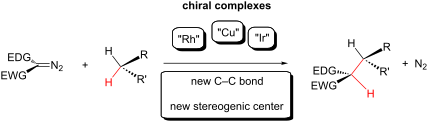
Scheme 1: Pioneering work of Peter Yates on the carbenoid insertion reaction into X–H bonds (where X = O, S, ...
Scheme 2: Copper carbenoid insertion into C(sp3)–H bond of a stereogenic center with full retention of the as...
Scheme 3: Carbenoid insertion into a C(sp3)–H bond as the key step of the Taber’s (+)-α-cuparenone (8) synthe...
Scheme 4: First enantioselective carbenoid insertion into C–O bonds catalyzed by chiral metallic complexes.
Figure 4: Chemical structures of complexes (R)-18 and (S)-18.
Scheme 5: Asymmetric carbenoid insertions into C(sp3)–H bonds of cycloalkanes catalyzed by chiral rhodium car...
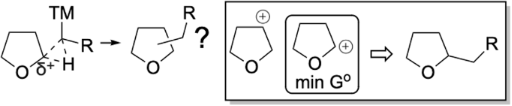
Scheme 6: First diastereo and enantioselective intermolecular carbenoid insertion into tetrahydrofuran C(sp3)...
Scheme 7: Simplified mechanism of the carbenoid insertion into a C(sp3)–H bond.
Scheme 8: Nakamura’s carbenoid insertion into a C(sp3)–H bond catalytic cycle.
Scheme 9: Investigation of the relationship between the electronic characteristics of the substituent X attac...
Scheme 10: Empirical model to predict the stereoselectivity of the donor/acceptor dirhodium carbenoid insertio...
Scheme 11: Asymmetric insertion of copper carbenoids in C(sp3)–H bonds to prepare trans-γ-lactam.
Figure 5: Iridium catalysts used by Suematsu and Katsuki for carbenoid insertion into C(sp3)–H bonds.
Scheme 12: Chiral porphyrin iridium complex catalyzes the carbenoid insertion into bis-allylic C(sp3)–H bonds.
Scheme 13: Chiral porphyrin iridium complex catalyzes the carbenoid insertion into tetrahydrofuran C(sp3)–H bo...
Scheme 14: Chiral porphyrin–iridium complex catalyzes the intramolecular carbenoid insertion into C(sp3)–H bon...
Scheme 15: Chiral bis(oxazoline)–iridium complex catalyzes the carbenoid insertion into bis-allylic C(sp3)–H b...
Scheme 16: New cyclopropylcarboxylate-based chiral catalyst to enantioselective carbenoid insertion into the e...
Scheme 17: Regio- and enantioselective carbenoid insertion into the C(sp3)–H bond catalyzed by a new bulky cyc...
Scheme 18: Regio and diastereoselective carbenoid insertion into the C(sp3)–H bond catalyzed by a new bulky cy...
Scheme 19: 2,2,2-Trichloroethyl (TCE) aryldiazoacetates to improve the scope, regio- and enantioselective of t...
Scheme 20: Sequential C–H functionalization approach to 2,3-dihydrobenzofurans.
Scheme 21: Enantioselective intramolecular rhodium carbenoid insertion into C(sp3)–H bonds to afford cis-disub...
Scheme 22: Enantioselective intramolecular rhodium carbenoid insertion into C(sp3)–H bonds to afford cis-2-vin...
Scheme 23: First rhodium porphyrin-based catalyst for enantioselective carbenoid insertion into C(sp3)–H bond.
Scheme 24: Rhodium porphyrin-based catalyst for enantioselective carbenoid insertion into benzylic C(sp3)–H bo...
Beilstein J. Org. Chem. 2016, 12, 745–749, doi:10.3762/bjoc.12.74
Graphical Abstract
Figure 1: Functionalization of natural peptides and proteins: state of the art.
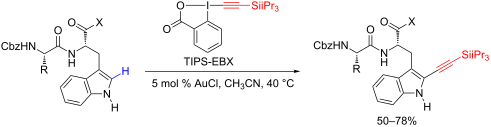
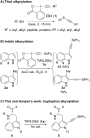
Scheme 1: Alkynylation with EBX reagents.
Scheme 2: Alkynylation of tryptophan-containing peptides.
Beilstein J. Org. Chem. 2015, 11, 2097–2104, doi:10.3762/bjoc.11.226
Graphical Abstract
Scheme 1: Use of a Chan–Lam reaction for the synthesis of tetrahydroquinolines and potential extension to pyr...
Scheme 2: Examples of pyridine synthesis from oxime precursors [51,52].
Scheme 3: Solvent effect on conversion of N-alkenylnitrones to pyridines.
Scheme 4: Mechanistic experiments.
Beilstein J. Org. Chem. 2015, 11, 1944–1949, doi:10.3762/bjoc.11.210
Graphical Abstract
Scheme 1: Synthesis of halo diazoacetates [17].
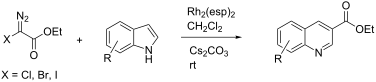
Scheme 2: The reaction between halodiazoacetates and indole.
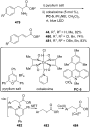
Scheme 3: Proposed reaction pathway.
Scheme 4: Attempted cyclopropanation of N-Boc indole.
Scheme 5: The reaction between ethyl bromo diazoacetate and N-Me-indole.
Beilstein J. Org. Chem. 2013, 9, 2048–2078, doi:10.3762/bjoc.9.243
Graphical Abstract
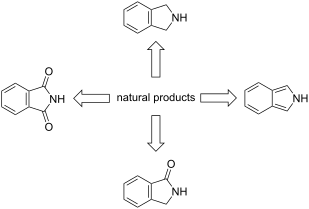
Figure 1: a) Structural features and b) selected examples of non-natural congeners.
Scheme 1: Synthesis of isoindole 18.
Scheme 2: Staining amines with 1,4-diketone 19 (R = H).
Figure 2: Representative members of the indolocarbazole alkaloid family.
Figure 3: Staurosporine (26) bound to the adenosine-binding pocket [19] (from pdb1stc).
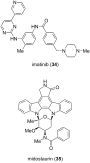
Figure 4: Structure of imatinib (34) and midostaurin (35).
Scheme 3: Biosynthesis of staurosporine (26).
Scheme 4: Wood’s synthesis of K-252a via the common intermediate 48.
Scheme 5: Synthesis of 26, 27, 49 and 50 diverging from the common intermediate 48.
Figure 5: Selected members of the cytochalasan alkaloid family.
Scheme 6: Biosynthesis of chaetoglobosin A (57) [56].
Scheme 7: Synthesis of cytochalasin D (70) by Thomas [63].
Scheme 8: Synthesis of L-696,474 (78).
Scheme 9: Synthesis of aldehyde 85 (R = TBDPS).
Scheme 10: Synthesis of (+)-aspergillin PZ (79) by Tanis.
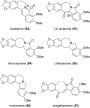
Figure 6: Representative Berberis alkaloids.
Scheme 11: Proposed biosynthetic pathway to chilenine (93).
Scheme 12: Synthesis of magallanesine (97) by Danishefsky [84].
Scheme 13: Kurihara’s synthesis of magallanesine (85).
Scheme 14: Proposed biosynthesis of 113, 117 and 125.
Scheme 15: DNA lesion caused by aristolochic acid I (117) [102].
Scheme 16: Snieckus’ synthesis of piperolactam C (131).
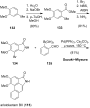
Scheme 17: Synthesis of aristolactam BII (104).
Figure 7: Representative cularine alkaloids.
Scheme 18: Proposed biosynthesis of 136.
Scheme 19: The syntheses of 136 and 137 reported by Castedo and Suau.
Scheme 20: Synthesis of 136 by Couture.
Figure 8: Representative isoindolinone meroterpenoids.
Scheme 21: Postulated biosynthetic pathway for the formation of 156 (adopted from George) [143].
Scheme 22: Synthesis of stachyflin (156) by Katoh [144].
Figure 9: Selected examples of spirodihydrobenzofuranlactams.
Scheme 23: Synthesis of stachybotrylactam I (157).
Scheme 24: Synthesis of pestalachloride A (193) by Schmalz.
Scheme 25: Proposed mechanism for the BF3-catalyzed metal-free carbonyl–olefin metathesis [149].
Scheme 26: Preparation of the isoindoline core of muironolide A (204).
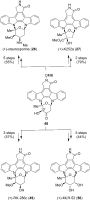
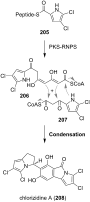
Scheme 27: Proposed biosynthesis of 208.
Scheme 28: Model for the biosynthesis of 215 and 217.
Scheme 29: Synthesis of lactonamycin (215) and lactonamycin Z (217).
Figure 10: Hetisine alkaloids 225–228.
Scheme 30: Biosynthetic proposal for the formation of the hetisine core [167].
Scheme 31: Synthesis of nominine (225).
Beilstein J. Org. Chem. 2013, 9, 1407–1413, doi:10.3762/bjoc.9.157
Graphical Abstract
Scheme 1: Preparation of the diazoacetamides.
Scheme 2: Bromination of the diazoacetamides 3a–f and thermolysis of the α-bromodiazoacetamides 4a–f.
Beilstein J. Org. Chem. 2013, 9, 991–1001, doi:10.3762/bjoc.9.114
Graphical Abstract
Scheme 1: Synthesis of hexaethyl dialkylaminomethylidynetrisphosphonates 1 from dichloromethylene dialkylammo...
Scheme 2: Synthesis and some transformations of trisphosphonate 2.
Scheme 3: Attempt to synthesize trisphosphonates by the combination of Arbuzov reaction and dialkyl phosphite...
Scheme 4: Synthesis of hexaethylmethylidynetrisphosphonate 6 via phosphinylation of tetraethyl methylenebisph...
Scheme 5: Synthetic approach to methylidynetrisphosphonate ester 9.
Scheme 6: Synthesis of alkylidyne-1,1,1-trisphosphonate esters 12.
Scheme 7: Two-step one-pot synthesis of propargyl-substituted trisphosphonate 15.
Scheme 8: Synthetic route to trisphosphonate 18 via 7,7-bisphosphonyl-3,5-di-tert-butylquinone methide 17.
Scheme 9: Synthesis of trisphosphonate 18 starting from 2,6-di-tert-butyl-4-(dichloromethyl)phenol.
Scheme 10: Synthesis of triphosphorus derivatives 20 via quinone methides 17 and 19.
Scheme 11: Unexpected phosphonylation of the aromatic nucleus in reactions of quinone methides 19 and 21.
Scheme 12: Multistep synthesis of trisphosphonate 18 starting from quinone methide 25.
Scheme 13: Synthesis of hexaethyl methylidynetrisphosphonate (6) via metal-carbenoid-mediated P–H insertion re...
Scheme 14: Reaction between tert-butylphosphaethyne and diethyl phosphite in the presence of sodium metal.
Scheme 15: Cross metathesis of trisphosphonates 12 with 2-methyl-2-butene and the Grubbs second-generation cat...
Scheme 16: Hydroboration–oxidation of trisphosphonates 12b,e.
Scheme 17: Reaction of 3-butyn-1-ylidenetrisphosphonate 15 with benzyl azide.
Scheme 18: The use of the transsilylation reaction for the synthesis of trisphosphonate salts 37.
Scheme 19: Synthesis of the sodium salt of the acid-labile trisphosphonic acid 38.
Scheme 20: Acidic hydrolysis of trisphosphonate ester 1a.
Scheme 21: Methylation of trisphosphonate 1a.
Scheme 22: Synthesis of the free methylidynetrisphosphonic acid via trisphosphonate salt 38.
Scheme 23: Synthesis of halomethylidynetrisphosphonate salts 43 and 44 by modified Gross’s procedure.
Scheme 24: Synthesis of trisphosphonate modified nucleotides. Reagents: i, 5'-O-tosyl adenosine, MeCN; ii, AMP...
Figure 1: Bond angles and bond distances in pyrophosphate, methylene-1,1-bisphosphonate and fluoromethylidyne...