


Search results
Search for "Cu-catalyzed" in Full Text gives 132 result(s) in Beilstein Journal of Organic Chemistry.
Asymmetric tandem conjugate addition and reaction with carbocations on acylimidazole Michael acceptors
Beilstein J. Org. Chem. 2023, 19, 881–888, doi:10.3762/bjoc.19.65

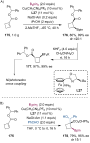
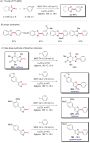
- construction of stereogenic centers using polar organometallics [1]. In this way, 1,4-additions of typical organometallics such as dialkylzinc, Grignard reagents, and trialkylaluminum have been developed [2][3][4][5][6][7][8][9]. Recently, also Cu-catalyzed conjugate additions of organozirconium [10][11] or


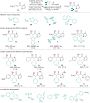


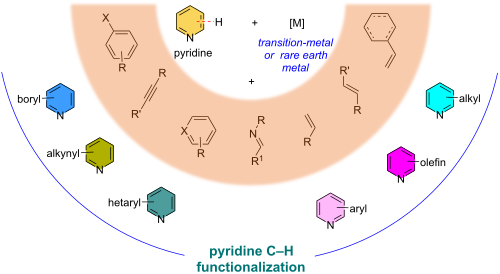
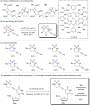
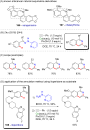
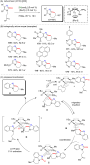
Pyridine C(sp2)–H bond functionalization under transition-metal and rare earth metal catalysis
Beilstein J. Org. Chem. 2023, 19, 820–863, doi:10.3762/bjoc.19.62
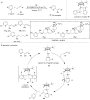
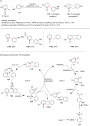
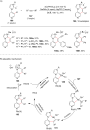
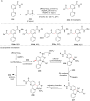
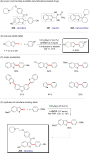
- . Except lately, in 2020, Chen and group [82] reported a Pd/Cu-catalyzed regio- and stereoselective synthesis of C2-alkenylated pyridines starting from internal alkynes 84 and pyridinium salts in a stereodivergent manner (Scheme 17a). The interesting part of this work was the switching of the alkene
- organoboron coupling partners, Wu and co-workers [91] reported a protocol for the Cu-catalyzed C–H arylation of pyridine N-oxides 9 with arylboronic esters 114 and prepared C2-arylated pyridines 115 in moderate to good yields (Scheme 22). By using an inexpensive Cu catalyst, the method allows for the simple


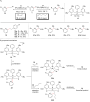


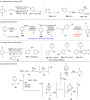












Enolates ambushed – asymmetric tandem conjugate addition and subsequent enolate trapping with conventional and less traditional electrophiles
Beilstein J. Org. Chem. 2023, 19, 593–634, doi:10.3762/bjoc.19.44
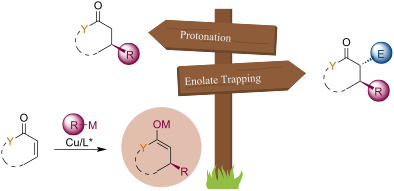
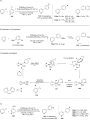
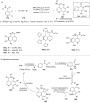
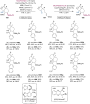
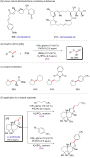
- azetidines 19 were also synthesized using this methodology (Scheme 5b). Nitronate anions were also found suitable for Mannich-type trapping reactions [28][29]. Anderson and co-workers accomplished several Cu-catalyzed conjugate additions of R2Zn to nitroolefins 20, followed by subsequent reaction with p
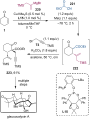
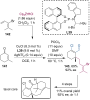
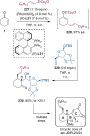
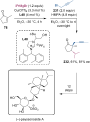
- asymmetric conjugate addition. The magnesium enolates 56 then participated in a copper(II)-mediated intramolecular oxidative coupling to afford benzofused spirocyclic cycloalkanones 57 (Scheme 14) [45]. Our team became interested in domino reactions of metal enolates generated by Cu-catalyzed asymmetric
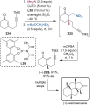
- participated in the Cu-catalyzed homoconjugate addition of Grignard reagents and subsequent enolate trapping to give densely functionalized cyclobutanes 77 with high diastereoselectivity (Scheme 20). The enolates were alkylated, allylated, benzylated, benzoylated, and thienylated. Minnaard and co-workers








Transition-metal-catalyzed domino reactions of strained bicyclic alkenes
Beilstein J. Org. Chem. 2023, 19, 487–540, doi:10.3762/bjoc.19.38
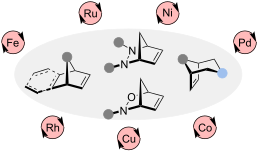
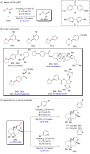
- final ring-opened adduct 37. Copper-catalyzed reactions In 2009, Pineschi and co-workers explored the Cu-catalyzed rearrangement/allylic alkylation of 2,3-diazabicyclo[2.2.1]heptenes 47 with Grignard reagents 48 (Scheme 8) [41]. The reaction is thought to proceed via the Lewis acid-catalyzed [3,4
- success of the reaction, hypothesizing it inhibited the classical [3,3]-sigmatropic Lewis acid-catalyzed rearrangement often observed. Both alkyl and aryl Grignard reagents were amenable to the reaction; however, heteroaryl Grignard reagents resulted in poor conversion. The Cu-catalyzed borylative
- intercepted by an electrophile to generate the difunctionalized system. This methodology has been applied several times to strained bicyclic alkenes with a variety of electrophiles. In 2015, Hirano and Miura developed a Cu-catalyzed aminoboration of bicyclic alkenes 1 with bis(pinacolato)diboron (B2pin2) (53











CuAAC-inspired synthesis of 1,2,3-triazole-bridged porphyrin conjugates: an overview
Beilstein J. Org. Chem. 2023, 19, 349–379, doi:10.3762/bjoc.19.29
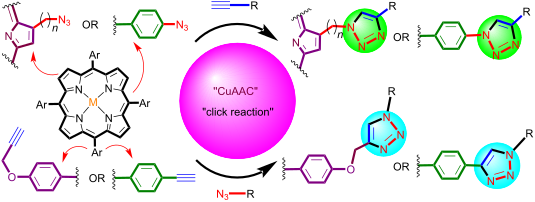
- (TBTA) was also added as an additive to increase the yield of triazoloporphyrins 103a,b. When TBTA, a tertiary amine with a 1,2,3-triazole ring, is added to a Cu-catalyzed click reaction, it forms a complex to stabilize the Cu(I) oxidation state and speeds up the reaction. Further, these 1,2,3-triazole




Total synthesis of grayanane natural products
Beilstein J. Org. Chem. 2022, 18, 1707–1719, doi:10.3762/bjoc.18.181
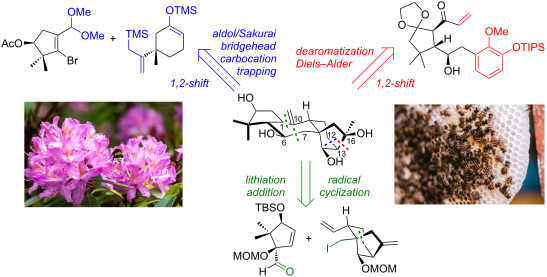
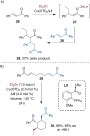
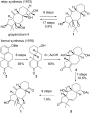
- radical cyclization of an alkynyl ketone as the key step. The synthesis started by a Cu-catalyzed conjugate addition of the vinyl Grignard reagent, followed by TMS α-propargylation under basic conditions, affording the TMS-alkynyl ketone 76 as the major diastereomer (Scheme 11). Originally a Au-catalyzed




Modular synthesis of 2-furyl carbinols from 3-benzyldimethylsilylfurfural platforms relying on oxygen-assisted C–Si bond functionalization
Beilstein J. Org. Chem. 2022, 18, 1256–1263, doi:10.3762/bjoc.18.131
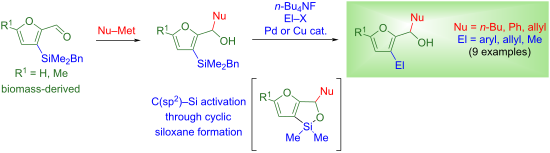
- on the SiMe(OSiMe3)2 unit, which were readily converted through Pd- or Cu-catalyzed electrophilic substitution reactions into an array of furfurals decorated at C3 with carbon- or heteroatom-containing substituents (Scheme 1). Conversely, all of our subsequent efforts to achieve cross-coupling
- activation by alkoxides did not prove useful, C3–Si bond functionalization is achieved from benzyldimethylsilyl units upon siloxane formation in the presence of TBAF. Protocols for fluoride-promoted Pd/Cu-catalyzed arylation, as well as Cu-catalyzed allylation and methylation, have been developed. Overall
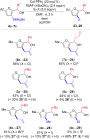
- reduced pressure. and purified by silica gel column chromatography. Procedure for the Pd/Cu-catalyzed arylation of C3-benzyldimethylsilyl-substituted 2-furyl carbinol 4c (preparation of compounds 18 and 19) A flame-dried Schlenk tube was charged with CuI (20 mol %) and Pd2(dba)3 (2.5 mol %) and heated


Synthesis of novel alkynyl imidazopyridinyl selenides: copper-catalyzed tandem selenation of selenium with 2-arylimidazo[1,2-a]pyridines and terminal alkynes
Beilstein J. Org. Chem. 2022, 18, 863–871, doi:10.3762/bjoc.18.87
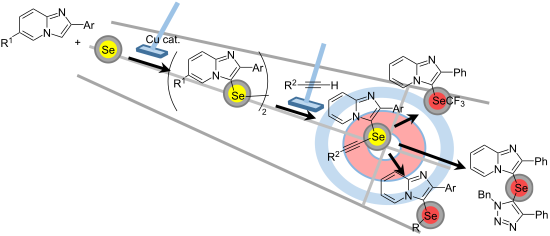
- their applications in the biological and pharmaceutical fields. The Cu-catalyzed tandem reaction for the synthesis of novel alkynyl imidazopyridinyl selenides is presented. A one-pot synthesis route afforded alkynyl imidazopyridinyl selenides in moderate to good yields. This was achieved by a two-step
- attention [15][19][20][21][22][23][24][25][26]. This method involves a transition-metal-catalyzed one-pot, three-component reaction in which two functional groups are simultaneously introduced on the Se atom via double selenation. As examples, the following Cu-catalyzed one-pot reactions have been reported
- with an imidazo[1,2-a]pyridine ring, this study focused on the Cu-catalyzed one-pot C(sp2)–Se and C(sp)–Se bond formation for the synthesis of novel alkynyl imidazopyridinyl selenides using Se powder, 2-arylimidazo[1,2-a]pyridines, and terminal alkynes. Results and Discussion Synthesis of alkynyl


Continuous flow synthesis of azobenzenes via Baeyer–Mills reaction
Beilstein J. Org. Chem. 2022, 18, 781–787, doi:10.3762/bjoc.18.78
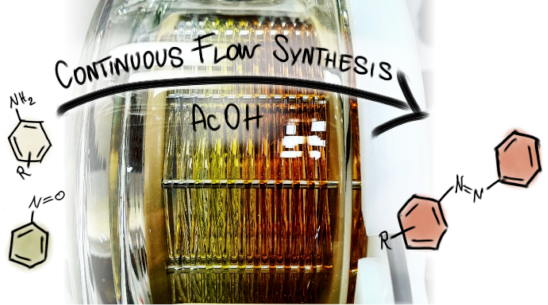
- reliable synthesis of symmetric ABs in high yields via a Cu-catalyzed oxidative coupling of aniline derivatives [17]. This synthesis can be also used for the formation of non-symmetric AB, however, only for a selected set of anilines. One of the most applied methods to access non-symmetric azobenzenes is
- , which can lead to higher yields and purity [22]. Flow chemistry to prepare azobenzenes has been previously applied to the Cu-catalyzed synthesis of symmetric substituted AB derivatives [23][24]. However, non-symmetric substituted ABs are not accessible by this method in an efficient way. Herein, we


Direct C–H amination reactions of arenes with N-hydroxyphthalimides catalyzed by cuprous bromide
Beilstein J. Org. Chem. 2022, 18, 647–652, doi:10.3762/bjoc.18.65
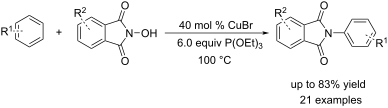
- Dongming Zhang Bin Lv Pan Gao Xiaodong Jia Yu Yuan College of Chemistry and Chemical Engineering, Yangzhou University, Yangzhou 225002, P. R. of China 10.3762/bjoc.18.65 Abstract An efficient Cu-catalyzed strategy for the direct C–H amination of arenes in high yields using N-hydroxyphthalimide as




Unexpected chiral vicinal tetrasubstituted diamines via borylcopper-mediated homocoupling of isatin imines
Beilstein J. Org. Chem. 2022, 18, 303–308, doi:10.3762/bjoc.18.34
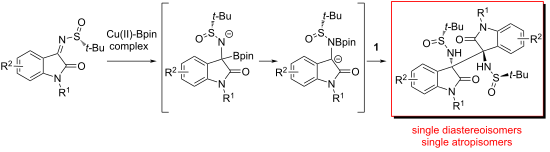
- oxindoles [7][8][9][10][11] and also of aminoboronic acids [12], we recently exploited a molecular hybridization strategy to synthesize chiral oxindole-based β-aminoboronic acids and spiro derivatives [13]. Apart from our work and a quite recent report describing a useful Cu-catalyzed enantioselective


AlBr3-Promoted stereoselective anti-hydroarylation of the acetylene bond in 3-arylpropynenitriles by electron-rich arenes: synthesis of 3,3-diarylpropenenitriles
Beilstein J. Org. Chem. 2021, 17, 2663–2667, doi:10.3762/bjoc.17.180
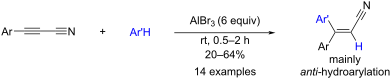
- way for the synthesis of compounds 2. These compounds can be alternatively obtained by a Pd-catalyzed Heck reaction of 3-arylpropenenitriles with iodoarenes [23] or by a Cu-catalyzed hydroarylation of 3-arylpropynenitriles with arylboronic acid [24][25]. There is one example of use of dicyanoacetylene


Copper-catalyzed monoselective C–H amination of ferrocenes with alkylamines
Beilstein J. Org. Chem. 2021, 17, 2488–2495, doi:10.3762/bjoc.17.165
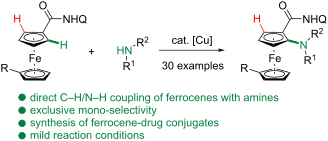
- metals. Second, both amines and the resulting aminated products could coordinate with metal catalysts and cause the deactivation of catalysts. Besides, high reaction temperature could lead to a mixture of byproducts or the decomposition of the ferrocene products. Herein, we described a Cu-catalyzed
- oxidative C–H/N–H coupling of ferrocenes with free amines to provide mono-aminated ferrocenes exclusively under mild conditions (Scheme 1b). During the preparation of the manuscript of this article, a nice report on Cu-catalyzed C–H amination of ferrocenes directed by 8-aminoquinoline was reported by




Preparation of mono-substituted malonic acid half oxyesters (SMAHOs)
Beilstein J. Org. Chem. 2021, 17, 2085–2094, doi:10.3762/bjoc.17.135

- usually achieved by a nucleophilic substitution of an alkyl halide by the deprotonated malonate [12][13][14][15][16][17][18][19], but other strategies could be envisioned: Cu-catalyzed arylation reactions for aryl-substituted MAHOs [20][21][22][23]; Knoevenagel/reduction sequences for benzyl-substituted


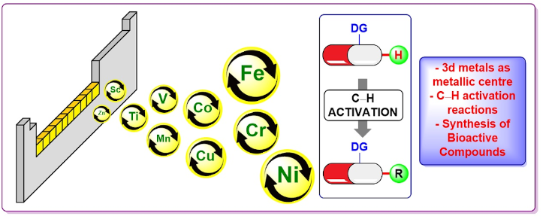
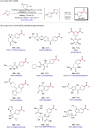
On the application of 3d metals for C–H activation toward bioactive compounds: The key step for the synthesis of silver bullets
Beilstein J. Org. Chem. 2021, 17, 1849–1938, doi:10.3762/bjoc.17.126
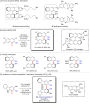
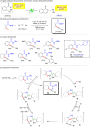
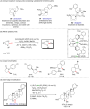
- amiodarone (93, antiarrhythmic activity) (Scheme 32A) [166]. The method consists of a tandem, regioselective Fe(III)-catalyzed C–H halogenation, followed by an Fe or Cu-catalyzed O-arylation to access the benzo[b]furan derivatives in high yields. Several natural products and pharmacologically active targets









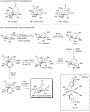


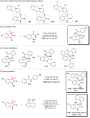
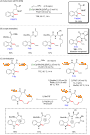
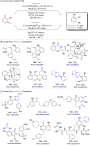

















A recent overview on the synthesis of 1,4,5-trisubstituted 1,2,3-triazoles
Beilstein J. Org. Chem. 2021, 17, 1600–1628, doi:10.3762/bjoc.17.114
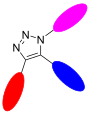
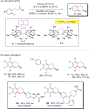
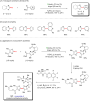
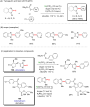
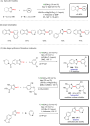
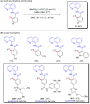
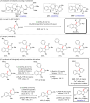
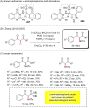
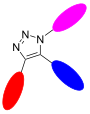
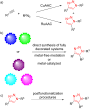
- after the support of DOX molecules on the polymer prodrug, which resulted in reduced side effects (Scheme 18b) [48][49]. Cu-catalyzed synthesis of fully decorated triazoles The Cu-catalyzed regioselective cyclization of alkynes 57 and azides 58, followed by coupling with propargylic carbonates 59
- for the reaction as both of the two selanyl groups are used [53]. Trisubstituted triazoles 93 containing an Sb substituent at position C5 were prepared via a Cu-catalyzed [3 + 2]-cycloaddition reaction between several ethynylstibanes 91 and benzyl azide 92 using CuBr under air. The reaction proceeded
- the triazole ring was achieved under optimized conditions. The reaction displayed extensive diversity and excellent functional group tolerance It should be noted once again that Cu-catalyzed triazoles were obtained in good to excellent yield by using 10% CuI and 10% Cu, which were subsequently













Synthesis of 1-indolyl-3,5,8-substituted γ-carbolines: one-pot solvent-free protocol and biological evaluation
Beilstein J. Org. Chem. 2021, 17, 1453–1463, doi:10.3762/bjoc.17.101
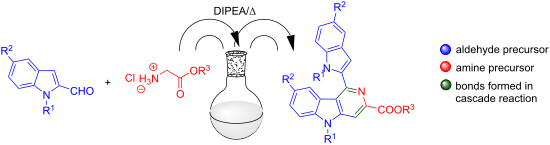
- extreme thermal conditions with the use of corrosive reagents. Much later, Larock and co-workers developed a Pd/Cu-catalyzed imino-annulation of internal alkynes [15], which paved the way for transition-metal-catalyzed cyclizations as easy access to these scaffolds. Notably, the gold-catalyzed tandem






Effective microwave-assisted approach to 1,2,3-triazolobenzodiazepinones via tandem Ugi reaction/catalyst-free intramolecular azide–alkyne cycloaddition
Beilstein J. Org. Chem. 2021, 17, 678–687, doi:10.3762/bjoc.17.57
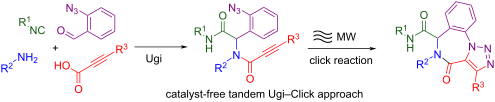
- ] (Scheme 1). Even though at first glance the syntheses from Scheme 1, where in the second step the NaN3 is used (Scheme 1, (d) and (e)) [3][14], are the combination of sequential Ugi and IAAC reactions, that’s not entirely true. Actually, the mechanism of the abovementioned Cu-catalyzed reactions with NaN3


Deoxygenative C2-heteroarylation of quinoline N-oxides: facile access to α-triazolylquinolines
Beilstein J. Org. Chem. 2021, 17, 485–493, doi:10.3762/bjoc.17.42
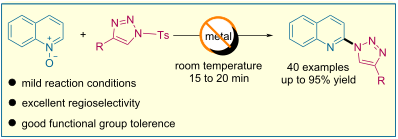
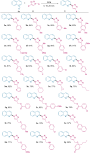
- pyridine N-oxides [54]. Despite the versatility of these methods, the above reports involve the use of external additives for activating the N-oxides and suffer from other disadvantages, including prolonged reaction time, high temperature and limited substrate scope. At the same time, with the advent of Cu
- -catalyzed “Click” chemistry, N-sulfonyl-1,2,3-triazoles have become useful precursors for accessing a variety of heterocyclic moieties [55][56]. In spite of the above methods for the C2-amination, the establishment of a simple, efficient and atom-economical method for the synthesis of 2-triazolylquinoline




Regioselective synthesis of heterocyclic N-sulfonyl amidines from heteroaromatic thioamides and sulfonyl azides
Beilstein J. Org. Chem. 2020, 16, 2937–2947, doi:10.3762/bjoc.16.243
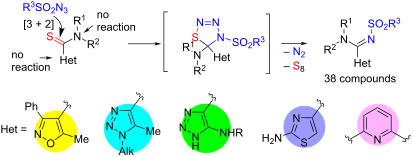
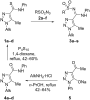
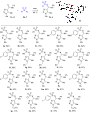
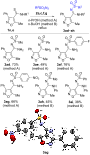
- commonly used methods to prepare these compounds include the Cu-catalyzed multicomponent reaction of alkynes, sulfonyl azides and amines [23][24][25][26][27][28][29][30][31], the reaction of thioacetamide derivatives and cyclic thioamides with sulfonyl azides [22][32][33], the chlorophosphite-mediated







A novel and robust heterogeneous Cu catalyst using modified lignosulfonate as support for the synthesis of nitrogen-containing heterocycles
Beilstein J. Org. Chem. 2020, 16, 2888–2902, doi:10.3762/bjoc.16.238
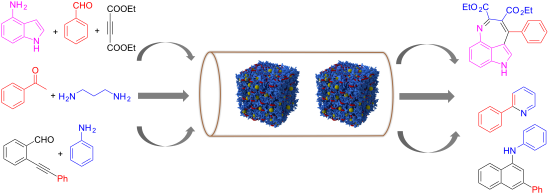
- ). Recyclability of LS-FAS-Cu, LS-FM-Cu and Resin-Cu in the reaction between compounds 1a, 2a and 3a. Substrate scope of LS-FAS-Cu catalyzed three-component reactions of 4-aminoindoles, alkynes and aldehydes. Three-component reaction of 1a, 2a, and 3a to synthesis of 4aa. Optimizing the reaction condition of
- acetophenones and 1,3-diaminopropane to synthesis 2‑arylpyridine derivatives.a Acid density of catalyst. Substrate scope of the ketones catalyzed by LSA-FAS-Cu. LS-FAS-Cu catalyzed synthesis of aminonaphthalene derivatives.a Synthesis of the 3-phenylisoquinoline from 11a and urea (12a).a Supporting Information


Synthesis and investigation of quadruplex-DNA-binding, 9-O-substituted berberine derivatives
Beilstein J. Org. Chem. 2020, 16, 2795–2806, doi:10.3762/bjoc.16.230
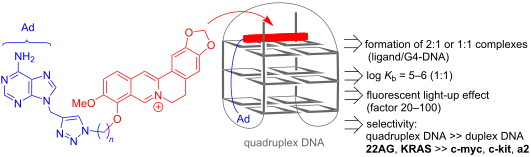
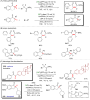
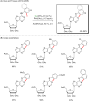
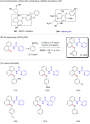
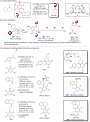
- berberine derivatives was synthesized by the Cu-catalyzed click reaction of 9-propargyladenine with 9-O-(azidoalkyl)berberine derivatives. The association of the resulting berberine–adenine conjugates with representative quadruplex-forming oligonucleotides 22AG dA(G3TTA)3G3 and a2 d(ACAG4TGTG4)2 was
- -forming repeat unit from the “insulin-linked polymorphic region” (ILPR) [50], that was also shown to bind quadruplex ligands [51]. Results Synthesis As the Cu-catalyzed click reaction between azides and alkynes is a well-established method for the variable functionalization of G4-DNA ligands [52], the


Syntheses of spliceostatins and thailanstatins: a review
Beilstein J. Org. Chem. 2020, 16, 1991–2006, doi:10.3762/bjoc.16.166

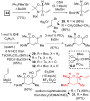
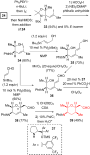
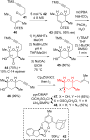
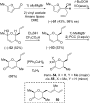
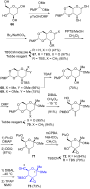
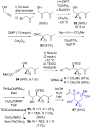
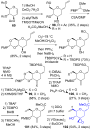
- considerably more efficient than the Ghosh synthesis of 102. Syntheses of the C-1–C-6 segment of spliceostatin E (10) The Ghosh group’s synthesis of the C-1–C-6 segment of spliceostatin E (10) relied on a Cu-catalyzed Grignard addition to tert-butyldiphenylsilyl-protected (R)-glycidol, followed by the








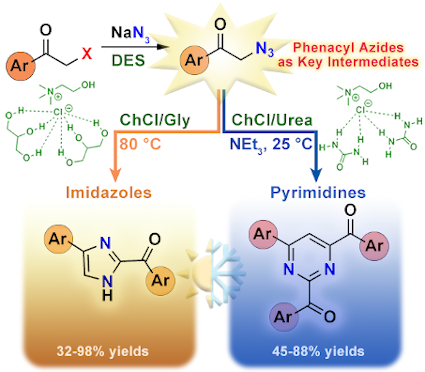
Regiodivergent synthesis of functionalized pyrimidines and imidazoles through phenacyl azides in deep eutectic solvents
Beilstein J. Org. Chem. 2020, 16, 1915–1923, doi:10.3762/bjoc.16.158
- ], (c) carbon–sulfur bond-forming reactions [9], (d) directed ortho-metalation and nucleophilic acyl substitution strategies [10], (e) Pd-catalyzed aminocarbonylation of aryl iodides, Suzuki–Miyaura and Sonogashira cross-coupling reactions [11][12][13], (f) Cu-catalyzed C–N coupling reactions [14], and


When metal-catalyzed C–H functionalization meets visible-light photocatalysis
Beilstein J. Org. Chem. 2020, 16, 1754–1804, doi:10.3762/bjoc.16.147

- good yields and the authors applied the methodology for the late-stage acylation of natural ʟ-tryptophan as well as carbazole derivatives. Cu-catalyzed transformations Sporadic examples using copper as transition metal for C–H functionalization reactions in combination with photocatalysis were also





