Search results
Search for "cross-coupling reactions" in Full Text gives 308 result(s) in Beilstein Journal of Organic Chemistry. Showing first 200.
Practical synthesis of isocoumarins via Rh(III)-catalyzed C–H activation/annulation cascade
Beilstein J. Org. Chem. 2023, 19, 100–106, doi:10.3762/bjoc.19.10
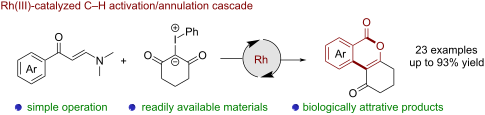
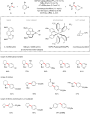
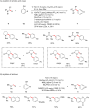
- , delivering a variety of structurally diverse isocoumarins in an efficient manner (3aa–qa, 43–82%). It is worth mentioning that the tolerance of halogen substituents (Cl, Br and I) may open up a new opportunity for further transition-metal-catalyzed cross-coupling reactions. Sensitive groups, such as ester
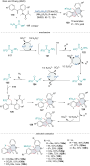
- , the reaction of the isocoumarin 3ia with p-toluenesulfonyl hydrazide proceeded smoothly to deliver hydrazone 5 in 66% yield (Scheme 4b, right). Of note, oxime and hydrazone compounds are versatile synthetic building blocks, which have been widely applied in transition-metal-catalyzed cross-coupling
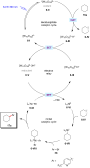
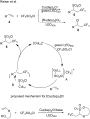
- reactions and radical transformations [36][37][38]. Based on the literature precedents [27] and our previous work [33][34][35], a mechanism for this Rh-catalyzed C–H activation/annulation reaction was proposed and depicted in Scheme 5. In the presence of AgSbF6, dimeric [Cp*RhCl2]2 transforms into the


Organophosphorus chemistry: from model to application
Beilstein J. Org. Chem. 2023, 19, 89–90, doi:10.3762/bjoc.19.8

- ” topics of the discipline under discussion. Cross-coupling reactions are also of importance in organophosphorus chemistry. Taddei and co-workers applied an alternative method to the classical Hirao reaction [1]. They utilized the Ni-catalyzed double Michaelis–Arbuzov reaction of bis(bromoaryl) species and
Combining the best of both worlds: radical-based divergent total synthesis
Beilstein J. Org. Chem. 2023, 19, 1–26, doi:10.3762/bjoc.19.1
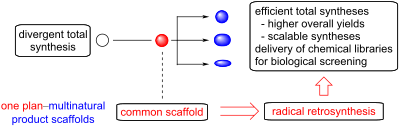
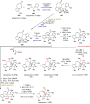
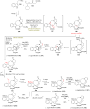
- reactions of transition metal hydrides (Fe, Co, Mn, etc) with alkenes (e.g., Mukaiyama hydration) [20]. The last decade saw the development of milder methods for generating carbon-centered radicals as the advancement of their reactivity in cross-coupling reactions, the concept of photoredox catalysis [21
- nickel-mediated decarboxylative Giese reactions and decarboxylative radical zinc-mediated cross-coupling reactions of redox-active esters, established from previous works of the group [27][28], for the key C–C bonds of the diverse congeners. To this end, a hypothetical intermediate 3 was envisioned for








Simple synthesis of multi-halogenated alkenes from 2-bromo-2-chloro-1,1,1-trifluoroethane (halothane)
Beilstein J. Org. Chem. 2022, 18, 1567–1574, doi:10.3762/bjoc.18.167
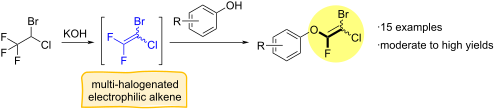
- difluoroalkyl ethers (1), along with small amounts of fluoroalkenyl ethers (2), which were obtained from 1 via an E2-elimination mechanism (Scheme 1B) [14][15]. The fluoroalkenyl group in 2 is a potentially useful moiety that could participate in cross-coupling reactions for replacement of the bromine atom with
- presence of KOH. In this reaction, halothane plays a key role in the construction of highly halogenated and structurally intriguing products. The tri-halogenated alkenyl ether has potential applications in organic chemistry, e.g., in Suzuki–Miyaura or Sonogashira cross-coupling reactions. Further


An alternative C–P cross-coupling route for the synthesis of novel V-shaped aryldiphosphonic acids
Beilstein J. Org. Chem. 2022, 18, 1518–1523, doi:10.3762/bjoc.18.160
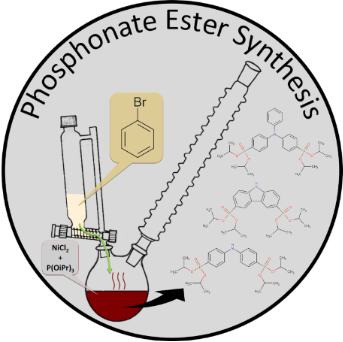
- ][25][26]. These catalytic cross-coupling reactions tend to follow similar pathways to the Michaelis–Arbuzov reaction, with the inclusion of a catalytic intermediate step. A number of suitable catalysts have been identified, ranging from nickel(II) bromide and nickel(II) chloride, to palladium(II
- the time. In Table 1, we see a range of different methods based on cross-coupling reactions compared to the method proposed in this work. The first, and one of the most important comparisons, is time. The upper range for our method is in the 5.5 hour mark, whereas most of the literature routes run for


One-pot synthesis of 2-arylated and 2-alkylated benzoxazoles and benzimidazoles based on triphenylbismuth dichloride-promoted desulfurization of thioamides
Beilstein J. Org. Chem. 2022, 18, 1479–1487, doi:10.3762/bjoc.18.155

- cyclopropanes with arenes [29]. They have also been used in Pd-catalyzed cross-coupling reactions to react with hypervalent iodonium salts, organostananes, and vinyl epoxides [30][31][32]. Moreover, there are reports of them serving as oxidizing agents for alcohols [33]. Two papers have recently reported


Synthesis and electrochemical properties of 3,4,5-tris(chlorophenyl)-1,2-diphosphaferrocenes
Beilstein J. Org. Chem. 2022, 18, 1338–1345, doi:10.3762/bjoc.18.139
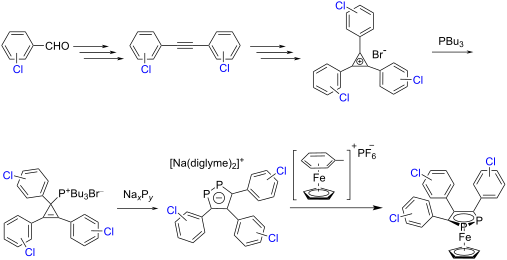
- transition metal-catalyzed cross-coupling reactions broadly used for the preparation of different diarylacetylenes and, rarely, bis(chlorophenyl)acetylenes. Next, starting substituted benzaldehydes were treated with an excess of SOCl2 for 24 h at 25 °C. Corresponding substituted benzal chlorides 4 were




Modular synthesis of 2-furyl carbinols from 3-benzyldimethylsilylfurfural platforms relying on oxygen-assisted C–Si bond functionalization
Beilstein J. Org. Chem. 2022, 18, 1256–1263, doi:10.3762/bjoc.18.131
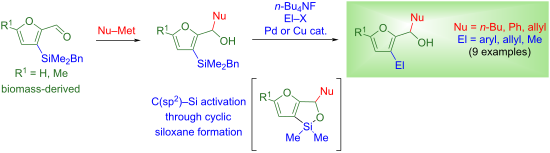
- -catalyzed cross-coupling reactions, such as arylation reactions catalyzed by Pd2(dba)3/CuI, as well as allylation and methylation reactions catalyzed by CuI⋅PPh3. C3-Benzyldimethylsilyl-appended furfurals are thus introduced as versatile platforms, providing a modular access to 3-substituted 2-furyl
- (as for substrates with pending hydroxy units) [32][33][34][35]. To the best of our knowledge, no analogous cross-coupling reactions from aryl- or heteroaryl-substituted benzyldimethylsilanes have been disclosed. We were thus delighted to find that using Pd2(dba)3 as precatalyst (2.5 mol %) in
- under the same reaction conditions led predominantly to decomposition products and only 5-methylfurfural (resulting from protodesilylation) was recovered in low yield (≈20%). Hence, intramolecular hydroxy activation seems decisive to obtain productive cross-coupling reactions with this system. Also, it


Automated grindstone chemistry: a simple and facile way for PEG-assisted stoichiometry-controlled halogenation of phenols and anilines using N-halosuccinimides
Beilstein J. Org. Chem. 2022, 18, 999–1008, doi:10.3762/bjoc.18.100
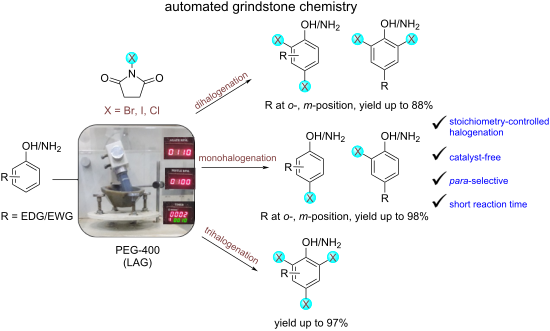
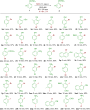
- halides are valuable compounds with potent bioactivities [1][2][3][4][5] (Figure 1) and are utilized as crucial precursors for various metal-catalyzed cross-coupling reactions [6][7][8][9]. They are frequently used as synthetic intermediates in several value-added syntheses of natural products
- of monoiodo derivatives was successfully prepared in high to excellent yields from phenols and anilines by adding 1.1 equiv of NIS with PEG-400 as the LAG agent (product 2aa–ag, Scheme 3). Notably, both Br- and I-substituents are mainly used as the substrates for cross-coupling reactions indicating




Palladium-catalyzed solid-state borylation of aryl halides using mechanochemistry
Beilstein J. Org. Chem. 2022, 18, 855–862, doi:10.3762/bjoc.18.86
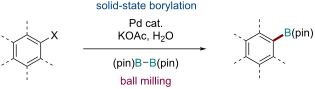
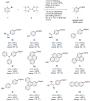
- transformations. Thus far, mechanochemical palladium-catalyzed cross-coupling reactions such as Suzuki–Miyaura [34][35][36][37][38][39][40][41][42][43][44][45][46][47], Buchwald–Hartwig [48][49][50][51][52], Sonogashira [53][54][55][56], Negishi [57], Mizoroki–Heck [58][59][60], and C–S bond-forming [61
- ] reactions have been developed. Our group has also been interested in this class of mechanochemical transformations, particularly in the development of cross-coupling reactions that proceed in the solid state [43][44][45][46][47][48][49][50]. These mechanochemical cross-coupling reactions often show much




Inductive heating and flow chemistry – a perfect synergy of emerging enabling technologies
Beilstein J. Org. Chem. 2022, 18, 688–706, doi:10.3762/bjoc.18.70
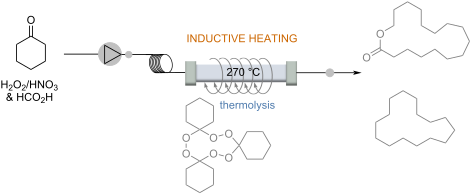
- decarboxylation of the malonic acid derivative 42 to give pent-4-enecarboxylic acid (43). In many cases, the flow protocol provided improved yields compared to the corresponding batch syntheses. Palladium-catalyzed cross-coupling reactions require higher temperatures and thus can be realized in an inductively
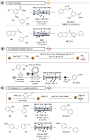
- catalysis can be generated directly by the functionalized nanostructured particles (Scheme 12, case C) [50]. This was achieved by reductive precipitation of Pd(0) nanoparticles from ammonium-bound tetrachloropalladate [84][85], which showed good catalytic activity in various cross-coupling reactions under




Mechanochemical halogenation of unsymmetrically substituted azobenzenes
Beilstein J. Org. Chem. 2022, 18, 680–687, doi:10.3762/bjoc.18.69
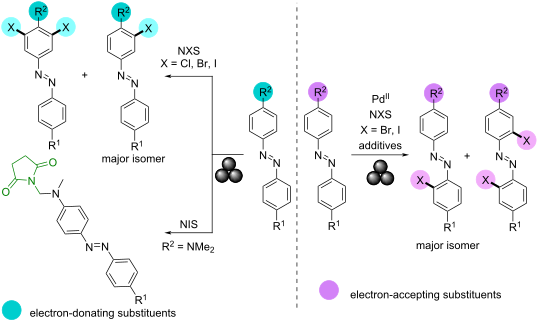
- -coupling reactions [9][10][11][12][13][14][15][16][17][18][19] or components of pharmaceuticals and biologically active molecules [20][21]. The synthetic aspects of both approaches in solution are well established. The need for green and sustainable chemistry [22] has led to the development and synthetic
- ; N-halosuccinimide; palladium(II); Introduction Electrophilic aromatic substitution [1][2][3] and ligand-directed transition-metal-catalyzed reactions [4][5][6][7][8] are among the most widely used synthetic approaches for the preparation of halogenated arenes. They are important precursors in cross





DDQ in mechanochemical C–N coupling reactions
Beilstein J. Org. Chem. 2022, 18, 639–646, doi:10.3762/bjoc.18.64
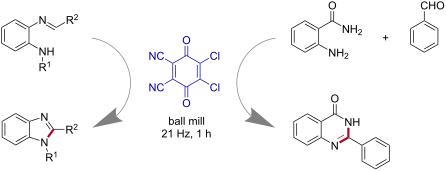
- as C–P [17], C–O [18][19][20], and C–S [21] were achieved using DDQ as an oxidant [22][23]. In addition, the utilization of DDQ as a photoredox catalyst [24] and co-catalyst [25][26] have also been documented in organic synthesis [27]. DDQ-mediated oxidative C–N cross-coupling reactions are well
- direct C–H amination is vital to provide many amine derivatives by sustainable methods [36][37]. The dehydrogenative C–N cross-coupling reactions from unreactive N–H and C–H bonds can lead to various nitrogen-containing heterocycles [32][38]. Herein, we disclose the DDQ-mediated oxidative C–N coupling


Tosylhydrazine-promoted self-conjugate reduction–Michael/aldol reaction of 3-phenacylideneoxindoles towards dispirocyclopentanebisoxindole derivatives
Beilstein J. Org. Chem. 2022, 18, 469–478, doi:10.3762/bjoc.18.49
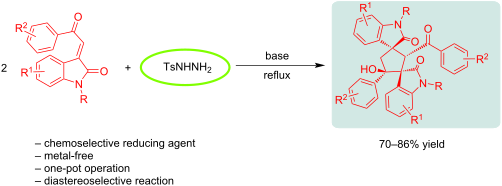
- , 3o, 3q, 3s, 3t and 3x) gave a good yield of the corresponding product, respectively. Here also, the halo-substituted aryl ring on 1 can be further used for transition-metal-catalyzed cross coupling reactions, thus providing a very good application. Then the effect of N-protecting groups on the


Recent developments and trends in the iron- and cobalt-catalyzed Sonogashira reactions
Beilstein J. Org. Chem. 2022, 18, 262–285, doi:10.3762/bjoc.18.31
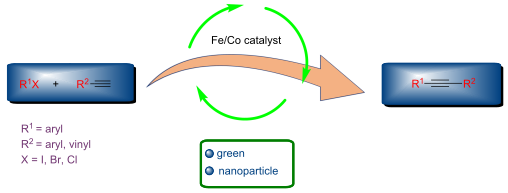
- exceptional versatility [13][14][15]. Therefore, the low cost first series transition metals such as iron and cobalt show higher significance than other transition metals. Naturally, Sonogashira cross-coupling reactions using cobalt or iron catalysts were reported as more cost-effective alternatives to the
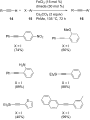
- cross-coupling reactions Homogeneous green protocols Tsai et al. discussed an efficient, simple and environmentally friendly method for the coupling of arylynols 3 with an aryl halide [21]. This strategy discloses a one pot reaction catalyzed by FeCl3 in an aqueous medium associated with the cationic
- -azaindole derivatives under microwave irradiation that helps to reduce the reaction time and minimizes side product formation. Co-catalyzed Sonogashira cross-coupling reactions Nanoparticle-based protocols The advantages of using immobilized catalysts include the possibility of the catalyst to be easily




Iridium-catalyzed hydroacylation reactions of C1-substituted oxabenzonorbornadienes with salicylaldehyde: an experimental and computational study
Beilstein J. Org. Chem. 2022, 18, 251–261, doi:10.3762/bjoc.18.30
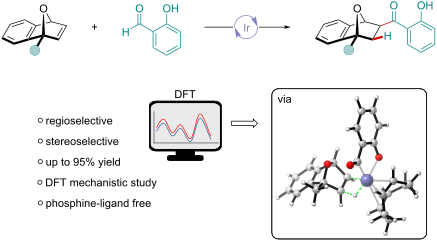
- the art and science of selective molecular engineering [1]. To date, organic synthesis has largely been governed by the interconversion of pre-existing functional groups through the use of more traditional transition-metal-catalyzed cross-coupling reactions [2][3][4][5]. Although these reactions have


Earth-abundant 3d transition metals on the rise in catalysis
Beilstein J. Org. Chem. 2022, 18, 86–88, doi:10.3762/bjoc.18.8
- syntheses, crop protection or medicinal chemistry. Particularly, cross-coupling reactions [1], as well as alkene and alkyne metathesis [2][3], have considerably changed the art of molecular synthesis, with a major impact on neighboring disciplines, such as molecular biology or materials sciences. Despite of
- transformations to form C–C and C–heteroatom bonds, thereby providing a more sustainable future for, among others, drug development in generations to come. Particularly, Nobel prize-winning palladium-catalyzed cross-coupling reactions have been recognized by the practitioners in agrochemical and pharmaceutical
Iron-catalyzed domino coupling reactions of π-systems
Beilstein J. Org. Chem. 2021, 17, 2848–2893, doi:10.3762/bjoc.17.196
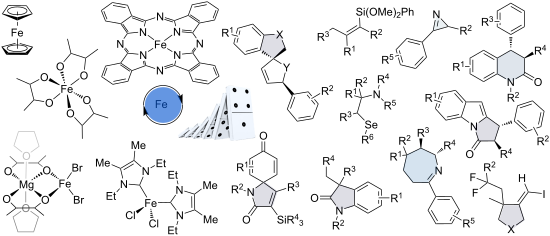
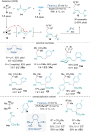
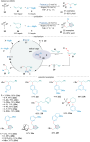
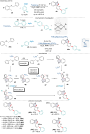
- the design of novel domino reactions. Keywords: cascade; catalysis; coupling; earth-abundant; iron; Introduction Over the past couple decades, the use of transition-metal-catalyzed cross-coupling reactions have become a staple within the organic chemist’s arsenal of carbon–carbon and carbon
- compared to the more studied late TMs [39][40][41][42][43]. Besides the more recognized concept of TM cross-coupling reactions revolving around an organic electrophile bearing a leaving group and an organometallic nucleophile, there is another large area of cross-coupling reactions that have been under
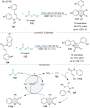
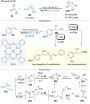
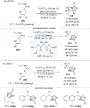
- reasons of clarity, newly formed bonds are sketched in red, with newly formed cyclic structures being highlighted. Review Iron-catalyzed cross-coupling Metal-catalyzed cross-coupling reactions have become a staple for carbon–carbon bond formation. The late TMs that have dominated the field of cross













Synthesis of highly substituted fluorenones via metal-free TBHP-promoted oxidative cyclization of 2-(aminomethyl)biphenyls. Application to the total synthesis of nobilone
Beilstein J. Org. Chem. 2021, 17, 2668–2679, doi:10.3762/bjoc.17.181
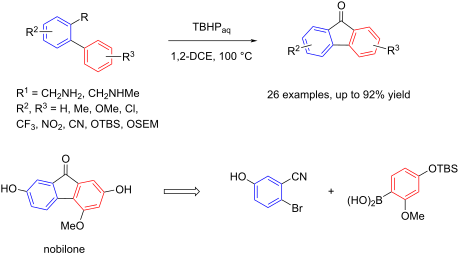
- radical cyclizations [22], Pschorr reactions [23], and diverse cycloaddition protocols [24][25]. Especially transition-metal-catalyzed cross-coupling reactions starting from benzophenones, benzoic acids, dihalogenated benzene building blocks and others have emerged as new approaches in recent years [26
- ][27][28]. Various approaches starting from functionalized biaryls have hereby attracted considerable interest, since the precursors are readily available by established cross-coupling reactions. Beyond transition-metal-catalyzed reactions, acid-mediated cyclizations of biphenylcarboxylic acids and
- Suzuki cross-coupling reactions, followed by reduction or reductive amination. The oxidative cyclization conditions are compatible with many functional groups on the aromatic rings (methoxy, chloro, cyano, nitro, and phenol protecting groups like TBS and SEM – but not benzyl and methylenedioxy


Ligand-dependent stereoselective Suzuki–Miyaura cross-coupling reactions of β-enamido triflates
Beilstein J. Org. Chem. 2021, 17, 2657–2662, doi:10.3762/bjoc.17.179
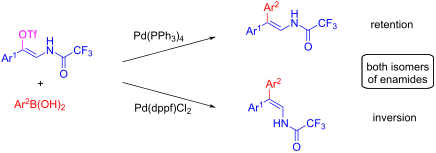
- were found to undergo cross-coupling reactions with retention of configuration on the double bond and served as valuable starting materials for the synthesis of functionalized β,β-disubstituted enamides (Scheme 1A) [21][23]. In the last decade, only a few reports describing isomerization of the double
- 2D ROESY NMR analysis showing interaction between the alkenyl hydrogen and ortho-hydrogens on the aryl rings. Based on previously proposed mechanisms of isomerization in Suzuki cross-coupling reactions, we suggest the following explanation for the observed isomerization [25][29] (Scheme 3). In the
- configuration of the double bond were formed preferably. Both conditions were applied to a range of arylboronic acids and (Z)-β-enamido triflates. A: Synthesis of (Z)-β-enamido triflates and subsequent stereoselective cross-coupling reactions. B: Ligand-controlled stereoselective synthesis of β,β-diaryl



Electrocatalytic C(sp3)–H/C(sp)–H cross-coupling in continuous flow through TEMPO/copper relay catalysis
Beilstein J. Org. Chem. 2021, 17, 2650–2656, doi:10.3762/bjoc.17.178
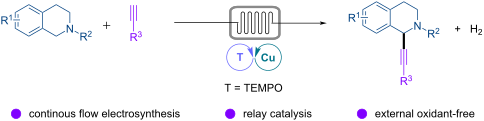
- electrochemistry is an ideal tool for promoting dehydrogenative cross-coupling reactions as no external chemical oxidants are needed [11][12][13][14][15][16][17][18][19]. In this context, Mei and co-workers have reported an elegant TEMPO/[L*Cu] co-catalyzed asymmetric electrochemical dehydrogenative cross-coupling




Visible-light-mediated copper photocatalysis for organic syntheses
Beilstein J. Org. Chem. 2021, 17, 2520–2542, doi:10.3762/bjoc.17.169
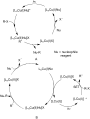
- promising, scalable green process that can be used as an alternative to the conventional Sonogashira cross-coupling reactions. In 2018, Lalic and co-workers [66] extended this approach to alkyl halides and reported the photoinduced copper-catalyzed Sonogashira coupling of alkynes and alkyl iodide 21. The
- extending this protocol from C–N bond formation reactions to C–O [85], C–S [86], and C–C [87][88] bond formations. Recently, a photoredox catalysis was applied to these types of cross-coupling reactions, with key contributions from the groups of Ackermann [87], Evano [55], Zhang [89], Nguyen [90], and
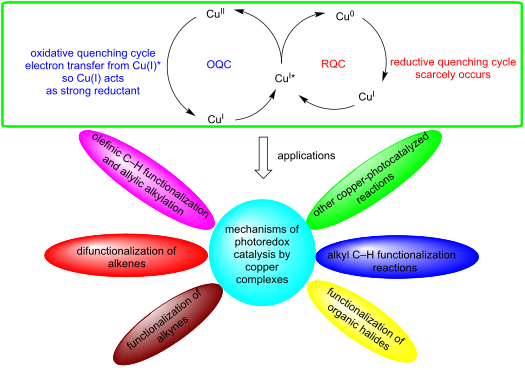
- photoinduced copper-catalyzed reactions. Copper photoredox catalysts are powerful photocatalysts used for cross-coupling reactions. Their function is based on the strong reducing power of copper complexes and the ability of copper complexes to coordinate substrates or trap reactive intermediates. The






Synthesis and investigation on optical and electrochemical properties of 2,4-diaryl-9-chloro-5,6,7,8-tetrahydroacridines
Beilstein J. Org. Chem. 2021, 17, 2450–2461, doi:10.3762/bjoc.17.162
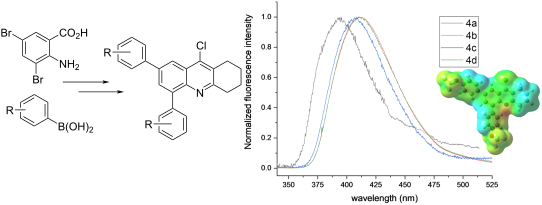
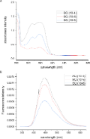
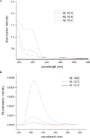
- their optoelectronic properties, the search for new candidates is of ongoing interest. Recently, considerable attention has been given to acridines in our laboratory and we developed new synthetic methods for dibenzoacridines and acridones based on Pd-catalyzed cross-coupling reactions [55][56]. More




A novel methodology for the efficient synthesis of 3-monohalooxindoles by acidolysis of 3-phosphate-substituted oxindoles with haloid acids
Beilstein J. Org. Chem. 2021, 17, 2321–2328, doi:10.3762/bjoc.17.150
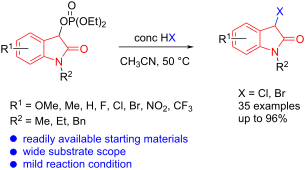
- recently as precursors in Friedel–Crafts reactions of arenes [30][31] and cross-coupling reactions of arylboronic reagents [32]. However, the direct SN1 reaction of such isatin-derived 3-phosphate-substituted oxindoles by halide ions as nucleophiles has not been developed yet and remains an unsolved




Photoredox catalysis in nickel-catalyzed C–H functionalization
Beilstein J. Org. Chem. 2021, 17, 2209–2259, doi:10.3762/bjoc.17.143
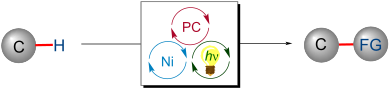
- a reliable strategy in modern organic synthesis. Palladium-catalyzed cross-coupling reactions such as Mizoroki–Heck [5][6][7][8], Suzuki–Miyaura [9][10][11], Buchwald–Hartwig [12][13], Negishi [14][15], Migita–Stille [16], Sonogashira [17], among others [18][19][20], significantly changed the design
- of synthetic routes for modern pharmaceuticals [21][22]. Over the past two decades, nickel has emerged as an attractive alternative to palladium due to its relative earth-abundance, less toxicity, and inexpensiveness. Despite the fact that the nickel-catalyzed cross-coupling reactions represent a