


Search results
Search for "HIV" in Full Text gives 209 result(s) in Beilstein Journal of Organic Chemistry. Showing first 200.
Recent synthesis of thietanes
- Jiaxi Xu
Beilstein J. Org. Chem. 2020, 16, 1357–1410, doi:10.3762/bjoc.16.116
- of anal gland secretions of the stoat [1] and the ferret [2]. Some pharmaceutical and biological thietane-containing compounds include thiaanalogue thietanose nucleosides 1 and 2 [3][4], and the spiroannulated glyco-thietane nucleoside 3 [5] of the antiviral (anti-HIV and HSV) drug oxetanocin A, the

Graphical Abstract

Figure 1: Examples of biologically active thietane-containing molecules.

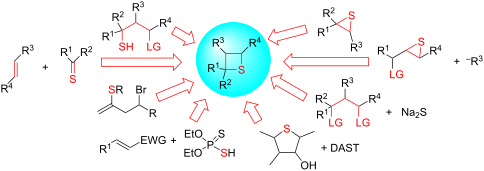
Figure 2: The diverse methods for the synthesis of thietanes.

Scheme 1: Synthesis of 1-(thietan-2-yl)ethan-1-ol (10) from 3,5-dichloropentan-2-ol (9).

Scheme 2: Synthesis of thietanose nucleosides 2,14 from 2,2-bis(bromomethyl)propane-1,3-diol (11).

Scheme 3: Synthesis of methyl 3-vinylthietane-3-carboxylate (19).

Scheme 4: Synthesis of 1,6-thiazaspiro[3.3]heptane (24).

Scheme 5: Synthesis of 6-amino-2-thiaspiro[3.3]heptane hydrochloride (28).

Scheme 6: Synthesis of optically active thietane 31 from vitamin C.

Scheme 7: Synthesis of an optically active thietane nucleoside from diethyl L-tartrate (32).

Scheme 8: Synthesis of thietane-containing spironucleoside 40 from 5-aldo-3-O-benzyl-1,2-O-isopropylidene-α-D...

Scheme 9: Synthesis of optically active 2-methylthietane-containing spironucleoside 43.

Scheme 10: Synthesis of a double-linked thietane-containing spironucleoside 48.

Scheme 11: Synthesis of two diastereomeric thietanose nucleosides via 2,4-di(benzyloxymethyl)thietane (49).

Scheme 12: Synthesis of the thietane-containing PI3k inhibitor candidate 54.

Scheme 13: Synthesis of the spirothietane 57 as the key intermediate to Nuphar sesquiterpene thioalkaloids.

Scheme 14: Synthesis of spirothietane 61 through a direct cyclic thioetherification of 3-mercaptopropan-1-ol.

Scheme 15: Synthesis of thietanes 66 from 1,3-diols 62.

Scheme 16: Synthesis of thietanylbenzimidazolone 75 from (iodomethyl)thiazolobenzimidazole 70.

Scheme 17: Synthesis of 2-oxa-6-thiaspiro[3.3]heptane (80) from bis(chloromethyl)oxetane 76 and thiourea.

Scheme 18: Synthesis of the thietane-containing glycoside, 2-O-p-toluenesulfonyl-4,6-thioanhydro-α-D-gulopyran...

Scheme 19: Synthesis of methyl 4,6-thioanhydro-α-D-glucopyranoside (89).

Scheme 20: Synthesis of thietane-fused α-D-galactopyranoside 93.

Scheme 21: Synthesis of thietane-fused α-D-gulopyranoside 100.

Scheme 22: Synthesis of 3,5-anhydro-3-thiopentofuranosides 104.

Scheme 23: Synthesis of anhydro-thiohexofuranosides 110, 112 and 113 from from 1,2:4,5-di-O-isopropylidene D-f...

Scheme 24: Synthesis of optically active thietanose nucleosides from D- and L-xyloses.

Scheme 25: Synthesis of thietane-fused nucleosides.

Scheme 26: Synthesis of 3,5-anhydro-3-thiopentofuranosides.

Scheme 27: Synthesis of 2-amino-3,5-anhydro-3-thiofuranoside 141.

Scheme 28: Synthesis of thietane-3-ols 145 from (1-chloromethyl)oxiranes 142 and hydrogen sulfide.

Scheme 29: Synthesis of thietane-3-ol 145a from chloromethyloxirane (142a).

Scheme 30: Synthesis of thietane-3-ols 145 from 2-(1-haloalkyl)oxiranes 142 and 147 with ammonium monothiocarb...
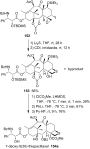
Scheme 31: Synthesis of 7-deoxy-5(20)thiapaclitaxel 154a, a thietane derivative of taxoids.

Scheme 32: Synthesis of 5(20)-thiadocetaxel 158 from 10-deacetylbaccatin III (155).

Scheme 33: Synthesis of thietane derivatives 162 as precursors for deoxythiataxoid synthesis through oxiraneme...

Scheme 34: Synthesis of 7-deoxy 5(20)-thiadocetaxel 154b.

Scheme 35: Mechanism for the formation of the thietane ring in 171 from oxiranes with vicinal leaving groups 1...

Scheme 36: Synthesis of cis-2,3-disubstituted thietane 175 from thiirane-2-methanol 172.

Scheme 37: Synthesis of a bridged thietane 183 from aziridine cyclohexyl tosylate 179 and ammonium tetrathiomo...
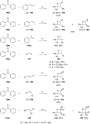
Scheme 38: Synthesis of thietanes via the photochemical [2 + 2] cycloaddition of thiobenzophenone 184a with va...
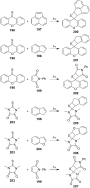
Scheme 39: Synthesis of spirothietanes through the photo [2 + 2] cycloaddition of cyclic thiocarbonyls with ol...

Scheme 40: Photochemical synthesis of spirothietane-thioxanthenes 210 from thioxanthenethione (208) and butatr...

Scheme 41: Synthesis of thietanes 213 from 2,4,6-tri(tert-butyl)thiobenzaldehyde (211) with substituted allene...

Scheme 42: Photochemical synthesis of spirothietanes 216 and 217 from N-methylthiophthalimide (214) with olefi...

Scheme 43: Synthesis of fused thietanes from quadricyclane with thiocarbonyl derivatives 219.
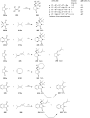
Scheme 44: Synthesis of tricyclic thietanes via the photo [2 + 2] cycloaddition of N-methyldithiosuccinimides ...
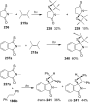
Scheme 45: Synthesis of tricyclic thietanes via the photo [2 + 2] cycloaddition of N-methylthiosuccinimide/thi...

Scheme 46: Synthesis of tricyclic thietanes via the photo [2 + 2] cycloaddition of N-alkylmonothiophthalimides...

Scheme 47: Synthesis of spirothietanes from dithiosuccinimides 223 with 2,3-dimethyl-2-butene (215a).

Scheme 48: Synthesis of thietanes 248a,b from diaryl thione 184b and ketene acetals 247a,b.

Scheme 49: Photocycloadditions of acridine-9-thiones 249 and pyridine-4(1H)-thione (250) with 2-methylacrynitr...

Scheme 50: Synthesis of thietanes via the photo [2 + 2] cycloaddition of mono-, di-, and trithiobarbiturates 2...

Scheme 51: Synthesis of spirothietanes via the photo [2 + 2] cycloaddition of 1,1,3-trimethyl-2-thioxo-1,2-dih...

Scheme 52: Synthesis of spirothietanes via the photo [2 + 2] cycloaddition of thiocoumarin 286 with olefins.

Scheme 53: Photochemical synthesis of thietanes 296–299 from semicyclic and acyclic thioimides 292–295 and 2,3...

Scheme 54: Photochemical synthesis of spirothietane 301 from 1,3,3-trimethylindoline-2-thione (300) and isobut...

Scheme 55: Synthesis of spirobenzoxazolethietanes 303 via the photo [2 + 2] cycloaddition of alkyl and aryl 2-...

Scheme 56: Synthesis of spirothietanes from tetrahydrothioxoisoquinolines 306 and 307 with olefins.

Scheme 57: Synthesis of spirothietanes from 1,3-dihydroisobenzofuran-1-thiones 311 and benzothiophene-1-thione...

Scheme 58: Synthesis of 2-triphenylsilylthietanes from phenyl triphenylsilyl thioketone (316) with electron-po...

Scheme 59: Diastereoselective synthesis of spiropyrrolidinonethietanes 320 via the photo [2 + 2] cycloaddition...

Scheme 60: Synthesis of bicyclic thietane 323 via the photo [2 + 2] cycloaddition of 2,4-dioxo-3,4-dihydropyri...

Scheme 61: Photo-induced synthesis of fused thietane-2-thiones 325 and 326 from silacyclopentadiene 324 and ca...

Scheme 62: Synthesis of highly strained tricyclic thietanes 328 via the intramolecular photo [2 + 2] cycloaddi...

Scheme 63: Synthesis of tri- and pentacyclic thietanes 330 and 332, respectively, through the intramolecular p...

Scheme 64: Synthesis of tricyclic thietanes 334 via the intramolecular photo [2 + 2] cycloaddition of N-vinylt...

Scheme 65: Synthesis of tricyclic thietanes 336 via the intramolecular photo [2 + 2] cycloaddition of N-but-3-...

Scheme 66: Synthesis of tricyclic thietanes via the intramolecular photo [2 + 2] cycloaddition of N-but-3-enyl...

Scheme 67: Synthesis of tetracyclic thietane 344 through the intramolecular photo [2 + 2] cycloaddition of N-[...
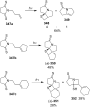
Scheme 68: Synthesis of tri- and tetracyclic thietanes 348, 350, and 351, through the intramolecular photo [2 ...

Scheme 69: Synthesis of tetracyclic fused thietane 354 via the photo [2 + 2] cycloaddition of vinyl 2-thioxo-3H...

Scheme 70: Synthesis of highly rigid thietane-fused β-lactams via the intramolecular photo [2 + 2] cycloadditi...

Scheme 71: Asymmetric synthesis of a highly rigid thietane-fused β-lactam 356a via the intramolecular photo [2...

Scheme 72: Diastereoselective synthesis of the thietane-fused β-lactams via the intramolecular photo [2 + 2] c...

Scheme 73: Asymmetric synthesis of thietane-fused β-lactams 356 via the intramolecular photo [2 + 2] cycloaddi...

Scheme 74: Synthesis of the bridged bis(trifluoromethyl)thietane from 2,2,4,4-tetrakis(trifluoromethyl)-1,3-di...

Scheme 75: Synthesis of the bridged-difluorothietane 368 from 2,2,4,4-tetrafluoro-1,3-dithietane (367) and qua...

Scheme 76: Synthesis of bis(trifluoromethyl)thietanes from 2,2,4,4-tetrakis(trifluoromethyl)-1,3-dithietane (3...

Scheme 77: Synthesis of 2,2-dimethylthio-4,4-di(trifluoromethyl)thietane (378) from 2,2,4,4-tetrakis(trifluoro...

Scheme 78: Formation of bis(trifluoromethyl)thioacetone (381) through nucleophilic attack of dithietane 363 by...

Scheme 79: Synthesis of 2,2-bis(trifluoromethyl)thietanes from 2,2,4,4-tetrakis(trifluoromethyl)-1,3-dithietan...

Scheme 80: Synthesis of the bridged bis(trifluoromethyl)thietane 364 from of 2,2,4,4-tetrakis(trifluoromethyl)...

Scheme 81: Synthesis of 2,4-diiminothietanes 390 from alkenimines and 4-methylbenzenesulfonyl isothiocyanate (...

Scheme 82: Synthesis of arylidene 2,4-diiminothietanes 393 starting from phosphonium ylides 391 and isothiocya...

Scheme 83: Synthesis of thietane-2-ylideneacetates 397 through a DABCO-catalyzed formal [2 + 2] cycloaddition ...

Scheme 84: Synthesis of 3-substituted thietanes 400 from (1-chloroalkyl)thiiranes 398.

Scheme 85: Synthesis of N-(thietane-3-yl)azaheterocycles 403 and 404 through reaction of chloromethylthiirane (...

Scheme 86: Synthesis of 3-sulfonamidothietanes 406 from sulfonamides and chloromethylthiirane (398a).

Scheme 87: Synthesis of N-(thietane-3-yl)isatins 408 from chloromethylthiirane (398a) and isatins 407.

Scheme 88: Synthesis of 3-(nitrophenyloxy)thietanes 410 from nitrophenols 409 and chloromethylthiirane (398a).

Scheme 89: Synthesis of N-aryl-N-(thietane-3-yl)cyanamides 412 from N-arylcyanamides 411 and chloromethylthiir...

Scheme 90: Synthesis of 1-(thietane-3-yl)pyrimidin-2,4(1H,3H)-diones 414 from chloromethylthiirane (398a) and ...

Scheme 91: Synthesis of 2,4-diiminothietanes 418 from 2-iminothiiranes 416 and isocyanoalkanes 415.

Scheme 92: Synthesis of 2-vinylthietanes 421 from thiiranes 419 and 3-chloroallyl lithium (420).

Scheme 93: Synthesis of thietanes from thiiranes 419 and trimethyloxosulfonium iodide 424.

Scheme 94: Mechanism for synthesis of thietanes 425 from thiiranes 419 and trimethyloxosulfonium iodide 424.

Scheme 95: Synthesis of functionalized thietanes from thiiranes and dimethylsulfonium acylmethylides.

Scheme 96: Mechanism for the rhodium-catalyzed synthesis of functionalized thietanes 429 from thiiranes 419 an...

Scheme 97: Synthesis of 3-iminothietanes 440 through thermal isomerization from 4,5-dihydro-1,3-oxazole-4-spir...

Scheme 98: Synthesis of thietanes 443 from 3-chloro-2-methylthiolane (441) through ring contraction.

Scheme 99: Synthesis of an optically active thietanose 447 from D-xylose involving a ring contraction.

Scheme 100: Synthesis of optically thietane 447 via the DAST-mediated ring contraction of 448.

Scheme 101: Synthesis of the optically thietane nucleoside 451 via the ring contraction of thiopentose in 450.

Scheme 102: Synthesis of spirothietane 456 from 3,3,5,5-tetramethylthiolane-2,4-dithione (452) and benzyne (453...

Scheme 103: Synthesis of thietanes 461 via photoisomerization of 2H,6H-thiin-3-ones 459.

Scheme 104: Phosphorodithioate-mediated synthesis of 1,4-diarylthietanes 465.

Scheme 105: Mechanism of the phosphorodithioate-mediated synthesis of 1,4-diarylthietanes 465.

Scheme 106: Phosphorodithioate-mediated synthesis of trisubstituted thietanes (±)-470.

Scheme 107: Mechanism on the phosphorodithioate-mediated synthesis of trisubstituted thietanes.

Scheme 108: Phosphorodithioate-mediated synthesis of thietanes (±)-475.

Scheme 109: Phosphorodithioate-mediated synthesis of 1,2-disubstituted thietanes from aldehydes 476 and acrylon...

Scheme 110: Phosphorodithioate-mediated synthesis of 1,2-disubstituted thietanes via a one-pot three-component ...

Scheme 111: Mechanism for the phosphorodithioate-mediated synthesis of 1,2-disubstituted thietanes via three-co...

Scheme 112: Phosphorodithioate-mediated synthesis of substituted 3-nitrothietanes.

Scheme 113: Mechanism on the phosphorodithioate-mediated synthesis of 1,2-disubstituted thietanes (±)-486.

Scheme 114: Asymmetric synthesis of (S)-2-phenylthietane (497).

Scheme 115: Asymmetric synthesis of optically active 2,4-diarylthietanes.

Scheme 116: Synthesis of 3-acetamidothietan-2-one 503 via the intramolecular thioesterification of 3-mercaptoal...

Scheme 117: Synthesis of 4-substituted thietan-2-one via the intramolecular thioesterification of 3-mercaptoalk...

Scheme 118: Synthesis of 4,4-disubstituted thietan-2-one 511 via the intramolecular thioesterification of the 3...

Scheme 119: Synthesis of a spirothietan-2-one 514 via the intramolecular thioesterification of 3-mercaptoalkano...

Scheme 120: Synthesis of thiatetrahydrolipstatin starting from (S)-(−)-epichlorohydrin ((S)-142a).

Scheme 121: Synthesis of 2-phenethyl-4-(propan-2-ylidene)thietane (520) from 5-bromo-6-methyl-1-phenylhept-5-en...

Scheme 122: Synthesis of 2-phenethyl-4-(propan-2-ylidene)thietane (520) directly from S-(5-bromo-6-methyl-1-phe...

Scheme 123: Synthesis of 2-alkylidenethietanes from S-(2-bromoalk-1-en-4-yl)thioacetates.

Scheme 124: Synthesis of 2-alkylidenethietanes from S-(2-bromo/chloroalk-1-en-4-yl)thiols.

Scheme 125: Synthesis of spirothietan-3-ol 548 from enone 545 and ammonium hydrosulfide.

Scheme 126: Asymmetric synthesis of the optically active thietanoside from cis-but-2-ene-1,4-diol (47).
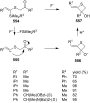
Scheme 127: Synthesis of 2-alkylidenethietan-3-ols 557 via the fluoride-mediated cyclization of thioacylsilanes ...

Scheme 128: Synthesis of 2-iminothietanes via the reaction of propargylbenzene (558) and isothiocyanates 560 in...

Scheme 129: Synthesis of 2-benzylidenethietane 567 via the nickel complex-catalyzed electroreductive cyclizatio...

Scheme 130: Synthesis of 2-iminothietanes 569 via the photo-assisted electrocyclic reaction of N-monosubstitute...

Scheme 131: Synthesis of ethyl 3,4-diiminothietane-2-carboxylates from ethyl thioglycolate (570) and bis(imidoy...
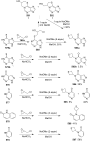
Scheme 132: Synthesis of N-(thietan-3-yl)-α-oxoazaheterocycles from azaheterocyclethiones and chloromethyloxira...

Scheme 133: Synthesis of thietan-3-yl benzoate (590) via the nickel-catalyzed intramolecular reductive thiolati...

Scheme 134: Synthesis of 2,2-bis(trifluoromethyl)thietane from 3,3-bis(trifluoromethyl)-1,2-dithiolane.

Scheme 135: Synthesis of thietanes from enamines and sulfonyl chlorides.

Scheme 136: Synthesis of spirothietane 603 via the [2 + 3] cycloaddition of 2,2,4,4-tetramethylcyclobutane-1,3-...

Scheme 137: Synthesis of thietane (605) from 1-bromo-3-chloropropane and sulfur.
Synthesis of pyrrolidinedione-fused hexahydropyrrolo[2,1-a]isoquinolines via three-component [3 + 2] cycloaddition followed by one-pot N-allylation and intramolecular Heck reactions
- Xiaoming Ma,
- Suzhi Meng,
- Xiaofeng Zhang,
- Qiang Zhang,
- Shenghu Yan,
- Yue Zhang and
- Wei Zhang
Beilstein J. Org. Chem. 2020, 16, 1225–1233, doi:10.3762/bjoc.16.106
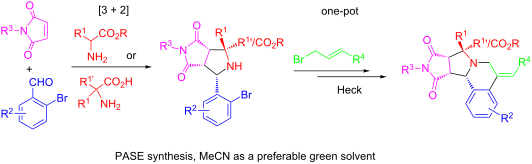
- crispine A isolated from Carduus crispus L has antitumor activity [3]. Erythrina alkaloids have curare-like neuromuscular blocking activities [4], and also antioxidant activity against DPPH free radicals [5]. Lamellarins isolated from marine invertebrates [6] are inhibitors for HIV-1 integrase and also

Graphical Abstract

Figure 1: Bioactive pyrrolo[2,1-a]isoquinolines and hexahydropyrrolo[2,1-a]isoquinolines.

Scheme 1: [3 + 2] Cycloaddition with amino esters or amino acids.

Scheme 2: Scaffolds derived from the initial [3 + 2] adducts.

Scheme 3: [3 + 2] Cycloaddition with amino esters or amino acids. Conditions: 1:3:4 (1.2:1:1.1), Et3N (1.5 eq...

Scheme 4: Synthesis of pyrrolo[2,1-a]isoquinolines 9. Reaction conditions: 5 (0.5 mmol, 1 equiv), 7 (3 equiv)...

Scheme 5: Synthesis of pyrrolo[2,1-a]isoquinolines 11. Reaction conditions: 6 (0.5 mmol, 1 equiv), 7 (3 equiv...

Scheme 6: Synthesis of pyrrolo[2,1-a]isoquinolines 12. Reaction conditions: 5 or 6 (0.5 mmol, 1 equiv), cinna...

Scheme 7: Plausible mechanism for the synthesis of 9a.
Synthesis of new asparagine-based glycopeptides for future scanning tunneling microscopy investigations
- Laura Sršan and
- Thomas Ziegler
Beilstein J. Org. Chem. 2020, 16, 888–894, doi:10.3762/bjoc.16.80
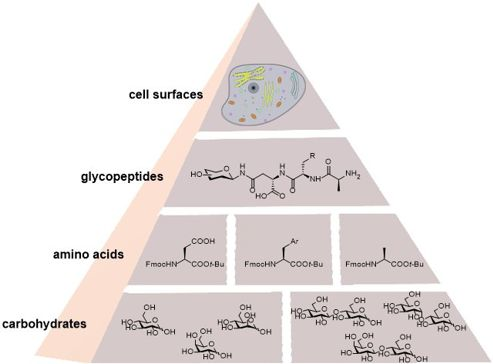
- example, in anti-HIV therapy, MUC1-based antitumor vaccines, or as antibiotics [12][13][14]. Especially glycans bearing noncanonical amino acids, which can only be introduced into a peptide by organic synthesis, are suitable for cancer therapy since they show better resistance to enzymatic degradation in

Graphical Abstract

Scheme 1: Description of the starting materials 1a–f and 2a–f.
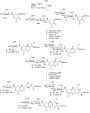
Scheme 2: Peptide coupling reactions, including the previous Fmoc cleavage.
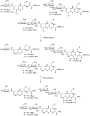
Scheme 3: Cleavage of the fully protected peptides 6 and 7.
Reaction of indoles with aromatic fluoromethyl ketones: an efficient synthesis of trifluoromethyl(indolyl)phenylmethanols using K2CO3/n-Bu4PBr in water
- Thanigaimalai Pillaiyar,
- Masoud Sedaghati and
- Gregor Schnakenburg
Beilstein J. Org. Chem. 2020, 16, 778–790, doi:10.3762/bjoc.16.71
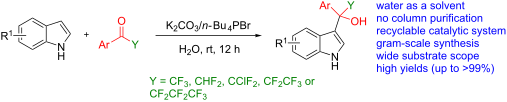
- reported for their promising anti-HIV inhibitory activities [23], see for example compounds III and IV (Figure 1). However, these compounds were synthesized from multiple synthetic routes with the involvement of air sensitive conditions. Trifluoromethyl-substituted (1H-indol-3-yl)methanol derivatives can
- preparation of 3,3'-, and 3,6'-DIMs, which are known to possess a wide variety of biological activities, including anti-inflammatory, and anticancer effects. Additionally, trifluoromethyl(indolyl)phenylmethanols itselft have various biological properties including anti-HIV activity. The developed new

Graphical Abstract

Figure 1: Structures of trifluoromethylated compounds and their biological activities.

Figure 2: Synthetic approaches toward hydroxyalkylation of indole.

Figure 3: Structures of heterocycles that did not react with ketone 2a.

Scheme 1: Gram-scale synthesis of 2,2,2-trifluoro-1-(1H-indol-3-yl)-1-phenylethan-1-ols (3a and 3p).

Figure 4: Recyclability of the catalytic system n-Bu4PBr/K2CO3 for the preparation of 2,2,2-trifluoro-1-(5-me...

Scheme 2: Synthesis of trifluoromethylated unsymmetrical 3,3'- and 3,6'-DIMs (9–11).

Scheme 3: Proposed mechanism for the preparation of 3a as an example.

Scheme 4: Control experiments.
A systematic review on silica-, carbon-, and magnetic materials-supported copper species as efficient heterogeneous nanocatalysts in “click” reactions
- Pezhman Shiri and
- Jasem Aboonajmi
Beilstein J. Org. Chem. 2020, 16, 551–586, doi:10.3762/bjoc.16.52
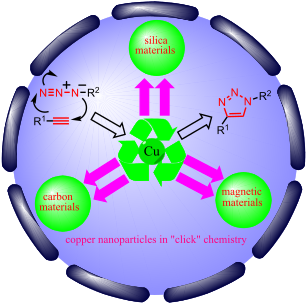
- catalysts; Sharpless–Meldal C–N bond-forming reaction; silica/carbon/magnetic materials; Introduction Heterocycles are a class of organic compounds with significant biological activities [1][2][3][4][5][6][7][8][9][10], including antimicrobial [2], antibacterial [3], anti-HIV [4], antiviral [5
- ], antiparkinsonian [6], and anticancer [10] properties. Particularly, triazoles illustrate distinguished moieties well distributed in natural products with biological properties [2][3][4][9][10], including antimicrobial [2], antibacterial [3], antifungal [3], anti-HIV [4], and anticancer [10] activities. One of the

Graphical Abstract
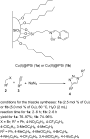
Scheme 1: Chemical structure of the catalysts 1a and 1b and their catalytic application in CuAAC reactions.
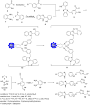
Scheme 2: Synthetic route to the catalyst 11 and its catalytic application in CuAAC reactions.

Scheme 3: Synthetic route of dendrons, illustrated using G2-AMP 23.

Scheme 4: The catalytic application of CuYAu–Gx-AAA–SBA-15 in a CuAAC reaction.
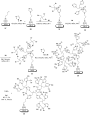
Scheme 5: Synthetic route to the catalyst 36.

Scheme 6: Application of the catalyst 36 in CuAAC reactions.

Scheme 7: The synthetic route to the catalyst 45 and catalytic application of 45 in “click” reactions.

Scheme 8: Synthetic route to the catalyst 48 and catalytic application of 48 in “click” reactions.
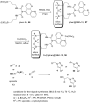
Scheme 9: Synthetic route to the catalyst 58 and catalytic application of 58 in “click” reactions.

Scheme 10: Synthetic route to the catalyst 64 and catalytic application of 64 in “click” reactions.
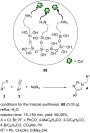
Scheme 11: Chemical structure of the catalyst 68 and catalytic application of 68 in “click” reactions.

Scheme 12: Chemical structure of the catalyst 69 and catalytic application of 69 in “click” reactions.

Scheme 13: Synthetic route to, and chemical structure of the catalyst 74.

Scheme 14: Application of the cayalyst 74 in “click” reactions.

Scheme 15: Synthetic route to, and chemical structure of the catalyst 78 and catalytic application of 78 in “c...
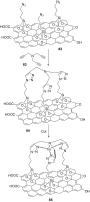
Scheme 16: Synthetic route to the catalyst 85.

Scheme 17: Application of the catalyst 85 in “click” reactions.

Scheme 18: Synthetic route to the catalyst 87 and catalytic application of 87 in “click” reactions.

Scheme 19: Chemical structure of the catalyst 88 and catalytic application of 88 in “click” reactions.

Scheme 20: Synthetic route to the catalyst 90 and catalytic application of 90 in “click” reactions.
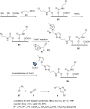
Scheme 21: Synthetic route to the catalyst 96 and catalytic application of 96 in “click” reactions.
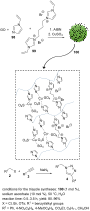
Scheme 22: Synthetic route to the catalyst 100 and catalytic application of 100 in “click” reactions.
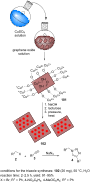
Scheme 23: Synthetic route to the catalyst 102 and catalytic application of 23 in “click” reactions.

Scheme 24: Synthetic route to the catalysts 108–111.

Scheme 25: Catalytic application of 108–111 in “click” reactions.

Scheme 26: Synthetic route to the catalyst 121 and catalytic application of 121 in “click” reactions.
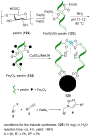
Scheme 27: Synthetic route to 125 and application of 125 in “click” reactions.
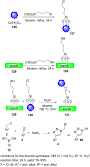
Scheme 28: Synthetic route to the catalyst 131 and catalytic application of 131 in “click” reactions.

Scheme 29: Synthetic route to the catalyst 136.

Scheme 30: Application of the catalyst 136 in “click” reactions.

Scheme 31: Synthetic route to the catalyst 141 and catalytic application of 141 in “click” reactions.
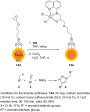
Scheme 32: Synthetic route to the catalyst 144 and catalytic application of 144 in “click” reactions.
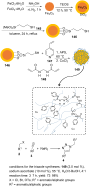
Scheme 33: Synthetic route to the catalyst 149 and catalytic application of 149 in “click” reactions.
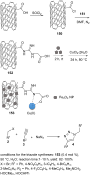
Scheme 34: Synthetic route to the catalyst 153 and catalytic application of 153 in “click” reactions.
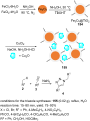
Scheme 35: Synthetic route to the catalyst 155 and catalytic application of 155 in “click” reactions.
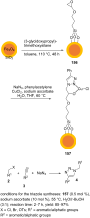
Scheme 36: Synthetic route to the catalyst 157 and catalytic application of 157 in “click” reactions.
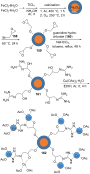
Scheme 37: Synthetic route to the catalyst 162.

Scheme 38: Application of the catalyst 162 in “click” reactions.

Scheme 39: Synthetic route to the catalyst 167 and catalytic application of 167 in “click” reactions.

Scheme 40: Synthetic route to the catalyst 169 and catalytic application of 169 in “click” reactions.
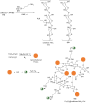
Scheme 41: Synthetic route to the catalyst 172.

Scheme 42: Application of the catalyst 172 in “click” reactions.
Synthesis of 4-amino-5-fluoropyrimidines and 5-amino-4-fluoropyrazoles from a β-fluoroenolate salt
- Tobias Lucas,
- Jule-Philipp Dietz and
- Till Opatz
Beilstein J. Org. Chem. 2020, 16, 445–450, doi:10.3762/bjoc.16.41
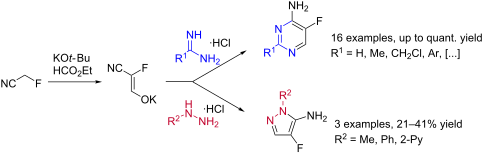
- stage [15][16][17][18][19]. Fluorinated pyrimidines, pyrimidine analogues and pyrazoles [20][21] play a prominent role in several clinically important pharmaceuticals [22][23][24][25]. These compounds act against HIV or HIV-related diseases [26], such as opportunistic fungal infections, and represent
- nucleoside analogues which can either act as antimetabolites or as nucleoside reverse transcriptase inhibitors (NRTIs). Two of the most common 5-fluoropyrimidines are the cytostatic 5-fluorouracil (1) [27] and the antimycotic prodrug 5-fluorocytosine (2) [28][29], which is also part of the anti-HIV agents

Graphical Abstract

Figure 1: The structures of 5-fluorouracil (1), 5-fluorocytosine (2), emtricitabine (3) and capecitabine (4).

Scheme 1: Synthesis of potassium (Z)-2-cyano-2-fluoroethenolate (8) by Dietz et al. [36].

Scheme 2: Scope of the cyclization reaction. All yields are those of the purified products. aNo further purif...

Scheme 3: Cyclization with phenylhydrazine (12a) to obtain the desired pyrazole 13a and the byproducts 13b an...
The reaction of arylmethyl isocyanides and arylmethylamines with xanthate esters: a facile and unexpected synthesis of carbamothioates
- Narasimhamurthy Rajeev,
- Toreshettahally R. Swaroop,
- Ahmad I. Alrawashdeh,
- Shofiur Rahman,
- Abdullah Alodhayb,
- Seegehalli M. Anil,
- Kuppalli R. Kiran,
- Chandra,
- Paris E. Georghiou,
- Kanchugarakoppal S. Rangappa and
- Maralinganadoddi P. Sadashiva
Beilstein J. Org. Chem. 2020, 16, 159–167, doi:10.3762/bjoc.16.18
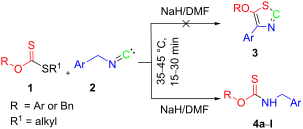
- ) have been reported to have antimicrobial [1], antifungal (e.g., tolnaftate and tolciclate) [2], antimycobacterial [3], human leucocyte elastase inhibitory [4], TRPV1 antagonistic [5], and PPARα1γ dual antagonistic [6] properties, and also act as intermediates in the syntheses of HIV-1 integrase ligands

Graphical Abstract

Scheme 1: Synthesis of carbamothioates from xanthate esters and benzyl isocyanides.

Figure 1: Substrate scope for the synthesis of carbamothioates. Reaction conditions for methods A and B: sodi...

Figure 2: ORTEP diagram of O-benzyl (4-fluorobenzyl)carbamothioate (4c).

Figure 3: Rotamers of thionocarbamates 4 (top) and computer-minimized structures of 4c (bottom).

Scheme 2: Proposed general reaction mechanism for the formation of carbamothioates (e.g., 4a) from xanthate e...

Figure 4: Optimized geometries of the reactants, transition states, intermediates, and products of the propos...

Figure 5: Relative energies of the reactants, transition states (TS1–TS3), and intermediates (Int1–Int3) of t...
Microwave-assisted synthesis of 2-substituted 4,5,6,7-tetrahydro-1,3-thiazepines from 4-aminobutanol
- María C. Mollo,
- Natalia B. Kilimciler,
- Juan A. Bisceglia and
- Liliana R. Orelli
Beilstein J. Org. Chem. 2020, 16, 32–38, doi:10.3762/bjoc.16.5
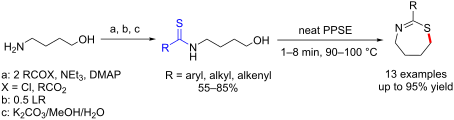
- applications as antibiotics [1], antiproliferative agents [2], anti-inflammatories [3] and antithrombotics [4]. They are also found in many bioactive natural products [5][6][7][8], some of which display anti-HIV-1 [9] and antimitotic activities [10], among others. Thiazolines also find use in organic synthesis

Graphical Abstract

Scheme 1: Chemical shift data for N-thiobenzoylpiperidine and compound 4a.

Scheme 2: PPSE promoted ring closure reactions of amido- and thioamido alcohols.
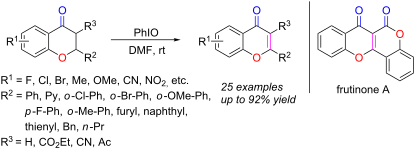
Construction of trisubstituted chromone skeletons carrying electron-withdrawing groups via PhIO-mediated dehydrogenation and its application to the synthesis of frutinone A
- Qiao Li,
- Chen Zhuang,
- Donghua Wang,
- Wei Zhang,
- Rongxuan Jia,
- Fengxia Sun,
- Yilin Zhang and
- Yunfei Du
Beilstein J. Org. Chem. 2019, 15, 2958–2965, doi:10.3762/bjoc.15.291
- antibacterical [4], antifungal [5][6], anticancer [7], antioxidant [8], anti-HIV [9], antiulcer, immunostimulator [10], anti-inflammatory [11], as well as biocidal [12], wound-healing [13], and immune-stimulatory activities [14]. For instance, flavoxate [15][16] is a chromone derivative that was employed as an
- anticholinergic agent for its antimuscarinic effects [3][17]; apigenin can function as an antiviral drug for the treatment of HIV [18][19], cancer [20][21][22], and other viral infections [23]; pranlukast [24] can be used in the treatment of allergic rhinitis [25] and asthma [26]; and khellin [27] has been proved

Graphical Abstract
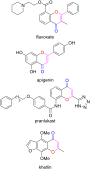
Figure 1: Biologically active chromone derivatives.
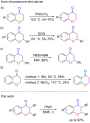
Scheme 1: Methods for the synthesis of chromones via dehydrogenative oxidation of chromanones.
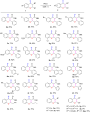
Scheme 2: Substrate scope studies. Reaction conditions: 1 (1.0 mmol), PhIO (2.0 mmol), DMF (6 mL), rt. Isolat...

Scheme 3: Control experiments for mechanistic studies.

Scheme 4: Proposed reaction mechanism.

Scheme 5: Application of the reported method to the synthesis of frutinone A.
Automated glycan assembly of arabinomannan oligosaccharides from Mycobacterium tuberculosis
- Alonso Pardo-Vargas,
- Priya Bharate,
- Martina Delbianco and
- Peter H. Seeberger
Beilstein J. Org. Chem. 2019, 15, 2936–2940, doi:10.3762/bjoc.15.288
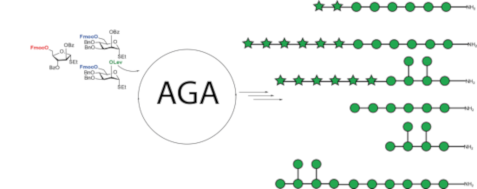
- for infection [6][7][8][9][10] due to their roles in the interaction with host cells, interference with macrophage activation, and immunosuppression of T cell responses [11][12]. Diagnosis of tuberculosis in patients with HIV coinfections is possible by immunodetection of AMs and their lipidated
- helped to identify an antibody targeting the 5-methylthio-ᴅ-xylofuranose AM [7][14]. The Fujifilm SILVAMP TB LAM immunoassay chip provided a threefold higher sensitivity than Alere LF-LAM. Still, current technologies lack sensitivity and are limited to patients coinfected with HIV [7][10][15

Graphical Abstract

Scheme 1: Schematic representation of AGA for oligomannosides and oligoarabinomannosides using building block...

Figure 1: HPLC chromatograms of crude dodecamer 9. a) Results obtained with AGA procedure A. b) Results obtai...

Figure 2: Schematic representation of LAM and AM oligomers obtained using AGA.
Design, synthesis and investigation of water-soluble hemi-indigo photoswitches for bioapplications
- Daria V. Berdnikova
Beilstein J. Org. Chem. 2019, 15, 2822–2829, doi:10.3762/bjoc.15.275
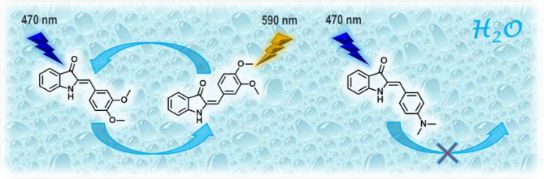
- required to provide detailed explanation of this effect. Recently, a proof-of-principle for the application of hemi-indigo derivative Z-2 as a binder for the human immunodeficiency virus type 1 (HIV-1) RNA with photoswitchable fluorescent properties was provided [12]. It was shown that hemi-indigo Z-2
- associates with the regulatory elements of HIV-1 genome RNA with high affinity (Kb ≈ 105 M−1) while keeping its photoswitching properties. Both, the initial Z-2 and photoinduced E-2 forms remain bound to RNA. Most notably, the interaction of Z-2 with HIV-1 RNA produces a remarkable light-up effect whose

Graphical Abstract

Scheme 1: Synthesis of hemi-indigo derivatives Z-1a–c.

Scheme 2: Synthetic routes to alkylamino-substituted dimethoxy hemi-indigo Z-1c.

Figure 1: Photoswitching of hemi-indigo derivatives: (A) Z-1a, c = 20 μM in H2O with 10% (v/v) DMSO, λex = 42...

Scheme 3: Photoswitching of hemi-indigo derivatives.

Figure 2: Absorption spectra of the Z-isomer (black), two photostationary states obtained upon irradiation wi...
Recent advances on the transition-metal-catalyzed synthesis of imidazopyridines: an updated coverage
- Gagandeep Kour Reen,
- Ashok Kumar and
- Pratibha Sharma
Beilstein J. Org. Chem. 2019, 15, 1612–1704, doi:10.3762/bjoc.15.165
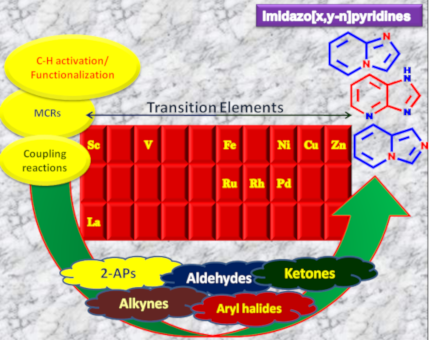
- failure), zolpidem (for treatment of insomnia), zolimidine (antiulcer drug), alpidem and saripidem (anxiolytic agents) and some are under development, like GSK812397 (for the treatment of HIV), ND-09759 and Q203 (for tuberculosis) (Figure 1) [6][7][8][9][10]. The synthesis of imidazopyridines (IPs) is

Graphical Abstract

Figure 1: Various drugs having IP nucleus.

Figure 2: Participation percentage of various TMs for the syntheses of IPs.

Scheme 1: CuI–NaHSO4·SiO2-catalyzed synthesis of imidazo[1,2-a]pyridines.

Scheme 2: Experimental examination of reaction conditions.

Scheme 3: One-pot tandem reaction for the synthesis of 2-haloimidazopyridines.

Scheme 4: Mechanistic scheme for the synthesis of 2-haloimidazopyridine.

Scheme 5: Copper-MOF-catalyzed three-component reaction (3-CR) for imidazo[1,2-a]pyridines.

Scheme 6: Mechanism for copper-MOF-driven synthesis.

Scheme 7: Heterogeneous synthesis via titania-supported CuCl2.

Scheme 8: Mechanism involving oxidative C–H functionalization.

Scheme 9: Heterogeneous synthesis of IPs.

Scheme 10: One-pot regiospecific synthesis of imidazo[1,2-a]pyridines.

Scheme 11: Vinyl azide as an unprecedented substrate for imidazo[1,2-a]pyridines.

Scheme 12: Radical pathway.

Scheme 13: Cu(I)-catalyzed transannulation approach for imidazo[1,5-a]pyridines.

Scheme 14: Plausible radical pathway for the synthesis of imidazo[1,5-a]pyridines.

Scheme 15: A solvent-free domino reaction for imidazo[1,2-a]pyridines.

Scheme 16: Cu-NPs-mediated synthesis of imidazo[1,2-a]pyridines.

Scheme 17: CuI-catalyzed synthesis of isoxazolylimidazo[1,2-a]pyridines.

Scheme 18: Functionalization of 4-bromo derivative via Sonogashira coupling reaction.

Scheme 19: A plausible reaction pathway.

Scheme 20: Cu(I)-catalyzed intramolecular oxidative C–H amidation reaction.

Scheme 21: One-pot synthetic reaction for imidazo[1,2-a]pyridine.

Scheme 22: Plausible reaction mechanism.

Scheme 23: Cu(OAc)2-promoted synthesis of imidazo[1,2-a]pyridines.

Scheme 24: Mechanism for aminomethylation/cycloisomerization of propiolates with imines.

Scheme 25: Three-component synthesis of imidazo[1,2-a]pyridines.

Figure 3: Scope of pyridin-2(1H)-ones and acetophenones.

Scheme 26: CuO NPS-promoted A3 coupling reaction.

Scheme 27: Cu(II)-catalyzed C–N bond formation reaction.

Scheme 28: Mechanism involving Chan–Lam/Ullmann coupling.

Scheme 29: Synthesis of formyl-substituted imidazo[1,2-a]pyridines.

Scheme 30: A tandem sp3 C–H amination reaction.

Scheme 31: Probable mechanistic approach.

Scheme 32: Dual catalytic system for imidazo[1,2-a]pyridines.

Scheme 33: Tentative mechanism.

Scheme 34: CuO/CuAl2O4/ᴅ-glucose-promoted 3-CCR.

Scheme 35: A tandem CuOx/OMS-2-based synthetic strategy.

Figure 4: Biomimetic catalytic oxidation in the presence of electron-transfer mediators (ETMs).

Scheme 36: Control experiment.

Scheme 37: Copper-catalyzed C(sp3)–H aminatin reaction.

Scheme 38: Reaction of secondary amines.

Scheme 39: Probable mechanistic pathway.

Scheme 40: Coupling reaction of α-azidoketones.

Scheme 41: Probable pathway.

Scheme 42: Probable mechanism with free energy calculations.

Scheme 43: MCR for cyanated IP synthesis.

Scheme 44: Substrate scope for the reaction.

Scheme 45: Reaction mechanism.

Scheme 46: Probable mechanistic pathway for Cu/ZnAl2O4-catalyzed reaction.

Scheme 47: Copper-catalyzed double oxidative C–H amination reaction.

Scheme 48: Application towards different coupling reactions.

Scheme 49: Reaction mechanism.

Scheme 50: Condensation–cyclization approach for the synthesis of 1,3-diarylated imidazo[1,5-a]pyridines.

Scheme 51: Optimized reaction conditions.

Scheme 52: One-pot 2-CR.

Scheme 53: One-pot 3-CR without the isolation of chalcone.

Scheme 54: Copper–Pybox-catalyzed cyclization reaction.

Scheme 55: Mechanistic pathway catalyzed by Cu–Pybox complex.

Scheme 56: Cu(II)-promoted C(sp3)-H amination reaction.

Scheme 57: Wider substrate applicability for the reaction.

Scheme 58: Plausible reaction mechanism.

Scheme 59: CuI assisted C–N cross-coupling reaction.

Scheme 60: Probable reaction mechanism involving sp3 C–H amination.

Scheme 61: One-pot MCR-catalyzed by CoFe2O4/CNT-Cu.

Scheme 62: Mechanistic pathway.

Scheme 63: Synthetic scheme for 3-nitroimidazo[1,2-a]pyridines.

Scheme 64: Plausible mechanism for CuBr-catalyzed reaction.

Scheme 65: Regioselective synthesis of halo-substituted imidazo[1,2-a]pyridines.

Scheme 66: Synthesis of 2-phenylimidazo[1,2-a]pyridines.

Scheme 67: Synthesis of diarylated compounds.

Scheme 68: CuBr2-mediated one-pot two-component oxidative coupling reaction.

Scheme 69: Decarboxylative cyclization route to synthesize 1,3-diarylimidazo[1,5-a]pyridines.

Scheme 70: Mechanistic pathway.

Scheme 71: C–H functionalization reaction of enamines to produce diversified heterocycles.

Scheme 72: A plausible mechanism.

Scheme 73: CuI-promoted aerobic oxidative cyclization reaction of ketoxime acetates and pyridines.

Scheme 74: CuI-catalyzed pathway for the formation of imidazo[1,2-a]pyridine.

Scheme 75: Mechanistic pathway.

Scheme 76: Mechanistic rationale for the synthesis of products.

Scheme 77: Copper-catalyzed synthesis of vinyloxy-IP.

Scheme 78: Regioselective product formation with propiolates.

Scheme 79: Proposed mechanism for vinyloxy-IP formation.

Scheme 80: Regioselective synthesis of 3-hetero-substituted imidazo[1,2-a]pyridines with different reaction su...

Scheme 81: Mechanistic pathway.

Scheme 82: CuI-mediated synthesis of 3-formylimidazo[1,2-a]pyridines.

Scheme 83: Radical pathway for 3-formylated IP synthesis.

Scheme 84: Pd-catalyzed urea-cyclization reaction for IPs.

Scheme 85: Pd-catalyzed one-pot-tandem amination and intramolecular amidation reaction.

Figure 5: Scope of aniline nucleophiles.

Scheme 86: Pd–Cu-catalyzed Sonogashira coupling reaction.

Scheme 87: One-pot amide coupling reaction for the synthesis of imidazo[4,5-b]pyridines.

Scheme 88: Urea cyclization reaction for the synthesis of two series of pyridines.

Scheme 89: Amidation reaction for the synthesis of imidazo[4,5-b]pyridines.

Figure 6: Amide scope.

Scheme 90: Pd NPs-catalyzed 3-component reaction for the synthesis of 2,3-diarylated IPs.

Scheme 91: Plausible mechanistic pathway for Pd NPs-catalyzed MCR.

Scheme 92: Synthesis of chromenoannulated imidazo[1,2-a]pyridines.

Scheme 93: Mechanism for the synthesis of chromeno-annulated IPs.

Scheme 94: Zinc oxide NRs-catalyzed synthesis of imidazo[1,2-a]azines/diazines.

Scheme 95: Zinc oxide-catalyzed isocyanide based GBB reaction.

Scheme 96: Reaction pathway for ZnO-catalyzed GBB reaction.

Scheme 97: Mechanistic pathway.

Scheme 98: ZnO NRs-catalyzed MCR for the synthesis of imidazo[1,2-a]azines.

Scheme 99: Ugi type GBB three-component reaction.

Scheme 100: Magnetic NPs-catalyzed synthesis of imidazo[1,2-a]pyridines.

Scheme 101: Regioselective synthesis of 2-alkoxyimidazo[1,2-a]pyridines catalyzed by Fe-SBA-15.

Scheme 102: Plausible mechanistic pathway for the synthesis of 2-alkoxyimidazopyridine.

Scheme 103: Iron-catalyzed synthetic approach.

Scheme 104: Iron-catalyzed aminooxygenation reaction.

Scheme 105: Mechanistic pathway.

Scheme 106: Rh(III)-catalyzed double C–H activation of 2-substituted imidazoles and alkynes.

Scheme 107: Plausible reaction mechanism.

Scheme 108: Rh(III)-catalyzed non-aromatic C(sp2)–H bond activation–functionalization for the synthesis of imid...

Scheme 109: Reactivity and selectivity of different substrates.

Scheme 110: Rh-catalyzed direct C–H alkynylation by Li et al.

Scheme 111: Suggested radical mechanism.

Scheme 112: Scandium(III)triflate-catalyzed one-pot reaction and its mechanism for the synthesis of benzimidazo...

Scheme 113: RuCl3-assisted Ugi-type Groebke–Blackburn condensation reaction.

Scheme 114: C-3 aroylation via Ru-catalyzed two-component reaction.

Scheme 115: Regioselective synthetic mechanism.

Scheme 116: La(III)-catalyzed one-pot GBB reaction.

Scheme 117: Mechanistic approach for the synthesis of imidazo[1,2-a]pyridines.

Scheme 118: Synthesis of imidazo[1,2-a]pyridine using LaMnO3 NPs under neat conditions.

Scheme 119: Mechanistic approach.

Scheme 120: One-pot 3-CR for regioselective synthesis of 2-alkoxy-3-arylimidazo[1,2-a]pyridines.

Scheme 121: Formation of two possible products under optimization of the catalysts.

Scheme 122: Mechanistic strategy for NiFe2O4-catalyzed reaction.

Scheme 123: Two-component reaction for synthesizing imidazodipyridiniums.

Scheme 124: Mechanistic scheme for the synthesis of imidazodipyridiniums.

Scheme 125: CuI-catalyzed arylation of imidazo[1,2-a]pyridines.

Scheme 126: Mechanism for arylation reaction.

Scheme 127: Cupric acetate-catalyzed double carbonylation approach.

Scheme 128: Radical mechanism for double carbonylation of IP.

Scheme 129: C–S bond formation reaction catalyzed by cupric acetate.

Scheme 130: Cupric acetate-catalyzed C-3 formylation approach.

Scheme 131: Control experiments for signifying the role of DMSO and oxygen.

Scheme 132: Mechanism pathway.

Scheme 133: Copper bromide-catalyzed CDC reaction.

Scheme 134: Extension of the substrate scope.

Scheme 135: Plausible radical pathway.

Scheme 136: Transannulation reaction for the synthesis of imidazo[1,5-a]pyridines.

Scheme 137: Plausible reaction pathway for denitrogenative transannulation.

Scheme 138: Cupric acetate-catalyzed C-3 carbonylation reaction.

Scheme 139: Plausible mechanism for regioselective C-3 carbonylation.

Scheme 140: Alkynylation reaction at C-2 of 3H-imidazo[4,5-b]pyridines.

Scheme 141: Two-way mechanism for C-2 alkynylation of 3H-imidazo[4,5-b]pyridines.

Scheme 142: Palladium-catalyzed SCCR approach.

Scheme 143: Palladium-catalyzed Suzuki coupling reaction.

Scheme 144: Reaction mechanism.

Scheme 145: A phosphine free palladium-catalyzed synthesis of C-3 arylated imidazopyridines.

Scheme 146: Palladium-mediated Buchwald–Hartwig cross-coupling reaction.

Figure 7: Structure of the ligands optimized.

Scheme 147: Palladium acetate-catalyzed direct arylation of imidazo[1,2-a]pyridines.

Scheme 148: Palladium acetate-catalyzed mechanistic pathway.

Scheme 149: Palladium acetate-catalyzed regioselective arylation reported by Liu and Zhan.

Scheme 150: Mechanism for selective C-3 arylation of IP.

Scheme 151: Pd(II)-catalyzed alkenylation reaction with styrenes.

Scheme 152: Pd(II)-catalyzed alkenylation reaction with acrylates.

Scheme 153: A two way mechanism.

Scheme 154: Double C–H activation reaction catalyzed by Pd(OAc)2.

Scheme 155: Probable mechanism.

Scheme 156: Palladium-catalyzed decarboxylative coupling.

Scheme 157: Mechanistic cycle for decarboxylative arylation reaction.

Scheme 158: Ligand-free approach for arylation of imidazo[1,2-a]pyridine-3-carboxylic acids.

Scheme 159: Mechanism for ligandless arylation reaction.

Scheme 160: NHC-Pd(II) complex assisted arylation reaction.

Scheme 161: C-3 arylation of imidazo[1,2-a]pyridines with aryl bromides catalyzed by Pd(OAc)2.

Scheme 162: Pd(II)-catalyzed C-3 arylations with aryl tosylates and mesylates.

Scheme 163: CDC reaction for the synthesis of imidazo[1,2-a]pyridines.

Scheme 164: Plausible reaction mechanism for Pd(OAc)2-catalyzed synthesis of imidazo[1,2-a]pyridines.

Scheme 165: Pd-catalyzed C–H amination reaction.

Scheme 166: Mechanism for C–H amination reaction.

Scheme 167: One-pot synthesis for 3,6-di- or 2,3,6-tri(hetero)arylimidazo[1,2-a]pyridines.

Scheme 168: C–H/C–H cross-coupling reaction of IPs and azoles catalyzed by Pd(II).

Scheme 169: Mechanistic cycle.

Scheme 170: Rh-catalyzed C–H arylation reaction.

Scheme 171: Mechanistic pathway for C–H arylation of imidazo[1,2-a]pyridine.

Scheme 172: Rh(III)-catalyzed double C–H activation of 2-phenylimidazo[1,2-a]pyridines and alkynes.

Scheme 173: Rh(III)-catalyzed mechanistic pathway.

Scheme 174: Rh(III)-mediated oxidative coupling reaction.

Scheme 175: Reactions showing functionalization of the product obtained by the group of Kotla.

Scheme 176: Mechanism for Rh(III)-catalyzed oxidative coupling reaction.

Scheme 177: Rh(III)-catalyzed C–H activation reaction.

Scheme 178: Mechanistic cycle.

Scheme 179: Annulation reactions of 2-arylimidazo[1,2-a]pyridines and alkynes.

Scheme 180: Two-way reaction mechanism for annulations reaction.

Scheme 181: [RuCl2(p-cymene)]2-catalyzed C–C bond formation reaction.

Scheme 182: Reported reaction mechanism.

Scheme 183: Fe(III) catalyzed C-3 formylation approach.

Scheme 184: SET mechanism-catalyzed by Fe(III).

Scheme 185: Ni(dpp)Cl2-catalyzed KTC coupling.

Scheme 186: Pd-catalyzed SM coupling.

Scheme 187: Vanadium-catalyzed coupling of IP and NMO.

Scheme 188: Mechanistic cycle.

Scheme 189: Selective C3/C5–H bond functionalizations by mono and bimetallic systems.

Scheme 190: rGO-Ni@Pd-catalyzed C–H bond arylation of imidazo[1,2-a]pyridine.

Scheme 191: Mechanistic pathway for heterogeneously catalyzed arylation reaction.

Scheme 192: Zinc triflate-catalyzed coupling reaction of substituted propargyl alcohols.
A novel three-component reaction between isocyanides, alcohols or thiols and elemental sulfur: a mild, catalyst-free approach towards O-thiocarbamates and dithiocarbamates
- András György Németh,
- György Miklós Keserű and
- Péter Ábrányi-Balogh
Beilstein J. Org. Chem. 2019, 15, 1523–1533, doi:10.3762/bjoc.15.155
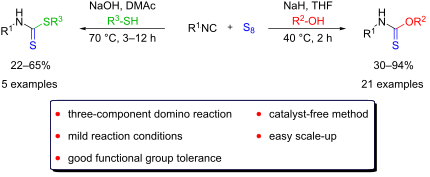
- discovered, including HIV-1 reverse transcriptase inhibition activity [6][7][8][9][10][11]. Moreover, their utilization as highly regio- and stereoselective organocatalysts in specific types of chemical tranformations [12][13][14][15][16][17] was introduced, as well. More recently, O-thiocarbamates have been

Graphical Abstract
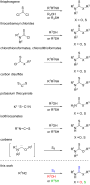
Scheme 1: Synthetic routes to O-thiocarbamates and dithiocarbamates.

Scheme 2: Substrate scope of isocyanides. aReaction conditions: 1 (1 mmol), S8 (2 mmol), 2a (2mmol), NaH (2 m...
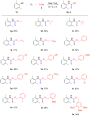
Scheme 3: Substrate scope of alcohols. Reaction conditions: 1a (1 mmol), S8 (2 mmol), 2 (2mmol), NaH (2 mmol)...

Scheme 4: Substrate scope of thiols. Reaction conditions: 1a (1 mmol), S8 (1.2 mmol), 4 (2 mmol), NaOH (2 mmo...

Scheme 5: Scaled-up synthesis for 3a.

Scheme 6: Multicomponent domino synthesis of quinazolinone 7.

Scheme 7: Control experiments.

Scheme 8: Proposed mechanism.
Doebner-type pyrazolopyridine carboxylic acids in an Ugi four-component reaction
- Maryna V. Murlykina,
- Oleksandr V. Kolomiets,
- Maryna M. Kornet,
- Yana I. Sakhno,
- Sergey M. Desenko,
- Victoriya V. Dyakonenko,
- Svetlana V. Shishkina,
- Oleksandr A. Brazhko,
- Vladimir I. Musatov,
- Alexander V. Tsygankov,
- Erik V. Van der Eycken and
- Valentyn A. Chebanov
Beilstein J. Org. Chem. 2019, 15, 1281–1288, doi:10.3762/bjoc.15.126
- biological actions: antiproliferative [6][7][8][9], antimicrobial [10][11], anxiolytic [12], analgesic [13], hypnotic [13], antiviral [13], anti-HIV [13] activities, etc. Soural et al. [14] explored different data and showed the relevance of compounds composed of two or more heterocyclic rings for drug

Graphical Abstract

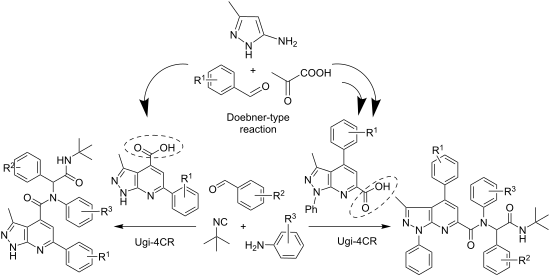
Scheme 1: An overview of heterocyclic acids used in the Ugi reaction.

Scheme 2: Synthesis of pyrazolopyridine carboxylic acids 4 [45] and 7 [45] in Doebner-type reaction.

Figure 1: Molecular structure of N-(2-(tert-butylamino)-1-(4-chlorophenyl)-2-oxoethyl)-6-(4-methoxyphenyl)-3-...
An improved synthesis of adefovir and related analogues
- David J. Jones,
- Eileen M. O’Leary and
- Timothy P. O’Sullivan
Beilstein J. Org. Chem. 2019, 15, 801–810, doi:10.3762/bjoc.15.77
- caused by the hepatitis B virus (HBV) [3][4][5] and the herpes simplex virus (HSV, Figure 1) [5][6]. While 1 possesses inhibitory activity against the human immunodeficiency virus (HIV) [1][5], it has not been approved by the FDA for the treatment of HIV as the dose required to elicit inhibition can
- form alcohol 4 and further base-mediated alkylation with tosylate 5 affords phosphonate ester intermediate 6. Subsequent dealkylation of 6 using trimethylsilyl bromide (TMSBr) gives adefovir (1). The related analogue tenofovir, developed as an anti-HIV agent, may be prepared in a similar manner [37][38

Graphical Abstract

Figure 1: Adefovir (1) and its prodrug 2.

Scheme 1: Literature syntheses of 1.

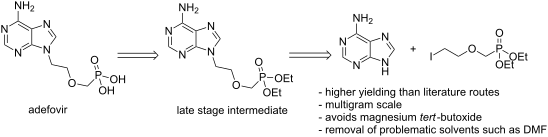
Figure 2: Retrosynthetic analysis of 6 to synthons 9 and 10.

Scheme 2: Forward synthesis of 6 from 9 and 10.

Figure 3: Retrosynthesis of 6 to synthons 14 and 3.

Scheme 3: Application of related alkyl iodide 15 [52].

Scheme 4: Synthesis of 6 and 20 via iodide 14.

Scheme 5: Synthesis of phosphonate 6 using novel salt 21.

Scheme 6: Application of iodide 14 in the synthesis of adefovir analogues.

Figure 4: HMBC spectrum confirms N7-selectivity for the major product 29.

Scheme 7: Attempted synthesis of adefovir dipivoxil (2) exploiting phosphonate 33.
Synthesis of C3-symmetric star-shaped molecules containing α-amino acids and dipeptides via Negishi coupling as a key step
- Sambasivarao Kotha and
- Saidulu Todeti
Beilstein J. Org. Chem. 2019, 15, 371–377, doi:10.3762/bjoc.15.33
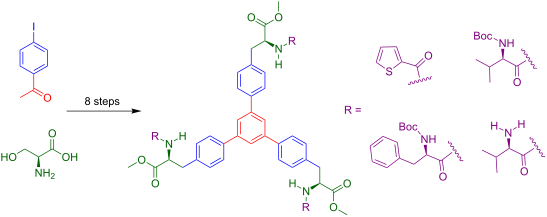
- the complex interactions between cells and pathogens, e.g., the human immunodeficiency virus (HIV-1) [6]. The HIV-1 envelope protein is present as a C3-symmetric trimer on the viruses’ surface [7], and the virus entry into the cell is mediated by its interactions with cellular receptors. To explore

Graphical Abstract

Figure 1: Exemplar C3-symmetric peptide scaffolds reported in the literature.

Scheme 1: Preparation of compound 7 from L-serine (3).

Scheme 2: Preparation of the trimerized product 9.

Scheme 3: Synthesis of compound 11 via Negishi cross-coupling reaction.

Scheme 4: Synthesis of C3-symmetric trimers 12, 13 and 14.
A novel and efficient synthesis of phenanthrene derivatives via palladium/norbornadiene-catalyzed domino one-pot reaction
- Yue Zhong,
- Wen-Yu Wu,
- Shao-Peng Yu,
- Tian-Yuan Fan,
- Hai-Tao Yu,
- Nian-Guang Li,
- Zhi-Hao Shi,
- Yu-Ping Tang and
- Jin-Ao Duan
Beilstein J. Org. Chem. 2019, 15, 291–298, doi:10.3762/bjoc.15.26
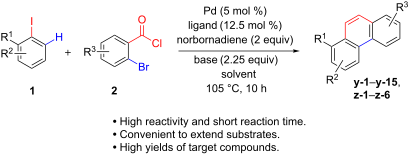
- used as fundamental building blocks or intermediates in the synthesis of complex natural products such as tuberosinone [1], aristolactam Ia [2] and (−)-R-tylophorine [3] (Figure 1). Meanwhile, they also demonstrate a wide range of biological activities including anticancer [4], anti-HIV [5

Graphical Abstract

Figure 1: Representative natural products containing a phenanthrene moiety.
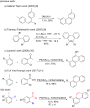
Scheme 1: Different methods for the synthesis of phenanthrene derivatives.

Scheme 2: Substrate scope with various aryl iodides. Reaction conditions: 1 (0.3 mmol, 1.0 equiv), 2a (0.36 m...

Scheme 3: Scope of the reaction in terms of ortho-bromobenzoyl chlorides. Reaction conditions: 1a (0.3 mmol, ...

Scheme 4: Gram scale synthesis of z-6.

Scheme 5: Proposed mechanism for the formation of phenanthrene derivatives.
Quinolines from the cyclocondensation of isatoic anhydride with ethyl acetoacetate: preparation of ethyl 4-hydroxy-2-methylquinoline-3-carboxylate and derivatives
- Nicholas G. Jentsch,
- Jared D. Hume,
- Emily B. Crull,
- Samer M. Beauti,
- Amy H. Pham,
- Julie A. Pigza,
- Jacques J. Kessl and
- Matthew G. Donahue
Beilstein J. Org. Chem. 2018, 14, 2529–2536, doi:10.3762/bjoc.14.229

- acid residue required for the synthesis of key arylquinolines involved in an HIV integrase project. Keywords: cyclodehydration; HIV integrase; isatoic anhydride; masked acyl cyanide; quinoline; Introduction In stark contrast to the prevalence of the quinoline heterocycle in natural products [1
- ], quinolines are only present in approximately 2% of FDA approved prescription pharmaceuticals [2]. Recently, 2,3,4-trisubstituted arylquinolines such as BI 224436 1 [3][4] and 2 [5][6] have been shown to exhibit inhibitory activity against HIV-1 integrase that is essential for viral replication through
- [C13H12BrNO3 + Na]+ 331.989277; found: 331.988788; anal. calcd for C13H12BrNO3: C, 39.70; H, 1.67; found C, 39.51; H, 1.74. Investigational non-catalytic HIV-1 Integrase inhibitors. Boehringer Ingelheim retrosynthesis of quinoline 1. Quinoline ring condensation strategies. Isatoic anhydrides from anthranilic

Graphical Abstract

Figure 1: Investigational non-catalytic HIV-1 Integrase inhibitors.

Scheme 1: Boehringer Ingelheim retrosynthesis of quinoline 1.

Scheme 2: Quinoline ring condensation strategies.
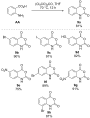
Scheme 3: Isatoic anhydrides from anthranilic acids with triphosgene.
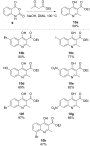
Scheme 4: Substituted 2-methyl-4-hydroxyquinolines from isatoic anhydrides and ethyl acetoacetate.
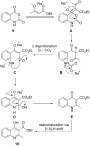
Scheme 5: Mechanistic hypothesis for the cyclocondensation reaction.

Scheme 6: Quinoline synthesis with ethyl acetylpyruvate.
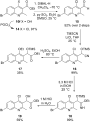
Scheme 7: Elaboration of the benzoic acid ethyl ester to the acetic acid residue.

Scheme 8: Umpolung addition of ethoxycarbonyl via a MAC strategy.
Glycosylation reactions mediated by hypervalent iodine: application to the synthesis of nucleosides and carbohydrates
- Yuichi Yoshimura,
- Hideaki Wakamatsu,
- Yoshihiro Natori,
- Yukako Saito and
- Noriaki Minakawa
Beilstein J. Org. Chem. 2018, 14, 1595–1618, doi:10.3762/bjoc.14.137
- (PhI(OH)OTs) resulted in a decrease of the reaction yield (Table 2, entries 5–7). To prove the usefulness of the oxidative coupling reaction mediated by hypervalent iodine, the reaction was applied to the synthesis of a carbocyclic nucleoside derivative designed as a potential anti-HIV agent. As a
- cytosine analogues [63]. During the course of conversion, all the stereoisomers were separated. Among them, only the cytosine derivative 99 showed weak anti-HIV activity (Scheme 13 and Table 3). An oxidative coupling reaction for synthesizing carbocyclic nucleosides mediated by hypervalent iodine was
- ’-deoxy- and 2’,3’-dideoxydidehydronucleosides, some of which are known to have anti-HIV activity (Table 4). To reveal the scope of this reaction, we designed a new dihydropyranonucleoside as a potential anti-HIV agent and attempted to synthesize it by using the oxidative coupling reaction [70]. First

Graphical Abstract

Figure 1: Design of potential antineoplastic nucleosides.

Scheme 1: Synthesis of 4’-thioDMDC.

Scheme 2: Synthesis of 4’-thioribonucleosides by Minakawa and Matsuda.

Scheme 3: Synthesis of 4’-thioribonucleosides by Yoshimura.

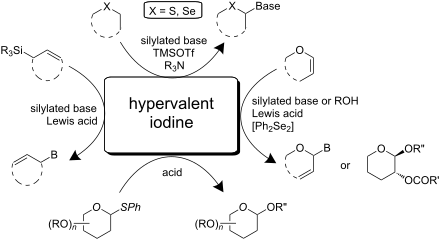
Figure 2: Concept of the Pummerer-type glycosylation and hypervalent iodine-mediated glycosylation.

Scheme 4: Oxidative glycosylation of 4-thioribose mediated by hypervalent iodine.

Figure 3: Speculated mechanism of oxidative glycosylation mediated by hypervalent iodine.

Scheme 5: Synthesis of purine 4’-thioribonucleosides using hypervalent iodine-mediated glycosylation.

Scheme 6: Unexpected glycosylation of a thietanose derivative.

Scheme 7: Speculated mechanism of the ring expansion of a thietanose derivative.

Scheme 8: Synthesis of thietanonucleosides using the Pummerer-type glycosylation.

Scheme 9: First synthesis of 4’-selenonucleosides.

Scheme 10: The Pummerer-type glycosylation of 4-selenoxide 74.

Scheme 11: Synthesis of purine 4’-selenonucleosides using hypervalent iodine-mediated glycosylation.

Figure 4: Concept of the oxidative coupling reaction applicable to the synthesis of carbocyclic nucleosides.

Scheme 12: Oxidative coupling reaction mediated by hypervalent iodine.

Scheme 13: Synthesis of cyclohexenyl nucleosides using an oxidative coupling reaction.

Figure 5: Concept of the oxidative coupling reaction of glycal derivatives.

Scheme 14: Oxidative coupling reaction of silylated uracil and DHP using hypervalent iodine.

Scheme 15: Proposed mechanism of the oxidative coupling reaction mediated by hypervalent iodine.

Figure 6: Synthesis of 2’,3’-unsaturated nucleosides using hypervalent iodine and a co-catalyst.

Scheme 16: Synthesis of dihydropyranonucleoside.

Scheme 17: Synthesis of acetoxyacetals using hypervalent iodine and addition of silylated base.

Scheme 18: One-pot fragmentation-nucleophilic additions mediated by hypervalent iodine.

Figure 7: The reaction of thioglycoside with hypervalent iodine in the presence of Lewis acids.

Scheme 19: Synthesis of disaccharides employing thioglycosides under an oxidative coupling reaction mediated b...

Scheme 20: Synthesis of disaccharides using disarmed thioglycosides by hypervalent iodine-mediated glycosylati...

Scheme 21: Glycosylation using aryl(trifluoroethyl)iodium triflimide.

Figure 8: Expected mechanism of hypervalent iodine-mediated glycosylation with glycals.

Scheme 22: Synthesis of oligosaccharides by hypervalent iodine-mediated glycosylation with glycals.

Scheme 23: Synthesis of 2-deoxy amino acid glycosides.

Figure 9: Rationale for the intramolecular migration of the amino acid unit.
Lanyamycin, a macrolide antibiotic from Sorangium cellulosum, strain Soce 481 (Myxobacteria)
- Lucky S. Mulwa,
- Rolf Jansen,
- Dimas F. Praditya,
- Kathrin I. Mohr,
- Patrick W. Okanya,
- Joachim Wink,
- Eike Steinmann and
- Marc Stadler
Beilstein J. Org. Chem. 2018, 14, 1554–1562, doi:10.3762/bjoc.14.132
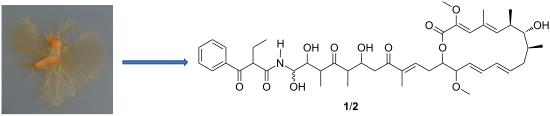
- become a major concern of governments and health workers due to the economic and health burden it has brought. HCV has been found to be the main cause of liver associated deaths globally putting it in the same league of HIV and tuberculosis in terms of worldwide health challenges [1]. Approximately 71
- of which were found to exert anti-HIV activity while sorazolones, argyrins and tubulysins showed antitumor activity or cytotoxicity [4][5][6][7][8]. In our studies on the secondary metabolites of Sorangium cellulosum (strain Soce 481), we observed strong antifungal activity in the raw extract. On RP

Graphical Abstract

Figure 1: Lanyamycin (1/2), differing at C-26, isolated from Sorangium cellulosum (Soce 481).

Figure 2: Structure fragments of lanyamycin (1/2) from 1H,1H-COSY spectrum (bold bonds) and selected 1H,13C-H...

Figure 3: Structure of bafilomycin A1.

Figure 4: 3D Model of the macrolactone ring of lanyamycin (1/2) and selected ROESY correlations. Green arrows...

Figure 5: HCV assay: NC = negative control, EGCG = positive control, Cpd1 = lanyamycin (1/2).
Synthesis of trifluoromethylated 2H-azirines through Togni reagent-mediated trifluoromethylation followed by PhIO-mediated azirination
- Jiyun Sun,
- Xiaohua Zhen,
- Huaibin Ge,
- Guangtao Zhang,
- Xuechan An and
- Yunfei Du
Beilstein J. Org. Chem. 2018, 14, 1452–1458, doi:10.3762/bjoc.14.123

- potential anti-HIV drug bearing a NCF3 moiety. 2H-Azirines are a class of highly strained and reactive molecules containing a C–N double bond. The exclusive framework can be found in some natural products [43][44][45][46][47], which were shown to possess antibiotic activities [43][44]. Furthermore

Graphical Abstract

Figure 1: Representative pharmaceutical agents bearing the CF3 group.

Figure 2: The structures of the Togni reagents 1-(trifluoromethyl)-1,2-benziodoxol-3(1H)-one (1) and trifluor...

Scheme 1: Our previous hypervalent iodine-mediated synthesis of 2H-azirine compounds.

Scheme 2: Study on the presumed Togni reagent 1-mediated trifluoromethylation followed by PhIO-mediated aziri...

Scheme 3: Togni reagent/PhIO-mediated one-pot synthesis of β-trifluoromethyl 2H-azirines. Reaction conditions...

Scheme 4: Control study with TEMPO.

Scheme 5: Proposed mechanism for the Togni reagent-mediated trifluoromethylation of enamines.
A selective removal of the secondary hydroxy group from ortho-dithioacetal-substituted diarylmethanols
- Anna Czarnecka,
- Emilia Kowalska,
- Agnieszka Bodzioch,
- Joanna Skalik,
- Marek Koprowski,
- Krzysztof Owsianik and
- Piotr Bałczewski
Beilstein J. Org. Chem. 2018, 14, 1229–1237, doi:10.3762/bjoc.14.105
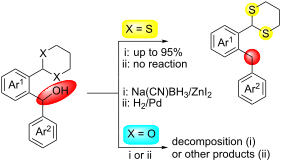
- ] or vasodilating activities (II) [6]. Other ones have been reported as inhibitors of HIV-1 integrase and viral replication in cells [7] or antitubercular agents (III) [8][9]. Various diarylmethane-based molecules, like tolterodine (IV) [10], podophyllotoxin (V) [11] and lasofoxifene (VI) [12] have

Graphical Abstract

Figure 1: Structures of biologically active diarylmethanes and commercially available pharmaceuticals based o...
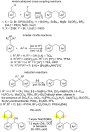
Scheme 1: Various synthetic approaches to diarylmethanols (literature review and this work).

Scheme 2: A general strategy for the synthesis of ortho-1,3-dithianylaryl(aryl)methanols 5 and 6, and their r...

Scheme 3: Attempts of the OH removal in ortho-1,3-dithianyl- 6b and ortho-1,3-dioxanylaryl(aryl)methanols 9 u...
An overview of recent advances in duplex DNA recognition by small molecules
- Sayantan Bhaduri,
- Nihar Ranjan and
- Dev P. Arya
Beilstein J. Org. Chem. 2018, 14, 1051–1086, doi:10.3762/bjoc.14.93
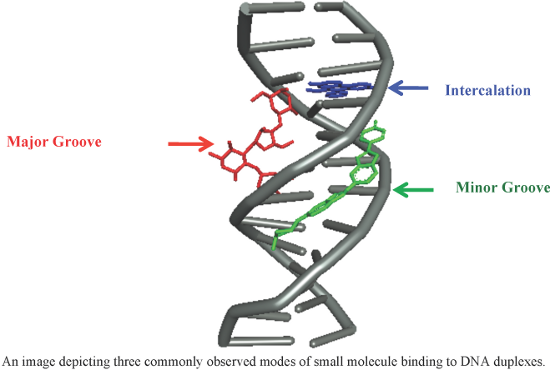
- ]. Gottesfeld et al. synthesized a series of Py/Im HP-polyamide–DNA alkylator (chlorambucil) (HP-Chl) conjugates in order to bind and alkylate within the HIV-1 promoter region, thereby blocking HIV-1 replication and screened them against human colon carcinoma cell lines [74][75]. It has been observed that

Graphical Abstract

Figure 1: A figure showing the hydrogen bonding patterns observed in (a) duplex (b) triplex and (c) quadruple...
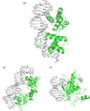
Figure 2: (a) Portions of MATα1–MATα2 are shown contacting the minor groove of the DNA substrate. Key arginin...

Figure 3: Chemical structures of naturally occurring and synthetic hybrid minor groove binders.

Figure 4: Synthetic structural analogs of distamycin A by replacing one or more pyrrole rings with other hete...

Figure 5: Pictorial representation of the binding model of pyrrole–imidazole (Py/Im) polyamides based on the ...

Figure 6: Chemical structures of synthetic “hairpin” pyrrole–imidazole (Py/Im) conjugates.

Figure 7: (a) Minor groove complex formation between DNA duplex and 8-ring cyclic Py/Im polyamide (conjugate ...

Figure 8: Telomere-targeting tandem hairpin Py/Im polyamides 23 and 24 capable of recognizing >10 base pairs; ...

Figure 9: Representative examples of recently developed DNA minor groove binders.

Figure 10: Chemical structures of bisbenzamidazoles Hoechst 33258 and 33342 and their synthetic structural ana...

Figure 11: Chemical structures of bisamidines such as diminazene, DAPI, pentamidine and their synthetic struct...

Figure 12: Representative examples of recently developed bisamidine derivatives.

Figure 13: Chemical structures of chromomycin, mithramycin and their synthetic structural analogs 91 and 92.

Figure 14: Chemical structures of well-known naturally occurring DNA binding intercalators.

Figure 15: Naturally occurring indolocarbazole rebeccamycin and its synthetic analogs.

Figure 16: Representative examples of naturally occurring and synthetic derivatives of DNA intercalating agent...

Figure 17: Several recent synthetic varieties of DNA intercalators.

Figure 18: Aminoglycoside (neomycin)–Hoechst 33258/intercalator conjugates.

Figure 19: Chemical structures of triazole linked neomycin dimers and neomycin–bisbenzimidazole conjugates.

Figure 20: Representative examples of naturally occurring and synthetic analogs of DNA binding alkylating agen...

Figure 21: Chemical structures of naturally occurring and synthetic analogs of pyrrolobenzodiazepines.
Stimuli-responsive oligonucleotides in prodrug-based approaches for gene silencing
- Françoise Debart,
- Christelle Dupouy and
- Jean-Jacques Vasseur
Beilstein J. Org. Chem. 2018, 14, 436–469, doi:10.3762/bjoc.14.32
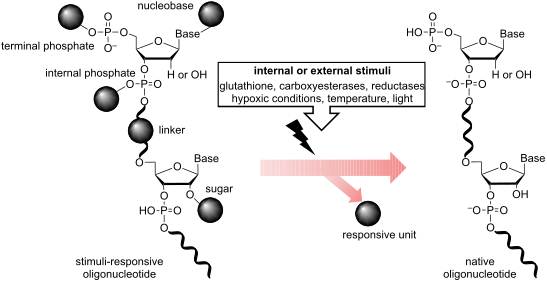
- PNATAR fragment directed against the TAR RNA region of the HIV genome conjugated to TPP inhibited HIV replication in CEM cell lines with an IC50 of 1 μM, while the unconjugated 16-mer PNATAR was inactive in these tests. The anti-HIV activity confirmed that the PNATAR was not sequestered in mitochondria

Graphical Abstract

Scheme 1: Demasking under reducing agents of ON prodrugs modified as phosphotriesters with A) benzyl groups [13] ...

Scheme 2: A) Synthesis via phosphoramidite chemistry and B) demasking under the reducing environment of 2’-O-...

Scheme 3: Synthesis via phosphoramidite chemistry of various 2’-O-alkyldithiomethyl (RSSM)-modified RNAs bear...

Scheme 4: A) siRNA conjugates to cholesterol [19] and B) PNA conjugates to a triphenylphosphonium [20] through a disu...

Scheme 5: Synthesis via phosphoramidite chemistry and deprotection mediated by nitroreductase/NADH of hypoxia...

Scheme 6: Synthesis via phosphoramidite chemistry and conversion mediated by nitroreductase/NADH of hypoxia-a...

Scheme 7: Incorporation of O6-(4-nitrobenzyl)-2’-deoxyguanosine into an ON prone to form a G-quadruplex struc...

Scheme 8: Synthesis and mechanism for the demasking of ON prodrugs from A) S-acylthioethyl phosphotriester [29] a...

Figure 1: Oligothymidylates bearing A) 2,2-bis(ethoxycarbonyl)-3-(pivaloyloxy)propyl- and B) 2-cyano-2(2-phen...

Figure 2: Oligothymidylates containing esterase and thermo-labile (4-acetylthio-2,2-dimethyl-3-oxobutyl) phos...

Scheme 9: Phosphoramidites and the corresponding RNA prodrugs protected as A) t-Bu-SATE, B) OH-SATE and C) A-...

Scheme 10: Mechanism of the hydrolysis of 2’-O-acyloxymethyl ONs mediated by carboxyesterases [46]. The hydrolysis...

Scheme 11: Synthesis of partially 2’-O-PivOM-modified RNAs [49] and 2’-O-PiBuOM-modified RNAs [53] using their corresp...

Figure 3: A) 2’-O-amino and guanidino-containing acetal ester phosphoramidites and B) 2’-O-(amino acid) aceta...

Scheme 12: Prodrugs of tricyclo-ONs functionalized with A) ethyl (tcee-T) and B) hexadecyl (tchd-T) ester func...

Scheme 13: Demasking mechanism of fma thiophosphate triesters in CpG ODN upon heat action [58].

Scheme 14: Thermolytic cleavage of the hydroxy-alkylated thiophosphate and phosphato-/thiophosphato-alkylated ...

Scheme 15: Synthesis via phosphoramidite chemistry and thermolytic cleavage of alkylated (diisopropyl, diethyl...

Scheme 16: Synthesis of thermosensitive prodrugs of ODNs containing fma thiophosphate triesters combined to po...

Scheme 17: Caging of deoxycytidine in methylphosphonate ONs by using the thermolabile phenylsulfonylcarbamoyl ...

Figure 4: Biotinylated 1-(5-(aminomethyl)-2-nitrophenyl)ethyl phosphoramidite used to cage the 5’-end of a si...

Scheme 18: Introduction and cleavage of 1-(4,5-dimethoxy-2-nitrophenyl)ethyl (DMNPE) [74] and cyclododecyl-DMNPE (...

Scheme 19: Post-synthetic introduction of a thioether-enol phosphodiester (TEEP) linkage into a DNAzyme by the...

Scheme 20: A) NPP dT and dG phosphoramidites [91,92] and B) NPOM U and G phosphoramidites [83] used to introduce photocag...

Scheme 21: Introduction of the photocaged 3-NPOM nucleobase into phosphorothioate antisense and morpholino ant...

Scheme 22: Control of the activity of an antisense ODN using a photocaged hairpin [82]. Formation of the hairpin s...

Scheme 23: Control of alternative splicing using phosphorothioate (PS) 2’-OMe-photocaged ONs resulting from th...

Scheme 24: A) Light activation of a photocaged DNAzyme incorporating 3-NPOM thymidine in its catalytic site [87]; ...

Scheme 25: Incorporation of 3-(6-nitropiperonyloxymethyl) (NPOM) thymidine and 4-nitropiperonylethyl (NPE) deo...

Scheme 26: Synthesis of a photocaged DNA decoy from a 3-NPOM thymidine phosphoramidite and release of the NPOM...

Scheme 27: Synthesis of a caged DNA decoy hairpin containing a 7-nitroindole nucleotide and release of the mod...

Figure 5: Caged-2’-adenosines used by MacMillan et al [93,94] (X = O) and Piccirilli et al [95] (X = S) to study RNA mec...

Scheme 28: Synthesis of circular ODNs containing a photolabile linker as described by Tang et al. [101,104].

Scheme 29: Control of RNA digestion with RNase H using light activation of a photocaged hairpin [97].

Scheme 30: Photocontrol of RNA degradation using caged circular antisense ODNs containing a photoresponsive li...

Scheme 31: Control of RNA translation using an “RNA bandage” consisting of two short 2’-OMe ONs linked togethe...

Scheme 32: Control of alternative splicing using photocaged ONs resulting from the incorporation of an o-nitro...

Scheme 33: A) Light deactivation of a photocaged DNAzyme incorporating one photocleavable spacer in its cataly...

Scheme 34: Solid-phase synthesis of a caged vit E-siRNA conjugate and its release upon UV irradiation [106].

Scheme 35: Synthesis of a siRNA conjugated to a nanoparticle (NP) via a cyclooctene heterolinker from a siRNA-...
One-pot preparation of 4-aryl-3-bromocoumarins from 4-aryl-2-propynoic acids with diaryliodonium salts, TBAB, and Na2S2O8
- Teppei Sasaki,
- Katsuhiko Moriyama and
- Hideo Togo
Beilstein J. Org. Chem. 2018, 14, 345–353, doi:10.3762/bjoc.14.22
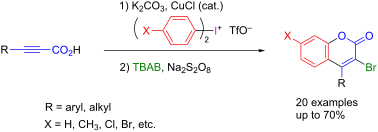
- ], antitumor [1], antiasthmatic [12], and antiviral including anti-HIV [13][14]. Comprehensive synthetic studies of coumarins and their derivatives have been carried out [15][16]. Typically, coumarins are prepared by the acid-catalyzed condensation of 2-alkynoic acids and phenols or the condensation of β

Graphical Abstract

Scheme 1: One-pot preparation of 4-aryl-3-bromocoumarins 3 from 3-aryl-2-propynoic acids 1 with diphenyliodon...

Scheme 2: One-pot preparation of 3-bromo-4-phenylcoumarins 3a from 3-phenyl-2-propynoic acid (1a) with daryli...

Scheme 3: Derivatization of 3-bromo-4-phenylcoumarin.
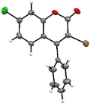
Figure 1: ORTEP of 3-bromo-7-chloro-4-phenylcoumarin (3Da).

Scheme 4: Possible reaction pathway.



