Search results
Search for "amino acid" in Full Text gives 575 result(s) in Beilstein Journal of Organic Chemistry. Showing first 200.
Photocatalyzed syntheses of phenanthrenes and their aza-analogues. A review
Beilstein J. Org. Chem. 2020, 16, 1476–1488, doi:10.3762/bjoc.16.123
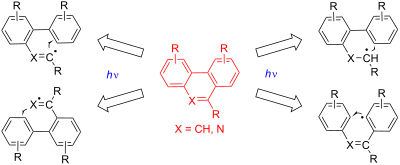
- biaryls 5.1a–d in up to excellent yields at room temperature by using α-bromoesters as radical precursors and [fac-Ir(ppy)3] as the photoredox catalyst [49]. A similar photocatalyzed tandem insertion/cyclization approach based on isocyanides and amino acid/peptide-derived Katritzky salts as precursors of


[3 + 2] Cycloaddition with photogenerated azomethine ylides in β-cyclodextrin
Beilstein J. Org. Chem. 2020, 16, 1296–1304, doi:10.3762/bjoc.16.110
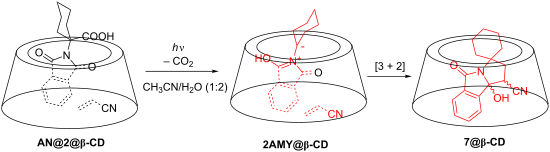
- involves condensation of phthalic anhydride with unprotected amino acid. The synthetic procedures and characterization of compounds are reported in Supporting Information File 1. Irradiation of 1 was conducted first in CH3CN in the presence of AN, with or without addition of H2O (Table 1). Phthalimide 1


Synthesis of pyrrolidinedione-fused hexahydropyrrolo[2,1-a]isoquinolines via three-component [3 + 2] cycloaddition followed by one-pot N-allylation and intramolecular Heck reactions
Beilstein J. Org. Chem. 2020, 16, 1225–1233, doi:10.3762/bjoc.16.106
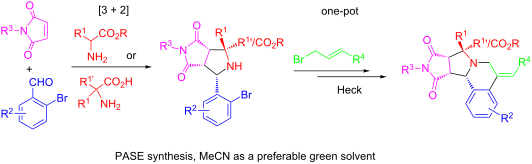
- reactions to make it a green synthetic method with pot, atom and step economy (PASE) [55][56]. Results and Discussion Following the reported procedures for amino ester- and amino acid-based [3 + 2] cycloaddition reactions, pyrrolidine adducts 5 and 6 were synthesized by a three-component reaction of 1 or 2


A cyclopeptide and three oligomycin-class polyketides produced by an underexplored actinomycete of the genus Pseudosporangium
Beilstein J. Org. Chem. 2020, 16, 1100–1110, doi:10.3762/bjoc.16.97
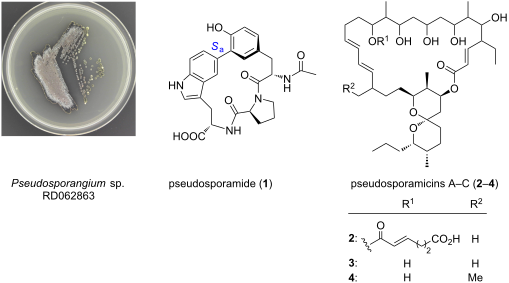
- elucidated the presence of three amino acid residues, N-acetyltyrosine (AcTyr), proline (Pro), and tryptophane (Trp) (Figure 2). HMBC correlations from H-2' and H-3' to C-4' and from H-4' and H-5' to C-3' joined two COSY-defined fragments, H-2'/H-3' and H-4'/H-5'. Further HMBC correlations from H-2' to C-5
- linear gradient of MeCN from 15% to 85% over 30 min. Retention times for the amino acid standards were 20.1 min for ʟ-Pro-ʟ-FDLA, 21.1 min for ᴅ-Pro-ʟ-FDLA, while the ʟ-FDLA-hydrolysate of 1 gave a peak at 20.1 min (Figure S8 in Supporting Information File 1). (R)- and (S)-PGME amides of 1 (5a and 5b) To


Fluorinated phenylalanines: synthesis and pharmaceutical applications
Beilstein J. Org. Chem. 2020, 16, 1022–1050, doi:10.3762/bjoc.16.91
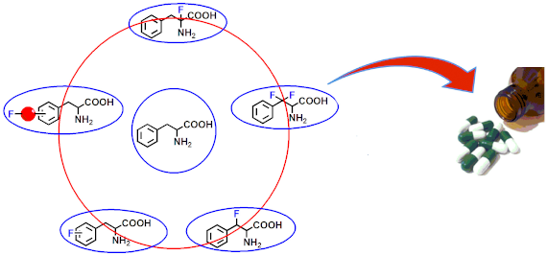
- membrane permeability and reactivity [11][12][13][14]. The effect of peptide structure and stability has been found to depend on the position and number of fluorine atoms within the amino acid chains [15][16][17]. Incorporation of fluorinated aromatic amino acids into proteins can increase their shelf life
- -tetrafluorocyclohexylphenyliodide 4 and 5 were subjected to Jackson’s methodology for the synthesis of the appropriate amino acid products. Thus, the coupling of the zinc homoenolate of (R)-iodoalanine 2 with a mixture of 4 and 5 in the presence of Pd(dba)3 and SPhos resulted in an excellent conversion to the fully protected amino
- with zincate 11 using a variety of catalysts and different reaction conditions, was unsuccessful. However, coupling of 4-[bis(dimethoxybenzyl)difluoromethyl]benzyl bromide (14) with the lithium enolate of William`s lactone 15 gave the protected amino acid 16 in 80% yield. The desired protected amino


Fabclavine diversity in Xenorhabdus bacteria
Beilstein J. Org. Chem. 2020, 16, 956–965, doi:10.3762/bjoc.16.84
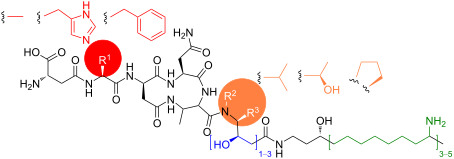
- 1). Here, the polyamine was connected by one or two polyketide units to a NRPS part, with His in the second (Table 1, R1) and Pro or Val in the sixth amino acid position (Table 1, R2/R3 and Figure S18, Supporting Information File 1), leading to the smallest set of identified derivatives (11–14). In
- X. szentirmaii, derivatives with an Ala incorporated at the second amino acid position were identified (15 and 16, Table 1, R1) in addition to the already described derivatives 17–22. However, the derivatives featuring the described Ala incorporation were not detected in any other strain analyzed
- (Table 1 and Figure S2, Supporting Information File 1) [20]. Furthermore, besides the dominant derivatives with a Val or Thr residue in the sixth amino acid position (Table 1, R2/R3), derivatives containing Pro were also observed, but with a much lower signal intensity (Figure S3, Supporting Information


Synthesis of new asparagine-based glycopeptides for future scanning tunneling microscopy investigations
Beilstein J. Org. Chem. 2020, 16, 888–894, doi:10.3762/bjoc.16.80
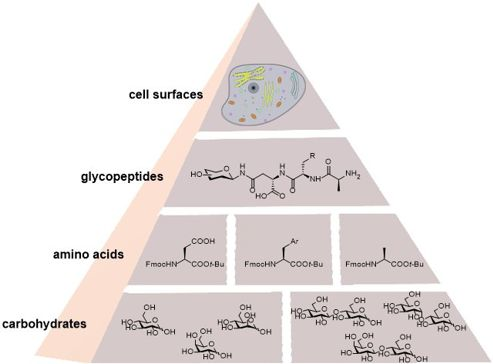
- mechanisms of the interaction of glycopeptides with the cell surface [16]. Our focus lay on the preparation of glycopeptide libraries containing ʟ-asparagine since many saccharides on the cell surface are N-glycosidically linked to this amino acid [8]. The most abundant sugars found in these asparagine
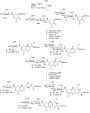
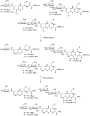
- Table 1, the yields for all condensations with HBTU and HATU are in a comparable range. Only for the cellobiosyl Asp amino acid 3f (Table 1, entry 6), the lactosylated Asp–Phe–Ala tripeptide 6e (Table 1, entry 23), and the galactosylated Asp–Trp dipeptide 5b (Table 1, entry 14), HATU gave a


Copper catalysis with redox-active ligands
Beilstein J. Org. Chem. 2020, 16, 858–870, doi:10.3762/bjoc.16.77
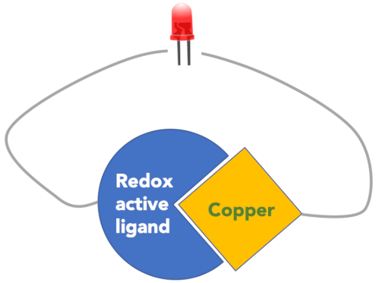
- scaffolds such as gem-disubstituted (21k) and trisubstituted (21i and 21n,o) aziridines (Scheme 11). Furthermore, the reaction conditions are compatible with aldehyde, ester or ketone functions. Metalloenzymes routinely rely on 3d metals and amino acid-derived coordination spheres to perform complex (multi



Synthesis and herbicidal activities of aryloxyacetic acid derivatives as HPPD inhibitors
Beilstein J. Org. Chem. 2020, 16, 233–247, doi:10.3762/bjoc.16.25
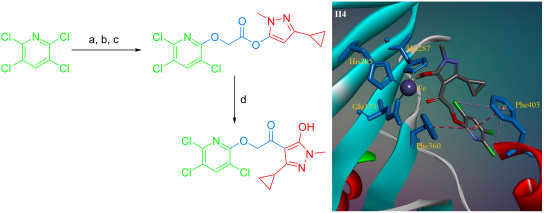
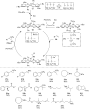
- catalytic mechanism for this process is shown in Scheme 1 [2][3][4][5][6]. The HPPD amino acid sequence homologies in plants and mammals are significantly different [7][8], and this difference affects the binding stability between an inhibitor and HPPD, leading to inhibitor activities that differ among




Photocontrolled DNA minor groove interactions of imidazole/pyrrole polyamides
Beilstein J. Org. Chem. 2020, 16, 60–70, doi:10.3762/bjoc.16.8
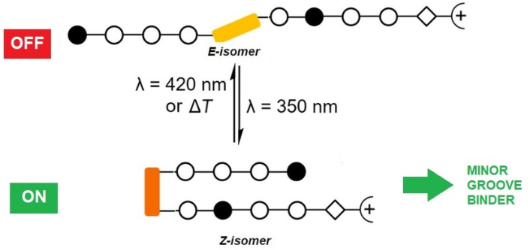
- -protected photoswitchable ω-amino acid 1 (Scheme 2A) was performed based on a procedure by Aemissegger et al. [35]. The ω-amino acid 1 was subsequently used in the solid-phase synthesis or for the synthesis of the dimer 7 in solution (Scheme 2B). The incorporation of β-alanine as a 'molecular spring' was



Understanding the role of active site residues in CotB2 catalysis using a cluster model
Beilstein J. Org. Chem. 2020, 16, 50–59, doi:10.3762/bjoc.16.7
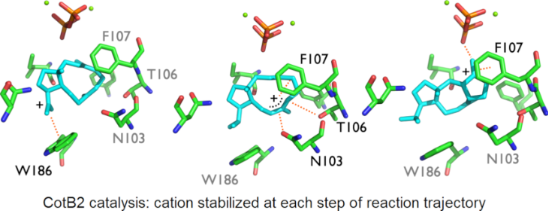
- and co-workers [39]. The amino acid cage was constructed from six amino acids, which were located around the substrate and constituted part of the catalytic pocket of the enzyme (PDB-ID 6GGI) [42]. The chosen amino acids were the ones that we presumed stabilized the carbocations the most during the
- energy as a function of amino acid residue geometry. An additional obvious limitation were medium and long-range nonbonded interactions beyond the active site cage considered here. These effects could be considerable and will be scrutinized in future work. The Cartesian coordinates of all species are


Light-controllable dithienylethene-modified cyclic peptides: photoswitching the in vivo toxicity in zebrafish embryos
Beilstein J. Org. Chem. 2020, 16, 39–49, doi:10.3762/bjoc.16.6
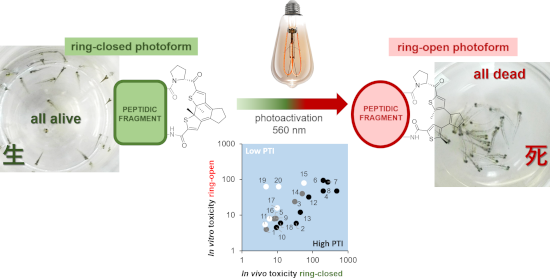
- derivatives of 2 [30]. The library contained 29 compounds grouped into several series: with natural amino acid mutations affecting the amphipathicity (series i), with point mutations that modulate polarity and conformational stability of the β-structural elements (series ii), with backbone N-alkylation and
- (peptides 5, 15–17) was seen to decrease the photoactivation efficiency in vivo. The corresponding LD50 values indicate that an uncharged polar amino acid residue next to the DAE (compounds 6, 7, 8) and the presence of hydroxyleucine residues (12, 13, 14) improve the photoactivation efficiency compared to
- peptides are more toxic than the inactivated ring-closed isomers, with up to two orders of magnitude difference. The most promising modifications of GS appear to be those where a single uncharged polar amino acid has been introduced on the hydrophilic face of the peptide. DAE photoswitch and


Chemical synthesis of tripeptide thioesters for the biotechnological incorporation into the myxobacterial secondary metabolite argyrin via mutasynthesis
Beilstein J. Org. Chem. 2019, 15, 2922–2929, doi:10.3762/bjoc.15.286
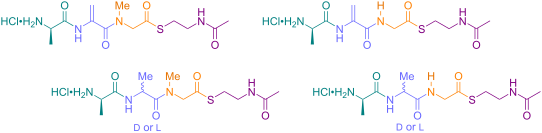
- desired thioester probably due to the higher reactivity of the Michael acceptor system. Revision of the synthetic approach into a convergent synthesis with initial formation of the thioester at the amino acid level and subsequent coupling to a dipeptide finally yielded the desired mutasynthon carrying the



Bacterial terpene biosynthesis: challenges and opportunities for pathway engineering
Beilstein J. Org. Chem. 2019, 15, 2889–2906, doi:10.3762/bjoc.15.283
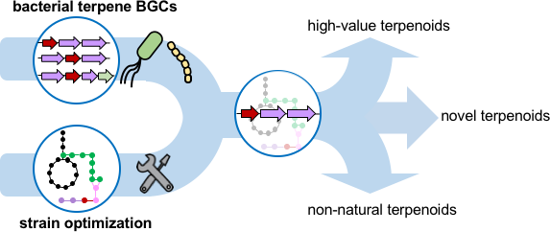
- thiotemplated assembly lines, such as type I polyketide synthases (PKS) and nonribosomal peptide synthetases (NRPS), are modular, with each module contributing a distinct fragment to the final product’s core structure – a short-chain carboxylic acid (PKS) or an amino acid (NRPS). The modularly defined template


Palladium-catalyzed synthesis and nucleotide pyrophosphatase inhibition of benzo[4,5]furo[3,2-b]indoles
Beilstein J. Org. Chem. 2019, 15, 2830–2839, doi:10.3762/bjoc.15.276
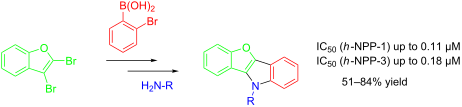
- performed to identify binding interactions, as illustrated in Figure 4. The 3D binding interaction study of suramin revealed a number of binding interactions with amino acid residues. Due to its bulky structure, suramin showed linkage inside and over the surface of the enzyme pocket. The important residues
- exhibited π–π T-shaped interactions connecting the indole and furan rings with Tyr340. However, π–alkyl linkage was observed between the benzofuran moiety of compound 5c and amino acid Lys295. The fluorine atom of the 4-fluorophenyl group was involved in the binding with the zinc ion and Ser377. Hydrogen
- , Asn245, Glu275, Tyr289, Leu239, Ser326, Thr205, His329 and Glu322 were involved in the hydrogen binding with suramin. One π–alkyl interaction was found with Pro288 and one metal interaction with zinc. Amino acid Tyr289 was connected with the sulfur atom as shown in Figure 5a. The hydrogen atoms of the


A review of asymmetric synthetic organic electrochemistry and electrocatalysis: concepts, applications, recent developments and future directions
Beilstein J. Org. Chem. 2019, 15, 2710–2746, doi:10.3762/bjoc.15.264
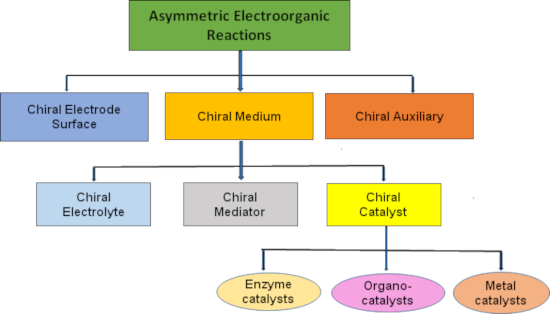
- 2000, reported for the first time, a crucial modification of a glassy carbon electrode via chemical immobilization of ᴅ-amino acid oxidase (D-AOx) as enzyme and 1-aminopropyl-1'-methyl-4,4'-dipyridinium iodide (ADPy) as electron mediator and thus prepared electrode D-AOx/ADPy/GC. Electrochemical
- to the corresponding amino acid via electrochemical reduction of FAD in AOx by electron mediator ADPy. It should be noted that the authors also reported the limitation of this electrochemical method in terms of substrate selectivity of the enzymes used [44]. Electrochemical asymmetric oxidation using
- aryl sulfides 40 to their corresponding sulfoxides 41 using poly(amino acid)-coated platinum electrodes with moderate yield and good to excellent enantiomeric excess (Scheme 17) [47][48]. Osa and co-workers, in 1994, made an important contribution in the area by developing an enantioselective method






Unexpected one-pot formation of the 1H-6a,8a-epiminotricyclopenta[a,c,e][8]annulene system from cyclopentanone, ammonia and dimethyl fumarate. Synthesis of highly strained polycyclic nitroxide and EPR study
Beilstein J. Org. Chem. 2019, 15, 2664–2670, doi:10.3762/bjoc.15.259

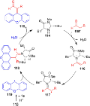
- carbonyl compounds for the synthesis of heterocyclic compounds has been repeatedly demonstrated [2][3]. We recently used a domino reaction of amino acid, ketone and dimethyl fumarate for the one-pot synthesis of a substituted pyrrolidine, which then was converted into a reduction-resistant pyrrolidine


Nanangenines: drimane sesquiterpenoids as the dominant metabolite cohort of a novel Australian fungus, Aspergillus nanangensis
Beilstein J. Org. Chem. 2019, 15, 2631–2643, doi:10.3762/bjoc.15.256
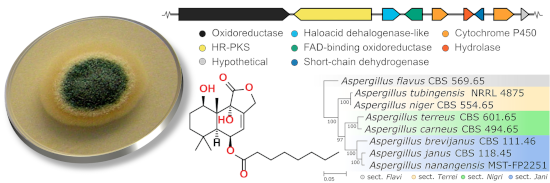
- terpene synthase family, showing similarity to haloacid dehalogenase (HAD)-like hydrolases [21]. Thus, we suspected that a related enzyme may be involved in the biosynthesis of the nanangenines, and used the amino acid sequence of AstC to probe the A. nanangensis genome. We also hypothesised that the acyl
- ionisation-activated cyclisation activity. Two other HAD-like hydrolases, AstI and AstK, with the class I (DDxxD/E) motif, are therefore required to catalyse other dephosphorylation steps. Despite overall low sequence homology, alignment with the amino acid sequences of AstC, AstI, AstK and related homologs
- the AAFTF pipeline (https://github.com/stajichlab/AAFTF). To facilitate the identification of a putative biosynthetic gene cluster, a local BLAST database was created from the resulting assembly [44]. Though Shinohara et al. list the revised annotation of AstC as AORIB40_05408, its amino acid sequence


Synthesis of novel sulfide-based cyclic peptidomimetic analogues to solonamides
Beilstein J. Org. Chem. 2019, 15, 2544–2551, doi:10.3762/bjoc.15.247
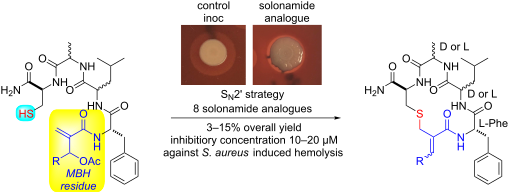
- cysteine sulfhydryl side chain to electrophilic Cβ of an O-acetylated Morita–Baylis–Hillman (MBH) adduct residue (Scheme 1). Despite reports describing the use of amino acid residues with nucleophilic side chains to prompt the macrocyclization of peptides and their mimetics, to the best of our knowledge
- repetitive Fmoc-amino acid couplings yielding the linear resin-bound tetrapeptides 5 (Scheme 3) [37][38]. The MBH acids 3 were coupled to the free amine at the N-terminal of 5 to afford the resin-bound linear peptidomimetics 6, which subsequently had the hydroxy group of the MBH residue acylated with acetic
- after preparative HPLC purification and lyophilization. The overall yield for this 11-step synthesis ranged from 7% to 15% for almost all solonamide analogues 9, based on the initial resin’s molarity. The exception relays on those containing ᴅ-Ala and ʟ-Leu amino acid residues sequentially attached to


Sugar-derived oxazolone pseudotetrapeptide as γ-turn inducer and anion-selective transporter
Beilstein J. Org. Chem. 2019, 15, 2419–2427, doi:10.3762/bjoc.15.234
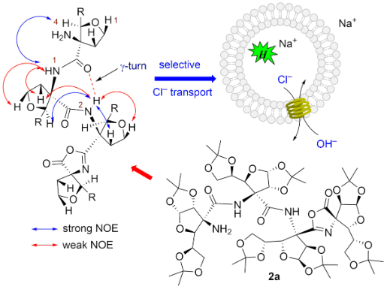
- and Research, Pune, Pune 411008, India 10.3762/bjoc.15.234 Abstract The intramolecular cyclization of a C-3-tetrasubstituted furanoid sugar amino acid-derived linear tetrapeptide afforded an oxazolone pseudo-peptide with the formation of an oxazole ring at the C-terminus. A conformational study of
- transporter for which an anion–anion antiport mechanism was established. Keywords: ion transport; oxazolone; peptidomimetics; pseudo-peptides; sugar amino acid; Introduction Tetrasubstituted α-amino acid (TAA)-derived peptidomimetics offer well-defined turn structures due to the presence of a
- conformation [5]. Amongst these, the use of sugar-derived TAAs in peptidomimetics is less explored. The linear tri-/tetrapeptides and spiro-peptides at the anomeric position of mannofructose are known [6][7][8]. Stick and co-workers have reported the synthesis of tetrasubstituted sugar furanoid amino acid


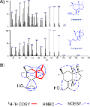
![[Graphic 2]](/bjoc/content/inline/1860-5397-15-234-i4.svg?max-width=637&scale=1.18182) lucigenin (A). Conce...
lucigenin (A). Conce...
Current understanding and biotechnological application of the bacterial diterpene synthase CotB2
Beilstein J. Org. Chem. 2019, 15, 2355–2368, doi:10.3762/bjoc.15.228
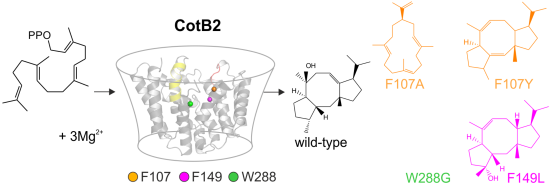
- involved in coordination of water molecules in the water network around the catalytic Mg2+ ions. The pyrophosphate sensor motif In a recent review, the presence of a “pyrophosphate sensor”, an arginine 46 amino acid residues upstream of the NSE motif, was discussed as a universal feature of bacterial TPSs
- carbon skeletons of other bioactive natural product classes. In light of this fact, the exchange of only one amino acid changes the product portfolio from cyclooctatin (5) belonging to the fusicoccane diterpene family to compounds of the dolabellane [67] or the cembranoid class [68]. The dolabellane
- performed in the gas phase [92][93]. The latter approach per se disregards the role of the protein scaffold during catalysis. However, there are many examples of mono-, sesqui-, and diterpene synthases, where the contribution of the diphosphate and selected amino acid residues, which decorate the active


Recent advances in transition-metal-catalyzed incorporation of fluorine-containing groups
Beilstein J. Org. Chem. 2019, 15, 2213–2270, doi:10.3762/bjoc.15.218
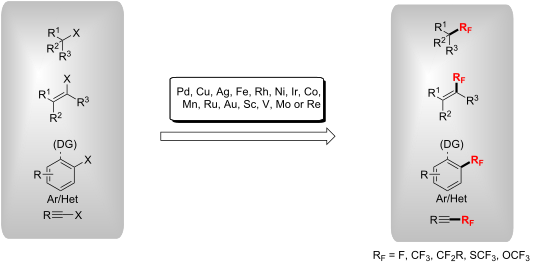
- (Scheme 10). Notably, this reaction used an air and moisture-stable chiral palladium complex as the catalyst, which worked well at low catalyst loading (as low as 0.5 mol %). In 2015, Shi et al. [47] introduced a Pd(II)/Pd(IV)-catalyzed fluorination of β-methylene C(sp3)–H bonds of α-amino acid








Azologization and repurposing of a hetero-stilbene-based kinase inhibitor: towards the design of photoswitchable sirtuin inhibitors
Beilstein J. Org. Chem. 2019, 15, 2170–2183, doi:10.3762/bjoc.15.214
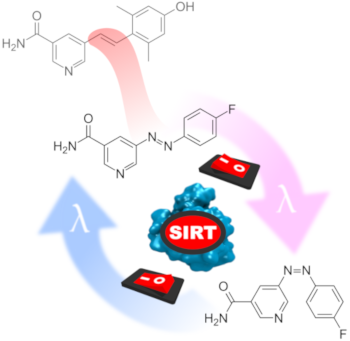
- studies proposed a binding mode in which 2a mimics the nicotinamide residue of NAD+, whereas aromatic amino acid residues of the selectivity pocket stabilize the dimethylphenol ring [35]. As photoisomerization in stilbenes and azo dyes is accompanied by a perpendicular twist of the phenyl ring towards the


Genome mining in Trichoderma viride J1-030: discovery and identification of novel sesquiterpene synthase and its products
Beilstein J. Org. Chem. 2019, 15, 2052–2058, doi:10.3762/bjoc.15.202
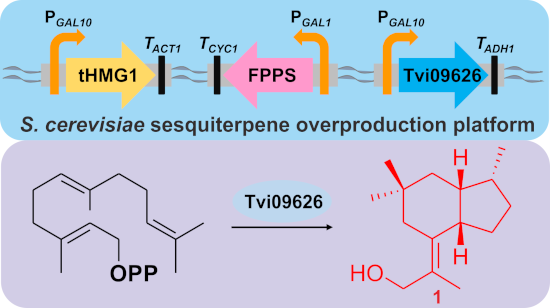
- three types based on their amino acid sequence. Type I TPSs are metal-dependent enzymes that initiate cyclisation by the elimination of diphosphate groups from precursors and carbocation formation, and type II TPSs initiate the catalytic process by the protonation of an olefinic double bond [7]. The
- of 89.66% and 85.23% with the enzymes from the strain T. virens Gv29-8 [27] and T. reesei QM6a [28], respectively, with only predicted functions. Thereafter, an amino acid sequence alignment with several known terpene synthases showed that Tvi09626 had the typical highly conserved 128DDxxD/E



Isolation and characterisation of irinans, androstane-type withanolides from Physalis peruviana L.
Beilstein J. Org. Chem. 2019, 15, 2003–2012, doi:10.3762/bjoc.15.196
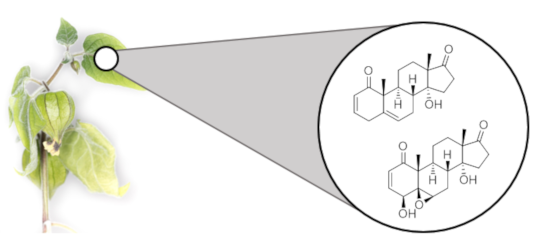
- [27]. Then, the bifunctional P450c17 acts as a 17α-hydroxylase and 17,20-lyase to give rise to androstanes [27]. Related enzymes have not been reported from plants. We searched transcriptome data of P. peruviana for putative homologues of these enzymes [28]. The best hits only had amino acid sequence
- algorithm. Both enzymes yielded several full-length hits with amino acid sequence identities of 22–28%. Oxidative cleavage of 4β-hydroxywithanolide E (1) to irinan A (2) by NaIO4 57.8 mg of NaIO4 (270.2 µmol, 7.0 equiv) in 400 µL hot H2O was added to 19.4 mg 4ß-hydroxywithanolide E (1, 38.6 µmol, 1.0 equiv