Search for "synthetic methodologies" in Full Text gives 106 result(s) in Beilstein Journal of Organic Chemistry.
Beilstein J. Org. Chem. 2023, 19, 873–880, doi:10.3762/bjoc.19.64
Graphical Abstract
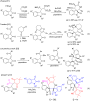
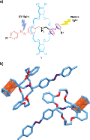
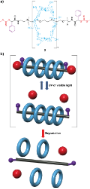
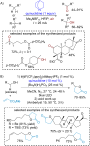
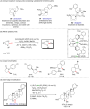
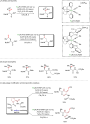
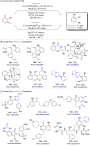
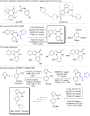
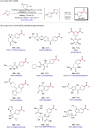
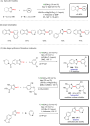
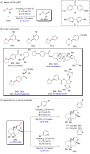
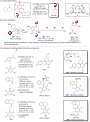
Figure 1: a) Chemical structure of pseudorotaxanes 1; and (b) single-crystal X-ray structure of rotaxane 1a (R...
Figure 2: (a) Chemical structure of polyrotaxane 2; and (b) cartoon representation of the light-triggered deg...
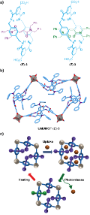
Figure 3: a) Chemical structures of rotaxanes (E)-3 and (Z)-3; b) stick representation of the solid structure...
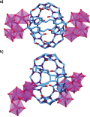
Figure 4: Stick representations of the solid structures of: (a) U-CB[8]-MPyVB showing an interlocked ligand c...
Beilstein J. Org. Chem. 2023, 19, 800–807, doi:10.3762/bjoc.19.60
Graphical Abstract
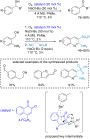
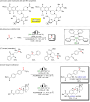
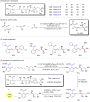
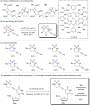
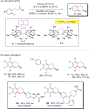
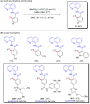
Figure 1: a) Conventional drugs containing either a sulfonamide fragment or a quinoline core; b) biologically...
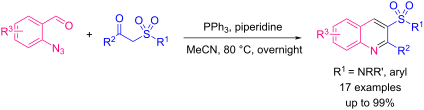
Figure 2: Knoevenagel condensation/aza-Wittig reaction cascade for the quinoline core formation.
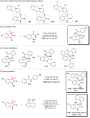
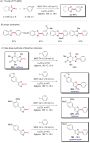
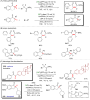
Scheme 1: Key reaction steps during the synthesis of 3-sulfonyl-substituted quinolines.
Scheme 2: Synthetic routes to sulfonamides and sulfones 2 and the set of reagents for the preparation of comp...
Scheme 3: Preparation of 3-sulfonyl substituted quinolines 5a–q.
Scheme 4: 3-Sulfonyl-substituted quinolines 5r–v that failed to be synthesized.
Beilstein J. Org. Chem. 2023, 19, 474–476, doi:10.3762/bjoc.19.36
Graphical Abstract
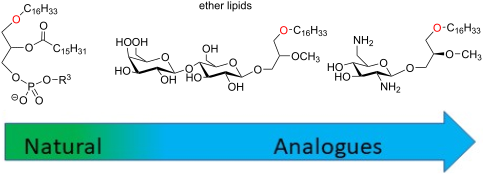
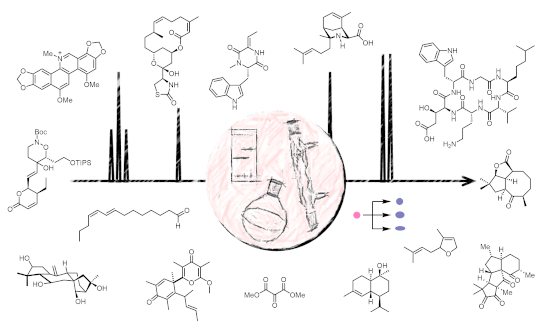
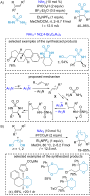
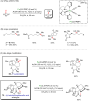
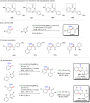
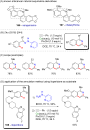
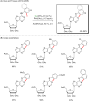
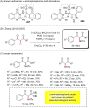
Figure 1: A summary of compounds targeted in this thematic issue.
Beilstein J. Org. Chem. 2023, 19, 115–132, doi:10.3762/bjoc.19.12
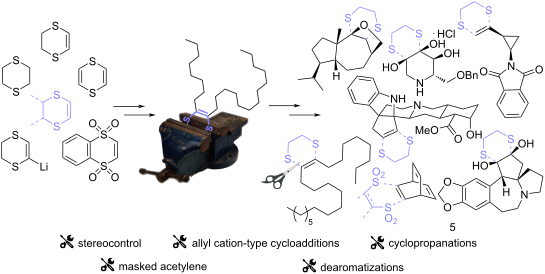
Graphical Abstract
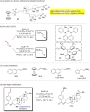
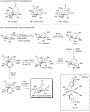
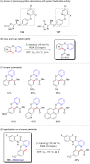
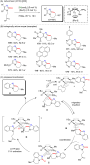
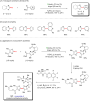
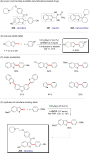
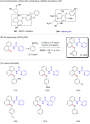
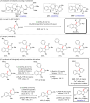
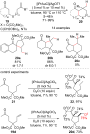
Scheme 1: 1,3-Dithianes as useful synthetic building blocks: a) general synthetic utility (in Corey–Seebach-t...
Scheme 2: Metalation of other saturated heterocycles is often problematic due to β-elimination [16,17].
Scheme 3: Thianes as synthetic building blocks in the construction of complex molecules [18].
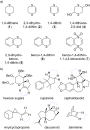
Figure 1: a) 1,4-Dithiane-type building blocks that can serve as C2-synthons and b) examples of complex targe...
Scheme 4: Synthetic availability of 1,4-dithiane-type building blocks.
Scheme 5: Dithiins and dihydrodithiins as pseudoaryl groups [36-39].
Scheme 6: Metalation of other saturated heterocycles is often problematic due to β-elimination [40-42].
Figure 2: Reactive conformations leading to β-fragmentation for lithiated 1,4-dithianes and 1,4-dithiin.
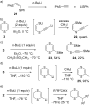
Scheme 7: Mild metalation of 1,4-dithiins affords stable heteroaryl-magnesium and heteroaryl-zinc-like reagen...
Scheme 8: Dithiin-based dienophiles and their use in synthesis [33,49-54].
Scheme 9: Dithiin-based dienes and their use in synthesis [55-57].
Scheme 10: Stereoselective 5,6-dihydro-1,4-dithiin-based synthesis of cis-olefins [42,58].
Scheme 11: Addition to aldehydes and applications in stereoselective synthesis.
Figure 3: Applications in the total synthesis of complex target products with original attachment place of 1,...
Scheme 12: Direct C–H functionalization methods for 1,4-dithianes [82,83].
Scheme 13: Known cycloaddition reactivity modes of allyl cations [84-100].
Scheme 14: Cycloadditions of 1,4-dithiane-fused allyl cations derived from dihydrodithiin-methanol 90 [101-107].
Scheme 15: Dearomative [3 + 2] cycloadditions of unprotected indoles with 1,4-dithiane-fused allyl alcohol 90 [30]....
Scheme 16: Comparison of reactivity of dithiin-fused allyl alcohols and similar non-cyclic sulfur-substituted ...
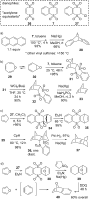
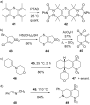
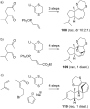
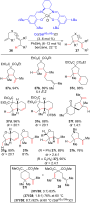
Scheme 17: Applications of dihydrodithiins in the rapid assembly of polycyclic terpenoid scaffolds [108,109].
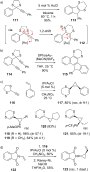
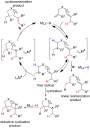
Scheme 18: Dihydrodithiin-mediated allyl cation and vinyl carbene cycloadditions via a gold(I)-catalyzed 1,2-s...
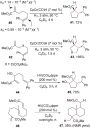
Scheme 19: Activation mode of ethynyldithiolanes towards gold-coordinated 1,4-dithiane-fused allyl cation and ...
Scheme 20: Desulfurization problems.
Scheme 21: oxidative decoration strategies for 1,4-dithiane scaffolds.
Beilstein J. Org. Chem. 2022, 18, 1672–1695, doi:10.3762/bjoc.18.179
Graphical Abstract
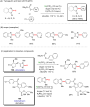
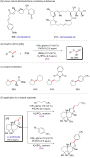
Scheme 1: Organocatalysis classification used in the present perspective.
Scheme 2: Oxidative processes catalyzed by amines.
Scheme 3: N-Heterocyclic carbene (NHC) catalysis in oxidative functionalization of aldehydes.
Scheme 4: Examples of asymmetric oxidative processes catalyzed by chiral Brønsted acids.
Scheme 5: Asymmetric aerobic α-hydroxylation of lactams under phase-transfer organocatalysis conditions emplo...
Scheme 6: Selective CH-oxidation of methylarenes to aldehydes or carboxylic acids.
Scheme 7: An example of the regioselective CH-amination by a sterically hindered imide-N-oxyl radical precurs...
Scheme 8: CH-amination of ethylbenzene and CH-fluorination of aldehydes catalyzed by N-hydroxybenzimidazoles,...
Scheme 9: Mixed hetero-/homogeneous TiO2/N-hydroxyimide photocatalysis in the selective benzylic oxidation.
Scheme 10: Electrochemical benzylic iodination and benzylation of pyridine by benzyl iodides generated in situ...
Scheme 11: Electrochemical oxidative C–O/C–N coupling of alkylarenes with NHPI. Electrolysis conditions: Const...
Scheme 12: Chemoselective alcohol oxidation catalyzed by TEMPO.
Scheme 13: ABNO-catalyzed oxidative C–N coupling of primary alcohols with primary amines.
Scheme 14: ACT-catalyzed electrochemical oxidation of primary alcohols and aldehydes to carboxylic acids.
Scheme 15: Electrocatalytic oxidation of benzylic alcohols by a TEMPO derivative immobilized on a graphite ano...
Scheme 16: Electrochemical oxidation of carbamates of cyclic amines to lactams and oxidative cyanation of amin...
Scheme 17: Hydrogen atom transfer (HAT) and single-electron transfer (SET) as basic principles of amine cation...
Scheme 18: Electrochemical quinuclidine-catalyzed oxidation involving unactivated C–H bonds.
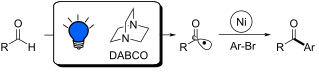
Scheme 19: DABCO-mediated photocatalytic C–C cross-coupling involving aldehyde C–H bond cleavage.
Scheme 20: DABCO-derived cationic catalysts in inactivated C–H bond cleavage for alkyl radical addition to ele...
Scheme 21: Electrochemical diamination and dioxygenation of vinylarenes catalyzed by triarylamines.
Scheme 22: Electrochemical benzylic oxidation mediated by triarylimidazoles.
Scheme 23: Thiyl radical-catalyzed CH-arylation of allylic substrates by aryl cyanides.
Scheme 24: Synthesis of redox-active alkyl tetrafluoropyridinyl sulfides by unactivated C–H bond cleavage by t...
Scheme 25: Main intermediates in quinone oxidative organocatalysis.
Scheme 26: Electrochemical DDQ-catalyzed intramolecular dehydrogenative aryl–aryl coupling.
Scheme 27: DDQ-mediated cross-dehydrogenative C–N coupling of benzylic substrates with azoles.
Scheme 28: Biomimetic o-quinone-catalyzed benzylic alcohol oxidation.
Scheme 29: Electrochemical synthesis of secondary amines by oxidative coupling of primary amines and benzylic ...
Scheme 30: General scheme of dioxirane and oxaziridine oxidative organocatalysis.
Scheme 31: Dioxirane organocatalyzed CH-hydroxylation involving aliphatic C(sp3)–H bonds.
Scheme 32: Enantioselective hydroxylation of CH-acids catalyzed by chiral oxaziridines.
Scheme 33: Iodoarene-organocatalyzed vinylarene diamination.
Scheme 34: Iodoarene-organocatalyzed asymmetric CH-hydroxylation of benzylic substrates.
Scheme 35: Iodoarene-organocatalyzed asymmetric difluorination of alkenes with migration of aryl or methyl gro...
Scheme 36: Examples of 1,2-diiodo-4,5-dimethoxybenzene-catalyzed electrochemical oxidative heterocyclizations.
Scheme 37: Electrochemical N-ammonium ylide-catalyzed CH-oxidation.
Scheme 38: Oxidative dimerization of aryl- and alkenylmagnesium compounds catalyzed by quinonediimines.
Scheme 39: FLP-catalyzed dehydrogenation of N-substituted indolines.
Beilstein J. Org. Chem. 2022, 18, 1539–1543, doi:10.3762/bjoc.18.163
Graphical Abstract
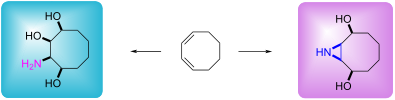
Figure 1: Some biologically active aziridine-bearing compounds 1, 2 and aminocyclitol 3.
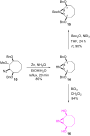
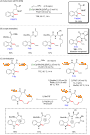
Scheme 1: Synthesis of dimesylate 8.
Scheme 2: Synthesis of aminocyclooctanetriol 13.
Scheme 3: Synthesis of aziridinecyclooctanediol 16.
Beilstein J. Org. Chem. 2022, 18, 788–795, doi:10.3762/bjoc.18.79
Graphical Abstract
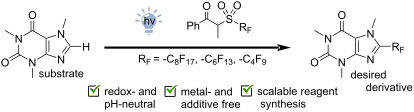
Scheme 1: Envisioned Minisci perfluoroalkylation facilitated by “dummy group” reagents 1a–c.
Scheme 2: Control experiments for the nucleophilic substitution of perfluoroalkylsulfinates 2 and halogenated...
Scheme 3: Left: isolated yields of synthesized perfluoroalkylating reagents: perfluorobutyl (1a), perfluorohe...
Scheme 4: Radical trapping experiment with 1,1-diphenylethylene (7) and 1b confirming the initially proposed ...
Scheme 5: Demonstrative scope for the perfluoroalkylation of aromatics. Isolated yields are shown in parenthe...
Beilstein J. Org. Chem. 2022, 18, 469–478, doi:10.3762/bjoc.18.49
Graphical Abstract
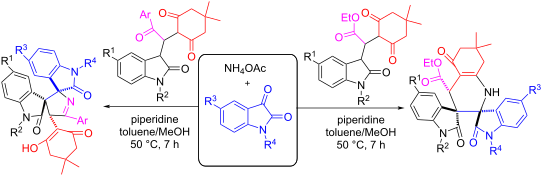
Figure 1: Representative bioactive dispirooxindoles.
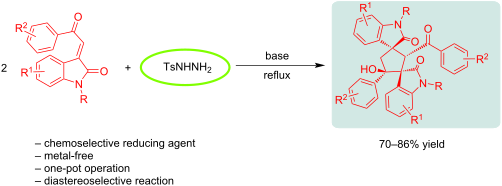
Scheme 1: Reductive cyclization for the synthesis of dispirocyclopentanebisoxindole derivatives.
Scheme 2: Substrate scope of product 3 (part 1). Reaction conditions: substrates: 1 (1 mmol) and 2 (0.5 mmol)...
Scheme 3: Substrate scope of product 3 (part 2). Reaction conditions: substrates: 1 (1 mmol) and 2 (0.5 mmol)...
Figure 2: ORTEP diagram of product 3g (CCDC NO. 2072521).
Figure 3: NOESY Spectra of compound 3e.
Scheme 4: Plausible mechanism of the reaction.
Figure 4: HRMS spectrum of the crude reaction mixture after 1 hour of the reaction.
Scheme 5: Control experiment.
Beilstein J. Org. Chem. 2022, 18, 53–69, doi:10.3762/bjoc.18.5
Graphical Abstract
Figure 1: Naphthoquinones are commonly used in organic synthesis.
Figure 2: Some important natural and synthetic naphthoquinones.
Scheme 1: Synthetic studies of BNQs and reactions with amines.
Scheme 2: Methods described for the synthesis of β-NQS.
Figure 3: Drugs detected using β-NQSNa.
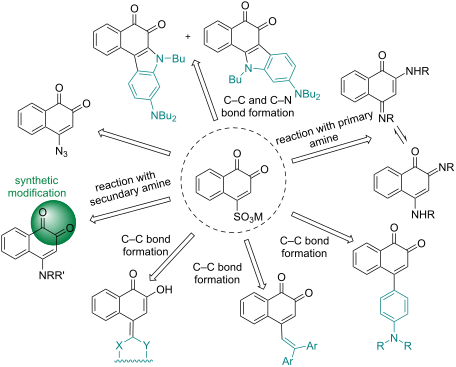
Scheme 3: Reactions between β-NQS and amines.
Scheme 4: Isomerization of 4-arylamino-1,2-naphthoquinones.
Scheme 5: Synthesis of unsymmetrical 2-amino-4-imino compounds.
Scheme 6: Synthesis of bis(isoxazolyl)naphthoquinones from β-NQS.
Scheme 7: The reaction of β-NQS with 30 followed by cycle condensation.
Scheme 8: Synthesis of 4-(2-amino-5-selenothiazoles)-1,2-naphthoquinones.
Scheme 9: Synthesis of amino- and phenoxy-1,2-naphthoquinones.
Scheme 10: Synthesis of 4-semicarbazide-1,2-naphthoquinone.
Scheme 11: Reactions of 4-azido-1,2-naphthoquinone.
Figure 4: Modifications that can be easily carried out from the products of β-NQS 8.
Scheme 12: Derivatives of 1,2-naphthoquinones obtained from β-NQS.
Scheme 13: Oximes as well as 4-amino- and 4-phenoxy-1,2-naphthoquinone as potential anti-inflammatory agents.
Scheme 14: Synthesis of triazoles from β-NQS.
Scheme 15: Synthesis of naphtho[1,2-d]oxazoles from β-NQS.
Scheme 16: A) Arylation and vinylation of β-NQS catalyzed by Ni(II) salts. B) Transformation of the 1,2-dicarb...
Scheme 17: Benzo[a]carbazole and benzo[c]carbazoles fused with 1,2-naphthoquinone.
Scheme 18: Synthesis of 1,2-naphthoquinones having a C=C bond from β-NQS. Method A: NaOH, EtOH/H2O, 40 °C, 2 h...
Scheme 19: C=C bond formation from β-NQS and substituted acetonitriles.
Beilstein J. Org. Chem. 2021, 17, 2968–2975, doi:10.3762/bjoc.17.206
Graphical Abstract
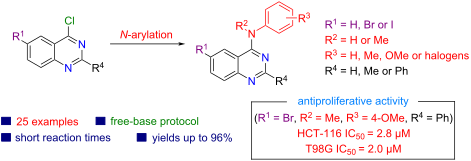
Figure 1: Some antitumor agents containing the 4-anilinoquinazoline moiety.
Scheme 1: Examples of N-arylation reactions using 4-chloroquinazolines as substrates.
Scheme 2: Synthesis of verubulin analog.
Scheme 3: Synthesis of 4-chloro-6-halo-2-phenylquinazolines 8a and 8b. Conditions: a) NBS, CH3CN, 30 min, 25 ...
Scheme 4: N-Arylation reactions using ortho-, meta-, and para-substituted primary anilines of type 14 followe...
Scheme 5: N-Arylation reactions using 4-chloroquinazoline (16) and 4-chloro-2-methylquinazoline (17) to achie...
Beilstein J. Org. Chem. 2021, 17, 2959–2967, doi:10.3762/bjoc.17.205
Graphical Abstract
Figure 1: Redox potentials of representative nitrogenated HAT catalysts and photocatalysts [9-12,21-23].
Figure 2: Previous reports of DABCO as hydrogen abstractor in HAT reactions and this work.
Scheme 1: Aryl bromide and aldehyde scope. Isolated yields. aYield determined by 1H NMR analysis with 1,3-ben...
Scheme 2: Mechanistic investigations of the HAT reaction using DABCO.
Scheme 3: Proposed mechanism for aldehyde arylation. PC = photocatalyst Ir[dF(CF3)ppy]2(dtbbpy)PF6. SET = sin...
Figure 3: Free energy profile for the HAT step reactions between isovaleraldehyde with (top) DABCO and (botto...
Figure 4: TS structure for the HAT reaction between the DABCO radical cation and isovaleraldehyde obtained at...
Beilstein J. Org. Chem. 2021, 17, 2477–2487, doi:10.3762/bjoc.17.164
Graphical Abstract
Figure 1: Structures of azide and alkyne functional molecules and polymers used in the photoinduced CuAAC rea...
Figure 2: UV–vis spectra of CuICl, CuIICl2 and BPNs.
Figure 3: a) 1H NMR spectra of the model reaction between benzyl azide (Az-1) and phenylacetylene (Alk-3) bef...
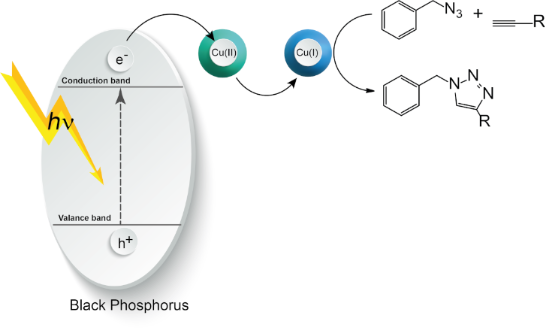
Scheme 1: Proposed mechanism for photoinduced CuAAC reaction using exfoliated BPNs.
Figure 4: a) 1H NMR spectrum of chain end modified PCL-Anth; b) UV–vis spectra of (azidomethyl)anthracene (bl...
Scheme 2: Synthesis of PS-b-PCL block copolymer via exfoliated BPNs-mediated photoinduced CuAAC reaction.
Figure 5: a) GPC traces of PS-Az, PCL-Alk and block copolymer (Ps-b-PCL) b) 1H NMR spectrum of the block copo...
Scheme 3: Preparation of the cross-linked polymer by CuAAC reaction using multifunctional monomers, Az-3 and ...
Figure 6: a) DSC thermogram of photoinduced synthesis of nanocomposite networks (heating rate: 10 °C/min). b)...
Figure 7: (a, b) TEM images of cross-linked polymer at two different magnifications, c) HAADF-STEM image and ...
Beilstein J. Org. Chem. 2021, 17, 2425–2432, doi:10.3762/bjoc.17.159
Graphical Abstract
Figure 1: Representative bioactive carbazole derivatives.
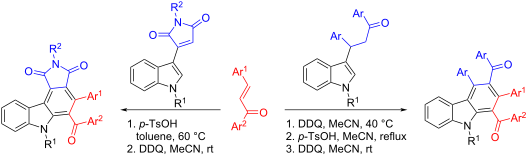
Scheme 1: Synthesis of tetrahydropyrrolo[3,4-c]carbazoles 3a and 3b.
Figure 2: Single crystal structure of the isomer 3a.
Figure 3: Single crystal structure of the isomer 3b.
Figure 4: Single crystal structure of the isomer 4g.
Scheme 2: Proposed domino reaction mechanism for the formation of carbazoles 6.
Beilstein J. Org. Chem. 2021, 17, 2399–2416, doi:10.3762/bjoc.17.157
Graphical Abstract
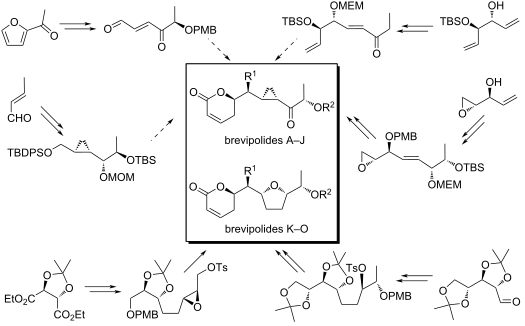
Figure 1: Structures of brevipolides A–O (1 – 15).
Scheme 1: Retrosynthetic analysis of brevipolide H (8) by Kumaraswamy.
Scheme 2: Attempt to synthesize brevipolide H (8) by Kumaraswamy. (R,R)-Noyori cat. = RuCl[N-(tosyl)-1,2-diph...
Scheme 3: Attempt to synthesize brevipolide H (8) by Kumaraswamy (continued).
Scheme 4: Retrosynthetic analysis of brevipolide H (8) by Hou.
Scheme 5: Synthesis ent-brevipolide H (ent-8) by Hou.
Scheme 6: Retrosynthetic analysis of brevipolide H (8) by Mohapatra.
Scheme 7: Attempt to synthesize brevipolide H (8) by Mohapatra.
Scheme 8: Attempt to synthesize brevipolide H (8) by Mohapatra (continued). (+)-(IPC)2-BCl = (+)-B-chloro-dii...
Scheme 9: Retrosynthetic analysis of brevipolide H (8) by Hou.
Scheme 10: Synthesis of brevipolide H (8) by Hou.
Scheme 11: Retrosynthetic analysis of brevipolide M (13) by Sabitha.
Scheme 12: Synthesis of brevipolide M (13) by Sabitha.
Scheme 13: Retrosynthetic analysis of brevipolides M (13) and N (14) by Sabitha.
Scheme 14: Synthesis of brevipolides M (13) and N (14) by Sabitha.
Beilstein J. Org. Chem. 2021, 17, 2377–2384, doi:10.3762/bjoc.17.154
Graphical Abstract
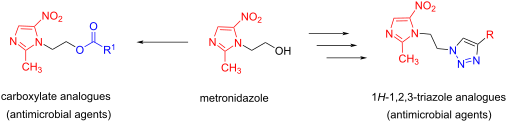
Figure 1: Structure of metronidazole (1).
Figure 2: Chemical structures of some metronidazole derivatives with different biological activity.
Figure 3: Crystal structure of compound 3. Colour codes: carbon = grey, mitrogen = blue, oxygen = red, hydrog...
Scheme 1: Reagents and conditions: (a) TsCl, Et3N, dry DCM, DMAP, 0 °C to room temperature, 5 h, 96%; (b) NaN3...
Figure 4: Crystal structure of 1H-1,2,3-triazole compound 5c: Colour codes: carbon = grey, nitrogen = blue, o...
Scheme 2: Reagents and conditions: (a) acid chlorides 6a–e, pyridine, dry DCM, DMAP, room temperature, 4–5 h,...
Figure 5: Crystal structures of compound 7b. Colour codes: carbon = grey, nitrogen = blue, oxygen = red, hydr...
Figure 6: General structural feature of the synthesized molecules 5.
Figure 7: The graph representing the antifungal activity of Didymella sp. against compounds 5a–i and 7a–e.
Figure 8: The graph representing the antibacterial activity of E. coli against compounds 5a–i and 7a–e.
Beilstein J. Org. Chem. 2021, 17, 2321–2328, doi:10.3762/bjoc.17.150
Graphical Abstract
Figure 1: Representation of bioactive molecules and applications.
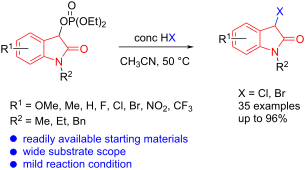
Scheme 1: Synthetic methodologies for 3-monohalooxindoles.
Scheme 2: Substrate scope of the acidolysis of isatin-derived phosphates 2 with hydrochloric acid. Standard r...
Scheme 3: Substrate scope of the acidolysis of isatin-derived phosphates 2 with hydrobromic acid. Standard re...
Scheme 4: Reduction of the substrates 2 to the corresponding oxindoles 5.
Scheme 5: Plausible reaction mechanism.
Beilstein J. Org. Chem. 2021, 17, 1849–1938, doi:10.3762/bjoc.17.126
Graphical Abstract
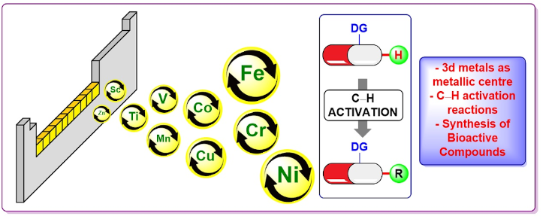
Scheme 1: Schematic overview of transition metals studied in C–H activation processes.
Scheme 2: (A) Known biological activities related to benzimidazole-based compounds; (B and C) an example of a...
Scheme 3: (A) Known biological activities related to quinoline-based compounds; (B and C) an example of a sca...
Scheme 4: (A) Known biological activities related to sulfur-containing compounds; (B and C) an example of a s...
Scheme 5: (A) Known biological activities related to aminoindane derivatives; (B and C) an example of a scand...
Scheme 6: (A) Known biological activities related to norbornane derivatives; (B and C) an example of a scandi...
Scheme 7: (A) Known biological activities related to aniline derivatives; (B and C) an example of a titanium-...
Scheme 8: (A) Known biological activities related to cyclohexylamine derivatives; (B) an example of an intram...
Scheme 9: (A) Known biologically active benzophenone derivatives; (B and C) photocatalytic oxidation of benzy...
Scheme 10: (A) Known bioactive fluorine-containing compounds; (B and C) vanadium-mediated C(sp3)–H fluorinatio...
Scheme 11: (A) Known biologically active Lythraceae alkaloids; (B) synthesis of (±)-decinine (30).
Scheme 12: (A) Synthesis of (R)- and (S)-boehmeriasin (31); (B) synthesis of phenanthroindolizidines by vanadi...
Scheme 13: (A) Known bioactive BINOL derivatives; (B and C) vanadium-mediated oxidative coupling of 2-naphthol...
Scheme 14: (A) Known antiplasmodial imidazopyridazines; (B) practical synthesis of 41.
Scheme 15: (A) Gold-catalyzed drug-release mechanism using 2-alkynylbenzamides; (B and C) chromium-mediated al...
Scheme 16: (A) Examples of anti-inflammatory benzaldehyde derivatives; (B and C) chromium-mediated difunctiona...
Scheme 17: (A and B) Manganese-catalyzed chemoselective intramolecular C(sp3)–H amination; (C) late-stage modi...
Scheme 18: (A and B) Manganese-catalyzed C(sp3)–H amination; (C) late-stage modification of a leelamine deriva...
Scheme 19: (A) Known bioactive compounds containing substituted N-heterocycles; (B and C) manganese-catalyzed ...
Scheme 20: (A) Known indoles that present GPR40 full agonist activity; (B and C) manganese-catalyzed C–H alkyl...
Scheme 21: (A) Examples of known biaryl-containing drugs; (B and C) manganese-catalyzed C–H arylation through ...
Scheme 22: (A) Known zidovudine derivatives with potent anti-HIV properties; (B and C) manganese-catalyzed C–H...
Scheme 23: (A and B) Manganese-catalyzed C–H organic photo-electrosynthesis; (C) late-stage modification.
Scheme 24: (A) Example of a known antibacterial silylated dendrimer; (B and C) manganese-catalyzed C–H silylat...
Scheme 25: (A and B) Fe-based small molecule catalyst applied for selective aliphatic C–H oxidations; (C) late...
Scheme 26: (A) Examples of naturally occurring gracilioethers; (B) the first total synthesis of gracilioether ...
Scheme 27: (A and B) Selective aliphatic C–H oxidation of amino acids; (C) late-stage modification of proline-...
Scheme 28: (A) Examples of Illicium sesquiterpenes; (B) first chemical synthesis of (+)-pseudoanisatin (80) in...
Scheme 29: (A and B) Fe-catalyzed deuteration; (C) late-stage modification of pharmaceuticals.
Scheme 30: (A and B) Biomimetic Fe-catalyzed aerobic oxidation of methylarenes to benzaldehydes (PMHS, polymet...
Scheme 31: (A) Known tetrahydroquinolines with potential biological activities; (B and C) redox-selective Fe c...
Scheme 32: (A) Known drugs containing a benzofuran unit; (B and C) Fe/Cu-catalyzed tandem O-arylation to acces...
Scheme 33: (A) Known azaindolines that act as M4 muscarinic acetylcholine receptor agonists; (B and C) intramo...
Scheme 34: (A) Known indolinones with anticholinesterase activity; (B and C) oxidative C(sp3)–H cross coupling...
Scheme 35: (A and B) Cobalt-catalyzed C–H alkenylation of C-3-peptide-containing indoles; (C) derivatization b...
Scheme 36: (A) Cobalt-Cp*-catalyzed C–H methylation of known drugs; (B and C) scope of the o-methylated deriva...
Scheme 37: (A) Known lasalocid A analogues; (B and C) three-component cobalt-catalyzed C–H bond addition; (D) ...
Scheme 38: (A and B) Cobalt-catalyzed C(sp2)–H amidation of thiostrepton.
Scheme 39: (A) Known 4H-benzo[d][1,3]oxazin-4-one derivatives with hypolipidemic activity; (B and C) cobalt-ca...
Scheme 40: (A and B) Cobalt-catalyzed C–H arylation of pyrrole derivatives; (C) application for the synthesis ...
Scheme 41: (A) Known 2-phenoxypyridine derivatives with potent herbicidal activity; (B and C) cobalt-catalyzed...
Scheme 42: (A) Natural cinnamic acid derivatives; (B and C) cobalt-catalyzed C–H carboxylation of terminal alk...
Scheme 43: (A and B) Cobalt-catalyzed C–H borylation; (C) application to the synthesis of flurbiprofen.
Scheme 44: (A) Benzothiazoles known to present anticonvulsant activities; (B and C) cobalt/ruthenium-catalyzed...
Scheme 45: (A and B) Cobalt-catalyzed oxygenation of methylene groups towards ketone synthesis; (C) synthesis ...
Scheme 46: (A) Known anticancer tetralone derivatives; (B and C) cobalt-catalyzed C–H difluoroalkylation of ar...
Scheme 47: (A and B) Cobalt-catalyzed C–H thiolation; (C) application in the synthesis of quetiapine (153).
Scheme 48: (A) Known benzoxazole derivatives with anticancer, antifungal, and antibacterial activities; (B and...
Scheme 49: (A and B) Cobalt-catalyzed C–H carbonylation of naphthylamides; (C) BET inhibitors 158 and 159 tota...
Scheme 50: (A) Known bioactive pyrrolo[1,2-a]quinoxalin-4(5H)-one derivatives; (B and C) cobalt-catalyzed C–H ...
Scheme 51: (A) Known antibacterial cyclic sulfonamides; (B and C) cobalt-catalyzed C–H amination of propargyli...
Scheme 52: (A and B) Cobalt-catalyzed intramolecular 1,5-C(sp3)–H amination; (C) late-stage functionalization ...
Scheme 53: (A and B) Cobalt-catalyzed C–H/C–H cross-coupling between benzamides and oximes; (C) late-state syn...
Scheme 54: (A) Known anticancer natural isoquinoline derivatives; (B and C) cobalt-catalyzed C(sp2)–H annulati...
Scheme 55: (A) Enantioselective intramolecular nickel-catalyzed C–H activation; (B) bioactive obtained motifs;...
Scheme 56: (A and B) Nickel-catalyzed α-C(sp3)–H arylation of ketones; (C) application of the method using kno...
Scheme 57: (A and B) Nickel-catalyzed C(sp3)–H acylation of pyrrolidine derivatives; (C) exploring the use of ...
Scheme 58: (A) Nickel-catalyzed C(sp3)–H arylation of dioxolane; (B) library of products obtained from biologi...
Scheme 59: (A) Intramolecular enantioselective nickel-catalyzed C–H cycloalkylation; (B) product examples, inc...
Scheme 60: (A and B) Nickel-catalyzed C–H deoxy-arylation of azole derivatives; (C) late-stage functionalizati...
Scheme 61: (A and B) Nickel-catalyzed decarbonylative C–H arylation of azole derivatives; (C) application of t...
Scheme 62: (A and B) Another important example of nickel-catalyzed C–H arylation of azole derivatives; (C) app...
Scheme 63: (A and B) Another notable example of a nickel-catalyzed C–H arylation of azole derivatives; (C) lat...
Scheme 64: (A and B) Nickel-based metalorganic framework (MOF-74-Ni)-catalyzed C–H arylation of azole derivati...
Scheme 65: (A) Known commercially available benzothiophene-based drugs; (B and C) nickel-catalyzed C–H arylati...
Scheme 66: (A) Known natural tetrahydrofuran-containing substances; (B and C) nickel-catalyzed photoredox C(sp3...
Scheme 67: (A and B) Another notable example of a nickel-catalyzed photoredox C(sp3)–H alkylation/arylation; (...
Scheme 68: (A) Electrochemical/nickel-catalyzed C–H alkoxylation; (B) achieved scope, including three using na...
Scheme 69: (A) Enantioselective photoredox/nickel catalyzed C(sp3)–H arylation; (B) achieved scope, including ...
Scheme 70: (A) Known commercially available trifluoromethylated drugs; (B and C) nickel-catalyzed C–H trifluor...
Scheme 71: (A and B) Stereoselective nickel-catalyzed C–H difluoroalkylation; (C) late-stage functionalization...
Scheme 72: (A) Cu-mediated ortho-amination of oxalamides; (B) achieved scope, including derivatives obtained f...
Scheme 73: (A) Electro-oxidative copper-mediated amination of 8-aminoquinoline-derived amides; (B) achieved sc...
Scheme 74: (A and B) Cu(I)-mediated C–H amination with oximes; (C) derivatization using telmisartan (241) as s...
Scheme 75: (A and B) Cu-mediated amination of aryl amides using ammonia; (C) late-stage modification of proben...
Scheme 76: (A and B) Synthesis of purine nucleoside analogues using copper-mediated C(sp2)–H activation.
Scheme 77: (A) Copper-mediated annulation of acrylamide; (B) achieved scope, including the synthesis of the co...
Scheme 78: (A) Known bioactive compounds containing a naphthyl aryl ether motif; (B and C) copper-mediated eth...
Scheme 79: (A and B) Cu-mediated alkylation of N-oxide-heteroarenes; (C) late-stage modification.
Scheme 80: (A) Cu-mediated cross-dehydrogenative coupling of polyfluoroarenes and alkanes; (B) scope from know...
Scheme 81: (A) Known anticancer acrylonitrile compounds; (B and C) Copper-mediated cyanation of unactivated al...
Scheme 82: (A) Cu-mediated radiofluorination of 8-aminoquinoline-derived aryl amides; (B) achieved scope, incl...
Scheme 83: (A) Examples of natural β-carbolines; (B and C) an example of a zinc-catalyzed C–H functionalizatio...
Scheme 84: (A) Examples of anticancer α-aminophosphonic acid derivatives; (B and C) an example of a zinc-catal...
Beilstein J. Org. Chem. 2021, 17, 1629–1640, doi:10.3762/bjoc.17.115
Graphical Abstract
Figure 1: Applications of acridines.
Scheme 1: Synthesis of 2,4-dibromo-9-chloro-5,6,7,8-tetrahydroacridine (2).
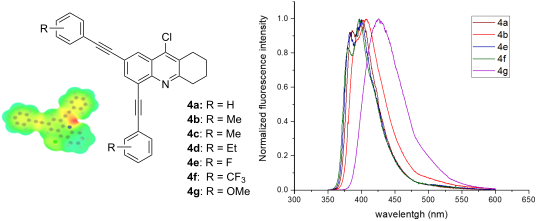
Scheme 2: Synthesis of 2,4-bis(arylethynyl)-9-chloro-5,6,7,8-tetrahydroacridines 4a–g.
Figure 2: UV–vis absorption spectra of 4a,b and 4e–g in diluted dichloromethane solutions at room temperature...
Figure 3: Emission spectra of 4a,b and 4e–g in diluted dichloromethane solutions at room temperature (c = 1 ×...
Beilstein J. Org. Chem. 2021, 17, 1565–1590, doi:10.3762/bjoc.17.112
Graphical Abstract
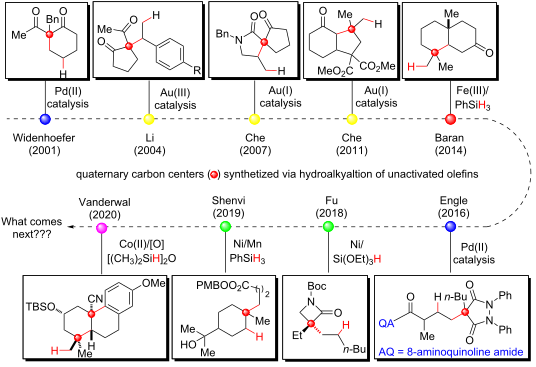
Figure 1: Some examples of natural products and drugs containing quaternary carbon centers.
Scheme 1: Simplified mechanism for olefin hydrofunctionalization using an electrophilic transition metal as a...
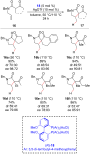
Scheme 2: Selected examples of quaternary carbon centers formed by the intramolecular hydroalkylation of β-di...
Scheme 3: Control experiments and the proposed mechanism for the Pd(II)-catalyzed intermolecular hydroalkylat...
Scheme 4: Intermolecular olefin hydroalkylation of less reactive ketones under Pd(II) catalysis using HCl as ...
Scheme 5: A) Selected examples of Pd(II)-mediated quaternary carbon center synthesis by intermolecular hydroa...
Scheme 6: Selected examples of quaternary carbon center synthesis by gold(III) catalysis. This is the first r...
Scheme 7: Selected examples of inter- (A) and intramolecular (B) olefin hydroalkylations promoted by a silver...
Scheme 8: A) Intermolecular hydroalkylation of N-alkenyl β-ketoamides under Au(I) catalysis in the synthesis ...
Scheme 9: Asymmetric pyrrolidine synthesis through intramolecular hydroalkylation of α-substituted N-alkenyl ...
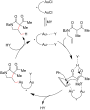
Scheme 10: Proposed mechanism for the chiral gold(I) complex promotion of the intermolecular olefin hydroalkyl...
Scheme 11: Selected examples of carbon quaternary center synthesis by gold and evidence of catalytic system pa...
Scheme 12: Synthesis of a spiro compound via an aza-Michael addition/olefin hydroalkylation cascade promoted b...
Scheme 13: A selected example of quaternary carbon center synthesis using an Fe(III) salt as a catalyst for th...
Scheme 14: Intermolecular hydroalkylation catalyzed by a cationic iridium complex (Fuji (2019) [47]).
Scheme 15: Generic example of an olefin hydrofunctionalization via MHAT (Shenvi (2016) [51]).
Scheme 16: The first examples of olefin hydrofunctionalization run under neutral conditions (Mukaiyama (1989) [56]...
Scheme 17: A) Aryl olefin dimerization catalyzed by vitamin B12 and triggered by HAT. B) Control experiment to...
Scheme 18: Generic example of MHAT diolefin cycloisomerization and possible competitive pathways. Shenvi (2014...
Scheme 19: Selected examples of the MHAT-promoted cycloisomerization reaction of unactivated olefins leading t...
Scheme 20: Regioselective carbocyclizations promoted by an MHAT process (Norton (2008) [76]).
Scheme 21: Selected examples of quaternary carbon centers synthetized via intra- (A) and intermolecular (B) MH...
Scheme 22: A) Proposed mechanism for the Fe(III)/PhSiH3-promoted radical conjugate addition between olefins an...
Scheme 23: Examples of cascade reactions triggered by HAT for the construction of trans-decalin backbone uniti...
Scheme 24: A) Selected examples of the MHAT-promoted radical conjugate addition between olefins and p-quinone ...
Scheme 25: A) MHAT triggered radical conjugate addition/E1cB/lactonization (in some cases) cascade between ole...
Scheme 26: A) Spirocyclization promoted by Fe(III) hydroalkylation of unactivated olefins. B) Simplified mecha...
Scheme 27: A) Selected examples of the construction of a carbon quaternary center by the MHAT-triggered radica...
Scheme 28: Hydromethylation of unactivated olefins under iron-mediated MHAT (Baran (2015) [95]).
Scheme 29: The hydroalkylation of unactivated olefins via iron-mediated reductive coupling with hydrazones (Br...
Scheme 30: Selected examples of the Co(II)-catalyzed bicyclization of dialkenylarenes through the olefin hydro...
Scheme 31: Proposed mechanism for the bicyclization of dialkenylarenes triggered by a MHAT process (Vanderwal ...
Scheme 32: Enantioconvergent cross-coupling between olefins and tertiary halides (Fu (2018) [108]).
Scheme 33: Proposed mechanism for the Ni-catalyzed cross-coupling reaction between olefins and tertiary halide...
Scheme 34: Proposed catalytic cycles for a MHAT/Ni cross-coupling reaction between olefins and halides (Shenvi...
Scheme 35: Selected examples of the hydroalkylation of olefins by a dual catalytic Mn/Ni system (Shenvi (2019) ...
Scheme 36: A) Selected examples of quaternary carbon center synthesis by reductive atom transfer; TBC: 4-tert-...
Scheme 37: A) Selected examples of quaternary carbon centers synthetized by radical addition to unactivated ol...
Scheme 38: A) Selected examples of organophotocatalysis-mediated radical polyene cyclization via a PET process...
Scheme 39: A) Sc(OTf)3-mediated carbocyclization approach for the synthesis of vicinal quaternary carbon cente...
Scheme 40: Scope of the Lewis acid-catalyzed methallylation of electron-rich styrenes. Method A: B(C6F5)3 (5.0...
Scheme 41: The proposed mechanism for styrene methallylation (Oestreich (2019) [123]).
Beilstein J. Org. Chem. 2021, 17, 1392–1439, doi:10.3762/bjoc.17.98
Graphical Abstract
Figure 1: Double-headed nucleosides. B1 and B2 = nucleobases or heterocyclic/carbocyclic moieties; L = linker....
Scheme 1: Synthesis of 2′-(pyrimidin-1-yl)methyl- or 2′-(purin-9-yl)methyl-substituted double-headed nucleosi...
Scheme 2: Synthesis of double-headed nucleoside 7 having two cytosine moieties.
Scheme 3: Synthesis of double-headed nucleoside 2′-deoxy-2′-C-(2-(thymine-1-yl)ethyl)-uridine (11).
Scheme 4: Double-headed nucleosides 14 and 15 obtained by click reaction.
Scheme 5: Synthesis of the double-headed nucleoside 19.
Scheme 6: Synthesis of the double-headed nucleosides 24 and 25.
Scheme 7: Synthesis of double-headed nucleosides 28 and 29.
Scheme 8: Synthesis of double-headed nucleoside 33.
Scheme 9: Synthesis of double-headed nucleoside 37.
Scheme 10: Synthesis of the double-headed nucleoside 1-(5′-O-(4,4′-dimethoxytrityl)-2′-C-((4-(pyren-1-yl)-1,2,...
Scheme 11: Synthesis of triazole-containing double-headed ribonucleosides 46a–c and 50a–e.
Scheme 12: Synthesis of double-headed nucleosides 54a–g.
Scheme 13: Synthesis of double-headed nucleosides 59 and 60.
Scheme 14: Synthesis of the double-headed nucleosides 63 and 64.
Scheme 15: Synthesis of double-headed nucleosides 66a–c.
Scheme 16: Synthesis of benzoxazole-containing double-headed nucleosides 69 and 71 from 5′-amino-5′-deoxynucle...
Scheme 17: Synthesis of 4′-C-((N6-benzoyladenin-9-yl)methyl)thymidine (75) and 4′-C-((thymin-1-yl)methyl)thymi...
Scheme 18: Synthesis of double-headed nucleosides 5′-(adenine-9-yl)-5′-deoxythymidine (79) and 5′-(adenine-9-y...
Scheme 19: Synthesis of double-headed nucleosides 85–87 via reversed nucleosides methodology.
Scheme 20: Double-headed nucleosides 91 and 92 derived from ω-terminal-acetylenic sugar derivatives 90a,b.
Scheme 21: Synthesis of double-headed nucleosides 96a–g.
Scheme 22: Synthesis of double-headed nucleosides 100 and 103.
Scheme 23: Double-headed nucleosides 104 and 105 with a triazole motif.
Scheme 24: Synthesis of the double-headed nucleosides 107 and 108.
Scheme 25: Synthesis of double-headed nucleoside 110 with additional nucleobase in 5′-(S)-C-position joined th...
Scheme 26: Synthesis of double-headed nucleosides 111–113 with additional nucleobases in the 5′-(S)-C-position...
Scheme 27: Synthesis of double-headed nucleoside 114 by click reaction.
Scheme 28: Synthesis of double-headed nucleosides 118 with an additional nucleobase at the 5′-(S)-C-position.
Scheme 29: Synthesis of bicyclic double-headed nucleoside 122.
Scheme 30: Synthesis of double-headed nucleosides 125a–c derived from 2′-amino-LNA.
Scheme 31: Double-headed nucleoside 127 obtained by click reaction.
Scheme 32: Synthesis of double-headed nucleoside 130.
Scheme 33: Double-headed nucleosides 132a–d and 134a–d synthesized by Sonogashira cross coupling reaction.
Scheme 34: Synthesis of double-headed nucleosides 137 and 138 via Suzuki coupling.
Scheme 35: Synthesis of double-headed nucleosides 140 and 141 via Sonogashira cross coupling reaction.
Scheme 36: Synthesis of double-headed nucleoside 143.
Scheme 37: Synthesis of the double-headed nucleoside 146.
Scheme 38: Synthesis of 5-C-alkynyl-functionalized double-headed nucleosides 151a–d.
Scheme 39: Synthesis of 5-C-triazolyl-functionalized double-headed nucleosides 154a, b.
Scheme 40: Synthesis of double-headed nucleosides 157a–c.
Scheme 41: Synthesis of double-headed nucleoside 159, phosphoramidite 160 and the corresponding nucleotide mon...
Scheme 42: Synthesis of double-headed nucleoside 163, phosphoramidite 164 and the corresponding nucleotide mon...
Scheme 43: Synthesis of double-headed nucleoside 167, phosphoramidite 168, and the corresponding nucleotide mo...
Scheme 44: Synthesis of double-headed nucleoside 171, phosphoramidite 172, and the corresponding nucleotide mo...
Scheme 45: Synthesis of double-headed nucleoside 175, phosphoramidite 176, and the corresponding nucleotide mo...
Scheme 46: Synthesis of double-headed nucleoside 178.
Scheme 47: Synthesis of the double-headed nucleosides 181 and 183.
Scheme 48: Alternative synthesis of the double-headed nucleoside 183.
Scheme 49: Synthesis of double-headed nucleoside 188 through thermal [2 + 3] sydnone–alkyne cycloaddition reac...
Scheme 50: Synthesis of the double-headed nucleosides 190 and 191.
Scheme 51: Synthesis of 1-((5S)-2,3,4-tri-O-acetyl-5-(2,6-dichloropurin-9-yl)-β-ᴅ-xylopyranosyl)uracil (195).
Scheme 52: Synthesis of hexopyranosyl double-headed pyrimidine homonucleosides 200a–c.
Figure 2: 3′-C-Ethynyl-β-ᴅ-allopyranonucleoside derivatives 201a–f.
Scheme 53: Synthesis of 3′-C-(1,4-disubstituted-1,2,3-triazolyl)-double-headed pyranonucleosides 203–207.
Scheme 54: Synthesis of 3′-C-(1,4-disubstituted-1,2,3-triazolyl)-double-headed pyranonucleosides 208 and 209.
Scheme 55: Synthesis of 3′-C-(1,4-disubstituted-1,2,3-triazolyl)-double-headed pyranonucleoside 210.
Scheme 56: Synthesis of double-headed acyclic nucleosides (2S,3R)-1,4-bis(thymine-1-yl)butane-2,3-diol (213a) ...
Scheme 57: Synthesis of double-headed acyclic nucleosides (2R,3S)-1,4-bis(thymine-1-yl)butane-2,3-diol (213c) ...
Scheme 58: Synthesis of double-headed acetylated 1,3,4-oxadiazino[6,5-b]indolium-substituted C-nucleosides 218b...
Scheme 59: Synthesis of double-headed acyclic nucleoside 222.
Scheme 60: Synthesis of functionalized 1,2-bis(1,2,4-triazol-3-yl)ethane-1,2-diols 223a–f.
Scheme 61: Synthesis of acyclic double-headed 1,2,4-triazino[5,6-b]indole C-nucleosides 226–231.
Scheme 62: Synthesis of double-headed 1,3,4-thiadiazoline, 1,3,4-oxadiazoline, and 1,2,4-triazoline acyclo C-n...
Scheme 63: Synthesis of double-headed acyclo C-nucleosides 240–242.
Scheme 64: Synthesis of double-headed acyclo C-nucleoside 246.
Scheme 65: Synthesis of acyclo double-headed nucleoside 250.
Scheme 66: Synthesis of acyclo double-headed nucleoside 253.
Scheme 67: Synthesis of acyclo double-headed nucleosides 259a–d.
Scheme 68: Synthesis of acyclo double-headed nucleoside 261.
Beilstein J. Org. Chem. 2021, 17, 1374–1384, doi:10.3762/bjoc.17.96
Graphical Abstract
Scheme 1: Retrosynthetic pathways to the pyrrole-based C3-symmetric truxene derivative 6.
Scheme 2: Synthesis of tripyrrolotruxene 6 via cyclotrimerization and RCM as crucial steps.
Scheme 3: Synthesis of star-shaped molecule 6 utilizing the Clauson–Kaas pyrrole strategy.
Scheme 4: Synthesis of truxene derivative 6 involving Ullmann-type cross-coupling reaction.
Scheme 5: Synthesis of imidazole and benzimidazole containing truxene derivatives 14 and 16.
Scheme 6: Construction of truxene-based di- and trioxazole derivatives 21 and 20.
Scheme 7: Synthesis of benzene-bridged rings containing trioxazolotruxene system 25.
Figure 1: Normalized absorption (left); fluorescence spectra (right) of the synthesized truxene derivatives (...
Beilstein J. Org. Chem. 2021, 17, 1096–1140, doi:10.3762/bjoc.17.86
Graphical Abstract
Scheme 1: General strategy for the enantioselective synthesis of N-containing heterocycles from N-tert-butane...
Scheme 2: Methodologies for condensation of aldehydes and ketones with tert-butanesulfinamides (1).
Scheme 3: Transition models for cis-aziridines and trans-aziridines.
Scheme 4: Mechanism for the reduction of N-tert-butanesulfinyl imines.
Scheme 5: Transition models for the addition of organomagnesium and organolithium compounds to N-tert-butanes...
Scheme 6: Synthesis of 2,2-dibromoaziridines 15 from aldimines 14 and bromoform, and proposed non-chelation-c...
Scheme 7: Diastereoselective synthesis of aziridines from tert-butanesulfinyl imines.
Scheme 8: Synthesis of vinylaziridines 22 from aldimines 14 and 1,3-dibromopropene 23, and proposed chelation...
Scheme 9: Synthesis of vinylaziridines 27 from aldimines 14 and α-bromoesters 26, and proposed transition sta...
Scheme 10: Synthesis of 2-chloroaziridines 28 from aldimines 14 and dichloromethane, and proposed transition s...
Scheme 11: Synthesis of cis-vinylaziridines 30 and 31 from aldimines 14 and bromomethylbutenolide 29.
Scheme 12: Synthesis of 2-chloro-2-aroylaziridines 36 and 32 from aldimines 14, arylnitriles 34, and silyldich...
Scheme 13: Synthesis of trifluoromethylaziridines 39 and proposed transition state of the aziridination.
Scheme 14: Synthesis of aziridines 42 and proposed state transition.
Scheme 15: Synthesis of 1-substituted 2-azaspiro[3.3]heptanes, 1-phenyl-2-azaspiro[3.4]octane and 1-phenyl-2-a...
Scheme 16: Synthesis of 1-substituted 2,6-diazaspiro[3.3]heptanes 48 from chiral imines 14 and 1-Boc-azetidine...
Scheme 17: Synthesis of β-lactams 52 from chiral imines 14 and dimethyl malonate (49).
Scheme 18: Synthesis of spiro-β-lactam 57 from chiral (RS)-N-tert-butanesulfinyl isatin ketimine 53 and ethyl ...
Scheme 19: Synthesis of β-lactam 60, a precursor of (−)-batzelladine D (61) and (−)-13-epi-batzelladine D (62)...
Scheme 20: Rhodium-catalyzed asymmetric synthesis of 3-substituted pyrrolidines 66 from chiral imine (RS)-63 a...
Scheme 21: Asymmetric synthesis of 1,3-disubstituted isoindolines 69 and 70 from chiral imine 67.
Scheme 22: Asymmetric synthesis of cis-2,5-disubstituted pyrrolidines 73 from chiral imine (RS)-71.
Scheme 23: Asymmetric synthesis of 3-hydroxy-5-substituted pyrrolidin-2-ones 77 from chiral imine (RS)-74.
Scheme 24: Asymmetric synthesis of 4-hydroxy-5-substituted pyrrolidin-2-ones 80 from chiral imines 79.
Scheme 25: Asymmetric synthesis of 3-pyrrolines 82 from chiral imines 14 and ethyl 4-bromocrotonate (81).
Scheme 26: Asymmetric synthesis of γ-amino esters 84, and tetramic acid derivative 86 from chiral imines (RS)-...
Scheme 27: Asymmetric synthesis of α-methylene-γ-butyrolactams 90 from chiral imines (Z,SS)-87 and ethyl 2-bro...
Scheme 28: Asymmetric synthesis of methylenepyrrolidines 92 from chiral imines (RS)-14 and 2-(trimethysilylmet...
Scheme 29: Synthesis of dibenzoazaspirodecanes from cyclic N-tert-butanesulfinyl imines.
Scheme 30: Stereoselective synthesis of cyclopenta[c]proline derivatives 103 from β,γ-unsaturated α-amino acid...
Scheme 31: Stereoselective synthesis of alkaloids (−)-angustureine (107) and (−)-cuspareine (108).
Scheme 32: Stereoselective synthesis of alkaloids (−)-pelletierine (112) and (+)-coniine (117).
Scheme 33: Synthesis of piperidine alkaloids (+)-dihydropinidine (122a), (+)-isosolenopsin (122b) and (+)-isos...
Scheme 34: Stereoselective synthesis of the alkaloids(+)-sedamine (125) from chiral imine (SS)-119.
Scheme 35: Stereoselective synthesis of trans-5-hydroxy-6-substituted-2-piperidinones 127 and 129 from chiral ...
Scheme 36: Stereoselective synthesis of trans-5-hydroxy-6-substituted ethanone-2-piperidinones 132 from chiral...
Scheme 37: Stereoselective synthesis of trans-3-benzyl-5-hydroxy-6-substituted-2-piperidinones 136 from chiral...
Scheme 38: Stereoselective synthesis of trans-5-hydroxy-6-substituted 2-piperidinones 139 from chiral imine 138...
Scheme 39: Stereoselective synthesis of ʟ-hydroxypipecolic acid 145 from chiral imine 144.
Scheme 40: Synthesis of 1-substituted isoquinolones 147, 149 and 151.
Scheme 41: Stereoselective synthesis of 3-substituted dihydrobenzo[de]isoquinolinones 154.
Scheme 42: Enantioselective synthesis of alkaloids (S)-1-benzyl-6,7-dimethoxy-1,2,3,4-tetrahydroisoquinoline (...
Scheme 43: Enantioselective synthesis of alkaloids (−)-cermizine B (171) and (+)-serratezomine E (172) develop...
Scheme 44: Stereoselective synthesis of (+)-isosolepnosin (177) and (+)-solepnosin (178) from homoallylamine d...
Scheme 45: Stereoselective synthesis of tetrahydroquinoline derivatives 184, 185 and 187 from chiral imines (RS...
Scheme 46: Stereoselective synthesis of pyridobenzofuran and pyridoindole derivatives 193 from homopropargylam...
Scheme 47: Stereoselective synthesis of 2-substituted 1,2,5,6-tetrahydropyridines 196 from chiral imines (RS)-...
Scheme 48: Stereoselective synthesis of 2-substituted trans-2,6-disubstituted piperidine 199 from chiral imine...
Scheme 49: Stereoselective synthesis of cis-2,6-disubstituted piperidines 200, and alkaloid (+)-241D, from chi...
Scheme 50: Stereoselective synthesis of 6-substituted piperidines-2,5-diones 206 and 1,7-diazaspiro[4.5]decane...
Scheme 51: Stereoselective synthesis of spirocyclic oxindoles 210 from chiral imines (RS)-53.
Scheme 52: Stereoselective synthesis of azaspiro compound 213 from chiral imine 211.
Scheme 53: Stereoselective synthesis of tetrahydroisoquinoline derivatives from chiral imines (RS)-214.
Scheme 54: Stereoselective synthesis of (−)-crispine A 223 from chiral imine (RS)-214.
Scheme 55: Synthesis of (−)-harmicine (228) using tert-butanesulfinamide through haloamide cyclization.
Scheme 56: Stereoselective synthesis of tetraponerines T1–T8.
Scheme 57: Stereoselective synthesis of phenanthroindolizidines 246a and (−)-tylophorine (246b), and phenanthr...
Scheme 58: Stereoselective synthesis of indoline, tetrahydroquinoline and tetrahydrobenzazepine derivatives 253...
Scheme 59: Stereoselective synthesis of (+)-epohelmin A (258) and (+)-epohelmin B (260) from aldimine (RS)-79.
Scheme 60: Stereoselective synthesis of (−)-epiquinamide (266) from chiral aldimine (SS)-261.
Scheme 61: Synthesis synthesis of (–)-hippodamine (273) and (+)-epi-hippodamine (272) using chiral sulfinyl am...
Scheme 62: Stereoselective synthesis of (+)-grandisine D (279) and (+)-amabiline (283).
Scheme 63: Stereoselective synthesis of (−)-epiquinamide (266) and (+)-swaisonine (291) from aldimine (SS)-126....
Scheme 64: Stereoselective synthesis of (+)-C(9a)-epi-epiquinamide (294).
Scheme 65: Stereoselective synthesis of (+)-lasubine II (298) from chiral aldimine (SS)-109.
Scheme 66: Stereoselective synthesis of (−)-epimyrtine (300a) and (−)-lasubine II (ent-302) from β-amino keton...
Scheme 67: Stereoselective synthesis of (−)-tabersonine (310), (−)-vincadifformine (311), and (−)-aspidospermi...
Scheme 68: Stereoselective synthesis of (+)-epohelmin A (258) and (+)-epohelmin B (260) from aldehyde 313 and ...
Scheme 69: Total synthesis of (+)-lysergic acid (323) from N-tert-butanesulfinamide (RS)-1.
Beilstein J. Org. Chem. 2021, 17, 1001–1040, doi:10.3762/bjoc.17.82
Graphical Abstract
Figure 1: Tautomeric forms of biguanide.
Figure 2: Illustrations of neutral, monoprotonated, and diprotonated structures biguanide.
Figure 3: The main approaches for the synthesis of biguanides. The core structure is obtained via the additio...
Scheme 1: The three main preparations of biguanides from cyanoguanidine.
Scheme 2: Synthesis of butylbiguanide using CuCl2 [16].
Scheme 3: Synthesis of biguanides by the direct fusion of cyanoguanidine and amine hydrochlorides [17,18].
Scheme 4: Synthesis of ethylbiguanide and phenylbiguanide as reported by Smolka and Friedreich [14].
Scheme 5: Synthesis of arylbiguanides through the reaction of cyanoguanidine with anilines in water [19].
Scheme 6: Synthesis of aryl- and alkylbiguanides by adaptations of Cohn’s procedure [20,21].
Scheme 7: Microwave-assisted synthesis of N1-aryl and -dialkylbiguanides [22,23].
Scheme 8: Synthesis of aryl- and alkylbiguanides by trimethylsilyl activation [24,26].
Scheme 9: Synthesis of phenformin analogs by TMSOTf activation [27].
Scheme 10: Synthesis of N1-(1,2,4-triazolyl)biguanides [28].
Scheme 11: Synthesis of 2-guanidinobenzazoles by addition of ortho-substituted anilines to cyanoguanidine [30,32] and...
Scheme 12: Synthesis of 2,4-diaminoquinazolines by the addition of 2-cyanoaniline to cyanoguanidine and from 3...
Scheme 13: Reactions of anthranilic acid and 2-mercaptobenzoic acid with cyanoguanidine [24,36,37].
Scheme 14: Synthesis of disubstituted biguanides with Cu(II) salts [38].
Scheme 15: Synthesis of an N1,N2,N5-trisubstituted biguanide by fusion of an amine hydrochloride and 2-cyano-1...
Scheme 16: Synthesis of N1,N5-disubstituted biguanides by the addition of anilines to cyanoguanidine derivativ...
Scheme 17: Microwave-assisted additions of piperazine and aniline hydrochloride to substituted cyanoguanidines ...
Scheme 18: Synthesis of N1,N5-alkyl-substituted biguanides by TMSOTf activation [27].
Scheme 19: Additions of oxoamines hydrochlorides to dimethylcyanoguanidine [49].
Scheme 20: Unexpected cyclization of pyridylcyanoguanidines under acidic conditions [50].
Scheme 21: Example of industrial synthesis of chlorhexidine [51].
Scheme 22: Synthesis of symmetrical N1,N5-diarylbiguanides from sodium dicyanamide [52,53].
Scheme 23: Synthesis of symmetrical N1,N5-dialkylbiguanides from sodium dicyanamide [54-56].
Scheme 24: Stepwise synthesis of unsymmetrical N1,N5-trisubstituted biguanides from sodium dicyanamide [57].
Scheme 25: Examples for the synthesis of unsymmetrical biguanides [58].
Scheme 26: Examples for the synthesis of an 1,3-diaminobenzoquinazoline derivative by the SEAr cyclization of ...
Scheme 27: Major isomers formed by the SEAr cyclization of symmetric biguanides derived from 2- and 3-aminophe...
Scheme 28: Lewis acid-catalyzed synthesis of 8H-pyrrolo[3,2-g]quinazoline-2,4-diamine [63].
Scheme 29: Synthesis of [1,2,4]oxadiazoles by the addition of hydroxylamine to dicyanamide [49,64].
Scheme 30: Principle of “bisamidine transfer” and analogy between the reactions with N-amidinopyrazole and N-a...
Scheme 31: Representative syntheses of N-amidino-amidinopyrazole hydrochloride [68,69].
Scheme 32: First examples of biguanide syntheses using N-amidino-amidinopyrazole [66].
Scheme 33: Example of “biguanidylation” of a hydrazide substrate [70].
Scheme 34: Example for the synthesis of biguanides using S-methylguanylisothiouronium iodide as “bisamidine tr...
Scheme 35: Synthesis of N-substituted N1-cyano-S-methylisothiourea precursors.
Scheme 36: Addition routes on N1-cyano-S-methylisothioureas.
Scheme 37: Synthesis of an hydroxybiguanidine from N1-cyano-S-methylisothiourea [77].
Scheme 38: Synthesis of an N1,N2,N3,N4,N5-pentaarylbiguanide from the corresponding triarylguanidine and carbo...
Scheme 39: Reactions of N,N,N’,N’-tetramethylguanidine (TMG) with carbodiimides to synthesize hexasubstituted ...
Scheme 40: Microwave-assisted addition of N,N,N’,N’-tetramethylguanidine to carbodiimides [80].
Scheme 41: Synthesis of N1-aryl heptasubstituted biguanides via a one-pot biguanide formation–copper-catalyzed ...
Scheme 42: Formation of 1,2-dihydro-1,3,5-triazine derivatives by the reaction of guanidine with excess carbod...
Scheme 43: Plausible mechanism for the spontaneous cyclization of triguanides [82].
Scheme 44: a) Formation of mono- and disubstituted (iso)melamine derivatives by the reaction of biguanides and...
Scheme 45: Reactions of 2-aminopyrimidine with carbodiimides to synthesize 2-guanidinopyrimidines as “biguanid...
Scheme 46: Non-catalyzed alternatives for the addition of 2-aminopyrimidine derivatives to carbodiimides. A) h...
Scheme 47: Addition of guanidinomagnesium halides to substituted cyanamides [90].
Scheme 48: Microwave-assisted synthesis of [11C]metformin by the reaction of 11C-labelled dimethylcyanamide an...
Scheme 49: Formation of 4-amino-6-dimethylamino[1,3,5]triazin-2-ol through the reaction of Boc-guanidine and d...
Scheme 50: Formation of 1,3,5-triazine derivatives via the addition of guanidines to substituted cyanamides [92].
Scheme 51: Synthesis of biguanide by the reaction of O-alkylisourea and guanidine [93].
Scheme 52: Aromatic nucleophilic substitution of guanidine on 2-O-ethyl-1,3,5-triazine [95].
Scheme 53: Synthesis of N1,N2-disubstituted biguanides by the reaction of guanidine and thioureas in the prese...
Scheme 54: Cyclization reactions involving condensations of guanidine(-like) structures with thioureas [97,98].
Scheme 55: Condensations of guanidine-like structures with thioureas [99,100].
Scheme 56: Condensations of guanidines with S-methylisothioureas [101,102].
Scheme 57: Addition of 2-amino-1,3-diazaaromatics to S-alkylisothioureas [103,104].
Scheme 58: Addition of guanidines to 2-(methylsulfonyl)pyrimidines [105].
Scheme 59: An example of a cyclodesulfurization reaction to a fused 3,5-diamino-1,2,4-triazole [106].
Scheme 60: Ring-opening reactions of 1,3-diaryl-2,4-bis(arylimino)-1,3-diazetidines [107].
Scheme 61: Formation of 3,5-diamino-1,2,4-triazole derivatives via addition of hydrazines to 1,3-diazetidine-2...
Scheme 62: Formation of a biguanide via the addition of aniline to 1,2,4-thiadiazol-3,5-diamines, ring opening...
Figure 4: Substitution pattern of biguanides accessible by synthetic pathways a–h.
Beilstein J. Org. Chem. 2021, 17, 705–710, doi:10.3762/bjoc.17.59
Graphical Abstract
Figure 1: Structures of some important aminocyclitols.
Scheme 1: Synthesis of cyclic sulfate 9.
Scheme 2: Synthesis of aminocyclooctanetriol 12.
Scheme 3: Synthesis of aminocyclooctanetriol 18.
Scheme 4: Synthesis of chlorocyclooctanetriol 20.
Scheme 5: Synthesis of chlorocyclooctanetriols 23 and 24.
Beilstein J. Org. Chem. 2021, 17, 519–526, doi:10.3762/bjoc.17.46
Graphical Abstract
Figure 1: TEM micrograph and size distribution graphic for CoNPs@MgO catalyst (scale bar = 20 nm).
Scheme 1: Plausible mechanistic pathway for olefin epoxidation catalyzed by CoNPs/MgO in the presence of t-Bu...