


Search results
Search for "inhibitor" in Full Text gives 434 result(s) in Beilstein Journal of Organic Chemistry. Showing first 200.
β-Lactamase inhibition profile of new amidine-substituted diazabicyclooctanes
Beilstein J. Org. Chem. 2021, 17, 711–718, doi:10.3762/bjoc.17.60
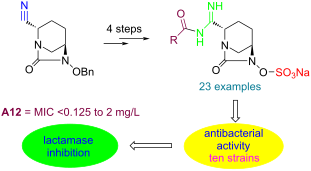
- therapy employs the combination of an existing antibiotic with a β-lactamase inhibitor (BLI). A few of BLI/BL combinations have been approved [6] so far for clinical applications by different countries, clavulanic acid/amoxicillin (augmentin) [7][8][9] being the first one, while others are in clinical
- led the researchers to develop second generation β-lactamase inhibitors, finally succeeded with the approval of avibactam and relebactam as non-β-lactam-based BLIs. Avibactam proved potent as inhibitor of Klebsiella pneumoniae carbapenemases (KPCs), AmpCs and some of class D β-lactamases [18] is now
- different kinds of substituents (R) introduced in the final compounds A1–23 are depicted in Table 1. In vitro antibacterial activities of compounds A1–23 were determined first without combining the compounds with an antibacterial drug and the minimum inhibitor concentration (MIC) of each compound was


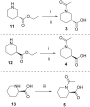


Effective microwave-assisted approach to 1,2,3-triazolobenzodiazepinones via tandem Ugi reaction/catalyst-free intramolecular azide–alkyne cycloaddition
Beilstein J. Org. Chem. 2021, 17, 678–687, doi:10.3762/bjoc.17.57
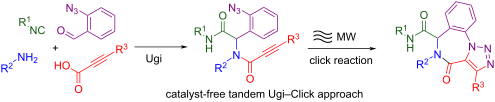
- high anticonvulsant activity after tests in silico and in vivо [7]. Moreover, compounds C and D reveal high activity as casein kinase 2 (CK2) inhibitor and high antitumor activity which makes compounds to be promising anticancer drugs [8]. There are quite a few methods for the synthesis of the


The synthesis of chiral β-naphthyl-β-sulfanyl ketones via enantioselective sulfa-Michael reaction in the presence of a bifunctional cinchona/sulfonamide organocatalyst
Beilstein J. Org. Chem. 2021, 17, 494–503, doi:10.3762/bjoc.17.43
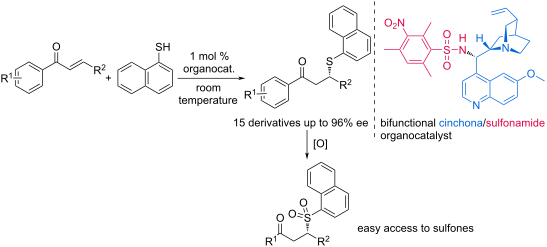
- inhibitor activity [33]. Due to the shown biological attractiveness of those 1,3-biarylsulfanyl derivatives, the enantioenriched products can serve as important building blocks for new drugs. The sulfide moiety of β-naphthyl-β-sulfanyl ketones can be oxidized to form sulfones. Despite that sulfones were


Synthetic strategies of phosphonodepsipeptides
Beilstein J. Org. Chem. 2021, 17, 461–484, doi:10.3762/bjoc.17.41
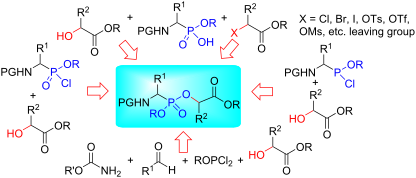
- molecule libraries against a bacterial TGase, an iminocyclitol was conjugated with a pyrophosphate mimic. After in situ screening, the first potent iminocyclitol-based inhibitor against bacterial TGases was efficiently developed [27]. The synthesis of N-pyrrolidine-derived β-phosphonodepsipeptides 64 is
- the macrocyclic phosphonodepsipeptide backbone closely approximated that of the lead inhibitor and showed the low-energy conformation accommodated in the active site of penicillopepsin without significant distortion (Scheme 34) [54]. Synthesis of γ-phosphonodepsipeptides The acyloxyalkyl esters 194
- general method to prepare these compounds [58]. (R)-1-Amino-3-methylbutylphosphonic acid ((R)-204), a phosphonic ʟ-Leu analogue, is a potent inhibitor of the metalloenzyme leucine aminopeptidase. Racemic dibenzyl 1-hydroxy-3-methylbutylphosphonate (203), an oxyanalog of phosphonic leucine, was partially


19F NMR as a tool in chemical biology
Beilstein J. Org. Chem. 2021, 17, 293–318, doi:10.3762/bjoc.17.28
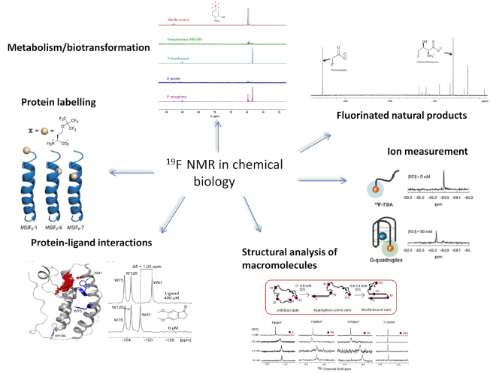
- inhibitor screening can be expected. In the field of 19F NMR protein conformational studies another area that has seen increasing attention is that of membrane proteins (MPs). Despite their physiological importance, analysis of the structural biology of MPs is significantly limited due to difficulties


The preparation and properties of 1,1-difluorocyclopropane derivatives
Beilstein J. Org. Chem. 2021, 17, 245–272, doi:10.3762/bjoc.17.25




Novel library synthesis of 3,4-disubstituted pyridin-2(1H)-ones via cleavage of pyridine-2-oxy-7-azabenzotriazole ethers under ionic hydrogenation conditions at room temperature
Beilstein J. Org. Chem. 2021, 17, 156–165, doi:10.3762/bjoc.17.16
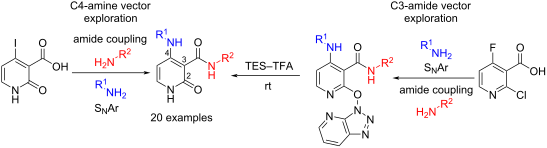
- investment in route scouting and optimization. This full paper focuses on the synthesis issues that we encountered during our route exploration and the original solutions we found that helped us to identify two optimized library-style processes to prepare our large kinase inhibitor library. Keywords: 7


Direct synthesis of anomeric tetrazolyl iminosugars from sugar-derived lactams
Beilstein J. Org. Chem. 2021, 17, 115–123, doi:10.3762/bjoc.17.12
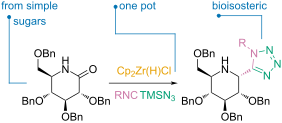
- iminosugar derivatives may be less obvious. Several pharmaceuticals are based on this scaffold including the glucose-derived nojirimycin, an antibiotic and glycosidase inhibitor [26] and 1-deoxygalactonojirimycin, known under the trade name Galafold®, which is utilized for the treatment of the Fabry disease




Synthesis of aryl 2-bromo-2-chloro-1,1-difluoroethyl ethers through the base-mediated reaction between phenols and halothane
Beilstein J. Org. Chem. 2021, 17, 89–96, doi:10.3762/bjoc.17.9

- as monofluorinated and trifluoromethylated arenes or aliphatics [1][2][3][4]. Recent progress in difluoromethylene chemistry successfully led to the finding of bioactive compounds such as pantoprazole, a proton pump inhibitor [5], and AFP-07, a prostaglandin I2 receptor-selective agonist [6][7][8


Molecular basis for protein–protein interactions
Beilstein J. Org. Chem. 2021, 17, 1–10, doi:10.3762/bjoc.17.1
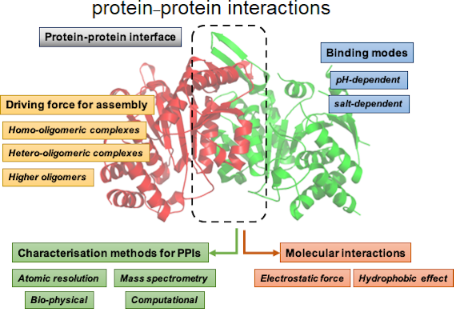
- strength dependence is β-lactamase and its protein inhibitor BLIP, where binding decreases significantly as the salt concentration increases [53]. Chen et al. analysed the structural and thermodynamic data of 113 heterodimeric complexes and discussed the correlation between binding affinity and amount of


Chemical constituents of Chaenomeles sinensis twigs and their biological activity
Beilstein J. Org. Chem. 2020, 16, 3078–3085, doi:10.3762/bjoc.16.257
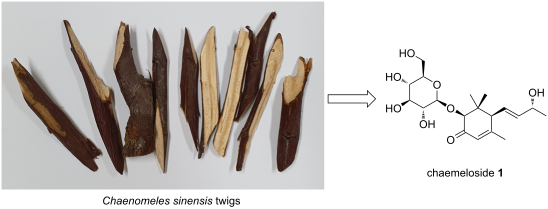
- synthase (NOS) inhibitor ʟ-NMMA was employed. Graded sodium nitrite solutions were utilized to determine the nitrite concentrations. An MTT assay was used for the cell viability assay. Nerve growth factor and cell viability assays. Analogous as described in [13]. The C6 glioma cells (Korean Cell Line Bank


Secondary metabolites of Bacillus subtilis impact the assembly of soil-derived semisynthetic bacterial communities
Beilstein J. Org. Chem. 2020, 16, 2983–2998, doi:10.3762/bjoc.16.248
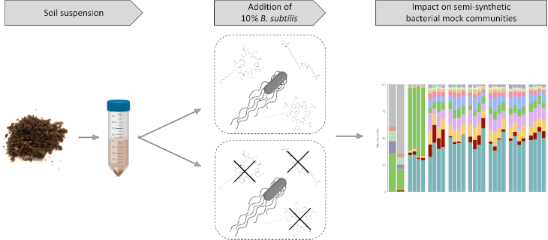
- ][44]. It is presumed that the antifungal plipastatin, expressed from the ppsA-E gene cluster, acts as an inhibitor of phospholipase A2, forming pores in the fungal membrane and causing morphological changes in the fungal membrane and cell wall [45][46]. This antifungal potential was demonstrated


Selected peptide-based fluorescent probes for biological applications
Beilstein J. Org. Chem. 2020, 16, 2971–2982, doi:10.3762/bjoc.16.247

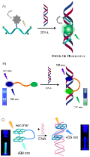
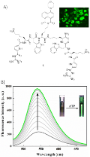
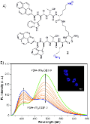
- cationic fluorescent peptidic β-tryptase inhibitor (peptide 9, Figure 8) [51]. The peptide is designed by attaching two Lys–Trp–Lys tripeptide units to a central lysine via the C-terminus. The N-terminus of both sides are functionalized with pyrenes. Peptide 9 exhibits pyrene monomer emission at 400 nm and
- . Thus, it acts as inhibitor by preventing the substrate to reach the active sites in β-tryptase. Confocal laser scanning microscopy (CLSM) confirms that peptide 9 is mast-cell permeable and exhibits inhibitory activity within cells by suppressing their growth (Figure 8B). Heparin detection Heparin is a
- laser scanning microscopy images of CHMAS cells treated with 10 μM peptide 9 for 30 min. Reproduced from [51], “A fluorescent light-up probe as an inhibitor of intracellular β-tryptase”, © 2014 Wang et al., licensed under a Creative Commons Attribution 3.0 Unported Licence, https://creativecommons.org



Synthesis of imidazo[1,5-a]pyridines via cyclocondensation of 2-(aminomethyl)pyridines with electrophilically activated nitroalkanes
Beilstein J. Org. Chem. 2020, 16, 2903–2910, doi:10.3762/bjoc.16.239
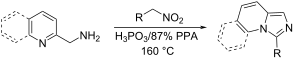
- synthesis inhibitor (Figure 1) [10][11][12]. In addition, compounds with this structure were investigated as photoluminescent sensors [13] and have been employed to generate pincer and heterocyclic carbene ligands for transition metal catalysis [14][15]. A lot of efforts have been dedicated to the


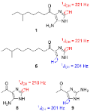
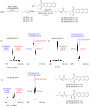
Nocarimidazoles C and D, antimicrobial alkanoylimidazoles from a coral-derived actinomycete Kocuria sp.: application of 1JC,H coupling constants for the unequivocal determination of substituted imidazoles and stereochemical diversity of anteisoalkyl chains in microbial metabolites
Beilstein J. Org. Chem. 2020, 16, 2719–2727, doi:10.3762/bjoc.16.222
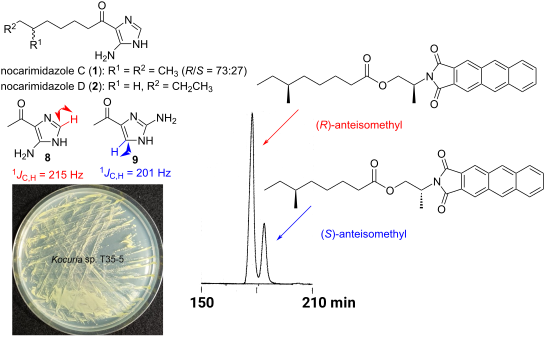
- actinomycete origin. For example, salinosporamide A, an antitumor drug candidate in clinical trials, is a proteasome inhibitor with an unusual γ-lactam-β-lactone bicyclic core produced by marine Salinospora tropica [10]. Abyssomicin, another example of uncommon polycyclic frameworks, is an antibacterial



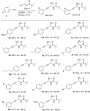
Asymmetric Mannich reactions of (S)-N-tert-butylsulfinyl-3,3,3-trifluoroacetaldimines with yne nucleophiles
Beilstein J. Org. Chem. 2020, 16, 2671–2678, doi:10.3762/bjoc.16.217
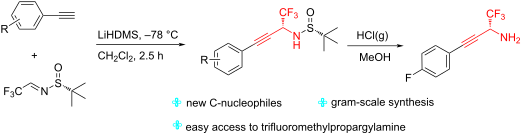
- contains the trifluoromethylpropargylamine moiety and has been developed as the inhibitor against non-nucleoside reverse transcriptase for the treatment of human immunodeficiency virus [27] (Figure 1). Thus, the development of synthetic methods for the preparation of these compounds, featuring




Vicinal difluorination as a C=C surrogate: an analog of piperine with enhanced solubility, photostability, and acetylcholinesterase inhibitory activity
Beilstein J. Org. Chem. 2020, 16, 2663–2670, doi:10.3762/bjoc.16.216
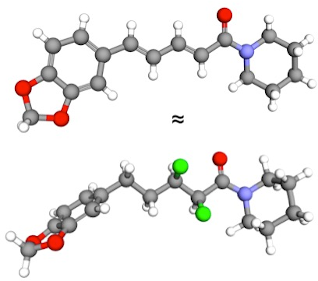
- complete inhibition of BACE-1 under the conditions of the assay, giving an IC50 value of 59.2 μM. In contrast, analog 2 was a much weaker inhibitor of BACE-1, failing to achieve complete inhibition, and giving an estimated IC50 value of >1,000 μM. There are several conceivable explanations for the reversed


Water-soluble host–guest complexes between fullerenes and a sugar-functionalized tribenzotriquinacene assembling to microspheres
Beilstein J. Org. Chem. 2020, 16, 2551–2561, doi:10.3762/bjoc.16.207

- attention for potential applications in host–guest recognition, such as gas storage and cationic complexation [31][32][33]. In the past years, the recognition of the biological and pharmaceutical relevance of fullerenes, such as their photodynamic activity, phototoxicity, HIV-1 protease inhibitor ability


![[Graphic 2]](/bjoc/content/inline/1860-5397-16-207-i3.svg?max-width=637&scale=1.18182) C60 [TBTQ-(OG)6: 50 μM; C60: 50 μM] and (b) TBTQ-(OG)6
C60 [TBTQ-(OG)6: 50 μM; C60: 50 μM] and (b) TBTQ-(OG)6 


NMR Spectroscopy of supramolecular chemistry on protein surfaces
Beilstein J. Org. Chem. 2020, 16, 2505–2522, doi:10.3762/bjoc.16.203
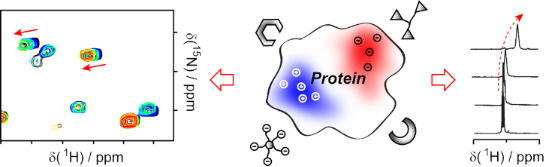
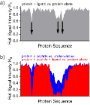
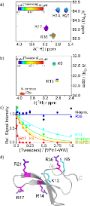
- multimeric proteins like the hexameric AAA+ ATPase p97 [124]. Furthermore, methyl-TROSY-HMQC has been employed to investigate the allosteric mode of action of the synthetic inhibitor filibuvir to the selectively Ileδ1 methyl-labeled hepatitis C virus RNA polymerase NS5B [125]. This study also includes a good



Lipophilicity trends upon fluorination of isopropyl, cyclopropyl and 3-oxetanyl groups
Beilstein J. Org. Chem. 2020, 16, 2141–2150, doi:10.3762/bjoc.16.182
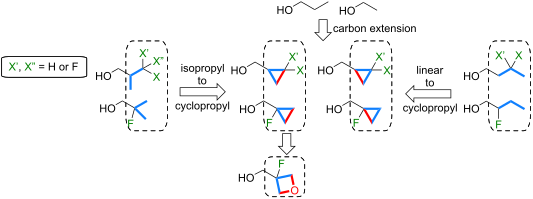
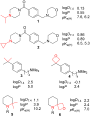
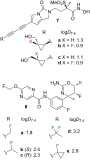
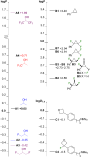
- ][20][21][22]. However, there is comparatively less precedence of lipophilicity comparisons between fluorinated isopropyl groups, cyclopropanes and oxetanes. Examples of bioactive compounds are given in Figure 2. During the optimization of the LpxC inhibitor 7a [23], it was shown that fluorination to



GlypNirO: An automated workflow for quantitative N- and O-linked glycoproteomic data analysis
Beilstein J. Org. Chem. 2020, 16, 2127–2135, doi:10.3762/bjoc.16.180
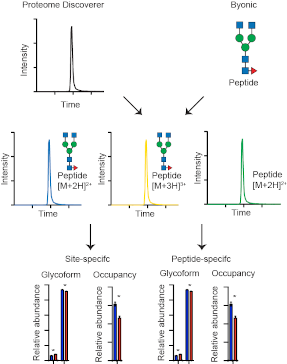
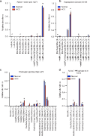
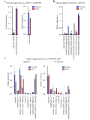
- O-glycan on fibrinogen alpha chain G272GSTSYGTGSETESPR (Figure 5a). HCC patients showed a relative decrease in disialylated and an increase in monosialylated O-glycan abundance on both plasma protease C1 inhibitor V45AATVISK and histidine-rich glycoprotein S271STTKPPFKPHGSR (Figure 5b and 5c
- G272GSTSYGTGSETESPR, (b) plasma protease C1 inhibitor V45AATVISK, and (c) histidine-rich glycoprotein S271STTKPPFKPHGSR. N = 3; values show mean; error bars show standard error of the mean; *, P < 0.05. Supporting Information Supporting Information File 548: Supplementary Tables S1–S42. Supporting Information File



Azo-dimethylaminopyridine-functionalized Ni(II)-porphyrin as a photoswitchable nucleophilic catalyst
Beilstein J. Org. Chem. 2020, 16, 2119–2126, doi:10.3762/bjoc.16.179
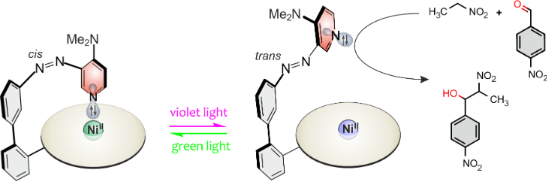
- the Henry reaction, the nitroethane anion intermediate, coordinates to the Ni-porphyrin, which slows down nucleophilic addition to the nitrobenzaldehyde. Hence, the switchable catalyst 1 contains both, a catalytic center (nitrogen lone pair) and an inhibitor (Ni2+ ion). If the nitrogen lone pair


Convenient access to pyrrolidin-3-ylphosphonic acids and tetrahydro-2H-pyran-3-ylphosphonates with multiple contiguous stereocenters from nonracemic adducts of a Ni(II)-catalyzed Michael reaction
Beilstein J. Org. Chem. 2020, 16, 2073–2079, doi:10.3762/bjoc.16.174
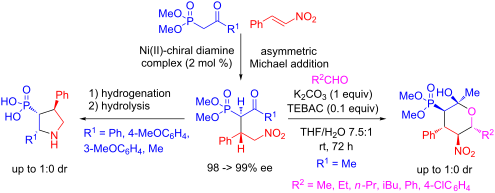
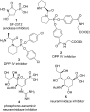
- ; tetrahydropyranes; Introduction Сhiral phosphonates [1][2] and phosphoryl-substituted heterocycles [2][3][4] have received significant attention in recent years due to their wide range of biological activity. For example, SF-2312 (1) is a natural antibiotic – an enolase inhibitor produced by the actinomycete



Synthesis of monophosphorylated lipid A precursors using 2-naphthylmethyl ether as a protecting group
Beilstein J. Org. Chem. 2020, 16, 1955–1962, doi:10.3762/bjoc.16.162
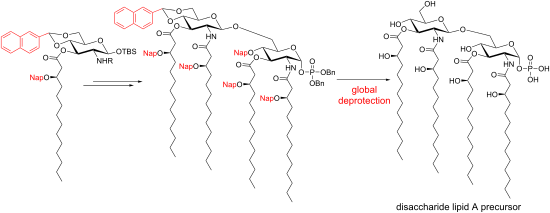
- ]. While the research suggested chemically pure lipid X had no immunostimulatory properties of lipid A, it did behave as a competitive inhibitor of LPS [13]. In this paper we describe a synthesis of lipid X (1) and the disaccharide lipid A precursor 2 (2,2′-N;3,3′-O-tetra[(R)-3-hydroxytetradecanoyl]-β(1→6


Selective preparation of tetrasubstituted fluoroalkenes by fluorine-directed oxetane ring-opening reactions
Beilstein J. Org. Chem. 2020, 16, 1936–1946, doi:10.3762/bjoc.16.160
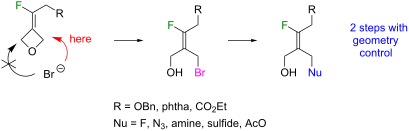
- antiviral agents, respectively (Figure 1) [5][6]. The field of acyclonucleotides (ACN) has been explored less, however, the introduction of fluorine atoms showed remarkable effects. The most representative examples are phosphate analogues such as the nucleoside phosphorylase inhibitor III and acyclic





