


Search results
Search for "radicals" in Full Text gives 355 result(s) in Beilstein Journal of Organic Chemistry. Showing first 200.
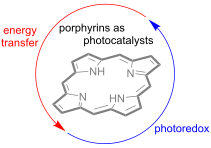
Recent applications of porphyrins as photocatalysts in organic synthesis: batch and continuous flow approaches
- Rodrigo Costa e Silva,
- Luely Oliveira da Silva,
- Aloisio de Andrade Bartolomeu,
- Timothy John Brocksom and
- Kleber Thiago de Oliveira
Beilstein J. Org. Chem. 2020, 16, 917–955, doi:10.3762/bjoc.16.83
- HEH were used as H donors for both the benzyl and thiyl radicals, respectively. The HEH was needed to avoid the dimerization of the thiophenol to the disulfide (Scheme 11). Fu and co-workers have demonstrated the huge versatility of rhodium porphyrins for photocatalysis. In 2015, they showed that the

Graphical Abstract

Figure 1: Chemical structures of the porphyrinoids and their absorption spectra: in bold are highlighted the ...

Figure 2: Photophysical and photochemical processes (Por = porphyrin). Adapted from [12,18].

Figure 3: Main dual photocatalysts and their oxidative/reductive excited state potentials, including porphyri...

Scheme 1: Photoredox alkylation of aldehydes with diazo acetates using porphyrins and a Ru complex. aUsing a ...

Scheme 2: Proposed mechanism for the alkylation of aldehydes with diazo acetates in the presence of TPP.
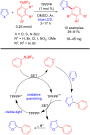
Scheme 3: Arylation of heteroarenes with aryldiazonium salts using TPFPP as photocatalyst, and corresponding ...

Scheme 4: A) Scope with different aryldiazonium salts and enol acetates. B) Photocatalytic cycles and compari...

Scheme 5: Photoarylation of isopropenyl acetate A) Comparison between batch and continuous-flow approaches an...

Scheme 6: Dehalogenation induced by red light using thiaporphyrin (STPP).

Scheme 7: Applications of NiTPP as both photoreductant and photooxidant.

Scheme 8: Proposed mechanism for obtaining tetrahydroquinolines by reductive quenching.

Scheme 9: Selenylation and thiolation of anilines.

Scheme 10: NiTPP as photoredox catalyst in oxidative and reductive quenching, in comparison with other photoca...

Scheme 11: C–O bond cleavage of 1-phenylethanol using a cobalt porphyrin (CoTMPP) under visible light.

Scheme 12: Hydration of terminal alkynes by RhIII(TSPP) under visible light irradiation.

Scheme 13: Regioselective photocatalytic hydro-defluorination of perfluoroarenes by RhIII(TSPP).

Scheme 14: Formation of 2-methyl-2,3-dihydrobenzofuran by intramolecular hydro-functionalization of allylpheno...
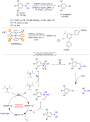
Scheme 15: Photocatalytic oxidative hydroxylation of arylboronic acids using UNLPF-12 as heterogeneous photoca...

Scheme 16: Photocatalytic oxidative hydroxylation of arylboronic acids using MOF-525 as heterogeneous photocat...

Scheme 17: Preparation of the heterogeneous photocatalyst CNH.

Scheme 18: Photoinduced sulfonation of alkenes with sulfinic acid using CNH as photocatalyst.

Scheme 19: Sulfonic acid scope of the sulfonation reactions.

Scheme 20: Regioselective sulfonation reaction of arimistane.

Scheme 21: Synthesis of quinazolin-4-(3H)-ones.

Scheme 22: Selective photooxidation of aromatic benzyl alcohols to benzaldehydes using Pt/PCN-224(Zn).

Scheme 23: Photooxidation of benzaldehydes to benzoic acids using Pt or Pd porphyrins.

Scheme 24: Photocatalytic reduction of various nitroaromatics using a Ni-MOF.

Scheme 25: Photoinduced cycloadditions of CO2 with epoxides by MOF1.

Figure 4: Electronic configurations of the species of oxygen. Adapted from [66].

Scheme 26: TPP-photocatalyzed generation of 1O2 and its application in organic synthesis. Adapted from [67-69].

Scheme 27: Pericyclic reactions involving singlet oxygen and their mechanisms. Adapted from [67].

Scheme 28: First scaled up ascaridole preparation from α-terpinene.

Scheme 29: Antimalarial drug synthesis using an endoperoxidation approach.

Scheme 30: Photooxygenation of colchicine.

Scheme 31: Synthesis of (−)-pinocarvone from abundant (+)-α-pinene.

Scheme 32: Seeberger’s semi-synthesis of artemisinin.

Scheme 33: Synthesis of artemisinin using TPP and supercritical CO2.

Scheme 34: Synthesis of artemisinin using chlorophyll a.

Scheme 35: Quercitol stereoisomer preparation.

Scheme 36: Photocatalyzed preparation of naphthoquinones.

Scheme 37: Continuous endoperoxidation of conjugated dienes and subsequent rearrangements leading to oxidized ...

Scheme 38: The Opatz group total synthesis of (–)-oxycodone.

Scheme 39: Biomimetic syntheses of rhodonoids A, B, E, and F.

Scheme 40: α-Photooxygenation of chiral aldehydes.

Scheme 41: Asymmetric photooxidation of indanone β-keto esters by singlet oxygen using PTC as a chiral inducer...

Scheme 42: Asymmetric photooxidation of both β-keto esters and β-keto amides by singlet oxygen using PTC-2 as ...

Scheme 43: Bifunctional photo-organocatalyst used for the asymmetric oxidation of β-keto esters and β-keto ami...

Scheme 44: Mechanism of singlet oxygen oxidation of sulfides to sulfoxides.

Scheme 45: Controlled oxidation of sulfides to sulfoxides using protonated porphyrins as photocatalysts. aIsol...

Scheme 46: Photochemical oxidation of sulfides to sulfoxides using PdTPFPP as photocatalyst.

Scheme 47: Controlled oxidation of sulfides to sulfoxides using SnPor@PAF as a photosensitizer.

Scheme 48: Syntheses of 2D-PdPor-COF and 3D-Pd-COF.

Scheme 49: Photocatalytic oxidation of A) thioanisole to methyl phenyl sulfoxide and B) various aryl sulfides,...

Scheme 50: General mechanism for oxidation of amines to imines.

Scheme 51: Oxidation of secondary amines to imines.

Scheme 52: Oxidation of secondary amines using Pd-TPFPP as photocatalyst.

Scheme 53: Oxidative amine coupling using UNLPF-12 as heterogeneous photocatalyst.

Scheme 54: Synthesis of Por-COF-1 and Por-COF-2.

Scheme 55: Photocatalytic oxidation of amines to imines by Por-COF-2.

Scheme 56: Photocyanation of primary amines.

Scheme 57: Synthesis of ᴅ,ʟ-tert-leucine hydrochloride.

Scheme 58: Photocyanation of catharanthine and 16-O-acetylvindoline using TPP.

Scheme 59: Photochemical α-functionalization of N-aryltetrahydroisoquinolines using Pd-TPFPP as photocatalyst.

Scheme 60: Ugi-type reaction with 1,2,3,4-tetrahydroisoquinoline using molecular oxygen and TPP.

Scheme 61: Ugi-type reaction with dibenzylamines using molecular oxygen and TPP.

Scheme 62: Mannich-type reaction of tertiary amines using PdTPFPP as photocatalyst.

Scheme 63: Oxidative Mannich reaction using UNLPF-12 as heterogeneous photocatalyst.

Scheme 64: Transformation of amines to α-cyanoepoxides and the proposed mechanism.
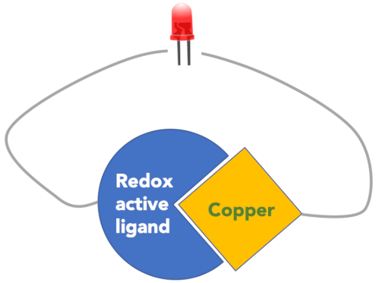
Copper catalysis with redox-active ligands
- Agnideep Das,
- Yufeng Ren,
- Cheriehan Hessin and
- Marine Desage-El Murr
Beilstein J. Org. Chem. 2020, 16, 858–870, doi:10.3762/bjoc.16.77
- with TEMPO (2,2,6,6-tetramethyl-1-piperidine N-oxyl) [25] and ABNO (9-azabicyclo[3.3.1]nonane N-oxyl) radicals [26]. Later reports enlarged the synthetic scope of this methodology and provided access to a wide range of synthetically useful building blocks such as substituted heterocycles, fluorinated
- Chaudhuri [11][12][13] using well-defined copper complex 7, originally reported as a GAO mimic [20][21][22], we showed that this ability could be extended to the catalytic generation of trifluoromethyl radicals (Scheme 7) [29]. The synthetic efficiency of complex 7 in trifluoromethylation was reported on a
- cycle for the C–C coupling. The coupling reaction follows a radical–anion mechanism due to the presence of electron-donating ligand 12 and this is the key feature allowing preferential binding of the phenoxyl radicals for PCET. Products arising from homo- and heterocouplings were formed with high

Graphical Abstract

Scheme 1: Copper complexes with amidophenolate type benzoxazole ligands for alcohol oxidations.

Scheme 2: Copper-catalyzed aerobic oxidation of alcohols and representative substrate scope.

Scheme 3: Introduction of H-bonding network in the ligand coordination sphere.

Scheme 4: Well-defined isatin copper complexes.

Scheme 5: Catalyst control in the biomimetic phenol ortho-oxidation.

Scheme 6: Structural diversity accessible by direct functionalization.

Scheme 7: Copper-catalyzed trifluoromethylation of heteroaromatics with redox-active iminosemiquinone ligands....

Scheme 8: Reversal of helical chirality upon redox stimuli and enantioselective Michael addition with a redox...

Scheme 9: Interaction of guanidine-copper catalyst with oxygen and representative coupling products. a4 mol %...

Scheme 10: Access to 1,2-oxy-aminoarenes by copper-catalyzed phenol–amine coupling.
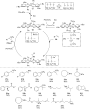
Scheme 11: Copper-catalyzed aziridination through molecular spin catalysis with redox-active iminosemiquinone ...

Scheme 12: Nitrogen-group and carbon-group transfer in copper-catalyzed aziridination and cyclopropanation thr...
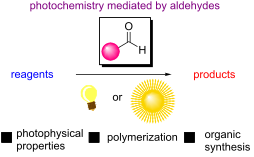
Aldehydes as powerful initiators for photochemical transformations
- Maria A. Theodoropoulou,
- Nikolaos F. Nikitas and
- Christoforos G. Kokotos
Beilstein J. Org. Chem. 2020, 16, 833–857, doi:10.3762/bjoc.16.76
- , benzaldehyde (8) has also been studied for the ability to carry out HAT processes. In 1975, Obi and co-worker studied the photochemistry of excited benzaldehyde (9) with the use of electron paramagnetic resonance (EPR) [20]. They detected that the generated radicals from this process were the α-hydroxybenzyl
- when they were alone present in an aqueous solution, they tended to form hydrates 45 with water via hydrogen bonding. The hydrogen bonding increased the energy levels of the excited states of 45, permitting the formation of radicals after UV light absorption [48]. These radicals either dissociated via
- Norrish type I reactions, forming two radicals, 47 and 48 (reaction (1) in Scheme 12), or abstracted a hydrogen atom from a ketone/aldehyde monomer, forming a monomeric radical and an alcohol radical 49 (reaction (2) in Scheme 12). The excited state of the hydrates 45 and 46, in an aqueous solution may

Graphical Abstract

Scheme 1: Norrish type I and II dissociations.

Scheme 2: Proposed radical pair formation after the photolysis of benzaldehyde (8).

Scheme 3: Aldehydes in the Paterno–Büchi reaction.

Scheme 4: 2,3-Diazabicyclo[2.2.1]hept-2-ene (DBH).

Scheme 5: Dissociation pathways of benzaldehyde.

Scheme 6: Reactions that lead to polarized products detectable by CIDNP.

Scheme 7: MMA (26), DEABP (27), and Michler’s ketone (28).

Scheme 8: Radical intermediates of DEABP.

Scheme 9: Photoinitiated polymerization of monomeric MMA (26) using the quinoxalines 32 and benzaldehyde (8).

Scheme 10: Acetone (4) and formaldehyde (35) as photografting initiators.

Scheme 11: Photografting by employing acetaldehyde (36) as the photoinitiator.

Scheme 12: Proposed photolysis mechanism for aliphatic ketones 44 and formaldehyde (35).

Scheme 13: Initiator 50, reductant 51, and benzaldehyde derivatives 52–54 for the polymerization of the methac...

Scheme 14: Proposed mechanism of the photomediated atom transfer radical polymerization employing the benzalde...

Scheme 15: cis/trans isomerization employing triplet states of photosensitizers.

Scheme 16: Salicylaldehyde (68) forms an internal hydrogen bond.

Scheme 17: Olefin isomerization via energy transfer from a carbonyl compound.

Scheme 18: Mechanistic pathways for the Paterno–Büchi reaction.

Scheme 19: Isomeric oxetanes formed after photochemical addition of aryl aldehydes to 2-butenes.

Scheme 20: Rotation of the C3–C4 bond of the biradical intermediate may lead to all four conformations.

Scheme 21: Photolysis products of benzaldehyde (8) in different solvents. a) In benzene or ethanol. b) In hex-...

Scheme 22: N-tert-Butylbenzamide formation proceeds via a benzoyl radical.

Scheme 23: Photochemical pinacol coupling.

Scheme 24: Photochemical ATRA catalyzed by 4-anisaldehyde (52).

Scheme 25: Proposed triplet sensitization mechanism of the ATRA reaction in the presence of 4-anisaldehyde (52...
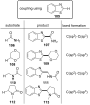
Scheme 26: Benzaldehyde-mediated photoredox CDC reaction: compatible amides and ethers.

Scheme 27: Photoredox cross-dehydrogenative coupling (CDC) conditions and proposed reaction mechanism.

Scheme 28: Optimized conditions for the photoredox merger reaction.

Scheme 29: Proposed mechanism for the C(sp3)–H alkylation/arylation of ethers.

Scheme 30: Substrate scope for the photochemical alkylation of ethers.

Scheme 31: C(sp3)–H Functionalization of N-containing molecules.

Scheme 32: Substrate scope for the photochemical alkylation of N-containing molecules.

Scheme 33: Additional products yielded by the photochemical alkylation reaction of N-containing molecules.

Scheme 34: C(sp3)–H functionalization of thioethers.

Scheme 35: Proposed mechanism for the C(sp3)–H alkylation/arylation of N-containing molecules and thioethers.

Scheme 36: Hydroacylation using 4-cyanobenzaldehyde (53) as the photoinitiator.

Scheme 37: Selectivity for the formation of the α,α-disubstituted aldehydes.
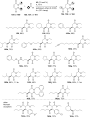
Scheme 38: Substrate scope for the photochemical addition of aldehydes to Michael acceptors.

Scheme 39: Proposed mechanism for the hydroacylation of Michael acceptors using 4-cyanobenzaldehyde (53) as th...

Scheme 40: Catalytic arylation of aromatic aldehydes by aryl bromides in which the reaction product acts as th...

Scheme 41: Proposed mechanism for the catalytic arylation of benzaldehydes by aryl bromides in which the react...

Scheme 42: Functionalization of the chiral cyclobutanes 180.

Scheme 43: Optimized reaction conditions and proposed mechanism for the sulfonylcyanation of cyclobutenes.
Photocatalytic deaminative benzylation and alkylation of tetrahydroisoquinolines with N-alkylpyrydinium salts
- David Schönbauer,
- Carlo Sambiagio,
- Timothy Noël and
- Michael Schnürch
Beilstein J. Org. Chem. 2020, 16, 809–817, doi:10.3762/bjoc.16.74
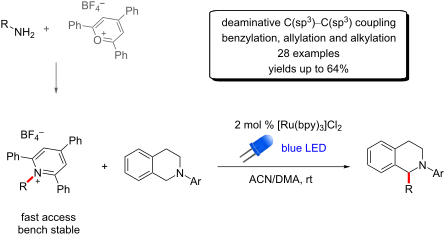
- functionalization. These salts are known since the late 1970s [30], but only in the last few years they have found application in a wide variety of radical processes, initiated by a single-electron reduction of the pyridinium salts, and subsequent generation of alkyl radicals [31][32][33][34]. Among these
- , electrophilic alkyl radicals were used in several transformations, such as electrophilic cross couplings under nickel catalysis, either with boronic acids [35] or different (aryl)halides [36][37][38]. Furthermore, visible light-promoted uncatalyzed electron transfer via the formation of electron donor–acceptor
- (EDA) complexes [39] was established between Hantzsch esters and pyridinium salts generating radicals, which were coupled with several substrates [40]. Later, methods without sacrificial reductant were also established, forming an EDA complex between the used substrates. Examples of this strategy are

Graphical Abstract

Scheme 1: Examples of photocatalytic C–C bond formation by nucleophilic trapping of a reactive THIQ intermedi...

Figure 1: Kinetic profile for the benzylation of 1 to 3.
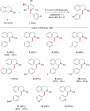
Scheme 2: Benzylation of N-phenyl-THIQ.

Scheme 3: Benzylation of substituted N-arylTHIQs.

Scheme 4: Removal of the PMP protecting group.

Scheme 5: Alkylation of N-phenyl-THIQ derivatives. Conditions: a2 mol % [Ir(dtbbpy)(ppy)2]PF6, DMA, 60 h; b2 ...

Scheme 6: Proposed mechanism.
Recent advances in Cu-catalyzed C(sp3)–Si and C(sp3)–B bond formation
- Balaram S. Takale,
- Ruchita R. Thakore,
- Elham Etemadi-Davan and
- Bruce H. Lipshutz
Beilstein J. Org. Chem. 2020, 16, 691–737, doi:10.3762/bjoc.16.67
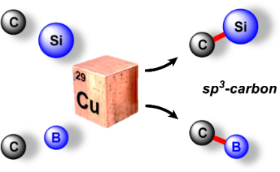
- leading to an electron transfer to the iodine atom, thereby liberating iodide, an alkyl radical, and a radical cation of the Cu complex. Recombination of the latter radicals leads to the formation of the desired silane along with the regeneration of the active Cu species (Scheme 8). This strategy was also

Graphical Abstract

Scheme 1: Pharmaceuticals possessing a silicon or boron atom.

Scheme 2: The first Cu-catalyzed C(sp3)–Si bond formation.

Scheme 3: Conversion of benzylic phosphate 6 to the corresponding silane.

Scheme 4: Conversion of alkyl triflates to alkylsilanes.

Scheme 5: Conversion of secondary alkyl triflates to alkylsilanes.

Scheme 6: Conversion of alkyl iodides to alkylsilanes.

Scheme 7: Trapping of intermediate radical through cascade reaction.

Scheme 8: Radical pathway for conversion of alkyl iodides to alkylsilanes.

Scheme 9: Conversion of alkyl ester of N-hydroxyphthalimide to alkylsilanes.

Scheme 10: Conversion of gem-dibromides to bis-silylalkanes.

Scheme 11: Conversion of imines to α-silylated amines (A) and the reaction pathway (B).

Scheme 12: Conversion of N-tosylimines to α-silylated amines.

Scheme 13: Screening of diamine ligands.

Scheme 14: Conversion of N-tert-butylsulfonylimines to α-silylated amines.

Scheme 15: Conversion of aldimines to nonracemic α-silylated amines.

Scheme 16: Conversion of N-tosylimines to α-silylated amines.

Scheme 17: Reaction pathway [A] and conversion of aldehydes to α-silylated alcohols [B].

Scheme 18: Conversion of aldehydes to benzhydryl silyl ethers.

Scheme 19: Conversion of ketones to 1,2-diols (A) and conversion of imines to 1,2-amino alcohols (B).

Scheme 20: Ligand screening (A) and conversion of aldehydes to α-silylated alcohols (B).

Scheme 21: Conversion of aldehydes to α-silylated alcohols.

Scheme 22: 1,4-Additions to α,β-unsaturated ketones.

Scheme 23: 1,4-Additions to unsaturated ketones to give β-silylated derivatives.

Scheme 24: Additions onto α,β-unsaturated lactones to give β-silylated lactones.

Scheme 25: Conversion of α,β-unsaturated to β-silylated lactams.

Scheme 26: Conversion of N-arylacrylamides to silylated oxindoles.

Scheme 27: Conversion of α,β-unsaturated carbonyl compounds to silylated tert-butylperoxides.

Scheme 28: Catalytic cycle for Cu(I) catalyzed α,β-unsaturated compounds.

Scheme 29: Conversion of p-quinone methides to benzylic silanes.

Scheme 30: Conversion of α,β-unsaturated ketimines to regio- and stereocontrolled allylic silanes.

Scheme 31: Conversion of α,β-unsaturated ketimines to enantioenriched allylic silanes.

Scheme 32: Regioselective conversion of dienedioates to allylic silanes.

Scheme 33: Conversion of alkenyl-substituted azaarenes to β-silylated adducts.

Scheme 34: Conversion of conjugated benzoxazoles to enantioenriched β-silylated adducts.

Scheme 35: Conversion of α,β-unsaturated carbonyl indoles to α-silylated N-alkylated indoles.

Scheme 36: Conversion of β-amidoacrylates to α-aminosilanes.

Scheme 37: Conversion of α,β-unsaturated ketones to enantioenriched β-silylated ketones, nitriles, and nitro d...

Scheme 38: Regio-divergent silacarboxylation of allenes.

Scheme 39: Silylation of diazocarbonyl compounds, (A) asymmetric and (B) racemic.

Scheme 40: Enantioselective hydrosilylation of alkenes.

Scheme 41: Conversion of 3-acylindoles to indolino-silanes.

Scheme 42: Proposed mechanism for the silylation of 3-acylindoles.

Scheme 43: Silyation of N-chlorosulfonamides.

Scheme 44: Conversion of acyl silanes to α-silyl alcohols.

Scheme 45: Conversion of N-tosylaziridines to β-silylated N-tosylamines.

Scheme 46: Conversion of N-tosylaziridines to silylated N-tosylamines.

Scheme 47: Conversion of 3,3-disubstituted cyclopropenes to silylated cyclopropanes.

Scheme 48: Conversion of conjugated enynes to 1,3-bis(silyl)propenes.

Scheme 49: Proposed sequence for the Cu-catalyzed borylation of substituted alkenes.

Scheme 50: Cu-catalyzed synthesis of nonracemic allylic boronates.

Scheme 51: Cu–NHC catalyzed synthesis of α-substituted allylboronates.

Scheme 52: Synthesis of α-chiral (γ-alkoxyallyl)boronates.

Scheme 53: Cu-mediated formation of nonracemic cis- or trans- 2-substituted cyclopropylboronates.

Scheme 54: Cu-catalyzed synthesis of γ,γ-gem-difluoroallylboronates.

Scheme 55: Cu-catalyzed hydrofunctionalization of internal alkenes and vinylarenes.

Scheme 56: Cu-catalyzed Markovnikov and anti-Markovnikov borylation of alkenes.

Scheme 57: Cu-catalyzed borylation/ortho-cyanation/Cope rearrangement.

Scheme 58: Borylfluoromethylation of alkenes.

Scheme 59: Cu-catalyzed synthesis of tertiary nonracemic alcohols.

Scheme 60: Synthesis of densely functionalized and synthetically versatile 1,2- or 4,3-borocyanated 1,3-butadi...

Scheme 61: Cu-catalyzed trifunctionalization of allenes.

Scheme 62: Cu-catalyzed selective arylborylation of arenes.

Scheme 63: Asymmetric borylative coupling between styrenes and imines.

Scheme 64: Regio-divergent aminoboration of unactivated terminal alkenes.

Scheme 65: Cu-catalyzed 1,4-borylation of α,β-unsaturated ketones.

Scheme 66: Cu-catalyzed protodeboronation of α,β-unsaturated ketones.

Scheme 67: Cu-catalyzed β-borylation of α,β-unsaturated imines.

Scheme 68: Cu-catalyzed synthesis of β-trifluoroborato carbonyl compounds.

Scheme 69: Asymmetric 1,4-borylation of α,β-unsaturated carbonyl compounds.

Scheme 70: Cu-catalyzed ACB and ACA reactions of α,β-unsaturated 2-acyl-N-methylimidazoles.

Scheme 71: Cu-catalyzed diborylation of aldehydes.

Scheme 72: Umpolung pathway for chiral, nonracemic tertiary alcohol synthesis (top) and proposed mechanism for...

Scheme 73: Cu-catalyzed synthesis of α-hydroxyboronates.

Scheme 74: Cu-catalyzed borylation of ketones.

Scheme 75: Cu-catalyzed borylation of unactivated alkyl halides.

Scheme 76: Cu-catalyzed borylation of allylic difluorides.

Scheme 77: Cu-catalyzed borylation of cyclic and acyclic alkyl halides.

Scheme 78: Cu-catalyzed borylation of unactivated alkyl chlorides and bromides.

Scheme 79: Cu-catalyzed decarboxylative borylation of carboxylic acids.

Scheme 80: Cu-catalyzed borylation of benzylic, allylic, and propargylic alcohols.
Controlling alkyne reactivity by means of a copper-catalyzed radical reaction system for the synthesis of functionalized quaternary carbons
- Goki Hirata,
- Yu Yamane,
- Naoya Tsubaki,
- Reina Hara and
- Takashi Nishikata
Beilstein J. Org. Chem. 2020, 16, 502–508, doi:10.3762/bjoc.16.45
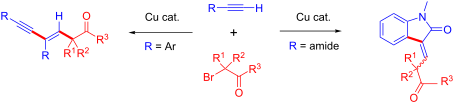
- alkyl radicals generated from the reaction of a copper catalyst and an α-bromocarbonyl compound can undergo i) Sonogashira type couplings via an alkynyl-Cu intermediate [20], ii) cis-hydro tertiary alkylations via 1-alkenyl-Cu [21], and iii) trans-hydro tertiary alkylations via atom-transfer radical

Graphical Abstract

Scheme 1: Reaction modes of alkyne.

Figure 1: Substrate scope of 1 and 2. aConducted at 80 °C for 24 h in MeCN with CuBr (10 mol %), 1,10-Phen (2...

Scheme 2: Proposed mechanism.

Scheme 3: Control experiment.

Scheme 4: Reaction of 2a and 4a.

Figure 2: Substrate scope of 2 and 4. aConducted at 100 °C for 20 h in 1,4-dioxane with CuI (10 mol %), 1,10-...
KOt-Bu-promoted selective ring-opening N-alkylation of 2-oxazolines to access 2-aminoethyl acetates and N-substituted thiazolidinones
- Qiao Lin,
- Shiling Zhang and
- Bin Li
Beilstein J. Org. Chem. 2020, 16, 492–501, doi:10.3762/bjoc.16.44
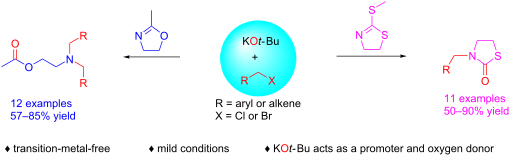
- coordination chemistry, and also valuable protecting or directing groups in catalysis [1][2][3]. 2-Oxazolines are a readily stable class of heterocycles resistant to a range of nucleophiles, bases, or radicals [4][5], which can be easily generated from amino alcohols and carboxylic acids, and from alkenes or

Graphical Abstract

Scheme 1: Comparison of different ring-opening reactions of 2-oxazolines and thiazolidinones synthesis.

Scheme 2: KOt-Bu-promoted selective ring-opening N-alkylation of 2-methyl-2-oxazoline with benzyl bromides. C...

Scheme 3: KOt-Bu-promoted selective ring-opening N-alkylation of 2-methyl-2-oxazoline with benzyl chlorides. ...

Scheme 4: KOt-Bu-promoted selective ring-opening N-alkylation of 2,4,4-trimethyl-4,5-dihydrooxazole (2b) with...

Scheme 5: KOt-Bu/I2-promoted selective N-alkylation to synthesis of thiazolidone derivatives. Conditions: KOt...

Scheme 6: Transformation of 2-aminoethyl acetate derivative to 2-(dibenzylamino)ethanol.

Scheme 7: Control experiments and 18O-labeling experiment.

Scheme 8: Control experiments with radical scavengers.

Scheme 9: Proposed mechanism.
Recent advances in photocatalyzed reactions using well-defined copper(I) complexes
- Mingbing Zhong,
- Xavier Pannecoucke,
- Philippe Jubault and
- Thomas Poisson
Beilstein J. Org. Chem. 2020, 16, 451–481, doi:10.3762/bjoc.16.42
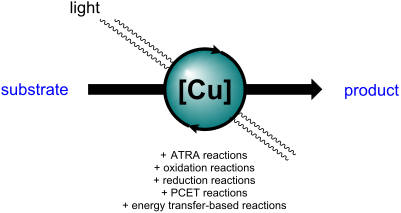
- development. Furthermore, photocatalysis allowed to realize elusive transformations as this approach provided better control over the formation of radicals or the reduction or oxidation of reagents, for instance. For all these reasons, photocatalysis is nowadays at the forefront of cutting-edge research in

Graphical Abstract

Scheme 1: [Cu(I)(dap)2]Cl-catalyzed ATRA reaction under green light irradiation.

Scheme 2: Photocatalytic allylation of α-haloketones.

Scheme 3: [Cu(I)(dap)2]Cl-photocatalyzed chlorosulfonylation and chlorotrifluoromethylation of alkenes.

Scheme 4: Photocatalytic perfluoroalkylchlorination of electron-deficient alkenes using the Sauvage catalyst.

Scheme 5: Photocatalytic synthesis of fluorinated sultones.
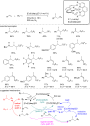
Scheme 6: Photocatalyzed haloperfluoroalkylation of alkenes and alkynes.
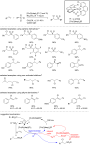
Scheme 7: Chlorosulfonylation of alkenes catalyzed by [Cu(I)(dap)2]Cl. aNo Na2CO3 was added. b1 equiv of Na2CO...

Scheme 8: Copper-photocatalyzed reductive allylation of diaryliodonium salts.

Scheme 9: Copper-photocatalyzed azidomethoxylation of olefins.

Scheme 10: Benzylic azidation initiated by [Cu(I)(dap)2]Cl.

Scheme 11: Trifluoromethyl methoxylation of styryl derivatives using [Cu(I)(dap)2]PF6. All redox potentials ar...

Scheme 12: Trifluoromethylation of silyl enol ethers.

Scheme 13: Synthesis of annulated heterocycles upon oxidation with the Sauvage catalyst.

Scheme 14: Oxoazidation of styrene derivatives using [Cu(dap)2]Cl as a precatalyst.

Scheme 15: [Cu(I)(dpp)(binc)]PF6-catalyzed ATRA reaction.

Scheme 16: Allylation reaction of α-bromomalonate catalyzed by [Cu(I)(dpp)(binc)]PF6 following an ATRA mechani...

Scheme 17: Bromo/tribromomethylation reaction using [Cu(I)(dmp)(BINAP)]PF6.

Scheme 18: Chlorotrifluoromethylation of alkenes catalyzed by [Cu(I)(N^N)(xantphos)]PF6.

Scheme 19: Chlorosulfonylation of styrene and alkyne derivatives by ATRA reactions.

Scheme 20: Reduction of aryl and alkyl halides with the complex [Cu(I)(bcp)(DPEPhos)]PF6. aIrradiation was car...
Scheme 21: Meerwein arylation of electron-rich aromatic derivatives and 5-exo-trig cyclization catalyzed by th...

Scheme 22: [Cu(I)(bcp)(DPEPhos)]PF6-photocatalyzed synthesis of alkaloids. aYield over two steps (cyclization ...

Scheme 23: Copper-photocatalyzed decarboxylative amination of NHP esters.

Scheme 24: Photocatalytic decarboxylative alkynylation using [Cu(I)(dq)(binap)]BF4.
Scheme 25: Copper-photocatalyzed alkylation of glycine esters.

Scheme 26: Copper-photocatalyzed borylation of organic halides. aUnder continuous flow conditions.

Scheme 27: Copper-photocatalyzed α-functionalization of alcohols with glycine ester derivatives.

Scheme 28: δ-Functionalization of alcohols using [Cu(I)(dmp)(xantphos)]BF4.

Scheme 29: Photocatalytic synthesis of [5]helicene and phenanthrene.

Scheme 30: Oxidative carbazole synthesis using in situ-formed [Cu(I)(dmp)(xantphos)]BF4.

Scheme 31: Copper-photocatalyzed functionalization of N-aryl tetrahydroisoquinolines.

Scheme 32: Bicyclic lactone synthesis using a copper-photocatalyzed PCET reaction.

Scheme 33: Photocatalytic Pinacol coupling reaction catalyzed by [Cu(I)(pypzs)(BINAP)]BF4. The ligands of the ...

Scheme 34: Azide photosensitization using a Cu-based photocatalyst.
Photophysics and photochemistry of NIR absorbers derived from cyanines: key to new technologies based on chemistry 4.0
- Bernd Strehmel,
- Christian Schmitz,
- Ceren Kütahya,
- Yulian Pang,
- Anke Drewitz and
- Heinz Mustroph
Beilstein J. Org. Chem. 2020, 16, 415–444, doi:10.3762/bjoc.16.40
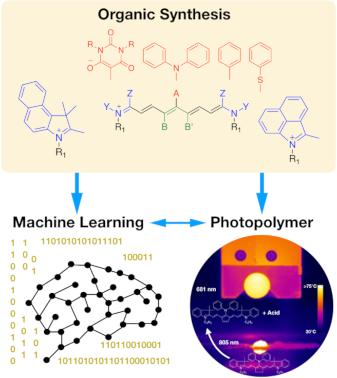
- their use in applications based on sensitized photoinduced electron transfer. This can be NIR-sensitized photopolymerization resulting in formation of initiating radicals and conjugate acid [5][6][13][14][15][63][64]. Recently, the use of NIR-LEDs exhibiting high excitation intensity brought more light
- where the absorber uptakes the function of a sensitizer to generate initiating radicals and conjugate acid [13][14][15][16][17][58][65]. The fact that these systems work upon turning ON/OFF cycles facilitates their use in Industry 4.0 related applications where printing represents one feasible
- excited state possesses several competitive reaction pathways for deactivation. This is a photochemical reaction such as photoinduced electron transfer serving as source to generate reactive intermediates such as initiating radicals or conjugate acid [5]. Photophysical events of S1 occurring after one
Graphical Abstract

Scheme 1: Structural patterns of several symmetric cyanines relating to trimethines (I), pentamethines (II), ...

Scheme 2: 1-Substituted 2,3,3-trimethylindolium-, 2,3,3-benzo[e]indolium-, and 2,3,3-benzo[c,d]indolium salts...

Scheme 3: Substitution of the chlorine substituent at the meso-position by a stronger nucleophilic moiety B [68].

Scheme 4: Structure of alternative chain builders for synthesis of heptamethines.

Figure 1: Simplified process chart of photophysical processes occurring in NIR absorbers.

Scheme 5: Chemical structure of the electron acceptors that were from iodonium cations 88 and triazines 89.

Figure 2: Photoinduced electron transfer under different scenarios in which each example exhibits an intrinsi...

Scheme 6: Photoexcited absorber 33 results in reaction with an iodonium cation in the respective cation radic...

Scheme 7: Reaction scheme of absorbers comprising in the molecules center a five ring bridged moiety. This le...

Scheme 8: Structure of donor compounds used in a three component system.

Figure 3: Cationic photopolymerization of an epoxide (Epikote 828) initiated by excitation of the absorber 36...

Scheme 9: Different modes of photoinitiated ATRP using UV, visible and NIR light.

Scheme 10: The structure of Sens used in photo-ATRP.

Figure 4: Comparison of the GPC traces of precursor PMMA with a) chain extended PMMA and b) PMMA-b-PS. Condit...

Figure 5: Spectral changes of the solution of 48 in the presence of [Cu(L)]Br2 (L: tris(2-pyridylmethyl)amine...

Scheme 11: Photoinduced CuAAC reactions in which photochemical reactions result in formation of the Cu(I) cata...

Scheme 12: Model reaction between benzyl azide and phenyacetylene using the absorber 48 as NIR sensitizer at 7...

Figure 6: Block copolymerization of the precursors PS-N3 and Alkyne-PCL results in the block copolymer PS-b-P...

Figure 7: UV–vis–NIR absorption changes of the solution of 48 in the presence of PMDETA, phenylacetylene and ...

Scheme 13: Workflow to design and process new materials in a setup based on an intelligent DoE to develop tech...

Scheme 14: Illustration of the iDoE setting up experiments suggested and analyzed by the A.I. After defining t...

Scheme 15: Classification of the factors for the formation of polymer networks by NIR-photocuring depending on...
Visible-light-induced addition of carboxymethanide to styrene from monochloroacetic acid
- Kaj M. van Vliet,
- Nicole S. van Leeuwen,
- Albert M. Brouwer and
- Bas de Bruin
Beilstein J. Org. Chem. 2020, 16, 398–408, doi:10.3762/bjoc.16.38
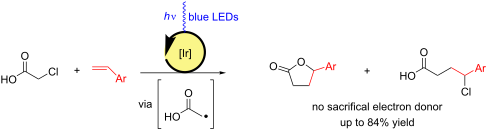
- . Single-electron oxidation can produce carbon-centered radicals from substrates such as amines [17], alkenes [18], and carboxylates [19], or by hydrogen-atom transfer to an oxidatively formed thiolate radical [20]. Single-electron reduction produces carbon-centered radicals from, for example, aryl
- nitriles [21], carbonyl or imine species [22], iodonium or diazonium salts [23], or halide species [24]. The formation of radicals from halide species by photoredox catalysis has been widely studied. It has been applied as a mild method for the dehalogenation of several compounds [25][26][27]. In the light
- decarboxylative activation we anticipated its possibilities in cyclopropanation. The chloromethyl radical generation by photoredox catalysis is a useful strategy for cyclopropanation [58]. Most photoredox catalyzed, decarboxylative generations of carbon-centered radicals are based on the formation of “stabilized

Graphical Abstract

Figure 1: A part of the industry around monochloroacetic acid.

Scheme 1: Redox based activation of haloacetic acid.

Figure 2: Cyclic voltammogram of monochloroacetic acid and ferrocene with 0.1 M [TBA][PF6] in MeCN. The poten...

Scheme 2: Initial attempts for lactone formation by photoredox catalysis.

Scheme 3: The photoredox reaction of TEMPO with monochloroacetic acid catalyzed by fac-[Ir(ppy)3].

Figure 3: EPR spectra measured (black) and simulated (red) based on the structure of the oxidized photoredox ...

Scheme 4: Two possible acid-assisted, reductive activation pathways of monochloroacetic acid (A–H = acid).

Figure 4: Reaction mixtures after overnight irradiation of (A) 4-chloro-4-phenylbutanoic acid (3) and fac-[Ir...

Scheme 5: Substrate scope of styrene derivatives in the photoredox reaction with monochloroacetic acid. Yield...

Scheme 6: Proposed reaction mechanism.

Scheme 7: The photoredox formation of 1-(chloromethoxy)-2,2,6,6-tetramethylpiperidine.
Room-temperature Pd/Ag direct arylation enabled by a radical pathway
- Amy L. Mayhugh and
- Christine K. Luscombe
Beilstein J. Org. Chem. 2020, 16, 384–390, doi:10.3762/bjoc.16.36
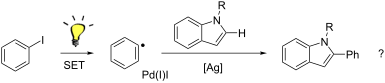
- reported for decarboxylative coupling between indole and 2-nitrobenzoic acids at 110 °C [18]. Under such conditions, silver carboxylates decompose to produce carbonyl and phenyl radicals, which could explain the origin of nitrobenzene incorporation [19][20]. When the radical trapping agent BHT was added to
- that proceed under mild conditions, improving energy requirements and scalability. Work is ongoing to leverage this insight into new direct arylation methods utilizing palladium-involved radicals. 1H NMR (500 MHz, CDCl3) of (a) 5-iodo-1-octylindole monomer (b) PIn prepared according to conditions in

Graphical Abstract

Scheme 1: A high yielding, highly selective room-temperature direct arylation reaction between indole and iod...

Figure 1: 1H NMR (500 MHz, CDCl3) of (a) 5-iodo-1-octylindole monomer (b) PIn prepared according to condition...
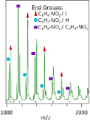
Figure 2: MALDI–TOF MS of PIn, indicating octylindole repeat units with three different types of end groups. ...

Scheme 2: Commonly discussed mechanisms for C2 selective direct arylation, none containing radical intermedia...

Scheme 3: Proposed mechanism for palladium radical involved reaction between indole and iodobenzene.

Scheme 4: Radical trap effects on literature methods for the direct arylation at room temperature. A) From re...
Architecture and synthesis of P,N-heterocyclic phosphine ligands
- Wisdom A. Munzeiwa,
- Bernard Omondi and
- Vincent O. Nyamori
Beilstein J. Org. Chem. 2020, 16, 362–383, doi:10.3762/bjoc.16.35
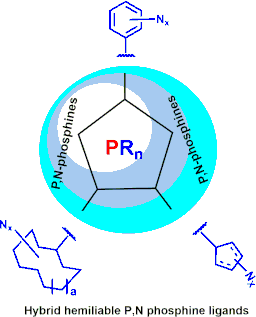
- addition of P–H to unsaturated organic compounds (hydrophosphination) presents an atom economical, efficient and green strategy for the preparation of phosphines. The process can be initiated thermally, chemically or by UV irradiation. Radicals can also be used in hydrophosphination reactions. For example

Graphical Abstract

Scheme 1: Synthesis of pyridylphosphine ligands.

Figure 1: Pyridylphosphine ligands.

Scheme 2: Synthesis of piperidyl- and oxazinylphosphine ligands.

Scheme 3: Synthesis of linear multi-chelate pyridylphosphine ligands.

Scheme 4: Synthesis of chiral acetal pyridylphosphine ligands.

Scheme 5: Synthesis of diphenylphosphine-substituted triazine ligands.
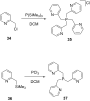
Scheme 6: Synthesis of (pyridine-2-ylmethyl)phosphine ligands.

Scheme 7: Synthesis of diphosphine pyrrole ligands.

Scheme 8: Synthesis of 4,5-diazafluorenylphosphine ligands.

Scheme 9: Synthesis of thioether-containing pyridyldiphosphine ligands starting from ethylene sulfide and dip...

Scheme 10: Synthesis of monoterpene-derived phosphine pyridine ligands.

Scheme 11: Synthesis of N-phenylphosphine-substituted imidazole ligands.

Scheme 12: Synthesis of triazol-4-ylphosphine ligands.

Scheme 13: Synthesis of phosphanyltriazolopyridines and product selectivity depending on the substituents’ eff...

Scheme 14: Synthesis of PTA-phosphine ligands.

Scheme 15: Synthesis of isomeric phosphine dipyrazole ligands by varying the reaction temperature.

Scheme 16: Synthesis of N-tethered phosphine imidazolium ligands (route A) and diphosphine imidazolium ligands...

Scheme 17: Synthesis of {1-[2-(pyridin-2-yl)- (R = CH) and {1-[2-(pyrazin-2-yl)quinazolin-4-yl]naphthalen-2-yl...

Scheme 18: Synthesis of oxazolylindolylphosphine ligands 102.

Scheme 19: Synthesis of pyrrolylphosphine ligands.

Scheme 20: Synthesis of phosphine guanidinium ligands.

Scheme 21: Synthesis of a polydentate aminophosphine ligand.

Scheme 22: Synthesis of quinolylphosphine ligands.

Scheme 23: Synthesis of N-(triazolylmethyl)phosphanamine ligands.

Figure 2: Triazolylphosphanamine ligands synthesized by Wassenaar’s method [22].

Scheme 24: Synthesis of oxazaphosphorines.

Scheme 25: Synthesis of paracyclophane pyridylphosphine ligands.

Scheme 26: Synthesis of triazolylphosphine ligands.

Figure 3: Click-phosphine ligands.

Scheme 27: Ferrocenyl pyridylphosphine imine ligands.

Scheme 28: Synthesis of phosphinooxazolines (PHOX).

Scheme 29: Synthesis of ferrocenylphosphine oxazoles.
p-Pyridinyl oxime carbamates: synthesis, DNA binding, DNA photocleaving activity and theoretical photodegradation studies
- Panagiotis S. Gritzapis,
- Panayiotis C. Varras,
- Nikolaos-Panagiotis Andreou,
- Katerina R. Katsani,
- Konstantinos Dafnopoulos,
- George Psomas,
- Zisis V. Peitsinis,
- Alexandros E. Koumbis and
- Konstantina C. Fylaktakidou
Beilstein J. Org. Chem. 2020, 16, 337–350, doi:10.3762/bjoc.16.33
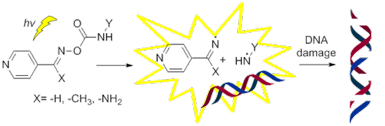
- studies seem to allow the prediction of the activity of derivatives able to pass intersystem crossing to their triplet energy state and thus create radicals able to damage DNA. With this study, it is shown that oxime carbamate derivatives have the potential to act as novel effective photobase generating
- , Figure 1) are also recognized as DNA “photocleavage” agents owing their action to the homolysis of their vulnerable N–O bond, at 312 nm [9][39][40][41][42][43] or 365 nm [44][45] yielding photogenerated carbonyloxyl radicals (CRs), which are able to cause oxidative DNA damage. We have recently reported
- the DNA photocleavage from sulfonylamidoximes and ethanone oximes (IV and V, Figure 1), which were found to attack DNA via sulfonyloxyl radicals (SRs) [10][11]. All the above radical species exhibit photoreactivity towards DNA. Those oxime derivatives are considered photoacid generators (PAGs) since

Graphical Abstract

Figure 1: General structures of oxime derivatives with possible DNA photocleavage ability. Left: Oxime carbox...

Scheme 1: Synthesis of O-carbamoyl amidoximes (8–13), ethanone oximes (15–20) and aldoximes (22–27). Oxime 1 ...

Figure 2: UV–vis spectra of CT DNA ([DNA] = 1.1 × 10⁻⁴ M) in buffer solution in the absence or presence of in...

Figure 3: Relative viscosity (η/η0)1/3 of CT DNA (0.1 mM) in buffer solution in the presence of compounds 11 ...

Figure 4: Plot of EB-DNA relative fluorescence emission intensity at λ = 592 nm (I/I0, %) vs r (= [compound]/...

Figure 5: DNA photocleavage of amidoxime carbamates at a concentration of 500 μM and mechanistic studies of a...

Figure 6: Potential energy curve for the dissociation of 12 in the first excited triplet state, T1. For compo...

Scheme 2: Photodissociation reaction of the derivative 12 in the T1 state and the formation of ground state r...

Scheme 3: Decarboxylation reaction of the p-chlorophenylcarbamoyloxyl radical.

Figure 7: Proposed scheme showing a possible energy transfer from acetophenone sensitizer to oxime carbamate ...

Figure 8: DNA photocleavage of compounds 8–10 and 12–13 at concentration of 500 μM, at 365 nm, in the absence...

Figure 9: DNA photocleavage of compound 12 at a concentration of 500 μM, at 312 nm, in the absence and presen...
Recent developments in photoredox-catalyzed remote ortho and para C–H bond functionalizations
- Rafia Siddiqui and
- Rashid Ali
Beilstein J. Org. Chem. 2020, 16, 248–280, doi:10.3762/bjoc.16.26
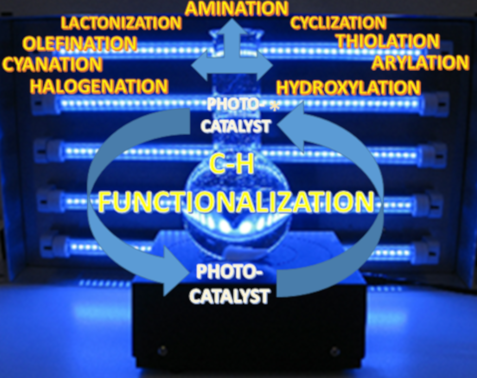
- still in its infancy. Nowadays, photoredox catalysis is on the forefront as a potent strategy for bond modifications through multicatalytic strategies and the invention of nontraditional methodologies. It is enormously effective in the generation of radicals by manipulating the transition metal
- ]. From mechanistic studies it can be inferred that the photoredox catalysis process is independent from the C–H activation process. They also successfully demonstrated the importance of a photoredox catalysts in the generation of superoxide radicals. On the other hand, recently, Xiong and co-workers

Graphical Abstract

Figure 1: List of photoredox catalysts used for C–H bond functionalizations.

Figure 2: List of metal-based photoredox catalysts used in this review article.

Figure 3: Jablonski diagram.

Figure 4: Photoredox catalysis via reductive or oxidative pathways. D = donor, A = acceptor, S = substrate, P...
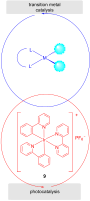
Figure 5: Schematic representation of the combination of photoredox catalysis and transition metal catalysis.

Scheme 1: Weinreb amide C–H olefination.

Figure 6: Mechanism for the formation of 21 from 19 using photoredox catalyst 11.

Scheme 2: C–H olefination of phenolic ethers.

Scheme 3: Decarboxylative acylation of acetanilides.

Figure 7: Mechanism for the formation of 30 from acetanilide derivatives.

Scheme 4: Synthesis of fluorenone derivatives by intramolecular deoxygenative acylation of biaryl carboxylic ...

Figure 8: Mechanism for the photoredox-catalyzed synthesis of fluorenone derivatives.

Scheme 5: Synthesis of benzothiazoles via aerobic C–H thiolation.

Figure 9: Plausible mechanism for the construction of benzothiazoles from benzothioamides.

Scheme 6: Synthesis of benzothiazoles via oxidant-free C–H thiolation.
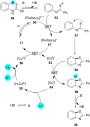
Figure 10: Mechanism involved in the synthesis of benzothiazoles via oxidant-free C–H thiolation.

Scheme 7: Synthesis of indoles via C–H cyclization of anilides with alkynes.

Scheme 8: Preparation of 3-trifluoromethylcoumarins via C–H cyclization of arylpropiolate esters.

Figure 11: Mechanistic pathway for the synthesis of coumarin derivatives via C–H cyclization.

Scheme 9: Monobenzoyloxylation without chelation assistance.

Figure 12: Plausible mechanism for the formation of 71 from 70.

Scheme 10: Aryl-substituted arenes prepared by inorganic photoredox catalysis using 12a.

Figure 13: Proposed mechanism for C–H arylations in the presence of 12a and a Pd catalyst.

Scheme 11: Arylation of purines via dual photoredox catalysis.

Scheme 12: Arylation of substituted arenes with an organic photoredox catalyst.

Scheme 13: C–H trifluoromethylation.

Figure 14: Proposed mechanism for the trifluoromethylation of 88.

Scheme 14: Synthesis of benzo-3,4-coumarin derivatives.

Figure 15: Plausible mechanism for the synthesis of substituted coumarins.

Scheme 15: Oxidant-free oxidative phosphonylation.

Figure 16: Mechanism proposed for the phosphonylation reaction of 100.

Scheme 16: Nitration of anilines.

Figure 17: Plausible mechanism for the nitration of aniline derivatives via photoredox catalysis.

Scheme 17: Synthesis of carbazoles via intramolecular amination.

Figure 18: Proposed mechanism for the formation of carbazoles from biaryl derivatives.

Scheme 18: Synthesis of substituted phenols using QuCN.

Figure 19: Mechanism for the synthesis of phenol derivatives with photoredox catalyst 8.

Scheme 19: Synthesis of substituted phenols with DDQ (5).
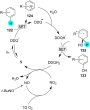
Figure 20: Possible mechanism for the generation of phenols with the aid of photoredox catalyst 5.

Scheme 20: Aerobic bromination of arenes using an acridinium-based photocatalyst.

Scheme 21: Aerobic bromination of arenes with anthraquinone.

Figure 21: Proposed mechanism for the synthesis of monobrominated compounds.

Scheme 22: Chlorination of benzene derivatives with Mes-Acr-MeClO4 (2).

Figure 22: Mechanism for the synthesis of 131 from 132.

Scheme 23: Chlorination of arenes with 4CzIPN (5a).

Figure 23: Plausible mechanism for the oxidative photocatalytic monochlorination using 5a.

Scheme 24: Monofluorination using QuCN-ClO4 (8).

Scheme 25: Fluorination with fluorine-18.

Scheme 26: Aerobic amination with acridinium catalyst 3a.

Figure 24: Plausible mechanism for the aerobic amination using acridinium catalyst 3a.
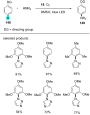
Scheme 27: Aerobic aminations with semiconductor photoredox catalyst 18.

Scheme 28: Perfluoroalkylation of arenes.

Scheme 29: Synthesis of benzonitriles in the presence of 3a.

Figure 25: Plausible mechanism for the synthesis of substituted benzonitrile derivatives in the presence of 3a....
The interaction between cucurbit[8]uril and baicalein and the effect on baicalein properties
- Xiaodong Zhang,
- Jun Xie,
- Zhiling Xu,
- Zhu Tao and
- Qianjun Zhang
Beilstein J. Org. Chem. 2020, 16, 71–77, doi:10.3762/bjoc.16.9
- has a strong activity to eliminate superoxide radicals in cell-free systems [25]. It is also considered as an anti-inflammatory agent [26][27] that generally protects against oxidative stress [28], more specifically in cardiac cells [29], and in cisplatin-induced acute kidney injury [30]. However
- activity of BALE–Q[8] was investigated using the ABTS+· method. The BALE–Q[8] inclusion complex had no significant influence on the scavenging effect toward ABTS+· radicals when compared to BALE; the IC50 vales were 1.87 × 10⁻⁶ mol·L−1 and 2.14 × 10⁻⁶ mol·L−1, respectively. In vitro release studies have

Graphical Abstract

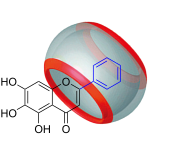
Figure 1: Chemical structures of baicalein (left), cucurbit[8]uril (right).

Figure 2: The possible interaction model for Q[8] and baicalein.

Figure 3: 1H NMR spectra (400 MHz) of Q[8] (a), baicalein (b) and BALE–Q[8] (1:1) (c) recorded in DCl.

Figure 4: The absorption spectra of BALE upon the addition of Q[8] under different conditions [10 mol·L−1 HCl...

Figure 5: IR spectra of Q[8] (a), BALE (b), a physical mixture of Q[8]-BALE (NQ[8]/NBALE = 1:1) (c) and the B...

Figure 6: DTA spectra of BALE (a), Q[8] (b), a physical mixture Q[8]-BALE (NQ[8]/NBALE = 1:1) (c) and the BAL...

Figure 7: The stability curve of UV–vis absorption obtained for an isoconcentration of BALE and the BALE–Q[8]...

Figure 8: The phase solubility graph obtained for BALE in Q[8] at λ = 270 nm.

Figure 9: The clearance rate curve (A) and clearance time curve (B) of ABTS+· upon increasing the concentrati...

Figure 10: The release curves of BALE and BALE–Q[8].
A review of asymmetric synthetic organic electrochemistry and electrocatalysis: concepts, applications, recent developments and future directions
- Munmun Ghosh,
- Valmik S. Shinde and
- Magnus Rueping
Beilstein J. Org. Chem. 2019, 15, 2710–2746, doi:10.3762/bjoc.15.264
- catalytic amount of 61 (Scheme 24) [59]. A similar strategy using N-oxalyl radicals as chiral mediators has also been explored for the enantioselective electrocatalytic oxidation of secondary alcohols [60]. Tanaka and co-workers subsequently published another article on the kinetic resolution of sec
- oxidation. The radical–radical coupling reaction between 101 and 95 is proposed to afford the corresponding intermediate 102. Then release of the Lewis acid catalyst gives the final product 97. The stereocontrol step is related to the in situ generation of radicals with π-systems of chiral enamines and

Graphical Abstract

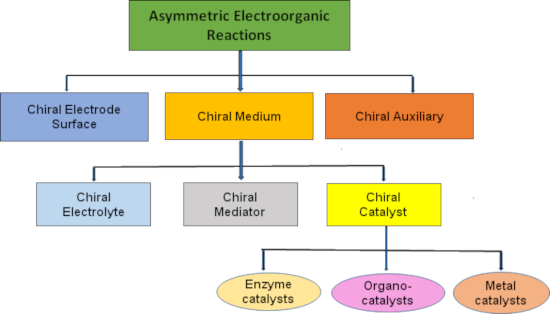
Figure 1: General classification of asymmetric electroorganic reactions.

Scheme 1: Asymmetric reduction of 4-acetylpyridine using a modified graphite cathode.

Scheme 2: Asymmetric hydrogenation of ketones using Raney nickel powder electrodes modified with optically ac...

Scheme 3: Asymmetric reduction of prochiral activated olefins with a poly-ʟ-valine-coated graphite cathode.

Scheme 4: Asymmetric reduction of prochiral carbonyl compounds, oximes and gem-dibromides on a poly-ʟ-valine-...

Scheme 5: Asymmetric hydrogenation of prochiral ketones with poly[RuIII(L)2Cl2]+-modified carbon felt cathode...

Scheme 6: Asymmetric hydrogenation of α-keto esters using chiral polypyrrole film-coated cathode incorporated...

Scheme 7: Quinidine and cinchonidine alkaloid-induced asymmetric electroreduction of acetophenone.

Scheme 8: Asymmetric electroreduction of 4- and 2-acetylpyridines at a mercury cathode in the presence of a c...

Scheme 9: Enantioselective reduction of 4-methylcoumarin in the presence of catalytic yohimbine.

Scheme 10: Cinchonine-induced asymmetric electrocarboxylation of 4-methylpropiophenone.

Scheme 11: Enantioselective hydrogenation of methyl benzoylformate using an alkaloid entrapped silver cathode.

Scheme 12: Alkaloid-induced enantioselective hydrogenation using a Cu nanoparticle cathode.

Scheme 13: Alkaloid-induced enantioselective hydrogenation of aromatic ketones using a bimetallic Pt@Cu cathod...

Scheme 14: Enantioselective reduction of ketones at mercury cathode using N,N'-dimethylquininium tetrafluorobo...

Scheme 15: Asymmetric synthesis of an amino acid using an electrode modified with amino acid oxidase and elect...

Scheme 16: Asymmetric oxidation of p-tolyl methyl sulfide using chemically modified graphite anode.

Scheme 17: Asymmetric oxidation of unsymmetric sulfides using poly(amino acid)-coated electrodes.

Scheme 18: Enantioselective, electocatalytic oxidative coupling on TEMPO-modified graphite felt electrode in t...

Scheme 19: Asymmetric electrocatalytic oxidation of racemic alcohols on a TEMPO-modified graphite felt electro...

Scheme 20: Asymmetric electrocatalytic lactonization of diols on TEMPO-modified graphite felt electrodes.

Scheme 21: Asymmetric electrochemical pinacolization in a chiral solvent.

Scheme 22: Asymmetric electroreduction using a chiral supporting electrolyte.

Scheme 23: Asymmetric anodic oxidation of enol acetates using chiral supporting electrolytes.

Scheme 24: Kinetic resolution of primary amines using a chiral N-oxyl radical mediator.

Scheme 25: Chiral N-oxyl-radical-mediated kinetic resolution of secondary alcohols via electrochemical oxidati...

Scheme 26: Chiral iodoarene-mediated asymmetric electrochemical lactonization.

Scheme 27: Os-catalyzed electrochemical asymmetric dihydroxylation of olefins using the Sharpless ligand and i...

Scheme 28: Asymmetric electrochemical epoxidation of olefins catalyzed by a chiral Mn-salen complex.

Scheme 29: Asymmetric electrooxidation of 1,2-diols, and amino alcohols using a chiral copper catalyst.

Scheme 30: Mechanism of asymmetric electrooxidation of 1,2-diols, and amino alcohols using a chiral copper cat...

Scheme 31: Enantioselective electrocarboxylation catalyzed by an electrogenerated chiral [CoI(salen)]− complex....

Scheme 32: Asymmetric oxidative cross coupling of 2-acylimidazoles with silyl enol ethers.

Scheme 33: Ni-catalyzed asymmetric electroreductive cleavage of allylic β-keto ester 89.

Scheme 34: Asymmetric alkylation using a combination of electrosynthesis and a chiral Ni catalyst.

Scheme 35: Mechanism of asymmetric alkylation using a combination of electrosynthesis and a chiral Ni catalyst....

Scheme 36: Asymmetric epoxidation by electrogenerated percarbonate and persulfate ions in the presence of chir...

Scheme 37: α-Oxyamination of aldehydes via anodic oxidation catalyzed by chiral secondary amines.

Scheme 38: The α-alkylation of aldehydes via anodic oxidation catalyzed by chiral secondary amines.
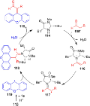
Scheme 39: Mechanism of α-alkylation of aldehydes via anodic oxidation catalyzed by chiral secondary amines.

Scheme 40: Electrochemical chiral secondary amine-catalyzed intermolecular α-arylation of aldehydes.

Scheme 41: Mechanism of electrochemical chiral secondary amine-catalyzed intermolecular α-arylation of aldehyd...

Scheme 42: Asymmetric cross-dehydrogenative coupling of tertiary amines with simple ketones via an electrochem...

Scheme 43: Electroenzymatic asymmetric reduction using enoate reductase.

Scheme 44: Assymetric reduction using alcohol dehydrogenase as the electrocatalyst.

Scheme 45: Asymmetric electroreduction catalyzed by thermophilic NAD-dependent alcohol dehydrogenase.

Scheme 46: Asymmetric epoxidation of styrene by electrochemical regeneration of flavin-dependent monooxygenase....

Scheme 47: Asymmetric electroreduction using a chloroperoxidase catalyst.

Scheme 48: Asymmetric electrochemical transformation mediated by hydrophobic vitamin B12.

Scheme 49: Diastereoselective cathodic reduction of phenylglyoxalic acids substituted with amines as chiral au...

Scheme 50: Ni-catalyzed asymmetric electroreductive cross coupling of aryl halides with α-chloropropanoic acid...

Scheme 51: Electrochemical Mannich addition of silyloxyfuran to in situ-generated N-acyliminium ions.

Scheme 52: Stereoselective electroreductive homodimerization of cinnamates attached to a camphor-derived chira...
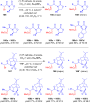
Scheme 53: Diastereoselective electrochemical carboxylation of chiral α-bromocarboxylic acid derivatives.

Scheme 54: Electrocatalytic stereoselective conjugate addition of chiral β-dicarbonyl compounds to methyl viny...

Scheme 55: Stereoselective electrochemical carboxylation of chiral cinnamic acid derivatives under a CO2 atmos...

Scheme 56: Electrochemical diastereoselective α-alkylation of pyrrolidines attached with phosphorus-derived ch...

Scheme 57: Electrogenerated cyanomethyl anion-induced synthesis of chiral cis-β-lactams from amides bearing ch...

Scheme 58: Diastereoselective anodic oxidation followed by intramolecular cyclization of ω-hydroxyl amides bea...

Scheme 59: Electrochemical deprotonation of Ni(II) glycinate containing (S)-BPB as a chiral auxiliary: diaster...

Scheme 60: Enantioselective electroreductive coupling of diaryl ketones with α,β-unsaturated carbonyl compound...

Scheme 61: Asymmetric total synthesis of ropivacaine and its analogues using a electroorganic reaction as a ke...

Scheme 62: Asymmetric total synthesis of (−)-crispine A and its natural enantiomer via anodic cyanation of tet...

Scheme 63: Asymmetric oxidative electrodimerization of cinnamic acid derivatives as key step for the synthesis...
Unexpected one-pot formation of the 1H-6a,8a-epiminotricyclopenta[a,c,e][8]annulene system from cyclopentanone, ammonia and dimethyl fumarate. Synthesis of highly strained polycyclic nitroxide and EPR study
- Sergey A. Dobrynin,
- Igor A. Kirilyuk,
- Yuri V. Gatilov,
- Andrey A. Kuzhelev,
- Olesya A. Krumkacheva,
- Matvey V. Fedin,
- Michael K. Bowman and
- Elena G. Bagryanskaya
Beilstein J. Org. Chem. 2019, 15, 2664–2670, doi:10.3762/bjoc.15.259

- the phase relaxation of nitroxides with two spirocyclohexane moieties adjacent to the N-O• group [8][9][10] or for nitroxide 6. The temperature dependence of 1/Tm is similar for both radicals in Figure 5 with some divergence above 180 K. Conclusion An unexpected formation of a highly strained

Graphical Abstract

Scheme 1: Synthesis of compound 1.

Figure 1: X-ray structure of compound 1 (one of the two enantiomers present in the crystal).

Scheme 2: Possible mechanism for the formation of 1.

Figure 2: A possible mechanism for the trans-position of the methyne hydrogens in the azepine ring: the elect...

Figure 3: Selective formation of a single diastereomer in the 1,3-dipolar cycloaddition reaction.

Scheme 3: Synthesis of nitroxide 6.

Figure 4: X-ray structure of compound 6 (one of the two enantiomers present in the crystal).

Scheme 4: A proposed mechanism for nitroxide 6 synthesis.

Figure 5: A, B) Temperature dependence of the electron spin relaxation times in water/glycerol at X-band freq...
Thermal stability of N-heterocycle-stabilized iodanes – a systematic investigation
- Andreas Boelke,
- Yulia A. Vlasenko,
- Mekhman S. Yusubov,
- Boris J. Nachtsheim and
- Pavel S. Postnikov
Beilstein J. Org. Chem. 2019, 15, 2311–2318, doi:10.3762/bjoc.15.223
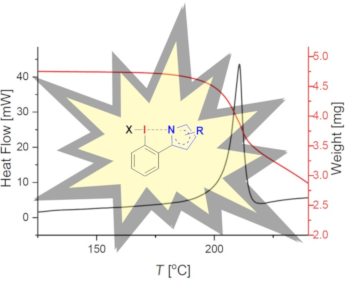
- alkyl and aryl radicals through thermogravimetry [16][17]. In 2013 Kumar and co-workers compared the thermal properties of open-chained aryl-λ3-iodanes with their polymer bound derivatives and found an endothermic decomposition behavior [18]. In the same year Haller and co-workers investigated the

Graphical Abstract

Figure 1: General structure of aryl-λ3-iodanes.

Figure 2: Tpeak and ΔHdec-values for a range of N- and O-substituted iodanes.

Figure 3: TGA/DSC curves of (a) benziodoxolone 1, (b) triazole 2 and (c) pyrazole 6.

Figure 4: Decomposition enthalpy (ΔHdec) scale for pseudocyclic tosylates 1–15 and cyclic iodoso species 16 a...

Figure 5: Correlation between the relative reactivity for pseudocyclic NHIs based on the reaction time in the...

Figure 6: Tpeak and ΔHdec values for a range of N- and O-substituted iodanes.

Figure 7: Decomposition enthalpy (ΔHdec) scale for (pseudo)cyclic mesitylen(phenyl)- λ3-iodanes 18–33.

Figure 8: TGA/DSC curves for the benzimidazole based diaryliodonium salt 25.

Figure 9: TGA/DSC curves for the cyclic triazole 32.

Scheme 1: The thermal decomposition of (pseudo)cyclic N-heterocycle-stabilized mesityl(aryl)-λ3-iodanes 25 an...
Functionalization of 4-bromobenzo[c][2,7]naphthyridine via regioselective direct ring metalation. A novel approach to analogues of pyridoacridine alkaloids
- Benedikt C. Melzer,
- Alois Plodek and
- Franz Bracher
Beilstein J. Org. Chem. 2019, 15, 2304–2310, doi:10.3762/bjoc.15.222
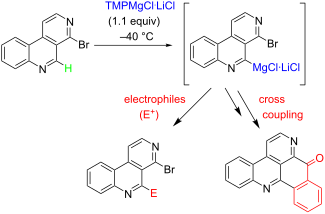
- [12]. Our group demonstrated that nucleophilic radicals (1,3,5-trioxanyl, ethoxycarbonyl, methyl [14], but not benzoyl [15]) generated with peroxide under Minisci conditions, readily add to C-5 of 4-bromo- (9d) and 4-acetylbenzo[c][2,7]naphthyridine (9e) to give 5-substituted-5,6-dihydro derivatives

Graphical Abstract

Figure 1: Marine pyridoacridine alkaloids amphimedine (1), ascididemin (2), kuanoniamine A (3), styelsamine D...

Figure 2: A–C): Published methods for the synthesis of 4,5-disubstituted benzo[c][2,7]naphthyridines; D) New ...

Scheme 1: Regioselective metalation of 4-bromobenzo[c][2,7]naphthyridine (9d) and subsequent conversion into ...

Scheme 2: Outcome of a D2O quenching experiment after metalation of 4-bromobenzo[c][2,7]naphthyridine (9d).
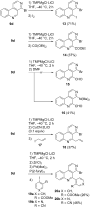
Scheme 3: Synthesis of 5-substituted 4-bromobenzo[c][2,7]naphthyridines via regioselective metalation of 9d u...

Scheme 4: Attempted synthesis of kuanoniamine A (3).

Scheme 5: Synthesis of pyrido[4,3,2-mn]acridone 22 starting from 20a via bromine–magnesium exchange reaction ...
Recent advances in transition-metal-catalyzed incorporation of fluorine-containing groups
- Xiaowei Li,
- Xiaolin Shi,
- Xiangqian Li and
- Dayong Shi
Beilstein J. Org. Chem. 2019, 15, 2213–2270, doi:10.3762/bjoc.15.218
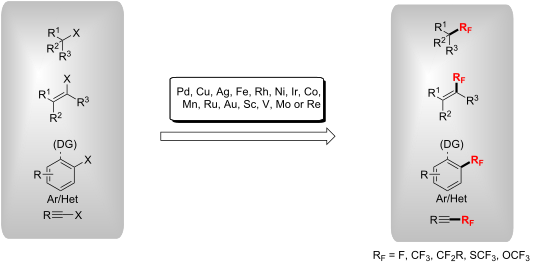
- by chemists. In the radical fluorination, C–F bonds are produced by carbon-based radicals (generated in situ by various methods) with "atomic fluorine" sources, such as XeF2, hypofluorite, or molecular fluorine (Scheme 1c). Notably, transition metals are not biased to one reaction class, and the same
- (Scheme 60). Also, mechanistic studies, a radical clock experiment, revealed the intermediacy of −Cu(CF3)3Me, which undergoes reductive elimination and subsequent oxidation to give the active species Cu(CF3)2. Meanwhile, aliphatic carboxylic acids give the corresponding alkyl radicals via Ag(II)-mediated
- oxidative decarboxylation. Then, Cu(CF3)2 provides a CF3 group to alkyl radicals to obtain the final product. Very recently, MacMillan et al. [120] discovered an efficient approach to the decarboxylative trifluoromethylation of aliphatic carboxylic acids via the combination of photoredox and copper

Graphical Abstract

Scheme 1: The main three strategies of fluorination: nucleophilic, electrophilic and radical fluorination.

Scheme 2: Doyle’s Pd-catalyzed fluorination of allylic chlorides.

Scheme 3: Allylic fluorination of 2- and 3-substituted propenyl esters.

Scheme 4: Regioselective allylic fluorination of cinnamyl phosphorothioate esters.

Scheme 5: Palladium-catalyzed aliphatic C–H fluorination reported by Doyle.

Scheme 6: Pd-catalyzed enantioselective fluorination of α-ketoesters followed by stereoselective reduction to...

Scheme 7: Pd-catalyzed C(sp3)–H fluorination of oxindoles.

Scheme 8: C–H fluorination of 8-methylquinoline derivatives with F− reagents.

Scheme 9: Fluorination of α-cyano acetates reported by van Leeuwen.

Scheme 10: The catalytic enantioselective electrophilic C–H fluorination of α-chloro-β-keto phosphonates.

Scheme 11: Fluorination of unactivated C(sp3)–H bonds directed by the bidentate PIP auxiliary.

Scheme 12: Fluorination of C(sp3)–H bonds at the β-position of carboxylic acids.

Scheme 13: Enantioselective benzylic C–H fluorination with a chiral transient directing group.

Scheme 14: Microwave-heated Pd-catalyzed fluorination of aryl alcohols.

Scheme 15: Fluorination of aryl potassium trifluoroborates.

Scheme 16: C(sp2)–F bond formation using precatalyst [L·Pd]2(cod).

Scheme 17: Pd-catalyzed fluorination of (hetero)aryl triflates and bromides.

Scheme 18: The Pd-catalyzed C–H fluorination of arenes with Selectfluor/NFSI.

Scheme 19: Pd(II)-catalyzed ortho-monofluorination protocol for benzoic acids.

Scheme 20: Pd-catalyzed C(sp2)–H bond fluorination of 2-arylbenzothiazoles.

Scheme 21: Nitrate-promoted fluorination of aromatic and olefinic C(sp2)–H bonds and proposed mechanism.

Scheme 22: Fluorination of oxalyl amide-protected benzylamine derivatives.

Scheme 23: C–H fluorination of benzaldehydes with orthanilic acids as transient directing group.

Scheme 24: Pd(II)-catalyzed aryl C–H fluorination with various directing groups.

Scheme 25: Cu-catalyzed aliphatic, allylic, and benzylic fluorination.

Scheme 26: Cu-catalyzed SN2 fluorination of primary and secondary alkyl bromides.

Scheme 27: Copper-catalyzed fluorination of alkyl triflates.

Scheme 28: Cu-catalyzed fluorination of allylic bromides and chlorides.

Scheme 29: Synthetic strategy for the fluorination of active methylene compounds.

Scheme 30: Fluorination of β-ketoesters using a tartrate-derived bidentate bisoxazoline-Cu(II) complex.

Scheme 31: Highly enantioselective fluorination of β-ketoesters and N-Boc-oxindoles.

Scheme 32: Amide group-assisted site-selective fluorination of α-bromocarbonyl compounds.

Scheme 33: Cu-mediated aryl fluorination reported by Sanford [77].

Scheme 34: Mono- or difluorination reactions of benzoic acid derivatives.

Scheme 35: Cu-catalyzed fluorination of diaryliodonium salts with KF.
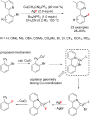
Scheme 36: Copper(I)-catalyzed cross-coupling of 2-pyridylaryl bromides.

Scheme 37: AgNO3-catalyzed decarboxylative fluorination of aliphatic carboxylic acids.

Scheme 38: The Mn-catalyzed aliphatic and benzylic C–H fluorination.

Scheme 39: Iron(II)-promoted C–H fluorination of benzylic substrates.

Scheme 40: Ag-catalyzed fluorodecarboxylation of carboxylic acids.

Scheme 41: Vanadium-catalyzed C(sp3)–H fluorination.

Scheme 42: AgNO3-catalyzed radical deboronofluorination of alkylboronates and boronic acids.

Scheme 43: Selective heterobenzylic C–H fluorination with Selectfluor reported by Van Humbeck.

Scheme 44: Fe(II)-catalyzed site-selective fluorination guided by an alkoxyl radical.

Scheme 45: Fluorination of allylic trichloroacetimidates reported by Nguyen et al.

Scheme 46: Iridium-catalyzed fluorination of allylic carbonates with TBAF(t-BuOH)4.

Scheme 47: Iridium-catalyzed asymmetric fluorination of allylic trichloroacetimidates.

Scheme 48: Cobalt-catalyzed α-fluorination of β-ketoesters.

Scheme 49: Nickel-catalyzed α-fluorination of various α-chloro-β-ketoesters.

Scheme 50: Ni(II)-catalyzed enantioselective fluorination of oxindoles and β-ketoesters.

Scheme 51: Scandium(III)-catalyzed asymmetric C–H fluorination of unprotected 3-substituted oxindoles.

Scheme 52: Iron-catalyzed directed C–H fluorination.

Scheme 53: Electrophilic silver-catalyzed Ar–F bond-forming reaction from arylstannanes.

Figure 1: Nucleophilic, electrophilic and radical CF3 sources.

Scheme 54: Cu(I)-catalyzed allylic trifluoromethylation of unactivated terminal olefins.

Scheme 55: Direct copper-catalyzed trifluoromethylation of allylsilanes.

Scheme 56: Cupper-catalyzed enantioselective trifluoromethylation of five and six-membered ring β-ketoesters.

Scheme 57: Cu-catalyzed highly stereoselective trifluoromethylation of secondary propargyl sulfonates.

Scheme 58: Remote C(sp3)–H trifluoromethylation of carboxamides and sulfonamides.

Scheme 59: Trifluoromethylation of allylsilanes with photoredox catalysis.

Scheme 60: Ag-catalyzed decarboxylative trifluoromethylation of aliphatic carboxylic acids in aqueous CH3CN.
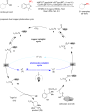
Scheme 61: Decarboxylative trifluoromethylation of aliphatic carboxylic acids via combined photoredox and copp...

Scheme 62: Palladium-catalyzed Ar–CF3 bond-forming reaction.

Scheme 63: Palladium-catalyzed trifluoromethylation of arenes with diverse heterocyclic directing groups.

Scheme 64: Pd-catalyzed trifluoromethylation of indoles as reported by Liu.

Scheme 65: Pd-catalyzed trifluoromethylation of vinyl triflates and vinyl nonaflates.

Scheme 66: Pd(II)-catalyzed ortho-trifluoromethylation of aromatic C–H bonds.

Scheme 67: Visible-light-induced Pd(OAc)2-catalyzed ortho-trifluoromethylation of acetanilides with CF3SO2Na.

Scheme 68: CuI-catalyzed trifluoromethylation of aryl- and alkenylboronic acids.

Scheme 69: Cu-catalyzed trifluoromethylation of aryl- and vinylboronic acids.

Scheme 70: Copper-catalyzed trifluoromethylation of α,β-unsaturated carboxylic acids.

Scheme 71: Formation of C(sp2)–CF3 bond catalyzed by copper(I) complex.

Scheme 72: Loh’s Cu(I)-catalyzed trifluoromethylation of enamides and electron-deficient alkenes.

Scheme 73: Copper and iron-catalyzed decarboxylative tri- and difluoromethylation.

Scheme 74: Cu-catalyzed trifluoromethylation of hydrazones developed by Bouyssi.

Scheme 75: Cu(I)-catalyzed trifluoromethylation of terminal alkenes.

Scheme 76: Cu/Ag-catalyzed decarboxylative trifluoromethylation of cinnamic acids.

Scheme 77: Copper-catalyzed direct alkenyl C–H trifluoromethylation.

Scheme 78: Copper(I/II)-catalyzed direct trifluoromethylation of styrene derivatives.

Scheme 79: Regioselective trifluoromethylation of pivalamido arenes and heteroarenes.

Scheme 80: Synthesis of trifluoromethylquinones in the presence of copper(I).
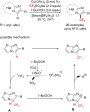
Scheme 81: Oxidative trifluoromethylation of imidazoheterocycles in ionic liquid/water.

Scheme 82: A mild and fast continuous-flow trifluoromethylation of coumarins using a CuI/CF3SO2Na/TBHP system.

Scheme 83: Copper-catalyzed oxidative trifluoromethylation of various 8-aminoquinolines.

Scheme 84: PA-directed copper-catalyzed trifluoromethylation of anilines.

Scheme 85: Trifluoromethylation of potassium vinyltrifluoroborates catalyzed by Fe(II).

Scheme 86: Alkenyl trifluoromethylation catalyzed by Ru(phen)3Cl2 as photocatalyst.

Scheme 87: Ru-catalyzed trifluoromethylation of alkenes by Akita’s group.

Scheme 88: Ir-catalyzed Cvinyl–CF3 bond formation of α,β-unsaturated carboxylic acids.

Scheme 89: Ag(I)-catalyzed denitrative trifluoromethylation of β-nitrostyrenes.

Scheme 90: Photocatalyzed direct trifluoromethylation of aryl and heteroaryl C–H bonds.

Scheme 91: Rhenium (MTO)-catalyzed direct trifluoromethylation of aromatic substrates.

Scheme 92: Trifluoromethylation of unprotected anilines under [Ir(ppy)3] catalyst.

Scheme 93: Oxidative trifluoromethylation of imidazopyridines and imidazoheterocycles.

Scheme 94: Ruthenium-catalyzed trifluoromethylation of (hetero)arenes with trifluoroacetic anhydride.

Scheme 95: Phosphovanadomolybdic acid-catalyzed direct C–H trifluoromethylation.

Scheme 96: Picolinamide-assisted ortho-trifluoromethylation of arylamines.

Scheme 97: A nickel-catalyzed C–H trifluoromethylation of free anilines.

Scheme 98: Cu-mediated trifluoromethylation of terminal alkynes reported by Qing.

Scheme 99: Huang’s C(sp)–H trifluoromethylation using Togni’s reagent.

Scheme 100: Cu-catalyzed methods for trifluoromethylation with Umemoto’s reagent.

Scheme 101: The synthesis of alkynyl-CF3 compounds in the presence of fac-[Ir(ppy)3] under visible-light irradi...

Scheme 102: Pd-catalyzed Heck reaction reported by Reutrakul.

Scheme 103: Difluoromethylation of enamides and ene-carbamates.

Scheme 104: Difluoromethylation of α,β-unsaturated carboxylic acids.

Scheme 105: Copper-catalyzed direct C(sp2)–H difluoroacetylation reported by Pannecoucke and co-workers.

Scheme 106: Difluoroalkylation of aldehyde-derived hydrazones with functionalized difluoromethyl bromides.

Scheme 107: Photoredox-catalyzed C–H difluoroalkylation of aldehyde-derived hydrazones.

Scheme 108: Synergistic ruthenium(II)-catalyzed C–H difluoromethylation reported by Ackermann.

Scheme 109: Visible-light photocatalytic decarboxylation of α,β-unsaturated carboxylic acids.

Scheme 110: Synthesis of difluorinated ketones via S-alkyl dithiocarbamates obtained from acyl chlorides and po...

Scheme 111: Synthesis of aryl and heteroaryl difluoromethylated phosphonates.

Scheme 112: Difluoroalkylation of secondary propargyl sulfonates using Cu as the catalyst.

Scheme 113: Ru(II)-mediated para-selective difluoromethylation of anilides and their derivatives.

Scheme 114: Bulky diamine ligand promoted cross-coupling of difluoroalkyl bromides.

Scheme 115: Copper-catalyzed C3–H difluoroacetylation of quinoxalinones.

Scheme 116: Copper(I) chloride-catalyzed trifluoromethylthiolation of enamines, indoles and β-ketoesters.

Scheme 117: Copper-boxmi-catalyzed asymmetric trifluoromethylthiolation of β-ketoesters.

Scheme 118: Direct Cu-catalyzed trifluoromethylthiolation of boronic acids and alkynes.

Scheme 119: Cu-catalyzed synthesis of α-trifluoromethylthio-substituted ketones.

Scheme 120: Trifluoromethylthiolation reactions promoted by diazotriflone and copper.

Scheme 121: Halide activation of N-(trifluoromethylthio)phthalimide.

Scheme 122: The visible light-promoted trifluoromethylthiolation reported by Glorius.

Scheme 123: Synthesis of α-trifluoromethylthioesters via Goossen’s approach.

Scheme 124: Photoinduced trifluoromethylthiolation of diazonium salts.

Scheme 125: Ag-mediated trifluoromethoxylation of aryl stannanes and arylboronic acids.

Scheme 126: Catalytic (hetero)aryl C–H trifluoromethoxylation under visible light.

Scheme 127: Photoinduced C–H-bond trifluromethoxylation of (hetero)arenes.
1,2,3-Triazolium macrocycles in supramolecular chemistry
- Mastaneh Safarnejad Shad,
- Pulikkal Veettil Santhini and
- Wim Dehaen
Beilstein J. Org. Chem. 2019, 15, 2142–2155, doi:10.3762/bjoc.15.211
- [TCNQ]−· radical anion, dragging the second [TCNQ]− near to the cavity by the help of the electrostatic stabilization supplied by the 1,2,3-triazolium cations, coupling of the two [TCNQ]−· anion radicals in the cavity and rapid formation of the sigma-connected dimer, reduction of the photogenerated

Graphical Abstract

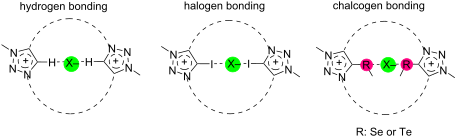
Figure 1: Hydrogen, halogen or chalcogen bonding to anions within a bistriazolium macrocycle.

Figure 2: Main synthetic strategies towards macrocyclic triazoliums.

Figure 3: Chemical structure of compound 1 (1a, 1b and 1c) and 2.

Figure 4: Chemical structure of compound 3 and 4.

Figure 5: Chemical structure of compound 5.

Figure 6: Chemical structure of compound 6.

Figure 7: Chemical structure of compound 7.

Figure 8: Chemical structure of compound 8.
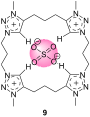
Figure 9: Chemical structures of compound 9.

Figure 10: Chemical structures of compound 10, 11 and 12.

Figure 11: Chemical structure of compound 13.

Figure 12: Chemical structure of compound 15 including the sigma-connected TCNQ dimer.

Figure 13: Chemical structure of compound 16 for the kinetic resolution of epoxides.

Figure 14: Chemical structure of compound 17a (bisnaphtho crown ether shown).

Figure 15: Jump rope in molecular double-lasso compounds 18.

Figure 16: Chemical structure of compound 19 and acid–base triggered motions.
Synthesis of 1-azaspiro[4.4]nonan-1-oxyls via intramolecular 1,3-dipolar cycloaddition
- Yulia V. Khoroshunova,
- Denis A. Morozov,
- Andrey I. Taratayko,
- Polina D. Gladkikh,
- Yuri I. Glazachev and
- Igor A. Kirilyuk
Beilstein J. Org. Chem. 2019, 15, 2036–2042, doi:10.3762/bjoc.15.200
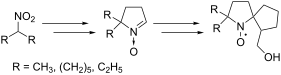
- radicals [1]. Introduction of spirocyclic moieties has a smaller effect on the reduction rates of nitroxides than the introduction of linear alkyl substituents does; however, spirocyclic nitroxides may have much longer spin relaxation times at 70–125 K [3] and even at room temperature [4]. The latter
- group of the cyclopentane ring (Scheme 7). The ester groups in 11a–c were easily cleaved in an aqueous–methanol solution of ammonia. Nitroxides 12a–c were isolated as orange compounds moderately soluble in water. Overall yields of these radicals via the acylation–oxidation–deprotection pathway were in

Graphical Abstract
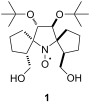
Figure 1: Structure of nitroxide 1.

Scheme 1: The synthesis of aldonitrones 5a–c.

Scheme 2: The principal synthetic scheme for nitroxides 12a–c.

Scheme 3: A possible pathway of ketonitrone 7c self-transformations.

Scheme 4: Oxidation of aminoalcohol 9a.

Scheme 5: The synthesis of alkoxyamines 16a–c.

Scheme 6: The alkoxyamine 18 synthesis.

Scheme 7: A possible mechanism of nitroxide 17 formation.

Scheme 8: Optimisation of the synthesis of nitroxide 1.

Figure 2: Kinetics of the reduction of nitroxides 1 and 12a–c (0.3 mM) with ascorbate (50 mM) in 50 mM phosph...
A review of the total syntheses of triptolide
- Xiang Zhang,
- Zaozao Xiao and
- Hongtao Xu
Beilstein J. Org. Chem. 2019, 15, 1984–1995, doi:10.3762/bjoc.15.194
- for the generation of carbon radicals via single-electron transfer (SET). In 2016, Barriault and co-workers reported a methodology that features the utilization of dimeric gold complex [Au2(dppm)2]Cl2 and ultraviolet A (UV, 365 nm) light to direct arylation of bromide-substituted butenolides or cyclic

Graphical Abstract

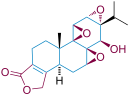
Figure 1: Structures of triptolide (1), triptonide (2), tripdiolide (3), 16-hydroxytriptolide (4), triptrioli...

Figure 2: Syntheses of triptolide.

Scheme 1: Berchtold’s synthesis of triptolide.

Scheme 2: Li’s formal synthesis of triptolide.

Scheme 3: van Tamelen’s asymmetric synthesis of triptonide and triptolide.

Scheme 4: Van Tamelen’s (method II) formal synthesis of triptolide.

Scheme 5: Sherburn’s formal synthesis of triptolide.

Scheme 6: van Tamelen’s biogenetic type total synthesis of triptolide.

Scheme 7: Yang’s total synthesis of triptolide.

Scheme 8: Key intermediates or transformations of routes J–N.
Vicinal difunctionalization of alkenes by four-component radical cascade reaction of xanthogenates, alkenes, CO, and sulfonyl oxime ethers
- Shuhei Sumino,
- Takahide Fukuyama,
- Mika Sasano,
- Ilhyong Ryu,
- Antoine Jacquet,
- Frédéric Robert and
- Yannick Landais
Beilstein J. Org. Chem. 2019, 15, 1822–1828, doi:10.3762/bjoc.15.176

- functionalities, have the potential for further elaboration. Keywords: CO; multicomponent reaction; radicals; sulfonyl oxime ethers; xanthogenates; Introduction Multicomponent reactions constitute a powerful and highly efficient tool in organic synthesis to build up intricate compounds from simple molecules in
- /acceptor type C1 synthons [6][7][8][9][10][11][12][13][14][15]. In this context, sulfonyl oxime ethers are powerful acceptors of type C1 synthon [8][16][17], which terminates the multicomponent reaction by a β-scission of RSO2 radicals [18][19][20]. Recently, one of us reported on a three-component radical

Graphical Abstract

Scheme 1: Concept: Alkene difuctionalization by four-component radical reaction using xanthates, alkenes, CO ...

Figure 1: Vicinal difunctionalization of alkenes by four-component radical cascade reaction using xanthogenat...

Figure 2: Proposed radical chain mechanism.
Recent advances on the transition-metal-catalyzed synthesis of imidazopyridines: an updated coverage
- Gagandeep Kour Reen,
- Ashok Kumar and
- Pratibha Sharma
Beilstein J. Org. Chem. 2019, 15, 1612–1704, doi:10.3762/bjoc.15.165

Graphical Abstract

Figure 1: Various drugs having IP nucleus.

Figure 2: Participation percentage of various TMs for the syntheses of IPs.

Scheme 1: CuI–NaHSO4·SiO2-catalyzed synthesis of imidazo[1,2-a]pyridines.

Scheme 2: Experimental examination of reaction conditions.

Scheme 3: One-pot tandem reaction for the synthesis of 2-haloimidazopyridines.

Scheme 4: Mechanistic scheme for the synthesis of 2-haloimidazopyridine.

Scheme 5: Copper-MOF-catalyzed three-component reaction (3-CR) for imidazo[1,2-a]pyridines.

Scheme 6: Mechanism for copper-MOF-driven synthesis.

Scheme 7: Heterogeneous synthesis via titania-supported CuCl2.

Scheme 8: Mechanism involving oxidative C–H functionalization.

Scheme 9: Heterogeneous synthesis of IPs.

Scheme 10: One-pot regiospecific synthesis of imidazo[1,2-a]pyridines.

Scheme 11: Vinyl azide as an unprecedented substrate for imidazo[1,2-a]pyridines.

Scheme 12: Radical pathway.

Scheme 13: Cu(I)-catalyzed transannulation approach for imidazo[1,5-a]pyridines.

Scheme 14: Plausible radical pathway for the synthesis of imidazo[1,5-a]pyridines.

Scheme 15: A solvent-free domino reaction for imidazo[1,2-a]pyridines.

Scheme 16: Cu-NPs-mediated synthesis of imidazo[1,2-a]pyridines.

Scheme 17: CuI-catalyzed synthesis of isoxazolylimidazo[1,2-a]pyridines.

Scheme 18: Functionalization of 4-bromo derivative via Sonogashira coupling reaction.

Scheme 19: A plausible reaction pathway.

Scheme 20: Cu(I)-catalyzed intramolecular oxidative C–H amidation reaction.

Scheme 21: One-pot synthetic reaction for imidazo[1,2-a]pyridine.

Scheme 22: Plausible reaction mechanism.

Scheme 23: Cu(OAc)2-promoted synthesis of imidazo[1,2-a]pyridines.

Scheme 24: Mechanism for aminomethylation/cycloisomerization of propiolates with imines.

Scheme 25: Three-component synthesis of imidazo[1,2-a]pyridines.

Figure 3: Scope of pyridin-2(1H)-ones and acetophenones.

Scheme 26: CuO NPS-promoted A3 coupling reaction.

Scheme 27: Cu(II)-catalyzed C–N bond formation reaction.

Scheme 28: Mechanism involving Chan–Lam/Ullmann coupling.

Scheme 29: Synthesis of formyl-substituted imidazo[1,2-a]pyridines.

Scheme 30: A tandem sp3 C–H amination reaction.

Scheme 31: Probable mechanistic approach.

Scheme 32: Dual catalytic system for imidazo[1,2-a]pyridines.

Scheme 33: Tentative mechanism.

Scheme 34: CuO/CuAl2O4/ᴅ-glucose-promoted 3-CCR.

Scheme 35: A tandem CuOx/OMS-2-based synthetic strategy.

Figure 4: Biomimetic catalytic oxidation in the presence of electron-transfer mediators (ETMs).

Scheme 36: Control experiment.

Scheme 37: Copper-catalyzed C(sp3)–H aminatin reaction.

Scheme 38: Reaction of secondary amines.

Scheme 39: Probable mechanistic pathway.

Scheme 40: Coupling reaction of α-azidoketones.

Scheme 41: Probable pathway.

Scheme 42: Probable mechanism with free energy calculations.

Scheme 43: MCR for cyanated IP synthesis.

Scheme 44: Substrate scope for the reaction.

Scheme 45: Reaction mechanism.

Scheme 46: Probable mechanistic pathway for Cu/ZnAl2O4-catalyzed reaction.

Scheme 47: Copper-catalyzed double oxidative C–H amination reaction.

Scheme 48: Application towards different coupling reactions.

Scheme 49: Reaction mechanism.

Scheme 50: Condensation–cyclization approach for the synthesis of 1,3-diarylated imidazo[1,5-a]pyridines.

Scheme 51: Optimized reaction conditions.

Scheme 52: One-pot 2-CR.

Scheme 53: One-pot 3-CR without the isolation of chalcone.

Scheme 54: Copper–Pybox-catalyzed cyclization reaction.

Scheme 55: Mechanistic pathway catalyzed by Cu–Pybox complex.

Scheme 56: Cu(II)-promoted C(sp3)-H amination reaction.

Scheme 57: Wider substrate applicability for the reaction.

Scheme 58: Plausible reaction mechanism.

Scheme 59: CuI assisted C–N cross-coupling reaction.

Scheme 60: Probable reaction mechanism involving sp3 C–H amination.

Scheme 61: One-pot MCR-catalyzed by CoFe2O4/CNT-Cu.

Scheme 62: Mechanistic pathway.

Scheme 63: Synthetic scheme for 3-nitroimidazo[1,2-a]pyridines.

Scheme 64: Plausible mechanism for CuBr-catalyzed reaction.

Scheme 65: Regioselective synthesis of halo-substituted imidazo[1,2-a]pyridines.

Scheme 66: Synthesis of 2-phenylimidazo[1,2-a]pyridines.

Scheme 67: Synthesis of diarylated compounds.

Scheme 68: CuBr2-mediated one-pot two-component oxidative coupling reaction.

Scheme 69: Decarboxylative cyclization route to synthesize 1,3-diarylimidazo[1,5-a]pyridines.

Scheme 70: Mechanistic pathway.

Scheme 71: C–H functionalization reaction of enamines to produce diversified heterocycles.

Scheme 72: A plausible mechanism.

Scheme 73: CuI-promoted aerobic oxidative cyclization reaction of ketoxime acetates and pyridines.

Scheme 74: CuI-catalyzed pathway for the formation of imidazo[1,2-a]pyridine.

Scheme 75: Mechanistic pathway.

Scheme 76: Mechanistic rationale for the synthesis of products.

Scheme 77: Copper-catalyzed synthesis of vinyloxy-IP.

Scheme 78: Regioselective product formation with propiolates.

Scheme 79: Proposed mechanism for vinyloxy-IP formation.

Scheme 80: Regioselective synthesis of 3-hetero-substituted imidazo[1,2-a]pyridines with different reaction su...

Scheme 81: Mechanistic pathway.

Scheme 82: CuI-mediated synthesis of 3-formylimidazo[1,2-a]pyridines.

Scheme 83: Radical pathway for 3-formylated IP synthesis.

Scheme 84: Pd-catalyzed urea-cyclization reaction for IPs.

Scheme 85: Pd-catalyzed one-pot-tandem amination and intramolecular amidation reaction.

Figure 5: Scope of aniline nucleophiles.

Scheme 86: Pd–Cu-catalyzed Sonogashira coupling reaction.

Scheme 87: One-pot amide coupling reaction for the synthesis of imidazo[4,5-b]pyridines.

Scheme 88: Urea cyclization reaction for the synthesis of two series of pyridines.

Scheme 89: Amidation reaction for the synthesis of imidazo[4,5-b]pyridines.

Figure 6: Amide scope.

Scheme 90: Pd NPs-catalyzed 3-component reaction for the synthesis of 2,3-diarylated IPs.

Scheme 91: Plausible mechanistic pathway for Pd NPs-catalyzed MCR.

Scheme 92: Synthesis of chromenoannulated imidazo[1,2-a]pyridines.

Scheme 93: Mechanism for the synthesis of chromeno-annulated IPs.

Scheme 94: Zinc oxide NRs-catalyzed synthesis of imidazo[1,2-a]azines/diazines.

Scheme 95: Zinc oxide-catalyzed isocyanide based GBB reaction.

Scheme 96: Reaction pathway for ZnO-catalyzed GBB reaction.

Scheme 97: Mechanistic pathway.

Scheme 98: ZnO NRs-catalyzed MCR for the synthesis of imidazo[1,2-a]azines.

Scheme 99: Ugi type GBB three-component reaction.

Scheme 100: Magnetic NPs-catalyzed synthesis of imidazo[1,2-a]pyridines.

Scheme 101: Regioselective synthesis of 2-alkoxyimidazo[1,2-a]pyridines catalyzed by Fe-SBA-15.

Scheme 102: Plausible mechanistic pathway for the synthesis of 2-alkoxyimidazopyridine.

Scheme 103: Iron-catalyzed synthetic approach.

Scheme 104: Iron-catalyzed aminooxygenation reaction.

Scheme 105: Mechanistic pathway.

Scheme 106: Rh(III)-catalyzed double C–H activation of 2-substituted imidazoles and alkynes.

Scheme 107: Plausible reaction mechanism.

Scheme 108: Rh(III)-catalyzed non-aromatic C(sp2)–H bond activation–functionalization for the synthesis of imid...

Scheme 109: Reactivity and selectivity of different substrates.

Scheme 110: Rh-catalyzed direct C–H alkynylation by Li et al.

Scheme 111: Suggested radical mechanism.

Scheme 112: Scandium(III)triflate-catalyzed one-pot reaction and its mechanism for the synthesis of benzimidazo...

Scheme 113: RuCl3-assisted Ugi-type Groebke–Blackburn condensation reaction.

Scheme 114: C-3 aroylation via Ru-catalyzed two-component reaction.

Scheme 115: Regioselective synthetic mechanism.

Scheme 116: La(III)-catalyzed one-pot GBB reaction.

Scheme 117: Mechanistic approach for the synthesis of imidazo[1,2-a]pyridines.

Scheme 118: Synthesis of imidazo[1,2-a]pyridine using LaMnO3 NPs under neat conditions.

Scheme 119: Mechanistic approach.

Scheme 120: One-pot 3-CR for regioselective synthesis of 2-alkoxy-3-arylimidazo[1,2-a]pyridines.

Scheme 121: Formation of two possible products under optimization of the catalysts.

Scheme 122: Mechanistic strategy for NiFe2O4-catalyzed reaction.

Scheme 123: Two-component reaction for synthesizing imidazodipyridiniums.

Scheme 124: Mechanistic scheme for the synthesis of imidazodipyridiniums.

Scheme 125: CuI-catalyzed arylation of imidazo[1,2-a]pyridines.

Scheme 126: Mechanism for arylation reaction.

Scheme 127: Cupric acetate-catalyzed double carbonylation approach.

Scheme 128: Radical mechanism for double carbonylation of IP.

Scheme 129: C–S bond formation reaction catalyzed by cupric acetate.

Scheme 130: Cupric acetate-catalyzed C-3 formylation approach.

Scheme 131: Control experiments for signifying the role of DMSO and oxygen.

Scheme 132: Mechanism pathway.

Scheme 133: Copper bromide-catalyzed CDC reaction.

Scheme 134: Extension of the substrate scope.

Scheme 135: Plausible radical pathway.

Scheme 136: Transannulation reaction for the synthesis of imidazo[1,5-a]pyridines.

Scheme 137: Plausible reaction pathway for denitrogenative transannulation.

Scheme 138: Cupric acetate-catalyzed C-3 carbonylation reaction.

Scheme 139: Plausible mechanism for regioselective C-3 carbonylation.

Scheme 140: Alkynylation reaction at C-2 of 3H-imidazo[4,5-b]pyridines.

Scheme 141: Two-way mechanism for C-2 alkynylation of 3H-imidazo[4,5-b]pyridines.

Scheme 142: Palladium-catalyzed SCCR approach.

Scheme 143: Palladium-catalyzed Suzuki coupling reaction.

Scheme 144: Reaction mechanism.

Scheme 145: A phosphine free palladium-catalyzed synthesis of C-3 arylated imidazopyridines.

Scheme 146: Palladium-mediated Buchwald–Hartwig cross-coupling reaction.

Figure 7: Structure of the ligands optimized.

Scheme 147: Palladium acetate-catalyzed direct arylation of imidazo[1,2-a]pyridines.

Scheme 148: Palladium acetate-catalyzed mechanistic pathway.

Scheme 149: Palladium acetate-catalyzed regioselective arylation reported by Liu and Zhan.

Scheme 150: Mechanism for selective C-3 arylation of IP.

Scheme 151: Pd(II)-catalyzed alkenylation reaction with styrenes.

Scheme 152: Pd(II)-catalyzed alkenylation reaction with acrylates.

Scheme 153: A two way mechanism.

Scheme 154: Double C–H activation reaction catalyzed by Pd(OAc)2.

Scheme 155: Probable mechanism.

Scheme 156: Palladium-catalyzed decarboxylative coupling.

Scheme 157: Mechanistic cycle for decarboxylative arylation reaction.

Scheme 158: Ligand-free approach for arylation of imidazo[1,2-a]pyridine-3-carboxylic acids.

Scheme 159: Mechanism for ligandless arylation reaction.

Scheme 160: NHC-Pd(II) complex assisted arylation reaction.

Scheme 161: C-3 arylation of imidazo[1,2-a]pyridines with aryl bromides catalyzed by Pd(OAc)2.

Scheme 162: Pd(II)-catalyzed C-3 arylations with aryl tosylates and mesylates.

Scheme 163: CDC reaction for the synthesis of imidazo[1,2-a]pyridines.

Scheme 164: Plausible reaction mechanism for Pd(OAc)2-catalyzed synthesis of imidazo[1,2-a]pyridines.

Scheme 165: Pd-catalyzed C–H amination reaction.

Scheme 166: Mechanism for C–H amination reaction.

Scheme 167: One-pot synthesis for 3,6-di- or 2,3,6-tri(hetero)arylimidazo[1,2-a]pyridines.

Scheme 168: C–H/C–H cross-coupling reaction of IPs and azoles catalyzed by Pd(II).

Scheme 169: Mechanistic cycle.

Scheme 170: Rh-catalyzed C–H arylation reaction.

Scheme 171: Mechanistic pathway for C–H arylation of imidazo[1,2-a]pyridine.

Scheme 172: Rh(III)-catalyzed double C–H activation of 2-phenylimidazo[1,2-a]pyridines and alkynes.

Scheme 173: Rh(III)-catalyzed mechanistic pathway.

Scheme 174: Rh(III)-mediated oxidative coupling reaction.

Scheme 175: Reactions showing functionalization of the product obtained by the group of Kotla.

Scheme 176: Mechanism for Rh(III)-catalyzed oxidative coupling reaction.

Scheme 177: Rh(III)-catalyzed C–H activation reaction.

Scheme 178: Mechanistic cycle.

Scheme 179: Annulation reactions of 2-arylimidazo[1,2-a]pyridines and alkynes.

Scheme 180: Two-way reaction mechanism for annulations reaction.

Scheme 181: [RuCl2(p-cymene)]2-catalyzed C–C bond formation reaction.

Scheme 182: Reported reaction mechanism.

Scheme 183: Fe(III) catalyzed C-3 formylation approach.

Scheme 184: SET mechanism-catalyzed by Fe(III).

Scheme 185: Ni(dpp)Cl2-catalyzed KTC coupling.

Scheme 186: Pd-catalyzed SM coupling.

Scheme 187: Vanadium-catalyzed coupling of IP and NMO.

Scheme 188: Mechanistic cycle.

Scheme 189: Selective C3/C5–H bond functionalizations by mono and bimetallic systems.

Scheme 190: rGO-Ni@Pd-catalyzed C–H bond arylation of imidazo[1,2-a]pyridine.

Scheme 191: Mechanistic pathway for heterogeneously catalyzed arylation reaction.

Scheme 192: Zinc triflate-catalyzed coupling reaction of substituted propargyl alcohols.



