Search results
Search for "cancer" in Full Text gives 526 result(s) in Beilstein Journal of Organic Chemistry. Showing first 200.
A novel spirocyclic scaffold accessed via tandem Claisen rearrangement/intramolecular oxa-Michael addition
Beilstein J. Org. Chem. 2022, 18, 1649–1655, doi:10.3762/bjoc.18.177
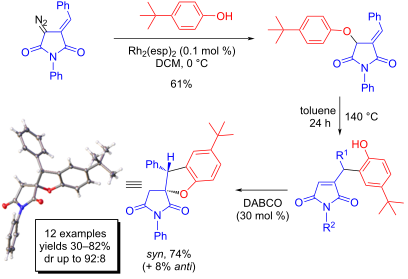
- adenocarcinoma) and NCI-H460 (lung cancer) cell lines and proved completely non-cytotoxic. This validates these new compounds as suitable molecular probes for interrogating various biological targets via screening in cell-based assays. Conclusion We have developed a straightforward access to novel spiro


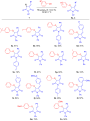
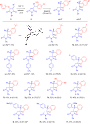

A novel bis-triazole scaffold accessed via two tandem [3 + 2] cycloaddition events including an uncatalyzed, room temperature azide–alkyne click reaction
Beilstein J. Org. Chem. 2022, 18, 1636–1641, doi:10.3762/bjoc.18.175
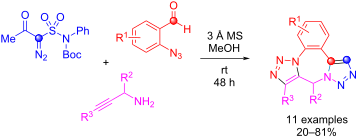
- fragments in the structure of compound 5a) include compound 6 for the treatment of cognitive impairment [7], BET bromodomain inhibitors 7 [8] and 8 [9] for cancer treatment, σ1 receptor modulator 9 for diverse disorders [10] and bacterial regulatory RNA binder 10 [11] (scaffold A) as well as antidiuretic 11
- although the yield of product 21 was diminished compared to that of unsubstituted compound 5a. The structure of compound 21 was also confirmed by the single-crystal X-ray analysis (Scheme 3). All compounds were tested against lung cancer cell lines A549 and NCI-H460 and did not show any appreciable effect


One-pot double annulations to confer diastereoselective spirooxindolepyrrolothiazoles
Beilstein J. Org. Chem. 2022, 18, 1607–1616, doi:10.3762/bjoc.18.171
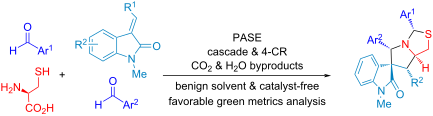
- Chemical Engineering, University of North Dakota, 241 Centennial Drive Stop 7101, Grand Forks, North Dakota 58202, United States Department of Cancer Biology, Dana-Farber Cancer Institute, Harvard University, Boston, MA 02215, USA Broad Institute of Harvard and MIT, Cambridge, MA 02142, United States


Using UHPLC–MS profiling for the discovery of new sponge-derived metabolites and anthelmintic screening of the NatureBank bromotyrosine library
Beilstein J. Org. Chem. 2022, 18, 1544–1552, doi:10.3762/bjoc.18.164
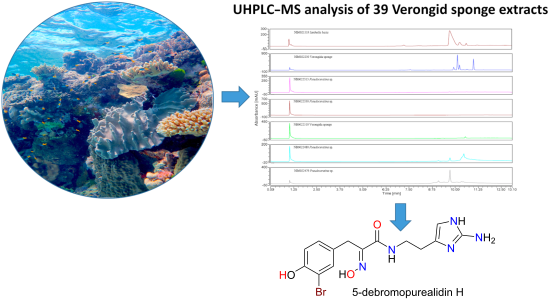
- , fragmentation of the mitochondrial tubular network, chromosome misalignment, and cell cycle arrest in mitosis in LNCaP prostate cancer cells [38]. The bastadin structure class is well-documented within the literature for their cytotoxic activity [37][39][40][41], with both bastadins 4 and 8 exhibiting in vitro


Characterization of a new fusicoccane-type diterpene synthase and an associated P450 enzyme
Beilstein J. Org. Chem. 2022, 18, 1396–1402, doi:10.3762/bjoc.18.144
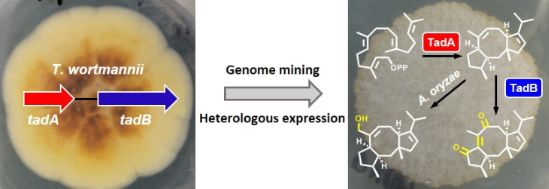
- efficient modulators of 14-3-3 protein–protein interactions (PPIs) [3][4]. 14-3-3 PPIs, which refer to the binding interactions of 14-3-3 proteins with hundreds of “client” proteins, are associated with many diseases, such as cancer and neurodegenerative diseases [3][4]. As a result, lots of attempts



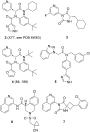
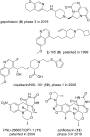
On drug discovery against infectious diseases and academic medicinal chemistry contributions
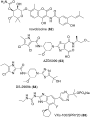
Beilstein J. Org. Chem. 2022, 18, 1355–1378, doi:10.3762/bjoc.18.141




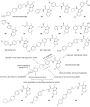

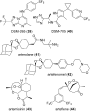

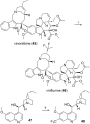
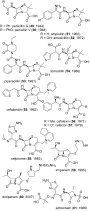

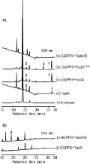
Computational model predicts protein binding sites of a luminescent ligand equipped with guanidiniocarbonyl-pyrrole groups
Beilstein J. Org. Chem. 2022, 18, 1322–1331, doi:10.3762/bjoc.18.137
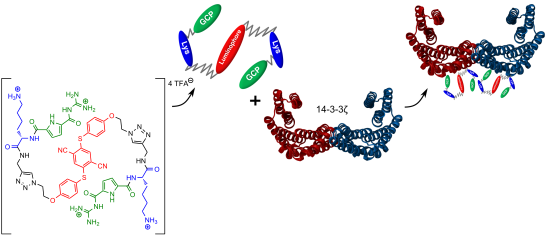
- role in several human diseases including cancer and neurodegenerative disorders like Alzheimer’s and Parkinson’s diseases [5]. Based on these observations and findings it is not surprising that the 14-3-3 family has attracted interest in pharmacological research as a novel potential target [5][6]. One
- -3-3ζ homodimer [14]. Very recently the survivin–histone H3 interaction was disrupted using a GCP dimer, which led to decreased cancer cell proliferation [8]. A major problem in this context is the readout of binding events, which is currently mainly achieved by indirect measurements. One approach to




Experimental and theoretical studies on the synthesis of 1,4,5-trisubstituted pyrrolidine-2,3-diones
Beilstein J. Org. Chem. 2022, 18, 1140–1153, doi:10.3762/bjoc.18.118
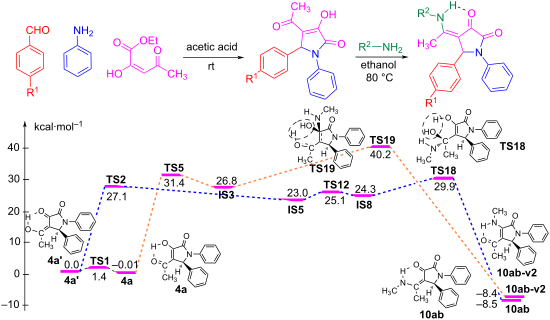
- also important substructures in a variety of non-natural compounds and their pharmacological effects against bacteria [13][14][15][16], inflammation [17][18], viruses [19], radical [20], and cancer [21][22][23][24][25][26] have been proven. It is undoubtedly true that heterocyclic compounds containing


Facile and diastereoselective arylation of the privileged 1,4-dihydroisoquinolin-3(2H)-one scaffold
Beilstein J. Org. Chem. 2022, 18, 1070–1078, doi:10.3762/bjoc.18.109
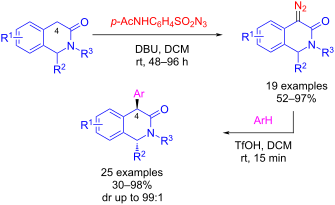
- readily available 3(2H)-isoquinolones followed by TfOH-promoted hydroarylation by an arene molecule. Screening of the novel 1,2,4-trisubstituted 1,4-DHIQs against cancer cell lines confirmed high cytotoxicity of selected analogs, which validates this new chemotype for further investigations as anticancer
- -DHIQ adducts synthesized in this work, they were deemed efficient probes for the perturbation of vital cellular targets. Screening of these compounds against lung carcinoma cancer cell lines confirmed high cytotoxicity of selected analogs, which validates this new chemotype for further investigation as


Synthesis and HDAC inhibitory activity of pyrimidine-based hydroxamic acids
Beilstein J. Org. Chem. 2022, 18, 837–844, doi:10.3762/bjoc.18.84
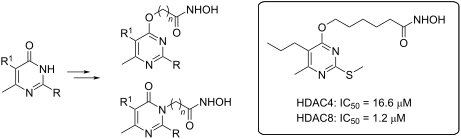
- also been shown to play a significant role in pathologies such as cancer, neurodegenerative diseases, and metabolic disorders [1][2]. HDACs are structurally divided into 18 isoforms, which are grouped into 4 classes. The 11 isoforms belonging to classes I, II, and IV are dependent on the Zn2+ ion in


Terpenoids from Glechoma hederacea var. longituba and their biological activities
Beilstein J. Org. Chem. 2022, 18, 555–566, doi:10.3762/bjoc.18.58
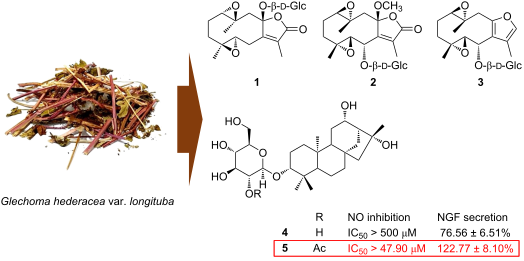
- , nerve growth factor (NGF) secretion stimulation activities in C6 glioma cells, and cytotoxic activities against four human cancer cell lines (A549, SK-OV-3, SK-MEL-2, and HCT15). Compounds 2 and 5–7 exhibited inhibitory effects on the NO production with IC50 values of 52.21, 47.90, 61.61, and 25.35 μM
- inhibitory activities, compound 5 showed a stronger stimulating effect on the secretion of NGF than compound 4 (76.56 ± 6.51%). Cytotoxic effects of compounds 1–9 against four human cancer cell lines [non-small-cell lung adenocarcinoma (A549), malignant ovarian ascites (SK-OV-3), skin melanoma (SK-MEL-2
- . Compounds 7 and 9 showed selective cytotoxic activities against human cancer cell lines. This study suggests that the bioactive tepenoids (2, 5–7, and 9) from G. hederacea var. longituba would be potential new drug candidates. Experimental General experimental procedures. Optical rotations were measured on


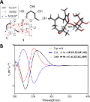


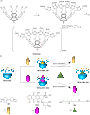
Synthesis of a new water-soluble hexacarboxylated tribenzotriquinacene derivative and its competitive host–guest interaction for drug delivery
Beilstein J. Org. Chem. 2022, 18, 539–548, doi:10.3762/bjoc.18.56
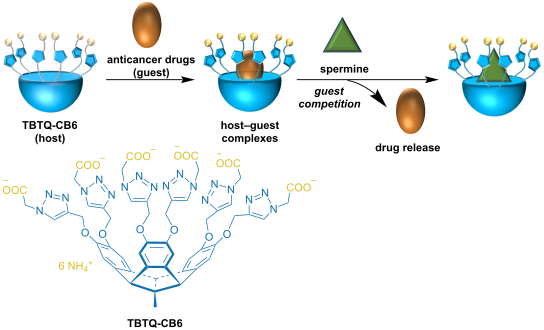
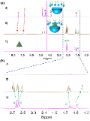
- molecule overexpressed in cancer cells, through host–guest competitive substitution since TBTQ-CB6 has a stronger binding affinity toward SM than MV and DOX. The host–guest interactions of the complexes of TBTQ-CB6 with MV, DOX and SM were investigated by NMR spectroscopy and fluorescence spectroscopy. The
- cancer treatment [1][2]. Many types of chemotherapeutic drugs have been commonly used in clinical practice, including doxorubicin (DOX) [3], chlorambucil [4], oxaliplatin [5], etc. However, the use of most chemotherapeutic agents is often challenged by their poor water solubility and non-selective
- targeting of cancer cells, resulting in low bioavailability and systemic side effects [6]. To address these drawbacks, various approaches have been developed to improve the bioavailability of these and other drugs and to enable their targeted delivery to cancer cells [7][8][9][10]. In recent years





Unusual highly diastereoselective Rh(II)-catalyzed dimerization of 3-diazo-2-arylidenesuccinimides provides access to a new dibenzazulene scaffold
Beilstein J. Org. Chem. 2022, 18, 533–538, doi:10.3762/bjoc.18.55
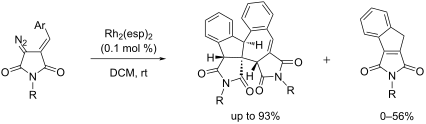
- interactions, including oncogenic ones [18]. As the first step towards biological characterization of compounds 2, they were screened for cytotoxicity against the A549 human lung adenocarcinoma cell line. Among the eleven compounds, N-aryl analogs 2a–e, 2h, and 2j had no effect on the cancer cell viability


Menadione: a platform and a target to valuable compounds synthesis
Beilstein J. Org. Chem. 2022, 18, 381–419, doi:10.3762/bjoc.18.43
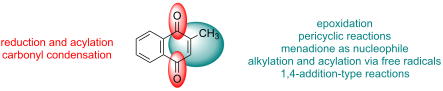
- menadione, a synthetic naphthoquinone belonging to the vitamin K group. This compound can be synthesized by different methods and it has a broad range of biological and synthetic applications, which will be highlighted in this review. Keywords: cancer; chemical reactions; 2-methyl-1,4-naphthoquinone


Four bioactive new steroids from the soft coral Lobophytum pauciflorum collected in South China Sea
Beilstein J. Org. Chem. 2022, 18, 374–380, doi:10.3762/bjoc.18.42
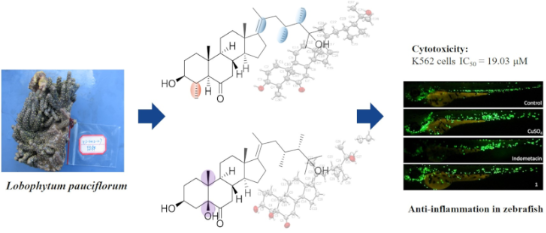
- , demethylgorgosterol [9][10]. Thus, the structure of compound 4 was assigned as shown in Figure 1. Biological activity The cytotoxic activities of compounds 1–7 were evaluated against three cancer cell lines (HL-60, K562, and Hela), but only compound 1 exhibited weak cytotoxic activity against K562 cells with an IC50


Synthesis of novel [1,2,4]triazolo[1,5-b][1,2,4,5]tetrazines and investigation of their fungistatic activity
Beilstein J. Org. Chem. 2022, 18, 243–250, doi:10.3762/bjoc.18.29
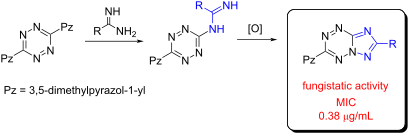
- labeling proteins and visualizing cancer due to the ability of s-tetrazine to fast and biocompatible ligation with alkenes via the inverse electron demand Diels–Alder reactions [29][30][31]. At the same time, azolo-annulated 1,2,4,5-tetrazines remain to be a scarcely studied class of compounds, mainly due


Synthesis and bioactivity of pyrrole-conjugated phosphopeptides
Beilstein J. Org. Chem. 2022, 18, 159–166, doi:10.3762/bjoc.18.17
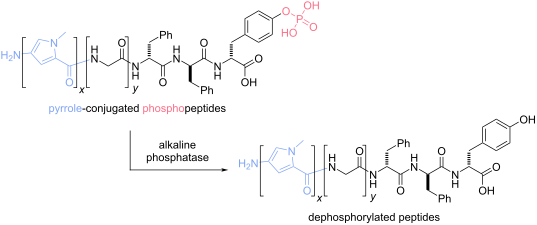
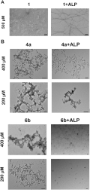
- Qiuxin Zhang Weiyi Tan Bing Xu Department of Chemistry, Brandeis University, 415 South Street, Waltham, MA 02454, USA 10.3762/bjoc.18.17 Abstract Here we report the synthesis and effect on the cell viability of pyrrole-conjugated phosphopeptides. Encouraged by the selective inhibition of cancer
- , such as intracellular phase transition [22], molecular imaging [23][24][25][26][27][28][29][30][31][32][33], anisotropic hydrogels [34][35], targeting subcellular organelles [36][37][38][39][40], elimination of pluripotent stem cells (PSC) [41][42], and cancer therapy [43][44][45][46][47][48][49][50
- a variety of phosphopeptides that selectively inhibit cancer cells [38][64][65][71][72]. Encouraged by the results from the naphthylacetyl capped phosphopeptides, we decided to use multiple N-methylpyrroles, as the heteroaromatic analog of naphthyl, to cap the N-terminal of phosphopeptides for EISA


Ready access to 7,8-dihydroindolo[2,3-d][1]benzazepine-6(5H)-one scaffold and analogues via early-stage Fischer ring-closure reaction
Beilstein J. Org. Chem. 2022, 18, 143–151, doi:10.3762/bjoc.18.15
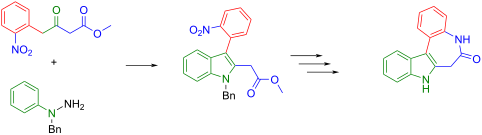
- kinases (Cdks), which are potential targets for cancer chemotherapy. Herein we report an efficient and clean pathway to the fourth isomer, which remained elusive so far, namely 7,8-dihydroindolo[2,3-d][1]benzazepin-6(5H)-one. Moreover, we demonstrate the generality of our pathway by synthesizing two
- unit is shifted and the indole ring is flipped (D). Isomer D has been shown to be a potent tubulin-polymerase inhibitor, while B was only mildly cytotoxic towards cancer cells at a concentration of 1 µM [5][6]. Backbone C, despite being very similar to the other three scaffolds, remained a synthetic
- nanomolar concentration range and selectivity for cancer cells over normal ones [22]. The synthesis of core structures A, B, and D is well-documented in the literature [2][6]. Herein we describe the first synthesis of 7,8-dihydroindolo[2,3-d][1]benzazepin-6(5H)-one (C) (Figure 1). Results and Discussion






Chemical and chemoenzymatic routes to bridged homoarabinofuranosylpyrimidines: Bicyclic AZT analogues
Beilstein J. Org. Chem. 2022, 18, 95–101, doi:10.3762/bjoc.18.10
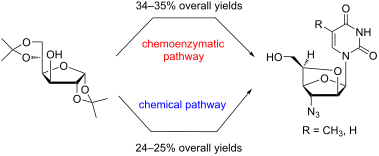
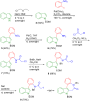
- acetylation; Introduction In the last few decades, modification of nucleoside/nucleotide analogues has been a field of keen interest to researchers due to their therapeutic properties for treatment of cancer, viral and microbial infections [1][2][3][4][5][6][7][8][9]. The very first cytotoxic
- chemotherapeutic agents used for the treatment of cancer were nucleoside analogues and nucleobases [10]. Azidothymidine (1, AZT) was the first approved drug for the treatment of human immunodeficiency virus (HIV) [11][12]. Subsequently, a large number of sugar modified nucleosides, such as ddC (zalcitabine) [13



1,2-Naphthoquinone-4-sulfonic acid salts in organic synthesis
Beilstein J. Org. Chem. 2022, 18, 53–69, doi:10.3762/bjoc.18.5
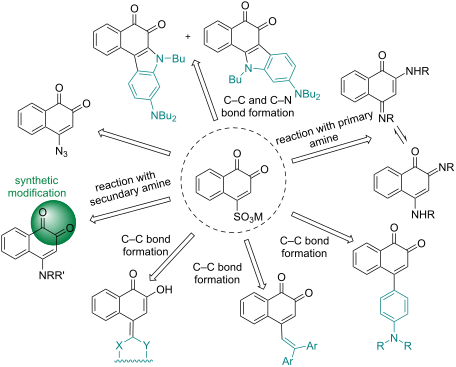
- -workers synthesized other naphthoquinone derivatives 37 from β-NQSNa (18) [86]. These compounds were evaluated for their antiproliferative activities on human cancer cells, with three of them being the most active (37a–c). It has been shown that the mechanism of action passes through the production of
- human cancer cell lines, including leukemia (HL-60), melanoma (MDA-MB-435), colon cancer (HCT-116), and central nervous system cancer (SF-295). 4-Amino-1,2-naphthoquinones 43a–c exhibited considerable cytotoxic activities, with 43a being the most active against HL-60 and MDA-MB-435 cells (Scheme 12


Peptide stapling by late-stage Suzuki–Miyaura cross-coupling
Beilstein J. Org. Chem. 2022, 18, 1–12, doi:10.3762/bjoc.18.1
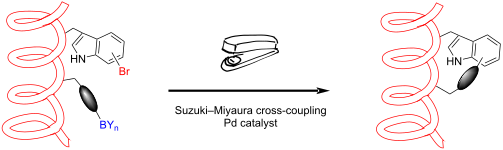
- + 7 for two helix turns, respectively, followed by Ru-catalysed cross-linking [7]. By this robust and reliable approach, a library of stapled peptides was generated influencing diverse α-helical dominated protein–protein interactions (PPI) spanning pathways involved in cancer, infectious diseases
- part in the destruction complex for β-catenin labelling in the canonical Wnt signalling. Loss-of-function mutations in this pathway lead to a dysregulated signal transduction causing cancer [75][76]. All-hydrocarbon stapled peptides comprising amino acids 467 to 481 of the axin CBD had been studied in


Selective sulfonylation and isonitrilation of para-quinone methides employing TosMIC as a source of sulfonyl group or isonitrile group
Beilstein J. Org. Chem. 2021, 17, 2822–2831, doi:10.3762/bjoc.17.193
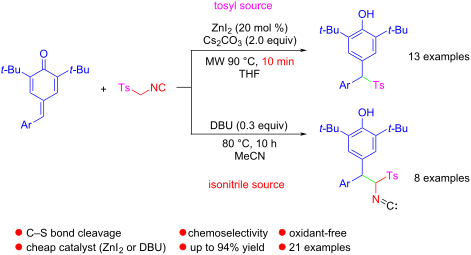
- letrozole [5] and entrectinib [6], with especially entrectinib showing a potent anticancer activity against a broad spectrum of human cancer cell lines. In recent decades, the construction of a hybrid system with varied biological and pharmaceutical activities has received extensive attention from medicinal


Highly stereocontrolled total synthesis of racemic codonopsinol B through isoxazolidine-4,5-diol vinylation
Beilstein J. Org. Chem. 2021, 17, 2781–2786, doi:10.3762/bjoc.17.188
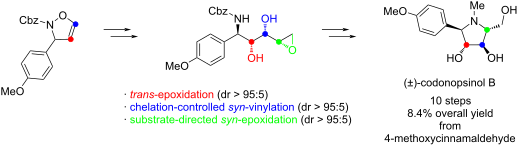
- . tangshen). This crude drug is called Dangshen in Chinese and Tojin in Japanese and has been used as traditional Chinese medicine with numerous beneficial pharmacological activities to treat multiple diseases [8][9], including cancer [10][11][12][13]. It is assumed that polyacetylenes, phenylpropanoids
- human cancer cell lines has never been described. In view of this, we have developed an efficient and highly diastereoselective approach towards codonopsinol B (1) and its N-nor-methyl analogue 2 from achiral starting materials and evaluated their anticancer activity using four different cancer cell
- cancer cell lines [14]. For this reason, the compounds 1 and 2 were prepared first in their racemic form to begin the initial biological studies. Results and Discussion The starting isoxazolidine-4,5-diol 3, possessing the desired 3,4-trans configuration (Scheme 1), will be prepared by using our


GlycoBioinformatics
Beilstein J. Org. Chem. 2021, 17, 2726–2728, doi:10.3762/bjoc.17.184
- transcription factors using next-generation sequencing expression data of glycoenzymes in cancer cell lines. The latter paper uses knowledge from current open access glycomic databases to curate and validate glycan structures reported on proteins in the Protein Data Bank (PDB) database. Overall, the wide
The ethoxycarbonyl group as both activating and protective group in N-acyl-Pictet–Spengler reactions using methoxystyrenes. A short approach to racemic 1-benzyltetrahydroisoquinoline alkaloids
Beilstein J. Org. Chem. 2021, 17, 2716–2725, doi:10.3762/bjoc.17.183
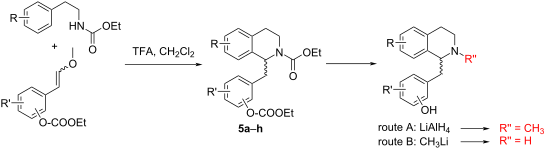
- data on structure–activity relationship are still rare. First, we assessed the antiproliferative activity of the benzylisoquinolines 2a–f, 3a–c and 4 by CellTiter Blue cell viability assay and used tetrandrine as reference compound. In the cervical cancer cell line HeLa, none of the newly tested
- compounds showed antiproliferative effects, in contrast to tetrandrine which potently inhibits cancer cell proliferation. In the multidrug resistant leukemia cell line VCR-R CEM proliferation was measurably reduced upon treatment with two of the investigated compounds, rac-armepavine (2a) and rac
- . Interestingly, macrocyclic bisbenzylisoquinolines such as tetrandrine [48][49] and related alkaloids [50], have been reported to inhibit P‐glycoprotein (P-gp), a crucial factor of multidrug resistance in cancer. This is noteworthy as multidrug resistance is still a major problem in cancer therapy and no