


Search results
Search for "alkylation" in Full Text gives 671 result(s) in Beilstein Journal of Organic Chemistry. Showing first 200.
C3-Alkylation of furfural derivatives by continuous flow homogeneous catalysis
Beilstein J. Org. Chem. 2023, 19, 582–592, doi:10.3762/bjoc.19.43
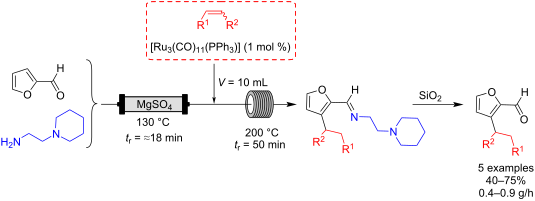
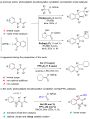
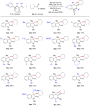
- develop a continuous flow process specifically for the C3-alkylation of furfural (Murai reaction). The transposition of a batch process to a continuous flow process is often costly in terms of time and reagents. Therefore, we chose to proceed in two steps: the reaction conditions were first optimized
- changing the redox state of the aldehyde function, we have developed a number of directed Ru(0)-catalyzed C3-functionalizations of furfurylimines, such as alkylation [21], arylation [22], alkenylation [23] and acylation [24], as well as an Ir-catalyzed directed C3-silylation (Scheme 1a) [25]. These batch
- -situ imine formation is currently impossible with catalytic or stoichiometric amounts of amine due to decarbonylation of furfural under the reaction conditions [21]. We thus present here an adaptation of our Ru(0)-catalyzed C3-alkylation strategy of furfural derivatives to a continuous flow system


Direct C2–H alkylation of indoles driven by the photochemical activity of halogen-bonded complexes
Beilstein J. Org. Chem. 2023, 19, 575–581, doi:10.3762/bjoc.19.42
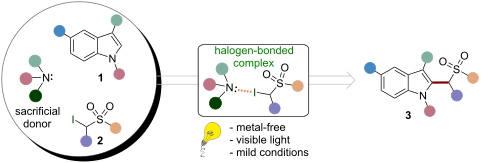
- ). Mechanistic investigations are reported. These studies provide convincing evidences for the photochemical formation of reactive open-shell species. Keywords: alkylation; EDA complex; halogens; indoles; photochemistry; Findings Direct replacement of carbon–hydrogen (C–H) bonds with new carbon–carbon (C–C
- photochemical alkylation, leading to the products 3e–i (up to 96% yield). It is worth noting that derivatives 3e–g were isolated in moderate yields as single regioisomer since the alkylation step took place exclusively in position 2 of the starting indoles. As limitation, we observed that indole-3
- -carboxaldehyde (1g) was not a suitable substrate for this transformation. Conclusion In conclusion, we reported a novel photochemical method for the direct C–H alkylation of indoles with α-iodosulfones. This approach exploits the photochemical activity of halogen-bonded EDA complexes, formed between α


A new oxidatively stable ligand for the chiral functionalization of amino acids in Ni(II)–Schiff base complexes
Beilstein J. Org. Chem. 2023, 19, 566–574, doi:10.3762/bjoc.19.41
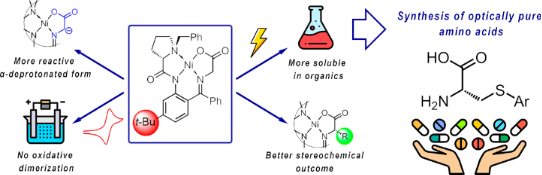
- -Cl [21], 3,4-di-Cl [21][22], 2/3/4-F [23]) were inserted in the N-benzyl moiety as well as in the aromatic rings of the benzophenone fragment [24][25][26] (selected examples are given in Scheme 1). Insertion of halogen atoms increased enantioselectivity, e.g., in alkylation reactions [27][28



Transition-metal-catalyzed domino reactions of strained bicyclic alkenes
Beilstein J. Org. Chem. 2023, 19, 487–540, doi:10.3762/bjoc.19.38
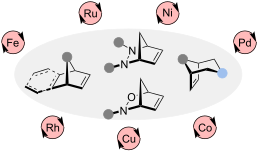
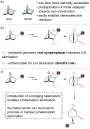
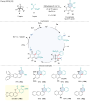
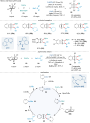
- final ring-opened adduct 37. Copper-catalyzed reactions In 2009, Pineschi and co-workers explored the Cu-catalyzed rearrangement/allylic alkylation of 2,3-diazabicyclo[2.2.1]heptenes 47 with Grignard reagents 48 (Scheme 8) [41]. The reaction is thought to proceed via the Lewis acid-catalyzed [3,4











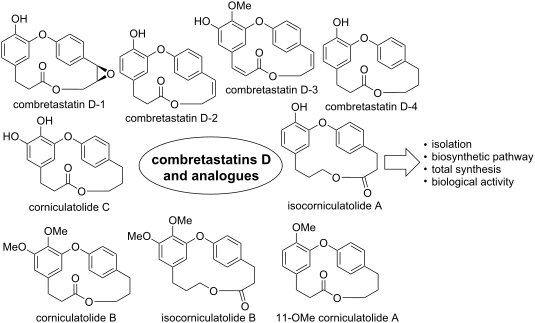
Combretastatins D series and analogues: from isolation, synthetic challenges and biological activities
Beilstein J. Org. Chem. 2023, 19, 399–427, doi:10.3762/bjoc.19.31
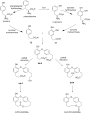
- hydroxybenzaldehyde 80 into the corresponding acetal followed by Ullmann-type coupling with 52, led to the formation of diaryl ether 83. Subsequent Corey–Fuchs reaction [49] and in situ alkylation led to formation of the propargylic alcohol 85. Deprotection of the aldehyde followed by chain elongation through the




Synthesis, α-mannosidase inhibition studies and molecular modeling of 1,4-imino-ᴅ-lyxitols and their C-5-altered N-arylalkyl derivatives
Beilstein J. Org. Chem. 2023, 19, 282–293, doi:10.3762/bjoc.19.24
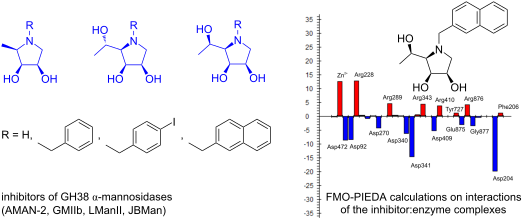
- iminosugars can be achieved by an alkylation of the endocyclic nitrogen. This reduces their high hydrophilicity which in turn may have a positive impact on the interactions with the hydrophobic pocket of the GMII active site. For example, N-benzylation of DIM afforded a slightly more potent GMII inhibitor
- than parent DIM [15]. Also, screening of a large library of N-alkyl and N-arylalkyl DIMs revealed that they are less effective inhibitors of JBMan than DIM, indicating that N-alkylation might lead to better selectivity profiles. However, this library has not been assayed for GMII and LM, therefore the
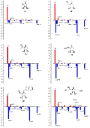
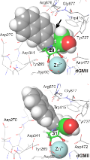
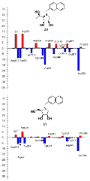
- -1 further enhanced the potency and led to highly selective nanomolar GMII inhibitors [14] (Figure 1). Our first investigations were focused on the development of selective GMII inhibitors derived from 1,4-imino-1,4-dideoxy-ʟ-lyxitol. Initially, we modified this core by an alkylation of the


Strategies to access the [5-8] bicyclic core encountered in the sesquiterpene, diterpene and sesterterpene series
Beilstein J. Org. Chem. 2023, 19, 245–281, doi:10.3762/bjoc.19.23
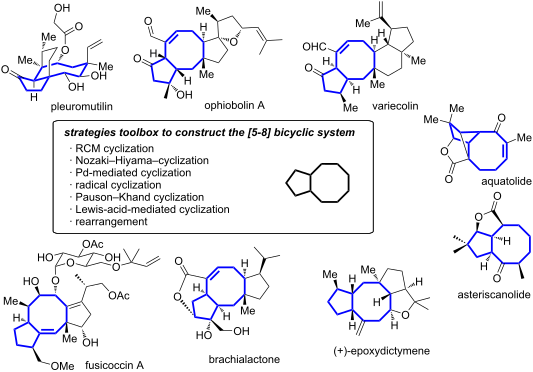
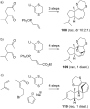
- steps from accessible methylcyclopentenone 16 (Scheme 2). The sequence included a Mukaiyama–Michael reaction with silyl enol 15 followed by a Tsuji alkylation. With diene 17 in hands, the RCM reaction was performed by addition of G-II catalyst and furnished the expected C5-C8 bicyclic framework 18 in 95


Friedel–Crafts acylation of benzene derivatives in tunable aryl alkyl ionic liquids (TAAILs)
Beilstein J. Org. Chem. 2023, 19, 212–216, doi:10.3762/bjoc.19.20
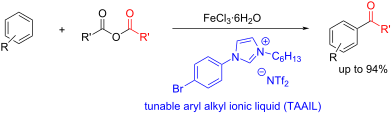
- derivatives (see Scheme 1). First, the arylimidazole is obtained through a ring closing reaction using an aniline derivative, glyoxal, formaldehyde and ammonium chloride. The following alkylation with hexyl bromide yields the bromido ionic liquid. TAAILs 1–6 are then formed by an anion exchange reaction using


Total synthesis of insect sex pheromones: recent improvements based on iron-mediated cross-coupling chemistry
Beilstein J. Org. Chem. 2023, 19, 158–166, doi:10.3762/bjoc.19.15
- , whereas when the reaction was performed in THF alone (at 20 °C), the yield improved significantly (92%, Scheme 3). The efficient iron-mediated alkylation of dienyl phosphates, proceeding with an excellent retention of stereochemistry, was then successfully used in the introduction of the alkyl–alkenyl
- pheromone 4 can be obtained in a convergent total synthesis with a key iron-mediated cross coupling starting from sorbic acid and a commercially available α,ω-chloroalcohol in 4 steps, with an overall 38% yield. This method can also be used for the alkylation of dienyl bromides by classic aliphatic or


1,4-Dithianes: attractive C2-building blocks for the synthesis of complex molecular architectures
Beilstein J. Org. Chem. 2023, 19, 115–132, doi:10.3762/bjoc.19.12
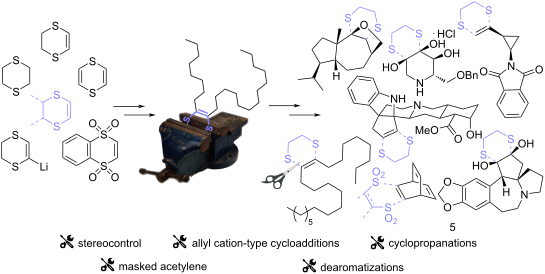
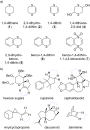
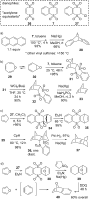
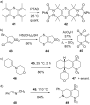
- reverse (3 + 2) cycloaddition which expels a heteroatomic anion via a β-elimination-type mechanism somewhat similar to a classical Grob-type fragmentation. Similarly, 1,3-dithiolanes undergo fragmentation at relatively low reaction temperatures, limiting their synthetic application to alkylation with
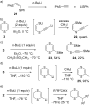
- dienophiles 7 and 27. 4 Alkylation chemistry of 1,4-dithianes and 1,4-dithiins: stereocontrolled synthesis of Z-alkenes As mentioned in chapter 2 of this review, Palumbo and co-workers found that 5,6-dihydro-1,4-dithiins are relatively resistant to β-elimination in their lithiated form (Scheme 6e), and this
- opens up options for Corey–Seebach-type alkylation reactivity with a wider range of electrophiles. The method is demonstrated by the smooth lithiation and subsequent alkylation of the acetophenone-derived dithiin 50 (Scheme 10a) [42]. Palumbo’s elegant overall approach to dihydrodithiin-mediated










Catalytic aza-Nazarov cyclization reactions to access α-methylene-γ-lactam heterocycles
Beilstein J. Org. Chem. 2023, 19, 66–77, doi:10.3762/bjoc.19.6

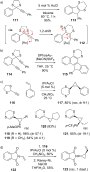
- starting from the commercially available triethyl phosphonoacetate (14, Scheme 2a). The deprotonation of 14 with NaH followed by alkylation using (iodomethyl)trimethylsilane afforded phosphonate 15 in 60% yield (7.0 g). Its subsequent Horner–Wadsworth–Emmons reaction with isovaleraldehyde resulted in the


NaI/PPh3-catalyzed visible-light-mediated decarboxylative radical cascade cyclization of N-arylacrylamides for the efficient synthesis of quaternary oxindoles
Beilstein J. Org. Chem. 2023, 19, 57–65, doi:10.3762/bjoc.19.5
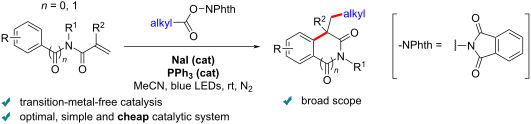
- limited substrate scopes (Scheme 1a). With the rapid development of sustainable chemistry, developing low-cost and transition-metal-free photocatalytic methods has become a strategic priority. In 2019 [54], the groups of Fu and Shang pioneered the photocatalytic decarboxylative alkylation of silyl enol




Two-step continuous-flow synthesis of 6-membered cyclic iodonium salts via anodic oxidation
Beilstein J. Org. Chem. 2023, 19, 27–32, doi:10.3762/bjoc.19.2
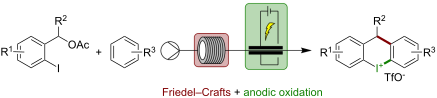
- Friedel–Crafts alkylation followed by an anodic oxidative cyclization yielded a defined set of cyclic iodonium salts in a highly substrate-dependent yield. Keywords: electrochemistry; flow chemistry; hypervalent compounds; iodine; oxidation; Introduction Hypervalent iodine compounds (HVI) are well
- . Conclusion In summary, we have developed the first multi-step continuous-flow procedure for the generation of cyclic six-membered diaryliodonium salts. Starting from easily accessible benzyl acetates we were able to combine a Friedel–Crafts alkylation with a subsequent anodic oxidative cyclization in flow


Combining the best of both worlds: radical-based divergent total synthesis
Beilstein J. Org. Chem. 2023, 19, 1–26, doi:10.3762/bjoc.19.1
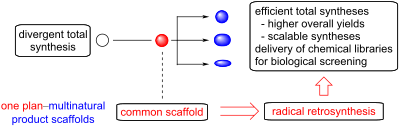
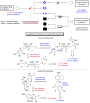
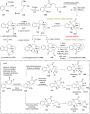
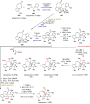
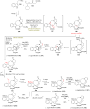
- -fused tetracycle instead, were reported to possess NF-kB-inhibitory activity and anticancer activity against NCI H-929 cancer cell lines (Scheme 6) [39]. In 2021 Lu’s group reported the total synthesis of members of both meroterpenoid families based on a highly chemoselective α-alkylation in the
- thermodynamic position of a Wieland−Miescher ketone derivative 68 with benzyl bromide 69. Despite the challenging O- and C7-alkylations that required suppression, the desired C9-alkylation was achieved in 72% yield under thermodynamically controlled conditions (t-BuOK in THF at −40 °C). This coupled the terpene
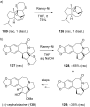
- 167 at 390 nm in the presence of NaHCO3 in CH3CN/t-BuOH, 5:1 to provide 168 in 55% yield (Scheme 14) [91]. Alkylation of the tetracycle, followed by epimerization of the C2 center and radical deoxygenation, or alternatively SN2 etherification, provided the common scaffold 170. The latter can serve as








Inline purification in continuous flow synthesis – opportunities and challenges
Beilstein J. Org. Chem. 2022, 18, 1720–1740, doi:10.3762/bjoc.18.182
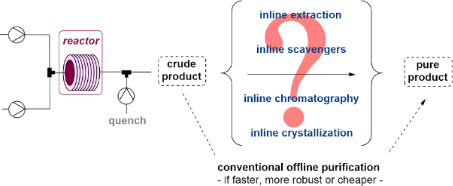
- concerned the separation of an O-alkylation product where a PTC was needed as part of the process prior to the next synthetic step [56]. Interestingly, for small scale examples anisole worked well as a solvent for both telescoped reactions. However, in a long run a gravity separator was favored because of
- membrane fouling after 1 hour. An automated fill-empty gravity separator was also used for the separation of phases in a scale up of an N-alkylation reaction reported by Eli-Lilly as an alternative to the Zaiput membranes that were better used for rapid screening of conditions [57]. The use of these
- -alkylation reaction which includes quenching, phase separation, and final filtration. After a thorough study of conditions to avoid clogging, a long run processing >100 g was achieved, giving the product in 95% yield and >99% purity [116]. The same authors also reported the crystallization of a simple




Total synthesis of grayanane natural products
Beilstein J. Org. Chem. 2022, 18, 1707–1719, doi:10.3762/bjoc.18.181
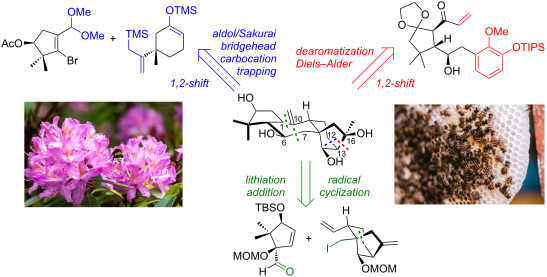
- synthesis, the authors followed the strategy developed previously by Marinovi’s group to form the bicyclo[3.2.1]octane moiety [39]. The synthesis started from 64 with a one-pot Birch reduction/alkylation with vinyl bromide 65, affording 66 in 68% yield over two steps. Next the construction of the bicylo




Functionalization of imidazole N-oxide: a recent discovery in organic transformations
Beilstein J. Org. Chem. 2022, 18, 1575–1588, doi:10.3762/bjoc.18.168
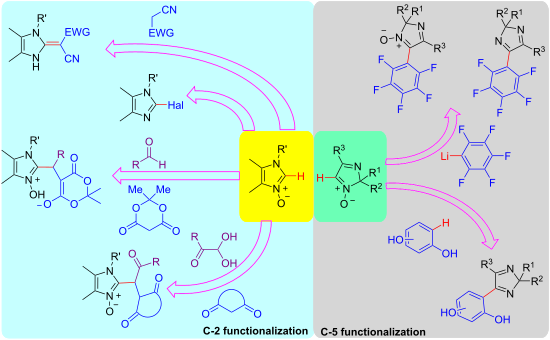
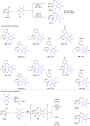
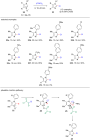
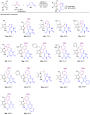
- reactions with elemental sulfur [23][24][25], resulting in the generation of non-enolizable imidazole-2-thiones. At first, the alkylation of 2-unsubstituted imidazole N-oxides 40 took place in the presence of an equimolar quantity of benzyl bromide in CH2Cl2 at rt providing the (N-benzyloxy)imidazolium







1,4,6,10-Tetraazaadamantanes (TAADs) with N-amino groups: synthesis and formation of boron chelates and host–guest complexes
Beilstein J. Org. Chem. 2022, 18, 1424–1434, doi:10.3762/bjoc.18.148
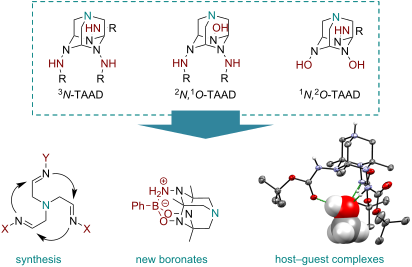
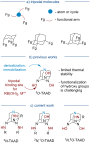
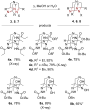
- triple alkylation of ammonia with α-halohydrazones 9a–e following a protocol previously developed by us [35] (Scheme 2a). Halohydrazones 9a–e were prepared by condensation of readily available chloroacetone or bromoacetaldehyde (generated from the corresponding diethyl acetal) with hydrazides or






Synthesis of C6-modified mannose 1-phosphates and evaluation of derived sugar nucleotides against GDP-mannose dehydrogenase
Beilstein J. Org. Chem. 2022, 18, 1379–1384, doi:10.3762/bjoc.18.142
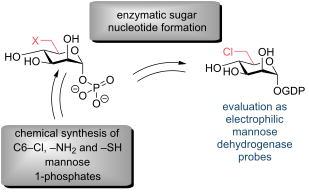
- active site thiohemiaminal (amine to imine oxidation) or disulfide formation, respectively. Additionally, C6–Cl derivative 9 could probe cysteine alkylation. Reported herein is our exploration of this synthesis and the evaluation of GDP 6-chloro-6-deoxy-ᴅ-mannose 18 against GMD. Results and Discussion
- the GMD-19 incubation time to overnight, followed by protein-MS analysis, but found no evidence of sugar nucleotide–protein conjugation; by contrast a positive control treating GMD with iodoacetamide showed multiple alkylation of the protein (see Figure S4 in Supporting Information Information File 1
- accepted. Evaluation of GDP 6-chloro-6-deoxy-ᴅ-mannose suggests that the ligand can bind to GMD, but that targeting inhibitive S-alkylation of an sp3-hybridised C6 electrophilic probe is ineffective here. a) Proposed oxidative pathway for provision of GDP-ManA 5 from GDP-Man 1, C6 stereochemistry of 3 is


Ionic multiresonant thermally activated delayed fluorescence emitters for light emitting electrochemical cells
Beilstein J. Org. Chem. 2022, 18, 1311–1321, doi:10.3762/bjoc.18.136
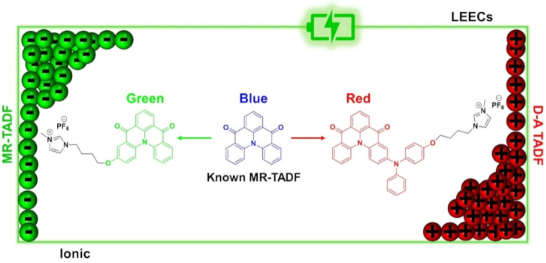
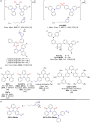
- -dibromobutane in moderate yield, followed by a second alkylation step with 1-methylimidazole in very good yield. DiKTa-OBuIm was isolated as its hexafluorophosphate salt following anion metathesis with NH4PF6. DiKTa-DPA-OBuIm was obtained also in three steps at 35% overall yield from compound 4 using a similar



Ferrocenoyl-adenines: substituent effects on regioselective acylation
Beilstein J. Org. Chem. 2022, 18, 1270–1277, doi:10.3762/bjoc.18.133
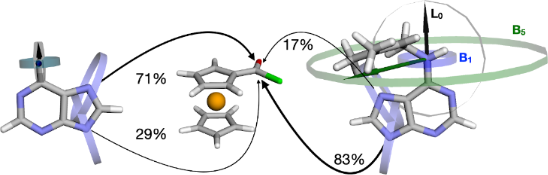
- both isomers is, therefore, a competitive process. This confirms that the adenine anion behaves as an ambident nucleophile with two competing reaction centers at the N7- and N9-position [26]. It is known that acylation [25] or alkylation [27][28][29] of adenine is rarely regiospecific, and mixtures of
- N7- and N9-isomers are usually obtained. In some cases, the acylation of adenine may also occur at the exo-amino group (N6) [30][31]. In general, the literature on the regioselectivity of alkylation of adenines/purines is more abundant, includes an array of reaction conditions (base, solvent
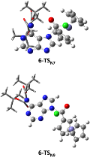
- in the alkylation of purines were reported earlier [40]. Now, we demonstrate for the first time that similar effect is operative in the acylation of purines. It is evident from the results in Table 1 that the N9/N7 ratio increases with the increasing size of the substituent at the exocyclic amino



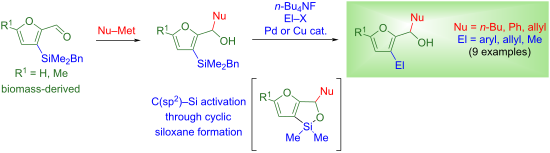
Modular synthesis of 2-furyl carbinols from 3-benzyldimethylsilylfurfural platforms relying on oxygen-assisted C–Si bond functionalization
Beilstein J. Org. Chem. 2022, 18, 1256–1263, doi:10.3762/bjoc.18.131
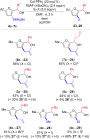
- details). We also contemplated the use of alkyl iodides as electrophiles. Methylation with methyl iodide was efficient, as shown through the preparation of 28 in 61% yield from 4c. In contrast, higher alkyl iodides, such as ethyl iodide, failed to provide the alkylation product (i.e., 29) and only


A versatile way for the synthesis of monomethylamines by reduction of N-substituted carbonylimidazoles with the NaBH4/I2 system
Beilstein J. Org. Chem. 2022, 18, 1032–1039, doi:10.3762/bjoc.18.104
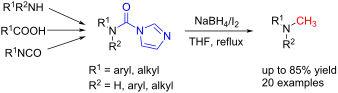
- the methylation reagents and the reductive amination reactions by using formaldehyde or paraformaldehyde as the “indirect” alkylation reagents [16][17][18][19]. Recently, a variety of promising methylating agents or C1 sources such as formic acid [20][21], methanol [22][23][24][25][26][27][28][29][30
- ][31] and carbon dioxide (CO2) [32][33][34][35][36][37][38][39] have been developed for the N-methylation of amines. However, these N-alkylation methods often require the employment of expensive catalysts, and the N-alkylation of primary amines generally does not stop with monomethylation as expected


Synthetic strategies for the preparation of γ-phostams: 1,2-azaphospholidine 2-oxides and 1,2-azaphospholine 2-oxides
Beilstein J. Org. Chem. 2022, 18, 889–915, doi:10.3762/bjoc.18.90
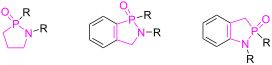
- -phenylphosphinamide (92a) and chloromethyl N,N’-dimethyl-N,N’-diphenylphosphondiamide (92b) via an intramolecular Friedel–Crafts alkylation. Although they tried several different amide derivatives, only phosphinamide 92a and phosphonic diamide 92b gave the corresponding 1-methyl-1,3-dihydrobenzo[d][1,2]azaphosphole 2
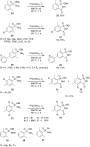
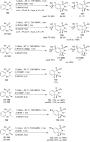
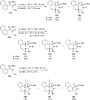
- intramolecular nucleophilic dearomatization and protonation or electrophilic alkylation reactions, affording the corresponding dihydronaphthylene-fused γ-phosphinolactams 135–142. Methanol was used as the electrophile for protonation, while methyl iodide and allyl bromide were used as electrophiles for
- alkylation. A remarkable difference compared with the diphenylphosphinamides is the fact that the current reactions proceeded with excellent regio- and stereoselectivities and yields in THF without the use of the carcinogenic cosolvent HMPA (Scheme 24) [51]. With benzaldehyde as an electrophile, both








Synthesis and HDAC inhibitory activity of pyrimidine-based hydroxamic acids
Beilstein J. Org. Chem. 2022, 18, 837–844, doi:10.3762/bjoc.18.84
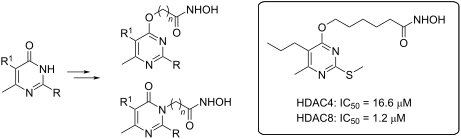
- to differently substituted pyrimidine rings via a methylene group bridge of varying length as potential HDAC inhibitors is described. The target compounds were obtained by alkylation of 2-(alkylthio)pyrimidin-4(3H)-ones with ethyl 2-bromoethanoate, ethyl 4-bromobutanoate, or methyl 6-bromohexanoate
- both the HDAC4 and HDAC8 isoforms, with an IC50 of 16.6 µM and 1.2 µM, respectively. Keywords: alkylation; aminolysis; HDAC inhibitors; hydroxamic acid; pyrimidine; Introduction Histone deacetylases (HDACs) are a family of intracellular proteins responsible for removing acetyl groups in histones
- ][28][29][30]. In this work, the pyrimidine-based hydroxamic acids were synthesized by aminolysis of the corresponding esters. The required esters 3 and 4 were obtained by alkylation of pyrimidinones 1 and 2 with ethyl 2-bromoethanoate in triethylamine in the presence of tetrabutylammonium bromide at





